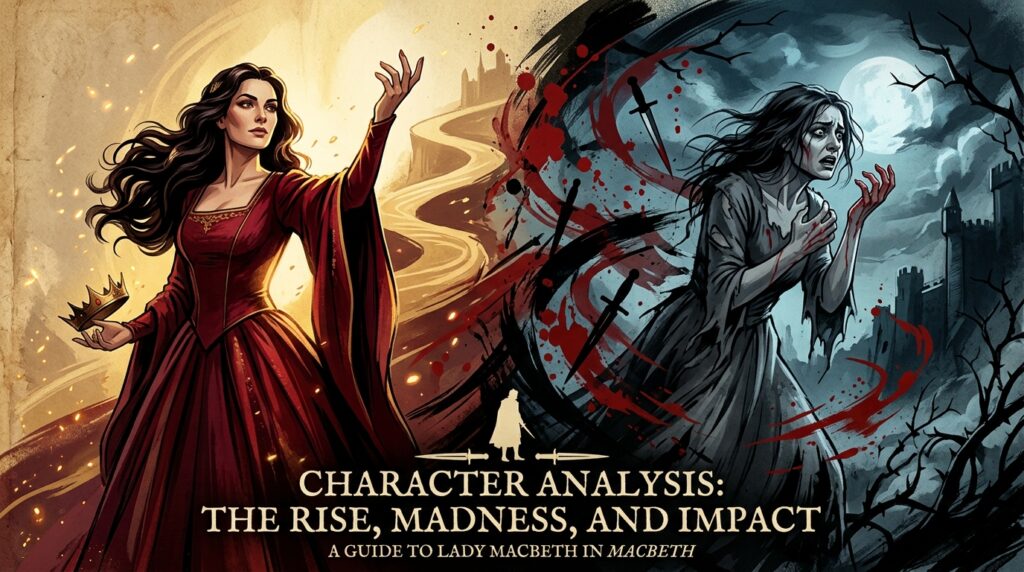
Few figures in English literature possess the mesmerizing, chilling power of Shakespeare’s most famous antiheroine. When analyzing the character of Lady Macbeth in Macbeth, scholars, students, and theatergoers are confronted with a psychological study that transcends simple moral binaries. Far from being a one-dimensional wicked queen or a caricature of unadulterated evil, she is the operational mastermind behind one of the greatest political assassinations in dramatic history—and simultaneously the victim of her own unraveling psyche.
For students writing literary essays or theater enthusiasts dissecting the Scottish play, understanding Lady Macbeth often presents a significant challenge: How does a woman who boldly demands to be “unsexed” and filled with “direst cruelty” succumb so completely to the psychological weight of a single spot of blood?
This comprehensive guide dismantles the common misconceptions surrounding her role. By exploring her initial persona, her subversion of Jacobean gender norms, her tragic descent into madness, and her enduring dramatic significance, we uncover Shakespeare’s ultimate cautionary critique of unchecked ambition, toxic power dynamics, and moral disintegration.
Establishing the Archetype: Lady Macbeth’s Initial Persona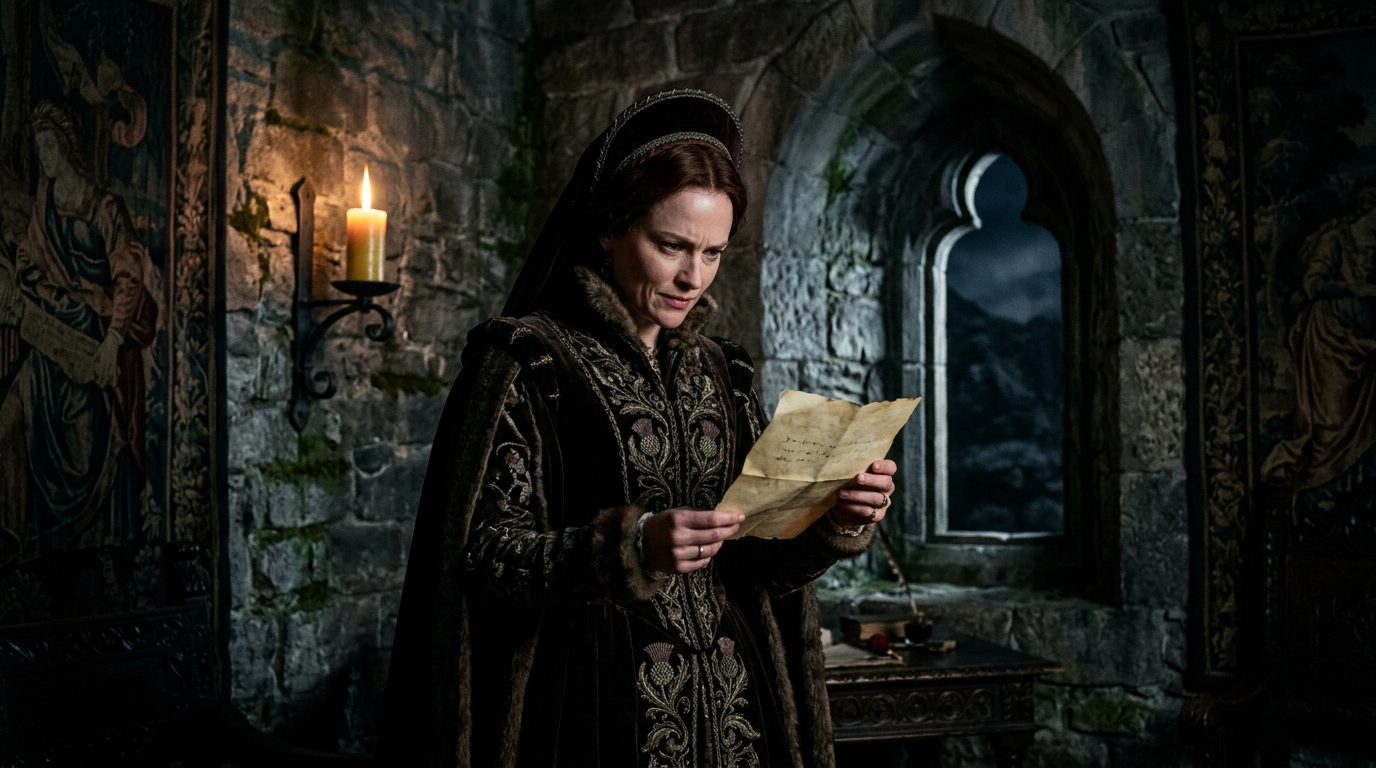
Partner in Greatness: The Dynamics of the Macbeth Marriage
When Lady Macbeth first enters the stage in Act 1, Scene 5, reading her husband’s letter, Shakespeare immediately establishes a marital dynamic unique to Renaissance drama. Unlike many Jacobean plays where wives occupy subservient, domestic spheres, Lady Macbeth is addressed by her husband as “my dearest partner of greatness.” This phrasing reveals a relationship built on intellectual equality, shared ambition, and mutual dependency.
       +-------------------------------------------------+
       |               THE MACBETH PARTNERSHIP           |
       +-------------------------------------------------+
       |  Macbeth (The Muscle)  <--->  Lady Macbeth (The Mind)  |
       |  - Visionary ambition        - Pragmatic execution     |
       |  - Moral hesitation          - Psychological control   |
       +-------------------------------------------------+
Macbeth’s letter does not merely report the prophecies of the Weird Sisters; it invites his wife to share in the anticipation of royal grandeur. However, Lady Macbeth immediately recognizes her husband’s key weakness: his conscience. She famously assesses his character:
“Yet do I fear thy nature; / It is too full o’ th’ milk of human kindness / To catch the nearest way.” (1.5.16–18)
Here, “milk” symbolizes human empathy, moral nurture, and hesitation. Lady Macbeth realizes that while her husband possesses the desire for power, he lacks the ruthless pragmatic efficiency required to seize it. She positions herself as the necessary psychological catalyst to bridge the gap between his ambition and his actions.
Unchecked Ambition: The Catalyst for Regicide
While Macbeth wavers under the weight of moral, feudal, and divine duties, Lady Macbeth maintains a sharp, pragmatic focus. She understands that King Duncan’s unexpected visit to their castle at Inverness presents an unrepeatable strategic opportunity.
Her ambition is not passive; it is operational. While Macbeth debates the ethical consequences of killing a king who is both his guest and his kinsman, Lady Macbeth formulates the tactical plan:
-
Drugging the King’s chamberlains with wine and ale.
-
Using the guards’ own daggers to commit the murder.
-
Smearing the sleeping guards with Duncan’s blood to frame them for the regicide.
She functions as the strategic architect of the coup. Where Macbeth sees moral damnation, Lady Macbeth sees a logistics problem requiring a decisive, immediate solution.
Gender and Power Dynamics: Subverting Jacobean Expectations
+-----------------------------------------------------------------------+
|                    SUBVERTING JACOBEAN GENDER NORMS                   |
+-----------------------------------------------------------------------+
|  Jacobean Expectation for Women   |  Lady Macbeth's Subversion        |
+-----------------------------------+-----------------------------------+
|  Submissive, nurturing, gentle    |  Dominant, calculating, ruthless  |
|  Source of life (maternal milk)   |  "Take my milk for gall"          |
|  Protected from violence          |  Architect of regicide            |
+-----------------------------------------------------------------------+
“Unsex Me Here”: Rejecting Femininity for Agency
In the patriarchal society of Jacobean England, political power was reserved exclusively for men. Women possessed no formal military or legislative authority. To exert political agency, Lady Macbeth recognizes that she must strip herself of the traditional traits associated with her sex—compassion, empathy, and maternal instinct.
Her famous soliloquy in Act 1, Scene 5 serves as an invocation of terrifying intensity:
“Come, you spirits / That tend on mortal thoughts, unsex me here, / And fill me from the crown to the toe top-full / Of direst cruelty. Make thick my blood…” (1.5.41–44)
By calling upon “spirits,” she asks to be stripped of her natural biological and emotional capacity for remorse. Her request to “take my milk for gall” explicitly targets her capacity for motherhood and nurture, converting the symbol of human life into poison. In her mind, femininity is synonymous with weakness, while masculinity is synonymous with violent action.
Masculinity as a Weapon of Manipulation
Lady Macbeth’s most effective psychological weapon against her husband is her relentless attacks on his masculinity. In Jacobean martial culture, a nobleman’s identity was rooted in bravery, decisiveness, and martial prowess. When Macbeth hesitates and decides to proceed no further in the plot, she turns this cultural code against him:
“When you durst do it, then you were a man; / And to be more than what you were, you would / Be so much more the man.” (1.7.51–53)
She redefines manhood not as chivalric honor or moral integrity, but as the willingness to execute one’s desires at all costs. She goes so far as to contrast his hesitation with a horrifying image of her own ruthless resolve, claiming she would have plucked her nursing infant from her breast and “dashed the brains out” had she sworn to do so as Macbeth had. This shocking rhetoric shames Macbeth into submission, driving him to commit the treasonous murder.
The Psychological Arc: The Rapid Descent into Guilt and Madness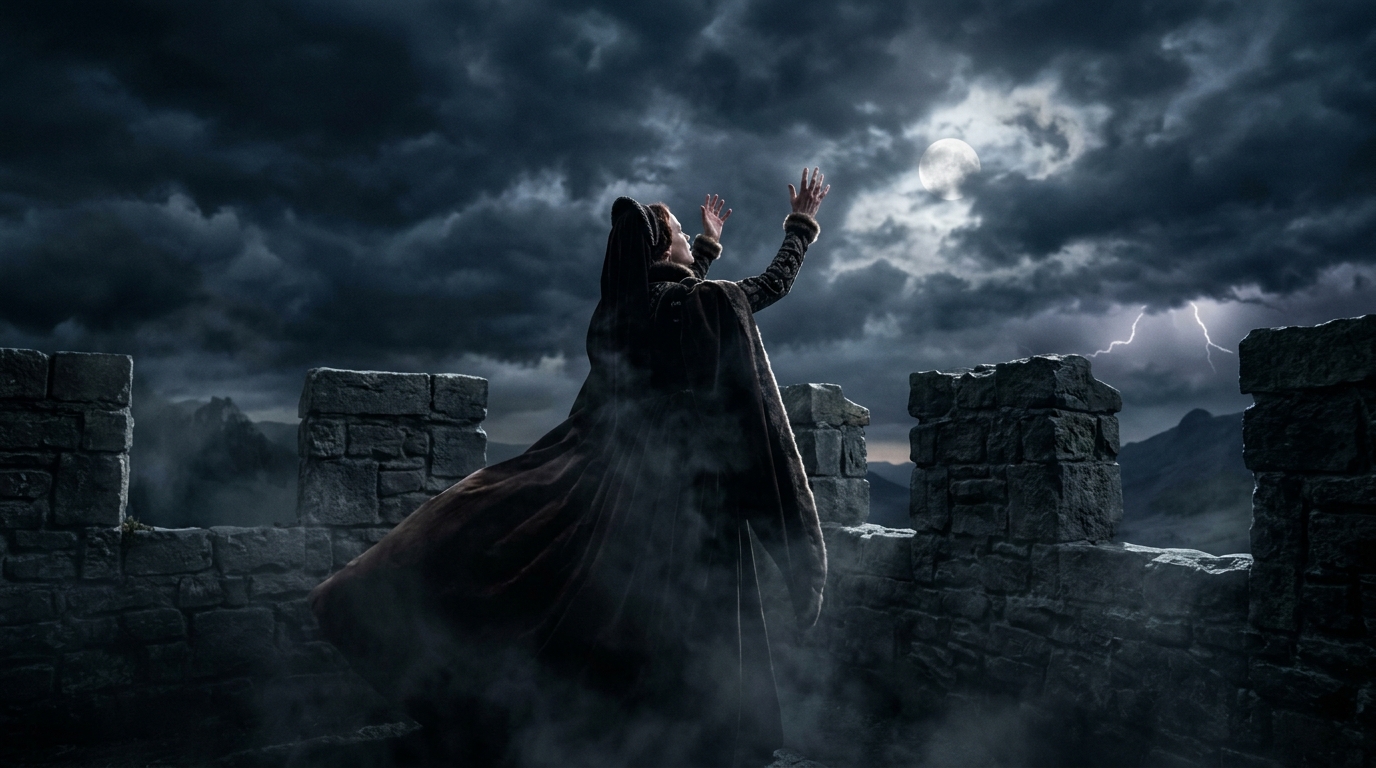
+-----------------------------------------------------------------------+
|                    THE DUAL PSYCHOLOGICAL TRAJECTORIES                |
+-----------------------------------------------------------------------+
|  ACT 1 - ACT 2:  Lady Macbeth (Dominant/Cold)  -->  Macbeth (Hesitant)|
|  ACT 3:          Lady Macbeth (Fading Control)  <--  Macbeth (Tyrant)  |
|  ACT 5:          Lady Macbeth (Madness/Death)  <--  Macbeth (Desperate)|
+-----------------------------------------------------------------------+
The Turning Point: The Banquo Banquet (Act 3, Scene 4)
The immediate aftermath of Duncan’s murder marks the high point of Lady Macbeth’s control, but it also contains the seeds of her destruction. Almost immediately, the dynamic between husband and wife begins to invert. Once Macbeth assumes the crown, he no longer includes her in his decision-making.
When Macbeth hires assassins to murder Banquo and his son Fleance, he deliberately excludes his wife, telling her:
“Be innocent of the knowledge, dearest chuck, / ’Til thou applaud the deed.” (3.2.48–49)
This marks a devastating shift in her character arc. The “partner of greatness” is reduced to a bystander. During the famous banquet scene in Act 3, Scene 4, when Macbeth sees the Ghost of Banquo, Lady Macbeth makes one final heroic attempt to maintain order, dismissing his visions as a minor fit and berating him (“Are you a man?”). However, her authority is broken. The guests are dismissed in chaotic disorder, and her ability to manage her husband’s conscience permanently fails.
The Sleepwalking Scene: The Unconscious Mind Revealed (Act 5, Scene 1)
Lady Macbeth’s psychological collapse does not happen in public; it happens in the dark, isolated depths of her bedchamber. Act 5, Scene 1—the sleepwalking scene—is one of the most celebrated portrayals of trauma and guilt in world literature.
Observed by a Doctor and a Gentlewoman, Lady Macbeth enters holding a burning candle. The Gentlewoman notes that “she has light by her continually; ’tis her command.” The woman who once called upon “thick night” to hide her crimes can no longer endure the darkness.
       +--------------------------------------------------+
       |       ECHOES OF GUILT IN THE SLEEPWALKING SCENE   |
       +--------------------------------------------------+
       |  PAST PRAGMATISM (Act 2)                         |
       |  "A little water clears us of this deed."        |
       |                                                  |
       |  UNCONSCIOUS REALITY (Act 5)                     |
       |  "Out, damned spot! ... All the perfumes of      |
       |   Arabia will not sweeten this little hand."     |
       +--------------------------------------------------+
Her prose speech during this scene fragments into disjointed memories, echoing her past actions and words:
-
The Compulsive Washing: She obsessively rubs her hands in a desperate attempt to cleanse imaginary blood. Her earlier assertion—“A little water clears us of this deed”—is revealed as a tragic delusion.
-
The Sensory Horror: She cries, “Out, damned spot! out, I say! … Who would have thought the old man to have had so much blood in him?” Her guilt is no longer an abstract moral concept; it is a physical, sensory torture.
-
The Olfactory Memory: “All the perfumes of Arabia will not sweeten this little hand.” The smell of blood permanently stains her psyche.
Her conscious mind suppressed the horror of regicide to achieve power, but her subconscious mind exacts a devastating toll, fragmenting her intellect into complete madness.
The Tragic End: Off-Stage Suicide and Finality
Lady Macbeth’s death occurs off-stage in Act 5, Scene 5, announced by a cry of women and confirmed by Seyton: “The Queen, my lord, is dead.” Malcolm later suggests she died by “self and violent hands.”
Her suicide is the logical conclusion of her psychological journey. Deprived of her partnership with Macbeth, isolated from the kingdom, and tortured by inescapable guilt, her mind completely collapses. Macbeth’s reaction to her death—the famous “She should have died hereafter” soliloquy—reflects the profound nihilism that has consumed them both. The ambition that was meant to grant them ultimate power instead reduces their lives to “a tale told by an idiot, full of sound and fury, signifying nothing.”
Central Symbolism and Thematic Motifs
To fully grasp the character of Lady Macbeth in Macbeth, one must examine the key symbols and thematic motifs through which Shakespeare constructs her narrative arc.
+---------------------------------------------------------------------------+
|                          KEY SYMBOLS & MOTIFS                             |
+---------------------------------------------------------------------------+
|  Symbol / Motif  |  Initial Significance      |  Final Significance       |
+------------------+----------------------------+---------------------------+
|  Blood           |  Evidence to be wiped away  |  Inescapable moral stain  |
|  Light / Dark    |  Darkness as a cloak       |  Light as protection      |
|  Sleep           |  Opportunity for murder    |  Destroyed peace of mind  |
+------------------+----------------------------+---------------------------+
Blood and Water: Guilt vs. Purification
Blood is the primary visual and symbolic motif associated with Lady Macbeth. In the early acts, she treats blood as mere physical evidence to be manipulated—something that can be painted on guards or washed away with water.
However, as the play progresses, blood transforms from a physical substance into a psychological symbol of indelible guilt. While water can remove physical stains, it cannot wash away the moral transgression of regicide. The contrast between her initial cold dismissal of blood and her obsession with the “damned spot” illustrates the inevitability of moral conscience.
Darkness and Light: Illusion vs. Exposure
In Act 1, Lady Macbeth explicitly prays for darkness: “Come, thick night, / And pall thee in the dunnest smoke of hell.” She seeks night as a cloak to conceal her dagger from heaven and from her own sight.
By Act 5, her relationship with light and darkness completely reverses. She requires a candle by her bedside at all times. Darkness, which she once invited to execute crime, now terrifies her because it exposes her to the horrors of her own mind and the fear of eternal damnation.
Sleep and Sleeplessness: Innocence Lost
When Macbeth murders Duncan, he hears a voice cry, “Macbeth shall sleep no more!” While Macbeth experiences immediate insomnia and paranoia, Lady Macbeth initially seems immune to this curse.
However, her sleepwalking in Act 5 proves that she, too, has been denied the healing power of sleep. Her mind cannot rest; instead, sleep becomes the terrifying space where her conscious defenses drop, forcing her to relive the murder perpetually.
Literary & Historical Context: Shakespeare’s Jacobean Audience
King James I and Witchcraft Concerns
To understand how Shakespeare’s contemporary audience viewed Lady Macbeth, one must consider the historical context of 1606. King James I had recently ascended the English throne following the death of Queen Elizabeth I. James was fascinated by demonology and witchcraft, having authored the treatise Daemonologie (1597).
        +---------------------------------------------------+
        |       PARALLELS: WITCHES VS. LADY MACBETH         |
        +---------------------------------------------------+
        |  The Three Witches        |  Lady Macbeth         |
        |  - Supernatural powers    |  - Mortal ambition    |
        |  - Prophesy royalty       |  - Executes plan      |
        |  - Invoke evil spirits    |  - Invokes spirits    |
        +---------------------------------------------------+
Lady Macbeth’s character directly echoes Jacobean fears of supernatural corruption. When she calls on spirits to “unsex” her, a Jacobean audience would recognize language closely aligned with witchcraft and demonic possession. Although she possesses no real magical powers, her willingness to invite evil into her soul creates a clear parallel between her and the Three Witches. While the witches provide the temptation, Lady Macbeth acts as the human engine that fulfills the dark prophecies.
Performance History Considerations
The portrayal of Lady Macbeth has evolved dramatically across centuries of theatrical history:
-
The Renaissance Era (1600s): Performed by boy actors, her character was often played with stark, terrifying severity, emphasizing her subversion of natural order.
-
18th & 19th Centuries: Legendary actresses like Sarah Siddons re-imagined her with tragic majesty, highlighting her maternal grief and psychological vulnerability.
-
Modern Cinema: Portrayals by Dame Judi Dench (1979) and Marion Cotillard (2015) emphasize her emotional isolation, intimacy with Macbeth, and nuanced psychological deterioration, presenting her not as a monster, but as a deeply traumatized human being.
Essential Lady Macbeth Quotes Analyzed for Students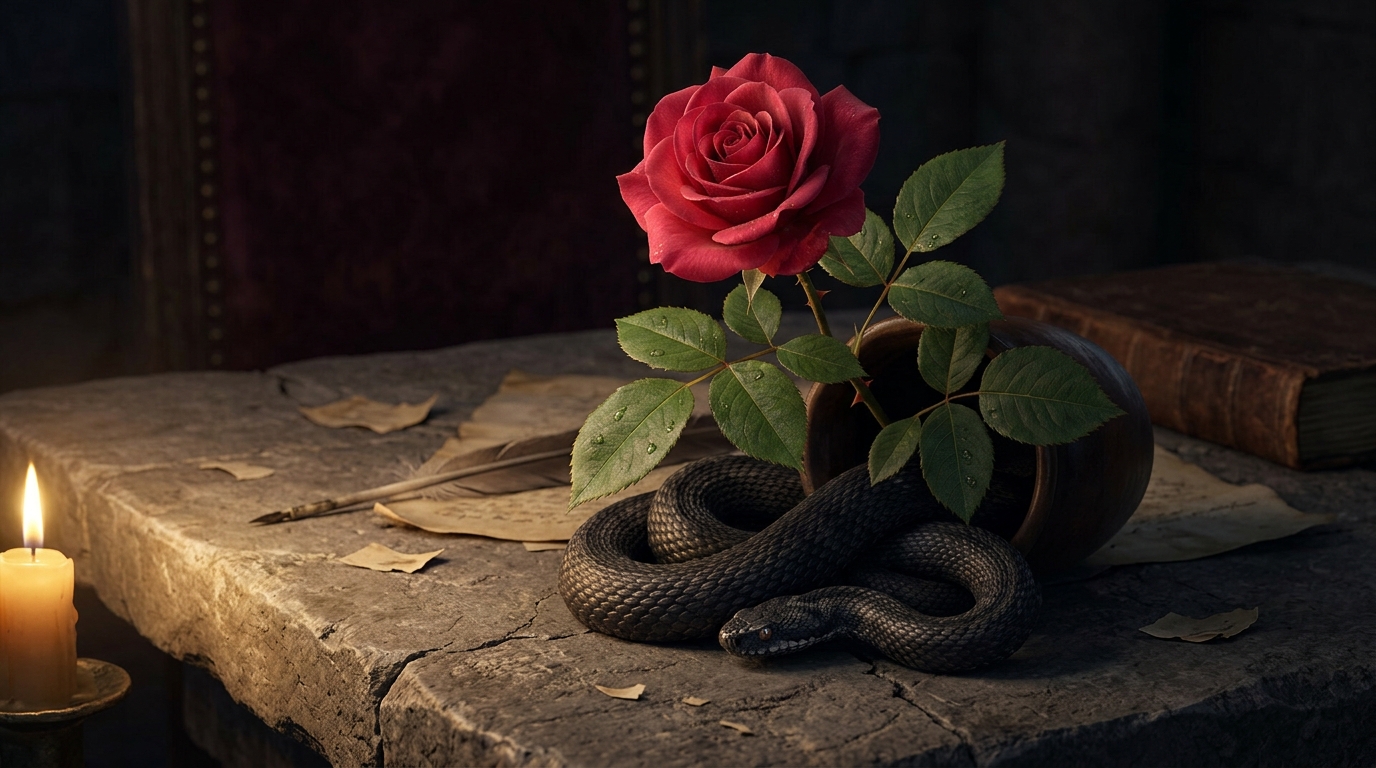
For students preparing for exams or writing critical essays, analyzing specific quotations with attention to literary devices, meter, and context is essential.
Quote 1: The Deceptive Persona
“Look like the innocent flower, / But be the serpent under’t.” (1.5.64–65)
-
Context: Lady Macbeth advising her husband on how to behave toward King Duncan upon his arrival at Inverness.
-
Analysis: Shakespeare uses a vivid simile and religious allusion. The “innocent flower” represents traditional feudal hospitality, while the “serpent” directly recalls the biblical serpent in the Garden of Eden, symbolizing temptation, deception, and the fall of man.
-
Essay Application: Use this quote to discuss themes of appearance versus reality and Lady Macbeth’s role as a manipulative strategist.
Quote 2: The Brutal Resolve
“I have given suck, and know / How tender ’tis to love the babe that milks me: / I would, while it was smiling in my face, / Have plucked my nipple from his boneless gums, / And dashed the brains out, had I so sworn as you / Have done to this.” (1.7.54–59)
-
Context: Lady Macbeth shaming Macbeth when he tries to back out of the murder plot.
-
Analysis: The juxtaposition of tender maternal imagery (“smiling in my face”, “boneless gums”) with brutal violence (“dashed the brains out”) creates a jarring emotional impact. It highlights her willingness to violate the most sacred natural bond—motherhood—to uphold a pledge of power.
-
Essay Application: Ideal for essays focusing on gender subversion, power dynamics, and her psychological control over Macbeth.
Quote 3: The Broken Mind
“Out, damned spot! out, I say!—One: two: why, then, ’tis time to do’t.—Hell is murky!—Fie, my lord, fie! a soldier, and afeard?” (5.1.34–37)
-
Context: Spoken during her sleepwalking episode in Act 5.
-
Analysis: The shift from poetic blank verse to fragmented prose reflects her mental decay. The exclamations, rapid shifts in thought, and erratic punctuation demonstrate a mind broken by guilt and terrified of divine retribution (“Hell is murky!”).
-
Essay Application: Essential for analyzing her psychological downfall, the symbol of blood, and the theme of guilt.
Frequently Asked Questions About Lady Macbeth
Is Lady Macbeth evil or a victim of her circumstances?
Lady Macbeth is neither purely evil nor merely a victim. While she initiates a treasonous murder and uses psychological manipulation, her ultimate collapse into madness proves she is not a psychopath without a conscience. Her tragic flaw is her belief that she can commit an atrocious crime without suffering emotional or spiritual consequences.
Why does Lady Macbeth commit suicide?
Her suicide stems from total psychological collapse. Deprived of her influence over Macbeth, isolated in her palace, and perpetually haunted by her subconscious guilt during sleep, she can no longer endure the torment of her broken conscience.
How does Lady Macbeth challenge traditional gender roles?
She explicitly rejects traditional Jacobean feminine traits—such as gentleness, submissiveness, and maternal nurture—demanding to be “unsexed.” She assumes the dominant, calculating role in her marriage and weaponizes concepts of masculinity to drive her husband to violence.
What is the difference between Lady Macbeth’s guilt and Macbeth’s guilt?
Macbeth experiences immediate, conscious guilt (seeing ghosts, hearing voices), which drives him outward into paranoia and further bloodshed. Lady Macbeth suppresses her guilt initially, but it resurfaces inwardly in her subconscious mind, manifesting as sleepwalking and madness that leads to self-destruction.
The Enduring Legacy of Lady Macbeth
The character of Lady Macbeth in Macbeth remains one of the most brilliant psychological portraits in Western literature. She is not simply an agent of corruption or a stage villain; she is a deeply human figure whose ambition outpaces her psychological capacity to endure moral guilt.
Her dramatic arc—moving from supreme control to complete psychological dissolution—serves as Shakespeare’s immortal warning regarding the cost of unchecked ambition. In attempting to strip away her humanity for power, she ultimately discovers that conscience cannot be unseated by willpower alone. Centuries after her creation, Lady Macbeth continues to fascinate audiences because she embodies the tragic fragility of the human soul when tempted by absolute power.