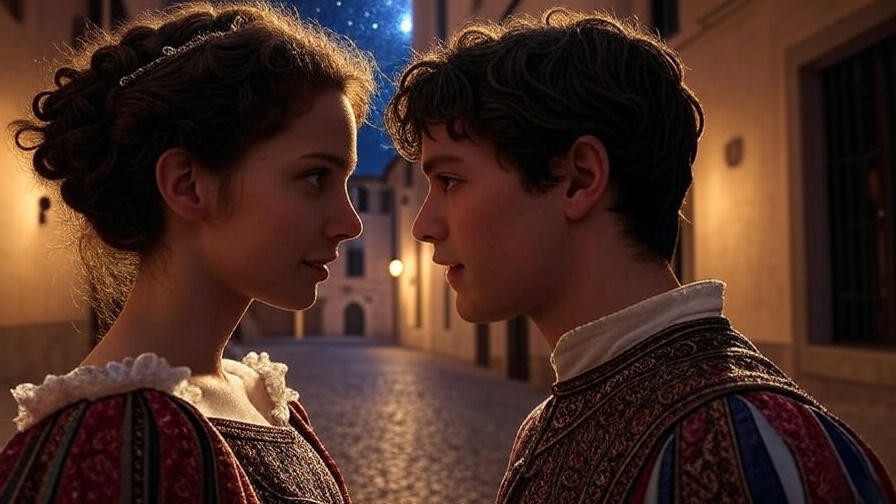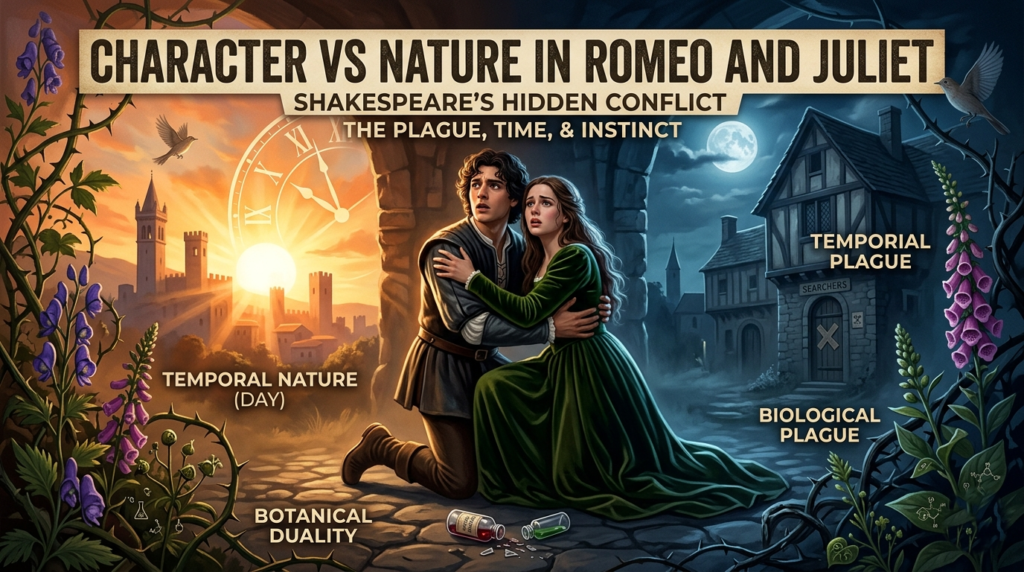
When readers, students, and scholars dissect William Shakespeare’s immortal tragedy, the discussion almost universally centers on two forces: the bloody, generational brawl between the Montagues and Capulets (Character vs. Character) and the inescapable, star-crossed destiny of the protagonists (Character vs. Fate). Yet, beneath the clash of rapier blades and the decrees of fortune lies an essential, driving force: character vs nature in romeo and juliet.
In this tragic masterpiece, nature is far more than decorative backdrop scenery or poetic metaphor. Shakespeare presents the physical and biological world as an active, unyielding antagonist. Nature operates without malice, political bias, or moral agenda, yet its immutable laws continuously disrupt human ambitions, accelerate time, and thwart elaborate rescue schemes.
From microscopic pathogens locking down cities to the relentless rotation of the earth forcing lovers into exile at sunrise, nature repeatedly asserts its dominance over human willpower. By examining how biological outbreaks, botanical remedies, temporal limits, and internal human instincts oppose the characters’ plans, we unlock a richer, more nuanced understanding of why this tragedy unfolds with such catastrophic momentum.
2. Defining “Nature” in Shakespearean Tragedy
To fully analyze character vs nature in romeo and juliet, we must first define how an Elizabethan audience—and Shakespeare himself—understood “Nature.” In 16th-century drama, nature was not restricted to weather or wilderness. It was understood through three distinct, interconnected lenses:
                       ┌─────────────────────────────────────────┐
                       │    THE THREE DIMENSIONS OF NATURE       │
                       └────────────────────┬────────────────────┘
                                            │
         ┌──────────────────────────────────┼──────────────────────────────────┐
         ▼                                  ▼                                  ▼
┌──────────────────┐               ┌──────────────────┐               ┌──────────────────┐
│   PHYSICAL &     │               │  INTERNAL HUMAN  │               │   COSMOLOGICAL   │
│  ENVIRONMENTAL   │               │      NATURE      │               │    ORDER (CHAIN) │
├──────────────────┤               ├──────────────────┤               ├──────────────────┤
│ • Disease/Plague │               │ • Hormonal drive │               │ • Disruption of  │
│ • Day/Night      │               │ • Impulsivity    │               │   natural hierarchy│
│ • Botanical decay│               │ • Unchecked fury │               │ • Civil chaos    │
└──────────────────┘               └──────────────────┘               └──────────────────┘
-
Physical and Environmental Nature: The material world—including disease vectors, botanical life cycles, the rising sun, and physical decay.
-
Internal Human Nature: Biological drives, raw emotional instincts, hormones, and temperament (governed in Renaissance thought by the four bodily humors) that override intellectual reasoning.
-
The Cosmological Order (The Great Chain of Being): The natural hierarchy of creation. Disrupting this natural order—such as accelerating marriages or attempting to fake death—invites chaos.
Character vs. Nature vs. Character vs. Fate: What’s the Difference?
Students frequently confuse Nature with Fate or Society. Distinguishing between these conflict types is essential for academic writing:
-
Character vs. Fate (Supernatural/Cosmic): Premised on predestination. The “star-crossed” lovers are condemned by cosmic alignment before their story even begins.
-
Character vs. Society (External Social Structures): The conflict between individual desire and human-made laws, family feuds, patriarchy, and civic banishment.
-
Character vs. Nature (Physical & Internal Laws): The struggle against the unyielding mechanisms of the physical world—biological disease, time, chemical properties of plants, and uncontrollable human instinct. Nature does not “hate” Romeo or Juliet; it simply follows unbending natural laws.
3. The 4 Core Examples of Character vs. Nature in Romeo and Juliet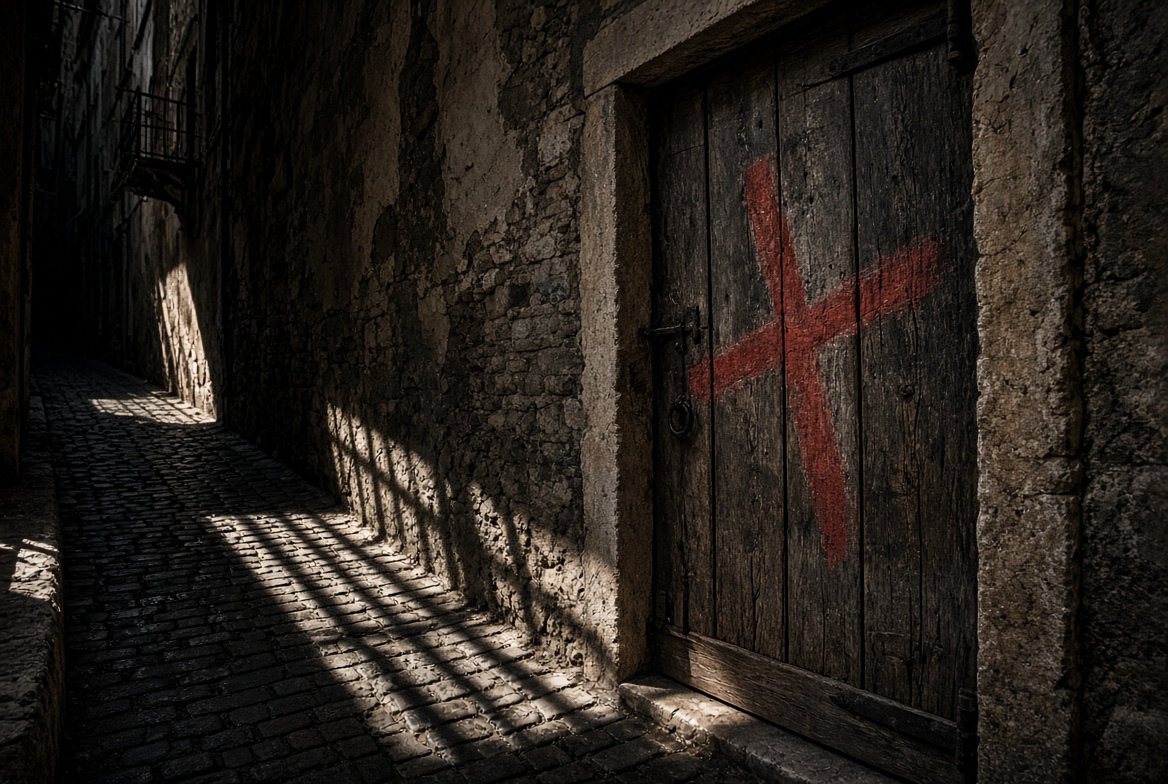
                       ┌─────────────────────────────────────────┐
                       │   4 CORE EXAMPLES OF NATURE'S CONFLICT  │
                       └────────────────────┬────────────────────┘
                                            │
         ┌───────────────────┬──────────────┴───────────────┬───────────────────┐
         ▼                   ▼                              ▼                   ▼
┌──────────────────┐┌──────────────────┐          ┌──────────────────┐┌──────────────────┐
│  THE PESTILENCE  ││ TIME & SUNLIGHT  │          │ BOTANICAL NATURE ││ INTERNAL INSTINCT│
├──────────────────┤├──────────────────┤          ├──────────────────┤├──────────────────┤
│ Act V, Scene II  ││ Act III, Scene V │          │ Act II, Scene III││ Throughout Play  │
│ Biological Plague││ Lark vs.         │          │ Plant Remedies   ││ Adolescent       │
│ detains messenger││ Nightingale      │          │ and Poisons      ││ Impulsivity      │
└──────────────────┘└──────────────────┘          └──────────────────┘└──────────────────┘
1. The Pestilence (Act V, Scene II) — Nature’s Biological Intervention
The most explicit and catastrophic instance of character vs nature in romeo and juliet occurs in Act V, Scene II. Friar Lawrence devises an intricate plan: Juliet will drink a sleeping potion to simulate death, and Friar John will deliver a letter to Romeo in Mantua explaining the ruse so he can rescue her from the Capulet tomb.
The plan fails not because of the Capulet feud, nor because a rival discovers the plot, but because of a biological force: the bubonic plague.
Friar John:
“Going to find a bare-foot brother out,
One of our order, to associate me,
Here in this city visiting the sick,
And finding him, the searchers of the town,
Suspecting that we both were in a house
Where the infectious pestilence did reign,
Seal’d up the doors, and would not let us forth;
So that my speed to Mantua there was stay’d.”
— (Act V, Scene II, Lines 5–12)
This health quarantine is an undeniable intervention of natural law. Health authorities seal the house to stop the biological spread of infection. As a result, Friar John cannot leave Verona, the letter never reaches Romeo, and Romeo receives news only of Juliet’s supposed death.
Human agency, strategic planning, and emotional desperation crumble when confronted with a biological outbreak. Nature acts as an unfeeling wall that stops human communication in its tracks.
2. The Progression of Time and Light (Act III, Scene V) — The Lark vs. The Nightingale
Throughout Romeo and Juliet, night and day reverse their traditional literary roles. Night represents protection, warmth, intimacy, and union; day represents public danger, violence, and forced separation. However, human lovers cannot pause the rotation of the earth or the arrival of dawn.
In Act III, Scene V, following their secret wedding night, Romeo and Juliet argue over the call of a bird outside the window. This debate highlights their struggle against environmental nature and temporal progression:
Juliet:
“Wilt thou be gone? it is not yet near day:
It was the nightingale, and not the lark,
That pierc’d the fearful hollow of thine ear…”
Romeo:
“It was the lark, the herald of the morn,
No nightingale: look, love, what envious streaks
Do lace the severing clouds in yonder east:
Night’s candles are burnt out, and jocund day
Stands tiptoe on the misty mountain tops.
I must be gone and live, or stay and die.”
— (Act III, Scene V, Lines 1–11)
       NIGHT (Protection & Secret Union)             DAY (Exposure & Imminent Danger)
 ┌───────────────────────────────────────────┐ ┌───────────────────────────────────────────┐
 │ • Symbolized by the Nightingale           │ │ • Symbolized by the Lark                  │
 │ • Conceals lovers from societal feuds     │ │ • Exposes Romeo to execution/banishment   │
 │ • Creates a temporary, ideal sanctuary    │ │ • Restores strict social and natural laws │
 └───────────────────────────────────────────┘ └───────────────────────────────────────────┘
The lovers attempt to rename the bird—claiming the song of the morning lark is actually the nocturnal nightingale—in a desperate effort to manipulate natural reality. But physical nature cannot be altered by human desire. Sunrise arrives on schedule, forcing Romeo into exile and setting off the chain of events that leads to their deaths.
3. Botanical Nature — Friar Lawrence’s Herbs and Sleeping Potions
Shakespeare introduces the chemical potency of nature early in the play through Friar Lawrence’s famous soliloquy in Act II, Scene III. As he gathers herbs in the early morning, the Friar reflects on the dual power embedded within plant life:
Friar Lawrence:
“The earth that’s nature’s mother is her tomb;
What is her burying grave that is her womb…
Within the infant rind of this small flower
Poison hath residence and medicine power:
For this, being smelt, with that part cheers each part;
Being tasted, slays all senses with the heart.”
— (Act II, Scene III, Lines 9–22)
                          ┌───────────────────────────────┐
                          │    BOTANICAL DUALITY OF HERBS │
                          └───────────────┬───────────────┘
                                          │
                  ┌───────────────────────┴───────────────────────┐
                  ▼                                               ▼
       ┌────────────────────┐                          ┌────────────────────┐
       │   MEDICINAL POWER  │                          │    POISONOUS LIFE  │
       │    (Life/Healing)  │                          │    (Death/Decay)   │
       ├────────────────────┤                          ├────────────────────┤
       │ Used by Friar to   │                          │ Used by Romeo to   │
       │ simulate temporary │                          │ end his life in    │
       │ death for Juliet   │                          │ the Capulet tomb   │
       └────────────────────┘                          └────────────────────┘
This soliloquy serves as both thematic foundation and foreshadowing. Botanical nature is fundamentally neutral: it yields both life-saving medicine and lethal poison depending on how humans use it.
When Friar Lawrence uses a botanical extract to induce a 42-hour, death-like coma in Juliet (Act IV, Scene I), he attempts to exploit biological laws to outwit societal pressures. But manipulating physical biology comes with grave risks. The potion mimics death so convincingly that it tricks Romeo, driving him to buy physical poison from the Apothecary. Human attempts to control nature ultimately yield tragic miscalculations.
4. Internal Human Nature — Impulsivity, Hormones, and Passion
Nature operates not only outside the human body, but within it. Internal human nature—specifically adolescent brain chemistry, raw emotional instinct, and volatile passion—acts as a powerful internal adversary in the play.
                         ┌─────────────────────────────────┐
                         │   INTERNAL NATURE IN VERONA     │
                         └────────────────┬────────────────┘
                                          │
                  ┌───────────────────────┴───────────────────────┐
                  ▼                                               ▼
       ┌────────────────────┐                          ┌────────────────────┐
       │ EROS (Erotic/Love) │                          │ THUMOS (Fury/Rage) │
       ├────────────────────┤                          ├────────────────────┤
       │ • Instant devotion │                          │ • Tybalt's violent │
       │ • Swift marriage   │                          │   tribal loyalty   │
       │ • Rejection of     │                          │ • Romeo's rage at  │
       │   rational caution │                          │   Mercutio's death │
       └────────────────────┘                          └────────────────────┘
Shakespeare contrasts rational human intellect with primitive biological impulses. The young characters are repeatedly overwhelmed by their own internal natures:
-
Romeo’s Emotional Volatility: In Act I, Romeo is hopelessly depressed over Rosaline; within seconds of seeing Juliet in Act I, Scene V, his emotional state shifts entirely. Friar Lawrence scolds him for this erratic biological impulse: “Is Rosaline, whom thou didst love so dear, / So soon forsaken? Young men’s love then lies / Not truly in their hearts, but in their eyes” (Act II, Scene III).
-
Tybalt’s Aggressive Instinct: Tybalt’s fiery temperament (“Talk of peace! I hate the word…”) is an instinctual, territorial response that defies civic authority and logic.
-
The Lethal Speed of Youth: Romeo and Juliet meet, marry, consummate their relationship, and die within four days. This hyper-accelerated timeline reflects internal human nature run wild—unfiltered passion overwhelming mature reflection.
As Friar Lawrence warns: “These violent delights have violent ends / And in their triumph die, like fire and powder, / Which as they kiss consume” (Act II, Scene VI). Passion acts like volatile chemistry: when ignited, its natural course leads to destruction.
4. Textual Analysis Table & Key Quote Breakdown
The following reference table maps key scenes where character vs nature in romeo and juliet drives the plot forward:
| Act & Scene | Type of Natural Conflict | Specific Element / Event | Primary Textual Quote | Impact on the Tragedy |
| Act II, Scene III | Botanical Nature | Herbology & Plant Biochemistry | “Within the infant rind of this small flower / Poison hath residence and medicine power.” | Establishes nature’s neutral duality; foreshadows both the sleeping potion and lethal poison. |
| Act III, Scene I | Environmental / Thermal Nature | Extreme Heat & Aggression | “The day is hot, the Capulets abroad, / And if we meet we shall not ‘scape a brawl…” | Heat affects human physiology and temper, triggering the fatal fight that leads to Mercutio’s and Tybalt’s deaths. |
| Act III, Scene V | Temporal / Solar Nature | Morning Sunlight & Birdsong | “It was the lark, the herald of the morn, / No nightingale…” | Nature enforces time; daylight forces Romeo’s departure to Mantua, accelerating Juliet’s crisis. |
| Act IV, Scene III | Physical / Internal Nature | Fear of Biological Decay | “How if, when I am laid into the tomb, / I wake before the time that Romeo / Come to redeem me? there’s a fearful point!” | Juliet confronts the terrifying physical realities of suffocation, darkness, and rotting corpses. |
| Act V, Scene II | Biological Nature | Bubonic Plague Quarantine | “Suspecting that we both were in a house / Where the infectious pestilence did reign…” | Physical disease halts human travel, detains Friar John, and intercepts the vital letter. |
| Act V, Scene III | Physical / Temporal Nature | Precise Biological Timing | “A greater power than we can contradict / Hath thwarted our intents.” | Romeo dies of poison mere minutes before Juliet wakes from her potion-induced sleep. |
5. Comparative Analysis — How Character vs. Nature Intersects Other Conflicts
In elite literary analysis, conflict categories should not be treated in isolation. The struggle of character vs nature in romeo and juliet directly intersects and amplifies the play’s other core conflicts.
                      ┌────────────────────────────────────────┐
                      │    INTERSECTION OF CONFLICT TYPES      │
                      └───────────────────┬────────────────────┘
                                          │
         ┌────────────────────────────────┼────────────────────────────────┐
         ▼                                ▼                                ▼
┌──────────────────┐             ┌──────────────────┐             ┌──────────────────┐
│ MAN VS. SOCIETY  │             │   MAN VS. SELF   │             │   MAN VS. FATE   │
├──────────────────┤             ├──────────────────┤             ├──────────────────┤
│ Feud forces love │             │ Terror of the    │             │ Unfeeling laws   │
│ into dark spaces │             │ biological tomb  │             │ of nature execute│
│ where time and   │             │ and physical     │             │ the decrees of   │
│ nature punish    │             │ suffocation      │             │ bad timing       │
│ secrecy.         │             │ (Act IV, Sc. 3). │             │ (Act V, Sc. 2).  │
└──────────────────┘             └──────────────────┘             └──────────────────┘
Man vs. Nature Intersecting Man vs. Society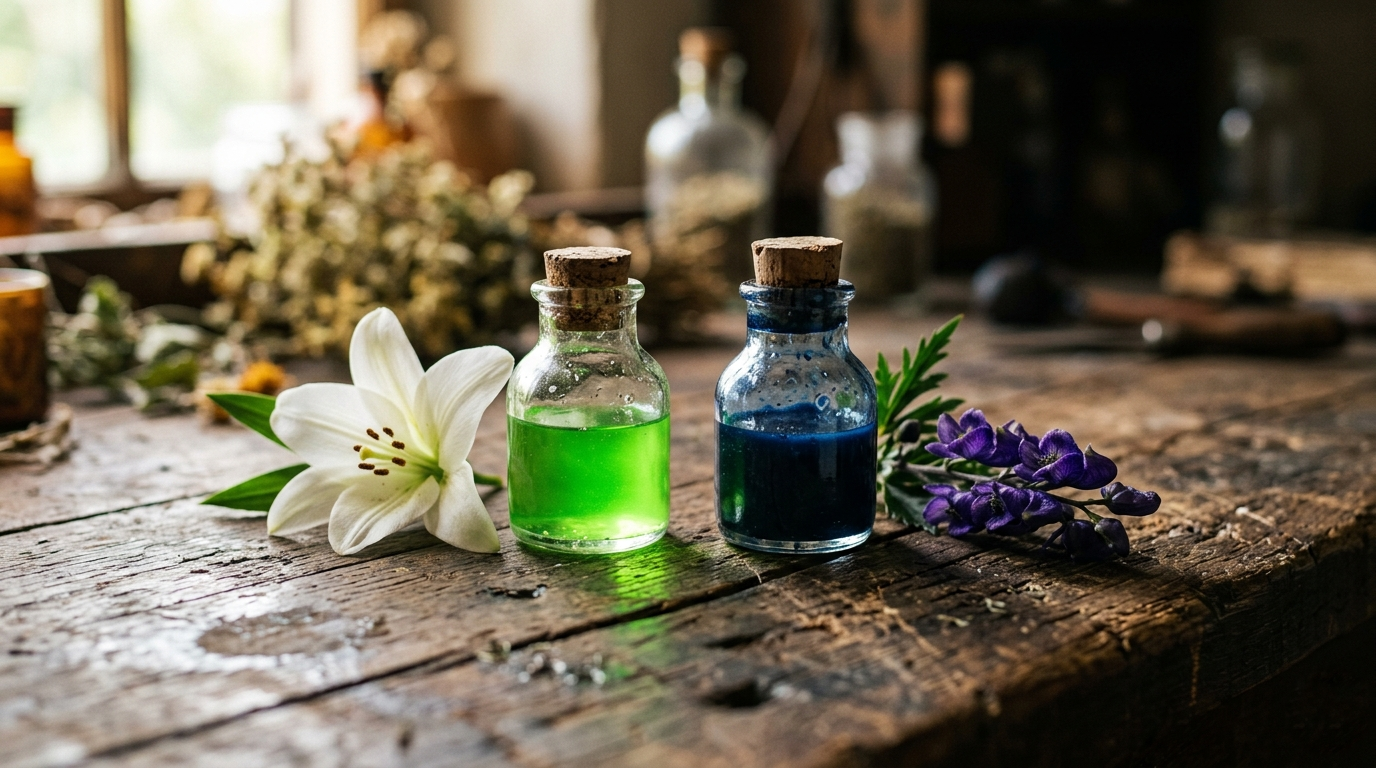
The Capulet-Montague feud (Man vs. Society) forces Romeo and Juliet to pursue their relationship in secret, under cover of darkness. By driving their romance into secret spaces, society makes the lovers hyper-vulnerable to natural forces.
Because they cannot meet openly during the day, the arrival of morning (Nature) becomes a lethal threat rather than a standard transition. Society creates the pressure cooker, but physical nature springs the trap.
Man vs. Nature Intersecting Man vs. Self
In Act IV, Scene III, before drinking Friar Lawrence’s potion, Juliet undergoes a terrifying internal crisis (Man vs. Self). Her panic stems directly from a confrontation with biological nature:
Juliet:
“Shall I not, then, be stifled in the vault,
To whose foul mouth no wholesome air breathes in,
And there die choked before my Romeo comes?…
Where bloody Tybalt, yet but green in earth,
Lies festering in his shroud…”
— (Act IV, Scene III, Lines 33–43)
Juliet fears the physical mechanics of death: anaerobic suffocation, decomposition, the smell of rotting flesh, and biological madness. Her psychological terror is rooted in human vulnerability to physical nature.
6. How to Write an Essay on “Character vs. Nature in Romeo and Juliet”
If you are writing a literature paper or studying for an exam on character vs nature in romeo and juliet, use the structured resources below to build a compelling argument.
3 Ready-to-Use Essay Thesis Statements
1. Thematic / Analytical Thesis:
“Although the Montague-Capulet feud drives the plot of Shakespeare’s ‘Romeo and Juliet,‘ the unyielding forces of physical nature—specifically disease, temporal progression, and biological impulse—act as the true mechanical catalyst of the tragedy.”
2. Comparative Thesis:
“While critics often attribute Romeo and Juliet’s downfall to star-crossed fate, a close reading reveals that physical nature operates as an indifferent, material adversary that systematically dismantles human planning through bad timing, biological plague, and lethal biochemistry.”
3. Dual-Nature Thesis:
“Shakespeare constructs nature as a double-edged sword in ‘Romeo and Juliet’: while internal human nature drives the characters toward hyper-accelerated passion and violence, external environmental nature enforces physical boundaries that make their survival impossible.”
Essay Structure Blueprint (5-Paragraph Model)
┌─────────────────────────────────────────────────────────────────────────┐
│ 1. INTRODUCTION                                                         │
│    • Hook: Contrast external human feuds with unfeeling natural forces.  │
│    • Introduce text, author, and focus keyword context.                 │
│    • Thesis Statement: Nature as the silent, mechanical antagonist.    │
└────────────────────┬────────────────────────────────────────────────────┘
                     │
                     ▼
┌─────────────────────────────────────────────────────────────────────────┐
│ 2. BODY PARAGRAPH 1: Environmental & Biological Nature (The Plague)    │
│    • Focus: Act V, Scene II quarantine.                                 │
│    • Quote Integration: Friar John's explanation of the pestilence.     │
│    • Analysis: Disease as an indifferent biological force overriding    │
│      human intention.                                                   │
└────────────────────┬────────────────────────────────────────────────────┘
                     │
                     ▼
┌─────────────────────────────────────────────────────────────────────────┐
│ 3. BODY PARAGRAPH 2: Temporal Nature & Solar Cycles (Lark vs. Nightingale)│
│    • Focus: Act III, Scene V sunrise.                                   │
│    • Quote Integration: Romeo and Juliet's debate over birdsong.        │
│    • Analysis: Inability to stop time; morning sun as an environmental  │
│      adversary.                                                         │
└────────────────────┬────────────────────────────────────────────────────┘
                     │
                     ▼
┌─────────────────────────────────────────────────────────────────────────┐
│ 4. BODY PARAGRAPH 3: Botanical & Internal Human Nature                  │
│    • Focus: Act II, Scene III (Herbs) & Internal Passion/Impulsivity.   │
│    • Quote Integration: Friar Lawrence on medicinal vs. lethal plants.  │
│    • Analysis: The dangerous manipulation of nature's biochemical properties.│
└────────────────────┬────────────────────────────────────────────────────┘
                     │
                     ▼
┌─────────────────────────────────────────────────────────────────────────┐
│ 5. CONCLUSION                                                           │
│    • Restate Thesis in fresh language.                                  │
│    • Synthesize main points (Disease, Time, Biochemistry).             │
│    • Final Insight: Why understanding nature enriches the tragedy today.│
└─────────────────────────────────────────────────────────────────────────┘
7. Frequently Asked Questions
What is the primary example of Character vs. Nature in Romeo and Juliet?
The clearest example occurs in Act V, Scene II, when Friar John is detained by an outbreak of the bubonic plague. The health quarantine prevents him from delivering Friar Lawrence’s crucial letter to Romeo, causing the fatal misunderstanding in the tomb.
Is the plague in Romeo and Juliet an example of fate or nature?
While often dismissed as “bad luck” or fate, the plague is an example of Character vs. Nature. It is a biological event caused by microscopic pathogens in the physical world. Nature acts without preference or moral direction, following natural laws that disrupt human plans.
How does Shakespeare use the conflict between day and night?
Shakespeare inverts traditional literary symbolism. Night represents safety, intimacy, and protection for the lovers, whereas Day (Nature) represents exposure, civic danger, and forced separation, as highlighted by the lark vs. nightingale dialogue in Act III, Scene V.
How does internal human nature create conflict in the play?
Internal human nature refers to uncontrolled biological drives, raw emotional instincts, and adolescent impulsivity. Characters like Romeo, Juliet, and Tybalt consistently allow raw emotion to override rational judgment, accelerating the timeline toward disaster.
8.Final Expert Summary
While the feud between the Montagues and Capulets creates the hostility in Verona, and the idea of “star-crossed” destiny provides poetic frame, the conflict of character vs nature in romeo and juliet provides the physical machinery that seals their fate.
Shakespeare’s Verona is not a fairytale realm where human willpower reigns supreme. It is a material world governed by relentless physical laws:
-
Pathogens spread and trigger quarantines regardless of human messages.
-
The sun rises on schedule, regardless of lovers’ desires.
-
Plant chemistry remains indifferent to whether it heals or kills.
-
Emotional passion, left unchecked by reason, follows a volatile chemical path toward self-destruction.
By recognizing nature as an active, unyielding player in the tragedy, we gain a deeper appreciation for Shakespeare’s genius. Romeo and Juliet is not simply a tale of bad luck or bad families—it is a timeless demonstration of human fragility when human ambition collides with the unbending laws of the natural world.