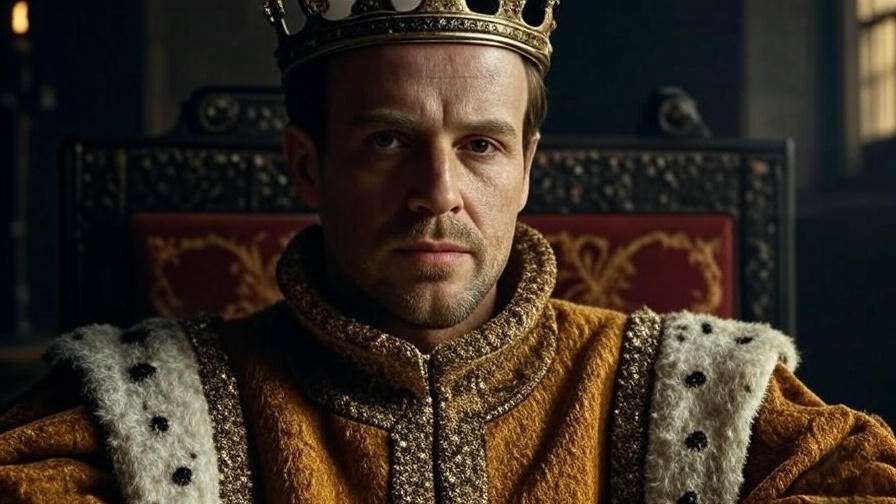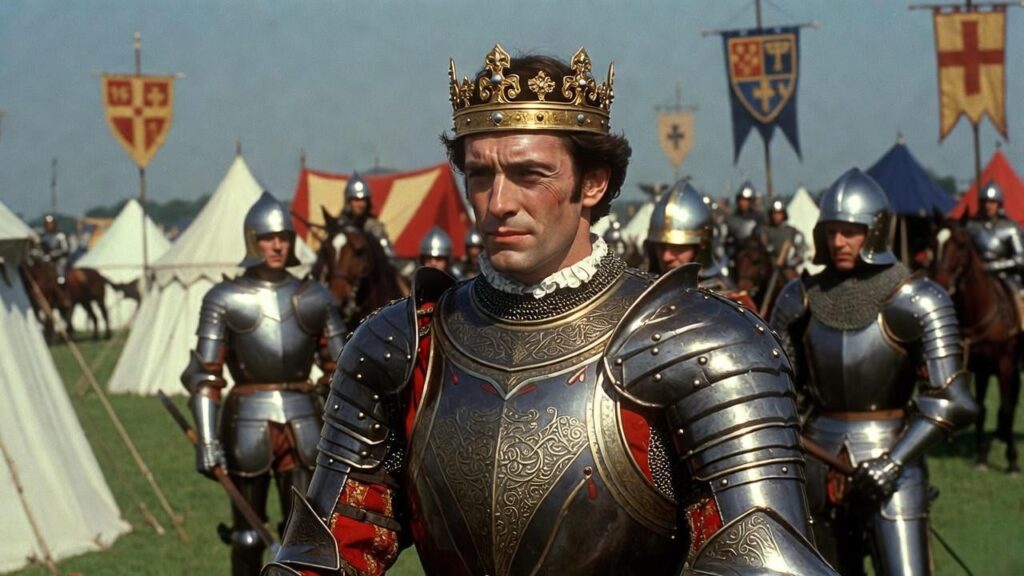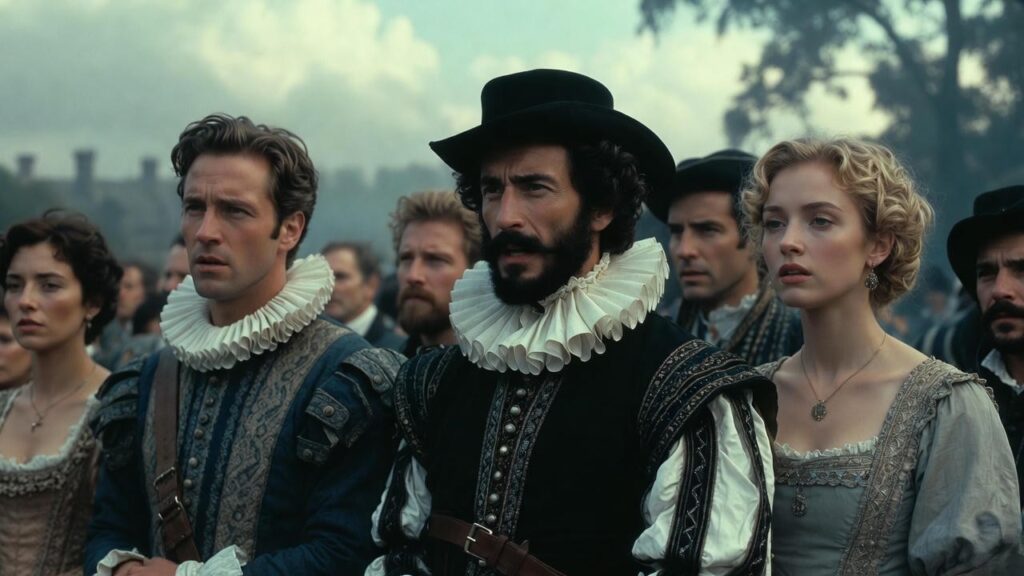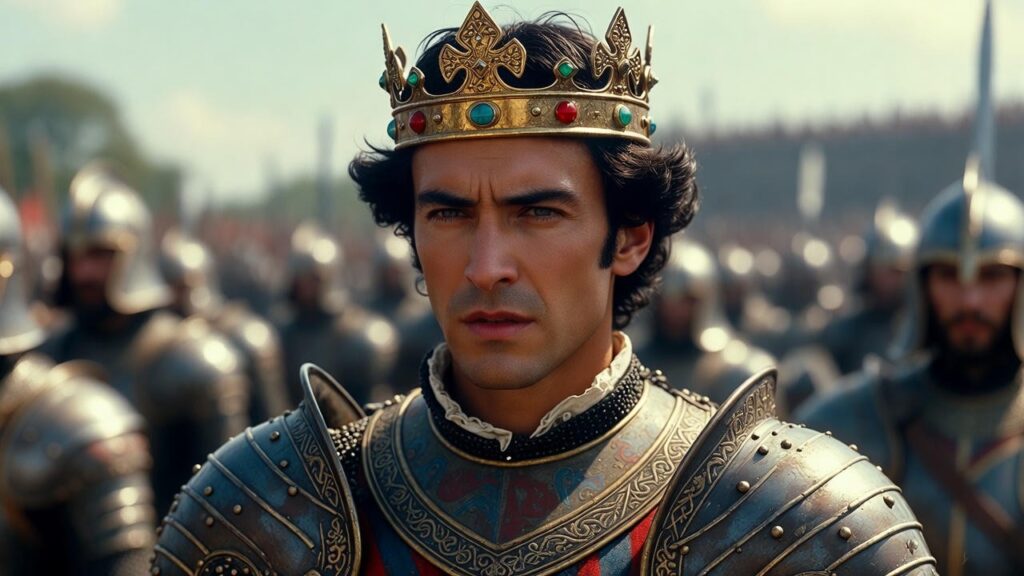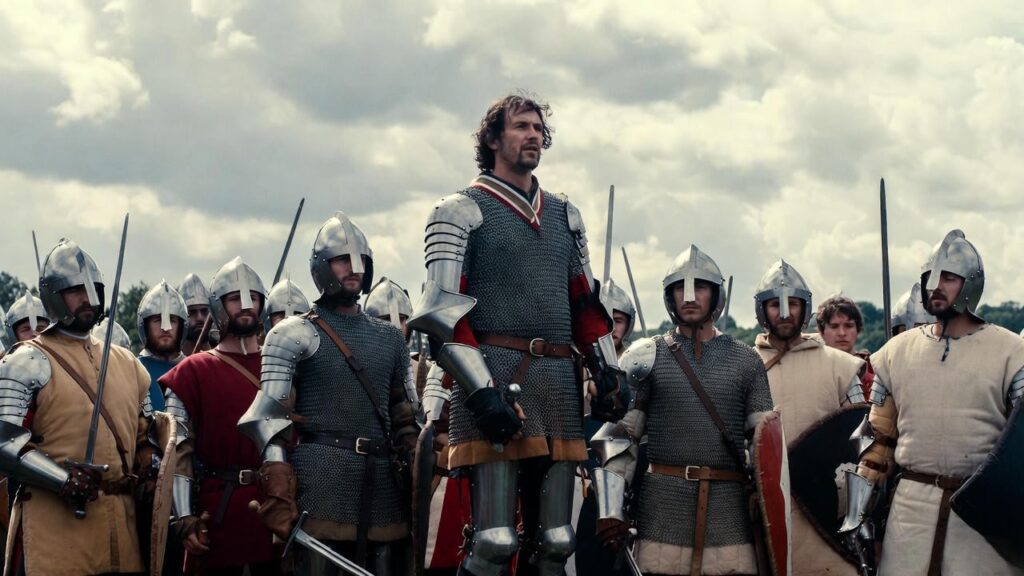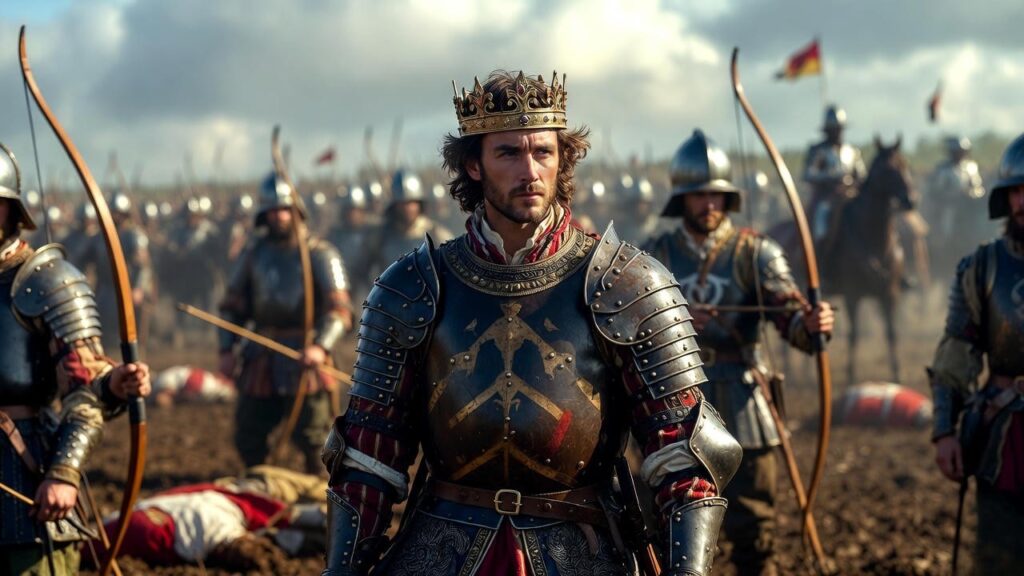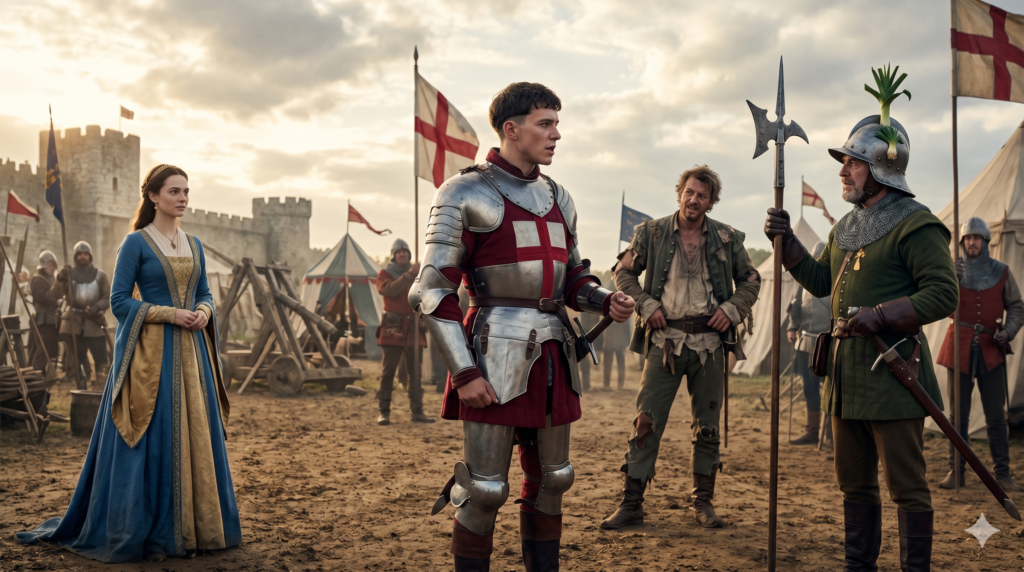
“Once more unto the breach, dear friends, once more…”
Few lines in English literature stir the blood like King Henry V’s call to arms. Shakespeare’s Henry V (1599) stands as one of the greatest portrayals of leadership, war, and national identity in the canon. At its heart are richly drawn characters who transform a historical campaign into a timeless exploration of power, loyalty, humanity, and moral complexity.
If you’re searching for characters in Henry V, whether for study, performance, teaching, or pure appreciation, this complete guide delivers exactly what you need. We’ll examine every major and significant supporting figure—their backgrounds, motivations, development, relationships, and thematic importance—drawing on textual evidence, historical context, and critical insights. By the end, you’ll have a deeper understanding that goes far beyond basic summaries, helping you appreciate why this play continues to resonate in classrooms, theaters, and leadership discussions today.
Henry V completes Shakespeare’s Henriad, following the transformation of the wayward Prince Hal from Henry IV, Parts 1 and 2 into the warrior-king who leads England to victory at Agincourt in 1415. Through the Chorus and a diverse cast spanning royalty, nobility, captains, common soldiers, and French adversaries, Shakespeare crafts a drama that celebrates heroism while subtly questioning its costs. This guide serves students preparing for exams, actors preparing roles, directors staging productions, and general readers seeking richer insight.
Historical and Literary Context of Henry V
To understand the characters, one must first grasp the world they inhabit. Henry V dramatizes events from the Hundred Years’ War, focusing on Henry’s invasion of France, the siege of Harfleur, and the miraculous English victory against overwhelming odds at the Battle of Agincourt on St. Crispin’s Day, 1415.
Shakespeare took liberties with history, compressing events and shaping characters for dramatic effect. The play was likely written in 1599, during a time of English national pride and military tension under Queen Elizabeth I. The Chorus repeatedly acknowledges the limitations of the Elizabethan stage, urging the audience to use their imaginations to envision vast armies and epic battles.
This meta-theatrical device not only solves practical staging issues but also invites reflection on the nature of history, memory, and performance—central concerns embodied in the characters themselves.
The Protagonist: King Henry V – The Ideal King or Machiavellian Ruler?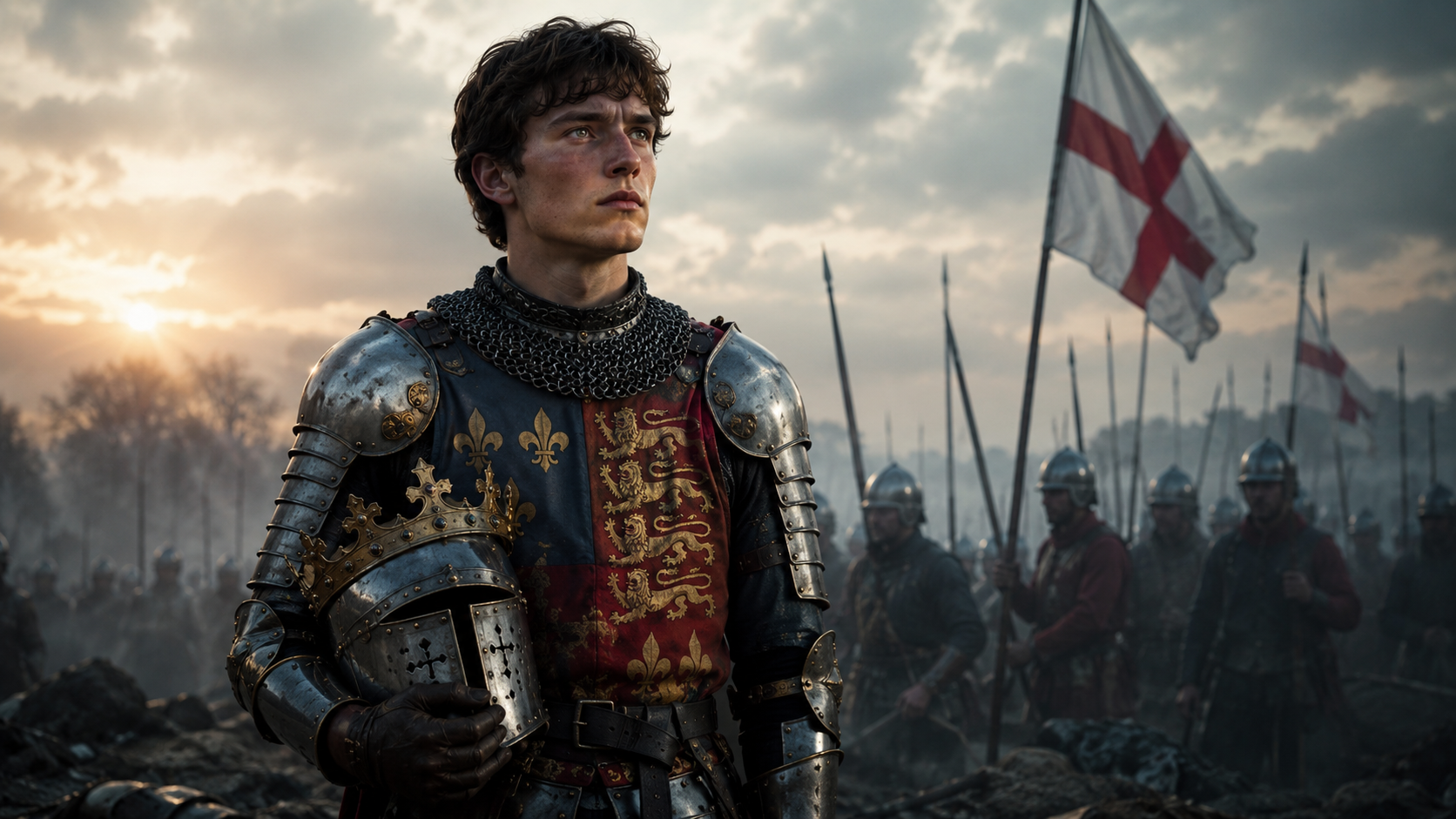
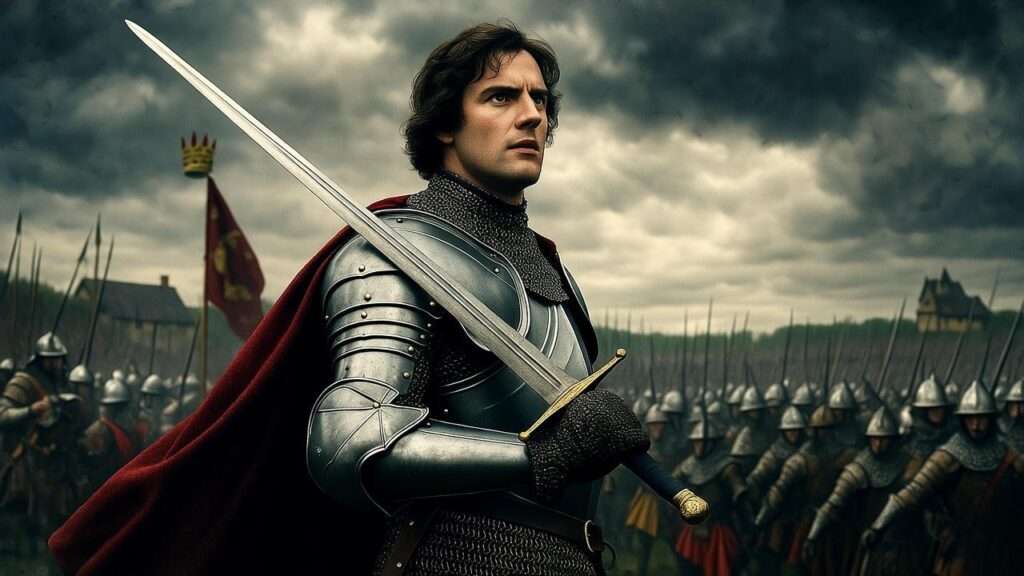
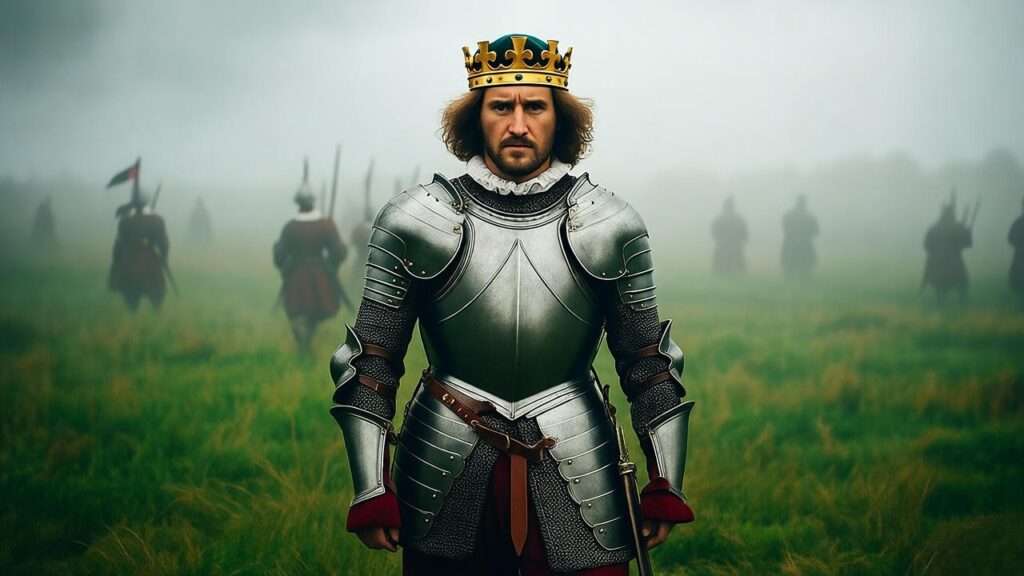
King Henry V is one of Shakespeare’s most compelling and debated protagonists. No longer the tavern-haunting Prince Hal, he emerges as a brilliant, focused, and ruthless leader committed to the responsibilities of kingship.
Background and Transformation: The play opens with the court marveling at Henry’s reformation. He has decisively rejected his former companions, most notably Falstaff (whose offstage death is poignantly reported). This rejection signals his commitment to duty over personal pleasure.
Key Traits and Leadership Style: Henry excels as an orator. His speech before Harfleur (“Once more unto the breach”) and the immortal St. Crispin’s Day speech (“We few, we happy few, we band of brothers”) demonstrate his ability to inspire loyalty and courage. He shows piety, strategic genius, and a common touch—disguising himself to walk among his soldiers the night before Agincourt.
Yet Henry is no simple hero. He manipulates the Archbishop of Canterbury to justify the French campaign, threatens horrific violence at Harfleur to force surrender, executes old friends involved in treason, and orders the killing of French prisoners. These actions raise profound questions: Is Henry a model Christian king or a calculating politician willing to bend morality for political ends?
Moral Ambiguity and Modern Interpretations: Scholars and productions vary widely. Laurence Olivier’s 1944 film presented a heroic, patriotic Henry during WWII. Kenneth Branagh’s 1989 version offered a grittier, more emotionally complex portrait amid the Falklands conflict. Tom Hiddleston in The Hollow Crown (2012) emphasized introspection and the heavy burden of power.
Henry’s character arc reveals the isolation of leadership. His private doubts surface in soliloquies, particularly when he questions the ceremony of kingship and the responsibility for his soldiers’ souls. This complexity makes him endlessly fascinating for actors and audiences.
Key Scenes and Iconic Quotes:
- The tennis ball insult and response (Act 1)
- Rejection of the traitors (Act 2)
- Harfleur speech (Act 3)
- Night-time conversation with soldiers (Act 4)
- Wooing of Katharine (Act 5)
Performance Notes: Successful portrayals balance charisma with vulnerability, authority with humanity. Henry must convince us he is both inspiring leader and flawed man.
The English Nobility and Advisors
Supporting Henry are trusted nobles who provide counsel, loyalty, and military leadership.
Duke of Exeter: Henry’s uncle and steadfast advisor. He delivers key diplomatic messages and embodies unwavering loyalty. His role highlights the importance of reliable kin in governance.
Dukes of Gloucester, Bedford, and Clarence: Henry’s brothers serve as capable commanders, reinforcing the image of a united royal family leading by example.
Earls of Westmoreland, Salisbury, Warwick, and Others: These figures offer pragmatic advice and voice collective English resolve. Westmoreland’s line wishing for “one ten thousand” more men prompts Henry’s famous response about brotherhood, underscoring themes of quality over quantity.
Sir Thomas Erpingham: The elderly knight represents seasoned experience and quiet dignity, contrasting with younger hotheads.
The Traitors: Cambridge, Scroop, and Grey
One of the most revealing early tests of Henry’s kingship comes in Act 2 with the exposure of the Cambridge conspiracy. Lords Cambridge, Scroop, and Grey plot to assassinate Henry in favor of the Earl of March’s claim to the throne, funded by France.
Shakespeare uses this episode to showcase Henry’s decisive leadership and political acumen. Rather than flying into rage, Henry cleverly traps the traitors into condemning their own actions before revealing their guilt. The executions that follow demonstrate both justice and the harsh necessities of wartime rule. Scroop’s betrayal is particularly painful, as he was a close friend.
This subplot serves multiple purposes: it heightens dramatic tension before the invasion, underscores the constant threats surrounding a new king, and illustrates the theme of loyalty versus self-interest. For modern readers, it prompts reflection on trust, betrayal, and the isolation inherent in absolute power.
The Captains and the “Band of Brothers”: Unity in Diversity
One of the most delightful and thematically rich groups in Henry V is the quartet of captains representing the nations of Britain. Their scenes provide humor, realism, and a powerful vision of national unity under English leadership.
Captain Fluellen: The Welsh captain is undoubtedly one of Shakespeare’s most memorable comic creations. Pedantic, hot-tempered, and obsessed with military history (particularly “the disciplines of the Roman wars”), Fluellen provides both comic relief and profound loyalty. His leek-eating episode with Pistol and his admiration for Henry (whom he compares to Alexander the Great) make him endearing. Fluellen symbolizes the integration of Wales into the British identity and serves as a foil that highlights Henry’s own disciplined nature.
Captain Gower: The English captain acts as the voice of reason and moderation, often mediating between the more excitable Fluellen and the fiery Macmorris.
Captain Macmorris (Irish) and Captain Jamy (Scottish): These characters embody national stereotypes of the period — Macmorris is quick-tempered and eager for action, while Jamy is laconic and pragmatic. Their presence together with Fluellen and Gower dramatizes the idea of a united kingdom fighting under Henry’s banner.
The famous “Band of Brothers” speech gains extra power when spoken to this diverse group. Shakespeare celebrates unity without erasing cultural differences, creating a patriotic yet nuanced portrayal of British identity that still resonates in discussions of multiculturalism and national cohesion.
The Common Soldiers and Eastcheap Crew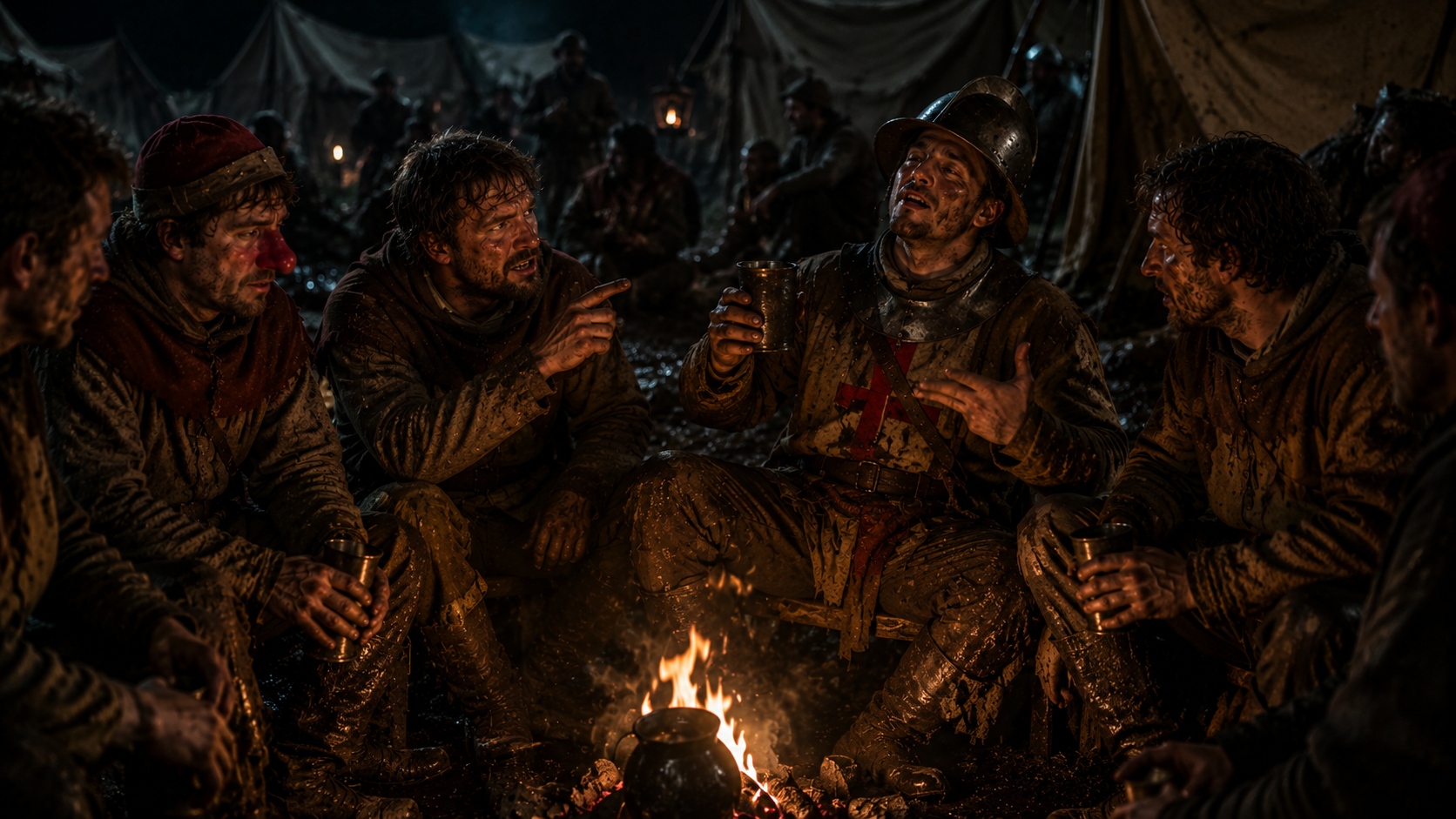
Shakespeare balances the grandeur of kings and captains with gritty, human perspectives from ordinary men — a hallmark of his genius.
Pistol, Bardolph, and Nym: These survivors from the Boar’s Head Tavern in Henry IV represent Henry’s discarded past. Pistol, with his bombastic, pseudo-militaristic language, Bardolph with his red nose and thievery, and Nym with his quarrelsome nature, provide comic counterpoint to Henry’s heroism. Their cowardice, looting, and eventual fates (Bardolph hanged for stealing a pax, Pistol disgraced) remind audiences of the gap between royal rhetoric and the realities of war for common men.
Hostess Quickly: Though she appears briefly, her moving description of Falstaff’s death adds emotional depth and connects the play to the larger Henriad.
John Bates, Alexander Court, and Michael Williams: These three soldiers feature in the poignant night scene before Agincourt. When Henry disguises himself, their honest conversation reveals deep anxieties about the justice of the war and the king’s responsibility for their deaths. Williams’ challenge to Henry about the moral weight of leadership produces some of the play’s most profound dialogue on kingship and common humanity.
These characters ground the play in realism. They show the fear, skepticism, and humanity beneath the heroic surface, making Henry’s leadership more impressive — and more questionable.
The French Court and Adversaries
The French characters serve as foils that highlight English virtues while humanizing the enemy.
King Charles VI: Portrayed as frail and haunted by illness (historically true), he represents a divided and weakened France. His caution contrasts sharply with Henry’s boldness.
The Dauphin: Arrogant, mocking, and overconfident, the Dauphin sends tennis balls as a taunt, underestimating Henry. His personal rivalry with the English king adds dramatic tension. The Dauphin’s hubris makes the French defeat at Agincourt more satisfying while illustrating the dangers of pride.
The Constable of France and other lords (Orléans, Bourbon, etc.): They embody French aristocratic overconfidence. Their pre-battle boasting scenes provide ironic contrast to the quiet resolve of the English camp.
Shakespeare grants the French dignity in defeat, particularly in their lamentations after Agincourt. This prevents the play from becoming simple jingoism and adds layers to the exploration of war’s human cost.
Princess Katharine and the Romance Subplot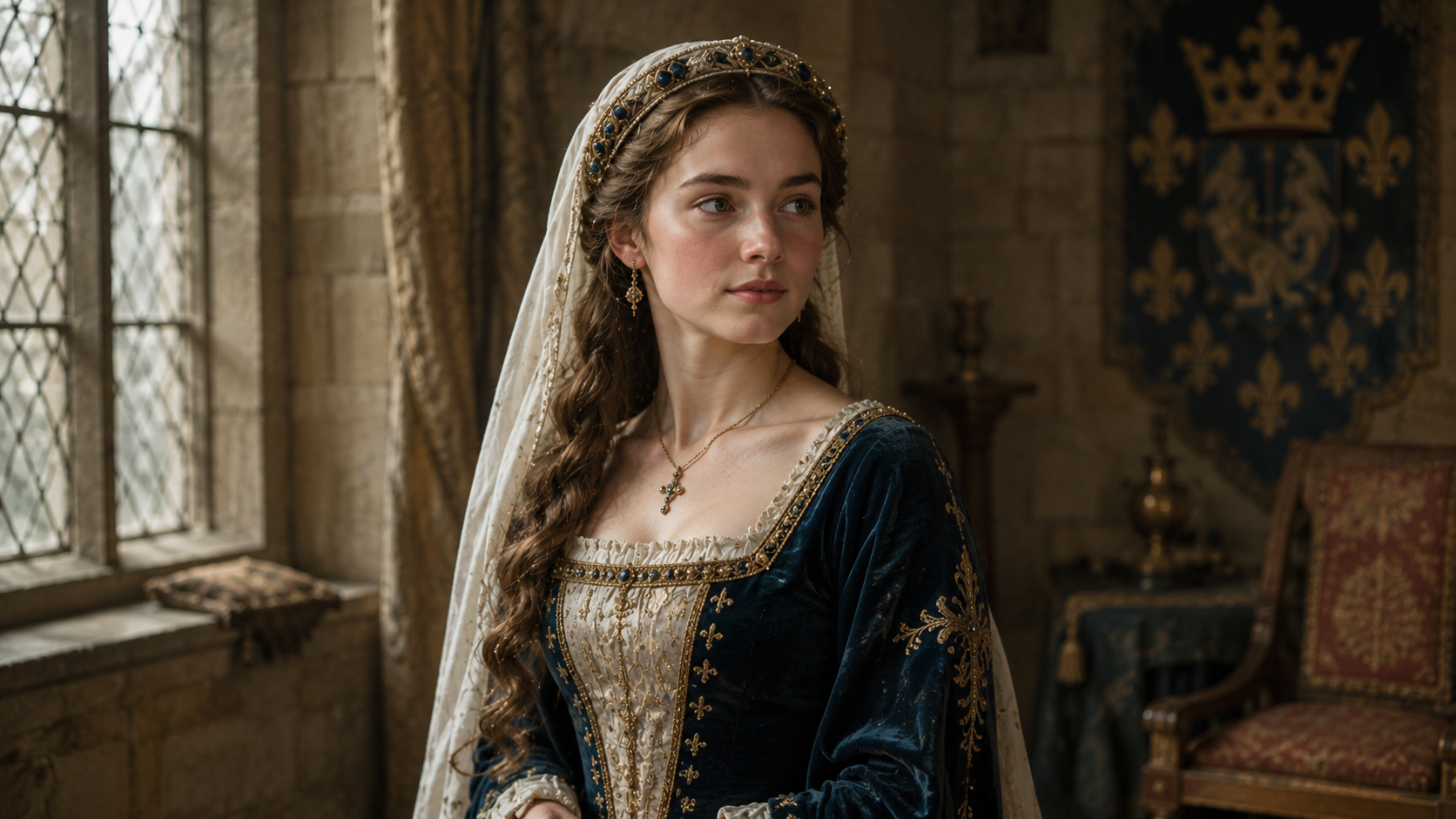
In Act 5, Shakespeare introduces a romantic dimension through Princess Katharine of Valois. Her scenes offer relief after the violence of battle while serving important political and thematic functions.
Katharine is charming, intelligent, and aware of her role as a political pawn. The language lesson scene with her lady-in-waiting Alice is humorous and touching, showcasing Shakespeare’s skill with French and broken English. The final wooing scene between Henry and Katharine is a masterpiece of power dynamics, humor, and courtship. Henry plays the plain soldier while subtly reminding Katharine of his conquest. Their union symbolizes the hoped-for reconciliation between England and France.
Though limited in stage time, Katharine represents grace, resilience, and the feminine perspective in a male-dominated world of war and politics. Her character adds warmth and forward-looking hope to the play’s conclusion.
The Chorus: Narrator and Thematic Guide
Unique in Shakespeare’s histories, the Chorus frames each act with poetic prologues. Speaking directly to the audience, the Chorus apologizes for the stage’s limitations (“a crooked figure may attest in little place a million”) while firing the imagination.
Beyond practical necessity, the Chorus shapes how we interpret the action — sometimes heightening patriotic fervor, sometimes introducing ironic undertones. The reflective tone in the final Chorus, noting the eventual loss of France under Henry’s son, adds poignancy and historical perspective.
Character Relationships and Dynamics
The true brilliance of Henry V emerges not just in individual portraits but in the intricate web of relationships that reveal character depths and Shakespeare’s broader themes.
Henry’s Evolution Through Relationships: Henry’s interactions demonstrate his multifaceted nature. With nobles like Exeter, he is the authoritative yet consultative king. Among the captains, particularly Fluellen, a warm mutual respect develops that humanizes him. The disguised encounter with Williams, Bates, and Court exposes his vulnerability and forces him to confront the human cost of his decisions. His rejection of Falstaff’s circle severs old ties, while his courtship of Katharine forges new political and personal bonds.
Foils and Parallels: Shakespeare masterfully uses contrasts. Henry’s disciplined leadership shines against the Dauphin’s arrogance. Fluellen’s honorable pedantry highlights Pistol’s empty bravado. The English unity under Henry contrasts with French internal divisions and overconfidence. These dynamics enrich the play’s exploration of effective rule versus flawed alternatives.
Class and Gender Dynamics: The play spans social strata, from kings to common soldiers. Henry bridges these worlds temporarily but remains isolated by his crown. Katharine’s scenes introduce gender politics—her limited agency in a marriage arranged through conquest adds nuance to the “happy” ending.
These relationships transform Henry V from a simple war story into a profound study of human connection under pressure.
Themes Illuminated Through Characters
The characters in Henry V collectively illuminate Shakespeare’s meditation on several enduring themes:
Kingship and the Burdens of Power: Henry’s soliloquies reveal the weight of ceremony and responsibility. His conversation with the soldiers probes whether a king can ever truly justify sending men to die.
War: Glory vs. Brutality: Heroic speeches contrast with the realities of looting, prisoner executions, and common soldiers’ fears. Characters like Pistol and Williams prevent the play from becoming pure propaganda.
National Identity and Unity: The “Band of Brothers” and the multicultural captains celebrate a composite British identity while acknowledging tensions. Fluellen’s Welsh pride and the Scottish/Irish presence reflect Elizabethan efforts to unify the realm.
Loyalty, Honor, and Moral Compromise: The traitors’ subplot, Henry’s manipulation of the Church, and the Eastcheap characters test these values in wartime.
Performance and Identity: Many characters “perform” roles—Henry as soldier, orator, and wooer; Pistol as grand warrior. The Chorus further emphasizes theater’s power to shape perception.
Through these figures, Shakespeare offers a nuanced, not blindly patriotic, view of history and leadership.
Why These Characters Still Matter Today
More than 400 years later, the characters in Henry V continue to captivate because they speak directly to modern concerns:
- Leadership Lessons: Henry models inspirational communication, strategic thinking, and adaptability—qualities studied in business and military academies worldwide.
- Ethical Dilemmas in Conflict: Questions of just war, treatment of prisoners, and leaders’ responsibility remain painfully relevant.
- Diversity and Inclusion: The captains’ camaraderie offers insights into building effective teams from diverse backgrounds.
- The Human Cost of Ambition: Common soldiers and French adversaries remind us that grand narratives always involve personal stories of suffering and resilience.
For students, these characters provide rich material for essays and exams. For actors, they offer complex roles demanding both physicality and intellectual depth. For general readers and theatergoers, they deliver emotional and intellectual satisfaction. Productions continue to reinterpret them—whether in patriotic or critical lenses—proving their timeless flexibility.
Study Tips: Read the play aloud, watch multiple adaptations (Olivier for idealism, Branagh for realism, Hollow Crown for introspection), and compare with Holinshed’s Chronicles for historical context.
FAQs About Characters in Henry V
Is Henry V a hero or a villain? Neither purely. Shakespeare presents a complex figure who is both inspiring leader and pragmatic (sometimes ruthless) politician. Interpretations vary by production and historical moment.
What is the significance of Fluellen’s character? Fluellen represents Welsh valor, comic relief, and the union of Britain. His admiration for Henry and adherence to military discipline make him one of the play’s most beloved figures.
Why does Henry reject his old friends like Falstaff? This rejection demonstrates his transformation into a responsible king who prioritizes duty and public image over personal affection.
What happens to Pistol at the end? He survives but returns to England disgraced, planning to steal and live by thievery, a sobering reminder of war’s limited rewards for the common man.
How does Shakespeare portray the French characters? With dignity and humanity. While their overconfidence leads to defeat, their suffering is shown compassionately, avoiding simplistic villainy.
Does Katharine have real agency? Limited, as befits her royal status and the era. However, her wit and language lesson scene portray her as intelligent and charming rather than passive.
How historically accurate are the characters? Shakespeare blends fact with fiction. Henry’s core traits draw from history, but many details, speeches, and the captains’ personalities are dramatically enhanced.
The characters in Henry V form one of Shakespeare’s most compelling ensembles. From the transformative King Henry to the loyal Fluellen, skeptical Williams, bombastic Pistol, and graceful Katharine, each figure contributes to a rich tapestry exploring leadership, war, unity, and humanity.
Henry V does not offer easy answers. It celebrates English triumph while quietly acknowledging its costs and contingencies. This balance is what makes the play—and its people—endlessly rewarding.
Whether you are studying for an exam, preparing a role, directing a production, or simply deepening your appreciation of Shakespeare, understanding these characters unlocks the play’s full power. Return to the text, watch a performance, and listen again for the voices that still echo across centuries: the inspiring calls to brotherhood, the honest doubts of common soldiers, and the complex humanity of a king who would be remembered.