The chilling allure of “The Scottish Play” has captivated audiences for over four centuries. Why does a 400-year-old play about a murderous, eleventh-century king still dominate our cultural vocabulary today? From theater stages to psychological studies, William Shakespeare’s darkest tragedy provides a profound mirror into human ambition, guilt, and the supernatural. If you are studying the text or simply trying to unpack its dense poetic language, you are not alone. In this comprehensive guide, we will explore the most famous quotes about macbeth, breaking down their speakers, the deep historical context, and the hidden psychological meanings behind the lines.
As a dedicated scholar of Shakespearean literature, I have designed this article to go far beyond a simple list of memorable lines. Whether you are an actor preparing for a dramatic monologue, a student writing a literary analysis essay, or a literature enthusiast decoding the Bard’s masterful use of dramatic irony, this skyscraper guide will solve the mystery of Shakespeare’s most iconic tragedy. Let us journey into the fog and filthy air of Macbeth.
Why Macbeth Remains Shakespeare’s Most Quotable Tragedy
Before we analyze the specific lines, it is essential to understand why this particular play is so highly quoted. Macbeth is actually one of Shakespeare’s shortest tragedies. Unlike the sprawling philosophical musings of Hamlet or the sweeping geopolitical drama of Antony and Cleopatra, Macbeth is incredibly dense, fast-paced, and urgent.
Because the runtime is shorter, the language is highly compressed. Shakespeare relies on visceral imagery—blood, darkness, sleep, and disease—to communicate complex emotional states rapidly. This compression forces the dialogue to act like a pressure cooker. When characters speak, particularly in their soliloquies, they do not just converse; they bleed their deepest, darkest anxieties onto the stage.
Furthermore, the play’s quotes tap into universal human fears. While we may not be plotting to assassinate a king to usurp a throne, we all understand the seductive pull of ambition, the paralyzing weight of guilt, and the dread of an unavoidable fate. The language of Macbeth endures because it perfectly articulates the darkest corners of the human psyche.
The Prophecies and the Supernatural: Famous Quotes from the Witches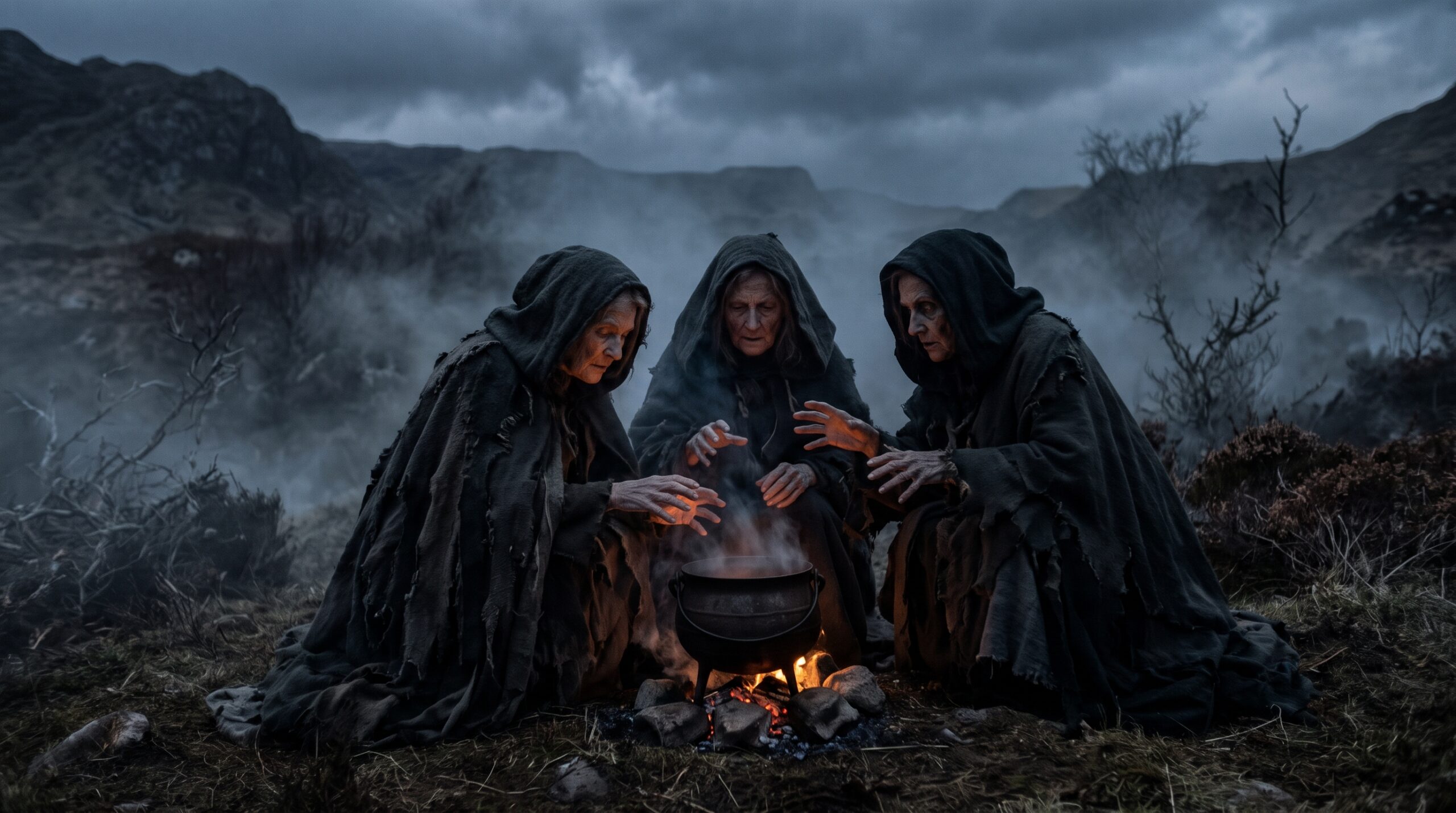
The Weird Sisters (the Witches) are the catalyst for the entire tragedy. They set the thematic foundation of the play in the very first scene, establishing a world where morality is inverted and nothing is as it seems. Their language is uniquely rhythmic, often spoken in trochaic tetrameter rather than Shakespeare’s traditional iambic pentameter, which makes their chants sound alien, menacing, and distinctly unnatural.
1. “Fair is foul, and foul is fair: / Hover through the fog and filthy air.”
-
Speaker: The Witches
-
Context: Act 1, Scene 1
-
Expert Analysis: This paradox is arguably the most important line in the entire play because it establishes the overarching theme of moral ambiguity. In the world of Macbeth, appearances are entirely deceptive. What seems good, just, and “fair” (like the honorable warrior Macbeth initially appears to be) is actually deeply corrupted and “foul.” Conversely, what appears foul (like the bloody and brutal realities of righteous warfare) might actually be fair. This inversion of the natural order infects the entire Scottish landscape, represented by the “fog and filthy air” that obscures vision and truth.
2. “By the pricking of my thumbs, / Something wicked this way comes.”
-
Speaker: Second Witch
-
Context: Act 4, Scene 1
-
Expert Analysis: By the fourth act, Macbeth has murdered King Duncan, arranged the assassination of his best friend Banquo, and fully embraced his role as a tyrant. When he returns to the Witches to demand more prophecies, the Second Witch senses his approach. The profound irony of this quote lies in the speaker. A supernatural creature of darkness—a literal witch who brews potions with the entrails of animals and humans—senses Macbeth approaching and identifies him as the true monster. It signals Macbeth’s complete transformation from a noble tragic hero into an irredeemable force of evil.
💡 Expert Insight: The Jacobean Obsession with Witchcraft To truly understand the impact of the Witches’ quotes, we must look at the historical context of the Jacobean era. Macbeth was written shortly after King James I took the English throne. King James was notoriously obsessed with the supernatural and even wrote a treatise on witchcraft titled Daemonologie (1597). By including terrifying, manipulative witches who possessed real supernatural foresight, Shakespeare was directly catering to the anxieties and interests of his new king, making these lines terrifyingly real to a 17th-century audience.
The Ascent of Ambition and the Descent into Guilt: Macbeth’s Most Iconic Lines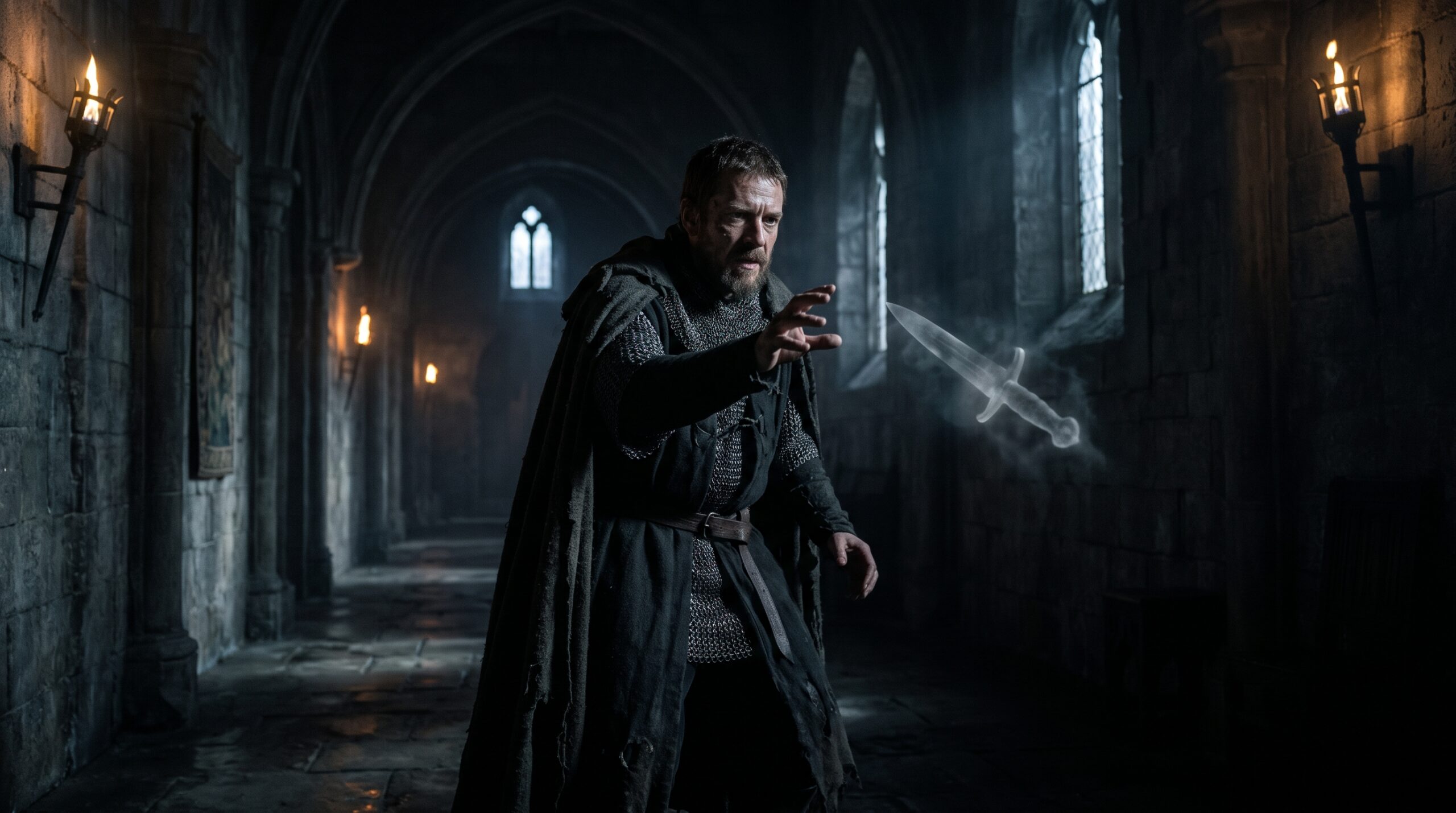
To chart Macbeth’s journey from a loyal, celebrated Scottish general to a deeply paranoid and tyrannical king is to trace one of the most compelling psychological breakdowns in literature. His soliloquies give the audience direct access to his internal warfare. As his ambition overtakes his morality, his language shifts from hesitant and conflicted to bleak, desperate, and terrifyingly cold.
3. “Stars, hide your fires; / Let not light see my black and deep desires.”
-
Speaker: Macbeth
-
Context: Act 1, Scene 4
-
Expert Analysis: This couplet is spoken just after King Duncan names his son Malcolm as the heir to the Scottish throne. This is the exact moment Macbeth realizes that to become king, he must step over not just Duncan, but Malcolm as well. Calling upon the stars to “hide their fires” shows his immediate understanding of the sheer wickedness of his own thoughts. He wants to operate in total darkness, shielding his treasonous intent not only from the eyes of others but perhaps from the judgment of heaven itself. It perfectly encapsulates his internal struggle between his moral compass and his awakening ambition.
4. “If it were done when ’tis done, then ’twere well / It were done quickly…”
-
Speaker: Macbeth
-
Context: Act 1, Scene 7
-
Expert Analysis: In this profound soliloquy, Macbeth weighs the physical and spiritual consequences of assassinating Duncan. He realizes that violence inevitably breeds more violence—that the “bloody instructions” he teaches will eventually return to plague the inventor. What makes this quote so fascinating for literary analysis is that Macbeth’s hesitation here isn’t strictly moral; it is highly pragmatic. He fears earthly retribution and the loss of his hard-won reputation much more than he fears divine judgment, revealing the deep-seated flaws in his character long before the actual murder takes place.
5. “Is this a dagger which I see before me, / The handle toward my hand?”
-
Speaker: Macbeth
-
Context: Act 2, Scene 1
-
Expert Analysis: Spoken mere moments before he murders the King, this line marks Macbeth’s final severing of his grip on reality. The appearance of the floating dagger is a brilliant piece of stagecraft and psychological manifestation. Scholars continually debate whether the dagger is a supernatural entity sent by the Witches to lure him to his doom, or entirely a “dagger of the mind”—a hallucination born from his feverish, guilt-ridden state. Either way, it acts as a physical projection of his dark intent, leading him irreversibly down the path of bloodshed.
6. “Will all great Neptune’s ocean wash this blood / Clean from my hand?”
-
Speaker: Macbeth
-
Context: Act 2, Scene 2
-
Expert Analysis: Immediately after slaughtering Duncan, Macbeth is horrified by the physical reality of the blood on his hands. He uses magnificent hyperbole, claiming that rather than the ocean washing his hands clean, the blood on his hands will turn the entire green ocean red (“making the green one red”). This quote brilliantly establishes blood as the play’s ultimate motif for inescapable guilt. It signifies the permanent, staining nature of his crime—a spiritual contamination that no earthly water can ever purify.
7. “I am in blood / Stepp’d in so far that, should I wade no more, / Returning were as tedious as go o’er.”
-
Speaker: Macbeth
-
Context: Act 3, Scene 4
-
Expert Analysis: Following the disastrous banquet scene where he is tormented by the ghost of his murdered friend Banquo, Macbeth reaches a chilling conclusion. He imagines himself standing in the middle of a river of blood. He calculates that turning back to a life of virtue would be just as difficult and “tedious” as continuing his reign of terror. This is the psychological point of no return. It represents a deadly sunk-cost fallacy; because he is already damned, he decides to completely abandon his conscience and embrace sheer, unadulterated tyranny.
8. “Tomorrow, and tomorrow, and tomorrow, / Creeps in this petty pace from day to day…”
-
Speaker: Macbeth
-
Context: Act 5, Scene 5
-
Expert Analysis: Upon hearing the news of his wife’s death as a massive siege army approaches his castle, Macbeth does not express traditional grief. Instead, he delivers one of the most famous expressions of existential nihilism in the English language. He compares life to a fleeting shadow and a “poor player” (a terrible actor) who struts on stage for a moment and is then forgotten. It is a tale told by an idiot, “full of sound and fury, / Signifying nothing.” Stripped of his humanity, his wife, and his honor, Macbeth realizes that his violent ambition has ultimately yielded a completely empty, meaningless existence.
Ruthless Manipulation and Madness: Lady Macbeth’s Famous Quotes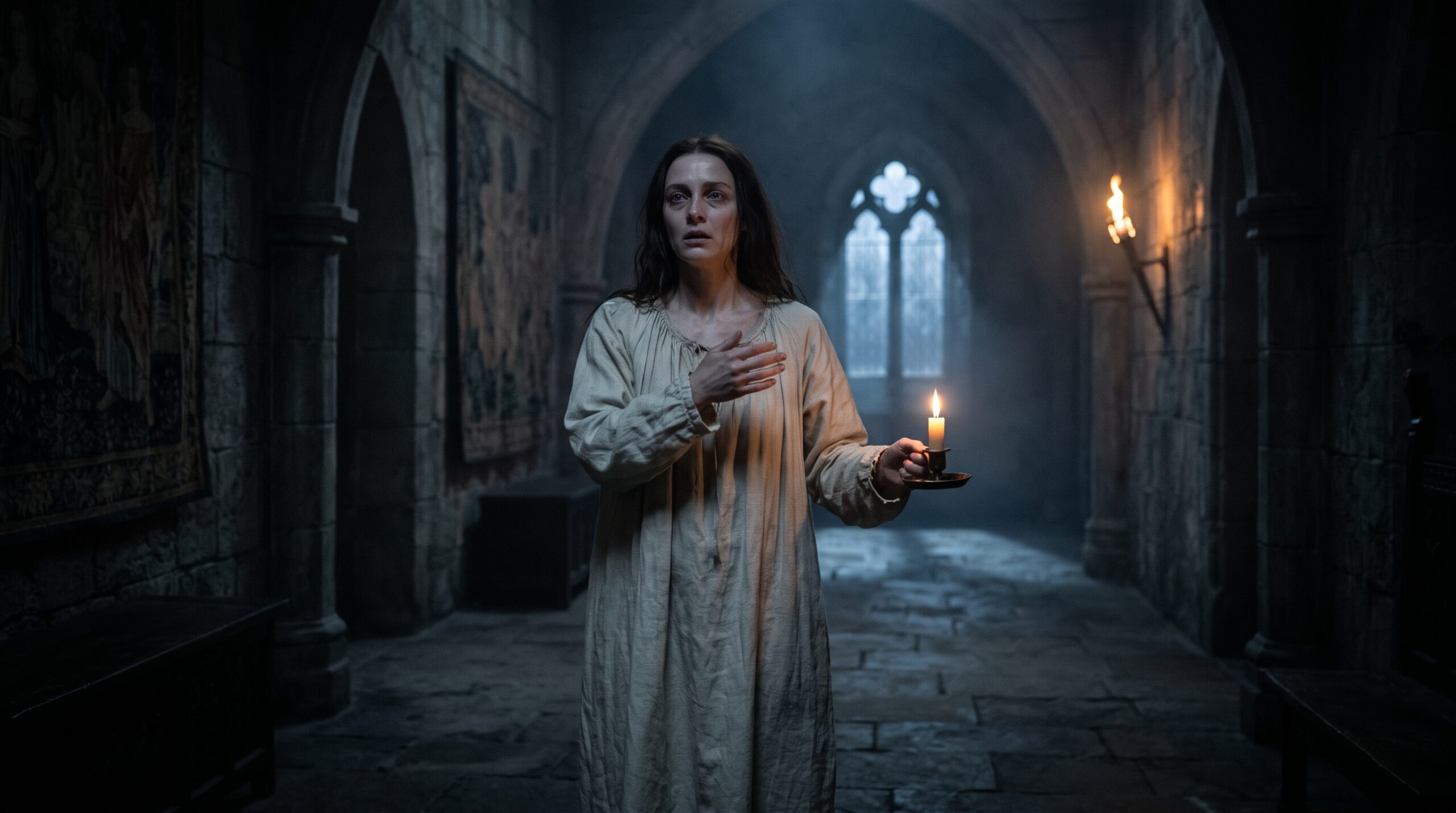
Lady Macbeth is often considered one of literature’s most terrifying and complex female characters. Initially, she acts as the engine of the tragedy, mocking her husband’s hesitation and orchestrating the regicide. However, her journey serves as an inverse parallel to her husband’s: as Macbeth grows colder and more callous, Lady Macbeth crumbles under the suffocating weight of her repressed guilt.
9. “Yet do I fear thy nature; / It is too full o’ the milk of human kindness / To catch the nearest way.”
-
Speaker: Lady Macbeth
-
Context: Act 1, Scene 5
-
Expert Analysis: After reading her husband’s letter detailing the Witches’ prophecies, Lady Macbeth instantly sizes up his fatal flaw. Paradoxically, she views his compassion and loyalty—the “milk of human kindness”—as a profound weakness. She understands that he desires the crown, but knows he lacks the necessary ruthlessness (the “illness”) to seize it unlawfully. This quote immediately establishes her dominating personality and sets the stage for her role as his primary manipulator.
10. “Come, you spirits / That tend on mortal thoughts, unsex me here…”
-
Speaker: Lady Macbeth
-
Context: Act 1, Scene 5
-
Expert Analysis: In a deeply unsettling invocation to the forces of darkness, Lady Macbeth begs to be stripped of her femininity and reproductive traits. In the Jacobean era, women were societally viewed as nurturing, delicate, and gentle. To commit the ultimate crime of treason and murder, she believes she must become entirely callous and “unsexed.” By asking the spirits to fill her with “direst cruelty” and to turn her mother’s milk to gall, she is attempting to forcibly eradicate her own human empathy.
11. “Look like the innocent flower, / But be the serpent under ‘t.”
-
Speaker: Lady Macbeth
-
Context: Act 1, Scene 5
-
Expert Analysis: This quote is a masterclass in the theme of deception and duality that runs throughout the play. As King Duncan approaches their castle at Inverness, she coaches her husband on how to mask his murderous intentions. The biblical imagery of the serpent hiding beneath a beautiful flower directly recalls the Garden of Eden, casting Lady Macbeth in the role of the ultimate tempter. It reinforces the earlier paradox established by the Witches: fair is foul.
12. “Out, damned spot! out, I say!”
-
Speaker: Lady Macbeth
-
Context: Act 5, Scene 1
-
Expert Analysis: The sleepwalking scene is the climax of Lady Macbeth’s psychological unraveling. Earlier in the play, after Duncan’s murder, she confidently told her trembling husband that “a little water clears us of this deed.” Here, we see the profound irony of those words. While sleepwalking, her subconscious guilt manifests as an invisible bloodstain on her hands that she obsessively, endlessly tries to wash away. Her language shifts from the commanding, structured blank verse of the earlier acts into fractured, disjointed prose, visually and audibly demonstrating a mind that has completely shattered.
Blood, Betrayal, and Retribution: Quotes from the Supporting Cast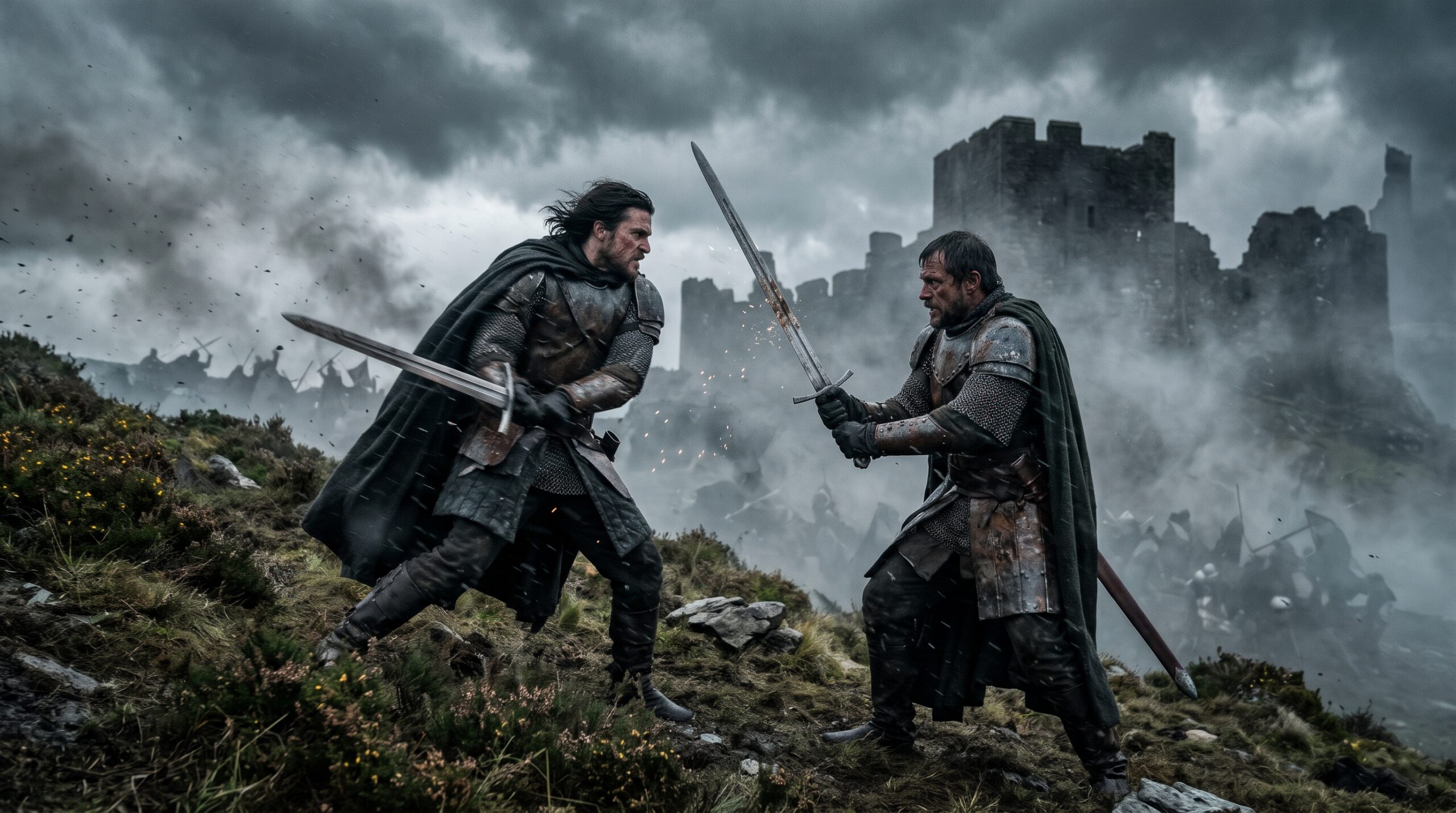
While the Macbeths dominate the psychological landscape of the play, the supporting cast provides the moral compass that the main characters so desperately lack. Characters like Banquo and Macduff serve as critical dramatic foils, highlighting the depth of Macbeth’s depravity by demonstrating how honorable men react to supernatural temptation and profound grief.
13. “And oftentimes, to win us to our harm, / The instruments of darkness tell us truths…”
-
Speaker: Banquo
-
Context: Act 1, Scene 3
-
Expert Analysis: When the Witches deliver their initial prophecies, Banquo is just as intrigued as Macbeth, but he remains deeply skeptical. He warns his friend that agents of evil (“instruments of darkness”) often use small, inconsequential truths to earn a person’s trust, only to betray them in matters of grave importance. This quote is a stunning piece of foreshadowing. It outlines exactly how the Witches will manipulate Macbeth, ultimately leading him to his own destruction through a false sense of security.
14. “But I must also feel it as a man.”
-
Speaker: Macduff
-
Context: Act 4, Scene 3
-
Expert Analysis: Upon receiving the devastating news that Macbeth has slaughtered his wife and children, Macduff is urged by Malcolm to channel his grief immediately into masculine, militaristic rage (“Dispute it like a man”). Macduff’s poignant response redefines the Jacobean concept of masculinity. He asserts that true manhood is not just about violence and emotional suppression; it requires the capacity to feel profound love, empathy, and devastating sorrow. This healthy, human reaction stands in stark contrast to Macbeth’s toxic, unfeeling aggression.
15. “Turn, hell-hound, turn!”
-
Speaker: Macduff
-
Context: Act 5, Scene 8
-
Expert Analysis: The final confrontation between Macduff and the tyrant king is stripped of all poetic grandeur. Macduff does not waste time with elaborate speeches; his language is raw, guttural, and violently direct. Calling Macbeth a “hell-hound” finalizes the king’s descent from a “valiant cousin” in Act 1 to a demonic, rabid beast by Act 5. It is the ultimate cry of righteous retribution before the play’s bloody conclusion.
Common Misinterpretations of Quotes from Macbeth
When analyzing famous quotes about macbeth for essays or performances, students often fall into a few common analytical traps. Understanding these nuances will elevate your appreciation of the text and signal true expertise.
-
Misinterpreting “Fair is foul”: Many casual readers assume the Witches are simply talking about the bad weather on the Scottish heath. While the “fog and filthy air” is literal, the core meaning is highly metaphorical. It is a declaration of moral inversion, signaling that the entire ethical fabric of the universe is about to be turned upside down.
-
Overacting the “Dagger” Monologue: On stage, amateur actors often deliver the “Is this a dagger” speech with frantic, manic energy. However, top Shakespearean scholars and directors often argue that the scene is much more terrifying when played with cold, quiet realization. Macbeth is not just losing his mind; he is coldly accepting that he is about to cross an unforgivable moral boundary.
-
Misjudging Lady Macbeth’s Strength: It is easy to view Lady Macbeth merely as a two-dimensional villain or a cruel manipulator. However, a deeper reading of her quotes reveals extreme fragility. Her desperate pleas to the spirits to “unsex” her prove that she is naturally empathetic and must rely on dark, supernatural forces to suppress her own conscience.
📝 Pro-Tip: Integrating Shakespearean Quotes into Academic Writing When citing these famous lines in a literary analysis paper, always avoid “dropping” quotes without context. Weave the language naturally into your own sentences, and always provide the structural citation in parentheses: (Act. Scene. Line). For example: Recognizing the irreversible nature of his crimes, Macbeth notes that returning to grace would be “as tedious as go o’er” (3.4.138).
Frequently Asked Questions (FAQ) About Macbeth Quotes
What is Macbeth’s most famous quote about life? Macbeth’s most famous reflection on life occurs in Act 5, Scene 5, after the death of his wife. He delivers the “Tomorrow, and tomorrow, and tomorrow” soliloquy, where he famously concludes that life is merely a “walking shadow” and a tale told by an idiot, signifying absolutely nothing.
What is the most famous line from the Witches in Macbeth? While “Fair is foul” is critically important, their most culturally famous chant occurs in Act 4, Scene 1, as they brew a potion: “Double, double toil and trouble; / Fire burn, and cauldron bubble.” This couplet has become the archetypal witch chant in Western literature and pop culture.
Why does Lady Macbeth talk about “blood” so much? In Macbeth, blood is not just a physical reality; it is the play’s primary motif for inescapable guilt. While Lady Macbeth initially believes that “a little water” will wash away the literal blood of King Duncan, her subconscious realizes that the spiritual stain is permanent, leading to her desperate cries of “Out, damned spot!”
Conclusion
The enduring power of William Shakespeare’s shortest tragedy lies not just in its thrilling plot of regicide and retribution, but in its unparalleled linguistic mastery. The most famous quotes about macbeth do far more than advance a dramatic narrative. They provide a terrifyingly accurate map of the human conscience collapsing under the weight of unchecked ambition. From the paradoxical prophecies of the Weird Sisters to the desolate nihilism of a fallen king, these lines continue to resonate because the moral vulnerabilities they expose remain undeniably, fundamentally human.
To truly master the nuances of “The Scottish Play,” you must look beyond the individual lines and understand the web of character dynamics that binds them together. Continue your exploration of the Bard’s darkest masterpiece by reading our full psychological breakdown of Lady Macbeth, or dive deeper into our scene-by-scene structural summaries to see exactly how these iconic quotes drive the tragedy toward its bloody, inevitable end.