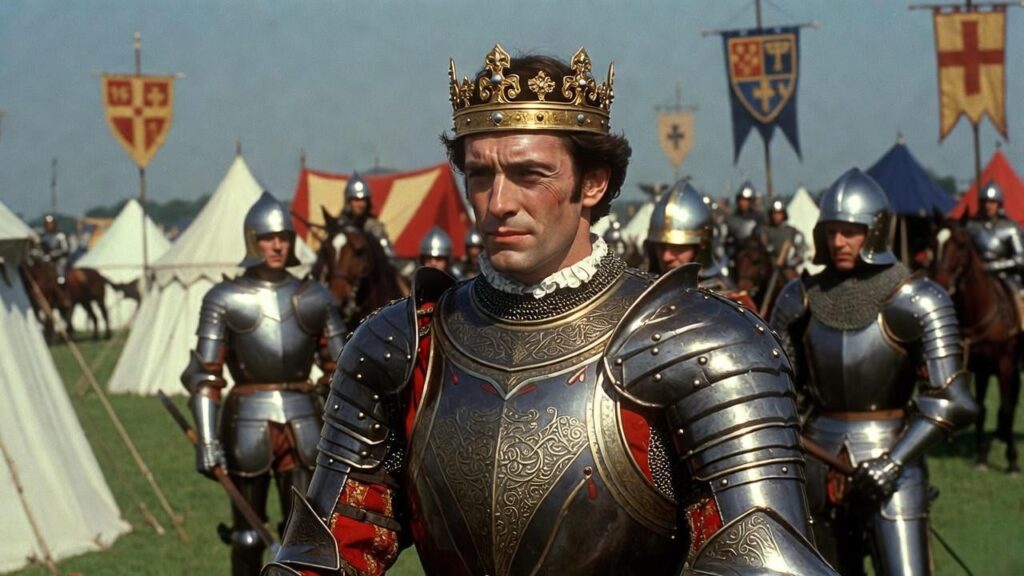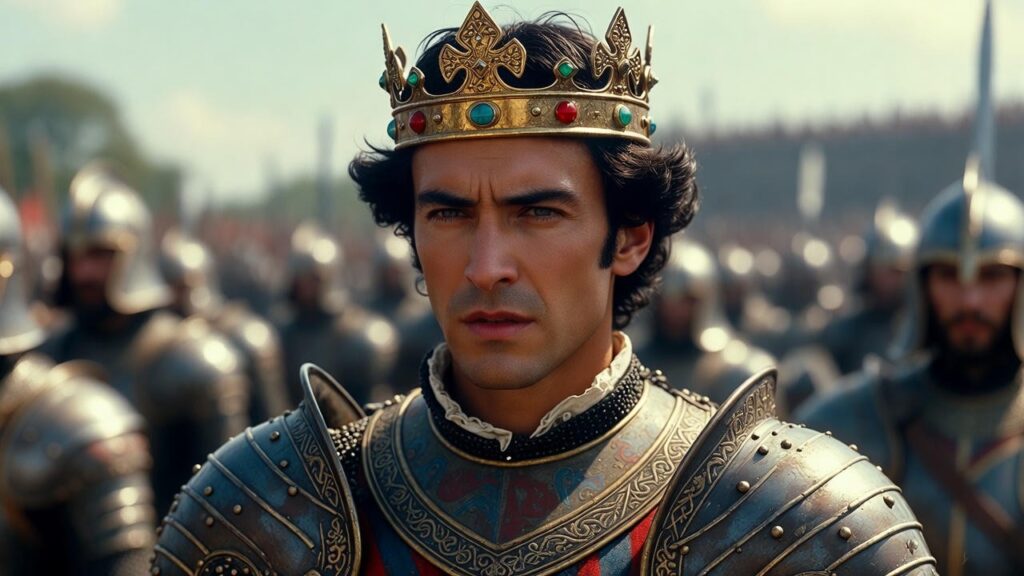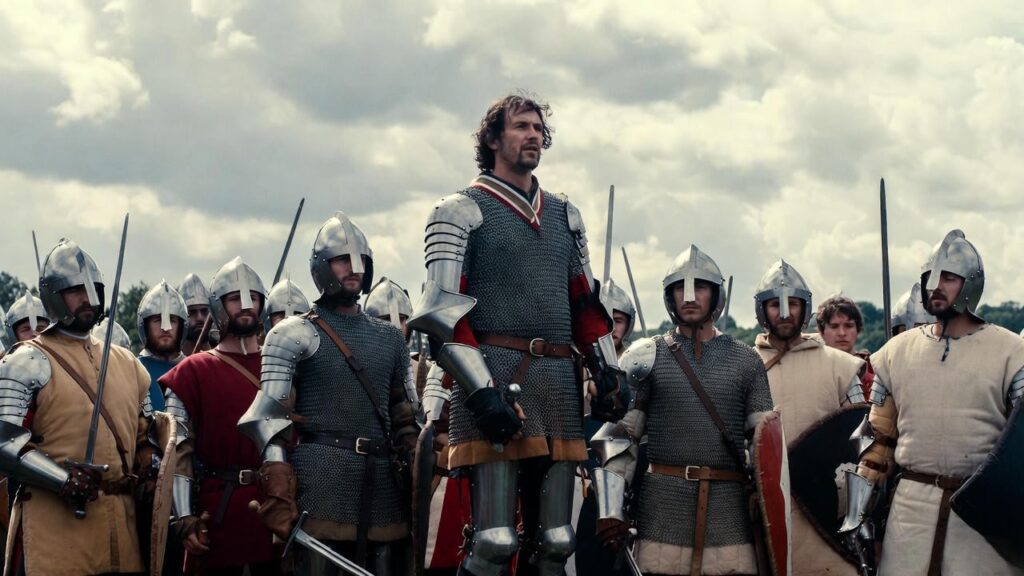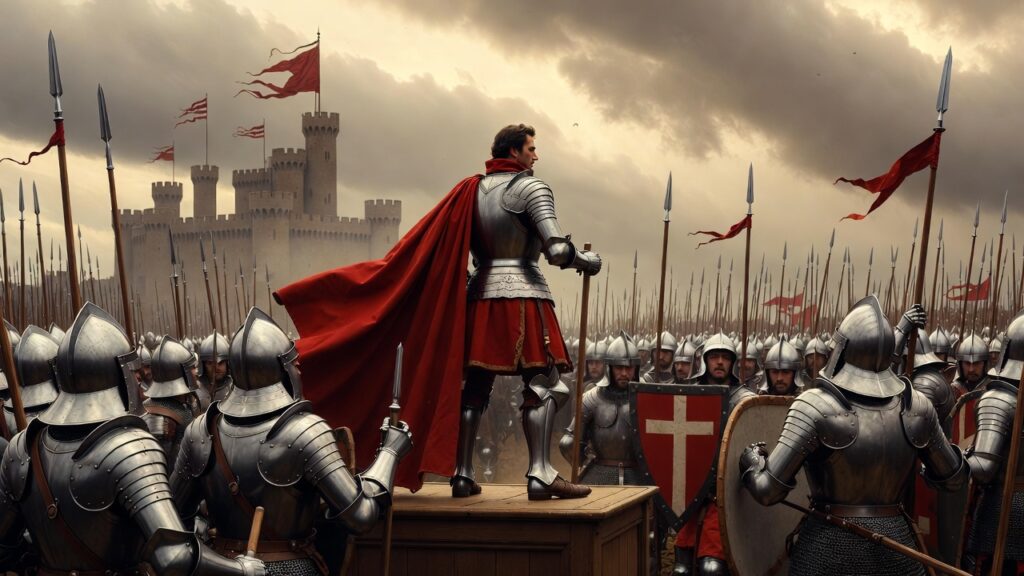
“Once more unto the breach, dear friends, once more…” These rousing words from King Henry V have echoed through centuries, capturing the thrill of leadership under fire and the brutal realities of war. In William Shakespeare’s Henry V, often hailed as his most stirring war play, the young monarch transforms from a wayward prince into a charismatic commander who leads his outnumbered English forces to victory at the Battle of Agincourt in 1415. The play explores the glory and grim costs of conquest, the burdens of kingship, and the power of rhetoric to unite a nation.
For readers seeking the most reliable and accessible version, the Folger Henry V edition from the Folger Shakespeare Library stands unmatched. Edited by renowned scholars Barbara A. Mowat and Paul Werstine, this edition draws on the authoritative 1623 First Folio text (with thoughtful emendations for clarity), modernized spelling and punctuation, facing-page explanatory notes that decode archaic language and historical allusions, scene-by-scene summaries, and insightful introductory essays. Whether you’re a student tackling an essay, a teacher preparing lessons, an actor rehearsing lines, or simply a literature enthusiast drawn to Shakespeare’s nuanced portrayal of heroism and conflict, the Folger edition solves the common frustrations of outdated texts or overly dense annotations. It makes Shakespeare’s language approachable without sacrificing scholarly depth.
This comprehensive guide unlocks the Folger Henry V edition’s full potential. We’ll dive into the plot, characters, major themes like leadership and the morality of war, iconic speeches, historical context, performance legacy, and practical study tips—offering deeper insights than typical summaries. By the end, you’ll not only understand why this play endures as Shakespeare’s greatest exploration of war but also how to engage with it meaningfully today.
Why Choose the Folger Edition of Henry V?
The Folger Shakespeare Library editions, trusted since the 1990s, prioritize readability and accuracy for modern audiences. Edited by Barbara A. Mowat (Director of Research Emerita at the Folger) and Paul Werstine (Professor of English), the Henry V volume exemplifies this approach. It presents a freshly edited text based on the First Folio—Shakespeare’s most complete version—while incorporating select improvements from earlier quartos where they resolve textual issues.
Key features include:
- Clean, modernized text with line numbers for easy reference.
- Facing-page explanatory notes that clarify difficult words (e.g., “gentle his condition” in the St. Crispin’s Day speech), puns, historical references, and stage directions without overwhelming the page.
- An introductory essay on Shakespeare’s language, helping readers navigate inversions, metaphors, and Elizabethan idioms.
- Scene-by-scene plot summaries and a key to famous lines.
- A modern perspective essay exploring the play’s ambiguities—glorifying war in parts while subtly questioning its costs.
- “Further Reading” recommendations drawing from leading scholarship.
Compared to denser editions like Arden (rich in variants but intimidating for beginners) or Oxford (strong on performance but less accessible notes), the Folger strikes an ideal balance: scholarly rigor meets everyday usability. Best of all, the full text is freely available online at Folger.edu (with options for PDF download or affordable paperback purchase), making it perfect for remote study or classroom use.
Plot Summary and Scene-by-Scene Breakdown
Henry V chronicles the young king’s 1415 campaign against France, justified by a dubious claim to the throne via the Salic Law. Framed by the Chorus—a narrator who urges the audience to imagine vast battles on a “wooden O” stage—the play balances triumphant rhetoric with gritty realism.
Act 1: The English court debates war. The Archbishop of Canterbury delivers a lengthy justification for Henry’s claim, cleverly sidestepping a bill that would seize church lands. The Dauphin’s mocking gift of tennis balls insults Henry, who vows conquest. The Chorus sets the scene for departure.
Act 2: Treason unfolds as three nobles (Cambridge, Scrope, Grey) plot against Henry but are exposed and executed. Falstaff’s offstage death is mourned by his tavern companions (Pistol, Nym, Bardolph), adding comic pathos. The Chorus describes the fleet sailing to France.
Act 3: The siege of Harfleur. Henry’s famous “Once more unto the breach” speech rallies troops. The town surrenders after threats of brutality. Meanwhile, Pistol and Fluellen provide low-comedy relief, and Katherine begins learning English in a charming, multilingual scene.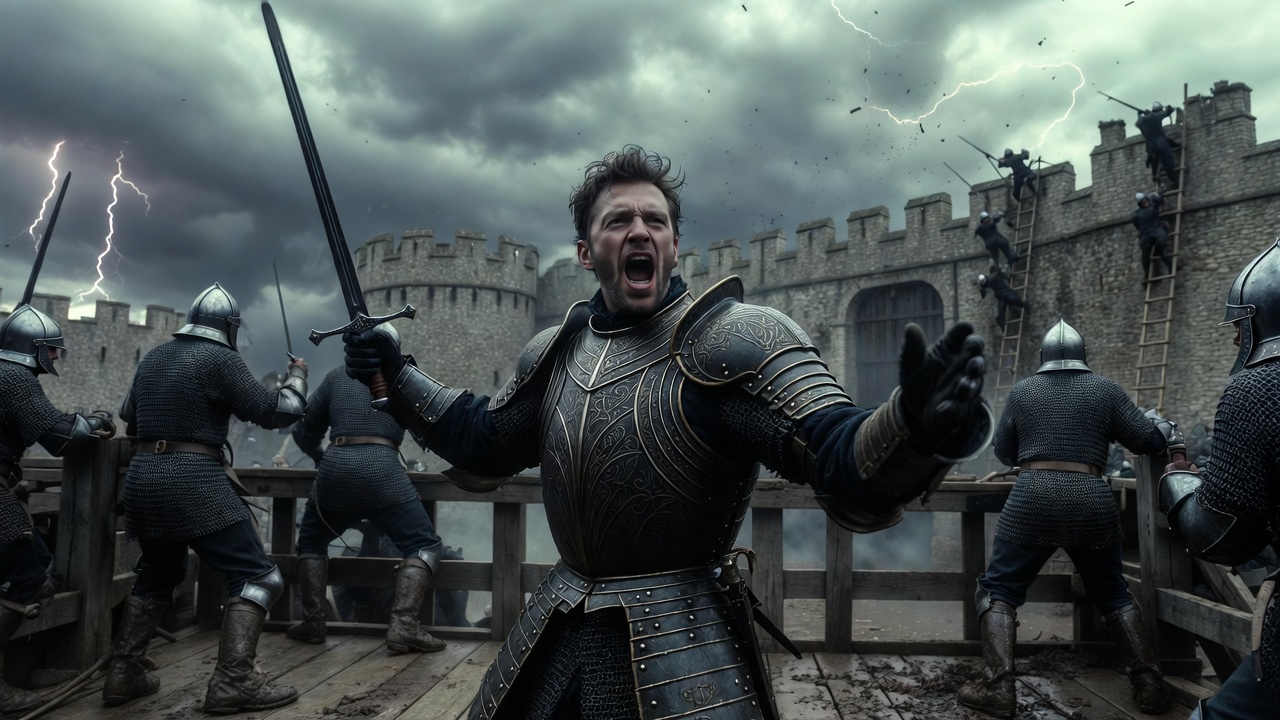
Act 4: The eve and battle of Agincourt. Henry, disguised, mingles with soldiers (Williams debate on war’s justice). His prayer grapples with his father’s usurpation guilt. The iconic St. Crispin’s Day oration inspires the outnumbered English to victory. The French suffer massive losses; Henry credits God.
Act 5: Peace negotiations lead to Henry’s wooing of Princess Katherine—a mix of awkward charm and political alliance. The Epilogue (spoken by the Chorus) foreshadows England’s future losses under Henry VI.
Folger notes highlight textual variants, such as differences between the 1600 quarto (shorter, possibly memorial reconstruction) and Folio (fuller, more authoritative).
Major Characters in Folger Henry V
King Henry V: The central figure evolves dramatically. From the reformed prince of earlier plays, he becomes a master rhetorician—capable of mercy (sparing Harfleur civilians) yet ruthless (executing traitors, threatening massacre). Folger annotations illuminate his internal conflicts, like the soliloquy on kingship’s burdens.
The Chorus: A unique device, bridging scenes and apologizing for theater’s limitations while heightening epic scale.
Supporting Characters: Pistol (bombastic coward), Fluellen (Welsh pedant loyal to Henry), Katherine (innocent yet pragmatic in marriage), the Dauphin (arrogant foil), and common soldiers like Williams (voicing doubts about war’s morality).
Key Themes and Modern Insights
Shakespeare’s Henry V is far more than a patriotic pageant; it is a complex meditation on power, conflict, and human nature. The Folger edition’s annotations and introductory essay help readers appreciate these layers, revealing how the play both celebrates and questions the enterprise of war.
War and Its Glory vs. Horror The Chorus paints heroic panoramas of ships and battles, yet the ground-level view is grim: soldiers debate the morality of dying for a king’s cause, Henry threatens Harfleur with rape and infanticide if the city does not surrender, and the body count at Agincourt is staggering (Folger notes cite the historical exaggeration of French losses). This duality—glorious rhetoric juxtaposed with brutal realities—makes Henry V one of Shakespeare’s most ambivalent war plays. Unlike straightforward propaganda, it invites readers to question whether victory justifies the cost.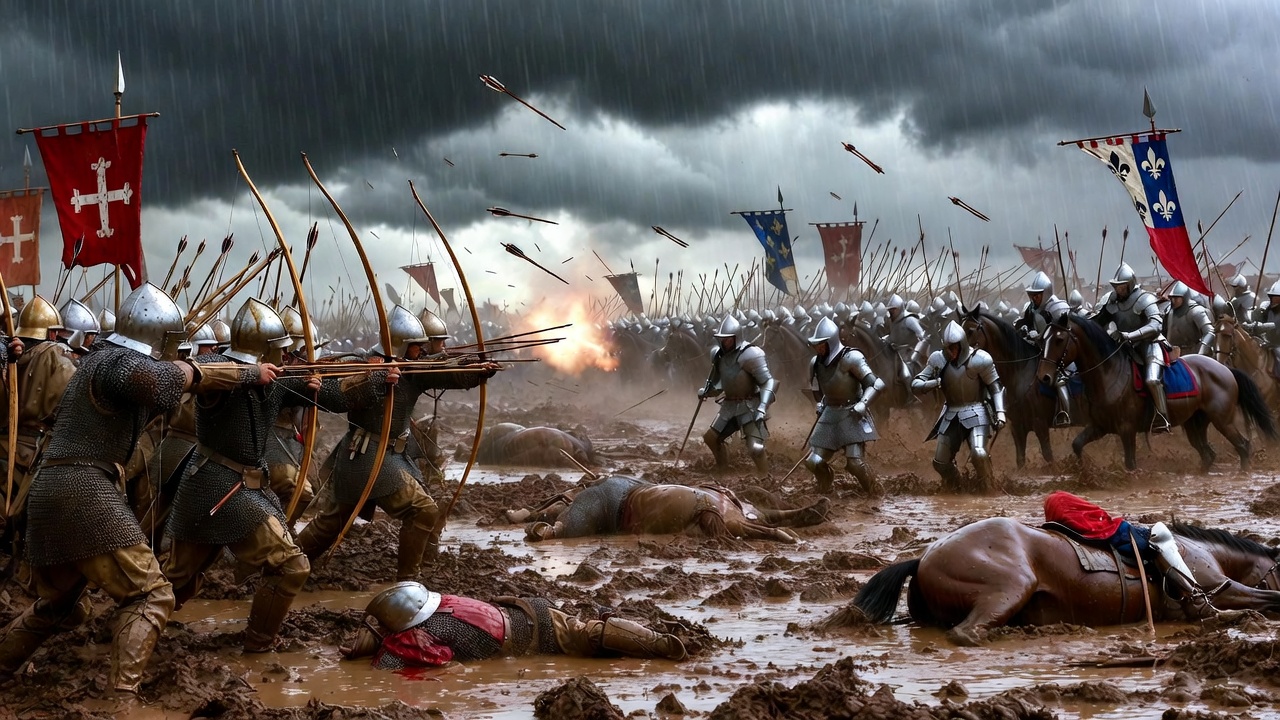
Leadership and Kingship Henry emerges as a model of inspirational leadership: his speeches unite disparate troops, turning fear into resolve. Yet Folger annotations highlight his calculated nature—he stages public mercy (pardoning a thief) while privately ordering executions, and his “band of brothers” rhetoric masks the class divide between nobles and commoners. Modern readers often draw parallels to contemporary leaders who use charisma and moral framing to rally support for military action. The play asks: Is effective leadership inherently manipulative, or can it be genuinely noble?
National Identity and Patriotism The famous St. Crispin’s Day speech (“We few, we happy few, we band of brothers”) forges a sense of shared English identity against a foreign foe. Written around 1599, the play resonated with Elizabethan audiences amid fears of Spanish invasion and ongoing Irish campaigns. Folger’s modern perspective essay notes how the Chorus’s appeals to national imagination reflect Shakespeare’s own theatrical patriotism. Today, these themes echo in discussions of nationalism, unity in crisis, and the dangers of “us vs. them” rhetoric.
Language, Rhetoric, and Power Henry is Shakespeare’s most eloquent king. His oratory shifts registers—from battlefield inspiration to intimate wooing—demonstrating language’s power to shape reality. The multilingual scenes (Katherine’s English lesson, the captains’ regional accents) underscore communication barriers and cultural difference. Folger notes brilliantly unpack puns, biblical allusions, and rhetorical devices, helping readers see how words become weapons.
Additional motifs include honor (contrasted with survival instincts), mercy (Henry’s selective application), and personal transformation (the once-dissolute prince now bearing the crown’s weight).
These themes remain strikingly relevant: leadership seminars cite Henry’s speeches, military academies study his strategy, and anti-war readings highlight the play’s darker undertones. The Folger edition equips readers to engage with these debates thoughtfully.
Famous Speeches and Quotes from the Folger Text
The play’s enduring power lies in its language. Here are standout passages with line references from the Folger edition and brief analysis:
- “Once more unto the breach, dear friends, once more” (Act 3, Scene 1, lines 1–34) Henry scales the walls metaphorically and literally, urging soldiers to “imitate the action of the tiger.” The speech blends vivid imagery, repetition, and direct address to transform exhaustion into fervor. Folger notes explain the siege context and the speech’s rhythmic momentum.
- St. Crispin’s Day Speech (Act 4, Scene 3, lines 18–67) “This day is called the feast of Crispian: / He that outlives this day, and comes safe home, / Will stand a tip-toe when this day is named…” Perhaps Shakespeare’s finest oration, it reframes desperate odds as legendary opportunity. The “band of brothers” line has become a universal symbol of camaraderie. Folger annotations highlight biblical echoes and the speech’s persuasive structure.
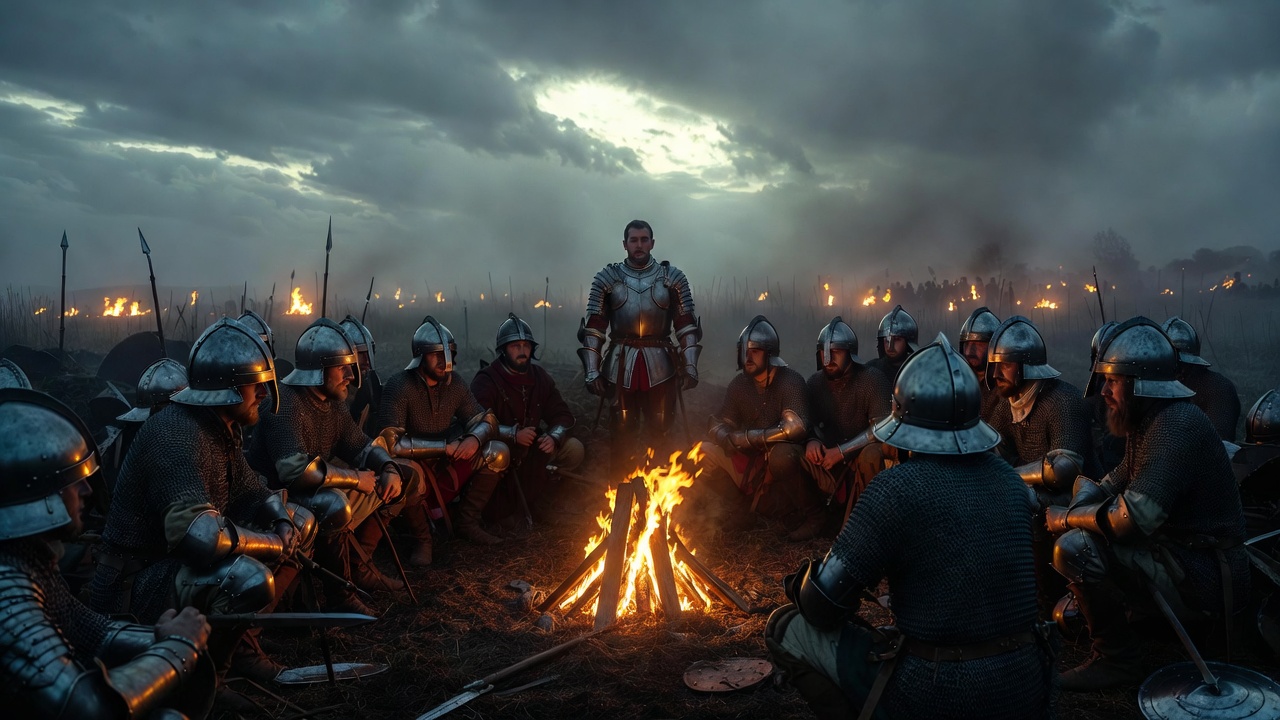
- Henry’s Prayer Before Agincourt (Act 4, Scene 1, lines 288–305) “O God of battles, steel my soldiers’ hearts…” A rare moment of vulnerability, Henry grapples with his father’s usurpation and prays for victory not for personal glory but to absolve past sins. This soliloquy humanizes the seemingly invincible king.
- Wooing Scene with Katherine (Act 5, Scene 2, lines 98–268) Henry’s awkward, half-French courtship (“If I could win a lady at leap-frog…”) mixes humor, sincerity, and political pragmatism. Folger notes clarify the language play and gender dynamics.
These passages reward close reading; the Folger edition’s facing notes make their richness immediately accessible.
Historical Context and Shakespeare’s Sources
Shakespeare drew primarily from Raphael Holinshed’s Chronicles (1587) and Edward Hall’s Union (1548), which portray Henry as a model Christian king blessed by providence. The real Henry V (1386–1422) was a skilled warrior whose Agincourt victory (October 25, 1415) was indeed against overwhelming odds, though Shakespeare amplifies both heroism and divine favor.
Written circa 1599, the play subtly comments on contemporary events: Queen Elizabeth I’s aging reign, fears of succession, and Robert Devereux, Earl of Essex’s Irish campaign (the Chorus’s final reference to “the general of our gracious empress” likely alludes to Essex). Folger’s introduction explores how Shakespeare navigates Tudor propaganda while introducing moral ambiguity.
Performance History and Adaptations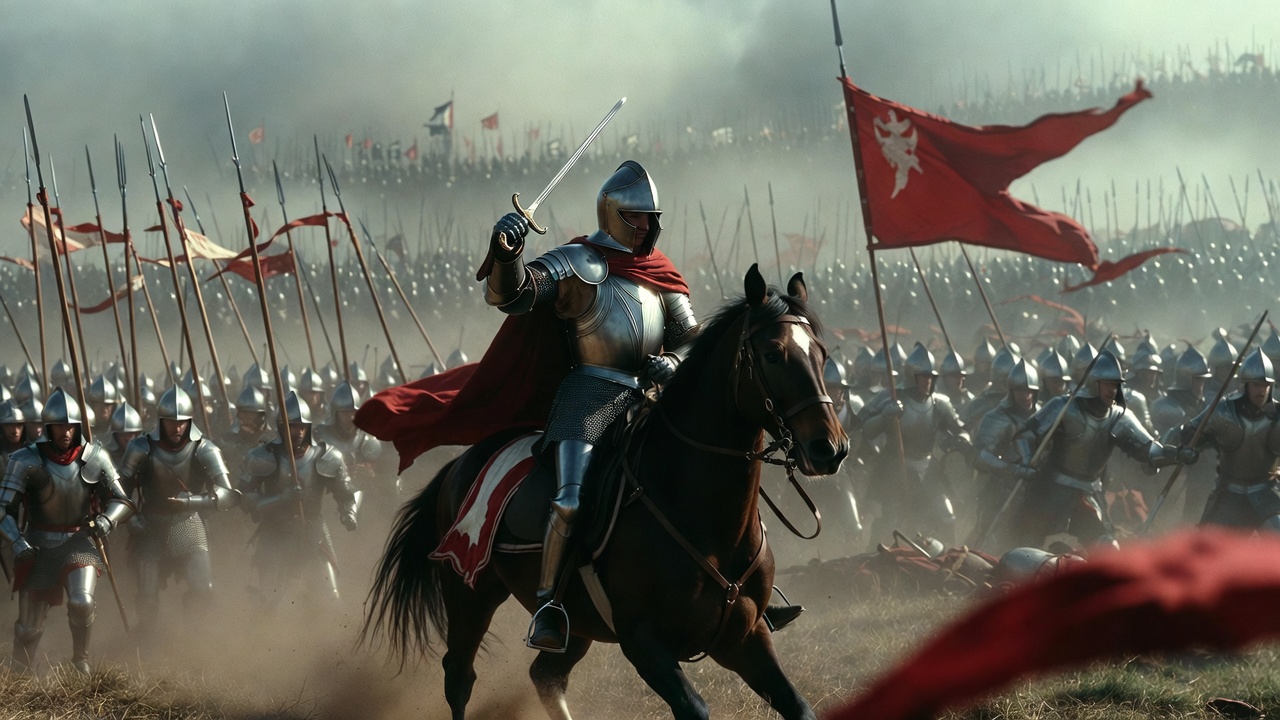
Laurence Olivier’s 1944 film version, made during World War II, emphasizes patriotism, with vibrant color and rousing music. Kenneth Branagh’s 1989 adaptation takes a grittier approach—rain-soaked battles, realistic mud, and a more introspective Henry—closer to the play’s darker tones. Modern stagings (Royal Shakespeare Company, Shakespeare’s Globe) experiment with diverse casting, emphasizing the play’s multiculturalism (Welsh, Irish, Scottish captains) and questioning imperialism.
Actors value the Folger edition for its clear stage directions and notes on pronunciation, making it a practical rehearsal tool.
Study Tips and FAQs for Folger Henry V Readers
- Using facing-page notes: Read the text first for flow, then revisit with notes to unpack difficult passages. Highlight rhetorical devices and recurring motifs.
- Essay topics: “Does Shakespeare glorify or criticize war in Henry V?” “How does Henry use language to construct authority?” “Compare Henry’s leadership to modern political figures.”
- Exam prep: Memorize key quotes (St. Crispin’s Day, Harfleur speech); understand the Chorus’s role; trace Henry’s character arc.
FAQs
- Where can I read the full Folger Henry V text online? Visit folger.edu/explore/shakespeares-works/henry-v/read/ for free access, searchable text, and downloadable PDF.
- What makes the Folger edition better for beginners? Its modern spelling, clear notes, and summaries remove barriers without dumbing down the scholarship.
- How does the play portray war differently from modern views? It celebrates martial valor while exposing suffering, fear, and moral compromise—offering a timeless, balanced perspective.
The Folger Henry V edition remains the gold standard for experiencing Shakespeare’s most dynamic war play. Its combination of authoritative text, insightful annotations, and accessible design empowers readers to grapple with the play’s enduring questions: When is war justified? What does true leadership demand? How does rhetoric shape history?
Whether you’re studying for class, directing a production, or simply savoring Shakespeare’s genius, this edition—and the insights above—will deepen your appreciation. Dive into the text at Folger.edu, reflect on its lessons, and share your thoughts in the comments below. Which speech moves you most? How do you interpret Henry’s character? The conversation, like the play itself, continues.