If you or a family member attended one of 17 elite private U.S. universities and received need-based financial aid between 2003 and 2024, you could be part of a historic class action settlement. The Henry et al v Brown University et al lawsuit, a major antitrust case alleging collusion among top schools to limit financial aid awards, has now seen 12 universities settle for over $319 million. With the final claim deadline for the latest settlements (California Institute of Technology and Johns Hopkins University) having passed on December 27, 2025—just yesterday as of December 28, 2025—this guide provides the most current status, eligibility details, payout expectations, and what comes next.
This landmark case has returned hundreds of millions to students and families impacted by alleged price-fixing in higher education financial aid. Whether you filed a claim earlier or are checking your status, understanding the latest developments is crucial for ensuring you receive any entitled compensation.
What Is the Henry et al v Brown University et al Lawsuit?
Background of the Allegations
The class action lawsuit, officially titled Henry et al. v. Brown University et al. (Case No. 1:22-cv-00125 in the U.S. District Court for the Northern District of Illinois), was filed in January 2022 on behalf of former and current undergraduate students who received partial need-based financial aid.
The core allegation is that 17 prestigious private universities engaged in antitrust violations by colluding through the “568 Presidents’ Group”—a consortium formed under a temporary exemption in Section 568 of the Improving America’s Schools Act of 1994. This exemption allowed need-blind schools to collaborate on financial aid methodologies without violating antitrust laws, provided they truly admitted all students without regard to financial need.
Plaintiffs claim the defendants shared sensitive data on family finances, standardized aid formulas, and agreed on common principles that reduced competition. As a result, need-based aid packages were allegedly suppressed, forcing hundreds of thousands of students to pay higher net prices (tuition, fees, room, and board minus aid) than they would have in a competitive market.
The universities have consistently denied wrongdoing, arguing their collaboration promoted equity and access for low-income students. Most have settled to avoid costly litigation, while emphasizing that settlements do not admit liability.
This case echoes a 1991 Department of Justice investigation into the “Ivy Overlap Group,” where similar collusion allegations led to reforms—but no financial penalties.
The Role of the 568 Presidents’ Group
Established in 1998, the 568 Presidents’ Group (named after the statutory section) aimed to create a “Consensus Methodology” for calculating expected family contributions. Members met regularly to align on aid principles, such as treatment of home equity, divorce-related finances, and other factors.
The exemption required 100% need-blind admissions across all applicants, including waitlisted and international students. Plaintiffs argue many members deviated—favoring wealthy legacies, athletes, or donor-connected applicants—invalidating the exemption and exposing the group to Sherman Antitrust Act liability.
The group dissolved in November 2022 amid the lawsuit, marking the end of formalized collaboration.
Current Status of the Case (As of December 28, 2025)
Settled Universities and Amounts
As of late 2025, 12 of the 17 defendant universities have reached court-approved settlements totaling approximately $319.25 million:
- University of Chicago: $13.5 million
- Brown University: ~$19.5–24 million (part of early tranches)
- Columbia University: ~$24 million
- Duke University: ~$24 million
- Emory University: ~$18.5 million
- Yale University: ~$18.5–24 million
- Dartmouth College: $33.75 million
- Northwestern University: $43.5 million
- William Marsh Rice University (Rice): $33.75 million
- Vanderbilt University: $55 million
- California Institute of Technology (Caltech): $16.75 million
- Johns Hopkins University: $18.5 million
The initial 10-university settlement (Brown, Chicago, Columbia, Dartmouth, Duke, Emory, Northwestern, Rice, Vanderbilt, Yale) totaled $284 million, approved in 2024. Caltech and Johns Hopkins added $35.25 million, with final approval granted in September 2025.
These funds are pooled—meaning eligible class members can receive payments regardless of which school they attended, even if it hasn’t settled.
Remaining Defendants
Litigation continues against five universities:
- Cornell University
- Georgetown University
- Massachusetts Institute of Technology (MIT)
- University of Notre Dame
- University of Pennsylvania (Penn)
These schools are defending vigorously. Plaintiffs have pursued class certification for the remaining claims, with motions filed in late 2024. No trial date is set, but additional settlements could increase the total fund and boost payouts for all class members.
Who Is Eligible for a Settlement Payment?
Settlement Class Definition
You are likely a class member if you meet all these criteria:
- You are a U.S. citizen or permanent resident.
- You enrolled full-time in an undergraduate program at one of the 17 defendant universities.
- You received at least some institutional need-based financial aid (not just loans or merit aid).
- Your total costs (tuition, fees, room, board) were not fully covered by any combination of need-based or merit aid in at least one academic year.
Class periods vary slightly:
- Most schools (Chicago, Columbia, Cornell, Duke, Georgetown, MIT, Northwestern, Notre Dame, Penn, Rice, Vanderbilt, Yale): Fall 2003–February 28, 2024
- Brown, Dartmouth, Emory: Fall 2004–February 28, 2024
- Caltech: Later years (shorter membership)
- Johns Hopkins: Later years (joined shortly before lawsuit)
An estimated 200,000+ students qualify across all settlements.
Exclusion and Objection Deadlines
Opt-out and objection deadlines passed in April 2025 for most settlements. If you didn’t opt out, you’re bound by the terms and eligible for payments if you filed a valid claim.
How Claims and Payouts Work
Claim Filing Deadlines
- Initial settlements (10 universities): Deadline was December 17, 2024 (closed).
- Caltech and Johns Hopkins: Deadline was December 27, 2025 (now closed as of today).
Important note: If you filed a valid claim for the initial settlements, you were automatically included in the Caltech/JHU funds—no new filing needed. New claimants had to submit by yesterday.
The official settlement administrator (Angeion Group) processed tens of thousands of claims, with some deficiency notices resolved in 2025.
Estimated Payout Amounts
Payments are distributed pro rata (proportionally) from the net settlement fund after deductions for attorneys’ fees (typically 25–33%), expenses, and class representative awards.
Factors influencing your share:
- Number of eligible years attended
- Your average annual net price paid
- Total valid claims filed
Official estimates (assuming ~50% claim rate):
- From initial $284 million: Average ~$2,000 per claimant
- Additional from Caltech/JHU: ~$200–300 boost
Actual amounts vary significantly—some with multiple years or higher net prices report expectations of $5,000–$10,000+. Lower-net-price or single-year attendees may receive less.
When Will Payments Be Distributed?
With the final deadline passed, processing is ramping up. Valid claims are under review, with distributions expected in mid-to-late 2026.
Payments will be issued via check, direct deposit, or digital options (e.g., Venmo/PayPal if elected). The administrator will notify approved claimants.
Settlement payments are generally considered non-taxable compensatory damages (consult a tax advisor). They should not affect past or future FAFSA eligibility.
Step-by-Step Guide: What to Do If You Missed the Deadline
Late Claims and Appeals
Deadlines are strict, but exceptions are rare. If you believe you had good cause (e.g., no notice received), contact the administrator immediately:
Checking Your Claim Status
Use the online portal with your Claim ID (from notice emails/postcards). Many 2025 updates involved resolving documentation deficiencies.
If the remaining five schools settle, a new claim period may open—monitor the site.
Step-by-Step Guide: What to Do If You Missed the Deadline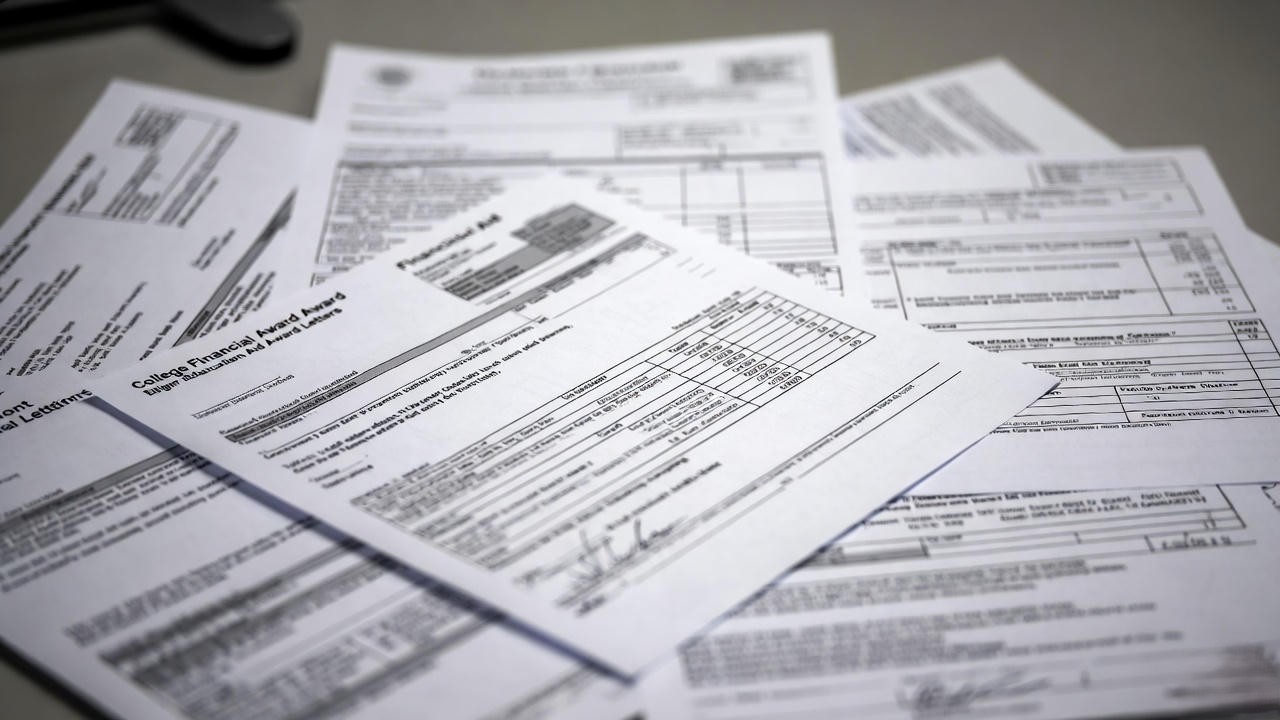
Late Claims and Appeals
The claim deadline for the Caltech and Johns Hopkins settlements was December 27, 2025—yesterday. For those who filed valid claims in the earlier settlements (with the initial 10 universities), you are automatically included in the additional $35.25 million fund from Caltech and Johns Hopkins, so no further action was required.
Late claims are generally not accepted due to court-approved strict deadlines. However, in rare circumstances (such as proven lack of notice or extenuating issues), the settlement administrator may consider appeals or exceptions. Do not delay—reach out immediately if you believe you qualify:
Checking Your Claim Status
If you filed a claim (either earlier or by yesterday), log into the claimant portal using your Claim ID and confirmation code (sent via email or postcard notice).
Common status updates include:
- “Valid and timely” (eligible for payment)
- Deficiency notices (requiring additional proof, such as enrollment verification or aid letters—many resolved in 2025)
Many claimants have reported successful resolutions after uploading documents like tax returns, FAFSA summaries, or university billing statements.
Broader Implications for Higher Education
Impact on College Costs and Financial Aid
The Henry et al v Brown University et al case exposes vulnerabilities in how elite private universities coordinate financial aid. By allegedly prioritizing consensus over competition through the 568 Presidents’ Group, these schools may have contributed to inflated net prices for need-based aid recipients—estimated in the billions over two decades.
Settlements totaling over $319 million provide direct restitution but also signal potential shifts:
- Increased scrutiny from the Department of Justice and Congress on higher education antitrust exemptions.
- Greater transparency in aid calculations, with some schools already enhancing need-blind policies or expanding no-loan commitments.
- Possible ripple effects: Non-defendant schools may offer more generous packages to attract students, indirectly benefiting future applicants.
Antitrust experts compare this to the 1991 Ivy Overlap settlement, which ended similar collusion without monetary damages. This time, cash payments set a precedent for student-consumer protections in education markets.
Expert Insights: What This Means for Students and Families
As an observer of higher education policy and antitrust litigation, this case underscores that universities—despite their nonprofit status—are not immune from competition laws. The 568 Group’s dissolution in 2022 and these settlements highlight the risks of information-sharing among competitors.
For current and prospective students:
- Shop around: Elite schools’ aid generosity varies significantly year-to-year.
- Understand “need-aware” vs. truly need-blind admissions (only a handful commit fully).
- Factor in net price calculators, but recognize they may not reflect competitive bidding.
If the remaining five defendants (Cornell, Georgetown, MIT, Notre Dame, Penn) settle or lose at trial, the total fund could exceed $400–500 million, boosting individual payouts. Ongoing discovery (including from Johns Hopkins) strengthens plaintiffs’ position against holdouts.
This litigation promotes affordability at a time when average net prices at private universities exceed $30,000 annually for aided students. It empowers families to demand fairer practices.
Frequently Asked Questions (FAQs)
Here are answers to the most common questions based on official settlement documents and court filings:
- Did I need proof to file a claim? Yes. While initial submissions could be basic, the administrator often requested verification (e.g., student ID, aid award letters, billing statements, or IRS Form 1098-T). Many 2025 notices addressed deficiencies—uploading documents promptly resolved most issues.
- Will this affect my taxes or future FAFSA? Settlement payments are typically treated as non-taxable return of overpaid tuition (compensatory damages). Consult a tax professional for your situation. They do not count as income for FAFSA purposes and should not impact future aid eligibility.
- What if I attended a non-settling school (Cornell, Georgetown, MIT, Notre Dame, or Penn)? You are still fully eligible for payments from the existing $319+ million pooled fund. If your school settles later, additional funds would be added, potentially requiring a new claim.
- Is the settlement fair? The court granted final approval after reviewing fairness, finding it reasonable given litigation risks. Limited objections were overruled. Attorneys’ fees (around 25–33%) and expenses were deducted, with class representatives receiving service awards (up to $20,000 each).
- Are there related lawsuits? Yes, but separate. Other cases against additional schools or specific policies (e.g., divorced-parent aid calculations) have been filed but largely dismissed or consolidated. This remains the primary “568 cartel” action.
- How much will I actually get? Varies by years attended, net price paid, and total valid claims. Earlier estimates: ~$2,000–$2,400 from the main fund (at ~34–50% claim rate) plus ~$250 from Caltech/JHU. Multi-year or higher-net-price claimants could see $5,000+.
- When exactly will payments arrive? With the final deadline passed and approvals in place, processing is ongoing. Distributions are anticipated in mid-to-late 2026, after final validations and any appeals.
Next Steps and Final Thoughts
As of December 28, 2025—one day after the last claim deadline—the Henry et al v Brown University et al financial aid antitrust settlement stands as one of the largest consumer recoveries in higher education history. Over $319 million has been secured from 12 elite universities, with litigation continuing against the final five.
If you filed on time, monitor your email and the portal for updates—your payment is forthcoming in 2026. If you missed it, contact the administrator urgently for any possible recourse.
This case not only delivers tangible compensation to affected students and families but also fosters a more competitive landscape for college affordability. By challenging the 568 Presidents’ Group’s practices, it reinforces that even prestigious institutions must prioritize fair access over coordination.