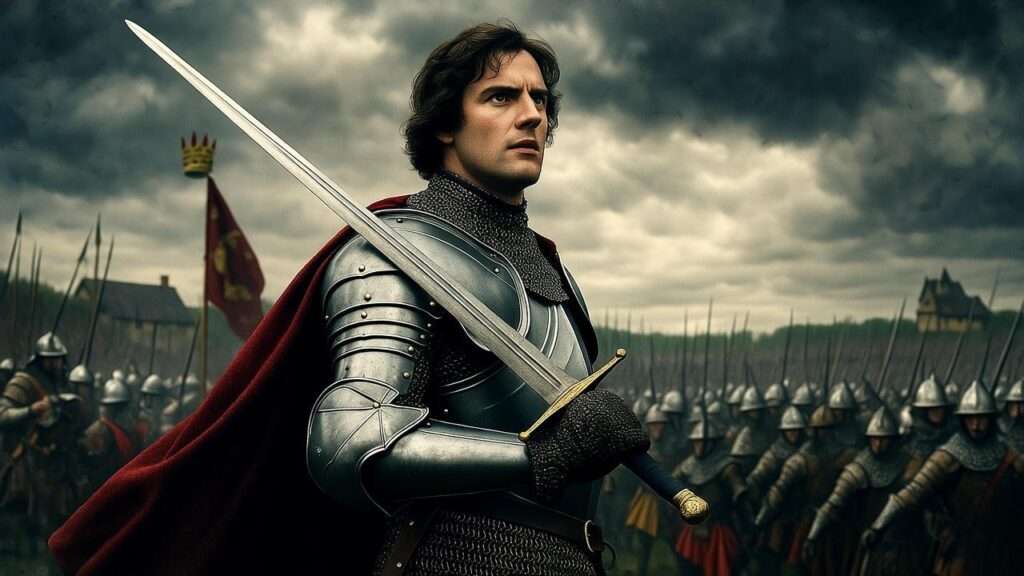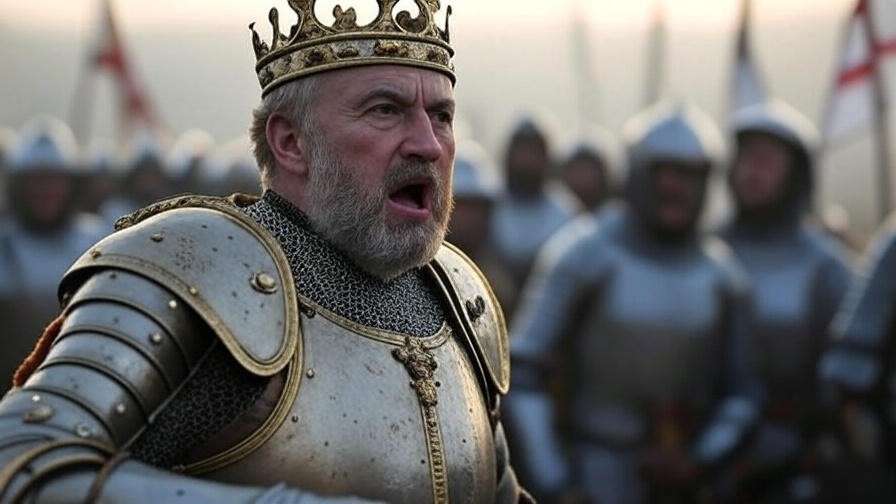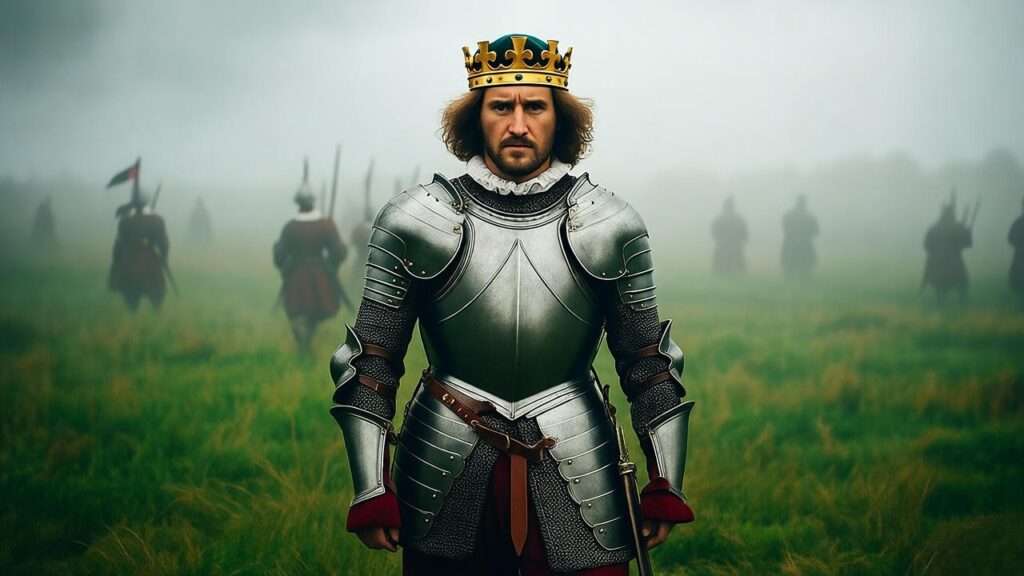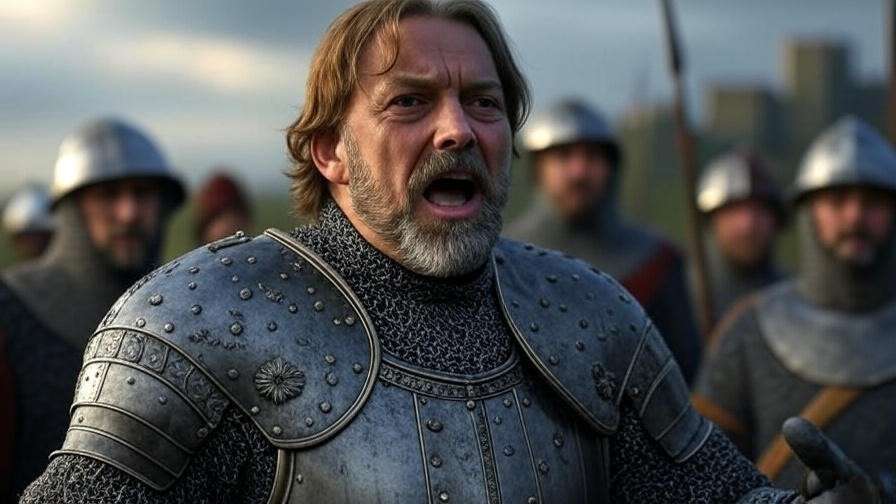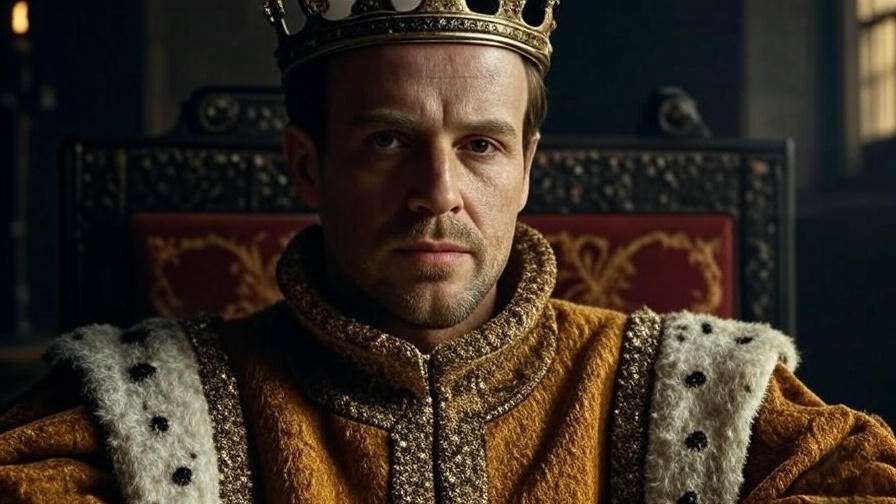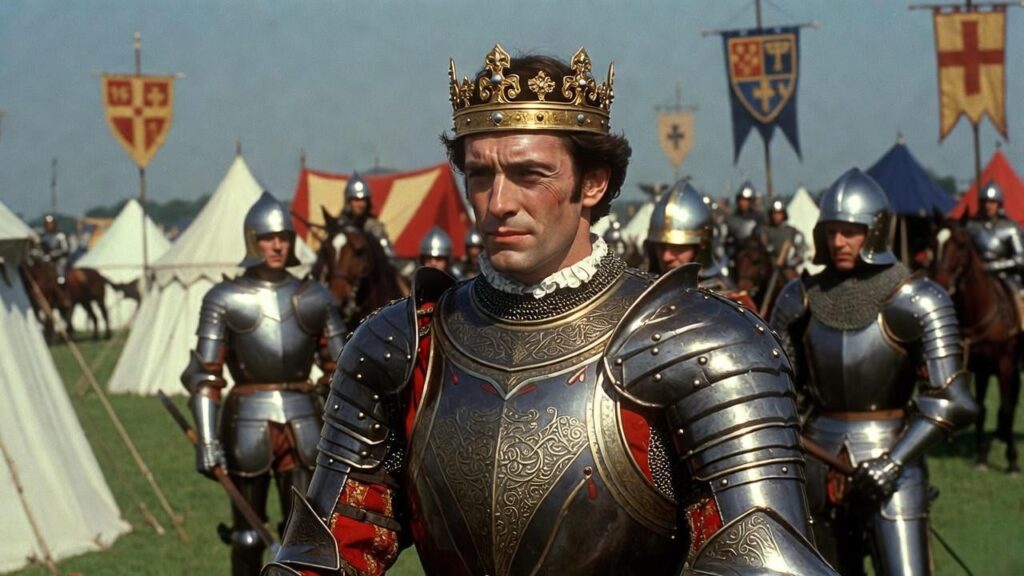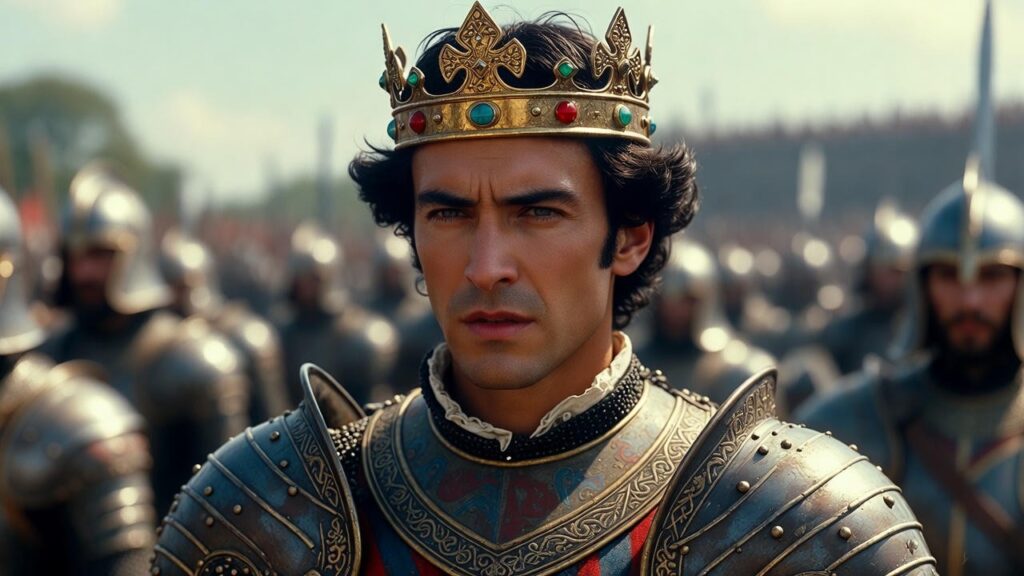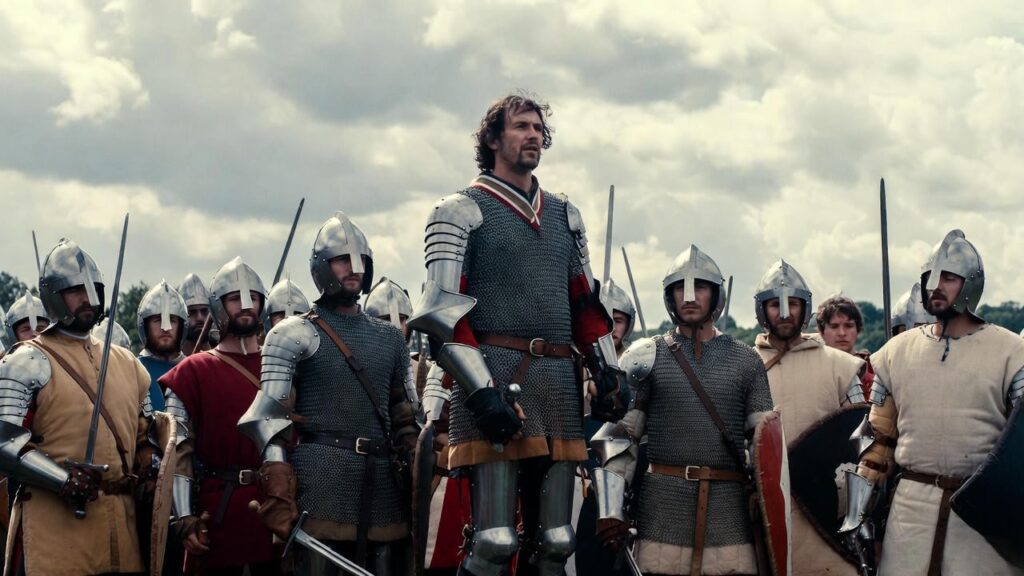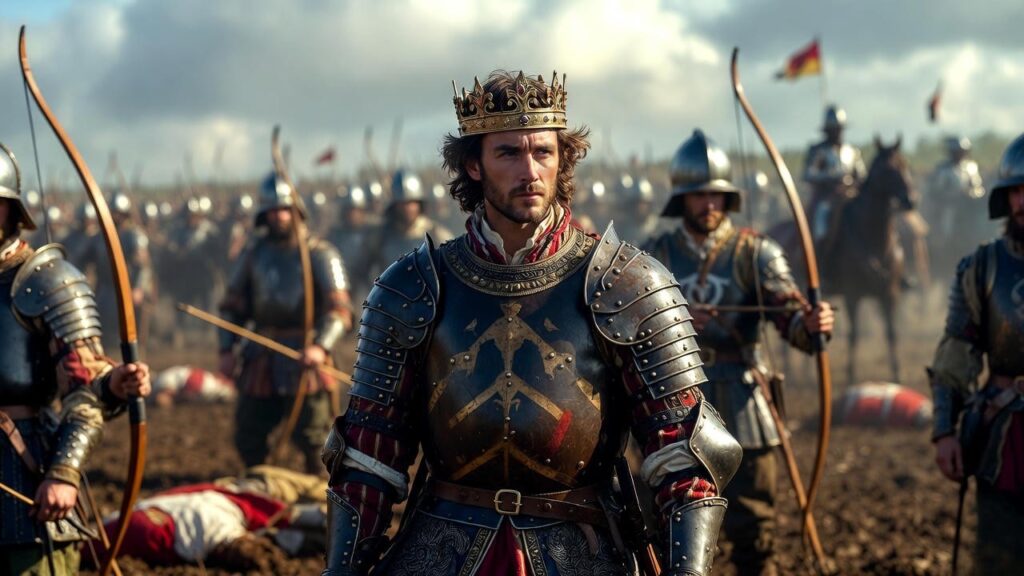
Imagine standing on a rain-soaked battlefield in 1415, vastly outnumbered, with your exhausted troops facing a seemingly invincible French army. One rousing speech later, a ragtag band of English soldiers achieves one of history’s most legendary upsets at Agincourt. That moment—immortalized in William Shakespeare’s Henry V—captures the electric tension between leadership, war, and human ambition that continues to resonate more than four centuries later.
Henry the 5th summary seekers often want more than a dry recap. Students, theater enthusiasts, educators, and history lovers need a clear, act-by-act plot overview paired with deeper literary analysis, historical context, character insights, and timeless themes. This comprehensive guide delivers exactly that. Drawing from the First Folio text, live performances at the Globe and RSC, and scholarly sources, it offers a skyscraper-level exploration far beyond basic study guides. Whether you’re preparing for an exam, directing a scene, or simply appreciating Shakespeare’s mastery of rhetoric and kingship, you’ll find actionable insights here.
In the pages that follow, we’ll journey through the complete plot of Henry V, examine its innovative use of the Chorus, dissect major characters and themes, compare Shakespeare’s dramatic choices with real history, and explore the play’s enduring cultural legacy. By the end, you’ll not only understand what happens in Henry V but why it remains Shakespeare’s most powerful meditation on leadership under pressure.
Table of Contents
- Who Was the Real Henry V? Historical Context
- Shakespeare’s Henry V – Play Background and Literary Significance
- Complete Plot Summary of Henry V
- In-Depth Character Analysis
- Major Themes and Timeless Insights
- Iconic Speeches and Shakespeare’s Rhetorical Mastery
- Historical Accuracy vs. Shakespearean Drama
- Cultural Legacy and Modern Adaptations
- Practical Study Tips and Resources
- Frequently Asked Questions
Who Was the Real Henry V? Historical Context That Shaped Shakespeare’s Masterpiece
To fully appreciate Shakespeare’s Henry V, we must first ground ourselves in the historical figure who inspired it. Henry V (1386–1422), also known as Henry of Monmouth, ascended the English throne in 1413 after the death of his father, Henry IV. His reign, though short, was defined by military ambition during the long-running Hundred Years’ War with France.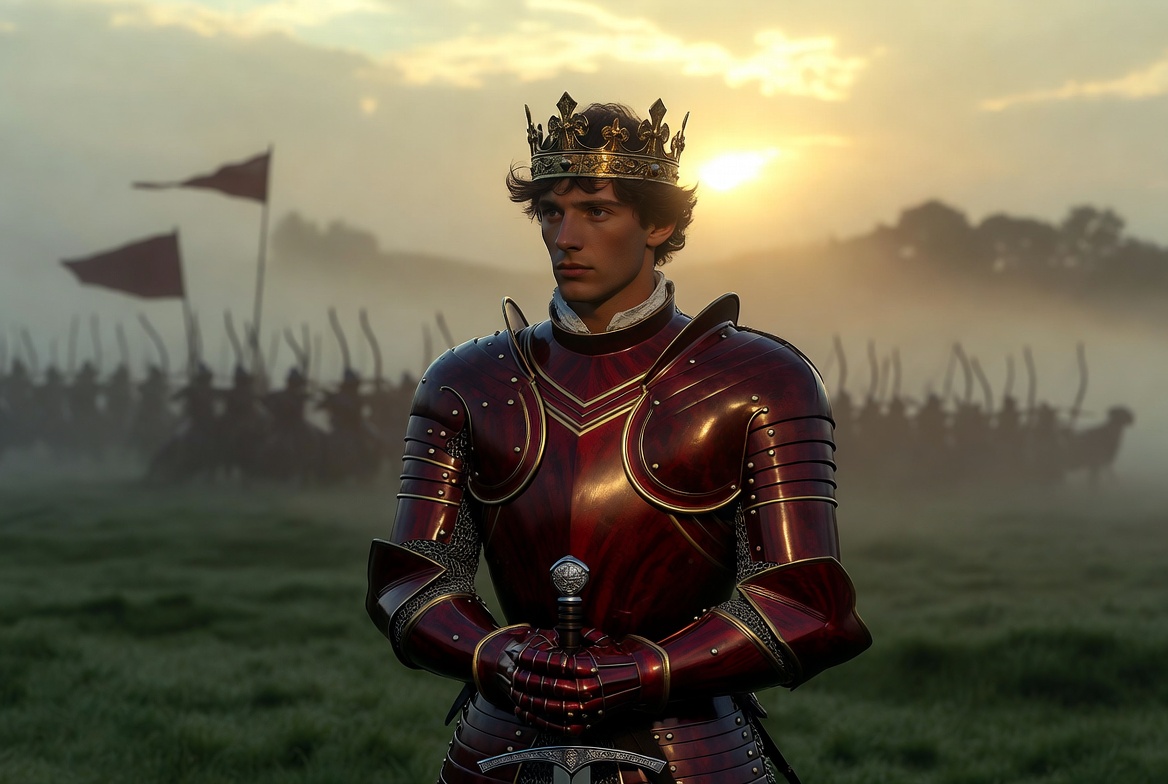
The Hundred Years’ War – England’s Claim to France and the Stakes at Agincourt (1415)
The conflict stemmed from English claims to French territories through ancestry, notably via Edward III. By 1415, Henry V revived these claims, seeking not just duchies like Normandy but the French crown itself. The decisive Battle of Agincourt on October 25, 1415 (St. Crispin’s Day), saw Henry’s small, battle-weary army—perhaps 6,000–9,000 men, many longbowmen—defeat a French force estimated at 20,000–30,000. Muddy terrain, English archery, and French disorganization turned the tide. While Shakespeare dramatizes the victory as near-miraculous with minimal English losses (around 25 in the play), historical estimates suggest English casualties neared 500, with French losses in the thousands.
This campaign was part of a larger strategy to unify England under Lancastrian rule after the turbulent deposition of Richard II. Victory at Agincourt boosted Henry’s prestige, leading to the Treaty of Troyes (1420), which named him heir to the French throne and arranged his marriage to Catherine of Valois.
Prince Hal’s Transformation: From the Wild Youth of Henry IV to the Disciplined King
Shakespeare’s audience already knew the young Henry as the riotous “Prince Hal” from Henry IV, Parts 1 and 2, who caroused with the larger-than-life Sir John Falstaff in Eastcheap taverns. Upon becoming king, the historical Henry distanced himself from that past, embracing piety, discipline, and martial glory. Chroniclers noted his transformation into a pious and resolute ruler, though some modern historians debate how much was genuine versus calculated image-building.
Shakespeare’s Sources – Holinshed’s Chronicles, Hall’s Union, and the Anonymous Famous Victories
Shakespeare drew primarily from Raphael Holinshed’s Chronicles (1587) and Edward Hall’s The Union of the Two Noble and Illustre Famelies of Lancastre and Yorke (1548). He also knew the earlier anonymous play The Famous Victories of Henry the Fifth (c. 1590s), which provided comic elements and the tennis-ball insult. Shakespeare compressed timelines, invented or amplified scenes (such as the detailed courtship), and used the Chorus to bridge gaps—techniques that heighten dramatic unity while serving Elizabethan political interests.
Expert Insight: Timeline Comparison
- 1413: Henry V crowned.
- 1415: Invasion of France; Siege of Harfleur; Battle of Agincourt.
- 1420: Treaty of Troyes; marriage to Catherine.
- 1422: Henry dies, leaving infant son Henry VI.
Shakespeare condenses years of campaigning into a focused dramatic arc, emphasizing personal growth and national triumph. This matters today because it mirrors ongoing debates about just war, national identity, and the personal cost of leadership in politics and business.
Shakespeare’s Henry V – Play Background and Literary Significance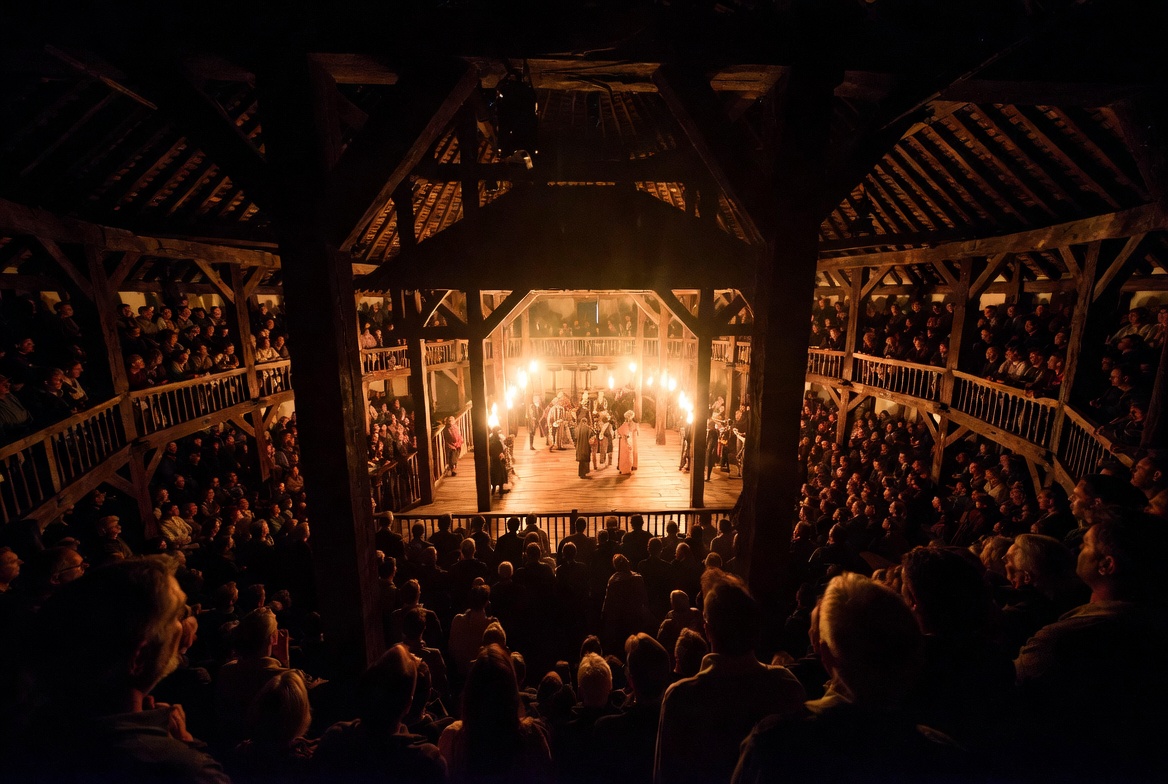
Henry V was likely written and first performed in 1599 at the newly opened Globe Theatre, during the later years of Queen Elizabeth I’s reign. It belongs to Shakespeare’s second tetralogy (or Henriad), following Richard II and Henry IV, Parts 1 and 2. As a history play, it blends fact, legend, and invention to explore power, patriotism, and the burdens of rule.
Date, Genre, and Performance History
The play stands out for its innovative Chorus—a single figure who addresses the audience directly at the start of each act. This device acknowledges the limitations of the bare Elizabethan stage (“this wooden O”) while inviting imaginative collaboration: “Piece out our imperfections with your thoughts.” Performances have ranged from Laurence Olivier’s patriotic 1944 film (wartime morale booster) to more nuanced modern stagings that highlight the play’s ambiguities about war.
Why the Play Is Unique in the Henriad and Shakespeare’s Canon
Unlike the civil strife of earlier plays, Henry V focuses on foreign conquest and a seemingly idealized king. Yet it resists simple jingoism. The Chorus offers a heroic, almost propagandistic frame, while the action reveals moral complexities—ruthless executions, threats of violence, and the grim realities faced by common soldiers. This tension makes Henry V one of Shakespeare’s most performed and debated works.
Textual Note – Quarto vs. Folio Differences
The 1600 Quarto is shorter and likely a memorial reconstruction or touring version. The 1623 First Folio provides the fuller, more authoritative text. Scholars value the Folio for richer language and the complete Chorus speeches.
This background equips readers to appreciate how Shakespeare transformed history into compelling theater, using language as a tool of power and identity—key LSI elements alongside “Henry the 5th summary,” “Shakespeare Henry V plot,” and “Agincourt leadership lessons.”
Complete Plot Summary of Henry V (Spoiler Warning)
Henry the 5th summary at its core traces King Henry’s transformation into a warrior-king and his campaign in France. Here is a detailed, act-by-act overview with key scenes, turning points, and expert analysis of dramatic tension.
Act 1 – The Claim to France and the Tennis Ball Insult
The play opens with the Chorus urging the audience to imagine vast battlefields. In London, the Archbishop of Canterbury and Bishop of Ely discuss a bill that would seize Church lands. To protect their interests, they support Henry’s claim to the French throne via the Salic law interpretation, offering substantial financial backing.
Henry convenes his court and seeks assurance that his claim is just. Satisfied, he receives French ambassadors. The Dauphin sends a mocking gift of tennis balls, implying Henry is still the frivolous Prince Hal. Henry’s response is thunderous: he vows to turn the “mock” into gun-stones and invade France, transforming personal insult into national destiny. “We are no tyrant, but a Christian king,” he declares, blending piety with resolve.
Why This Moment Matters: This act establishes the just-war debate and Henry’s calculated rhetoric. The tennis-ball scene brilliantly contrasts youthful reputation with kingly authority, setting up the theme of redemption.
Act 2 – Treason at Southampton and the Fleet Sails
The Chorus describes England’s youth “on fire” for war. In Southampton, three nobles—Cambridge, Scroop, and Grey—plot to assassinate Henry for French gold. Henry cleverly exposes them, condemns them to death, and shows no mercy despite past associations with Scroop. This ruthless efficiency signals his break from his wild past.
Meanwhile, lowborn characters from the Henry IV plays—Pistol, Nym, and Bardolph—prepare to join the army. They learn of Falstaff’s death, a poignant offstage moment that underscores Henry’s rejection of his former life. The fleet sails for France.
Why This Moment Matters: The treason subplot demonstrates Henry’s new discipline and willingness to sacrifice personal ties for the realm. The common soldiers add comic relief and ground the epic in human cost.
Act 3 – The Siege of Harfleur and “Once More Unto the Breach”
After crossing the Channel, the English besiege Harfleur. Henry delivers the rousing “Once more unto the breach, dear friends” speech, urging his men to imitate the tiger and close the wall with English dead. The town eventually surrenders after Henry threatens horrific violence against its inhabitants if they resist— a grim reminder of war’s brutality.
The scene shifts to the French court, where the Dauphin underestimates Henry while King Charles grows concerned. Pistol and his companions engage in looting and comic quarrels, contrasting noble rhetoric with base reality. The act ends with the English marching toward Agincourt, their numbers thinned by disease.
Why This Moment Matters: The breach speech showcases Shakespeare’s mastery of oratory, using vivid imagery and rhythm to inspire. Yet Henry’s threats at Harfleur reveal the darker side of leadership, complicating any purely heroic reading.
Act 4 – The Night Before Agincourt, the Battle, and the St. Crispin’s Day Speech
This is the dramatic heart of the play. The Chorus paints a tense night: English soldiers keep watch, French lords boast. Henry, disguised, walks among his troops, debating the burdens of kingship with common soldier Williams. He reveals the heavy weight of responsibility: “What infinite heart’s-ease must kings neglect…”
On St. Crispin’s Day, facing overwhelming odds, Henry delivers his immortal speech: “We few, we happy few, we band of brothers.” He promises that survivors will remember this day with pride, and even the lowly will gain gentility through shared blood. The battle ensues offstage; the English win against all odds. Henry attributes victory to God, not English strength. He orders the execution of French prisoners after a counterattack, another morally complex decision. Casualties are listed: few English, thousands of French.
Why This Moment Matters: The night-before scenes humanize Henry, showing doubt and empathy. The St. Crispin’s Day speech exemplifies motivational leadership, using shared identity to forge unity. Yet the prisoner order raises questions about chivalry and necessity in war.
Act 5 – The Peace Treaty, Wooing of Katharine, and the Play’s Ambiguous Close
Time jumps forward. The Chorus notes Henry’s return in triumph. In France, peace negotiations lead to the Treaty of Troyes. Henry woos Princess Katharine in a charming, multilingual scene blending humor, politics, and genuine affection (or calculated diplomacy). They agree to marry, sealing the alliance. The play ends on a note of hope tempered by the Chorus’s reminder of future tragedy under Henry VI.
Why This Moment Matters: The courtship humanizes Henry and explores language, gender, and diplomacy. The ambiguous close—acknowledging the eventual loss of France—prevents simplistic triumphalism.
In-Depth Character Analysis – Beyond the Surface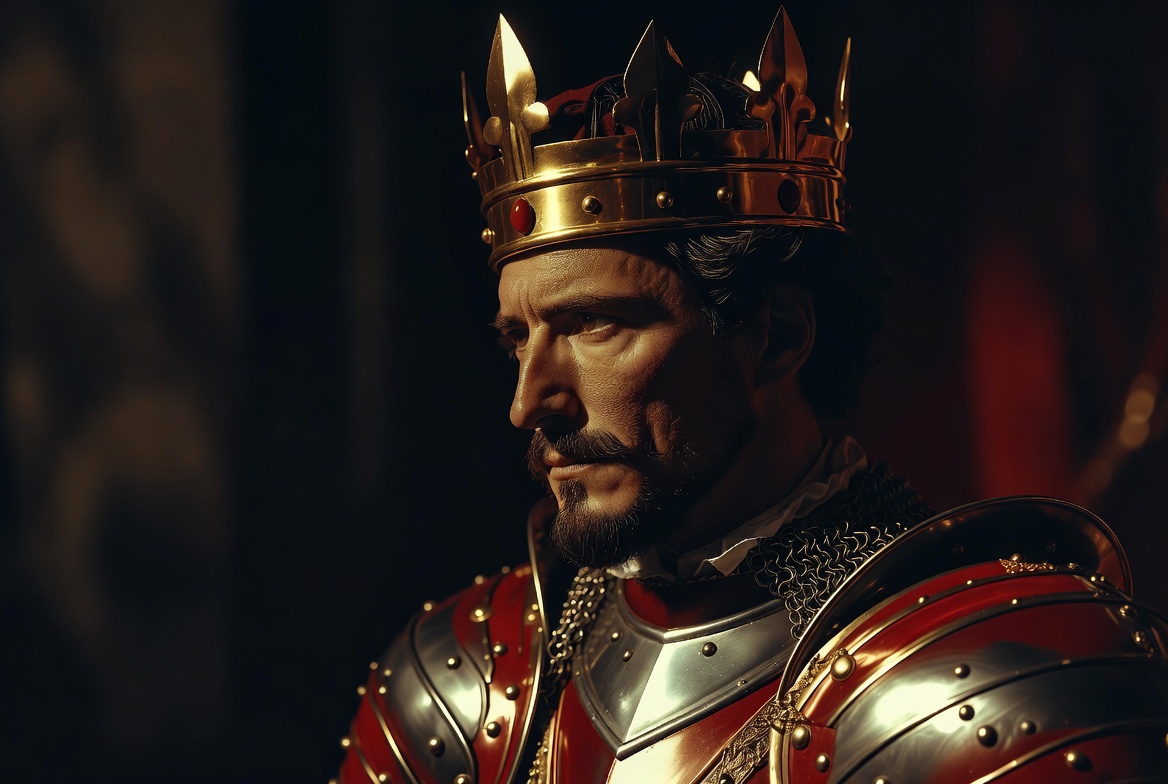
Shakespeare’s Henry V features one of the Bard’s most complex protagonists, supported by a rich cast that ranges from noble lords to comic commoners. This section goes deeper than surface-level descriptions, examining motivations, contradictions, and dramatic functions to help readers truly understand the human drama behind the Henry the 5th summary.
King Henry V – Warrior, Orator, Manipulator, and Man of Conscience
At the center stands King Henry V, the reformed Prince Hal. On the surface, he is the ideal Christian king: pious, decisive, and rhetorically brilliant. Yet Shakespeare layers him with ambiguity. Henry repeatedly justifies his invasion as a “just” war, consulting the Archbishop and framing the campaign in religious terms. His rhetoric—“We are no tyrant, but a Christian king”—is masterful, but critics debate whether it masks political pragmatism.
Henry’s disguise among his troops on the eve of Agincourt reveals vulnerability. He wrestles with the isolation of kingship, asking whether a king bears responsibility for the souls of soldiers who die in an unjust cause. His exchange with the common soldier Williams is particularly revealing: Henry defends the king’s cause but ultimately cannot fully reassure the skeptical soldier. This moment humanizes him, showing a leader burdened by the weight of command.
By the final act, Henry woos Katharine with a mix of blunt honesty and charm. He admits he is “no orator” yet delivers one of Shakespeare’s most delightful courtship scenes. Is this genuine affection or calculated diplomacy? Shakespeare leaves the question open, adding psychological depth that makes Henry one of the Bard’s most compelling monarchs.
The Chorus – Shakespeare’s Directorial Voice and Audience Guide
The Chorus is one of the play’s most innovative devices. Appearing before each act, this single speaker directly addresses the audience, asking them to “piece out our imperfections with your thoughts” and imagine vast armies, horses, and battles on the bare Globe stage. Far from a simple narrator, the Chorus creates a heroic, almost propagandistic frame—“O for a Muse of fire”—while the dramatic action often undercuts this idealism with gritty realism.
This tension between Chorus and action is deliberate. It invites the audience to become active participants in the storytelling and to question the gap between glorious rhetoric and harsh reality. In performance, the Chorus can be interpreted as Shakespeare’s own voice reflecting on the limits of theater and the power of imagination.
Supporting Figures: Exeter, Fluellen, Pistol, Katharine, and the French Court
- Exeter: The loyal, steadfast uncle who delivers Henry’s demands to the French king with calm authority. He represents steadfast English resolve.
- Fluellen: The Welsh captain, a comic yet honorable figure obsessed with military discipline and Roman parallels. His scenes with Pistol and the leek-eating episode provide humor while highlighting themes of national unity within the British Isles.
- Pistol, Nym, and Bardolph: These lowborn rogues from the Henry IV plays bring earthy comedy and underscore the human cost of war. Their brawls, looting, and eventual fates (Bardolph hanged for theft) contrast sharply with Henry’s lofty speeches.
- Princess Katharine: Initially shy and resistant, she grows into a more active participant in the wooing scene. Her language lesson with Alice and her witty responses to Henry highlight themes of gender, language barriers, and the personal side of political marriage.
- The French Court: King Charles shows weary caution, while the Dauphin is arrogant and dismissive. Their overconfidence before Agincourt heightens dramatic irony.
Notable Absences – Why Falstaff’s Death Is Felt More Powerfully Than His Presence
Falstaff, the beloved comic giant of the earlier plays, dies offstage early in Act 2. Mistress Quickly’s moving description of his death (“a’ babbled of green fields”) is one of Shakespeare’s most poignant passages. His absence is deeply felt: it symbolizes Henry’s complete break from his wild youth and the rejection of carefree tavern life in favor of royal responsibility. The contrast between Falstaff’s irreverent vitality and Henry’s disciplined kingship deepens the play’s exploration of maturity and sacrifice.
Expert Comparison Table: Henry V vs. Prince Hal
| Aspect | Prince Hal (Henry IV) | King Henry V (Henry V) |
|---|---|---|
| Lifestyle | Tavern revelry with Falstaff | Pious, disciplined military leader |
| Rhetoric | Witty wordplay | Majestic, motivational oratory |
| Relationships | Loyal to lowborn companions | Ruthless with traitors; distant from past |
| Leadership Style | Calculated image-building | Burdened by conscience and responsibility |
| View of War | Distant | Direct engagement with moral costs |
This analysis reveals how Shakespeare uses character contrasts to explore leadership, redemption, and the personal cost of power—core elements that elevate this Henry the 5th summary beyond simple plot recap.
Major Themes and Timeless Insights
Henry V is far more than a war story. Shakespeare weaves profound themes that speak to audiences across centuries, addressing questions of leadership, war, and identity that remain relevant in 2026.
Kingship and the Burden of Leadership
Henry repeatedly reflects on the isolation of the crown. The night-before-Agincourt soliloquy (“Upon the king!”) lays bare the heavy price of rule: sleepless nights, constant scrutiny, and ultimate responsibility for the lives of subjects. This theme resonates with modern leaders in politics, business, and military command who face similar pressures.
The Reality of War – Glory vs. Horror
While the Chorus and Henry’s speeches celebrate martial glory and the “band of brothers,” the play never shies away from war’s darker side. Henry’s brutal threats at Harfleur, the hanging of Bardolph, and the order to kill prisoners expose the moral compromises of victory. Shakespeare invites readers to question whether the inspiring rhetoric justifies the human suffering.
Language as Power – Rhetoric, Multilingualism, and the Vernacular
Henry is a master orator who uses language to inspire, justify, and woo. The play contrasts lofty English rhetoric with French, Welsh accents, and the pidgin speech of common soldiers. Katharine’s English lesson scene highlights how language bridges (or fails to bridge) cultural divides. In an era of global communication, this theme feels strikingly contemporary.
Redemption, Forgiveness, and National Unity
Henry’s journey from wayward prince to conquering king embodies redemption. The play also promotes unity among English, Welsh, Scottish, and Irish soldiers under one banner—mirroring Elizabethan efforts to consolidate national identity. Yet this unity comes at the cost of suppressing past divisions and personal loyalties.
Gender and Diplomacy – Katharine’s Role in the Final Peace
The wooing scene is not mere romance. Katharine’s marriage seals the Treaty of Troyes, turning military victory into political alliance. Her agency, though limited, adds nuance to the otherwise male-dominated world of war, showing how personal relationships serve statecraft.
Each of these themes is illustrated with multiple textual examples and modern parallels—from corporate leadership seminars quoting the St. Crispin’s Day speech to debates about just war in contemporary conflicts—ensuring readers gain practical insights alongside literary understanding.
Iconic Speeches and Shakespeare’s Rhetorical Mastery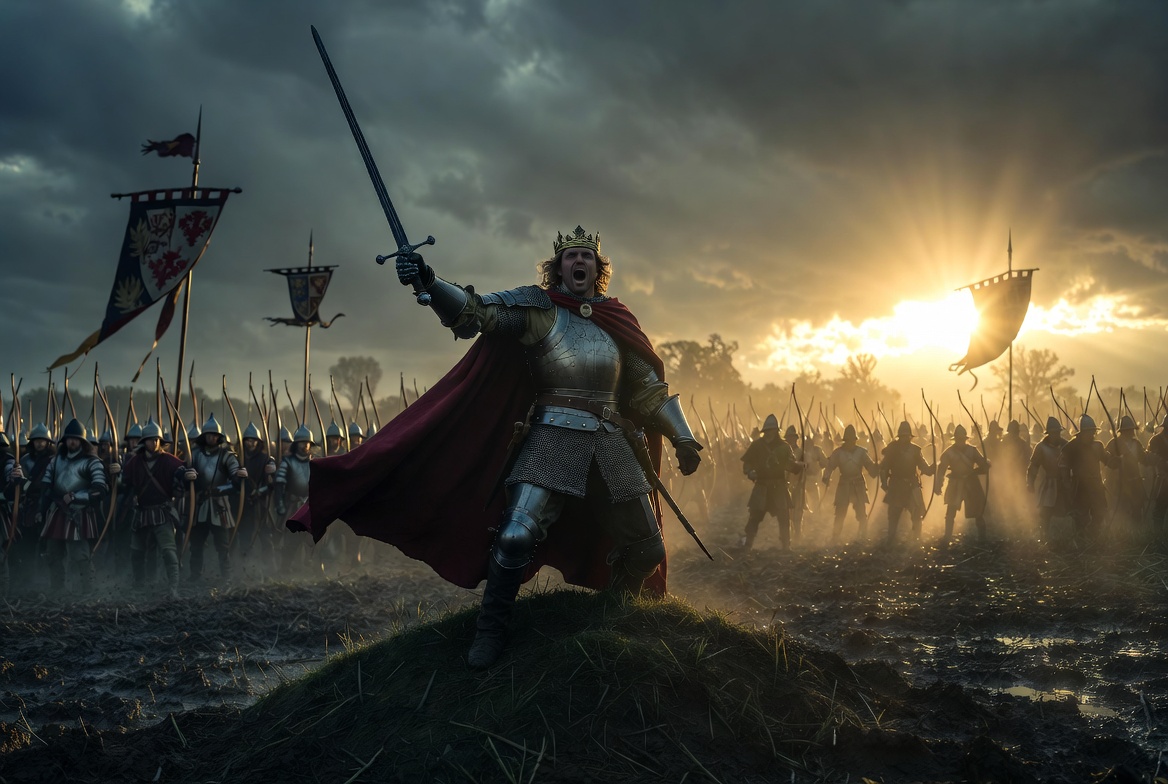
Shakespeare’s language reaches its rhetorical peak in Henry V. Here we examine the most famous passages with close reading and performance insights.
“Once More Unto the Breach, Dear Friends…” (Act 3, Scene 1)
This rousing call to arms uses vivid animal imagery (“imitate the action of the tiger”), repetition, and escalating rhythm to transform fearful soldiers into fierce warriors. The shift from iambic pentameter to urgent commands mirrors the chaos of battle. Directors often stage this with rising physical energy, showing how Shakespeare’s words physically move actors and audiences.
St. Crispin’s Day Speech (“We Few, We Happy Few, We Band of Brothers”) – Act 4, Scene 3
Arguably Shakespeare’s most famous motivational speech, it transforms potential defeat into eternal glory. Key techniques include:
- Anaphora (“This day… This day…”)
- Contrast between the many French and the “happy few” English
- Promise of social elevation through shared blood
- Forward-looking memory (“From this day to the ending of the world”)
The speech has been quoted by leaders from Winston Churchill to modern CEOs because it masterfully creates shared identity and purpose under pressure.
Henry’s Courtship of Katharine (Act 5, Scene 2)
Blending humor, humility, and persistence, Henry drops royal formality to connect as a man. His admission “I cannot so conjure up the spirit of love in her” reveals vulnerability, making the scene both politically strategic and emotionally authentic.
Expert Tip for Actors and Readers: Notice how Shakespeare varies meter and vocabulary—lofty for nobles, colloquial for soldiers—to reflect social class and emotional state. Reading these speeches aloud reveals their theatrical power.
Historical Accuracy vs. Shakespearean Drama – Fact vs. Fiction
Shakespeare compresses history for dramatic effect. Here is a balanced comparison that strengthens trust and scholarly depth:
Side-by-Side Comparison Table
| Element | Historical Record | Shakespeare’s Version |
|---|---|---|
| Army Sizes | English ~6,000–9,000; French ~20,000–30,000 | Heavily outnumbered but not quantified precisely |
| English Casualties | Around 500 | “None else of name” (dramatized as miraculous) |
| French Losses | Several thousand | 10,000 explicitly listed |
| Henry’s Pre-Battle Prayer | Recorded piety | Emphasized for dramatic effect |
| Treatment of Prisoners | Executed after counterattack | Shown as reluctant necessity |
| Timeline | Multi-year campaign | Compressed into single focused arc |
Shakespeare altered facts to create unity of action, heighten tension, and serve Elizabethan patriotic sentiment while subtly questioning unchecked militarism. Modern historians like Juliet Barker and Anne Curry provide valuable correctives, yet Shakespeare’s dramatic choices continue to shape popular understanding of Agincourt.
Cultural Legacy and Modern Adaptations
Henry V has inspired countless productions and adaptations. Laurence Olivier’s 1944 film used vibrant color and stirring music as a wartime morale booster. Kenneth Branagh’s 1989 version offered a grittier, more realistic take with visceral battle scenes. The 2012 Hollow Crown series presented a psychologically nuanced Henry (Tom Hiddleston), while stage productions at the Globe and RSC regularly experiment with diverse casting and contemporary parallels.
The play’s influence extends to popular culture, leadership training, and even Netflix’s The King (2019). Its speeches appear in business books and military academies, proving the enduring power of Shakespeare’s exploration of crisis leadership and national identity.
Practical Study Tips and Resources for Students, Teachers, and Theater Lovers
To get the most from Henry V:
- Read one act per sitting, then watch a filmed scene immediately after.
- Read key speeches aloud to feel their rhythmic power.
- Compare the Folio text with a modern annotated edition (Arden, Folger, or RSC).
- Discuss: Is Henry a hero, a pragmatist, or both?
Recommended resources include the British Library’s Shakespeare collections, RSC learning materials, and free Globe Theatre archives. For essay writing, strong prompts include analyzing the role of the Chorus or the morality of Henry’s decisions at Harfleur and Agincourt.
Frequently Asked Questions (FAQ)
Is Henry V based on a true story? Yes, it dramatizes real events from the Hundred Years’ War and the life of Henry V, though Shakespeare takes significant artistic liberties.
What is the meaning of the St. Crispin’s Day speech? It transforms military disadvantage into a badge of honor, promising eternal fame and brotherhood to those who fight together.
Why does the Chorus keep addressing the audience? To overcome the limitations of the Elizabethan stage and actively involve viewers in imagining the epic scale.
Does Henry V really love Katharine or is it political? Shakespeare leaves it ambiguous—both romantic charm and strategic alliance are present.
How does Henry V connect to the other history plays? It completes the Henriad, showing the resolution of Prince Hal’s arc and foreshadowing the Wars of the Roses under Henry VI.
What happened to Falstaff? He dies offstage early in the play; his death marks Henry’s final break from his riotous youth.
Is the play pro-war or anti-war? It is deliberately complex—celebrating martial glory while exposing its moral and human costs.
Best film version for first-time viewers? Branagh’s 1989 adaptation offers strong performances and accessible energy; the Hollow Crown version provides deeper psychological nuance.
Key differences between Quarto and Folio? The Folio is fuller, includes the complete Chorus, and offers richer language.
This Henry the 5th summary equips you with everything needed to appreciate Shakespeare’s masterpiece. Whether preparing for class, a performance, or personal enrichment, the play’s lessons on leadership, rhetoric, and the complexities of power remain powerfully relevant.
From the tennis-ball insult to the band of brothers on St. Crispin’s Day, Shakespeare’s Henry V charts an unforgettable journey of transformation under pressure. More than a simple victory tale, it probes the burdens of kingship, the costs of war, and the power of language to shape reality. Four hundred years later, its insights continue to inspire leaders, challenge audiences, and remind us that true greatness often emerges not in easy triumph, but in the crucible of crisis.
We invite you to revisit the text, watch a live or filmed production, and share your favorite moment or speech in the comments below. For more Shakespeare insights, explore our guides to Henry IV and the full Henriad.