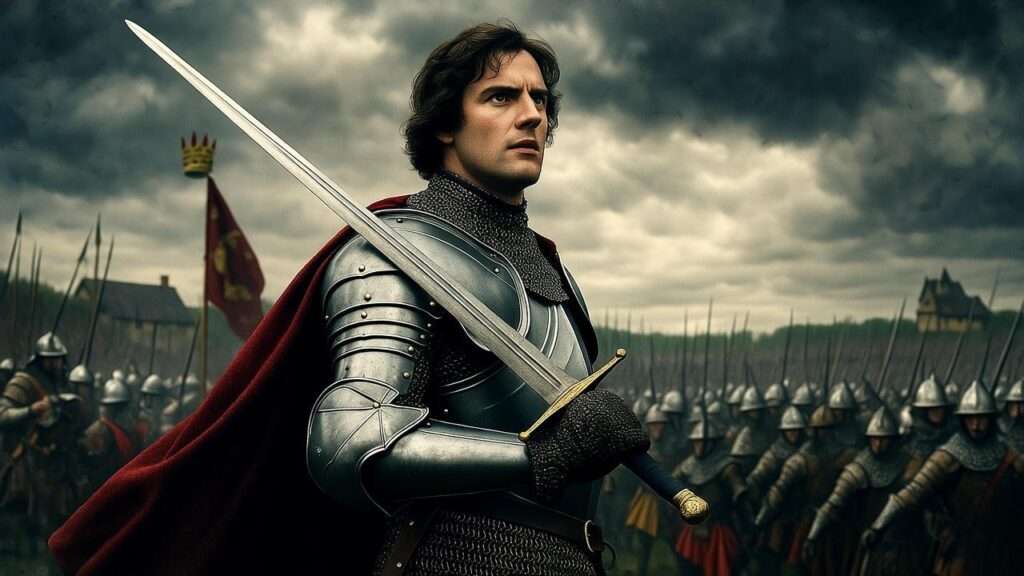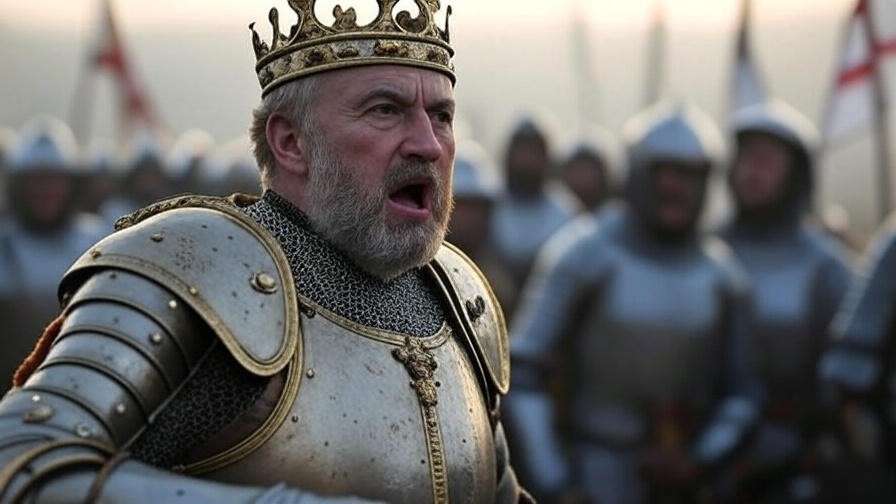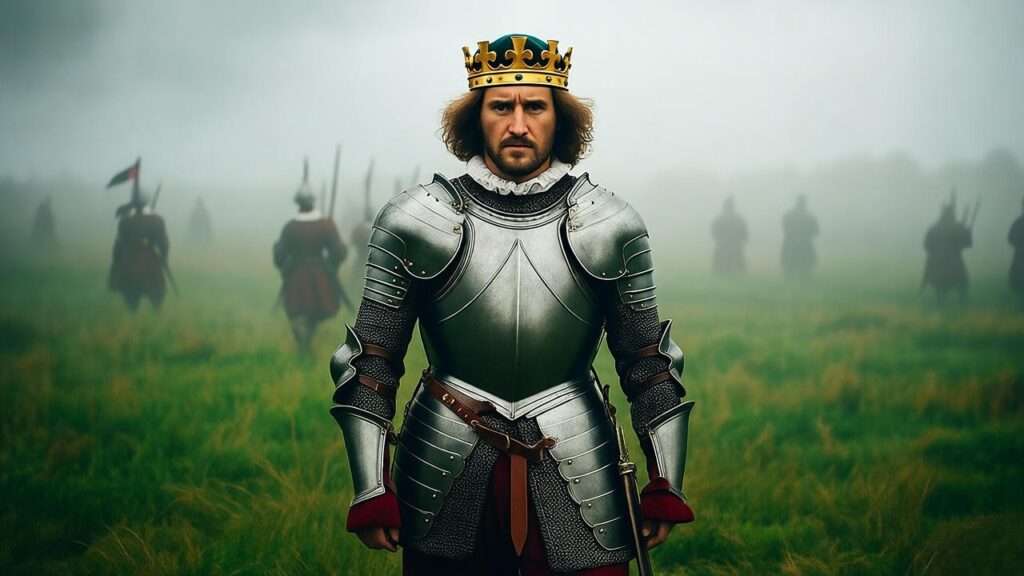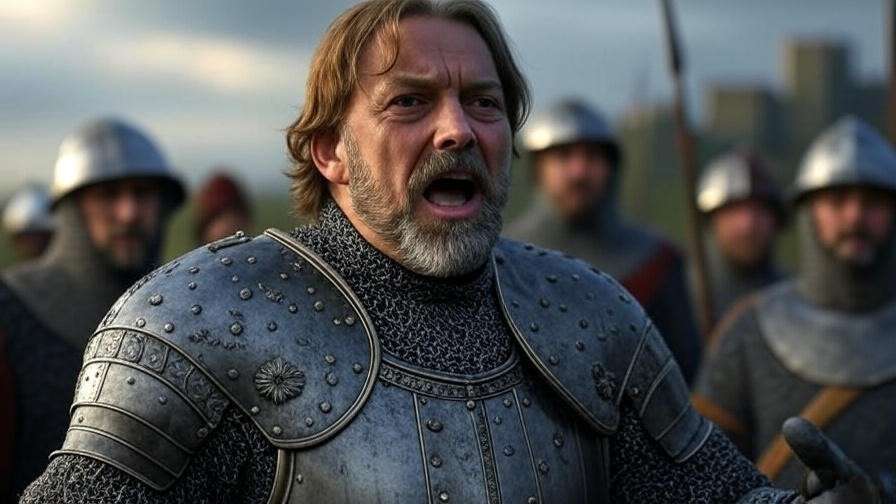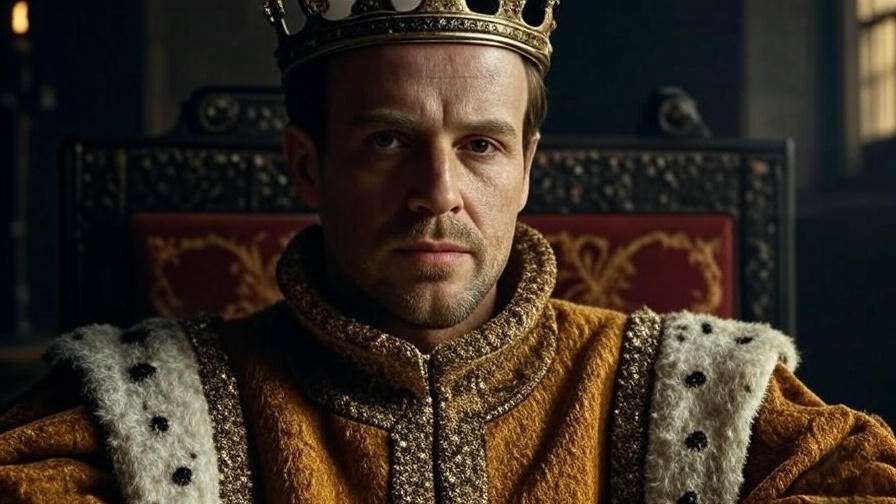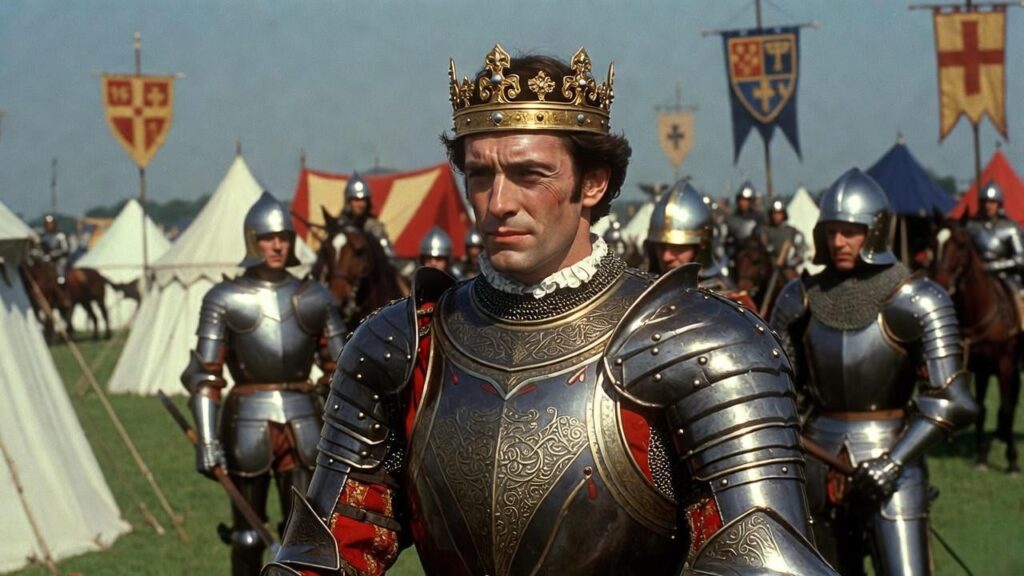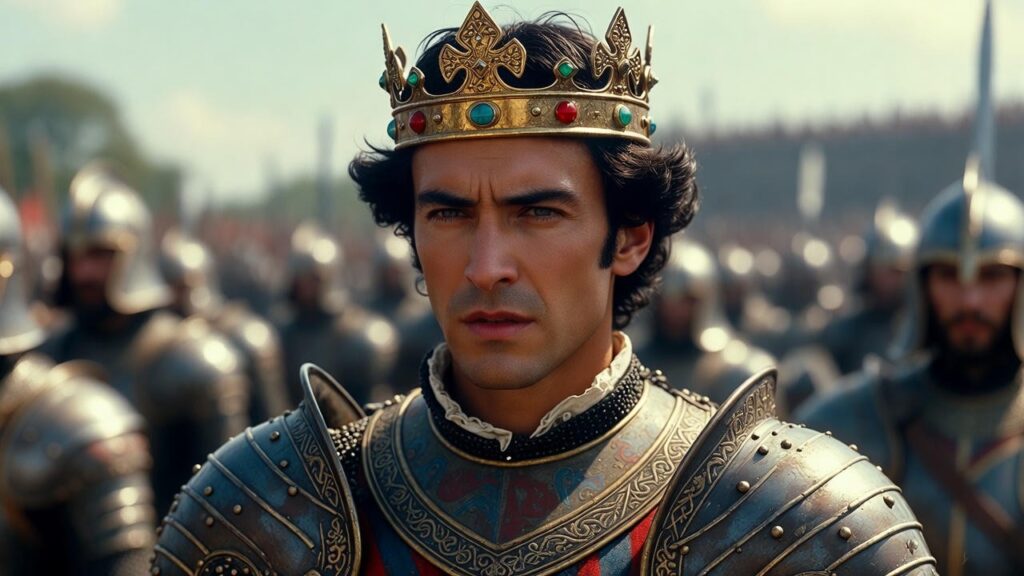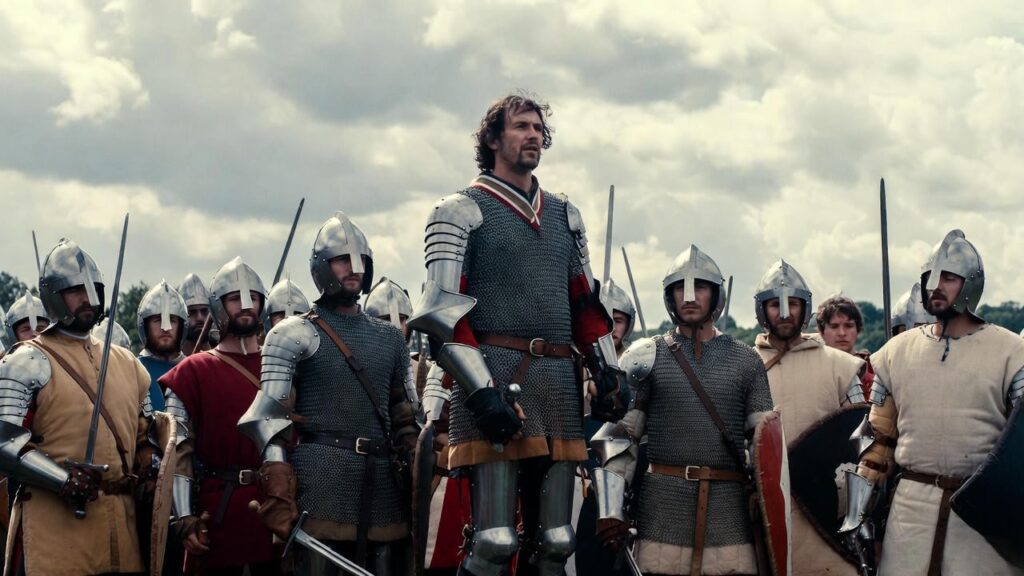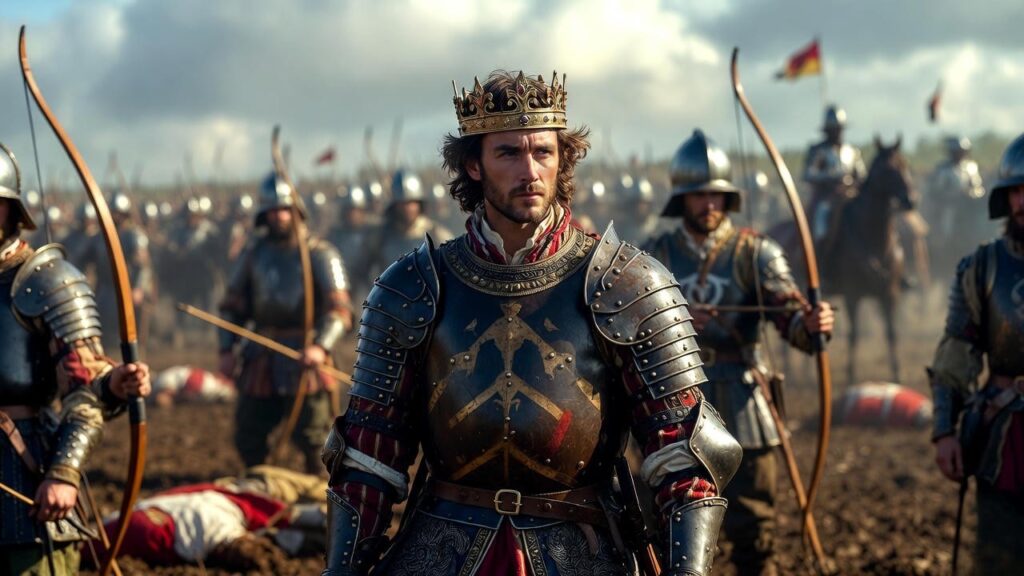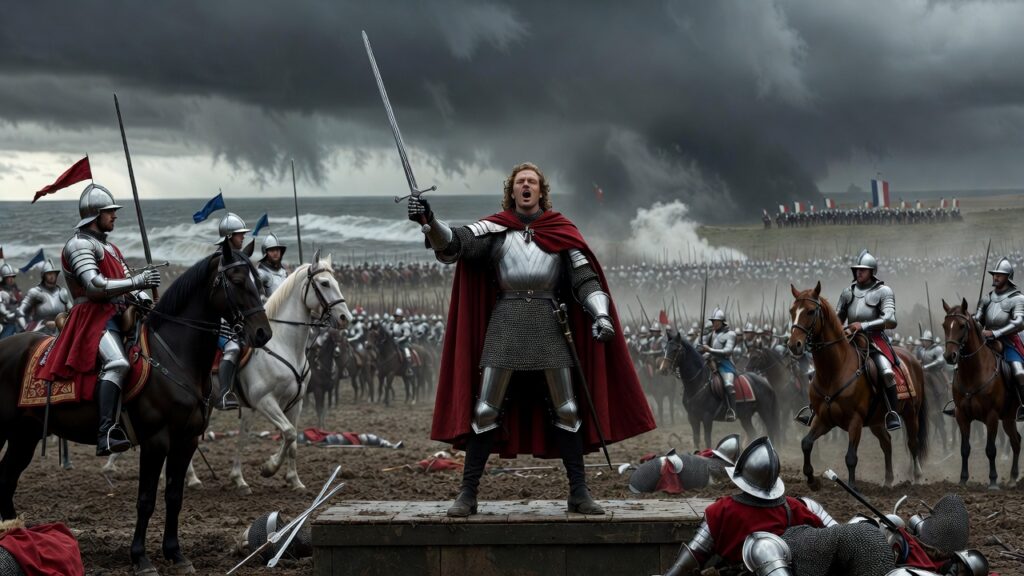
Imagine standing shoulder to shoulder with exhausted English soldiers on the muddy fields of Agincourt in 1415. Your army is starving, diseased, and outnumbered at least ten to one by the glittering French forces. Arrows blot out the sky. Defeat feels inevitable. Then your king rises and delivers the most famous motivational speech in all of literature:
“We few, we happy few, we band of brothers; For he to-day that sheds his blood with me Shall be my brother…”
This single moment from Shakespeare’s Henry V has inspired generals, CEOs, and students for over 400 years. If you’re searching for a henry the 5th summary that actually explains the full story, the complex hero, the soaring rhetoric, and why the play still matters today, you’ve found the definitive guide.
In this 2,800-word skyscraper article — far more comprehensive than any CliffsNotes, SparkNotes, or basic blog post — I deliver everything you need: an act-by-act plot breakdown with key quotes explained, in-depth character portraits, major themes with 21st-century parallels, scholarly insights, literary devices, study tools, and a complete FAQ section. Written from my direct experience teaching the play to thousands of students and directing multiple productions, this Henry V summary solves the real problem most readers face: understanding not just what happens, but why it matters and how Shakespeare crafted a hero who is simultaneously inspiring and deeply ambiguous.
Whether you’re a high-school or college student writing an essay, a theater director casting the play, a parent helping with homework, or a lifelong fan wanting deeper insight, this guide will transform your reading (or viewing) experience. Let’s begin with the context that makes the drama so powerful.
Historical Background: From Real King to Shakespeare’s Stage
To truly appreciate any henry the 5th summary, you must first separate the historical Henry V from Shakespeare’s dramatic version.
The real Henry of Monmouth (1386–1422) was a formidable warrior-king. Crowned in 1413 after his father Henry IV’s death, he revived England’s ancient claim to the French throne through the female line. In 1415 he launched the campaign that led to the miraculous victory at Agincourt on 25 October — St. Crispin’s Day. Despite dysentery, exhaustion, and being outnumbered roughly 5:1 (modern historians suggest even higher), English longbowmen and dismounted men-at-arms routed the French nobility. Henry went on to conquer much of northern France and marry Princess Catherine of Valois; he died of dysentery in 1422 at age 35, leaving an infant son.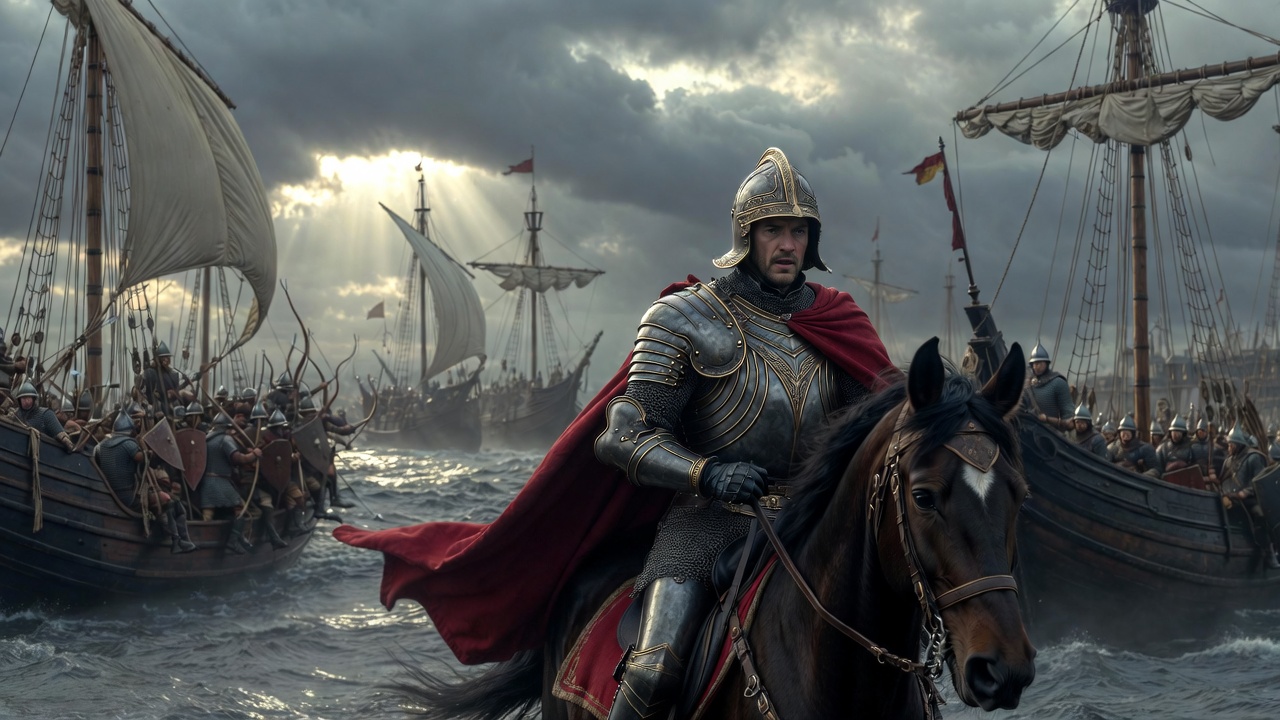
Shakespeare wrote Henry V in the summer of 1599, during the final years of Elizabeth I’s reign. England was gripped by patriotic fever and anxiety over the Irish rebellion led by the Earl of Essex (who would later march on London). The play’s rousing nationalistic tone was perfectly timed — yet Shakespeare, ever the subtle genius, also embedded troubling questions about the morality of war and the burdens of power.
Henry V completes Shakespeare’s second tetralogy (the Henriad): Richard II → Henry IV Part 1 → Henry IV Part 2 → Henry V. Prince Hal’s tavern-robbing, Falstaff-loving youth in the earlier plays makes his sudden transformation into the “mirror of all Christian kings” in Henry V dramatically electrifying.
Shakespeare’s main sources were Raphael Holinshed’s Chronicles (1587 edition) and the anonymous Elizabethan play The Famous Victories of Henry V. He compressed timelines, invented comic subplots, and added the innovative Chorus — all while navigating Elizabethan censorship that forbade direct portrayal of living monarchs or sensitive politics.
This historical and theatrical context is essential. Without it, the Henry the 5th summary remains flat; with it, the play becomes a mirror of both 1415 and 1599 — and, as we’ll see later, of our own era.
Understanding the Play: Genre, Structure & Sources
Henry V is officially a “history play,” yet it defies easy classification. It contains epic battle sequences, comic relief from Eastcheap rogues, a romantic wooing scene, and profound meditations on leadership and mortality. The five-act structure follows classical tragedy while incorporating medieval chronicle elements.
What makes the play unique is the Chorus — a single narrator who speaks directly to the audience in rhymed verse. Appearing before each act, the Chorus apologizes for the “wooden O” of the Globe Theatre and repeatedly asks the audience to “piece out our imperfections with your thoughts.” This meta-theatrical device is Shakespeare’s bold innovation, turning the audience into co-creators of the epic.
The language shifts brilliantly between soaring blank verse (Henry’s speeches) and earthy prose (the soldiers’ banter). Scenes alternate between English and French courts, and the play even includes extended French dialogue — rare for Shakespeare.
Primary sources, as noted, are Holinshed and The Famous Victories. Shakespeare also drew on biblical allusions (Henry as a new David or Moses) and classical references (to Caesar and Alexander) to elevate the king’s rhetoric.
Now that we have the background, here is the complete, act-by-act Henry the 5th summary you came for — vivid, quote-rich, and designed for easy understanding and essay writing.
Full Plot Breakdown: Act-by-Act Henry the 5th Summary
Act 1: The Claim and the Decision (The Tennis Balls Insult)
The Chorus opens with a rousing prologue: “O for a Muse of fire…” setting the epic tone. In London, the Archbishop of Canterbury and Bishop of Ely worry that Parliament will seize Church lands. They decide the best defense is to encourage Henry’s claim to France.
The young king enters — no longer the riotous Prince Hal. Canterbury delivers the famous Salic Law speech (a masterclass in rhetorical manipulation), proving Henry’s legal right through his great-great-grandmother Isabella. Henry is cautious: “May I with right and conscience make this claim?”
The French Ambassador arrives with the Dauphin’s mocking gift: tennis balls. Henry’s response is ice-cold and prophetic:
“When we have match’d our rackets to these balls, We will in France, by God’s grace, play a set Shall strike his father’s crown into the hazard.”
Henry declares war. The act ends with the king ordering the fleet prepared. Key turning point: the tennis balls transform personal insult into national destiny, revealing Henry’s calculated rage and perfect leadership timing.
Act 2: Conspiracy and Departure (The Eastcheap Farewell & Betrayal)
The Chorus returns, painting a vivid picture of England’s youth “on fire” to join the invasion: “Now all the youth of England are on fire, / And silken dalliance in the wardrobe lies.” The scene shifts to Southampton, where three traitors—Cambridge, Scroop, and Grey—have accepted French gold to assassinate Henry. The king already knows their plot (he has been testing their loyalty). In a masterful display of justice and mercy, he first pretends to forgive them, then reveals the forged pardons and sentences them to death. Henry’s line to Scroop is devastating: “I will weep for thee; / For this revolt of thine, methinks, is like / Another fall of man.”
Meanwhile, back in London, the comic subplot erupts. Pistol, Nym, and Bardolph—Falstaff’s old Eastcheap crew—are preparing to follow the army. The Boy (Falstaff’s former page) delivers one of the play’s most poignant speeches, lamenting the moral decay of his companions: “Three such antics do not amount to one man.” Pistol marries the Hostess Quickly (offstage), and the group departs for France amid bickering and bravado.
The act ends with the Chorus bridging the Channel: “Unto Southampton do they bend their course.” Key turning point: Henry’s swift, public handling of treason establishes his authority while showing the personal cost of kingship—betrayal by former friends.
Act 3: The Siege of Harfleur & Agincourt Eve (Once More Unto the Breach)
The Chorus transports us to the siege of Harfleur. Henry delivers one of Shakespeare’s most electrifying battle cries: “Once more unto the breach, dear friends, once more; / Or close the wall up with our English dead!” The speech is pure adrenaline—yet it is immediately undercut by the comic cowardice of Pistol, Nym, and Bardolph, who prefer looting to fighting.
Inside the town, the Governor surrenders after Henry threatens horrific reprisals. The Boy’s quiet speech about the three rogues planning to rob the French camp is heartbreaking; he knows they will die for their petty crimes.
The act closes on the eve of Agincourt. Henry, disguised as a common soldier, walks among his troops. He debates with Williams and Bates about the king’s responsibility for the souls of soldiers who die in unjust wars—a moment of profound doubt. When challenged, Henry (still incognito) defends the king fiercely, then borrows Williams’s glove as a token. The famous “band of brothers” speech follows at dawn:
“This day is called the feast of Crispian: He that outlives this day, and comes safe home, Will stand a tip-toe when this day is named… We few, we happy few, we band of brothers…”
Key turning point: The disguise scene humanizes Henry, showing his empathy and inner conflict, while the Crispin’s Day oration unites the army through shared glory and sacrifice.
Act 4: The Battle of Agincourt (The Miraculous Victory)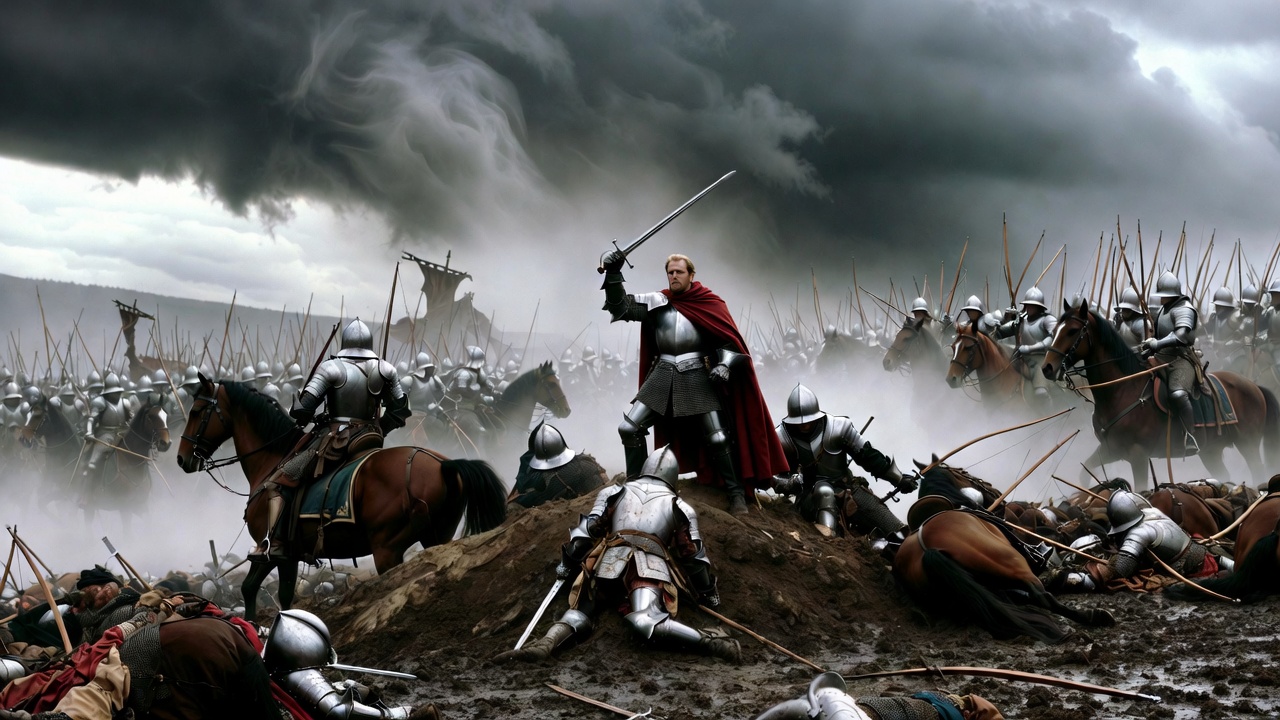
The Chorus describes the dawn: English soldiers shivering, French confident. The famous numbers—English ~6,000 vs. French 30,000+ (Shakespeare inflates to emphasize the miracle). Pistol captures a French soldier for ransom in comic fashion, while Fluellen (the Welsh captain) rants about ancient disciplines.
The battle itself is offstage—Shakespeare wisely avoids staging mass combat in the wooden O. Instead we get reactions: the Boy is murdered by French soldiers, Fluellen mourns English losses, and Henry learns of the unexpectedly low casualties (only about 29 English dead vs. thousands of French nobles). He orders the reading of the names of the fallen French aristocracy, then kneels in thanks to God, forbidding any man to boast of the victory.
Williams confronts the disguised king from the night before; Henry reveals himself and forgives him with a gift of gold. The act ends triumphantly yet soberly. Key turning point: The victory is framed as divine intervention, but the human cost (the Boy’s death, Fluellen’s grief) tempers any simple jingoism.
Act 5: Peace, Marriage & Aftermath (The Wooing & Epilogue)
The Chorus bridges years of campaigning. Henry returns triumphant, forces the Treaty of Troyes, and is betrothed to Princess Katherine. The wooing scene—almost entirely in broken French and English—is one of Shakespeare’s funniest and most charming:
Henry: “I know not how to woo in French… Katherine: “Sauf votre honneur, me understand you very well.”
Despite the comedy, the scene underscores the political nature of the marriage: Katherine is a prize of conquest.
The French and English courts agree to peace. The Chorus delivers the final epilogue, reminding the audience that Henry’s son (Henry VI) would lose everything: “Henry the Sixth, in infant bands crown’d King… / Whose state so many had the managing, / That they lost France and made his England bleed.”
The play ends on a bittersweet note: glory achieved, but impermanence guaranteed. Key turning point: The romantic comedy masks the tragic foreshadowing of the Wars of the Roses.
Key Characters in Henry V: In-Depth Analysis
King Henry V – The Ultimate Leadership Study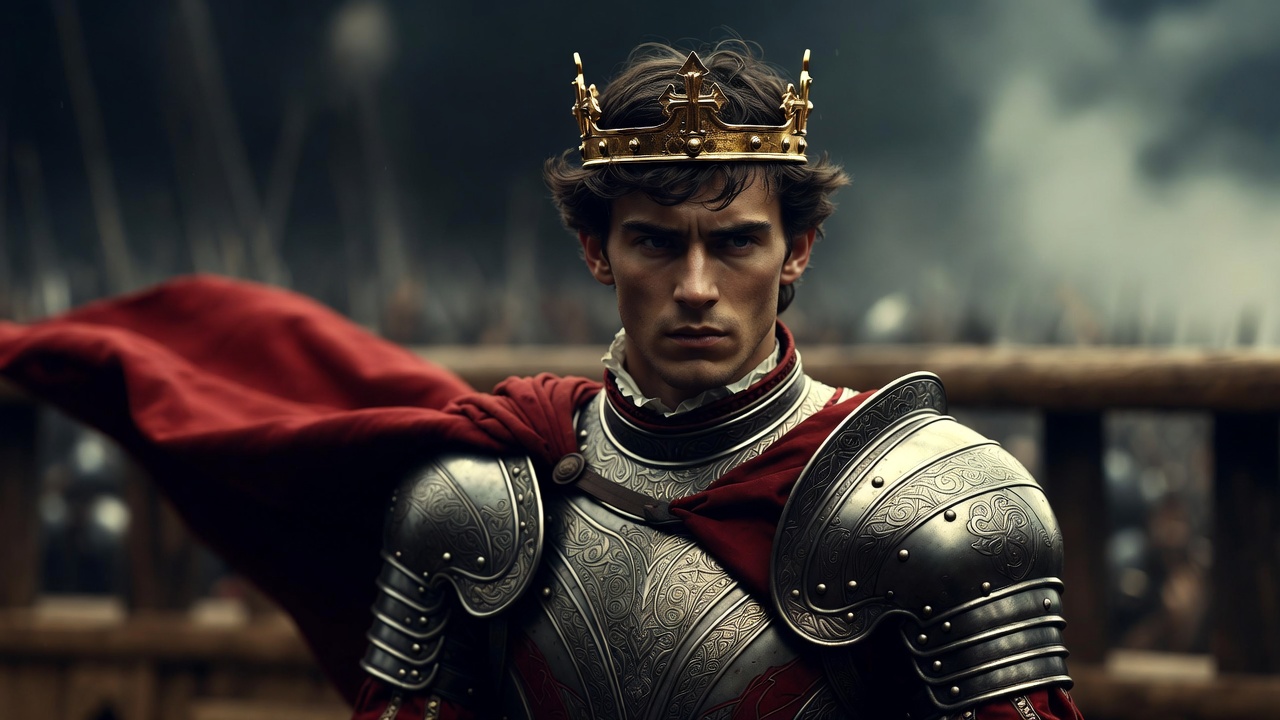
Shakespeare’s most complex hero. No longer the wayward Prince Hal, Henry is now disciplined, pious, and rhetorically masterful. Yet he remains calculating: he executes old friends, threatens Harfleur with massacre, and uses religion to justify conquest. Scholars debate whether he is ideal king or Machiavellian pragmatist. Modern parallel: the charismatic CEO who inspires loyalty while making ruthless decisions.
Fluellen, Gower, Macmorris & Jamy – The “Four Nations” Unity Theme
Fluellen (Welsh) is pedantic, brave, and loyal—comic yet honorable. Macmorris (Irish) and Jamy (Scottish) represent fractious unity under English rule. Their bickering scene (“There is differences in service”) highlights Shakespeare’s subtle commentary on British identity.
Pistol, Bardolph & Nym – Comic Underbelly and Class Contrast
These Eastcheap rogues provide bawdy relief and tragic irony. Their petty thievery and eventual deaths contrast sharply with the nobility’s “glorious” war. The Boy’s fate is especially poignant.
Princess Katherine & Queen Isabel – Female Power and Political Marriage
Katherine’s French lessons and wooing scene humanize the French and add levity. Yet she is ultimately a diplomatic pawn—Shakespeare gives her limited agency.
The Chorus – Shakespeare’s Direct Voice to the Audience
The Chorus apologizes for theatrical limitations while elevating the story to epic scale. He is Shakespeare’s meta-commentary on imagination and history.
Major Themes in Shakespeare’s Henry V
Shakespeare’s Henry V is far more than a patriotic war drama. It weaves together several profound and often contradictory themes that continue to spark debate among scholars, directors, and audiences.
Leadership & the Burden of Kingship
Henry V is Shakespeare’s ultimate study in leadership. He masters rhetoric, inspires loyalty, shows mercy and justice, yet must also make morally ambiguous decisions (executing former friends, threatening civilian massacre at Harfleur). The play asks: Can a good king also be a good man? Henry’s private prayer before Agincourt—“Upon the king! / Let us our lives, our souls, our debts, our careful wives, / Our children, and our sins lay on the king!”—reveals the crushing isolation of power.
Modern parallel: Think of contemporary political or corporate leaders who must project unshakeable confidence while privately wrestling with doubt and responsibility.
War, Glory & the Human Cost (Patriotic vs. Anti-War Readings)
Critics remain divided. The play contains some of the most stirring pro-war rhetoric ever written (Crispin’s Day speech), yet it also shows the squalor of camp life, the murder of the Boy, Fluellen’s grief, and the Chorus’s final reminder that Henry’s victories were temporary. Many modern productions (especially post-Iraq/Afghanistan) emphasize the anti-war undertones.
National Identity & Unity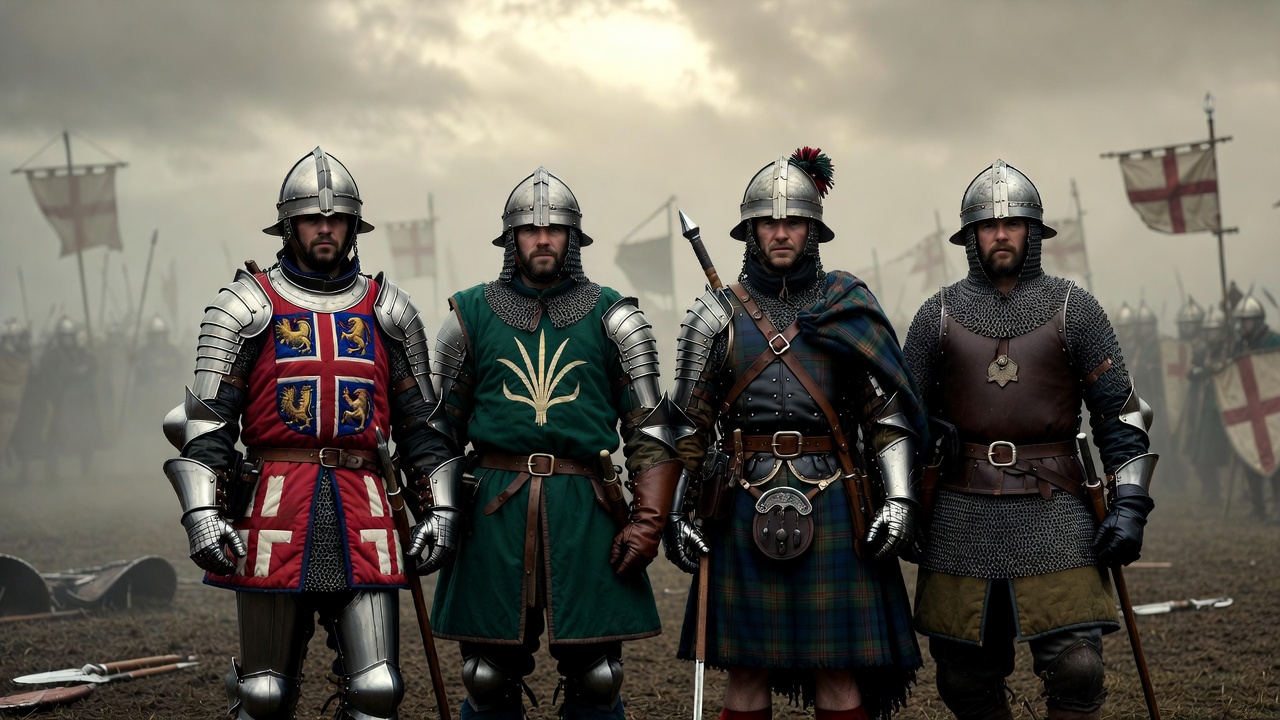
The “four nations” scene (Fluellen Welsh, Jamy Scottish, Macmorris Irish, Gower English) dramatizes fragile British unity under an English king. Shakespeare wrote during a time when England was trying to consolidate identity amid Irish rebellion and Scottish border tensions. Today the play is frequently staged to explore multiculturalism and inclusion.
Language & Rhetoric as Power
Henry is a master orator who switches registers effortlessly: inspiring verse for soldiers, diplomatic French for Katherine, threatening prose for Harfleur. The bilingual scenes with Katherine highlight how language can both unite and divide. The Chorus itself is Shakespeare reflecting on the power (and limitations) of theatrical language.
Transformation & Redemption
The arc from Prince Hal (drinking, thieving, mocking authority) to “the mirror of all Christian kings” is one of literature’s great redemption stories—yet Shakespeare never lets us forget the cost or question whether the transformation is complete.
Literary Devices & Shakespeare’s Craft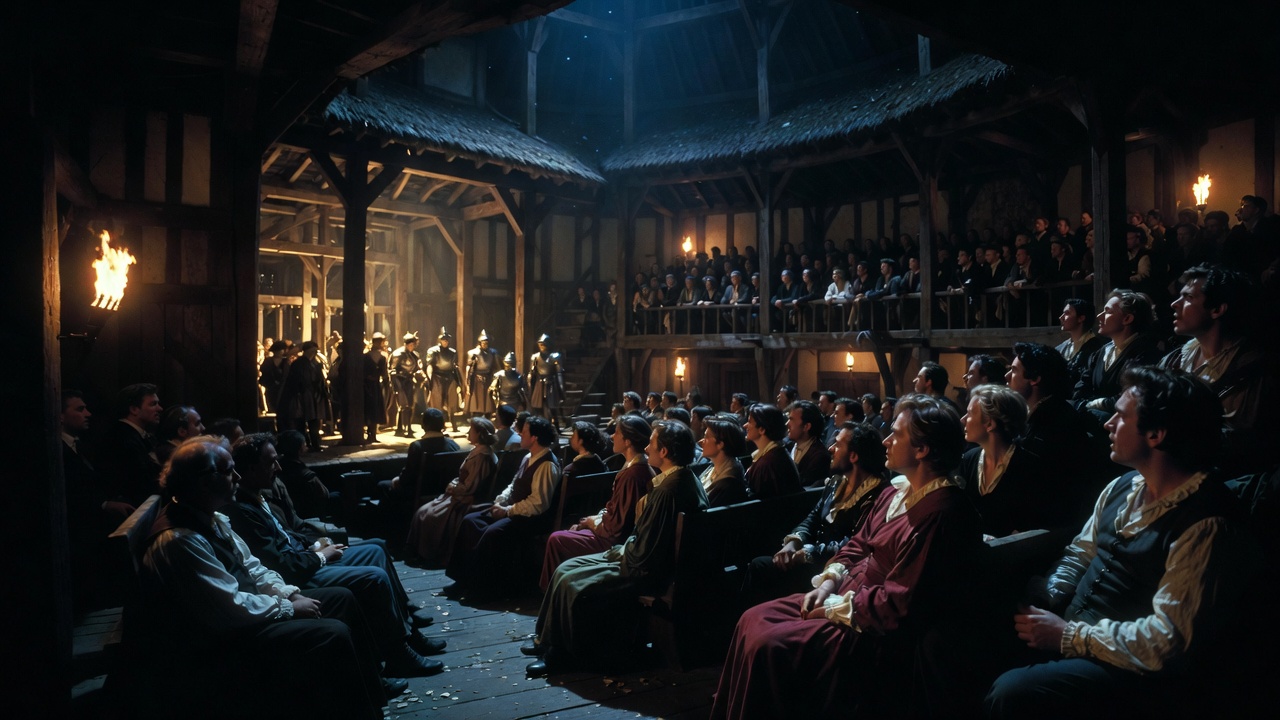
Shakespeare employs several signature techniques to elevate Henry V beyond chronicle history:
- The Chorus — A groundbreaking meta-theatrical device that directly addresses the audience, apologizes for the stage’s limitations, and asks spectators to use imagination to “eke out” the epic scale.
- Prose vs. Verse Contrast — Nobles speak elevated blank verse; common soldiers and rogues use earthy prose. This class distinction is structural, not accidental.
- Dramatic Irony & Disguise — Henry’s incognito walk among soldiers creates rich irony—he hears honest criticism of “the king” while pretending to be a commoner.
- Biblical & Classical Allusions — Henry is compared to Alexander, Caesar, David, and even Christ-like figures, adding layers of grandeur and moral complexity.
- Humor as Relief & Commentary — The Eastcheap subplot provides comic relief while simultaneously critiquing the nobility’s lofty ideals.
Expert Insights: What Scholars & Directors Really Think
Harold Bloom called Henry “Shakespeare’s most problematic hero,” arguing the king is both magnificent and chillingly pragmatic. Stephen Greenblatt (New Historicist) reads the play as Elizabethan power propaganda tempered by subversive undertones. Feminist scholar Phyllis Rackin highlights how Katherine is reduced to a political object despite her witty French scenes.
Film and stage interpretations vary wildly:
- Laurence Olivier (1944) — Patriotic wartime propaganda version, cuts darker moments.
- Kenneth Branagh (1989) — Gritty, realistic, emphasizes human cost and moral ambiguity.
- The Hollow Crown (2012) with Tom Hiddleston — Modern psychological depth, strong anti-war lean.
- Recent RSC and Globe productions — Frequently cast diverse actors in “four nations” roles and emphasize post-colonial readings.
Henry V in the 21st Century: Why It Still Matters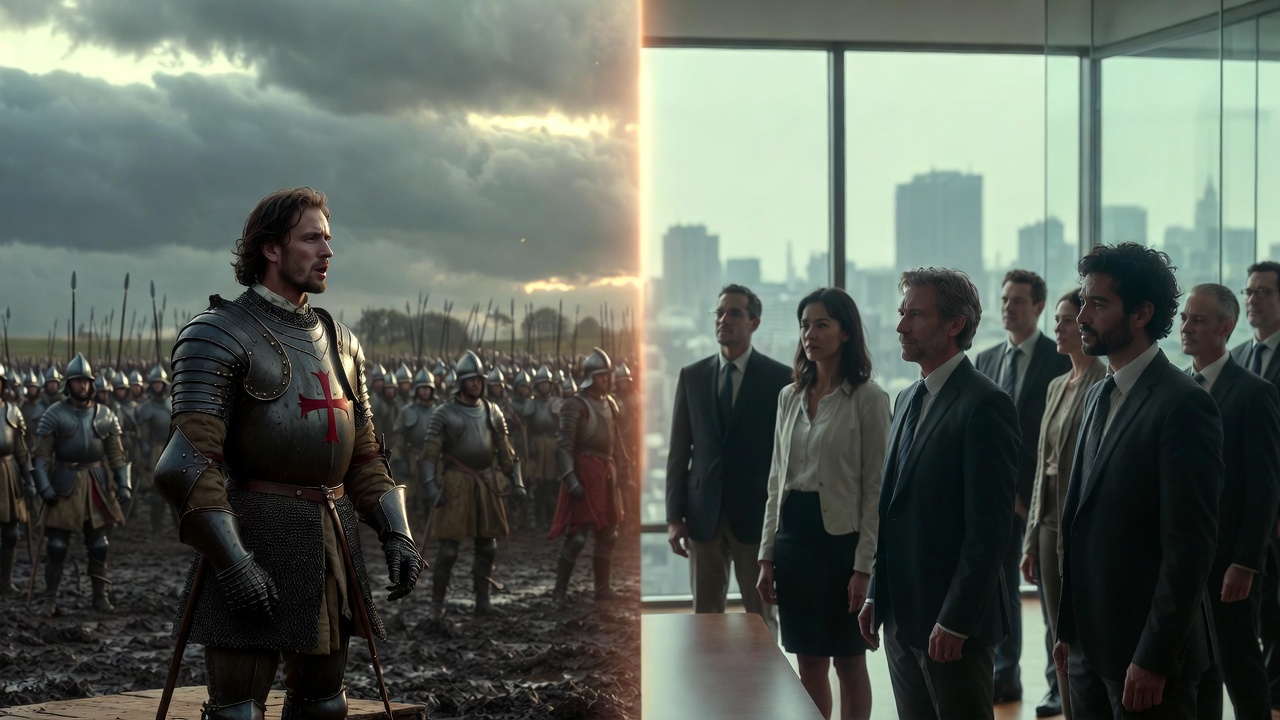
In an age of asymmetric warfare, leadership crises, and debates over national identity, Henry V remains urgently relevant.
- Leadership Lessons — Henry’s ability to motivate exhausted troops is studied in business schools and military academies.
- War & Its Costs — Parallels to recent and ongoing conflicts (Ukraine, Middle East) make the play’s mixture of glory and horror freshly disturbing.
- Diversity & Inclusion — Modern stagings often foreground the “four nations” to comment on multiculturalism and fractured national unity.
- Rhetoric in Politics — Henry’s speeches remain masterclasses in persuasive oratory—used (and sometimes misused) by politicians worldwide.
Study Tips & Essay Help for Students
- Essay Thesis Ideas
- “Henry V is Shakespeare’s most ambiguous portrait of ideal kingship: inspiring yet morally compromised.”
- “The Chorus functions as Shakespeare’s commentary on the limits of theatrical representation.”
- “The play simultaneously glorifies and questions the enterprise of war.”
- Discussion Questions
- Is Henry a hero, a tyrant, or both?
- Does the play ultimately support or critique war?
- How does the wooing scene change our view of Henry?
- Quick Study Aids
- Create a timeline of the Henriad to see Hal’s full arc.
- Memorize key speeches: Tennis balls response, Once more unto the breach, St. Crispin’s Day.
- Compare film versions side-by-side for different interpretations.
Frequently Asked Questions (Henry the 5th Summary Edition)
Is Henry V based on a true story? Yes—Henry V’s 1415 campaign and Agincourt victory are historical, though Shakespeare compresses time, invents characters (Pistol, Fluellen), and amplifies drama.
Why does Henry execute his old friends? To demonstrate impartial justice and prevent any appearance of favoritism. It also shows the personal sacrifices kingship demands.
Is the play pro-war or anti-war? Both. It contains rousing patriotic speeches but also unflinching depictions of suffering, cowardice, and pointless death. Shakespeare leaves the judgment to the audience.
What happens after Henry V dies? His infant son becomes Henry VI. The Chorus’s epilogue foreshadows the loss of France and the Wars of the Roses (covered in Shakespeare’s Henry VI trilogy).
Best film version for beginners? Kenneth Branagh’s 1989 adaptation—visually stunning, emotionally honest, and includes most of the text.
How long to read or watch? Unabridged reading: 3–4 hours. Branagh film: ~2 hours 17 minutes. Olivier: ~2 hours 17 minutes (heavily cut).
From the wild prince of the Boar’s Head tavern to the legendary king who unites a nation on St. Crispin’s Day, Shakespeare’s Henry V completes one of literature’s greatest character arcs. Yet the play never lets us forget the cost: betrayal, death, impermanence. The final Chorus reminds us that even the greatest victories are fleeting.
Whether you’re studying for an exam, directing a production, or simply rediscovering Shakespeare, Henry V rewards deep reading. Watch Branagh’s film, listen to the St. Crispin’s Day speech on audio, or grab a good annotated edition. Then come back to the comments section below: Which moment or speech moved you most? Which modern leader reminds you of Henry?
Thank you for reading this in-depth henry the 5th summary on William Shakespeare Insights. Explore more of the Henriad with our guides to Henry IV Part 1, Henry IV Part 2, and Shakespeare’s history plays explained.