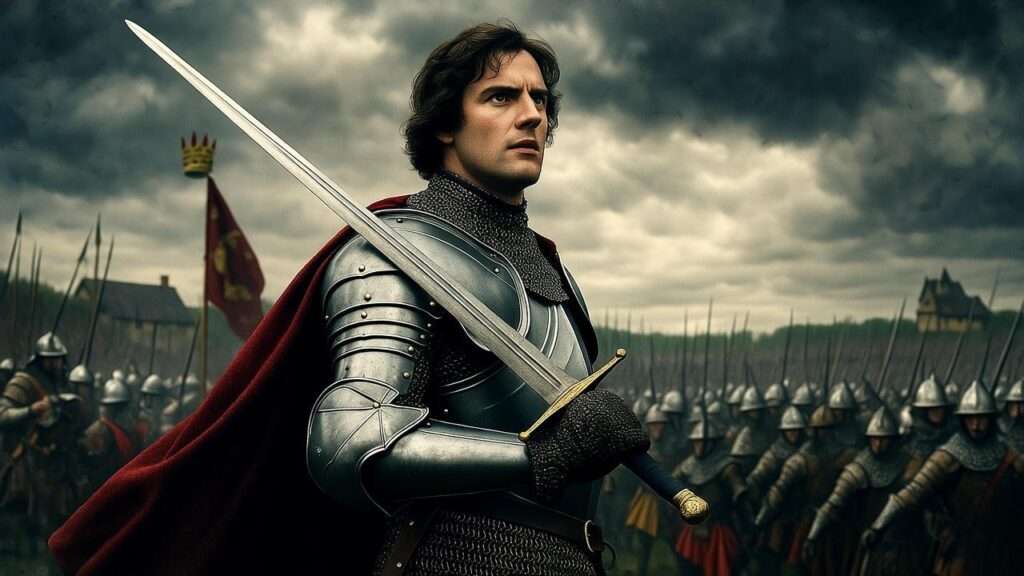
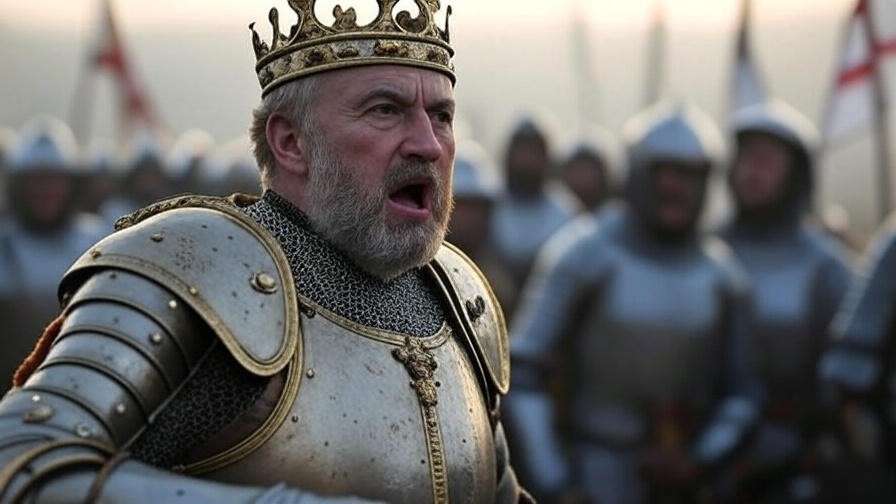
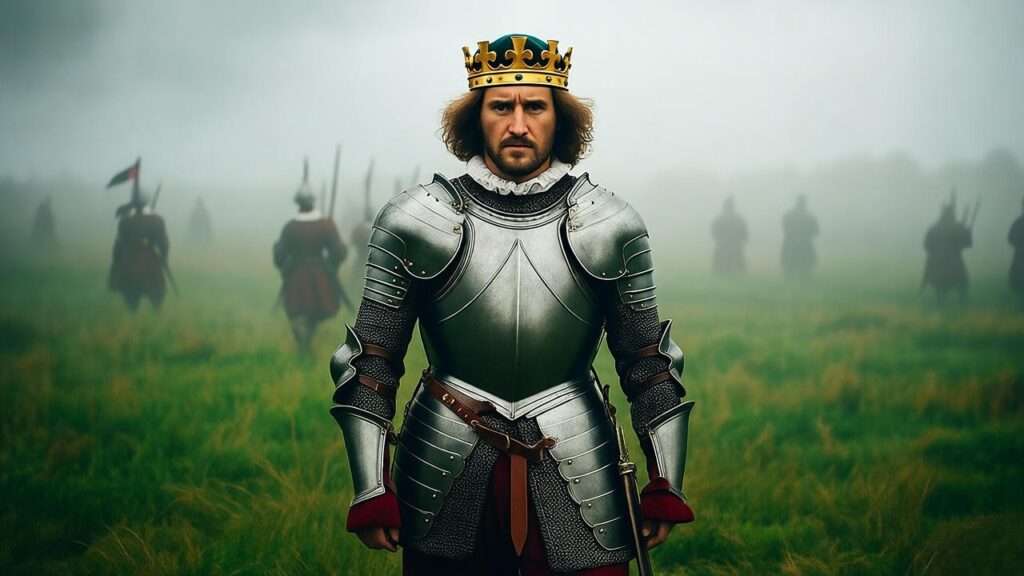
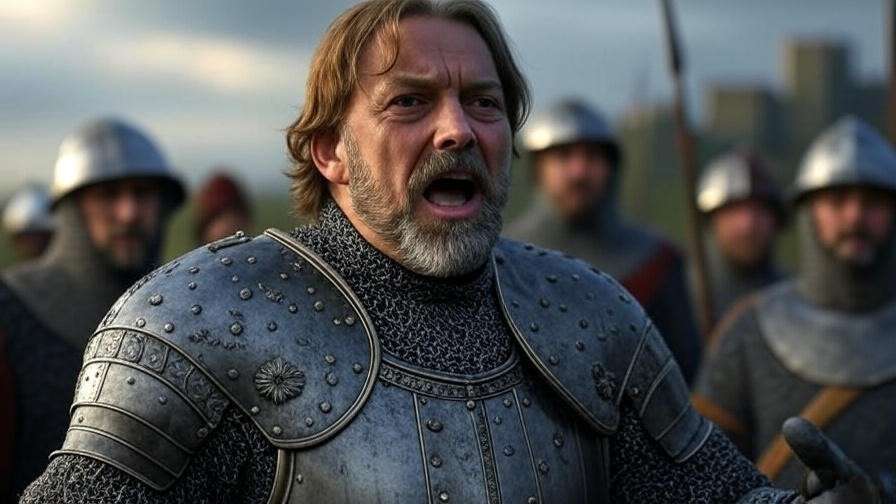
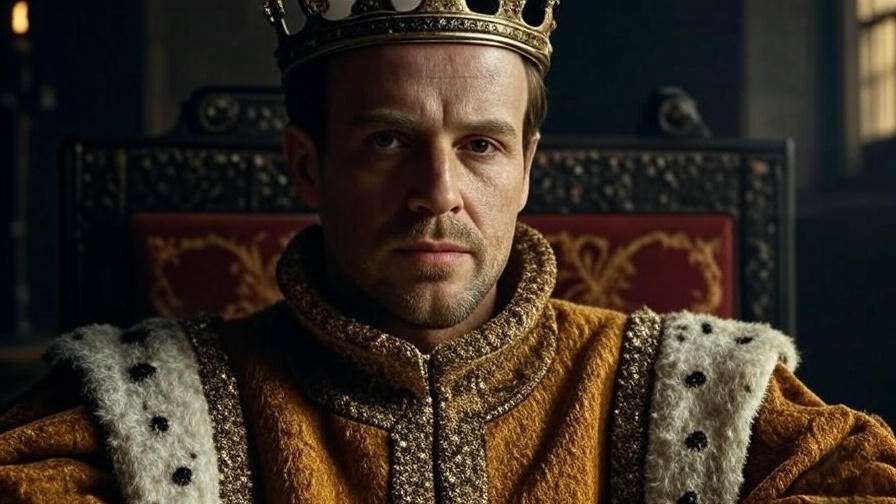
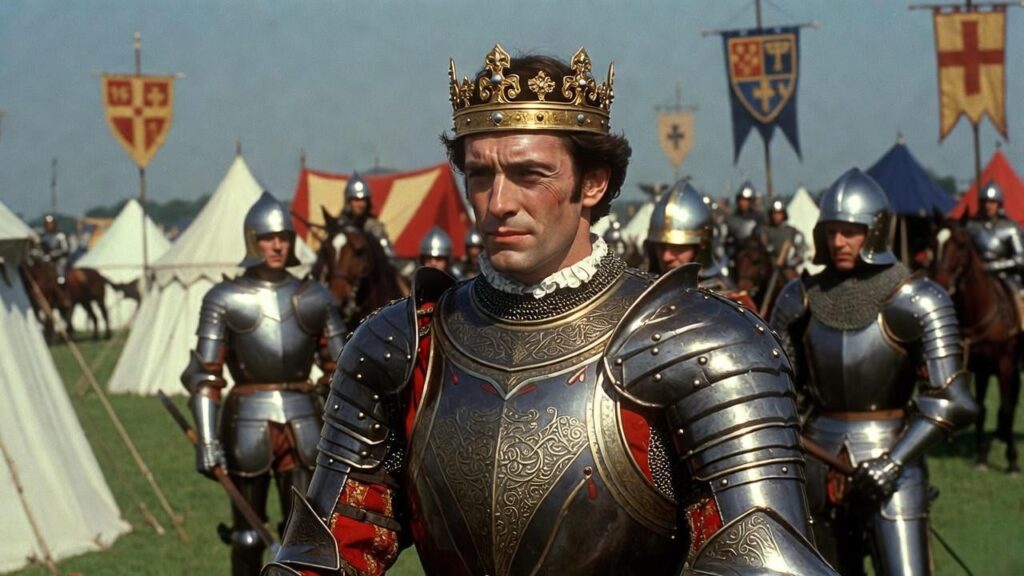
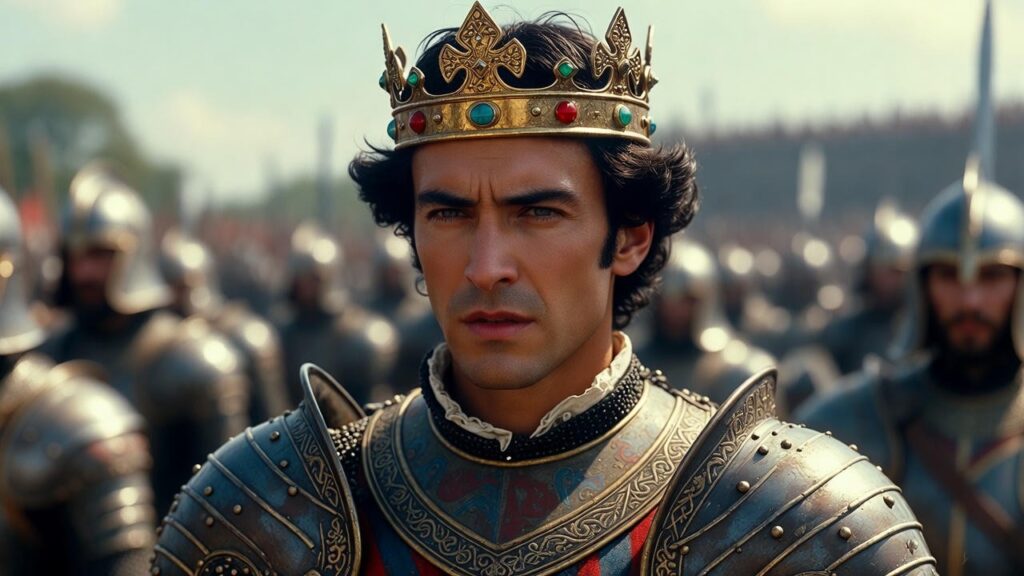
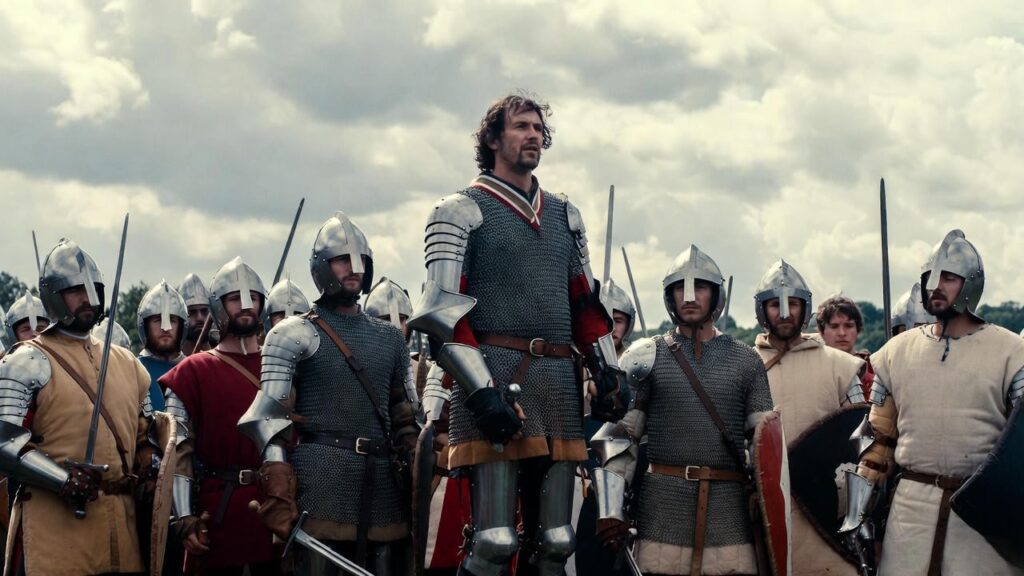
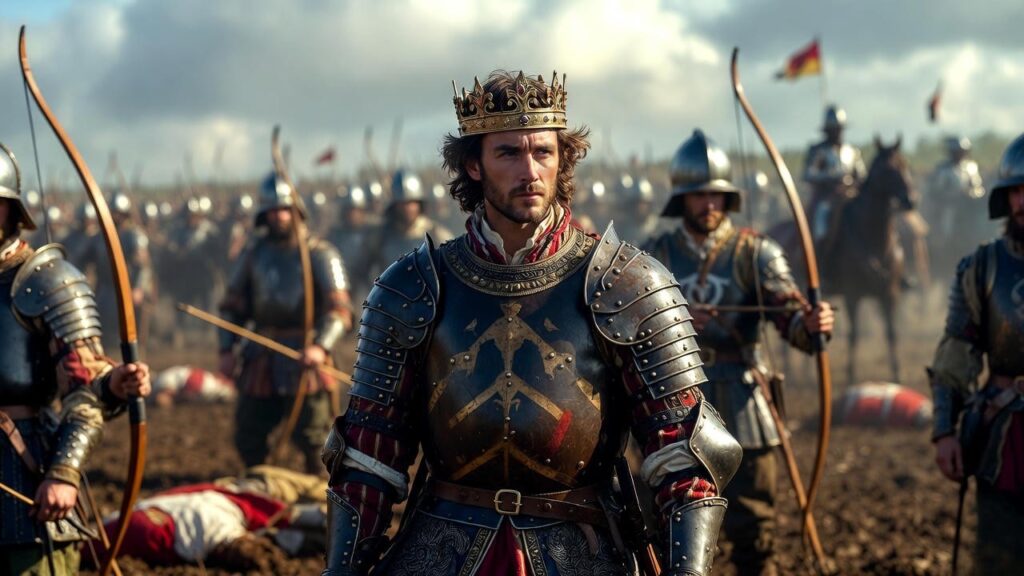
Imagine standing ankle-deep in the mud of a rain-soaked French field on October 25, 1415. Your army is exhausted, outnumbered at least five to one by a fresh, confident French force gleaming in armor. Victory seems impossible; defeat, inevitable. Yet one man’s words transform despair into unbreakable resolve, turning a band of weary soldiers into legends. This is the moment immortalized in William Shakespeare’s Henry V, Act 4, Scene 3—the St. Crispin’s Day speech, delivered by King Henry V before the Battle of Agincourt.
Henry V Act 4 Scene 3 stands as one of Shakespeare’s most powerful scenes, a masterclass in motivational rhetoric that has echoed through centuries. Readers searching for this keyword typically want the full context, key quotes, line-by-line analysis, historical background, themes, famous adaptations, and why this speech continues to inspire leaders, actors, students, and anyone facing overwhelming odds. In this in-depth guide from williamshakespeareinsights, we go beyond standard summaries to deliver comprehensive insights, practical lessons, and cultural significance—helping you truly understand, appreciate, and apply one of literature’s greatest motivational moments.
Historical and Dramatic Context of Henry V Act 4 Scene 3
The real Battle of Agincourt took place on October 25, 1415—St. Crispin’s Day—during the Hundred Years’ War. Henry V, seeking to reclaim English territories in France and assert his claim to the French throne, led an army of approximately 6,000–9,000 men (mostly longbowmen) against a French force estimated at 20,000–30,000. The English were weakened by dysentery after a brutal march through hostile territory, and the battlefield itself was a freshly plowed field turned into a quagmire by heavy rain, which severely hampered the heavily armored French knights.
Shakespeare drew heavily on Raphael Holinshed’s Chronicles (1587 edition), which praised Henry’s leadership and the miraculous English victory. In the play, Act 4, Scene 3 serves as the emotional and dramatic climax of Henry’s character arc. The once-reckless Prince Hal from Henry IV Parts 1 and 2 has fully matured into a wise, inspirational king who unites a divided nation not through coercion but through shared purpose and powerful oratory.
The scene begins with English nobles—Gloucester, Bedford, Exeter, Erpingham, Salisbury, and Westmoreland—assessing their hopeless position. Westmoreland expresses the collective wish: “O that we now had here / But one ten thousand of those men in England / That do no work to-day!” Henry enters, overhears the lament, and immediately reframes the situation: fewer men mean greater honor for those who remain and fight. This rhetorical reversal sets the stage for the famous speech, creating a stark contrast with the overconfident French nobles in the preceding scene.
Dramatically, the speech is Shakespeare’s proof that language can be more powerful than swords. It turns certain defeat into legendary victory before a single arrow is loosed.
The Full St. Crispin’s Day Speech – Text and Modern Translation
Here is the heart of the speech (approximately lines 18–67 of Act 4, Scene 3) in Shakespeare’s original language:
This day is call’d the feast of Crispian: He that outlives this day, and comes safe home, Will stand a tip-toe when this day is nam’d, And rouse him at the name of Crispian. He that shall live this day, and see old age, Will yearly on the vigil feast his neighbours, And say ‘To-morrow is Saint Crispian.’ Then will he strip his sleeve and show his scars, And say ‘These wounds I had on Crispin’s day.’ Old men forget; yet all shall be forgot, But he’ll remember, with advantages, What feats he did that day. Then shall our names, Familiar in his mouth as household words— Harry the King, Bedford and Exeter, Warwick and Talbot, Salisbury and Gloucester— Be in their flowing cups freshly rememb’red. This story shall the good man teach his son; And Crispin Crispian shall ne’er go by, From this day to the ending of the world, But we in it shall be rememberèd— We few, we happy few, we band of brothers; For he to-day that sheds his blood with me Shall be my brother; be he ne’er so vile, This day shall gentle his condition; And gentlemen in England now a-bed Shall think themselves accurs’d they were not here, And hold their manhoods cheap whiles any speaks That fought with us upon Saint Crispin’s day.
Clear Modern English Paraphrase
This is the feast day of St. Crispin. Anyone who survives today and returns home safely will stand proudly whenever the day is named, excited at the mention of Crispian. If he lives to old age, he’ll host a feast every year on the eve and say, “Tomorrow is St. Crispin’s.” He’ll roll up his sleeve to reveal his scars and declare, “These wounds I received on Crispin’s day.” Old men forget many things, but this will never be forgotten—he’ll recall his deeds with extra pride. Our names will become as familiar as household words: Harry the King, Bedford, Exeter, Warwick, Talbot, Salisbury, Gloucester—toasted in every cup. A good man will teach this story to his son. St. Crispin’s Day will never pass without us being remembered—from this day until the end of the world. We few, we happy few, we band of brothers. Anyone who sheds his blood with me today becomes my brother, no matter how lowly born—this day will raise his status to that of a gentleman. And gentlemen safe in bed in England will curse themselves for not being here and feel their courage diminished whenever anyone speaks of those who fought with us on St. Crispin’s day.
This passage builds in intensity, moving from personal pride to collective immortality, using rhythm, repetition, and vivid imagery to create one of English literature’s most unforgettable speeches.
Line-by-Line Analysis – Rhetoric and Literary Devices
Shakespeare constructs the speech as a rhetorical masterpiece, employing classical techniques while making them feel natural and urgent.
- Opening reversal of fortune Henry seizes Westmoreland’s wish for more men and turns it into a strategic advantage: “The fewer men, the greater share of honour.” This logical reframing (logos) transforms numerical weakness into moral strength.
- Pathos through vivid future imagery He paints concrete, sensory scenes: survivors standing “a tip-toe” with pride, rolling up sleeves to show scars at feasts, fathers teaching sons the tale. These images make victory feel tangible and worth the risk.
- Anaphora and tricolon Repeated structures (“He that…”) create momentum. The most famous example—“We few, we happy few, we band of brothers”—uses the rule of three for maximum memorability and emotional impact.
- Ethos through shared identity Henry never positions himself above his men. He declares that anyone who fights beside him “shall be my brother,” erasing class distinctions. The promise that even the “vile” will be “gentled” by this day is profoundly inclusive.
- Legacy and immortality The speech is as much about remembrance as victory. Naming nobles as “household words” and promising annual retellings ensures eternal glory through storytelling—Shakespeare commenting on the power of narrative itself.
- Reverse psychology and final sting The closing lines shame those absent: gentlemen in England “shall think themselves accurs’d they were not here.” This cleverly turns fear of missing glory into motivation to fight.
The speech blends Aristotle’s three modes of persuasion—logos, pathos, and ethos—with Shakespearean poetic devices, making it one of the most effective orations in world literature.
Core Themes Explored in the Speech
- Leadership through empathy and inspiration Henry leads not by rank alone but by shared sacrifice and understanding. He speaks to his men as equals, turning fear into pride.
- Brotherhood and social unity “Band of brothers” symbolizes equality forged in crisis. War temporarily dissolves class barriers, creating lifelong bonds.
- Honor, glory, and lasting legacy True immortality comes not from wealth or birth, but from being remembered. Scars become badges of honor passed down through generations.
- Patriotism and willing sacrifice The speech transforms dread into patriotic pride, showing that fighting for comrades and country outweighs personal safety.
- The power of language itself Shakespeare demonstrates that words can rally where numbers fail—rhetoric becomes the decisive weapon.
These themes continue to resonate in times of crisis, making the speech timeless.
Why the Speech Has Inspired Generations – Cultural Impact and Adaptations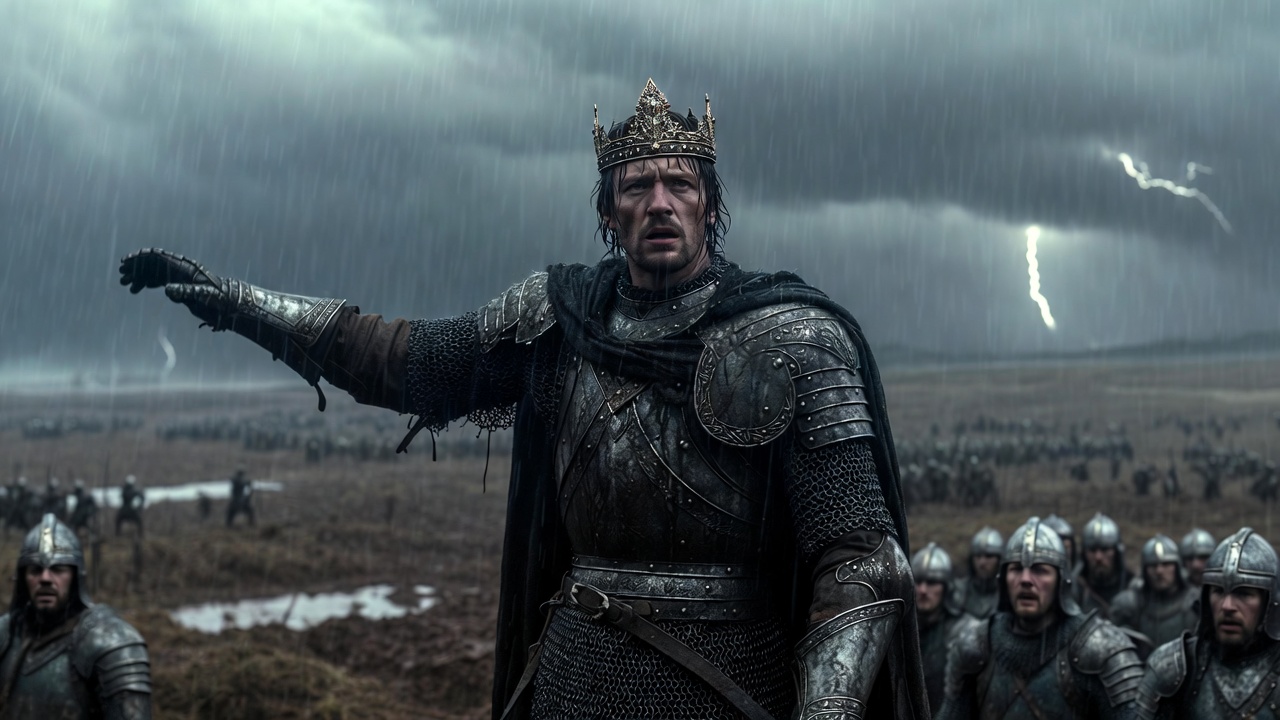
The St. Crispin’s Day speech has become one of the most quoted and repurposed passages in English literature, appearing in films, television, politics, sports, and military contexts.
Major Film Adaptations
- Laurence Olivier (1944) Produced during World War II with government support, Olivier’s version is grand, patriotic, and theatrical. The speech is delivered with sweeping camera work and heroic tone, serving as a morale booster for wartime audiences.
- Kenneth Branagh (1989) Branagh’s gritty, realistic adaptation remains the critical favorite. Filmed in actual mud and rain, the camera stays close during the speech, capturing exhaustion, fear, and growing resolve. Branagh’s delivery starts quietly and builds to a powerful crescendo, making the “band of brothers” moment feel intimate and deeply human.
Modern Cultural References
- HBO’s Band of Brothers (2001) miniseries took its title directly from the speech.
- Politicians, military commanders, and sports coaches frequently quote lines when rallying groups facing difficult odds.
- The speech has appeared in contexts ranging from Brexit debates to NFL locker-room motivation.
Why It Endures The speech speaks to the human need to matter, to belong, and to be remembered. In any era of uncertainty—war, economic hardship, personal struggle—people return to these words because they promise that even a small, determined group can achieve legendary status.
Practical Takeaways – Leadership Lessons from Henry V’s Speech
- Reframe disadvantages as advantages Turn “we’re outnumbered” into “we’ll share greater honor.”
- Lead from within the group Show that you share the same risks and rewards.
- Paint a vivid future Use concrete, sensory images to make the goal feel real and worthwhile.
- Build inclusive unity Erase hierarchy; make every member feel essential.
- Use memorable, rhythmic language Repeat key phrases to make your message stick.
- Connect to larger meaning Tie daily effort to legacy, pride, and purpose.
These principles appear in modern leadership books, military training, and public speaking guides—Shakespeare captured timeless truths about human motivation.
Frequently Asked Questions (FAQs)
What is the St. Crispin’s Day speech about? King Henry V’s motivational address to his outnumbered army before Agincourt, promising eternal remembrance, brotherhood, and honor to those who fight.
Why is it called St. Crispin’s Day? October 25 was the feast day of Saints Crispin and Crispinian, patron saints of shoemakers—many English soldiers were craftsmen.
Is the speech historically accurate? No verbatim record exists. Holinshed mentions Henry giving an encouraging speech, but Shakespeare’s version is dramatic invention of genius.
What are the most famous lines? “We few, we happy few, we band of brothers” and “gentlemen in England now a-bed / Shall think themselves accurs’d they were not here.”
Which film version is best? Most scholars and audiences prefer Kenneth Branagh’s 1989 version for its emotional authenticity and realism.
In a muddy field on the edge of destruction, King Henry V proved that words can be more powerful than armies. The St. Crispin’s Day speech is not just great theater—it is a timeless lesson in leadership, unity, legacy, and the transformative power of language.
Whether you are studying Shakespeare, preparing a performance, leading a team, or simply seeking inspiration when the odds feel impossible, these lines remind us that small groups with shared purpose can create stories that echo for centuries.
Return to the text. Watch Branagh or Olivier deliver it. Share your favorite line or the moment it moved you. In doing so, you help fulfill Henry’s promise: that this story shall be remembered “from this day to the ending of the world.”