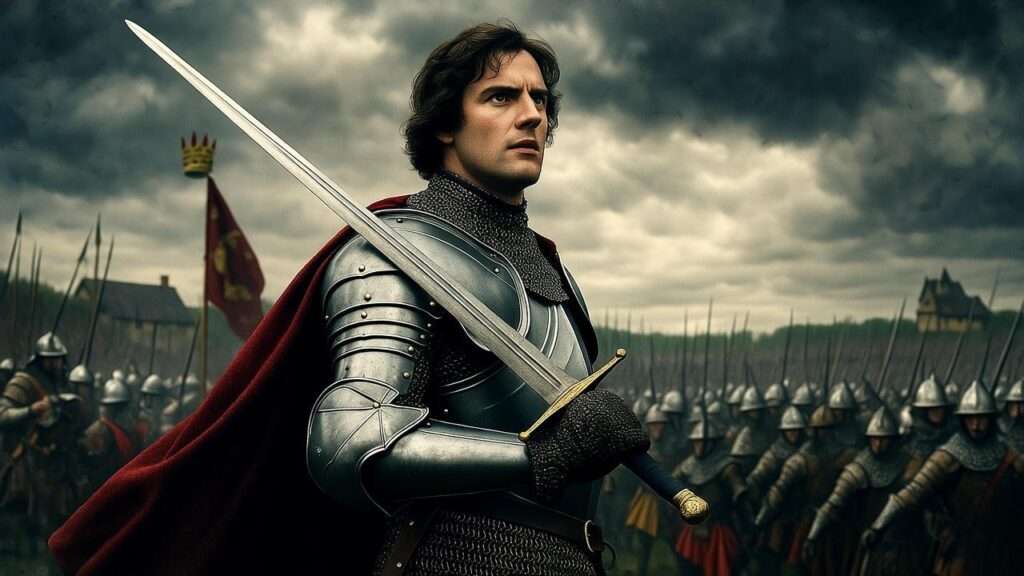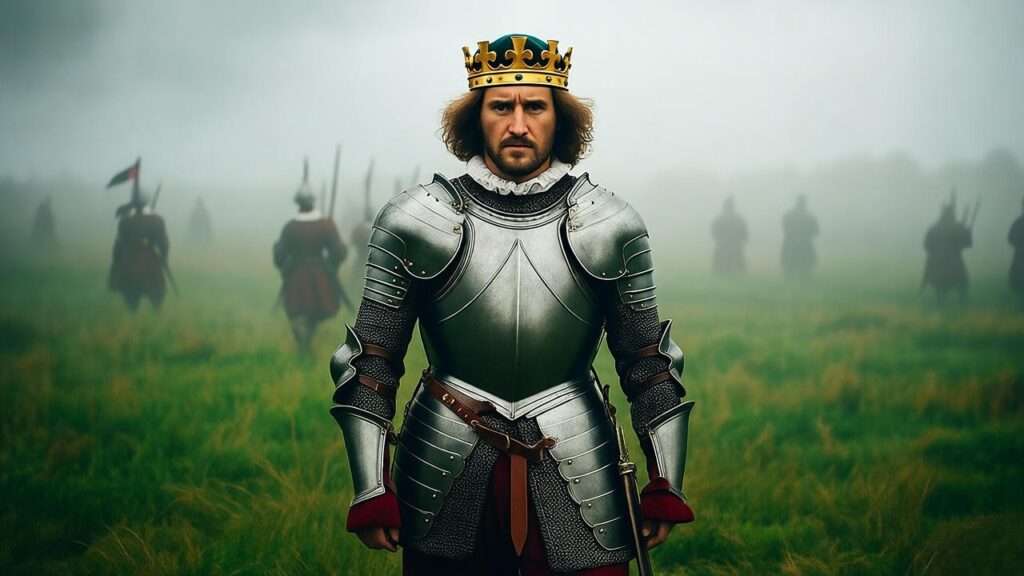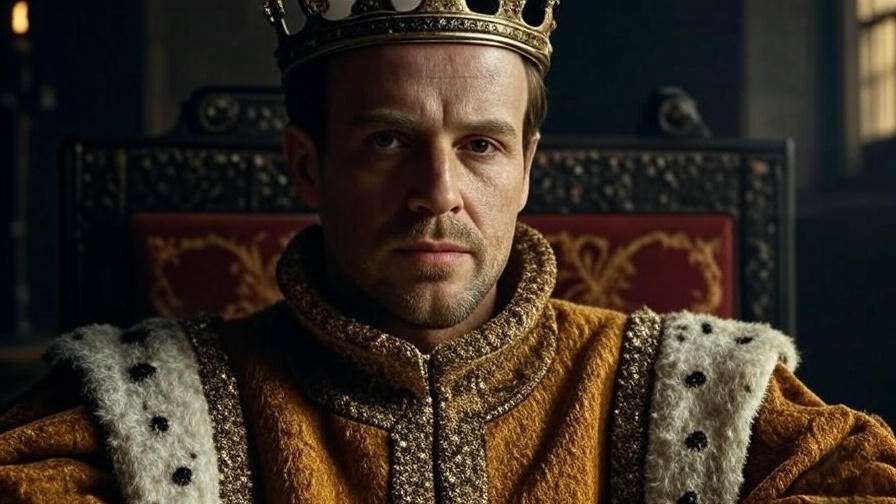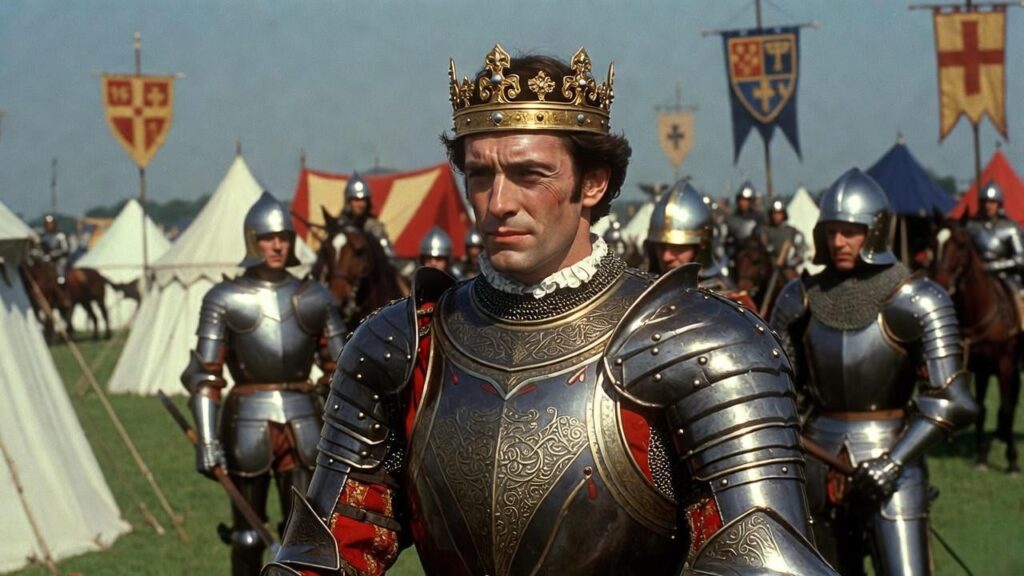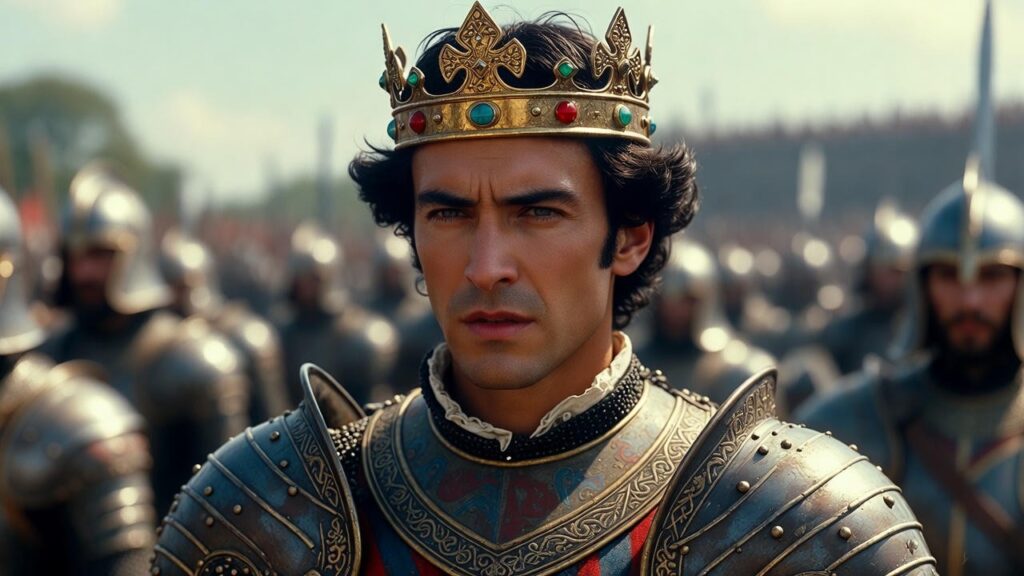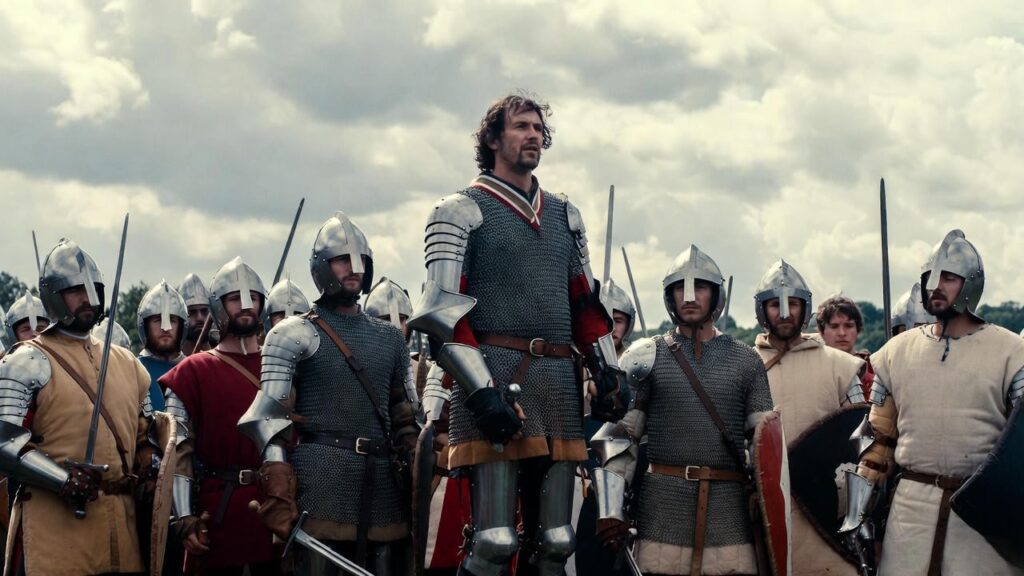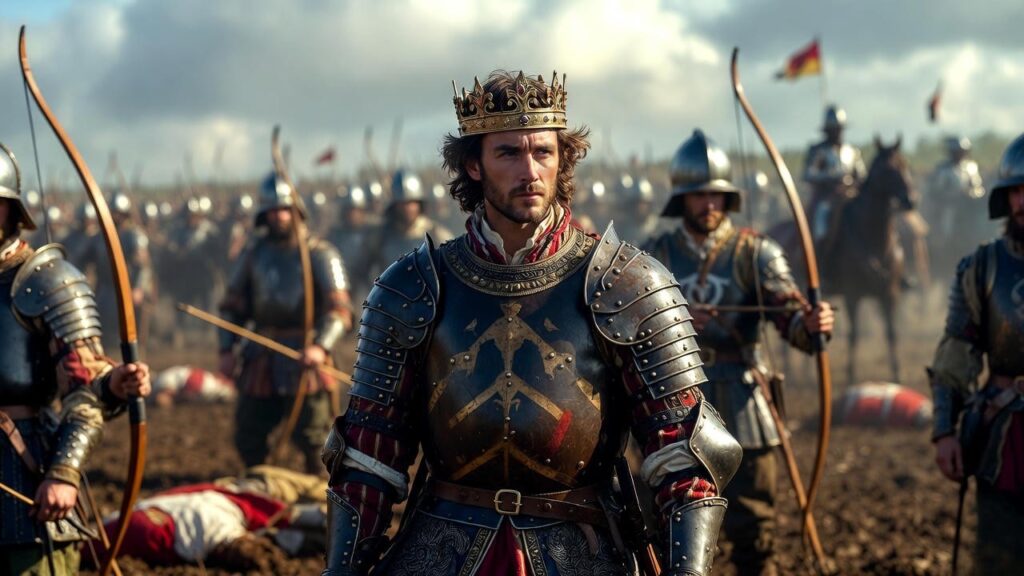
Imagine a young king, once a reckless prince carousing in taverns, now standing before a vastly outnumbered army on a muddy field in France. With nothing but words, he transforms fear into courage, doubt into brotherhood, and certain defeat into one of history’s most legendary victories. This is the power of Shakespeare’s Henry V—and it all hinges on its unforgettable characters.
Shakespeare’s Henry V (written around 1599) is widely regarded as one of the greatest history plays in the English language. At its heart are the richly drawn Henry V characters, whose motivations, conflicts, and transformations illuminate timeless themes of leadership, honor, national identity, the brutality of war, and the complexities of human nature. Whether you’re a student analyzing the play for an exam, a teacher preparing lesson plans, a theatergoer anticipating a production, or a lifelong reader seeking deeper insight into Shakespeare’s craft, understanding these characters is essential to appreciating the play’s enduring impact.
This comprehensive guide offers far more than a simple character list. You’ll find a complete catalog of every speaking role, in-depth analyses supported by key quotes and scenes, expert interpretations grounded in textual evidence and historical context, explorations of character relationships and thematic significance, comparisons between Shakespeare’s portrayals and their historical counterparts, and insights into memorable stage and screen adaptations. By the end, you’ll have a thorough command of the play’s dramatic architecture and the psychological depth that makes Henry V a masterpiece.
Overview of the Play and Its Characters
Henry V chronicles the real-life King Henry V’s campaign against France in 1415, focusing on the siege of Harfleur and the miraculous English victory at the Battle of Agincourt despite overwhelming odds. The play opens with a Prologue delivered by the Chorus, who apologizes for the limitations of the stage while inviting the audience to “piece out our imperfections with your thoughts.”
Shakespeare structures the drama around sharp contrasts: the disciplined English court versus the arrogant French nobility; the heroic rhetoric of kings versus the grim realities faced by common soldiers; the multilingual camaraderie of British captains versus the cultural divide embodied in Princess Katherine’s language lessons. These oppositions are embodied in the characters themselves, creating a panoramic view of war that is both epic and intimately human.
The cast is one of Shakespeare’s largest, with over 40 speaking roles—a testament to his ambition to represent an entire nation at war. Characters fall into four primary groups:
- The English royal court and military leadership
- The common soldiers and survivors from the Eastcheap tavern world (Henry IV Parts 1 and 2)
- The French court and nobility
- Supporting figures such as traitors, heralds, and the Chorus
These groupings allow Shakespeare to explore hierarchy, loyalty, national unity, and the moral cost of conquest from multiple perspectives.
Complete List of Henry V Characters
For quick reference, here is a comprehensive, categorized list of every named speaking character in the First Folio text (1623), along with minor roles commonly identified in modern editions.
English Forces and Court
- King Henry V – The protagonist, formerly Prince Hal
- Chorus – The narrating voice framing the action
- Duke of Gloucester (Humphrey) – Henry’s brother
- Duke of Bedford (John) – Henry’s brother
- Duke of Clarence (Thomas) – Henry’s brother
- Duke of Exeter (Thomas Beaufort) – Henry’s uncle and trusted advisor
- Duke of York (Edward of Norwich) – Cousin who seeks command at Agincourt
- Earl of Westmoreland
- Earl of Warwick
- Earl of Salisbury
- Archbishop of Canterbury – Justifies the war through Salic law
- Bishop of Ely – Supports Canterbury
- Sir Thomas Erpingham – Veteran commander
- Captain Fluellen – Welsh officer, pedantic and honorable
- Captain Gower – English officer
- Captain Jamy – Scottish officer
- Captain Macmorris – Irish officer
- Pistol – Boastful ensign, married to Mistress Quickly
- Corporal Nym
- Bardolph
- Boy – Former page to Falstaff, now serving Pistol’s crew
- John Bates – Common soldier
- Alexander Court – Common soldier
- Michael Williams – Common soldier who challenges the disguised king
- Hostess (Mistress Quickly) – Reports Falstaff’s death
- Sir John Falstaff – Mentioned only; dies off-stage
French Forces and Court
- King Charles VI of France
- Queen Isabel
- Princess Katherine (Catherine de Valois)
- Alice – Katherine’s lady-in-waiting
- Lewis, the Dauphin (later Louis, heir to the French throne)
- Constable of France – Chief military commander
- Duke of Burgundy – Mediates peace
- Duke of Orleans
- Duke of Bourbon
- Lord Rambures
- Lord Grandpré
- Montjoy – French herald
- Governor of Harfleur
- Monsieur le Fer – French soldier captured by Pistol
English Traitors
- Earl of Cambridge (Richard of Conisburgh)
- Lord Scroop (Henry Scrope of Masham)
- Sir Thomas Grey
This exhaustive list ensures you won’t miss even minor figures when studying or directing the play.
In-Depth Character Analyses
King Henry V – The Ideal Christian King?
King Henry V dominates the play as its central figure and moral compass. Once the wild Prince Hal who rejected his father’s crown and reveled with Falstaff, Henry has undergone a profound transformation. Shakespeare presents him as the model of a Christian king: pious, just, eloquent, and decisive—yet not without ambiguity.
Henry’s leadership shines brightest in his oratory. The famous St. Crispin’s Day speech (Act 4, Scene 3) is a masterclass in motivational rhetoric:
“We few, we happy few, we band of brothers; For he today that sheds his blood with me Shall be my brother; be he ne’er so vile, This day shall gentle his condition.”
Here, Henry democratizes honor, promising that even the lowest-born soldier will be elevated through shared sacrifice. Yet earlier, he displays ruthless pragmatism: ordering the execution of his former friend Bardolph for looting a church and threatening the citizens of Harfleur with rape and slaughter if they do not surrender.
Modern critics debate whether Henry is a genuine heroic monarch or a masterful propagandist who manipulates language to justify aggression. His nighttime disguise among the common soldiers (Act 4, Scene 1) reveals private doubts about the burdens of kingship and the justice of his cause, adding psychological depth rarely seen in historical chronicles.
Henry’s courtship of Princess Katherine in the final scene blends charm with political realism—he woos her in halting French while acknowledging that their marriage seals conquest rather than pure romance.
Princess Katherine – Symbol of Conquest and Peace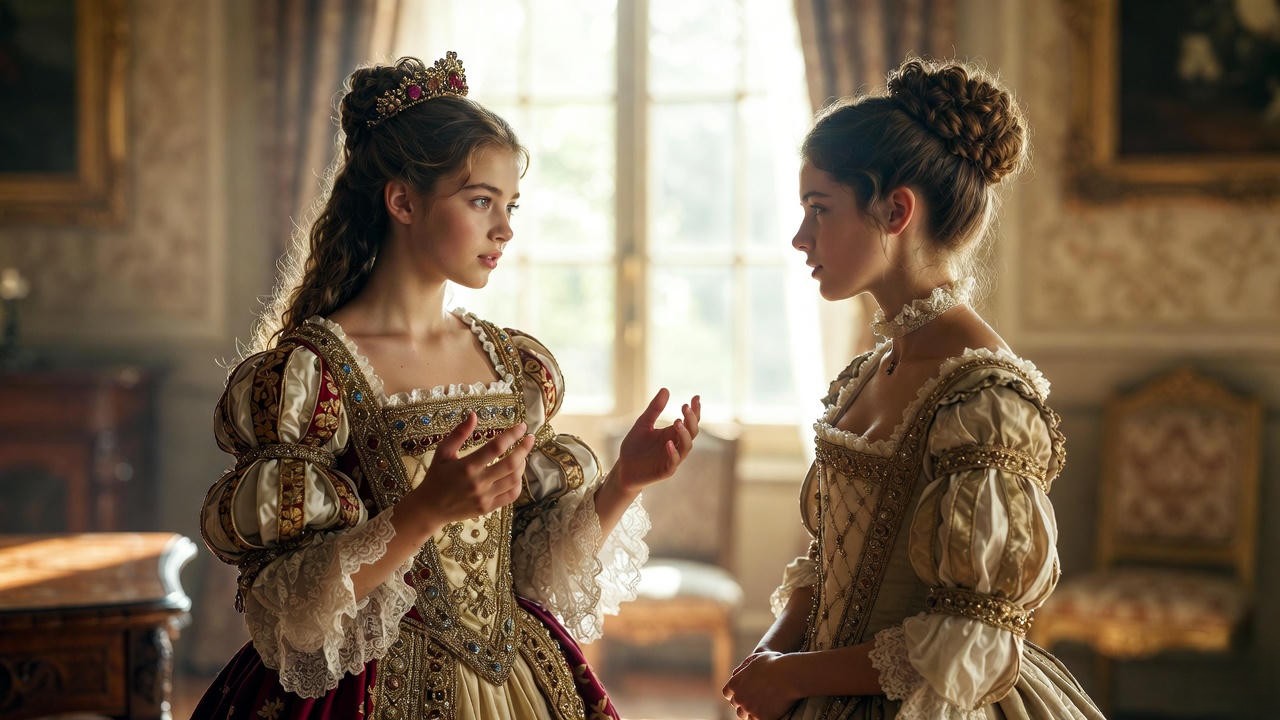
Princess Katherine appears in only three scenes, yet she is one of the play’s most memorable figures. Intelligent, spirited, and linguistically curious, she learns English in a charmingly comic lesson with her lady-in-waiting Alice (Act 3, Scene 4). The scene’s double entendres (mispronouncing English words in ways that sound profane in French) provide levity while highlighting cultural barriers.
Katherine ultimately represents the human stakes of war: her marriage to Henry is the prize that legitimizes English claims to the French throne. Her silent presence at the peace negotiations and her final acquiescence (“Take me, take a soldier; take a soldier, take a king”) underscore the limited agency of royal women in political unions.
Fluellen and the Captains – Unity in Diversity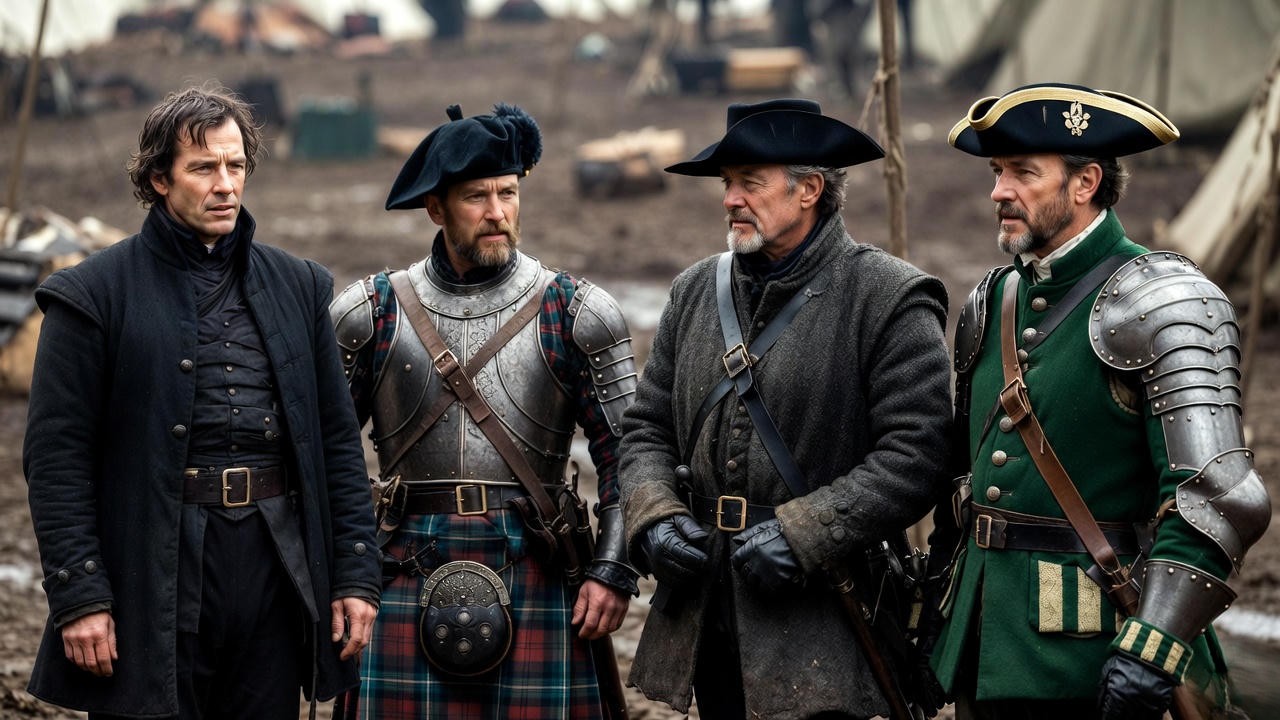
One of Shakespeare’s most innovative contributions in Henry V is the quartet of captains representing the four nations of the British Isles: Fluellen (Welsh), Gower (English), Jamy (Scottish), and Macmorris (Irish). Their famous scene together (Act 3, Scene 2) during the siege of Harfleur is both comic and profoundly symbolic.
Captain Fluellen is the most fully developed of the group. A pedantic Welshman with a pronounced accent (rendered phonetically in the text), he is fiercely honorable, deeply knowledgeable about “the disciplines of the wars,” and quick to take offense at any slight to his nation or profession. His obsession with ancient Roman military tactics—repeatedly comparing modern sieges to “the Roman disciplines”—provides gentle humor while underscoring his integrity. Fluellen’s most memorable moment comes in Act 4 when he forces Pistol to eat a leek as punishment for mocking Welsh customs, a scene rich in national pride and comic retribution.
The other captains appear only briefly:
- Captain Gower, a straightforward Englishman, acts as a calm counterpoint and narrator to the others’ quirks.
- Captain Jamy, the Scot, speaks in broad dialect and expresses enthusiastic agreement.
- Captain Macmorris, the Irishman, is hot-tempered and defensive, famously exploding: “Ish it possible to understand the disciplines of the pristine wars?” before threatening to fight Fluellen over a perceived insult.
Critics often interpret this scene as Shakespeare’s vision of a unified Britain under English leadership. Written during a period when Queen Elizabeth I’s successor was uncertain and James VI of Scotland was a likely heir, the playful banter among the captains suggests that national differences can be harmonized in service of a greater cause. Their shared commitment to the war effort transcends regional rivalries—a subtle piece of political commentary embedded in comedy.
Pistol, Bardolph, Nym, and the Boy – Comic Foils and Moral Mirrors
The remnants of Prince Hal’s Eastcheap companions from the Henry IV plays provide a stark contrast to the heroic main plot. Pistol, Bardolph, Nym, and the Boy (formerly Falstaff’s page) represent the underbelly of war: cowardice, thievery, and exploitation.
Ancient Pistol is a bombastic miles gloriosus—a braggart soldier straight out of classical comedy. His language is an over-the-top pastiche of theatrical bombast (“I speak but in the figures and comparisons of it”), making him both ridiculous and oddly endearing. Married to the Hostess (Mistress Quickly), he embodies survival through bluster rather than bravery. His capture of the French soldier Monsieur le Fer is pure farce: Pistol threatens with incomprehensible swagger, only to accept a bribe for the prisoner’s release.
Bardolph and Corporal Nym are petty criminals whose fates underscore Henry’s new moral order. Bardolph is executed for stealing a pax (a religious tablet) from a church—an act Henry explicitly condemns to maintain discipline and divine favor. Nym, similarly hanged off-stage, completes the purge of Hal’s former companions.
The Boy stands apart as the moral conscience of the group. Young, perceptive, and honest, he sees through Pistol’s bravado: “I did never know so full a voice issue from so empty a heart.” His poignant soliloquy in Act 4, Scene 4, lamenting the cowardice of his masters before being killed during the baggage train massacre, humanizes the collateral damage of war and echoes the innocence lost in conflict.
Together, these characters serve as foils to Henry’s transformation. Their presence reminds the audience of the king’s rejected past while exposing the harsh realities faced by the lower ranks.
The French Nobles – Arrogance and Defeat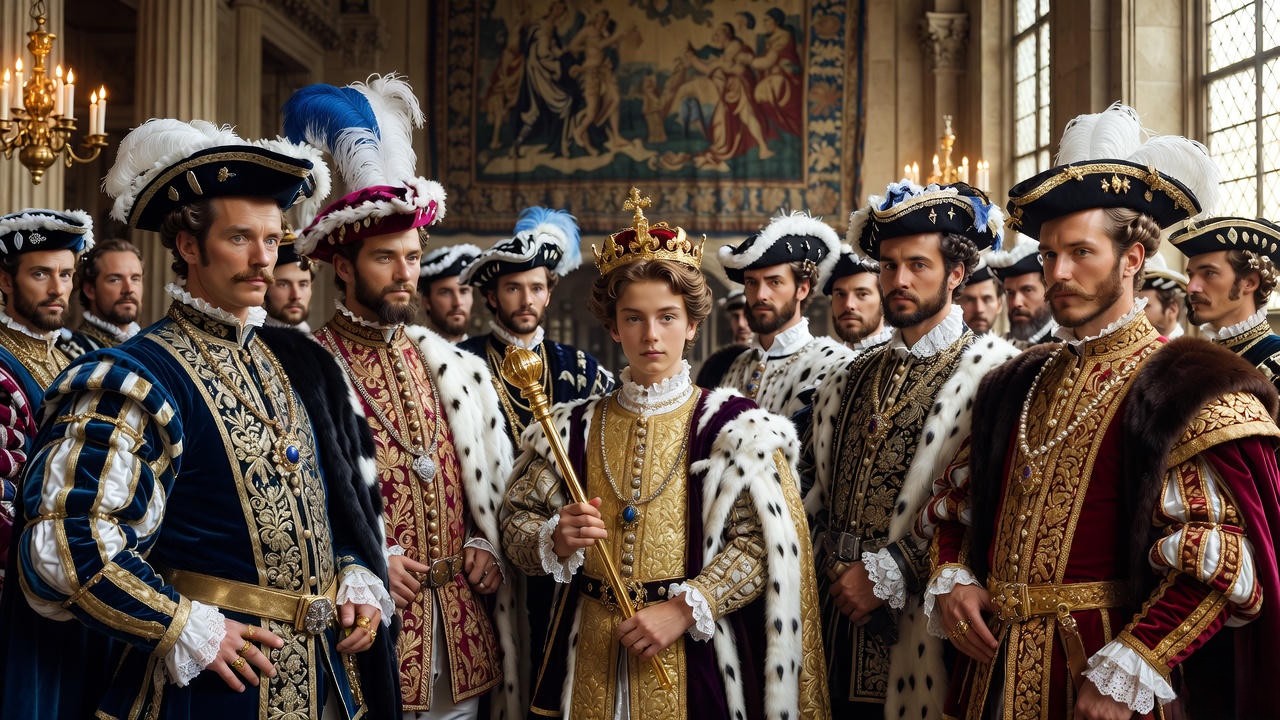
Shakespeare’s portrayal of the French court amplifies the dramatic irony leading to Agincourt. Overconfident and fractious, they underestimate the English at every turn.
The Dauphin (Lewis) is the most vividly drawn antagonist. Petulant and arrogant, he sends Henry the mocking gift of tennis balls in response to the English claim on France—a gesture that fuels Henry’s resolve. His pre-battle boasting (“Let life be short, else shame will be too long”) contrasts sharply with his absence from the actual fighting in Shakespeare’s version (historically inaccurate, but dramatically effective).
King Charles VI is cautious and anxious, haunted by memories of his father’s defeats. The Constable of France, the kingdom’s chief military leader, combines dignity with fatal overconfidence, declaring the English “but earls and barons” against France’s “flower of chivalry.”
Other nobles—Orleans, Bourbon, Rambures, and Grandpré—contribute to the chorus of hubris in the famous night-before-battle scene (Act 3, Scene 7), where they compare their horses and armor while dismissing the English as exhausted and diseased.
Montjoy, the French herald, is a notable exception: dignified, courteous, and professional. His repeated appearances—first demanding surrender, then acknowledging defeat—provide a neutral lens through which English valor is validated.
Supporting Characters and Their Significance
Several minor roles carry disproportionate thematic weight.
The Chorus functions as both narrator and commentator, opening each act with poetic apologies for the stage’s inadequacy (“O for a Muse of fire…”) while urging the audience to imagine epic scope. This device acknowledges the theater’s limitations while elevating the story to mythic status.
Falstaff’s off-stage death, reported by the Hostess in Act 2, Scene 3, is a poignant moment. His babbling of green fields and rejection by the newly crowned king mark the final severance of Henry’s youthful past.
The three traitors—Cambridge, Scroop, and Grey—are uncovered in Act 2 through a cleverly staged trap. Their betrayal, motivated by French gold, highlights internal threats to Henry’s reign and justifies his ruthless decisiveness.
Sir Thomas Erpingham, the veteran knight who lends Henry his cloak during the disguise scene, represents experienced loyalty.
The Governor of Harfleur surrenders quickly after Henry’s terrifying threat of rape and pillage, illustrating the power of psychological warfare.
Character Relationships and Dynamics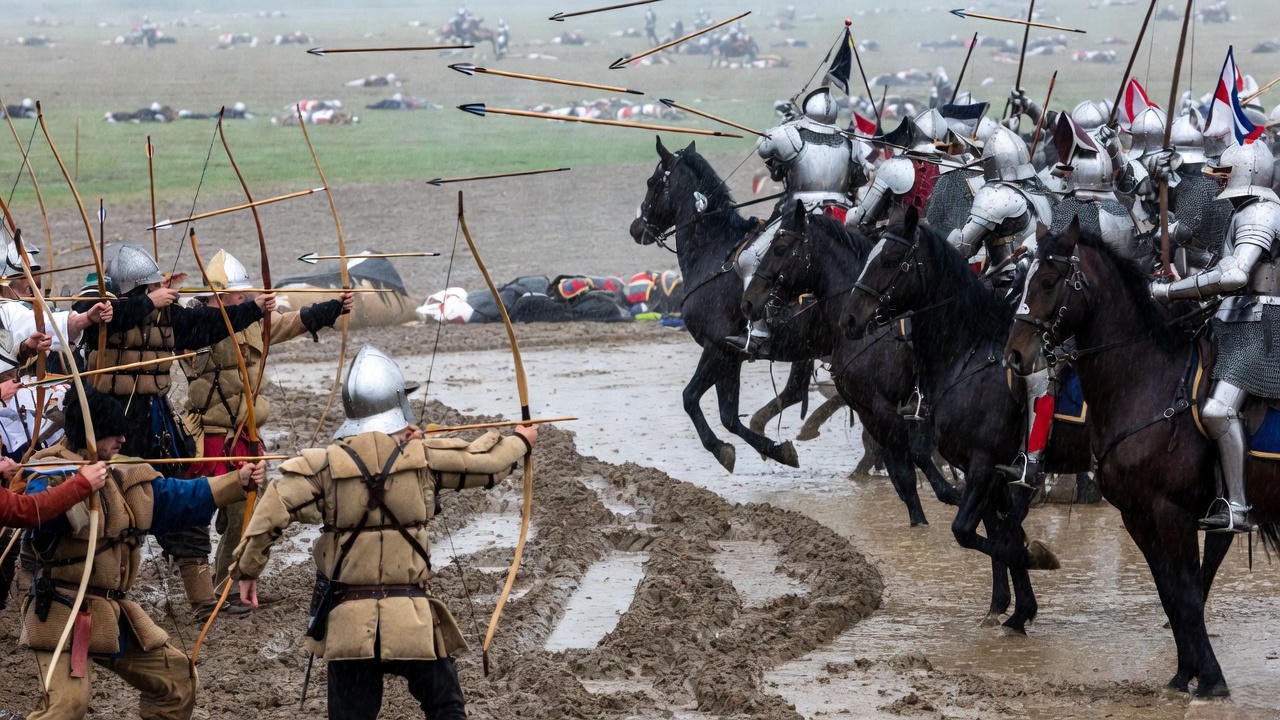
Shakespeare masterfully uses relationships to explore power, loyalty, and identity.
Henry stands at the center of a web: supported by loyal family (Exeter, brothers), distanced from former friends (Eastcheap crew), challenged by soldiers (Williams), and ultimately allied through marriage to Katherine. His rejection of Falstaff and execution of Bardolph demonstrate the isolation of kingship—“uneasy lies the head that wears a crown,” as his father warned.
The captains’ banter illustrates horizontal camaraderie across national lines, while the French nobles’ infighting exposes disunity.
Henry’s wooing of Katherine is both personal and political: their language barrier scene mirrors the broader cultural clash, resolved (temporarily) through conquest and marriage.
A simple character map reveals Henry as the gravitational center—every relationship either reinforces his authority or tests its limits.
Themes Explored Through the Characters
The Henry V characters collectively illuminate Shakespeare’s major concerns:
- Leadership and Rhetoric: Henry’s speeches inspire unity and valor, but also raise questions about manipulation.
- Honor and Justice: Executions of Bardolph and the traitors enforce discipline; mercy toward Harfleur’s citizens shows restraint.
- War’s Dual Face: Nobles glorify battle; common soldiers (Williams, Bates) fear death and question the king’s cause.
- National Identity: Multilingual captains embody emerging British unity; Katherine’s English lesson symbolizes cultural assimilation.
- Gender and Power: Katherine and the Hostess represent women affected by male ambition.
Historical vs. Shakespearean Characters
While rooted in history, Shakespeare freely adapts for dramatic effect.
The real Henry V was a devout and capable warrior-king who won Agincourt in 1415 and later married Catherine of Valois. Chronicles like Holinshed praised his piety and leadership. Shakespeare amplifies the heroism while subtly questioning the war’s legitimacy (e.g., the bishops’ convoluted Salic law justification).
Falstaff is entirely fictional (inspired by historical figures like Sir John Oldcastle). The Dauphin was not at Agincourt historically—Shakespeare conflates him with other princes to heighten antagonism.
The common soldiers’ debate with the disguised king has no direct historical source but brilliantly dramatizes the moral burden of command.
Notable Adaptations and Portrayals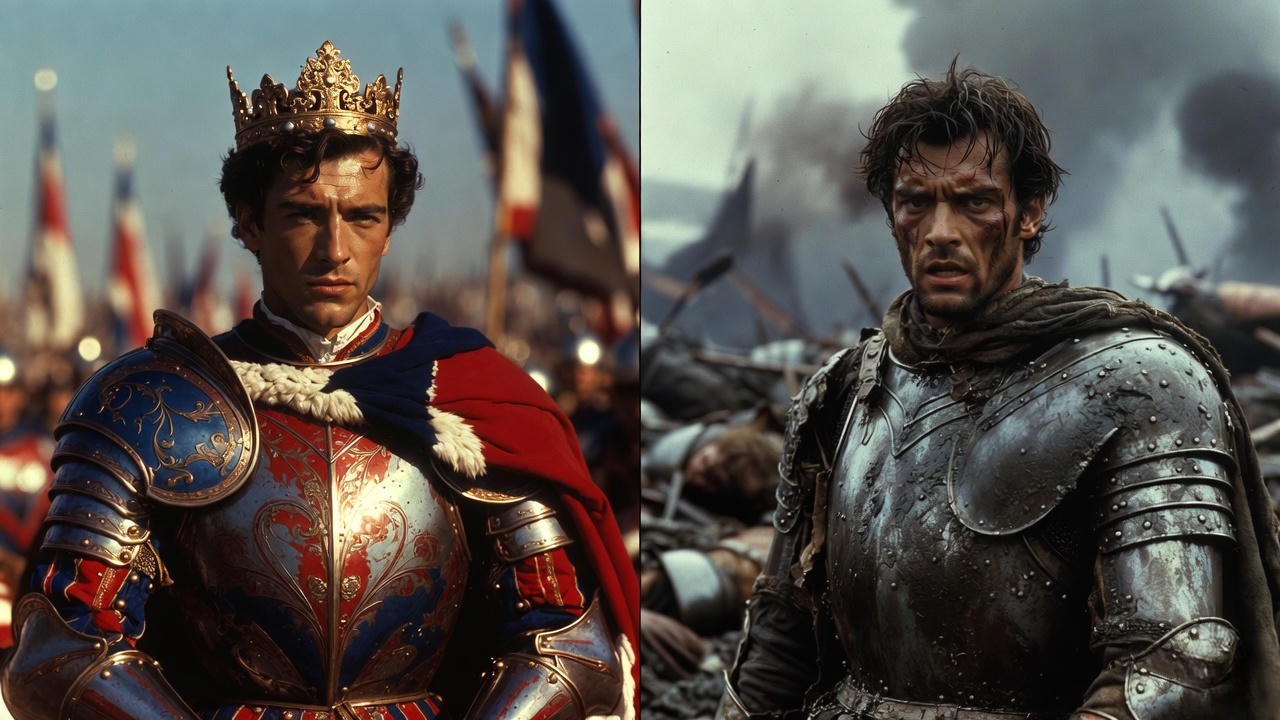
Henry V has inspired iconic performances:
- Laurence Olivier (1944 film): Made during World War II, this patriotic version presents Henry as an unequivocal hero. Olivier’s crisp delivery of the St. Crispin’s Day speech became legendary.
- Kenneth Branagh (1989 film): Younger and battle-weary, Branagh’s Henry is more ambiguous—gritty, emotional, and visibly haunted after Agincourt. The non-linear opening and muddy realism influenced modern interpretations.
- Tom Hiddleston (BBC’s The Hollow Crown, 2012): Charismatic yet introspective, completing the arc from reckless Hal to mature king.
- Stage productions often highlight the Chorus’s role—sometimes splitting lines among the ensemble to emphasize communal storytelling.
These adaptations demonstrate how different eras reinterpret the same characters to reflect contemporary concerns about war and leadership.
FAQs About Henry V Characters
Who is the protagonist of Henry V? King Henry V is unambiguously the central figure and protagonist.
Why is Falstaff only mentioned and not present? His off-stage death symbolizes Henry’s complete rejection of his youthful irresponsibility and the Eastcheap world.
Are the common soldiers important characters? Yes—Bates, Court, and especially Michael Williams humanize the cost of war and challenge Henry’s authority directly.
How many speaking roles are in Henry V? Over 40, one of Shakespeare’s largest ensembles, reflecting the scope of national conflict.
Is Princess Katherine a major character? Though she appears in few scenes, her symbolic role in conquest and peace makes her essential.
Who delivers the most famous speech? Henry’s St. Crispin’s Day speech (Act 4, Scene 3) is widely regarded as one of Shakespeare’s greatest rhetorical achievements.
The Henry V characters form a brilliant mosaic of heroism, frailty, comedy, and tragedy that continues to captivate audiences more than four centuries later. From the transformative arc of King Henry himself to the poignant commentary offered by common soldiers and foreign princesses, Shakespeare uses each figure to probe profound questions about power, honor, and the human cost of ambition.
This guide has equipped you with a complete reference, deep textual analysis, historical context, and interpretive insights—everything needed to teach, perform, write about, or simply enjoy the play more fully. Revisit the text, watch a production, or explore the rest of the Henriad (Richard II, Henry IV Parts 1 and 2) to trace Henry’s journey further.