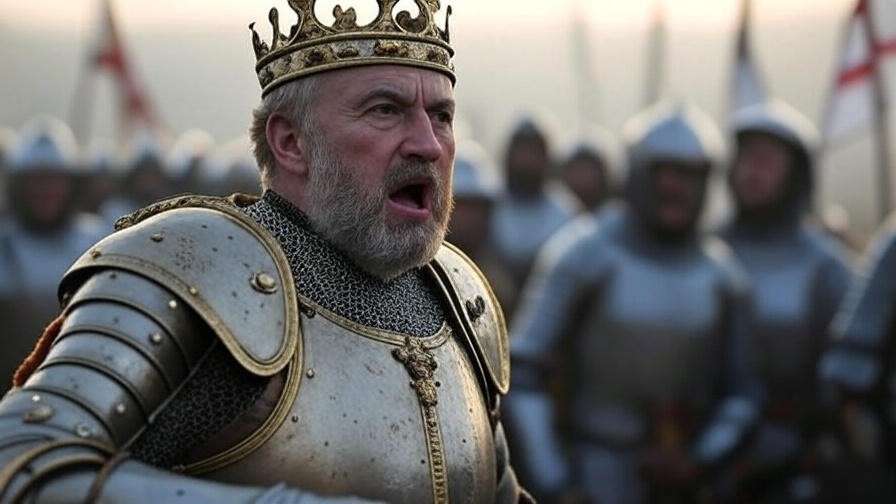
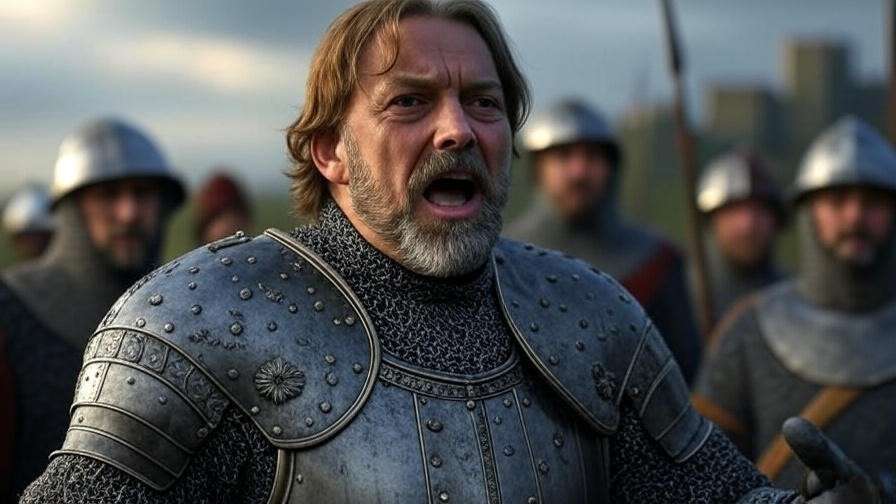
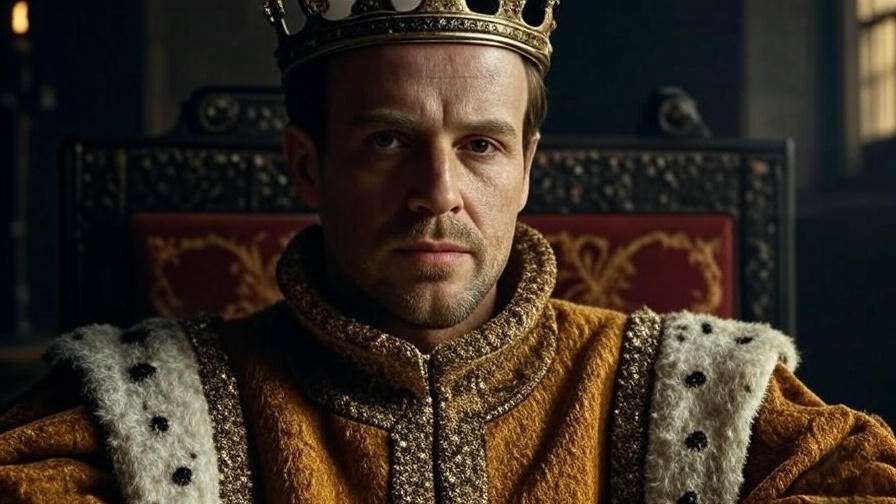
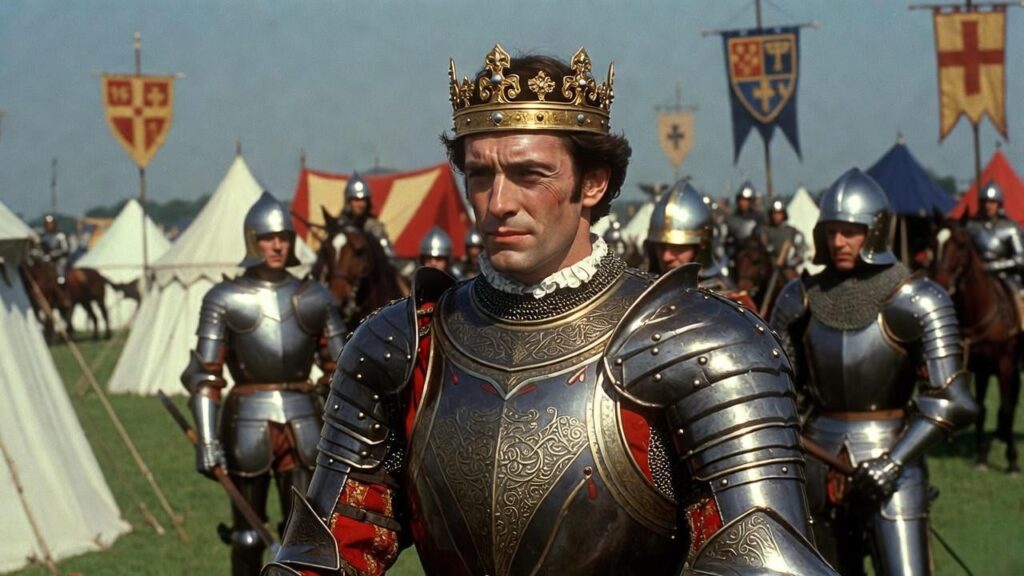
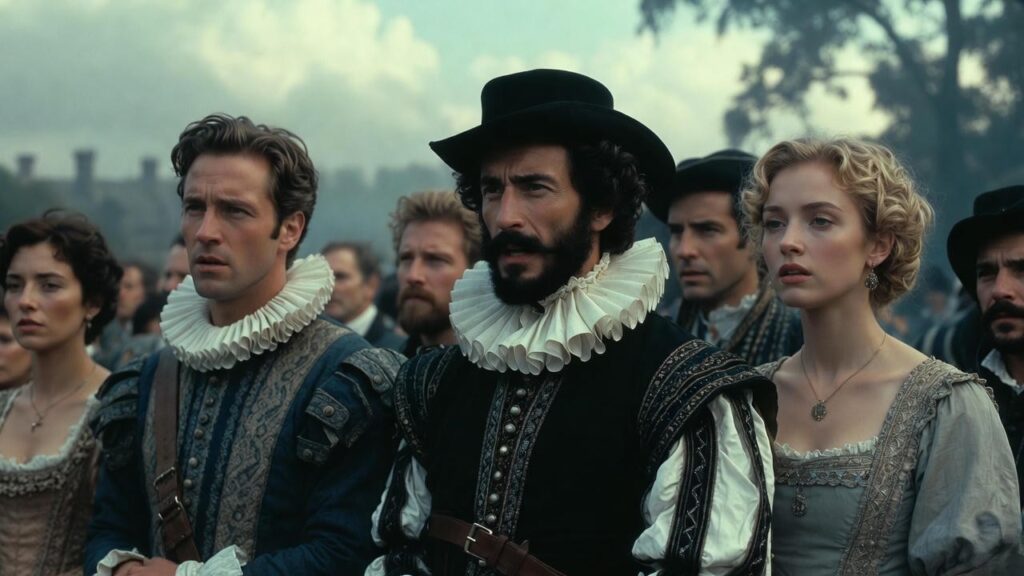
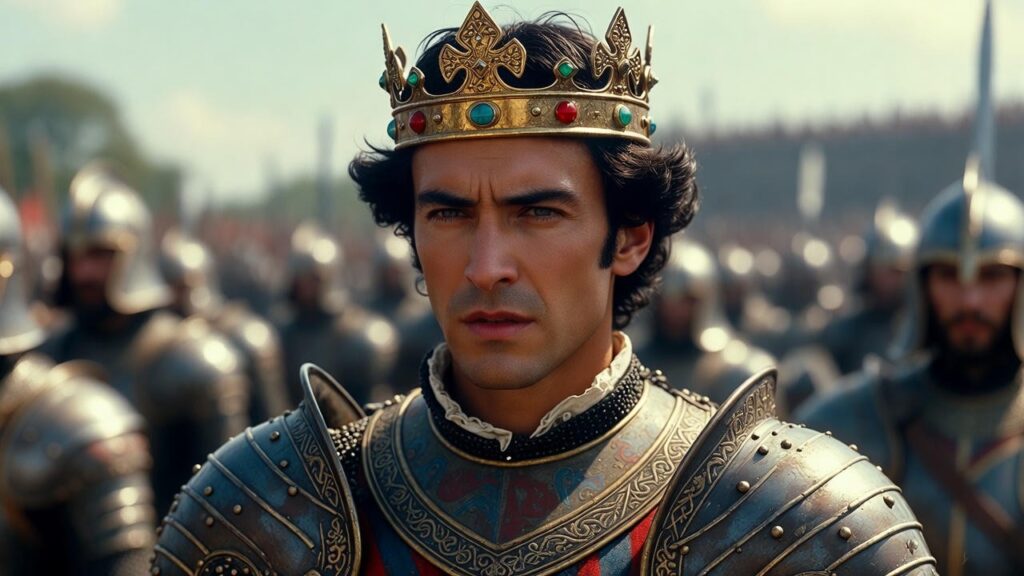
O for a Muse of fire, that would ascend The brightest heaven of invention…
With these stirring words, Shakespeare’s Chorus launches Henry V (c. 1599), one of the most celebrated history plays in the English language. Yet beneath the rousing speeches, the heroic Agincourt battle, and the triumphant wooing of Princess Katherine lies a quieter but no less powerful force: genealogy. Henry V’s entire campaign in France—and indeed his legitimacy as king—rests on intricate royal bloodlines, disputed claims, and ancestral legacies. For readers, students, actors, and theater lovers, the tangled family tree of the Plantagenets and Lancastrians often obscures the drama rather than illuminates it. This comprehensive guide unravels Henry V’s genealogy, tracing his lineage from Edward III through the Lancastrian usurpation to his own heirs, while showing how Shakespeare transforms historical ancestry into profound themes of power, legitimacy, inheritance, and national identity.
If you’ve ever puzzled over why the Archbishop of Canterbury delivers a lengthy lecture on Salic law in Act 1, or how Henry’s claim to France connects to the broader chaos of the Wars of the Roses foreshadowed in later plays, this article provides clarity. Drawing on Shakespeare’s text, Holinshed’s Chronicles (a key source), and historical records, we’ll map the royal family tree, analyze its dramatic function, and offer insights that go beyond basic summaries—making this the definitive resource for understanding Henry V‘s genealogical heart.
Who Was Henry V? Historical Context vs. Shakespeare’s Portrayal
To appreciate the genealogy in Henry V, we must first distinguish the historical figure from Shakespeare’s dramatic creation.
The Real Henry V – From Prince Hal to Victor of Agincourt
Born on September 16, 1387, at Monmouth Castle in Wales, Henry was the eldest surviving son of Henry Bolingbroke (later Henry IV) and Mary de Bohun, a wealthy heiress whose inheritance bolstered the Lancastrian claim. As Prince of Wales, young Henry gained military experience fighting Welsh rebels under Owain Glyndŵr and later suppressing uprisings in England. Far from the carousing “Prince Hal” of legend, historical accounts portray him as disciplined, pious, and administratively capable. He ascended the throne in 1413 at age 25 upon his father’s death and promptly renewed the Hundred Years’ War with France, culminating in the stunning victory at Agincourt in 1415. Henry died young in 1422 at age 35, leaving an infant son, Henry VI.
Shakespeare’s Henry – Redemption Arc Across the Tetralogy
Shakespeare presents Henry as a reformed prodigal in the second tetralogy (Richard II, Henry IV Parts 1 & 2, and Henry V). In Henry IV, he is the wayward Prince Hal, carousing with Falstaff in Eastcheap taverns, yet always planning his “reformation.” By Henry V, he emerges as a model king: eloquent, devout, strategic, and inspiring. This transformation serves Shakespeare’s exploration of kingship—what makes a ruler legitimate and effective? Genealogy provides the foundation: Henry’s father usurped the throne from Richard II, making his reign vulnerable to charges of illegitimacy. Shakespeare uses ancestry to show Henry proving his right through conquest and divine favor.
Why Genealogy Defines His Kingship
The Lancastrian line stemmed from John of Gaunt (Edward III’s third son), whose son Henry IV deposed Richard II (grandson of Edward III via the Black Prince). This usurpation created ongoing tension. In Henry V, Shakespeare emphasizes Henry’s need to affirm his divine right through martial success and ancestral claims, especially against France.
The Core Family Tree – Henry V’s Immediate Ancestry and Descendants
Henry V’s family tree centers on the House of Lancaster, a cadet branch of the Plantagenets descending from Edward III (r. 1327–1377).
Henry V’s Parents and Siblings – The Lancastrian Foundation
- Father: Henry IV (Henry Bolingbroke, r. 1399–1413), son of John of Gaunt, Duke of Lancaster, and Blanche of Lancaster. He seized the throne from Richard II in 1399.
- Mother: Mary de Bohun (d. 1394), co-heiress of Humphrey de Bohun, Earl of Hereford. Her death in childbirth left Henry an orphan of sorts early on.
- Siblings:
- Thomas, Duke of Clarence (1387–1421), killed at Baugé.
- John, Duke of Bedford (1389–1435), regent in France after Henry’s death.
- Humphrey, Duke of Gloucester (1390–1447), “Good Duke Humphrey,” protector during Henry VI’s minority.
- Sisters Blanche and Philippa (both died young or childless in relevant lines).
These brothers appear in Henry V as loyal supporters, highlighting family unity under Henry’s leadership.
Henry V’s Marriage and Heir
Henry married Catherine of Valois, daughter of Charles VI of France, in 1420 (Treaty of Troyes). Their son, Henry VI (b. 1421), inherited both thrones briefly before the losses in France and the Wars of the Roses. This union symbolizes Henry’s triumph but also sows seeds for future tragedy in the Henry VI plays.
Visual Aid: Simplified Family Tree
(Imagine a chart here: Edward III → John of Gaunt → Henry IV → Henry V → Henry VI. Branches include uncles like Clarence, Bedford, Gloucester.)
| Key Family Members in Henry V | Relation to Henry V | Role in Play / Historical Note |
|---|---|---|
| Henry IV | Father | Usurper; his death opens the play |
| Thomas, Duke of Clarence | Brother | Military commander; dies post-play |
| John, Duke of Bedford | Brother | Regent figure implied |
| Humphrey, Duke of Gloucester | Brother | Loyal advisor |
| Catherine of Valois | Wife | Wooed in final scene; historical marriage |
| Charles VI of France | Father-in-law | Mad king; concedes in treaty |
This table helps readers track characters and their blood ties.
Tracing the Claim to France – The Genealogical Heart of the Play
The play’s central conflict—Henry’s invasion of France—hinges on genealogy.
Edward III and the Plantagenet Legacy
Henry’s claim traces to Edward III, whose mother Isabella was daughter of Philip IV of France. When Charles IV died without male heirs in 1328, Edward asserted rights through his mother, igniting the Hundred Years’ War. Shakespeare invokes Edward III and ancestors like the Black Prince (Edward of Woodstock) to legitimize Henry’s ambitions.
The Salic Law Debate – Act 1, Scene 2 Breakdown
In one of Shakespeare’s longest speeches, Archbishop Canterbury dismantles the French use of Salic law (“In terram Salicam mulieres ne succedant” – No woman shall succeed in Salic land). He argues:
- The law originated in Germany (near the Sala River), not France.
- French kings themselves inherited via female lines (e.g., Pepin, Hugh Capet, Louis IX).
- Henry’s great-great-grandmother Isabella provides valid descent.
Shakespeare dramatizes this to show Henry’s careful conscience—he seeks justification before war. The speech, though tedious in reading, builds tension and underscores themes of legal manipulation and divine right.
How Shakespeare Dramatizes Ancestry
References abound: Henry invokes “mighty ancestors” and Edward the Black Prince in speeches. The St. Crispin’s Day oration unites Englishmen through shared heritage and blood. Genealogy fuels motivation—Henry fights not just for land but to reclaim ancestral honor.
Historical vs. Dramatic Accuracy
Shakespeare draws from Raphael Holinshed’s Chronicles (1587), amplifying the Salic law debate for drama. Historically, the claim was tenuous; Salic law was invoked post-1328, but Shakespeare prioritizes theatrical legitimacy.
Historical vs. Dramatic Accuracy
(continued) Holinshed’s Chronicles provided Shakespeare with the raw material for the Salic law argument, including the archbishop’s examples of French kings who inherited through the female line. However, Shakespeare condenses and heightens the rhetoric for theatrical effect. Historically, the English claim was never universally accepted in Europe; the Valois dynasty had consolidated power precisely by invoking Salic law to exclude Edward III’s line. Shakespeare’s version serves a dramatic purpose: it allows Henry to appear scrupulous and pious—he will not proceed to war without clerical and legal blessing—while simultaneously exposing the malleability of historical precedent when wielded by those in power.
By centering the justification on genealogy rather than mere conquest, Shakespeare underscores a recurring question in his history plays: Is kingship inherited by blood alone, or must it be earned through action and divine sanction?
Broader Connections – Links to Other Shakespeare History Plays
Henry V does not stand alone; it forms the triumphant centerpiece of Shakespeare’s second tetralogy (also called the “Henriad”), a four-play cycle that traces the rise and fragility of the Lancastrian dynasty.
The Second Tetralogy Overview
- Richard II (c. 1595): The deposition of the anointed Richard II by Henry Bolingbroke (Henry IV) sets the genealogical fracture in motion. Richard’s childless death ends the direct Plantagenet line from Edward III’s eldest son, the Black Prince.
- Henry IV, Part 1 & Part 2 (c. 1596–1598): Henry IV’s reign is plagued by rebellion (Hotspur, the Percys, the Archbishop of York) partly because many nobles view him as a usurper. Prince Hal’s apparent wildness masks his preparation to restore legitimacy through martial glory.
- Henry V (c. 1599): The cycle reaches its zenith as the reformed king wins France, symbolically cleansing the stain of usurpation with victory and a French marriage alliance.
Genealogy links each play: the same bloodline that justified Bolingbroke’s seizure now compels his son to prove its worth abroad.
Foreshadowing the Wars of the Roses The ending of Henry V is bittersweet. The Chorus’s epilogue reminds audiences that Henry’s early death left “this most gracious lady” (Catherine) and “their infant heir” (Henry VI), whose minority reign would unleash civil war. Shakespeare’s audience in the 1590s knew the outcome: the Lancastrian line would collapse, leading to the Yorkist challenge and the Wars of the Roses dramatized in the first tetralogy (Henry VI Parts 1–3 and Richard III).
Key genealogical threads that bridge the plays include:
- The Mortimer claim: Edmund Mortimer, Earl of March, was Richard II’s designated heir through the female line (descended from Lionel of Antwerp, Edward III’s second son). This claim passes to the Yorkist line and fuels rebellion in Henry VI.
- Uncles Bedford and Gloucester: Both survive Henry V and become central figures in Henry VI, Part 1, where Bedford dies in France and Gloucester’s ambition clashes with Cardinal Beaufort.
| Cross-Play Family Overlaps | Play(s) Involved | Genealogical Significance |
|---|---|---|
| John of Gaunt | Richard II, Henry IV | Founder of Lancastrian line |
| Edmund Mortimer | Henry IV Part 1, Henry VI | Yorkist claim via female descent |
| Duke of Bedford | Henry V, Henry VI Part 1 | Regent; stabilizes France temporarily |
| Duke of Gloucester | Henry V, Henry VI trilogy | Protector; rivalry with Beauforts |
| Richard Plantagenet (York) | Henry VI trilogy | Inherits Mortimer claim; challenges Henry VI |
This table illustrates how Shakespeare uses genealogy to create continuity across eight history plays, turning individual reigns into a sweeping national tragedy.
Themes Illuminated by Genealogy – Legitimacy, Power, and Identity
Genealogy in Henry V is far more than background detail; it drives the play’s deepest philosophical inquiries.
Divine Right vs. Conquest Henry repeatedly invokes God and ancestry (“We few, we happy few, we band of brothers” implies shared blood and divine favor), yet his success at Agincourt is won by strategy, morale, and sheer force. Shakespeare subtly questions whether divine right is inherited or proven on the battlefield.
Unity Through Shared Blood The famous St. Crispin’s Day speech transforms disparate English soldiers into a family bound by common heritage and purpose. Genealogy here becomes a tool of national cohesion, contrasting with the fractured French court.
The Cost of Royal Lineage The Chorus’s final speech reminds us that Henry’s victories are temporary. The infant Henry VI will inherit a double crown he cannot hold, leading to civil war. Shakespeare thus presents genealogy as both a source of strength and a curse—legitimacy is fragile when tied to blood rather than merit.
Expert Insights and Analysis Tips for Readers
For modern audiences, directors, and students, genealogy offers rich interpretive possibilities:
- In performance: Actors playing Henry can emphasize moments of ancestral invocation (e.g., the tennis-ball insult) to show how personal pride in lineage fuels national ambition. Compare Laurence Olivier’s 1944 patriotic version, Kenneth Branagh’s 1989 gritty realism, and the 2012 Hollow Crown adaptation’s psychological depth.
- Common misconceptions: Many viewers assume Henry’s claim is ironclad; in reality, it was one of several competing claims. Shakespeare dramatizes the justification, not its certainty.
- Contemporary relevance: The play’s exploration of inherited power, manufactured legitimacy, and nationalism resonates in debates about monarchy, empire, and identity today.
Frequently Asked Questions (FAQs)
Is Henry V’s claim to France legitimate historically? No single answer exists. The English claim via Edward III’s mother was rejected by France, which upheld Salic law. Modern historians view it as a convenient pretext for war rather than an airtight legal case.
How does the family tree connect to the Wars of the Roses? Henry V’s early death left a weak minority reign under Henry VI. The Mortimer/Yorkist claim (via female descent from Lionel of Antwerp) challenged the Lancastrians, igniting civil war in the 1450s–1480s.
Who are the key ancestors mentioned in the play? Edward III, Edward the Black Prince, and (implicitly) John of Gaunt. They symbolize past English glory in France (Crécy, Poitiers).
What are the main differences between historical and Shakespearean Henry V genealogy? Shakespeare simplifies and amplifies: he gives the archbishop a longer, more rhetorical justification and downplays Henry’s administrative ruthlessness (e.g., executing traitors like Cambridge, whose claim was genealogical).
Genealogy is the unseen engine of Henry V. It justifies war, legitimizes rule, unites a nation, and foreshadows tragedy. By carefully mapping Henry’s royal family tree—from the Lancastrian usurpation through Edward III’s French claim to the fragile heir left behind—readers gain a clearer lens through which to view Shakespeare’s portrait of kingship. The play asks timeless questions: Can blood alone confer right to rule? Must a king earn his crown anew in every generation?
Revisit Henry V with this family tree in hand, and the Chorus’s call for imagination becomes a call to understand the deep historical currents beneath the surface drama. Shakespeare’s genius lies in turning a tangled web of royal ancestry into a mirror for human ambition, duty, and destiny.