Have you ever searched for Shakespeare’s heroic King Henry V—famous for the Battle of Agincourt and rallying cries like “We few, we happy few, we band of brothers”—only to stumble upon references to a different ruler named Henry V, Holy Roman Emperor? If so, you’re not alone. This common mix-up stems from two powerful medieval leaders sharing the exact same regal name and numbering, despite living in entirely different eras and contexts. Shakespeare’s iconic play immortalizes the English Henry V as a triumphant warrior-king, but the Holy Roman Emperor Henry V was a complex figure entangled in one of the most pivotal church-state conflicts in European history: the Investiture Controversy.
In this comprehensive guide, we’ll unravel the confusion once and for all. We’ll explore the life, reign, and legacy of Henry V, Holy Roman Emperor (1086–1125), the last of the Salian dynasty, while clarifying why he’s distinctly separate from Shakespeare’s 15th-century English counterpart. Drawing on primary historical sources, modern scholarship, and contextual analysis, this article provides the clarity Shakespeare enthusiasts and history buffs seek—going beyond surface-level overviews to deliver deeper insights into medieval power dynamics, papal-imperial relations, and unexpected English connections.
By the end, you’ll understand not only the distinctions but also the broader European landscape that indirectly influenced the world Shakespeare dramatized centuries later. Let’s dive in.
Who Was Henry V, Holy Roman Emperor? A Quick Overview
Henry V (born August 11, 1086; died May 23, 1125) was the fourth and final ruler of the Salian dynasty, serving as King of Germany from 1099 (initially as co-ruler) and Holy Roman Emperor from 1111 until his death. He inherited a turbulent empire from his father, Henry IV, whose own reign had been marred by the escalating Investiture Controversy—a bitter struggle between emperors and popes over the right to appoint (or “invest”) bishops and abbots.
Birth, Family, and Rise to Power
Born in Goslar, Saxony, Henry V was the son of Emperor Henry IV and Bertha of Savoy. From a young age, he was groomed for rule amid the Salian dynasty’s efforts to consolidate power in the Holy Roman Empire. In 1098, at age 12, he was elected King of the Romans (the traditional title for the heir apparent), but tensions quickly arose with his father.
By 1105, Henry V rebelled against Henry IV, capturing him and forcing his abdication in 1105–1106. This filial betrayal, though harsh, was politically motivated: many German princes and church reformers supported the younger Henry, viewing him as a potential reconciler in the ongoing papal conflict. Henry IV died shortly after in 1106, leaving his son as undisputed king.
Key Facts at a Glance
| Aspect | Details |
|---|---|
| Birth | August 11, 1086 (likely), Goslar, Saxony |
| Reign as King of Germany | 1099–1125 (co-ruler until 1106) |
| Coronation as Emperor | April 13, 1111, by Pope Paschal II in Rome |
| Death | May 23, 1125, Utrecht (likely from cancer); buried in Speyer Cathedral |
| Dynasty | Salian (last ruler) |
| Marriage | Matilda (Empress Maud), daughter of Henry I of England (1114; childless) |
| Major Achievement | Concordat of Worms (1122): Resolved the Investiture Controversy |
Henry’s reign marked the end of the Salian era and a shift toward greater princely influence in the empire, setting the stage for the Hohenstaufen dynasty.
The Two Henry Vs: Clearing Up the Confusion
The search term “Henry V Holy Roman Emperor” often arises from readers encountering Shakespeare’s Henry V (written c. 1599) and wondering about historical overlaps. Let’s directly address this.
Henry V of England (Shakespeare’s Hero)
- Born: September 16, 1386 (Monmouth, Wales)
- Reigned: 1413–1422
- Key Events: Victory at Agincourt (1415), conquests during the Hundred Years’ War, marriage to Catherine of Valois
- Shakespeare’s Portrayal: A maturing prince-turned-king, embodying English nationalism and military genius
Shakespeare drew from chronicles like Holinshed’s, focusing on English patriotism. The play mentions a visiting “Emperor” post-Agincourt—but this refers to Sigismund (Holy Roman Emperor 1433–1437), who visited England in 1416 to broker peace.
Henry V, Holy Roman Emperor (The German Ruler)
- Lived over 250 years earlier (died 1125)
- Centered on German-Italian affairs and papal conflicts
- No involvement in English-French wars of the 15th century
Why the Mix-Up Happens
- Identical name and Roman numeral “V”
- Both were crowned in contexts involving Rome/papal relations
- Medieval European interconnectedness: Shakespeare’s era featured a Holy Roman Emperor (e.g., Charles V), blurring lines for modern readers
- Online searches conflate results due to shared keywords like “Henry V emperor”
Timeline Comparison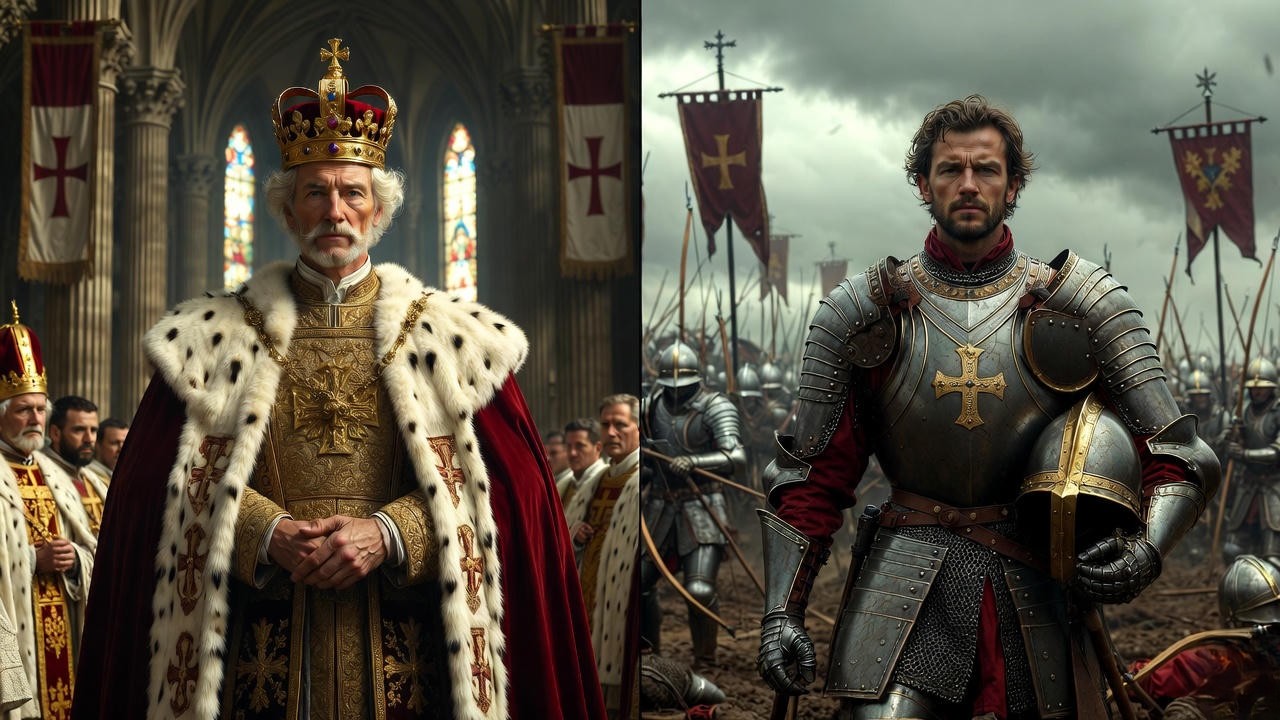
| Period/Event | Henry V, Holy Roman Emperor (1086–1125) | Henry V of England (1386–1422) |
|---|---|---|
| Early Life | Rebellion against father (1105) | Prince Hal’s youthful exploits (Shakespearean legend) |
| Ascension | 1106 (after forcing abdication) | 1413 (succeeded Henry IV) |
| Major Conflict | Investiture Controversy; Italian expeditions | Hundred Years’ War; Agincourt (1415) |
| Papal/Imperial Ties | Forced coronation (1111); Concordat of Worms (1122) | Diplomatic visit from Emperor Sigismund (1416) |
| Death & Legacy | Childless; end of Salian dynasty | Died young; succeeded by infant Henry VI |
This side-by-side view highlights the centuries-wide gap—no direct connection exists.
The Life and Reign of Henry V, Holy Roman Emperor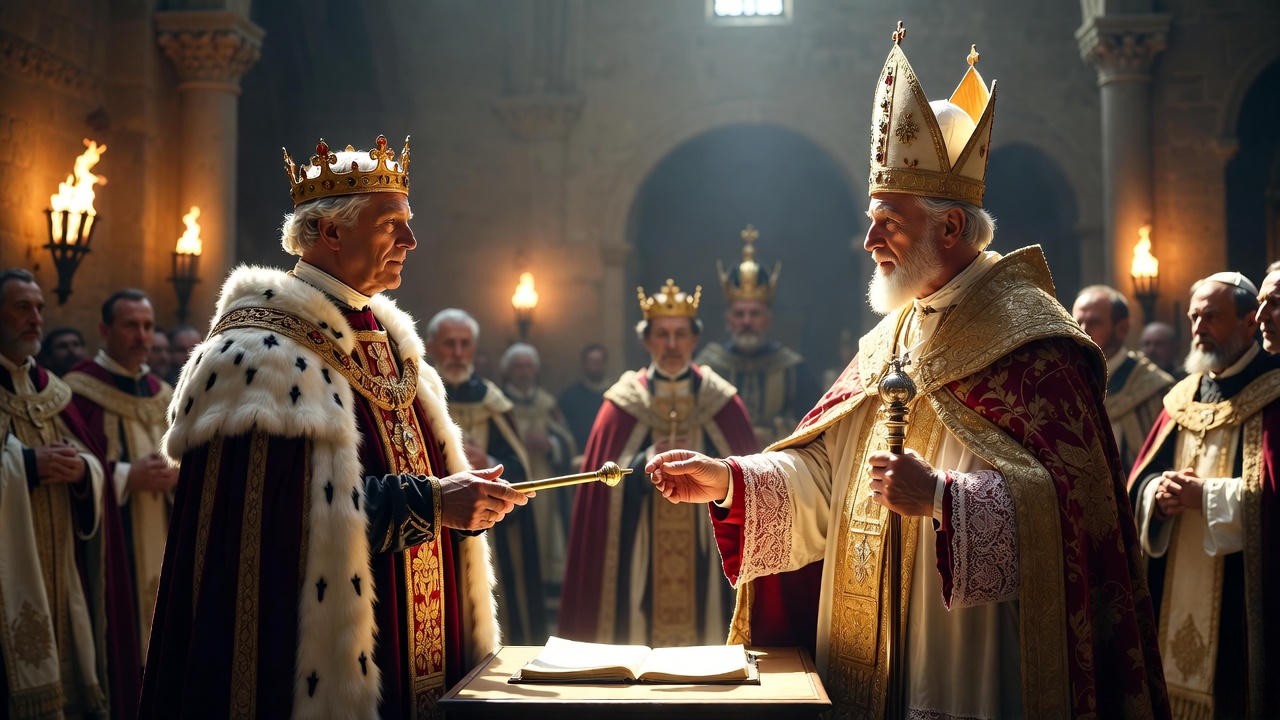
Henry V’s rule was defined by the continuation—and eventual resolution—of the Investiture Controversy that had dominated his father’s reign. Unlike Shakespeare’s warrior-king charging across French battlefields, this Henry V spent much of his energy navigating the intricate politics of Germany, Italy, and the Papacy.
Rebellion Against His Father
The Investiture Controversy erupted under Henry IV, who clashed with Pope Gregory VII over lay investiture—the emperor’s traditional right to appoint bishops with ring and staff, symbols of spiritual authority. Gregory’s reforms sought to free the Church from secular control, leading to Henry IV’s famous humiliation at Canossa in 1077.
By the early 1100s, many German princes and reformers saw the younger Henry as a means to end the stalemate. In 1105, Henry V led a rebellion, capturing his father at Böckelheim and compelling him to abdicate. Henry IV escaped briefly but died in 1106, broken and excommunicated. Contemporary chroniclers viewed the son’s actions as both dutiful (restoring peace) and treacherous.
The Italian Expedition and Imperial Coronation (1110–1111)
Determined to secure his imperial title, Henry V marched into Italy in 1110 with a large army. Pope Paschal II, hoping to avoid conflict, initially agreed to a treaty (the Treaty of Sutri, 1111) whereby the emperor would renounce lay investiture in exchange for the Church surrendering its regalia (lands and rights granted by emperors).
However, when Paschal attempted to proclaim this publicly in Rome, opposition from cardinals and Roman nobles forced a reversal. Henry responded by arresting the pope and several cardinals, holding them until Paschal conceded. On April 13, 1111, Paschal crowned Henry emperor and granted the Privilege of Ponte Mammolo, affirming the emperor’s right to invest bishops with regalia before their spiritual consecration.
This forced coronation earned Henry excommunication from reformist factions, but it solidified his imperial authority.
Ongoing Conflicts with the Papacy
The 1111 privilege proved unsustainable. Rebellions flared in Germany, led by figures like Archbishop Adalbert of Mainz, who saw Henry as a tyrant. Henry faced multiple excommunications and had to suppress uprisings in Saxony and elsewhere.
The Concordat of Worms (1122)
The turning point came in 1122 with the Concordat of Worms, negotiated between Henry V and Pope Calixtus II. This landmark agreement distinguished between:
- Spiritual investiture (ring and staff): Performed by the Church.
- Temporal investiture (scepter): Retained by the emperor, symbolizing feudal rights over lands.
Elections of bishops were to be free, but held in the emperor’s presence (in Germany), giving him significant influence without direct appointment. The Concordat ended the most violent phase of the Investiture Controversy and became a model for later church-state relations across Europe.
Historians widely regard this as Henry V’s greatest achievement—a pragmatic compromise that preserved imperial prestige while conceding ground to Gregorian reforms.
Domestic Challenges and Reforms
Beyond papal conflicts, Henry strengthened royal administration by promoting ministeriales—unfree knights who rose to administrative and military prominence, forming a loyal bureaucracy. He also supported urban growth and granted privileges to towns, laying groundwork for later medieval economic development.
Attempts to make the throne hereditary failed, however, as German princes jealously guarded their elective rights.
Marriage to Matilda: A Surprising English Connection
One of the most intriguing aspects of Henry V’s reign—and the closest link to Shakespearean England—is his marriage to Matilda (also known as Empress Maud).
Betrothal and Wedding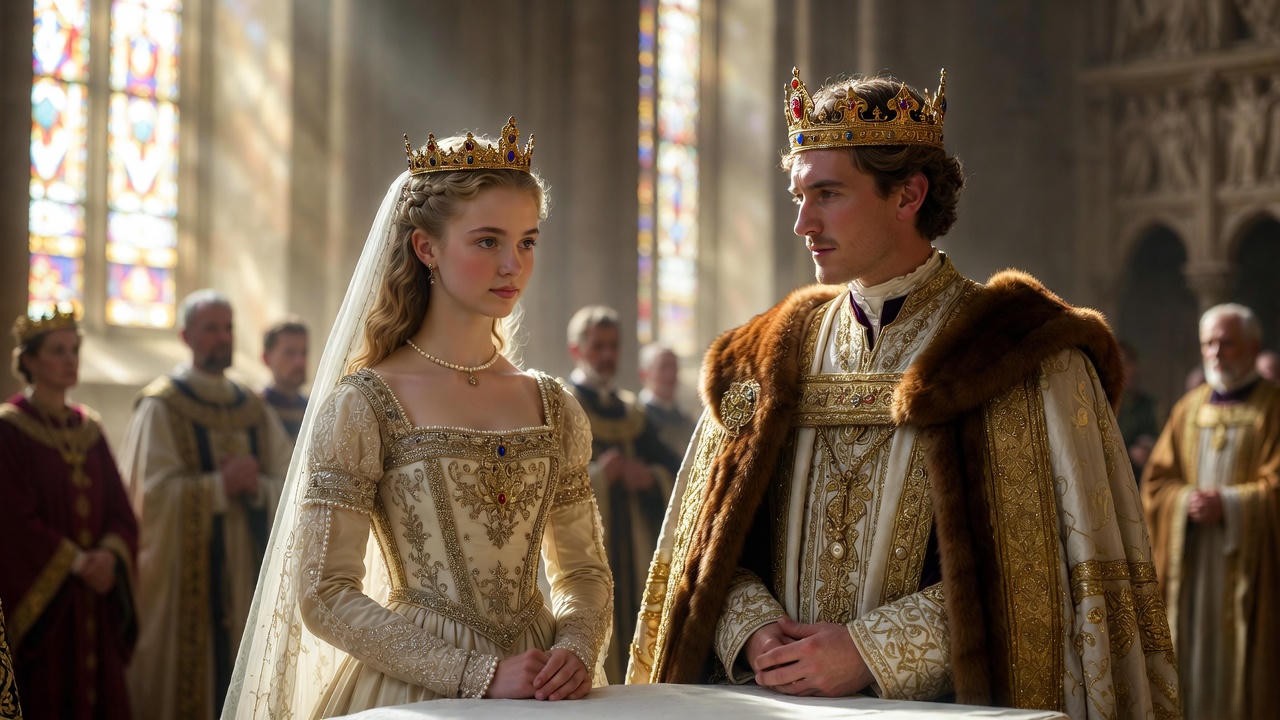
In 1110, Henry negotiated an alliance with King Henry I of England (Norman dynasty). The king’s only legitimate daughter, Matilda (born 1102), was betrothed to the emperor. She arrived in Germany in 1111 and married Henry V on January 7, 1114, in Mainz—at age 12, while he was nearly 28.
Matilda was crowned empress and played an active role at court, signing documents and influencing policy. The marriage brought a substantial dowry and strengthened ties between the Empire and Norman England.
Life Together and Legacy
The couple had no children. When Henry V died in 1125, Matilda—now 23—returned to England. Her father’s designation of her as heir sparked the civil war known as The Anarchy (1135–1153) against Stephen of Blois.
Thus, the wife of the Holy Roman Emperor Henry V became the mother of Henry II, founder of the Plantagenet dynasty—the very lineage Shakespeare dramatized in his history plays. This indirect connection bridges the 12th-century imperial world to the 15th-century English monarchy Shakespeare celebrated.
Death, Succession, and Historical Legacy
Final Years and Death (1125)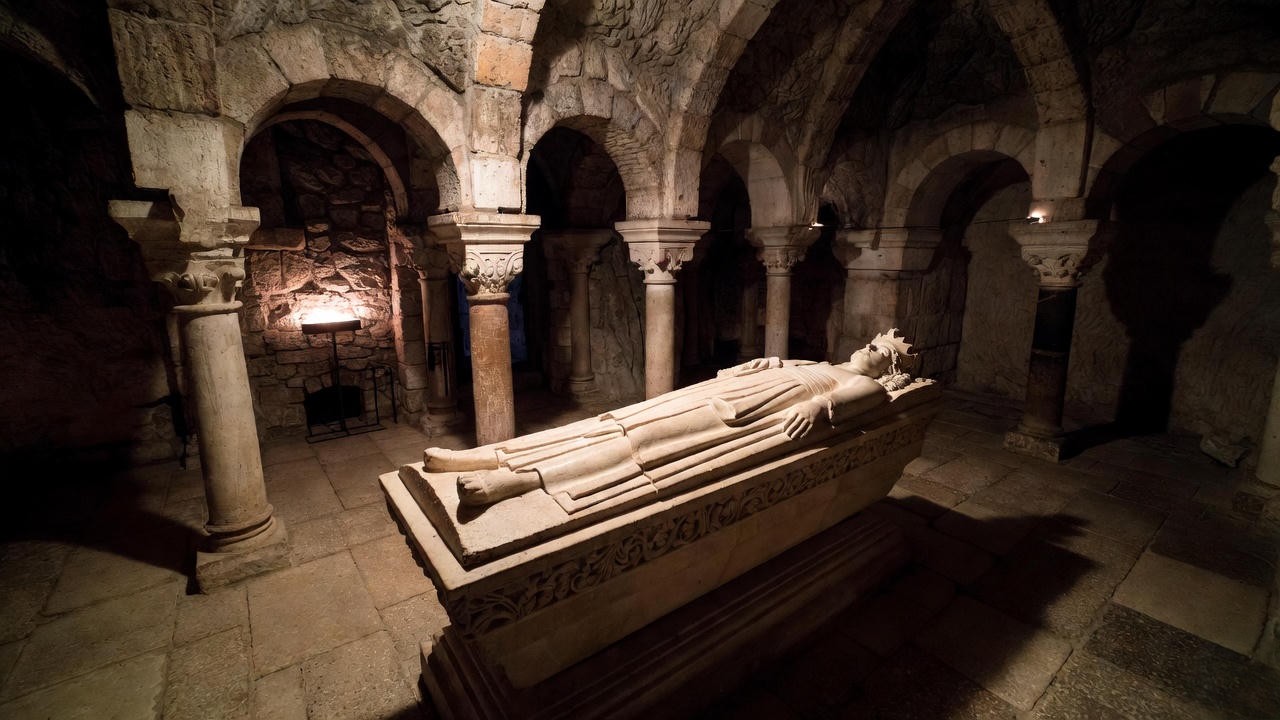
In his later years, Henry campaigned against Lothar of Supplinburg (future Emperor Lothar III) and faced health decline, possibly from cancer. He died on May 23, 1125, in Utrecht, aged 38. His body was interred in Speyer Cathedral, the Salian dynastic mausoleum.
Impact on the Holy Roman Empire
- Ended the Salian dynasty after a century of rule.
- Strengthened the electoral power of German princes.
- The Concordat of Worms shifted the balance toward the Papacy in spiritual matters but preserved imperial influence in Germany.
- Paved the way for the Hohenstaufen era under Lothar III and later Frederick Barbarossa.
Modern historians view Henry V as a capable but ruthless pragmatist—neither the heroic reformer some contemporaries hoped for nor the tyrant his enemies claimed.
Shakespeare’s Henry V: Why the Emperor Isn’t Featured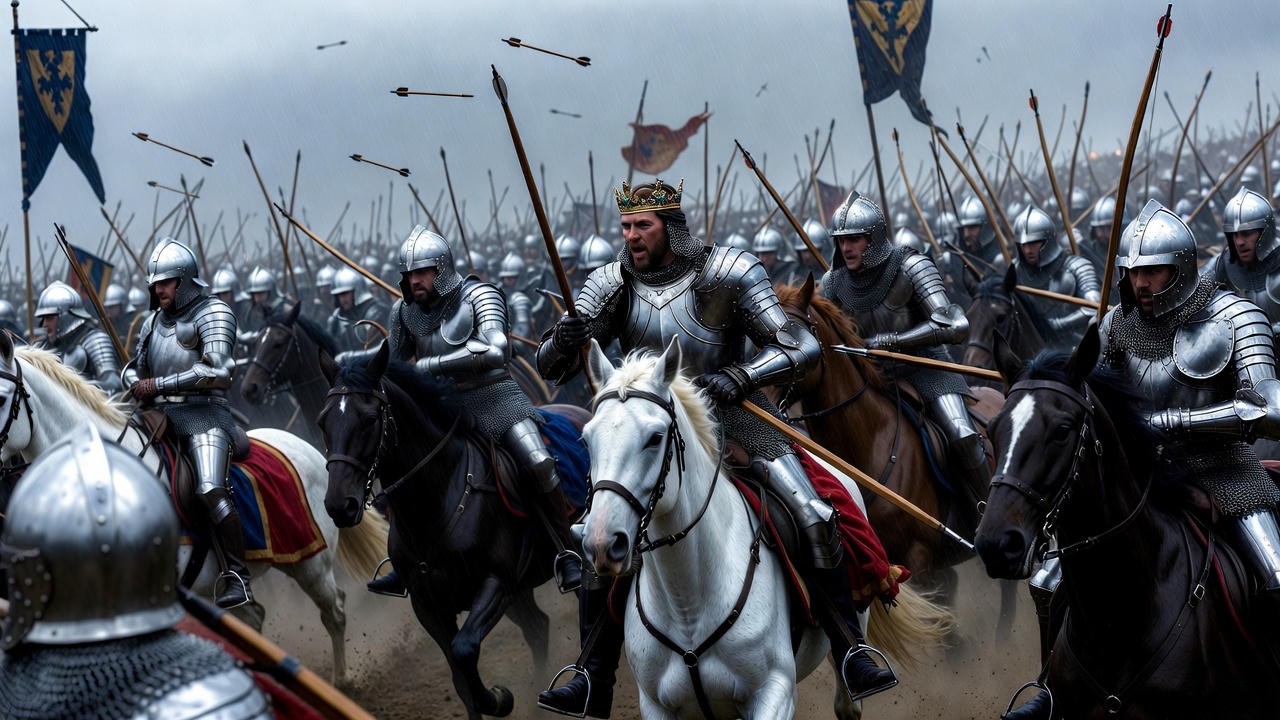
Shakespeare’s Henry V is firmly rooted in 15th-century English sources and national mythology.
Shakespeare’s Sources
The playwright relied primarily on Raphael Holinshed’s Chronicles (1577/1587) and the anonymous play The Famous Victories of Henry the Fifth. These focused on English triumphs and domestic maturation, with foreign diplomacy as backdrop.
The “Emperor” in the Play
In Act I, Scene 2 and later references, an “Emperor” appears as a diplomatic figure. This is Holy Roman Emperor Sigismund, who visited Henry V in England in 1416 to mediate between England and France after Agincourt. Shakespeare includes him to underscore the English king’s international prestige.
No Mention of the Earlier Henry V
The 12th-century emperor lived centuries earlier and played no role in English chronicles of the Hundred Years’ War. Shakespeare had no reason to reference him, and the name coincidence would not have confused Elizabethan audiences familiar with their own history.
Broader Historical Context: Europe in the Early 12th Century
Henry V ruled during a transformative period:
- The First Crusade (1096–1099) had recently ended.
- Norman conquests reshaped England and southern Italy.
- Italian city-states began asserting independence.
- Gregorian reform reshaped the Western Church.
These currents influenced the later medieval world Shakespeare depicted, from chivalric ideals to tensions between crown and clergy.
Expert Insights and Modern Interpretations
Leading historians offer nuanced views:
- Timothy Reuter (Medieval Polities and Modern Mentalities) emphasizes Henry’s administrative innovations and the shift toward ministerial governance.
- Gerd Althoff highlights the ritual and symbolic nature of Henry’s conflicts with the Papacy.
- I.S. Robinson (Henry IV of Germany) portrays Henry V as continuing his father’s policies with greater success in compromise.
Understanding this Henry V enriches appreciation of medieval Europe’s complexity—far removed from Shakespeare’s patriotic epic, yet part of the same historical tapestry.
FAQs
Who was the real Henry V in Shakespeare’s play?
The English king (1386–1422) who fought at Agincourt and conquered much of France during the Hundred Years’ War.
Is there any connection between the two Henry Vs?
None direct. They lived in different centuries. The only tenuous link is through Henry V (emperor)’s wife Matilda, whose son became Henry II of England.
Why is the Holy Roman Emperor Henry V less famous today?
His reign focused on German-Italian constitutional struggles rather than dramatic battlefield victories or national myth-making.
Did Shakespeare know about the earlier Henry V?
Possibly, as an educated man, but he had no dramatic reason to include him in a play celebrating English heroism.
What was the Investiture Controversy?
A decades-long conflict (c. 1075–1122) over whether secular rulers or the pope controlled appointment of bishops—a foundational struggle in defining medieval church-state relations.
The confusion between Henry V, Holy Roman Emperor and Shakespeare’s English king is understandable but easily resolved: they are two distinct rulers separated by centuries, contexts, and legacies. The imperial Henry V was a shrewd negotiator who ended one of medieval Europe’s greatest constitutional crises, while Shakespeare’s Henry V remains an enduring symbol of martial glory and national unity.
For readers of Shakespeare, exploring the earlier Henry adds depth to the medieval world that shaped England’s history. The threads—Matilda’s marriage, evolving imperial-papal relations, shifting power dynamics—all weave into the rich historical fabric Shakespeare drew upon.