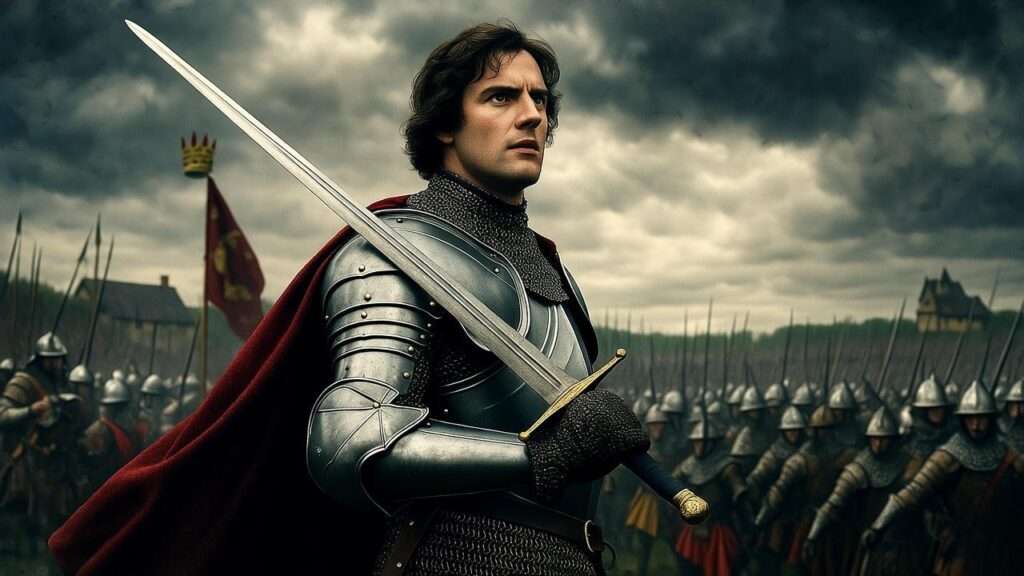
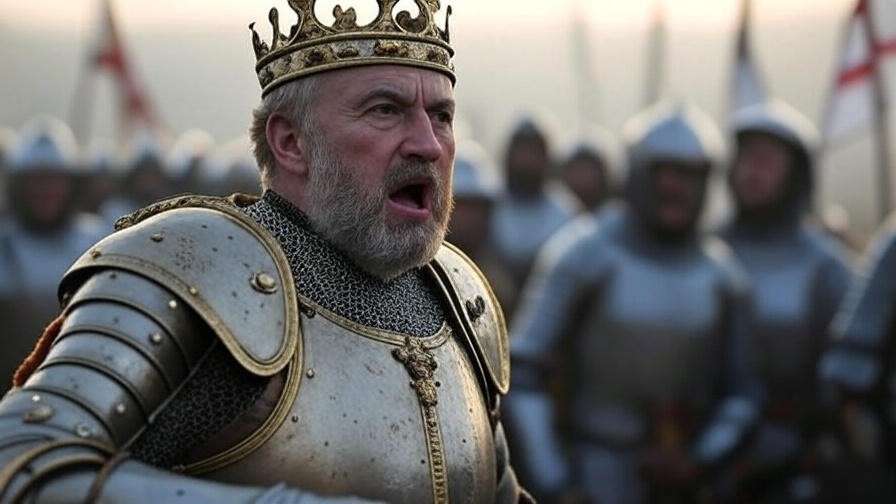
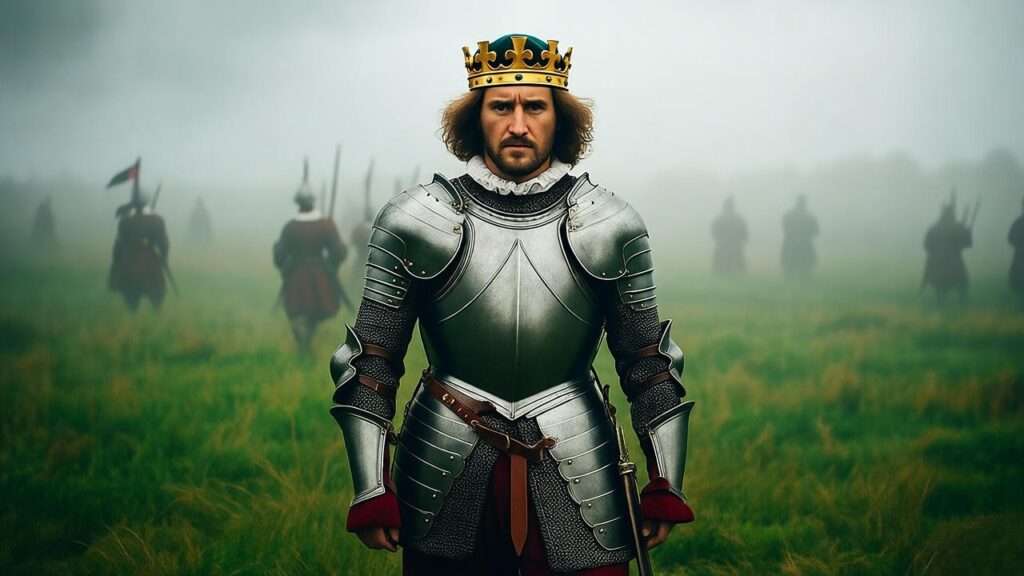
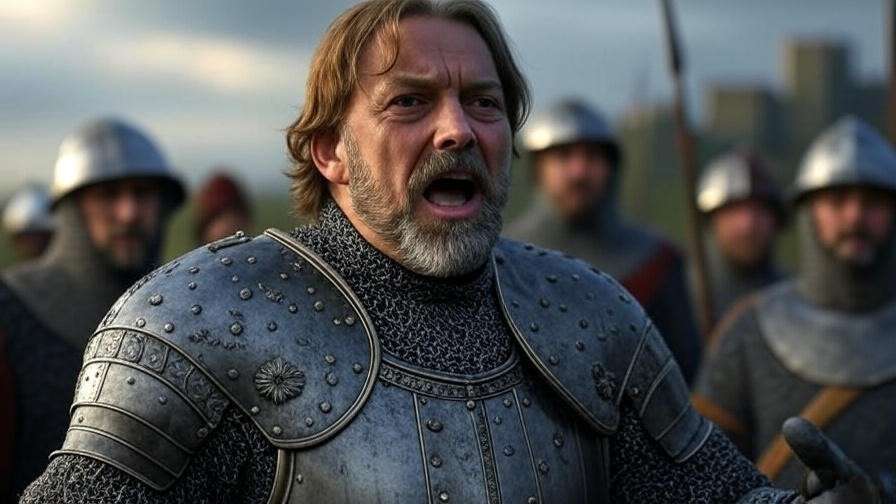
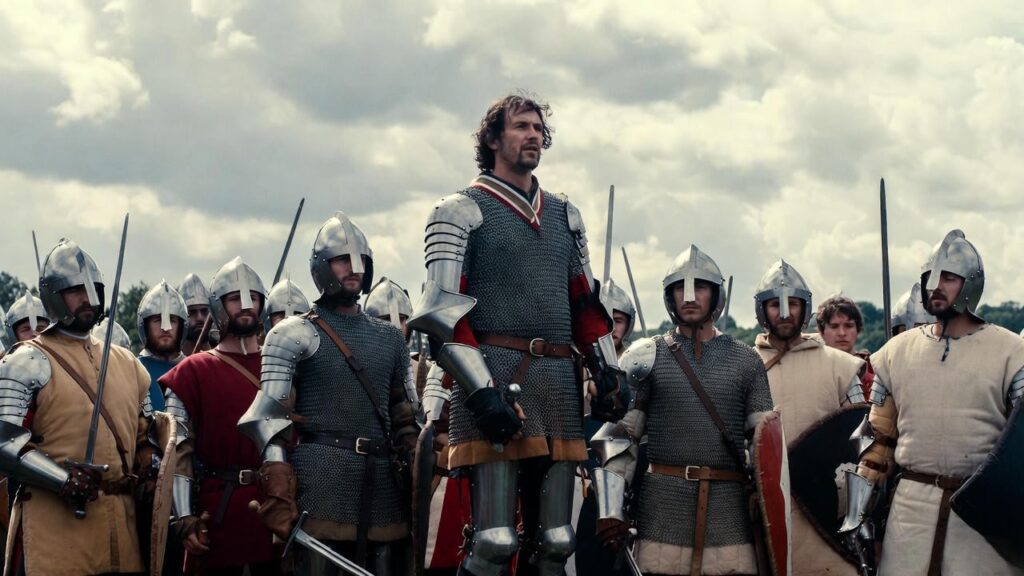
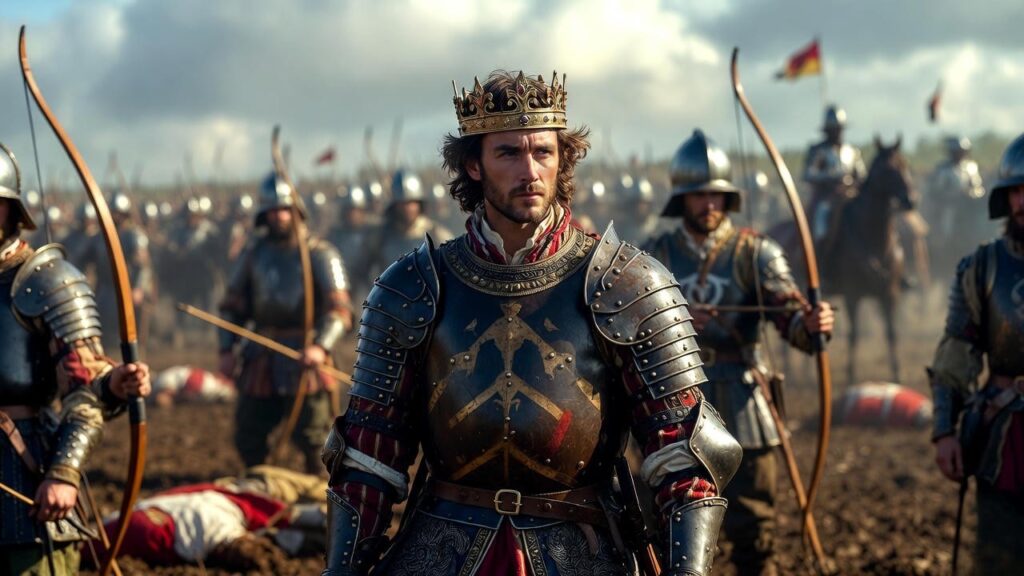
Imagine standing on a rain-soaked battlefield in 1415, vastly outnumbered, with the fate of a kingdom hanging on words alone. A young king steps forward and delivers a speech so powerful that it transforms fear into fierce resolve, turning a ragtag army into legends. That is the magic of William Shakespeare’s Henry V—and nowhere is it more evident than in his two most celebrated monologues: the rousing “Once more unto the breach, dear friends, once more” before the siege of Harfleur, and the immortal St. Crispin’s Day speech on the eve of Agincourt. These Henry V monologues are not mere lines of poetry; they are masterclasses in motivational rhetoric, leadership under pressure, and the transformative power of language.
Whether you’re a student dissecting Shakespeare’s history plays for an exam, an actor preparing for an audition, a teacher seeking fresh ways to engage a classroom, or simply someone drawn to timeless inspiration from great literature, this in-depth guide unlocks the full depth of these iconic speeches. We’ll provide the original text, modern paraphrases, line-by-line analysis, rhetorical techniques, performance insights, historical context, and modern applications—offering more comprehensive insight than typical summaries or basic overviews. By the end, you’ll not only understand why these Henry V monologues endure but also how to appreciate, perform, or draw personal strength from them.
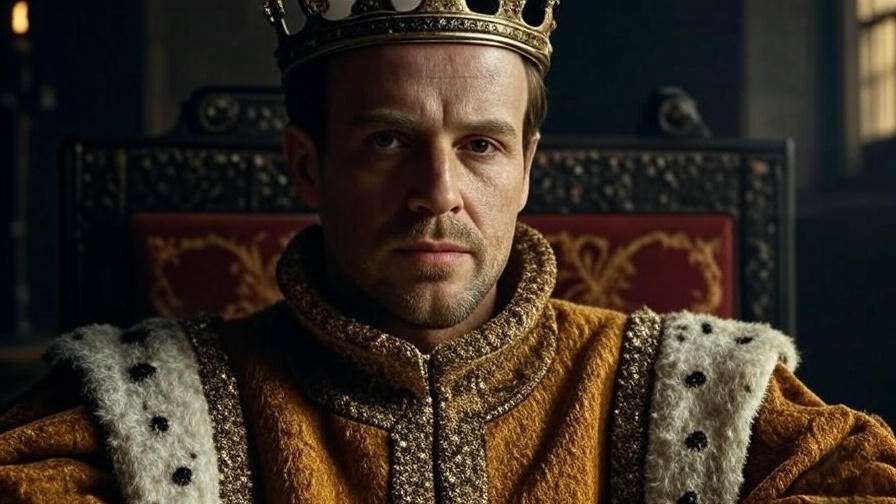
Shakespeare wrote Henry V around 1599, during a time of national pride under Queen Elizabeth I, yet he infused the play with subtle complexities. The king, once the wayward Prince Hal of the earlier Henriad plays, emerges as a figure of calculated charisma and moral ambiguity. These monologues capture his evolution: from a commander who demands ferocity in battle to a leader who forges unbreakable bonds of brotherhood. They remain among the most quoted passages in English literature, echoing in wartime speeches, films, and boardrooms alike.
Historical and Play Context: Setting the Stage for Henry’s Words
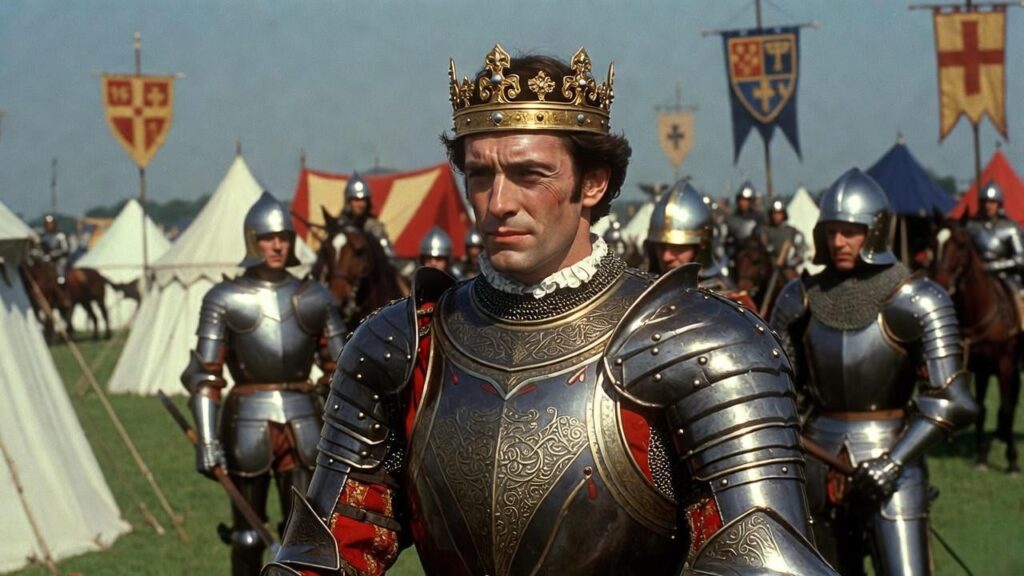
To truly master these Henry V monologues, one must first grasp the world Shakespeare dramatizes. Henry V forms the culmination of Shakespeare’s second tetralogy (Richard II, Henry IV Parts 1 and 2, and Henry V), tracing the young king’s journey from youthful indiscretion to triumphant warrior-monarch. The play draws on historical events of the Hundred Years’ War, particularly Henry V’s 1415 campaign in France, which culminated in the stunning English victory at Agincourt despite being heavily outnumbered.
Shakespeare compresses history for dramatic effect. The real Henry V was a skilled military leader who used longbow archers to devastating advantage against French knights. Shakespeare amplifies this through the Chorus—a narrative device that urges the audience to “piece out our imperfections with your thoughts” and imagine vast battlefields on a wooden stage. This meta-theatrical element reminds us that the play is as much about the power of imagination and rhetoric as it is about historical fact.
The two monologues emerge at pivotal crises: the stalled siege of Harfleur (Act 3, Scene 1) and the desperate eve before Agincourt (Act 4, Scene 3). In both, Henry confronts demoralized troops and turns potential defeat into shared glory. These moments showcase Shakespeare’s genius in blending patriotism with psychological insight, making the king a model of inspirational leadership while subtly questioning the costs of war.
The “Once More Unto the Breach” Monologue: Rallying for the Siege
Context: After a grueling march and failed initial assaults, the English forces hesitate before Harfleur’s walls. Henry, disguised among his men earlier to gauge morale, now unleashes this ferocious call to arms.
Full key excerpt (original text, Act 3, Scene 1):
Once more unto the breach, dear friends, once more; Or close the wall up with our English dead. In peace there’s nothing so becomes a man As modest stillness and humility: But when the blast of war blows in our ears, Then imitate the action of the tiger; Stiffen the sinews, summon up the blood, Disguise fair nature with hard-favour’d rage; Then lend the eye a terrible aspect; Let pry through the portage of the head Like the brass cannon; let the brow o’erwhelm it As fearfully as doth a galled rock O’erhang and jutty his confounded base, Swill’d with the wild and wasteful ocean. Now set the teeth and stretch the nostril wide, Hold hard the breath and bend up every spirit To his full height. On, on, you noblest English. Whose blood is fet from fathers of war-proof! Fathers that, like so many Alexanders, Have in these parts from morn till even fought And sheathed their swords for lack of argument: Dishonour not your mothers; now attest That those whom you call’d fathers did beget you. Be copy now to men of grosser blood, And teach them how to war. And you, good yeoman, Whose limbs were made in England, show us here The mettle of your pasture; let us swear That you are worth your breeding; which I doubt not; For there is none of you so mean and base, That hath not noble lustre in your eyes. I see you stand like greyhounds in the slips, Straining upon the start. The game’s afoot: Follow your spirit, and upon this charge Cry ‘God for Harry, England, and Saint George!’
Modern English paraphrase: Once more into the attack, my friends—or we’ll fill the breach with our corpses. In peacetime, nothing suits a man better than calm modesty, but when war calls, become like tigers: tense your muscles, summon your fury, make your faces fierce. Let your eyes glare like cannons. Grit your teeth, flare your nostrils, breathe deep, and rise to your full potential. Onward, you noble Englishmen—your blood comes from proven warriors! Don’t shame your ancestors who conquered these lands. Prove you’re worthy of your heritage, you common yeomen—show the mettle of your English upbringing. I see the fire in your eyes like greyhounds ready to run. The battle begins—follow your courage and charge, crying “God for Harry, England, and Saint George!”
Line-by-line analysis:
- Opening imperative (“Once more unto the breach…”): Henry uses direct address (“dear friends”) to build camaraderie, then presents a stark binary: renew the attack or die trying. The repetition of “once more” conveys persistence and urgency.
- Peace vs. war contrast: Shakespeare contrasts peacetime virtues (“modest stillness and humility”) with wartime necessity (“imitate the action of the tiger”). This justifies the shedding of civility, a recurring theme in Shakespeare’s exploration of power.
- Animal and natural imagery: Tiger, cannon, galled rock, greyhounds—these metaphors transform men into unstoppable forces. Alliteration (“stiffen the sinews, summon up the blood”) and imperatives create rhythmic momentum.
- Appeal to heritage and class: Henry invokes noble lineage for the elite and “mettle of your pasture” for yeomen, uniting classes in shared English identity. The breeding motif ties personal honor to national pride.
- Climactic charge: Ending with the famous battle cry unites the army under God, king, country, and patron saint.
Rhetorical devices: Anaphora (repeated “let,” “on”), metaphor, hyperbole, direct address, and ethos (Henry positions himself as one of them).
Themes: Leadership by example, the psychology of motivation in crisis, the tension between civilized man and warrior.
Performance tips for actors: Build intensity gradually—start measured, then explode with physicality. Gesture toward the imagined breach, use rising volume for the charge. Convey frustration turning to inspiration; avoid over-the-top shouting—authenticity sells the transformation.
The St. Crispin’s Day Speech: The “Band of Brothers” Masterpiece
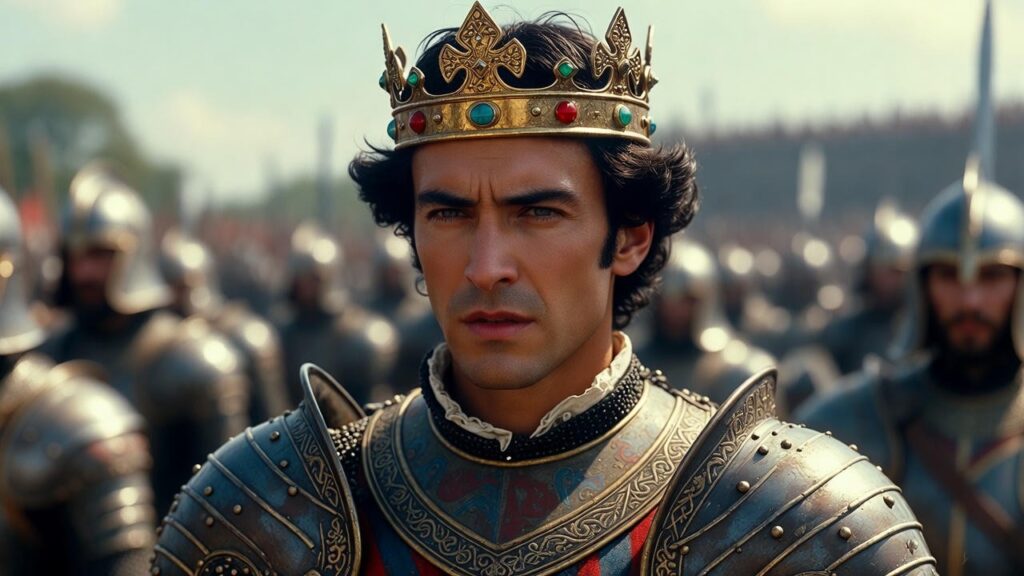
Context: On the morning of October 25, 1415 (St. Crispin’s Day), the English army—exhausted, starving, and outnumbered at least five to one by the French—faces almost certain annihilation. The Earl of Westmoreland laments, “O that we now had here / But one ten thousand of those men in England / That do no work to-day!” Henry responds not with despair, but with one of the most stirring speeches in all of literature.
Full key excerpt (original text, Act 4, Scene 3):
This day is called the feast of Crispian: He that outlives this day, and comes safe home, Will stand a tip-toe when the day is named, And rouse him at the name of Crispian. He that shall live this day, and see old age, Will yearly on the vigil feast his neighbours, And say ‘To-morrow is Saint Crispian:’ Then will he strip his sleeve and show his scars. And say ‘These wounds I had on Crispin’s day.’ Old men forget: yet all shall be forgot, But he’ll remember with advantages What feats he did that day: then shall our names. Familiar in his mouth as household words Harry the king, Bedford and Exeter, Warwick and Talbot, Salisbury and Gloucester, Be in their flowing cups freshly remember’d. This story shall the good man teach his son; And Crispin Crispian shall ne’er go by, From this day to the ending of the world, But we in it shall be rememberèd; We few, we happy few, we band of brothers; For he to-day that sheds his blood with me Shall be my brother; be he ne’er so vile, This day shall gentle his condition: And gentlemen in England now a-bed Shall think themselves accursed they were not here, And hold their manhoods cheap whiles any speaks That fought with us upon Saint Crispin’s day.
Modern English paraphrase: Today is the feast of St. Crispian. Anyone who survives and returns home will stand proudly whenever the day is mentioned and feel a thrill at the name Crispian. In old age, he’ll invite neighbors over every year on the eve and roll up his sleeve to show his scars, saying, “These I got on Crispin’s Day.” Old men forget many things, but he’ll remember—with pride—the deeds done that day. Our names will become as familiar as everyday words: Harry the king, Bedford, Exeter, and the rest. The good man will teach this story to his son, and every time St. Crispin’s Day comes around until the end of the world, we will be remembered. We few, we happy few, we band of brothers—for anyone who sheds blood alongside me today becomes my brother, no matter how lowly his birth. This day will raise his status to that of a gentleman. And those gentlemen back in England, still in bed, will curse their luck that they weren’t here, and feel their courage diminished whenever anyone speaks of those who fought with us on St. Crispin’s Day.
Line-by-line analysis:
- Reframing the odds (“This day is called the feast of Crispian…”): Henry immediately gives the day mythic significance. By tying the battle to a saint’s feast, he elevates a desperate fight into a sacred, memorable event.
- Future legacy and immortality through memory: The vivid imagery of survivors showing scars, telling stories to neighbors and sons, creates a sense of eternal fame. Shakespeare uses prolepsis—projecting the audience into a future where the battle is legend—to make the present moment feel historic.
- Emotional and rhetorical climax (“We few, we happy few, we band of brothers”): This is perhaps Shakespeare’s most famous line. The triplet structure builds intensity; “few” acknowledges the odds, “happy” reframes scarcity as privilege, and “band of brothers” dissolves class barriers, promising equality through shared sacrifice.
- Inversion of social hierarchy: Even the “vile” (low-born) become “gentle” through combat. This egalitarian promise is radical for Elizabethan England and remains powerfully resonant.
- Closing sting: The absent “gentlemen in England now a-bed” are shamed into regret. The final line about holding “their manhoods cheap” delivers a subtle psychological jab, motivating through fear of exclusion.
Rhetorical brilliance: Repetition (“Crispian,” “this day”), antithesis (few vs. happy, vile vs. gentle), vivid future projection, and inclusive pronouns (“we,” “our”) create intimacy and shared destiny.
Themes: Brotherhood forged in adversity, honor transcending class, the power of narrative to confer immortality, leadership that inspires through vision rather than force.
Why it’s Shakespeare’s greatest motivational speech: Its structure—acknowledging weakness, reframing it as strength, promising glory, and shaming inaction—has been studied in rhetoric, leadership training, and military academies for centuries. Winston Churchill consciously echoed its spirit in his “We shall fight on the beaches” address, and Kenneth Branagh’s 1989 film delivery cemented its modern iconic status.
Performance tips: Deliver slowly at first to let the vision sink in, then build to the “band of brothers” line with warmth and conviction. Make eye contact with imagined soldiers to foster intimacy. Use pauses after key images (scars, household words) for emotional weight. The tone should convey quiet confidence rather than bombast—Henry wins hearts here, not just obedience.
Comparing the Two Iconic Monologues: Evolution of Henry’s Leadership
While both Henry V monologues are masterpieces of persuasion, they reveal the king’s growth:
- Tone and approach — “Once More Unto the Breach” is visceral and physical, relying on animalistic imagery and imperatives to spur immediate action. The St. Crispin’s Day speech is reflective and emotional, using future projection and fellowship to inspire long-term resolve.
- Leadership style — The Harfleur speech shows Henry as a forceful commander demanding ferocity. By Agincourt, he has become an empathetic unifier who shares danger and glory equally.
- Shared strengths — Both turn disadvantage into advantage (outnumbered troops become sources of greater honor), appeal to English identity, and demonstrate the king’s rhetorical mastery.
Together, they trace Henry’s arc from warrior-king to inspirational leader, making Henry V one of Shakespeare’s most psychologically nuanced history plays.
Modern Relevance and Legacy of These Henry V Monologues
These speeches continue to resonate far beyond the Elizabethan stage. Business leaders quote “band of brothers” to foster team unity during crises. Sports coaches invoke St. Crispin’s Day to motivate underdog teams. Military officers study them for lessons in morale-building under extreme odds.
In popular culture, Laurence Olivier’s 1944 film version boosted British morale during World War II, while Kenneth Branagh’s 1989 adaptation brought raw emotional intensity to a new generation. Lines appear in everything from The West Wing to corporate motivational posters.
The core lessons remain timeless: words can transform perception, shared sacrifice creates unbreakable bonds, and true leadership reframes hardship as opportunity.
Practical Tips for Studying, Performing, or Quoting These Monologues
- Memorization — Break into thought units (e.g., peace vs. war contrast). Record yourself reciting and compare to Branagh or Olivier deliveries. Use spaced repetition apps.
- Audition strategy — Choose “Breach” for high-energy, commanding roles; St. Crispin’s for nuanced, emotional depth. Always prepare context and motivation.
- Teaching tools — Ask students: How does Henry manipulate morale? Compare to modern speeches (e.g., Obama, sports pep talks). Assign essays on gender/class implications.
- Recommended resources — Folger Shakespeare Library edition, Arden Third Series, Branagh (1989) and Olivier (1944) films, RSC performance archives.
Frequently Asked Questions
What is the most famous line from Henry V? “We few, we happy few, we band of brothers” is the single most quoted and recognized.
Is the St. Crispin’s Day speech based on real history? No—Shakespeare invented it. Chroniclers record Henry’s pre-battle encouragement, but not these exact words.
How do these monologues differ in tone? “Breach” is aggressive and physical; St. Crispin’s is intimate, visionary, and emotionally unifying.
Best film versions to watch for performance study? Kenneth Branagh (1989) for passionate intensity; Laurence Olivier (1944) for patriotic grandeur; the 2012 BBC Hollow Crown version for a more grounded, modern feel.
The Henry V monologues—from the ferocious charge at Harfleur to the quiet, profound promise of brotherhood at Agincourt—represent the pinnacle of Shakespeare’s rhetorical art. They show us not just a historical king, but the enduring power of language to inspire, unite, and transcend. In an age still hungry for authentic leadership and meaning in crisis, these speeches remain urgently relevant.
So pick up the text, watch a performance, or stand before a mirror and speak them aloud. Feel the pulse of history, the thrill of shared purpose. Shakespeare’s words still have the power to stir the blood and lift the spirit—once more unto the breach, indeed.