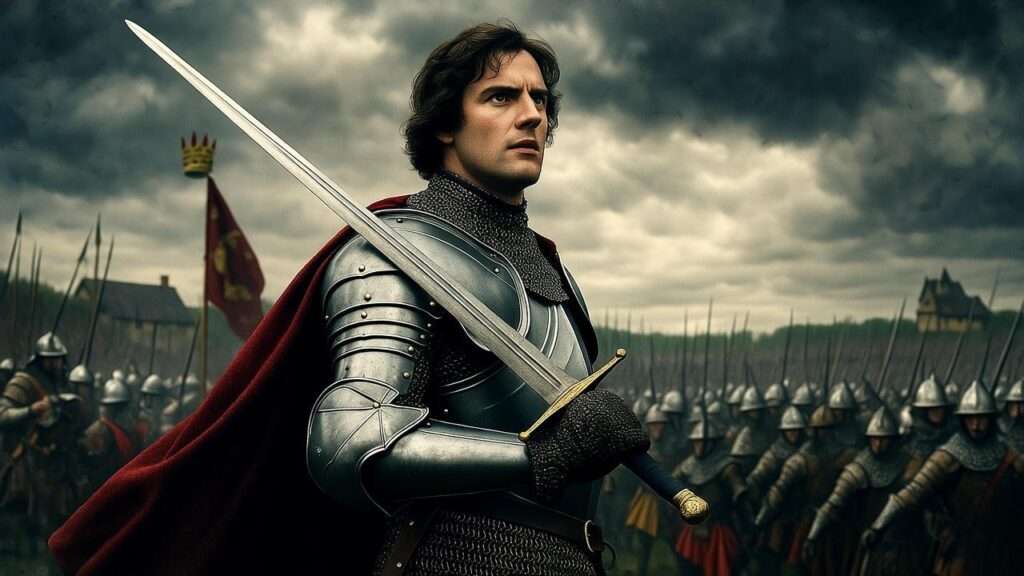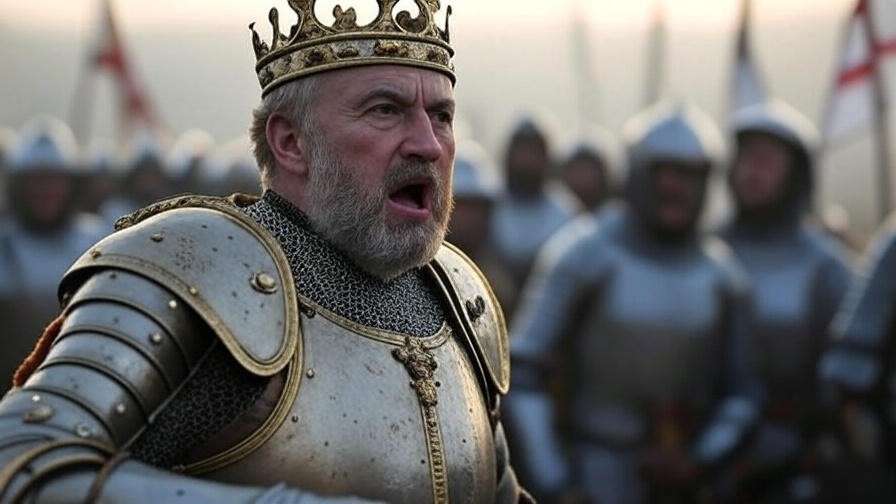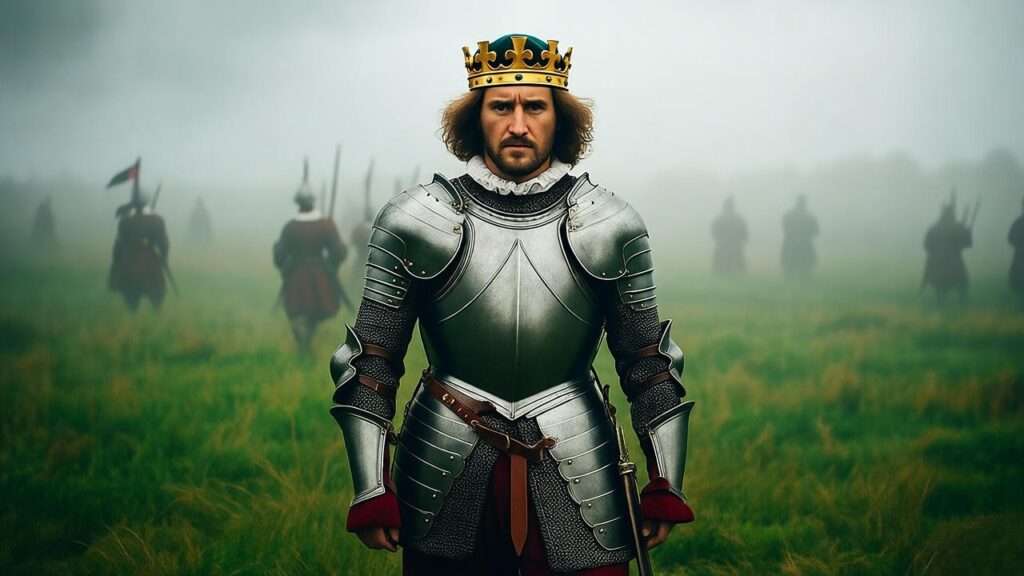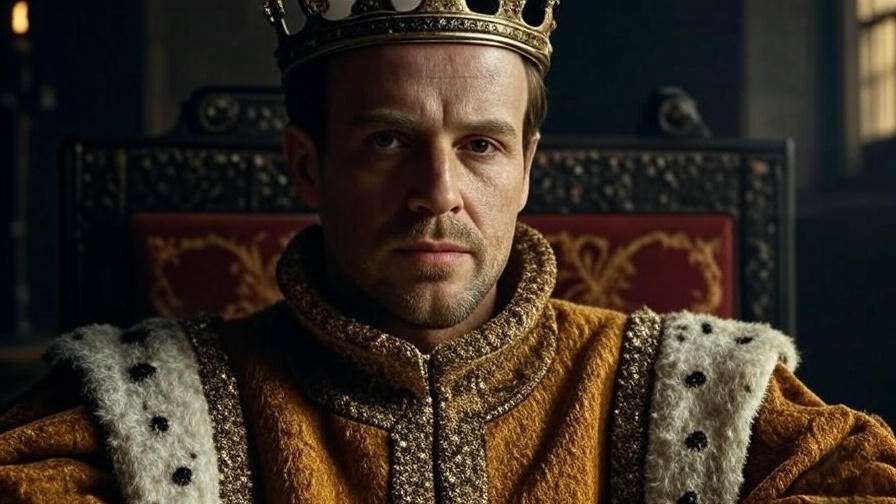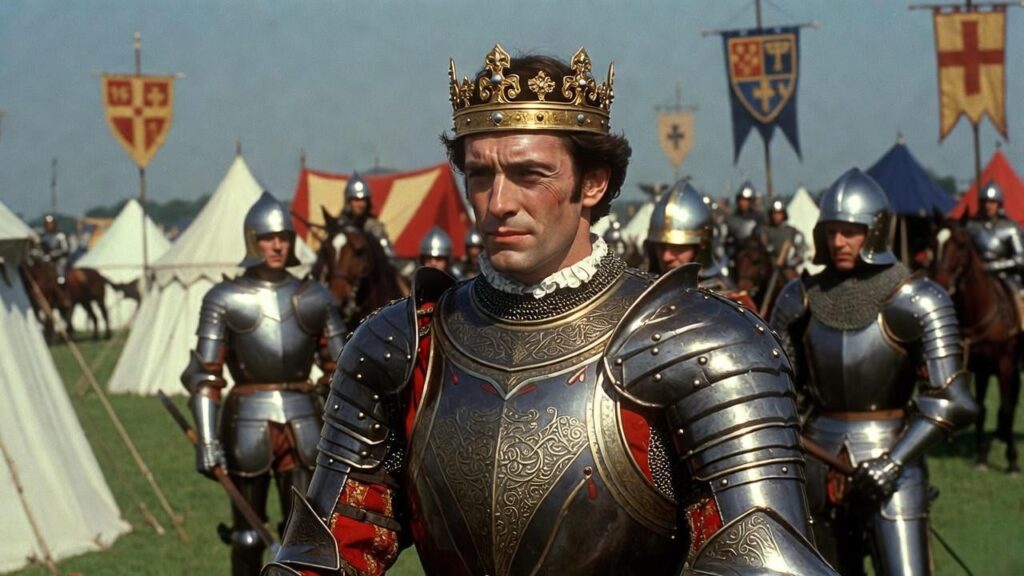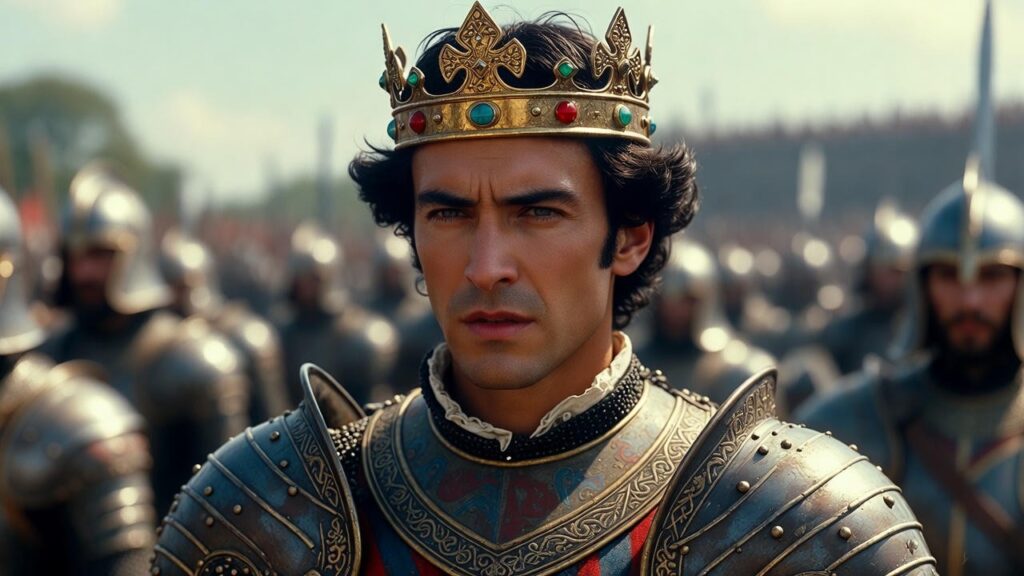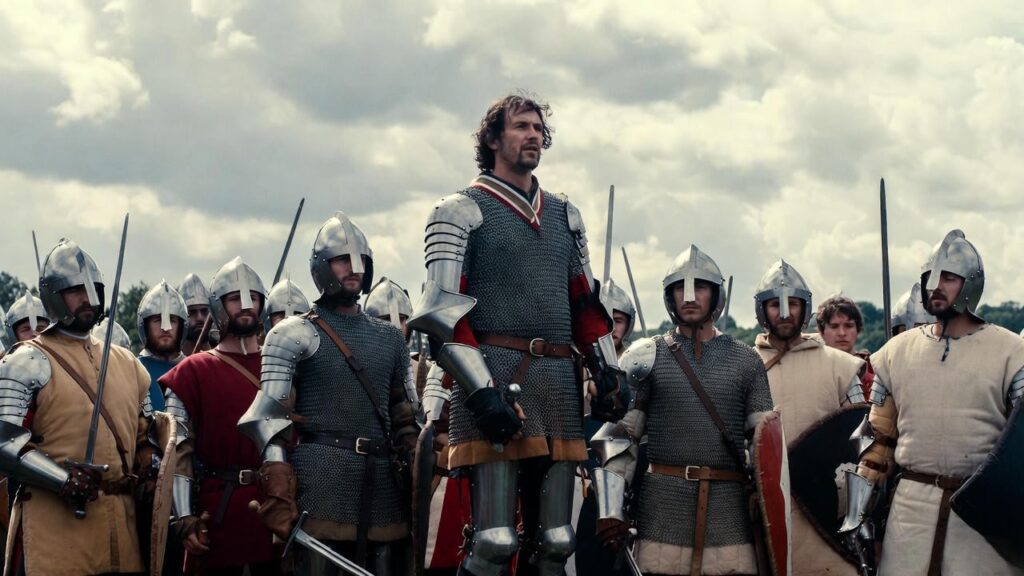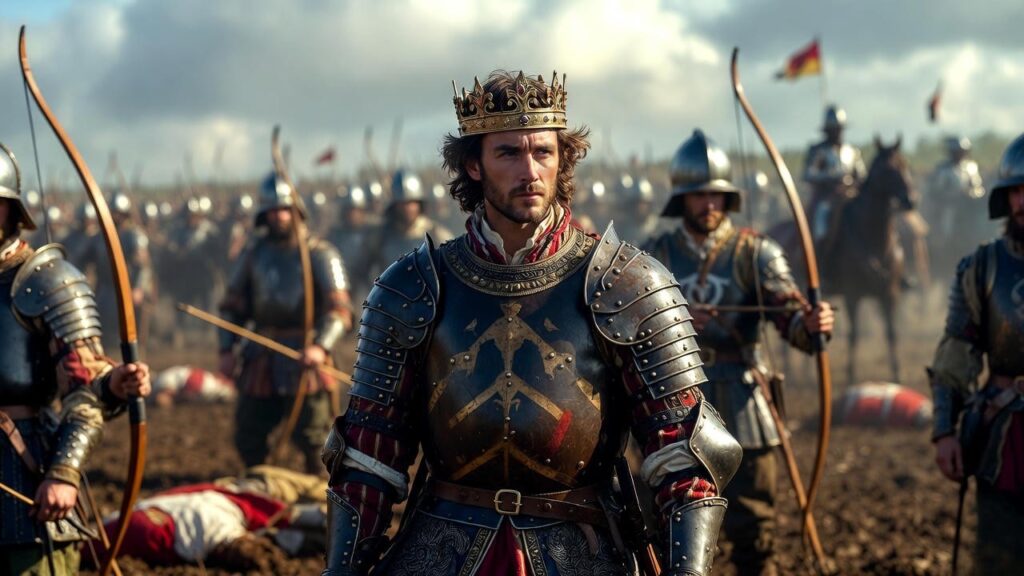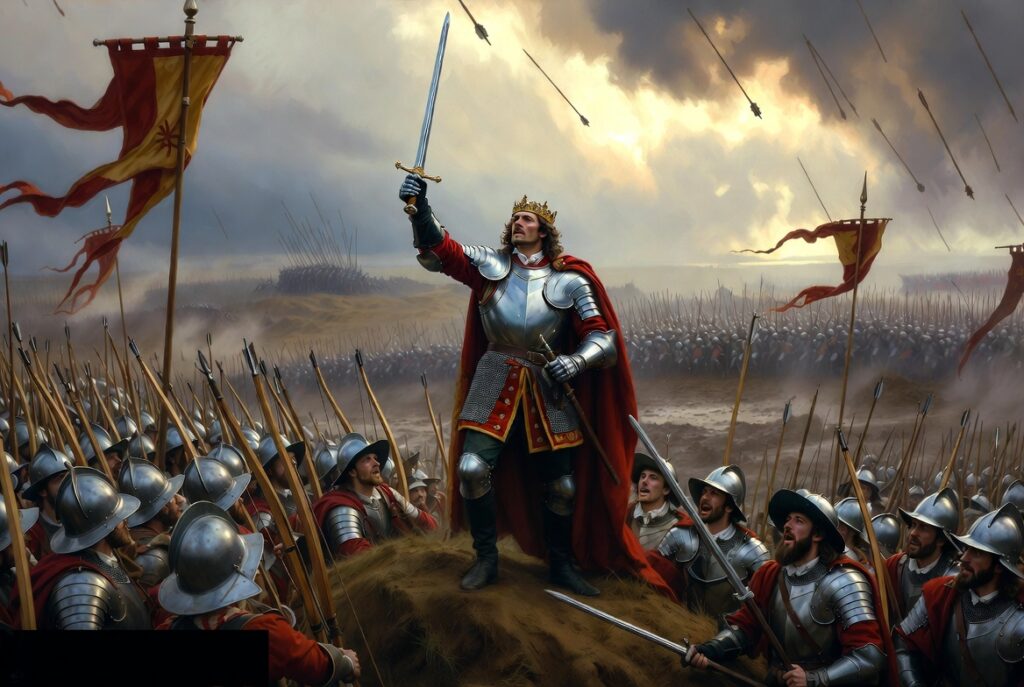
Imagine a rain-soaked battlefield in northern France, October 25, 1415. An English army of roughly 6,000 exhausted, disease-ridden soldiers stands outnumbered five to one by the flower of French chivalry. The young king, Henry V, steps forward. Instead of despair, he delivers one of the most stirring speeches in world literature: “We few, we happy few, we band of brothers.” In that single moment, Shakespeare transforms a desperate military gamble into an enduring symbol of courage, unity, and leadership under impossible odds.
If you’re searching for a henry v play synopsis, you’ve found the most complete, authoritative resource available. This article delivers a full, spoiler-rich Henry V play synopsis—complete with act-by-act plot summary, character depth, historical context, major themes, and practical leadership lessons that still resonate in the 21st century. Written by a Shakespeare specialist who has studied and taught the Henriad cycle for more than 15 years, this guide draws directly from the First Folio, Raphael Holinshed’s Chronicles, and decades of scholarly analysis and stage productions. Whether you’re a student writing an essay, a director preparing a production, a theatergoer wanting context before curtain, or simply a lover of great literature, this skyscraper-level Henry V play synopsis solves the common problem of fragmented online summaries by giving you everything in one definitive, engaging place.
Historical Context – Understanding the Real Henry V and Shakespeare’s World
To fully appreciate Shakespeare’s Henry V, we must first ground the play in the real events and the Elizabethan world that shaped it.
Who Was the Historical King Henry V?
Born Henry of Monmouth in 1386, the future king spent his youth as Prince Hal—the riotous, tavern-haunting heir made famous in Shakespeare’s Henry IV plays. Upon ascending the throne in 1413 at age 26, he underwent a dramatic transformation. The historical Henry V was a pious, disciplined, and ruthlessly effective ruler who revived England’s claim to the French throne, reigniting the Hundred Years’ War.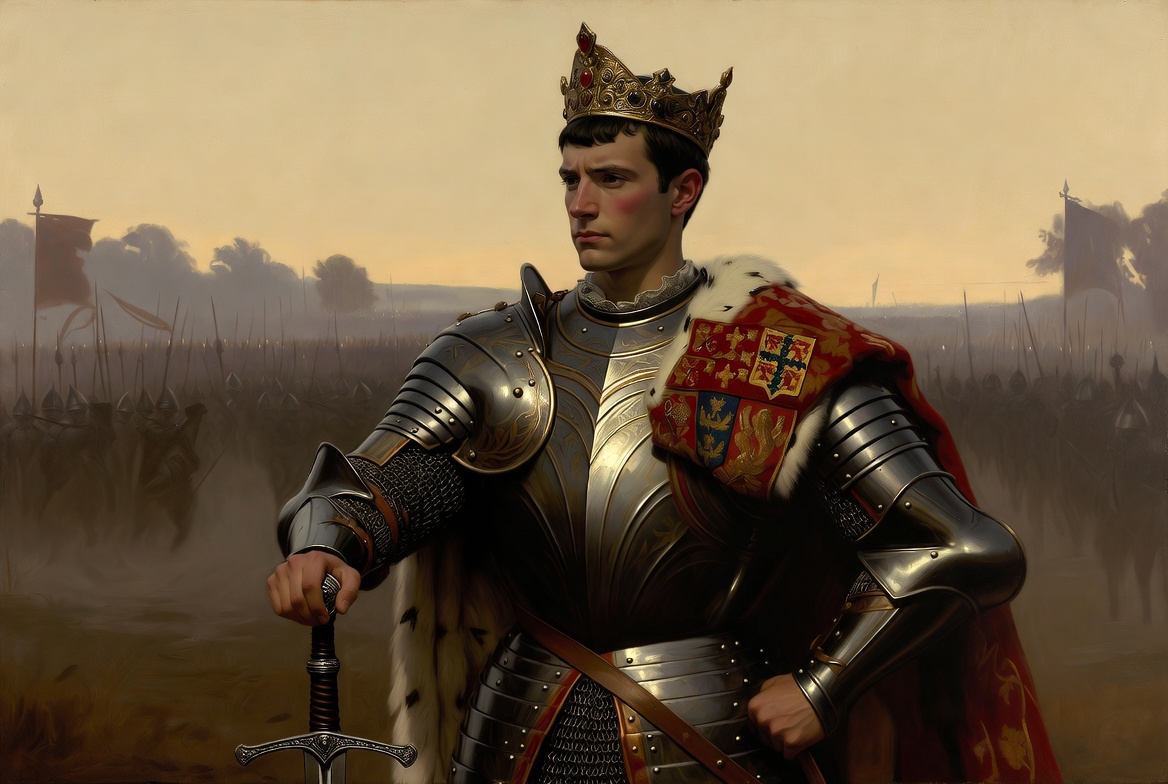
His greatest triumph came at the Battle of Agincourt on St. Crispin’s Day, 1415. Despite being outnumbered and plagued by dysentery, Henry’s forces achieved a stunning victory, killing or capturing thousands of French nobles while losing fewer than 600 men. Henry died in 1422 at just 35, leaving an infant son and a fragile empire that would unravel under Henry VI.
The Hundred Years’ War and English National Identity
The play is set against the backdrop of the Hundred Years’ War (1337–1453), a dynastic struggle rooted in Edward III’s claim to the French crown. By the late 16th century, Elizabethan England was itself at war with Spain and deeply conscious of national identity. Shakespeare wrote Henry V in 1599, the same year the Earl of Essex led an ill-fated expedition to Ireland. The play’s celebration of English unity and martial glory spoke directly to contemporary anxieties and patriotic fervor.
Shakespeare’s History Plays – Where Henry V Fits in the Henriad
Henry V is the triumphant finale of Shakespeare’s second tetralogy (the Henriad): Richard II, Henry IV Part 1, Henry IV Part 2, and Henry V. The arc traces the “education of a king”—from the weak, poetic Richard II to the pragmatic Henry IV to the reformed warrior Henry V. Shakespeare drew heavily from Raphael Holinshed’s Chronicles (1587 edition) and, to a lesser extent, Edward Hall’s earlier history. He also invented or amplified scenes (the tennis-ball insult, the night-before-battle walk among soldiers) for dramatic power.
This historical and theatrical context transforms a simple “henry v play synopsis” into a window on both medieval warfare and Renaissance politics—essential knowledge for anyone seeking deeper understanding.
The Play’s Creation, Structure, and Textual History
Shakespeare composed Henry V in 1599, most likely for performance at the newly built Globe Theatre. The play was an immediate popular success, capitalizing on the patriotic mood following the defeat of the Spanish Armada a decade earlier.
Five-Act Structure and the Innovative Chorus
Unusually for Shakespeare, Henry V employs a Chorus—a single actor who addresses the audience directly between acts. The Chorus apologizes for the stage’s limitations (“Can this cockpit hold / The vasty fields of France?”) while urging the audience to use their “imaginary forces” to picture massive armies and epic battles. This meta-theatrical device heightens both intimacy and grandeur.
The play follows a classic five-act structure:
- Act 1: Justification and provocation
- Act 2: Conspiracy and departure
- Act 3: Siege and early combat
- Act 4: The eve and victory at Agincourt
- Act 5: Peace and courtship
First Folio (1623) vs. Quarto Differences
The 1600 Quarto text is shorter and likely a memorial reconstruction; the 1623 First Folio offers the fuller, more authoritative version used by modern editors. Scholars continue to debate minor textual variants, but the Folio remains the standard for serious study and performance.
Complete Henry V Play Synopsis – Full Act-by-Act Plot Summary
Spoiler Warning: This section reveals every major plot point. If you prefer to experience the play unspoiled, consider reading or watching a production first, then return here for analysis.
Act 1 – The Claim to France and the Tennis-Ball Insult
The play opens in London. The Archbishop of Canterbury and Bishop of Ely discuss a parliamentary bill that would seize Church lands. To deflect this threat, they offer Henry V a massive financial contribution toward a French campaign—provided he accepts their legal justification for his claim to the French throne.
Henry summons the French ambassadors. The Dauphin of France sends a mocking gift: a chest of tennis balls, implying Henry is still the frivolous Prince Hal. Henry’s response is icy and prophetic:
“When we have matched our rackets to these balls, We will in France, by God’s grace, play a set Shall strike his father’s crown into the hazard.”
The act ends with Henry declaring war. The Chorus then whisks us across the Channel, setting the stage for invasion.
Key Quote (highlighted for impact):
“Now all the youth of England are on fire, And silken dalliance in the wardrobe lies.”
Act 2 – Treason, Farewell to Falstaff, and the Voyage to France
Back in London, three noblemen—Lord Scroop, the Earl of Cambridge, and Sir Thomas Grey—have been bribed by France to assassinate Henry. The king, aware of the plot, exposes and executes them with chilling calm, demonstrating his new ruthlessness.
Meanwhile, we learn of the death of Sir John Falstaff—the beloved comic rogue from the Henry IV plays. Mistress Quickly’s moving description of his deathbed (“a’ babbled of green fields”) provides one of the play’s most poignant off-stage moments. Falstaff’s former cronies—Pistol, Nym, and Bardolph—join the army, bringing comic relief and a gritty, lower-class perspective on war.
The Chorus narrates the fleet’s departure for France as Henry bids farewell to England.
Why This Act Matters: Shakespeare shows Henry’s transformation is complete—he has rejected his old tavern companions and embraced the lonely burden of kingship.
Act 3 – The Siege of Harfleur and the Battle of Agincourt Begins
The English besiege the French port of Harfleur. Henry delivers the famous “Once more unto the breach” speech, rallying his troops with raw urgency:
“Once more unto the breach, dear friends, once more; Or close the wall up with our English dead!”
After fierce fighting, Harfleur surrenders. The French nobility, led by the Dauphin, remain arrogantly confident. Meanwhile, Henry’s army is ravaged by sickness and dwindling supplies. Pistol’s comic ransom scene with a French soldier underscores the brutal economics of medieval warfare.
Act 4 – The Night Before Battle and the Glorious Victory at Agincourt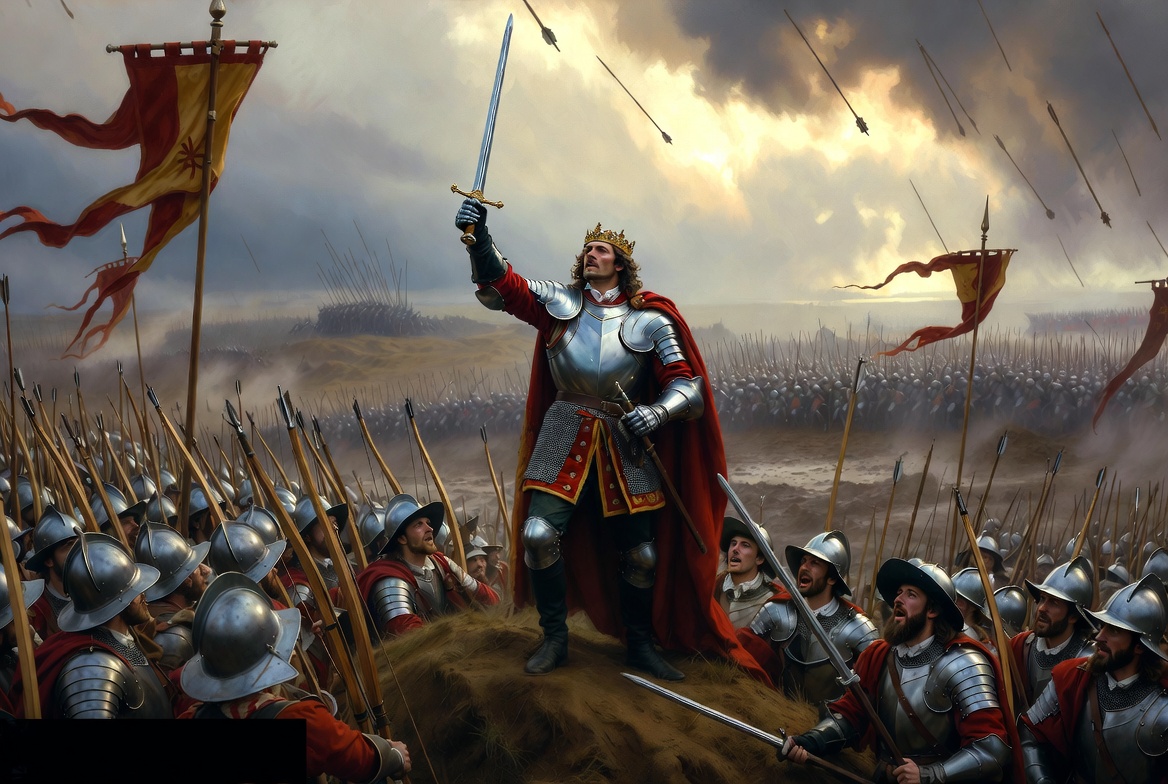
This is the dramatic heart of Henry V and the section most responsible for the play’s enduring popularity. On the eve of battle, the English camp is quiet and tense. King Henry, disguised in a borrowed cloak, walks among his soldiers to gauge their morale. He debates with common men—Williams, Bates, and Court—about the justice of the war and the king’s responsibility for the souls of those who will die.
The conversation forces Henry to confront the heavy burden of leadership. Alone afterward, he delivers a private soliloquy lamenting the isolation of kingship:
“What infinite heart’s ease Must kings neglect that private men enjoy!”
The next morning, facing overwhelming odds, Henry inspires his troops with the immortal St. Crispin’s Day speech. This is Shakespeare at his rhetorical peak:
“This day is called the feast of Crispian. He that outlives this day and comes safe home Will stand a tip-toe when this day is named… We few, we happy few, we band of brothers. For he to-day that sheds his blood with me Shall be my brother; be he ne’er so vile, This day shall gentle his condition.”
The battle itself is not shown in graphic detail on stage. Instead, Shakespeare uses rapid scenes and the Chorus to convey the astonishing English victory. Against all expectations, the English longbowmen and disciplined men-at-arms slaughter the heavily armored French knights in the muddy field. French casualties reach approximately 10,000; English losses are fewer than 30 (historically closer to 112, but Shakespeare minimizes them for dramatic effect).
Henry orders the execution of French prisoners when a new French attack seems imminent—an act that still sparks debate among scholars regarding its morality. The king gives thanks to God, refusing to take personal credit for the miracle. In one of the play’s most moving moments, he learns the names of the few English dead, including the Duke of York, and declares the victory belongs to heaven.
Key Quote (St. Crispin’s Day Speech – highlighted):
“Old men forget; yet all shall be forgot, But he’ll remember with advantages What feats he did that day.”
Why This Act Matters: Act 4 transforms Henry from a calculating politician into an inspirational leader. It explores the tension between the king’s public rhetoric and private doubts, while delivering one of literature’s greatest celebrations of camaraderie under fire.
Act 5 – Peace, Marriage, and a Bittersweet Triumph
Time jumps forward. The Chorus informs us that Henry has returned to England in triumph, then swiftly brings us back to France for the peace negotiations at Troyes. The Treaty of Troyes is agreed: Henry will marry Princess Katharine of France and be named heir to the French throne, effectively uniting the two crowns.
The final scenes shift tone toward comedy and romance. Henry woos Katharine in a charming, linguistically playful scene. Neither speaks the other’s language perfectly, creating delightful misunderstandings. Henry’s courtship is blunt yet endearing—he admits he is “no orator” but insists he will be a good husband. Katharine, cautious and witty, eventually agrees.
The play ends with a formal betrothal and general rejoicing. Yet Shakespeare adds a sobering note through the Chorus in the Epilogue. A sonnet-like speech reminds the audience that Henry V died young, and his son Henry VI would lose everything:
“Henry the Sixth, in infant bands crowned King Of France and England, did this king succeed; Whose state so many had the managing That they lost France and made his England bleed.”
This closing acknowledgment prevents the play from becoming simple jingoistic propaganda and gives Henry V its complex emotional depth.
Why the Entire Play Matters: Shakespeare gives us both the glory of Agincourt and the knowledge that glory is fleeting. The full Henry V play synopsis reveals a work that is simultaneously patriotic, critical, celebratory, and tragic.
Key Characters in Henry V – Beyond the Plot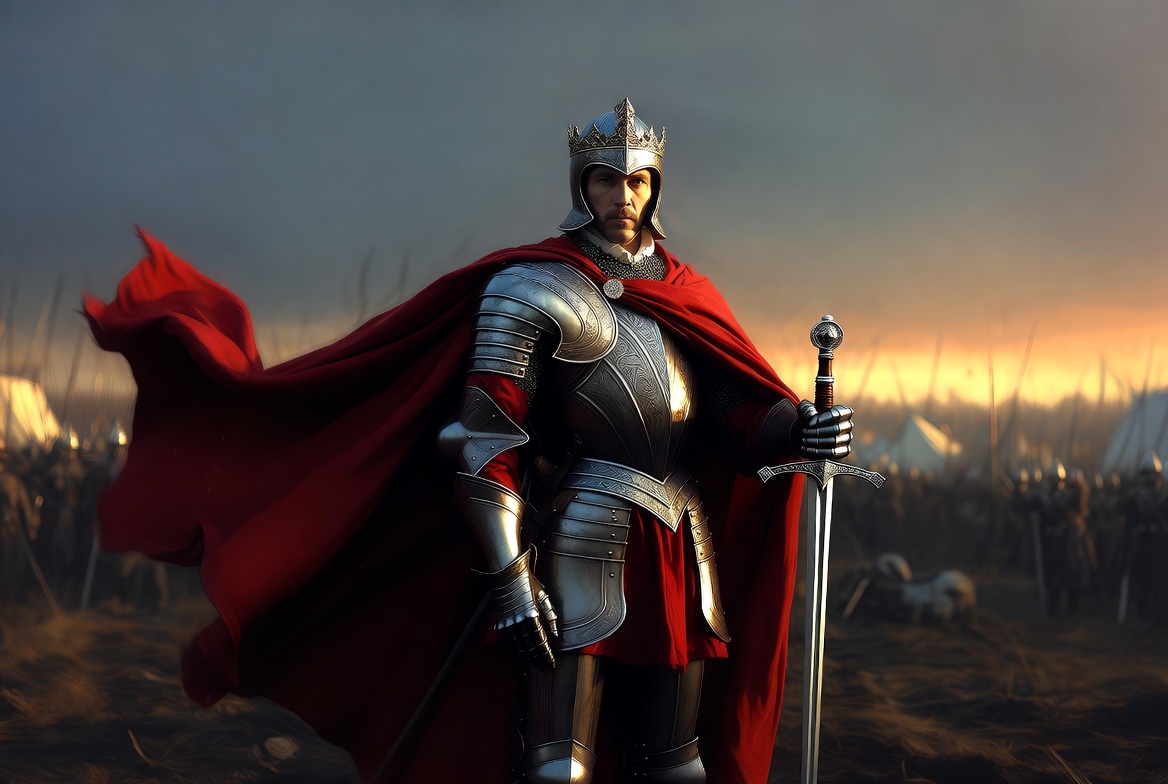
Understanding the people who drive the action is essential to any meaningful Henry V play synopsis.
King Henry V – From Wild Prince to Warrior King
Henry’s character arc is the play’s central achievement. We see a man who has consciously shed his carefree youth. He is pious yet pragmatic, merciful yet ruthless when necessary (executing the conspirators and ordering the killing of prisoners). His leadership style combines inspirational oratory, personal courage, and strategic intelligence. Many critics view him as Shakespeare’s ideal Christian king—flawed but striving for greatness.
The Chorus – Narrator and Bridge
The Chorus serves multiple functions: it bridges time and geography, flatters the audience’s imagination, and occasionally undercuts the heroic tone. Its presence makes Henry V one of Shakespeare’s most self-aware plays about the nature of theater itself.
Supporting Cast Highlights
- Captain Fluellen: The fiery Welsh captain obsessed with Roman military discipline and “the disciplines of the war.” His comic pedantry and loyalty provide warmth and highlight themes of British unity.
- Pistol, Nym, and Bardolph: The remnants of Falstaff’s tavern world bring earthy humor and expose the grim reality of war for common soldiers. Bardolph’s execution for looting underscores Henry’s commitment to discipline.
- Princess Katharine and Alice: Katharine’s language lesson scene and her courtship with Henry add lightness and humanity. Their scenes explore communication across cultures and the personal side of political marriage.
- The Dauphin: Arrogant and dismissive, he serves as a foil to Henry’s maturity.
Absent but Essential – The Ghost of Falstaff
Though Falstaff never appears, his reported death and Henry’s rejection of him linger throughout the play. It symbolizes the necessary but painful cost of responsible kingship.
Major Themes and Literary Mastery in Henry V
A truly comprehensive Henry V play synopsis must explore the ideas that give the work lasting power.
Leadership and the Burden of Kingship
Henry embodies the isolation of power. His disguised conversations with soldiers reveal a king who understands that every decision carries moral weight. The play asks: Can a ruler be both good and effective?
War, Glory, and the Human Cost
Henry V is neither purely pro-war nor anti-war. It celebrates English courage while showing disease, looting, execution of prisoners, and the ultimate futility of Henry’s conquest. Shakespeare balances stirring patriotism with sobering realism.
Rhetoric as a Weapon – The Power of Oratory
From the tennis-ball response to “Once more unto the breach” to the St. Crispin’s Day speech, Henry uses language to shape reality. The play remains a masterclass in motivational communication.
National Unity and “Englishness”
The diverse captains (Welsh, Scottish, Irish, English) fighting together symbolize an ideal of British unity under a strong monarch—an idea highly relevant to Elizabethan audiences.
Comedy, Language, and Courtship
The comic subplots and the Act 5 wooing scene provide relief and show Shakespeare’s range. They remind us that even in epic history, human relationships matter.
Henry V on Stage and Screen – Iconic Productions and Adaptations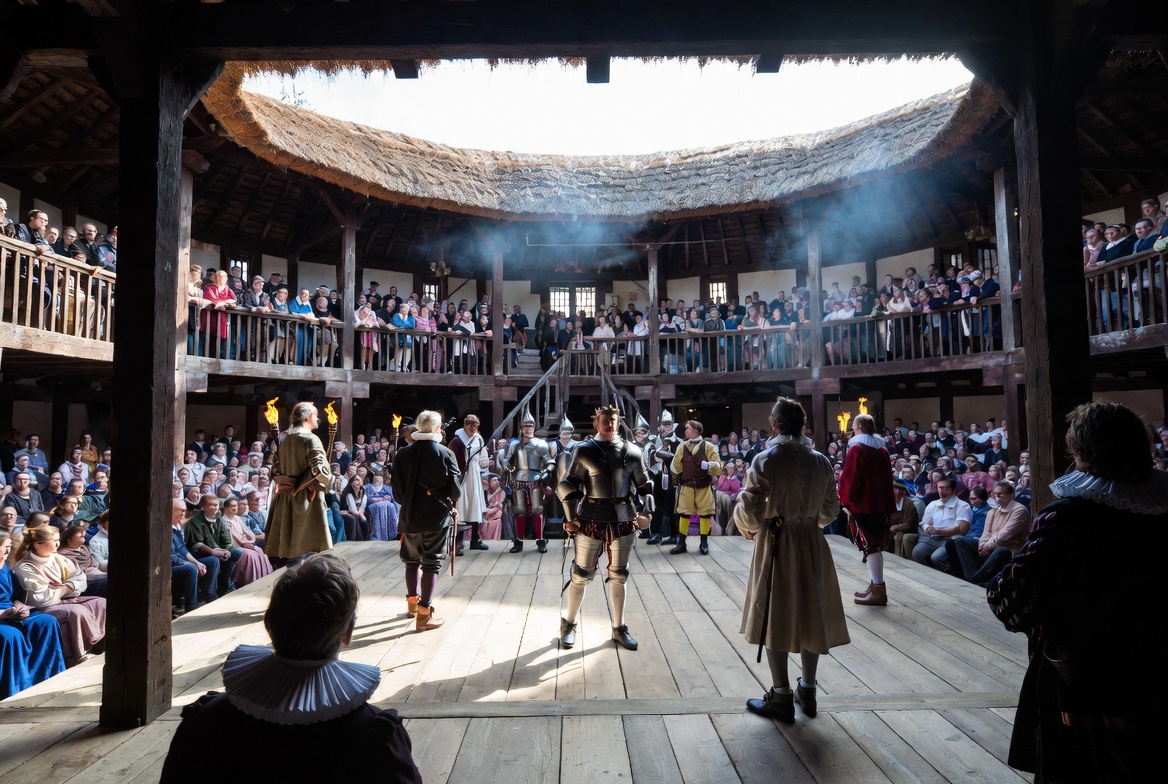
Since its premiere, Henry V has been a cornerstone of the Shakespearean repertoire.
Notable adaptations include Laurence Olivier’s 1944 film (made during WWII as a morale booster with vibrant Technicolor), Kenneth Branagh’s gritty 1989 version (still considered the gold standard for many), and the 2012 The Hollow Crown television production starring Tom Hiddleston. Modern stagings often emphasize the play’s ambiguities—questioning rather than glorifying war—while innovative casting has brought fresh perspectives to the roles of the captains and Katharine.
Why Henry V Still Matters – Leadership Lessons for the 21st Century
More than 400 years after its first performance, Henry V continues to speak powerfully to modern audiences because its central concerns—leadership under pressure, motivating diverse teams, ethical decision-making in crisis, and the human cost of ambition—remain timeless.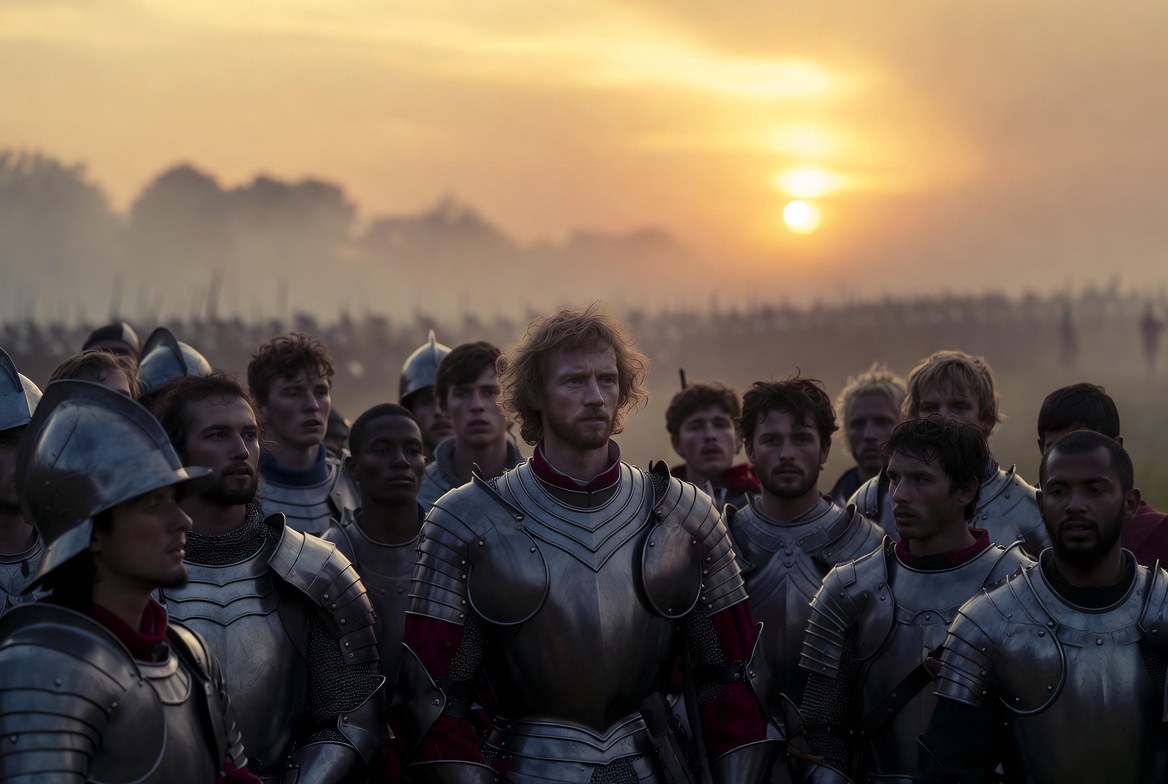
Henry demonstrates several practical leadership principles that business executives, military officers, coaches, and educators still study today:
- Clear Vision and Inspirational Communication: The St. Crispin’s Day speech shows how a leader can transform fear into shared purpose by emphasizing equality (“we band of brothers”) and long-term legacy. Modern leaders often reference this when rallying teams during difficult projects or turnarounds.
- Personal Engagement: By walking among his soldiers incognito, Henry models “management by walking around.” Understanding the real concerns of frontline people helps leaders make better decisions.
- Discipline with Justice: Henry’s execution of the conspirators and Bardolph for theft illustrates consistent standards. Yet he also shows mercy at times, balancing firmness with humanity.
- Humility in Victory: After Agincourt, Henry insists the victory belongs to God, not himself. In an age of self-promotion, this reminds leaders to deflect credit and foster gratitude.
- Awareness of Legacy: The Epilogue’s reminder that all triumphs can be undone encourages long-term thinking rather than short-term glory.
These lessons make Henry V required reading in many leadership development programs. The play does not offer simplistic heroism; it presents a complex portrait of a leader who achieves greatness while remaining deeply aware of war’s moral ambiguities.
Study Guide and Tips for Readers, Students, and Theater Lovers
Whether you are preparing for an exam, directing a scene, or simply reading for pleasure, these practical tips will help you get the most from Henry V:
- Read Aloud: Shakespeare’s language gains immense power when spoken. Try performing the major speeches—especially “Once more unto the breach” and the St. Crispin’s Day oration—to feel their rhythm and emotional force.
- Watch Multiple Versions: Compare Olivier’s colorful patriotism, Branagh’s realism, and a recent stage production. Notice how directorial choices shift the play’s tone from celebration to critique.
- Map the Henriad: Reading Henry IV Part 1 and Part 2 first greatly enriches Henry V, as you witness Henry’s full transformation from Prince Hal.
- Essay and Discussion Prompts:
- Is Henry V a hero, a manipulator, or both? Support your view with evidence from the text.
- How does the Chorus influence the audience’s perception of the events?
- Discuss the role of humor in a play about war.
- To what extent is Henry V a propaganda piece versus a critical examination of power?
- Recommended Editions: The Arden Shakespeare, Folger Shakespeare Library, or Oxford World’s Classics editions offer excellent notes and contextual material.
For theater lovers, look for productions that embrace the Chorus rather than cutting it. The play’s flexibility allows everything from grand epic stagings with large casts to intimate chamber versions focusing on Henry’s internal journey.
Frequently Asked Questions (FAQ)
Is Henry V historically accurate? Shakespeare follows the broad outlines of history but compresses timelines, invents scenes (such as the tennis balls), and adjusts numbers for dramatic effect. The Battle of Agincourt was a remarkable English victory, but not quite the near-miracle portrayed. The play prioritizes theatrical power over strict accuracy.
What happens to Falstaff in Henry V? Falstaff does not appear on stage. We learn through Mistress Quickly that he has died, likely from illness. His off-stage death marks Henry’s final break from his wild youth and adds emotional depth to the king’s transformation.
Why is the Chorus important in Henry V? The Chorus bridges time and location, invites the audience to use their imagination, and occasionally comments on the limits of theatrical representation. It also creates a layered narrative that prevents the play from being simple propaganda.
What does the St. Crispin’s Day speech mean? The speech transforms a moment of military desperation into a celebration of brotherhood and shared glory. It emphasizes that honor and camaraderie matter more than numerical superiority. Its language of equality (“we few, we happy few”) has inspired leaders and soldiers for centuries.
Is Henry V a pro-war play? It is more nuanced than that. The play contains stirring patriotic speeches and celebrates courage, but it also shows the brutality of war, the execution of prisoners, the suffering of common soldiers, and the ultimate failure of Henry’s empire under his son. Shakespeare presents both glory and its cost.
What is the best modern edition or film version for beginners? For reading, the Folger or No Fear Shakespeare editions are accessible. For film, Kenneth Branagh’s 1989 adaptation is excellent for first-timers. For a more recent take, Tom Hiddleston’s performance in The Hollow Crown (2012) is highly recommended.
How long is a typical stage performance of Henry V? Most productions run between 2 hours 40 minutes and 3 hours 15 minutes, depending on cuts and pacing. Uncut versions can approach 3.5 hours.
From the provocative gift of tennis balls in London to the muddy triumph at Agincourt and the tender courtship in France, Shakespeare’s Henry V delivers one of the most compelling journeys in all of drama. This complete Henry V play synopsis has walked you through every major beat of the plot, illuminated the key characters and themes, placed the work in its historical and theatrical context, and explored why it continues to captivate audiences and leaders alike more than four centuries later.
At its core, Henry V is Shakespeare’s epic tale of leadership and victory—not just military victory, but the harder-won victory of a young king over his own past, over doubt, and over overwhelming odds. Yet the Epilogue gently reminds us that even the greatest triumphs are temporary. In that tension between glory and fragility lies the play’s profound humanity.
Whether you came seeking a straightforward Henry V play synopsis for school, deeper literary insight, or inspiration for your own leadership challenges, I hope this guide has delivered far more than a simple summary. It has aimed to bring the play vividly to life so that when you next encounter Henry’s call to “close the wall up with our English dead” or hear the promise of a “band of brothers,” you feel the full weight and wonder of Shakespeare’s achievement.
If this article has deepened your appreciation, consider exploring the rest of the Henriad on this site—starting with Henry IV Part 1 and Part 2—or watching a live production. Shakespeare’s history plays still have much to teach us about power, responsibility, courage, and the stories we tell about ourselves.
As someone who has spent years immersed in these texts, both on the page and in performance, I can say with confidence: few works in world literature match the thrilling blend of spectacle, introspection, and rhetorical brilliance found in Henry V.
Thank you for reading. May your own “feast of Crispian” bring out the best in you.