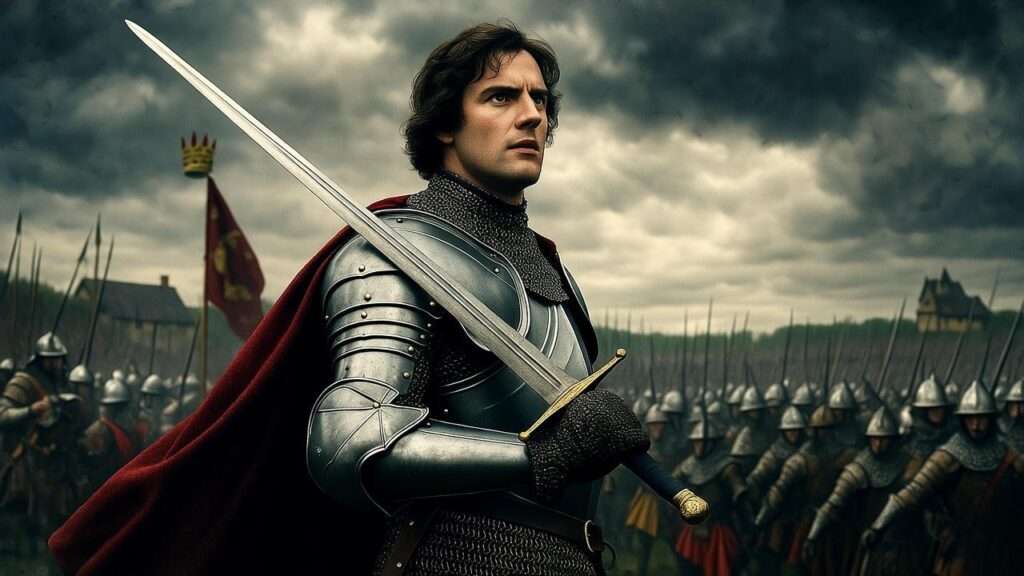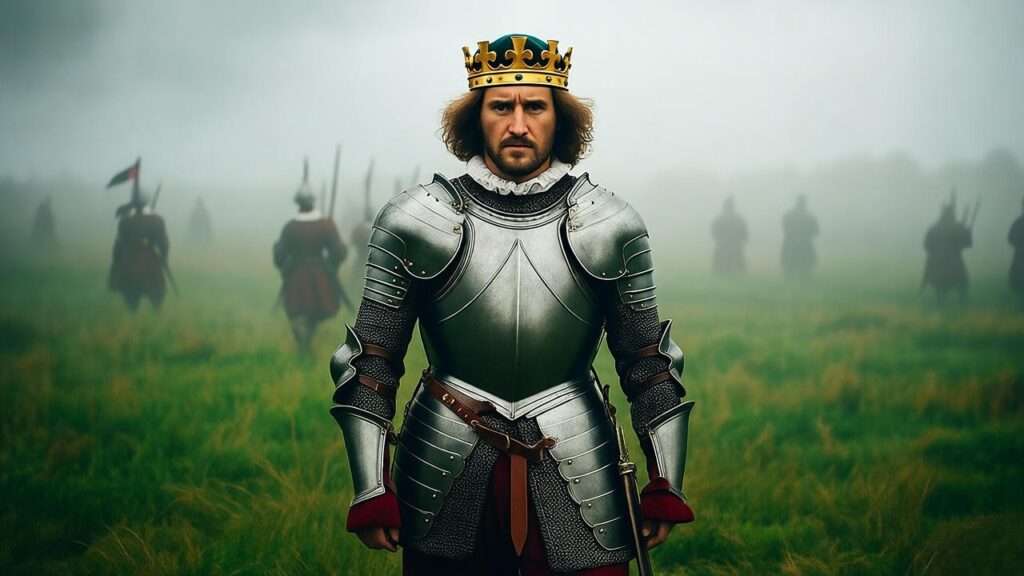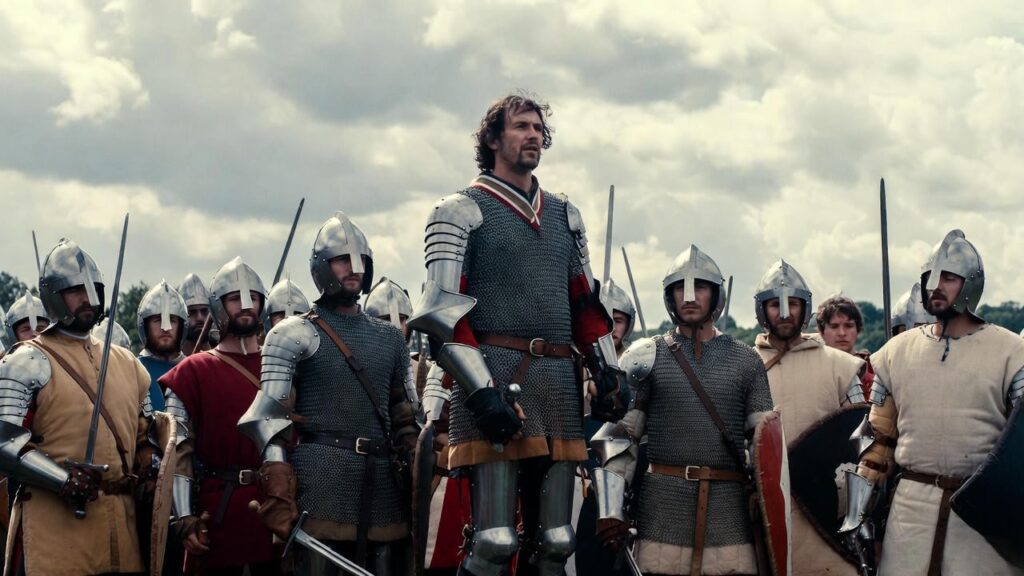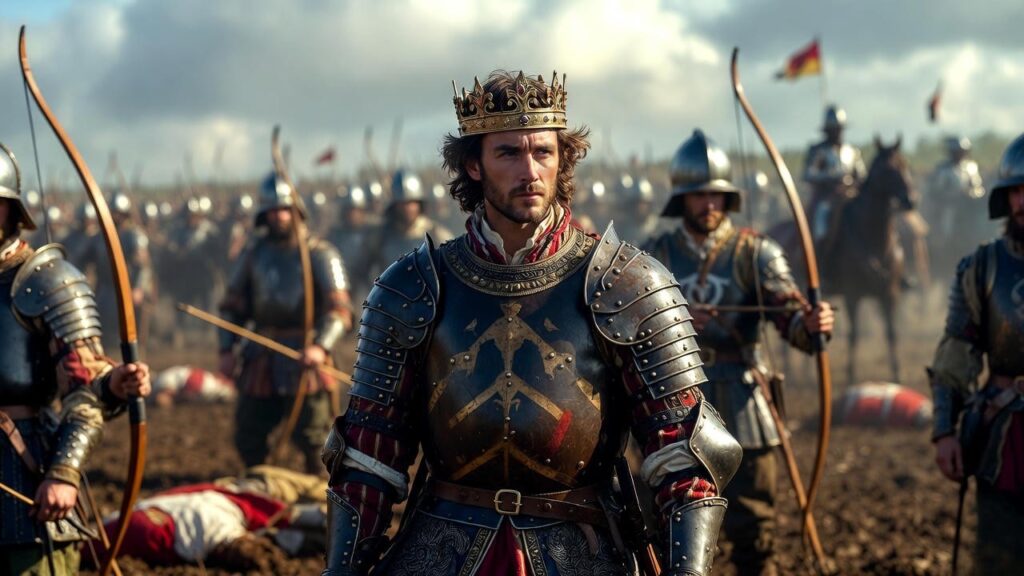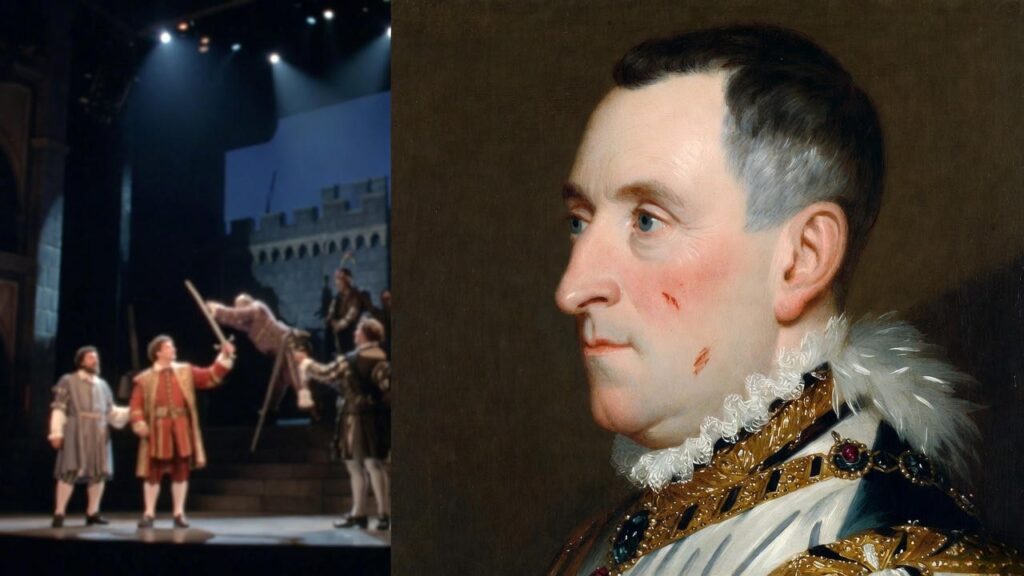
When you envision King Henry V, do you see the charismatic, unblemished warrior immortalized in Shakespeare’s Henry V, rallying his troops with the immortal words, “We few, we happy few, we band of brothers”? Or do you picture a more enigmatic figure—a stern monarch in strict profile, his face turned away as if concealing a secret? The truth behind the real Henry V portrait often surprises those searching for authentic images of this legendary king. No contemporary lifetime portraits survive, leaving us with posthumous depictions that reveal a far more complex and human figure than the idealized hero of stage and screen.
This discrepancy lies at the heart of many searches for the “henry v portrait.” Shakespeare’s play offers no detailed physical description, focusing instead on Henry’s charisma, leadership, and transformation from wayward prince to inspirational king. Yet historical records and surviving artworks paint a different picture—one marked by a grievous facial wound from his youth that likely influenced how he was depicted for centuries. In this comprehensive exploration, we’ll examine the authentic historical portraits of Henry V, delve into the evidence of his battle scar, and compare these to Shakespeare’s dramatic portrayal and modern interpretations. Drawing on primary sources, scholarly analysis, and visual evidence, we’ll uncover why the “real” Henry V looks so strikingly different from the mythic icon.
Who Was the Historical Henry V? A Brief Biography
To understand the portraits, we must first contextualize the man. Henry V (1386–1422) remains one of England’s most celebrated monarchs, renowned for his military prowess and the stunning victory at Agincourt in 1415 during the Hundred Years’ War.
From Prince Hal to Warrior King
Born Henry of Monmouth, the eldest son of Henry IV, he was known in his youth as Prince Hal—a name popularized by Shakespeare in Henry IV, Parts 1 and 2. Historical accounts describe a spirited young prince involved in governance early on, but his defining moment came at age 16 during the Battle of Shrewsbury in 1403. Fighting for his father against rebels led by Henry “Hotspur” Percy, the prince commanded a wing of the army and distinguished himself in fierce combat.
It was here that Henry suffered a near-fatal injury: an arrow struck his face, penetrating deeply beside his nose. As chronicled by contemporaries and detailed in the surgeon John Bradmore’s own account, the wound was severe, embedding the arrowhead inches into the bone. Bradmore’s innovative surgery saved Henry’s life, but it left a permanent disfigurement—a scar that would shape royal iconography.
Henry ascended the throne in 1413 at age 26, quickly asserting himself as a pious, disciplined ruler. He renewed claims to the French crown, launching the campaign that culminated in Agincourt—a miraculous upset where outnumbered English forces, bolstered by longbowmen, decimated the French nobility.
Death and Immediate Legacy
Henry’s triumphs continued with the conquest of Normandy and the Treaty of Troyes (1420), which named him heir to the French throne and secured his marriage to Catherine of Valois. Tragically, he died young in 1422 from dysentery while campaigning, just months before he would have become king of France. His infant son succeeded him as Henry VI, ushering in a period of instability.
Historians like Anne Curry and Christopher Allmand portray Henry as a ruthless yet effective strategist—pious and reform-minded domestically, but uncompromising in war. Unlike Shakespeare’s reformed rake, the real Henry was always serious and duty-bound, with no evidence of the wild youth dramatized in the plays.
The Challenge of Finding an Authentic Henry V Portrait
One of the most common frustrations for those researching the Henry V portrait is the absence of verified contemporary images. Medieval royal portraiture was rare and symbolic rather than realistic; kings were often depicted in manuscripts or effigies rather than standalone paintings.
No lifetime portraits commissioned by Henry himself survive, likely due to his early death and the artistic conventions of the era. Most extant images are posthumous, created in the Tudor period (16th century) as part of sets glorifying English monarchs. These were based on patterns derived from lost originals—perhaps his tomb effigy at Westminster Abbey (destroyed during the Reformation) or donor figures in religious art.
This explains why searches for “authentic Henry V images” often yield similar profile views: artists relied on standardized templates, idealizing the king while adhering to traditions that favored profile poses, reminiscent of Roman coins or medals.
Key Historical Portraits and Images of Henry V
The most recognizable depictions date from the early 16th century onward. Here are the primary ones:
The Iconic National Portrait Gallery Painting (NPG 545)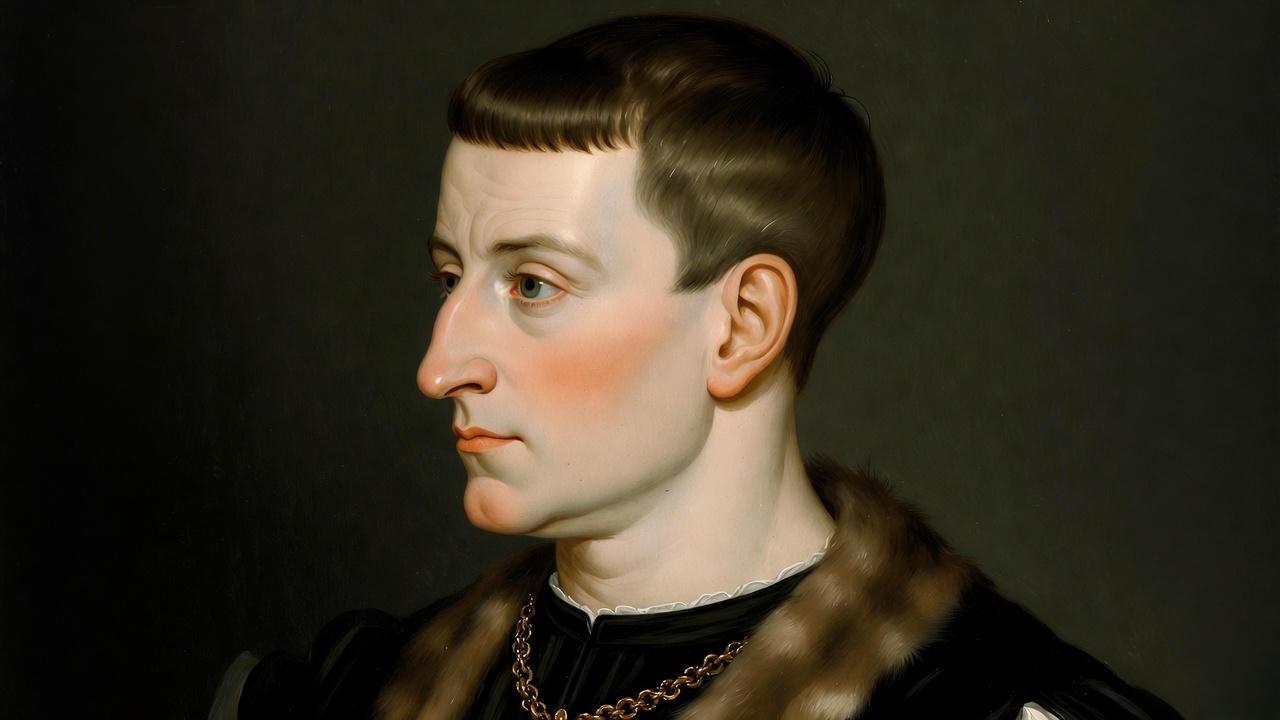
This late 16th- or early 17th-century oil on panel is the best-known Henry V portrait. It shows the king in strict left profile: short-cropped hair with a distinctive fringe, a fur-trimmed robe, and a gold chain. The face is youthful and serene, with no visible scars.
Held by the National Portrait Gallery in London (transferred from the British Museum in 1879), it’s attributed to an unknown artist and likely copied from earlier Tudor patterns. Scholars date it based on style and dendrochronology of similar panels.
The Royal Collection Panel (RCIN 403443)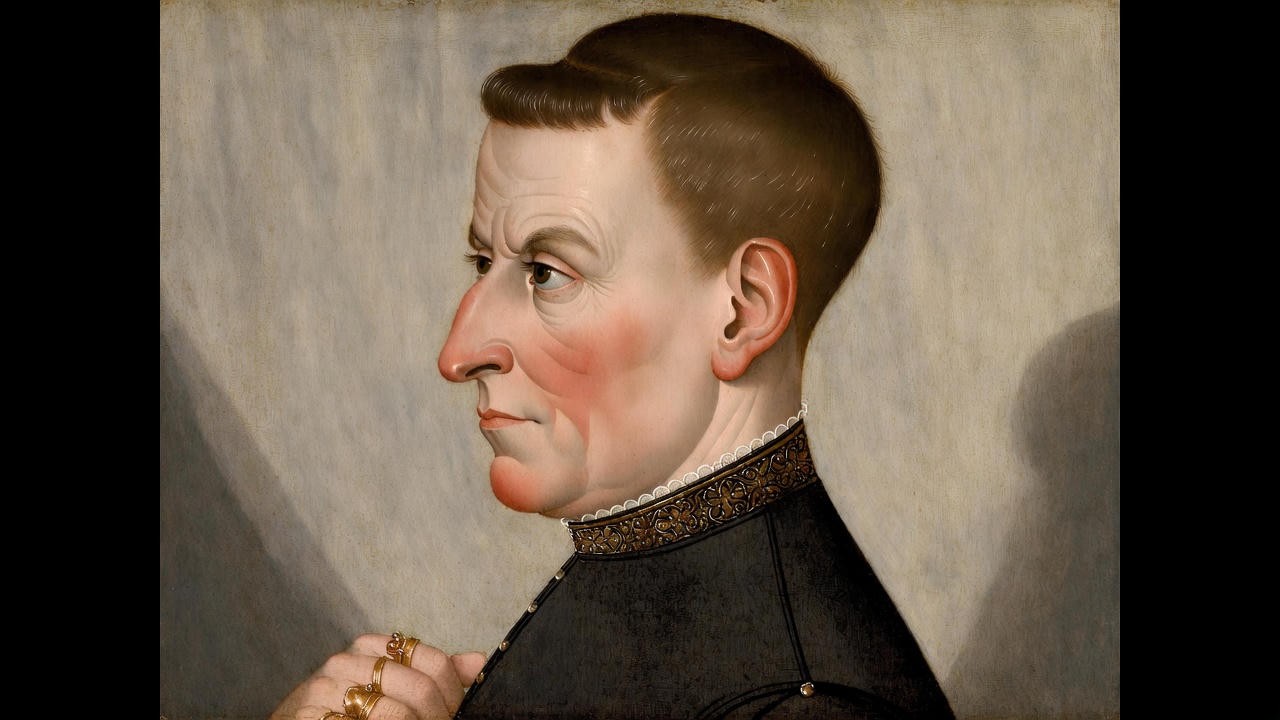
One of the earliest surviving paintings in the Royal Collection, dated 1504–1520 via tree-ring analysis. This panel depicts Henry in profile to the left, part of a set including other kings. It’s simpler, showing a dark coat with gold collar and rings—again, no scar visible.
These portraits influenced later engravings and copies, perpetuating the profile convention.
Other Notable Depictions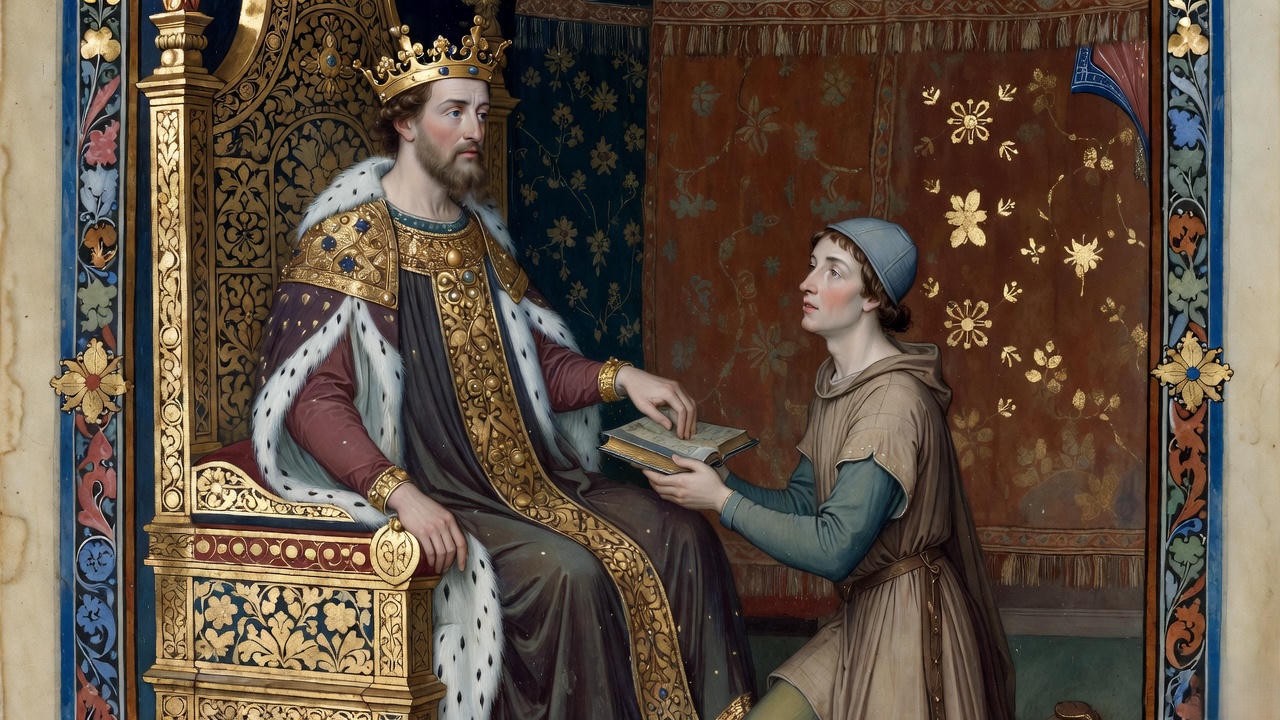
- Illuminated Manuscripts: The most contemporary-like image appears in copies of Thomas Hoccleve’s Regiment of Princes (c. 1411–1432). Hoccleve, a clerk who knew Henry, included a miniature showing the prince (pre-kingship) receiving the book. In British Library Arundel 38, Henry faces three-quarters right, revealing no obvious scar—suggesting either artistic idealization or that the disfigurement was less severe than assumed.
- Westminster Abbey Effigy: Henry’s original tomb effigy (now lost) provided a model for many portraits.
- Later Recreations: Victorian and modern reconstructions vary, some incorporating scars for realism.
These images collectively form the “standard” Henry V portrait: profiled, idealized, and enigmatic.
The Hidden Scar: Evidence of Henry V’s Battle Wound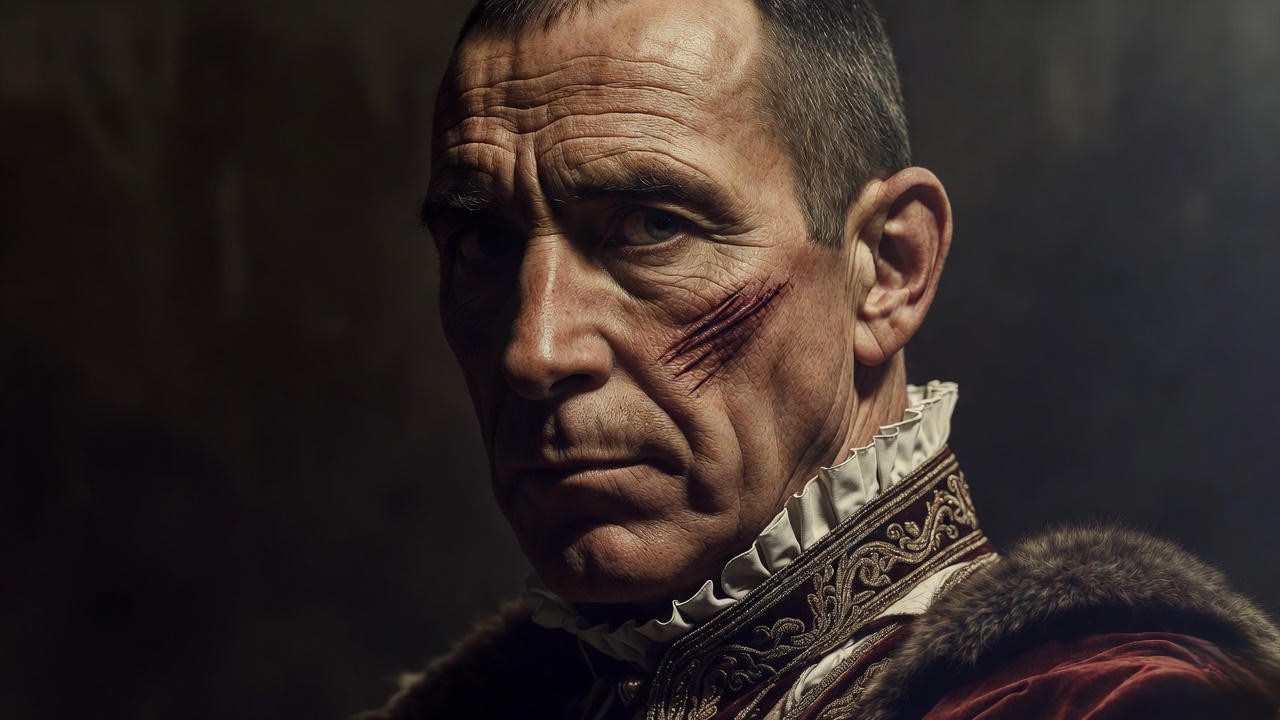
The profile pose has long fueled speculation about concealment.
The Battle of Shrewsbury and John Bradmore’s Surgery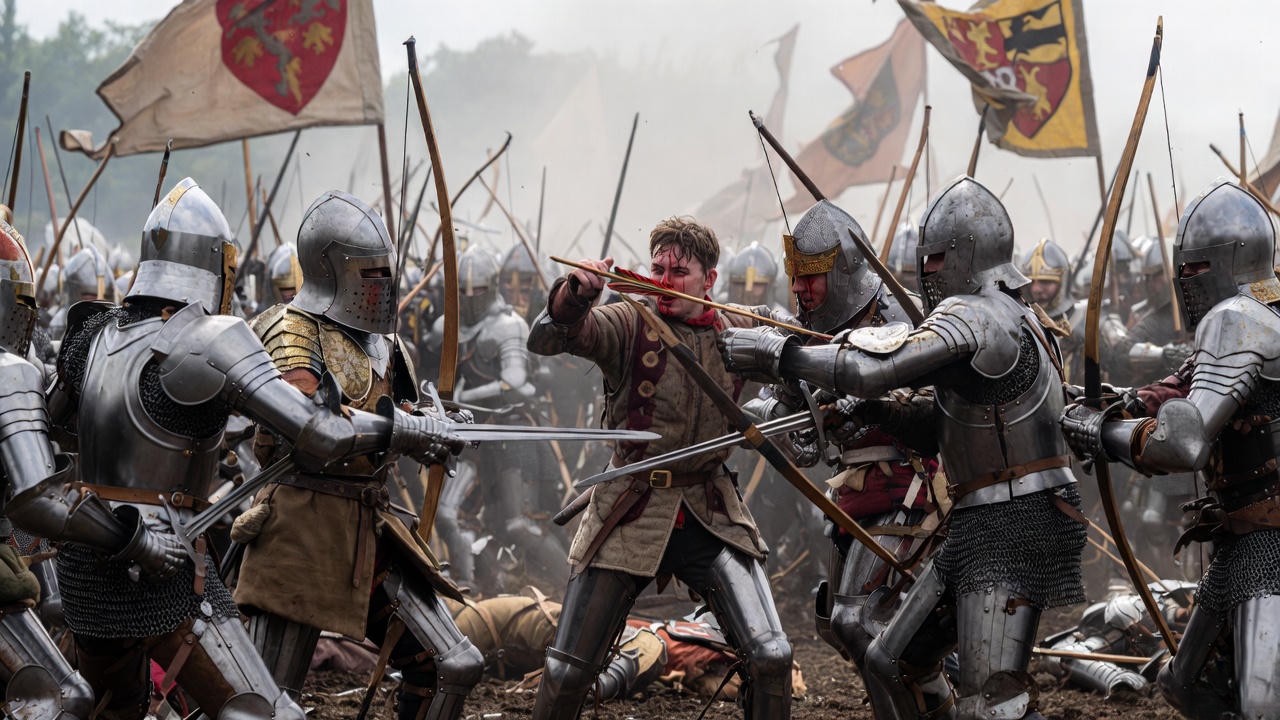
At Shrewsbury, Prince Henry was struck by an arrow “next to his nose on the left side” (per Bradmore’s treatise Philomena). The shaft broke, leaving the bodkin point embedded 5–6 inches deep. Bradmore, a skilled surgeon, enlarged the wound, extracted the arrowhead with custom tools, and treated it with honey and wine to prevent infection.
Henry recovered fully in function but bore a lifelong scar. Modern analyses (e.g., by Michael Livingston) confirm this would have caused significant disfigurement on the left cheek.
Why Portraits Conceal It
Posthumous portraits show the undamaged left profile, idealizing the king for propaganda purposes. Tudor monarchs (descended from Henry’s Lancastrian line via Henry VII) emphasized legitimacy and perfection. Profile views, unusual for English kings (who typically faced forward), may derive from classical influences or deliberate omission of flaws.
Scholars debate: some argue the scar was minimized through healing; others see the profile as hiding it. No portrait shows the right side prominently, supporting the concealment theory.
Shakespeare’s Henry V: The Dramatic vs. Historical Image
Shakespeare’s Henry V (c. 1599) provides no physical description, emphasizing inner qualities.
How Shakespeare Portrays the King
Drawing from Holinshed’s Chronicles, Shakespeare crafts an inspirational leader: eloquent (St. Crispin’s Day speech), merciful yet firm, and transformed from the wild Prince Hal. The focus is rhetorical power and national unity, suiting Elizabethan propaganda amid threats from Spain and Ireland.
Stage and Screen Depictions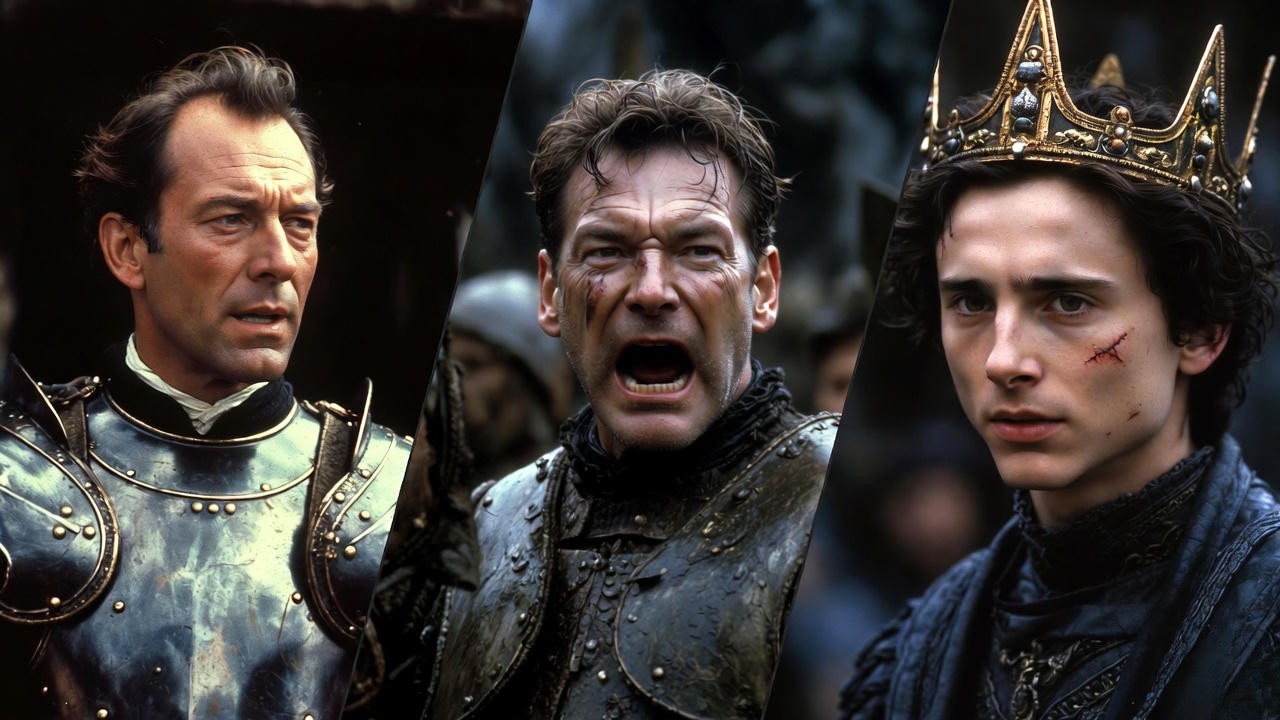
- Laurence Olivier (1944): Clean-cut, heroic—made during WWII as morale-booster, with sunny, stylized battles.
- Kenneth Branagh (1989): Gritty, introspective Henry amid mud and blood, questioning war’s cost.
- Tom Hiddleston (The Hollow Crown, 2012): Noble, burdened leader—romantic yet authoritative.
- Timothée Chalamet (The King, 2019): Includes a visible scar, blending history with fiction for realism.
Key Differences: Idealized Youth vs. Scarred Realism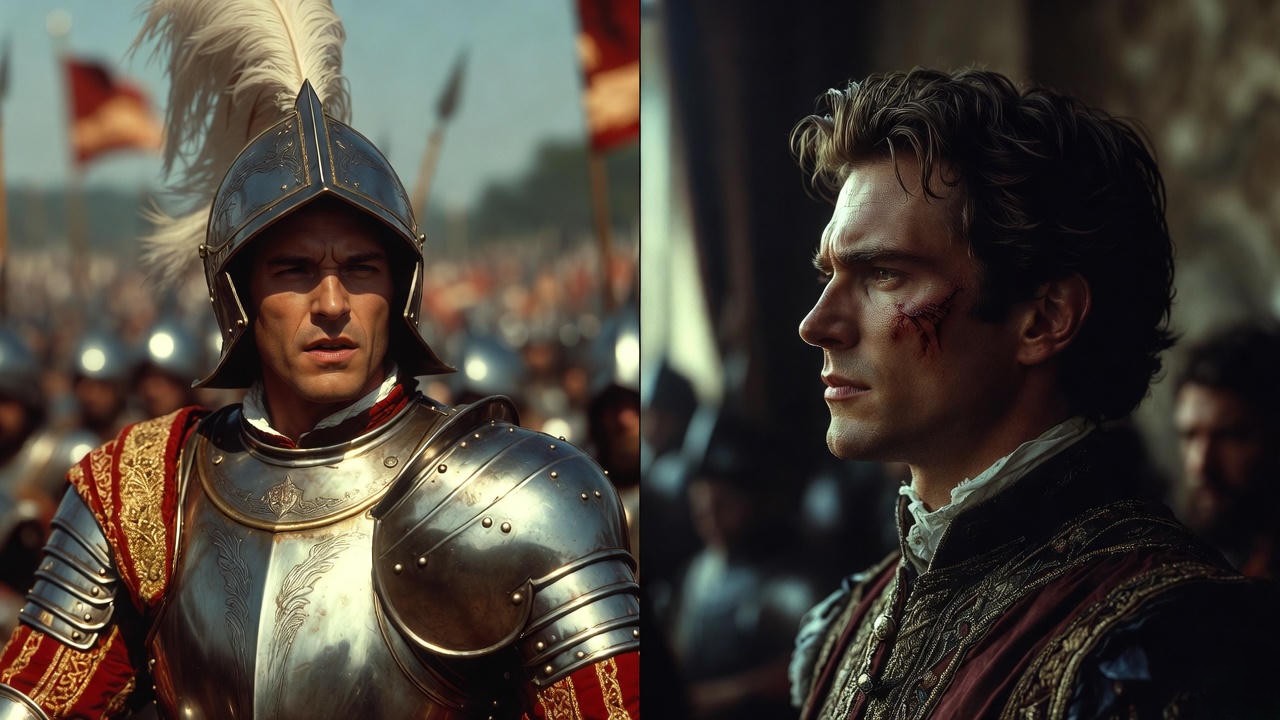
Shakespeare’s Henry is ageless and flawless; history shows a scarred warrior-king. A comparison:
| Aspect | Shakespeare’s Henry V | Historical Henry V |
|---|---|---|
| Physical Appearance | No description; implied youthful vigor | Scarred face; short hair; athletic build |
| Personality | Charismatic reformer | Pious, ruthless strategist |
| Legacy | Triumphant unifier | Victorious but short-lived dynasty |
Evolution of Henry V’s Image in Art and Culture
Tudor propaganda revived Henry’s image to bolster claims. Victorian romantics heroicized Agincourt; modern media alternates between glorification and critique.
The myth persists due to Shakespeare’s enduring influence, overshadowing historical nuance.
Expert Insights and Modern Scholarship
Historians like Juliet Barker (Agincourt) and Ian Mortimer emphasize Henry’s administrative genius alongside martial skill. Recent studies (e.g., on Bradmore’s surgery) highlight medieval medicine’s sophistication.
FAQs About the Henry V Portrait
What is the most famous Henry V portrait? The National Portrait Gallery’s profile panel (NPG 545).
Did Henry V really have a facial scar? Yes—documented evidence from Shrewsbury confirms a severe wound leaving permanent marks.
Why are all Henry V portraits in profile? Likely to idealize and possibly conceal the scar; influenced by classical and posthumous patterns.
How does Shakespeare’s Henry V differ from the real king? Shakespeare dramatizes a charismatic ideal; history reveals a scarred, pragmatic ruler.
Where can I see authentic Henry V images today? National Portrait Gallery (London), Royal Collection Trust, and British Library manuscripts.
The real Henry V portrait—profiled, posthumous, and idealized—stands in stark contrast to Shakespeare’s flawless hero. Yet this very gap reveals the power of myth: Henry’s scarred humanity made him a formidable king, while artistic and dramatic traditions transformed him into an eternal icon. For Shakespeare enthusiasts and history buffs alike, reconciling these images enriches our understanding of a monarch whose legacy endures not despite his flaws, but through the stories we tell about him.