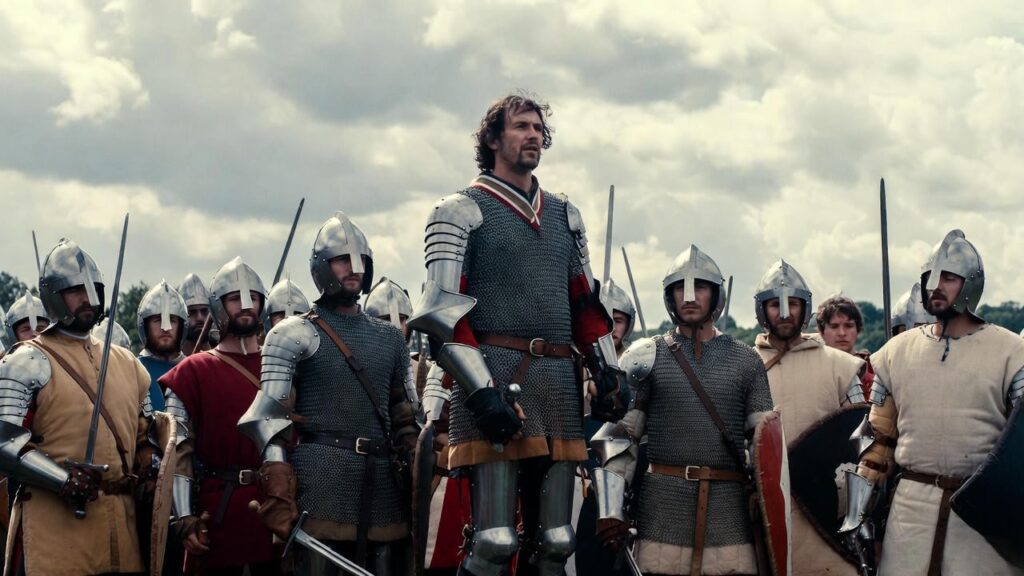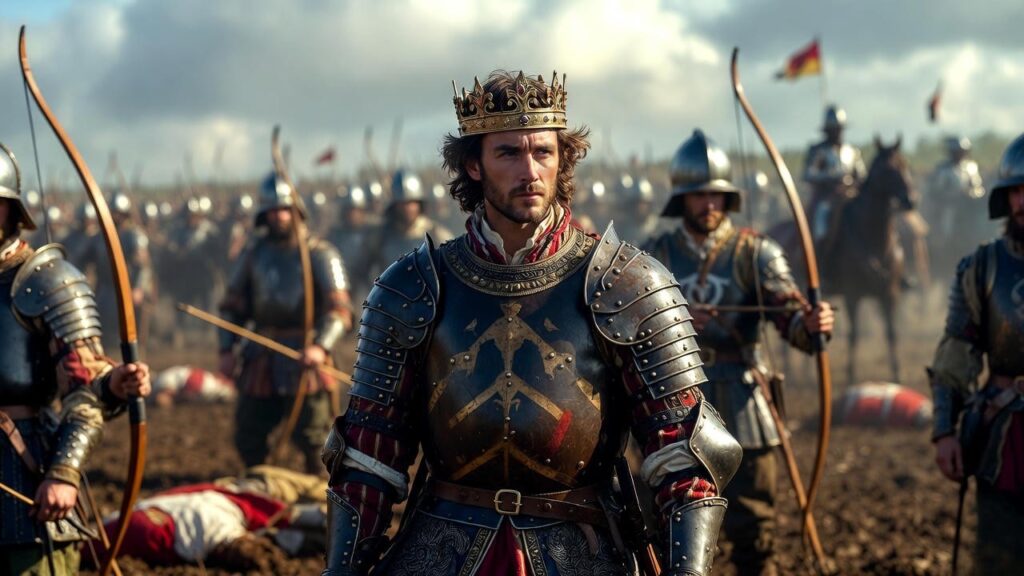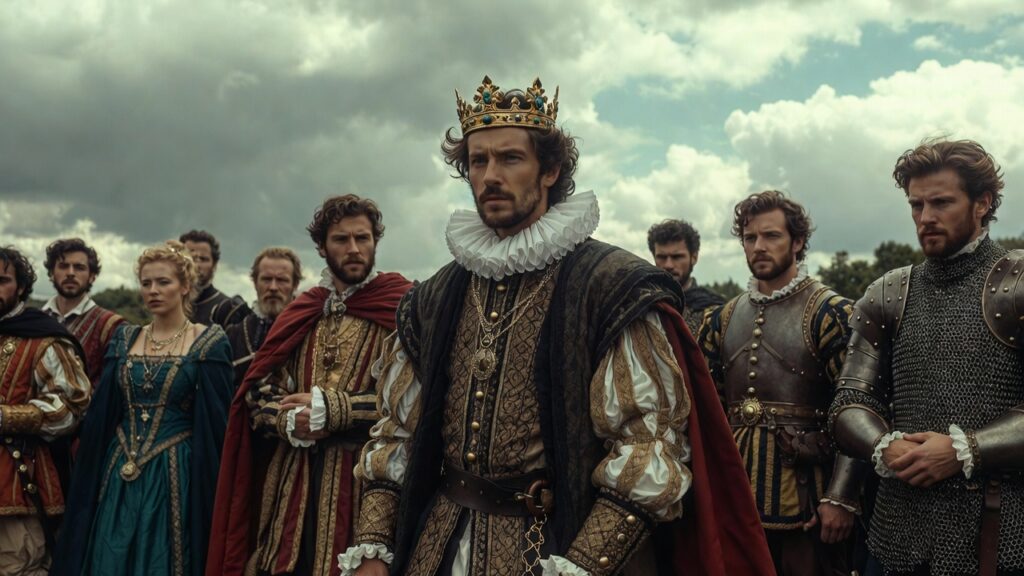
Imagine standing on a muddy battlefield in northern France, vastly outnumbered, with the fate of a kingdom hanging in the balance. A young king rises and delivers one of the most stirring speeches in all of literature: “We few, we happy few, we band of brothers…” This is the magic of Shakespeare’s Henry V—a play that transforms history into epic drama through its unforgettable cast. The Henry V Shakespeare characters bring to life themes of leadership, war, national identity, and human folly, making the play timeless for students, theatergoers, and literature enthusiasts alike.
Many readers struggle to navigate the large ensemble, from the heroic king to the boastful cowards and the pompous French nobles. This comprehensive guide solves that problem by offering in-depth profiles, key quotes, historical context drawn from sources like Raphael Holinshed’s Chronicles, thematic analysis, and connections to the broader Henriad tetralogy (Richard II, Henry IV Parts 1 and 2). Whether preparing for an exam, essay, or performance, or simply seeking deeper appreciation, this skyscraper-level exploration goes beyond basic summaries to reveal Shakespeare’s genius in blending glory with grit.
The Role of the Chorus: The Narrator Who Frames Everything
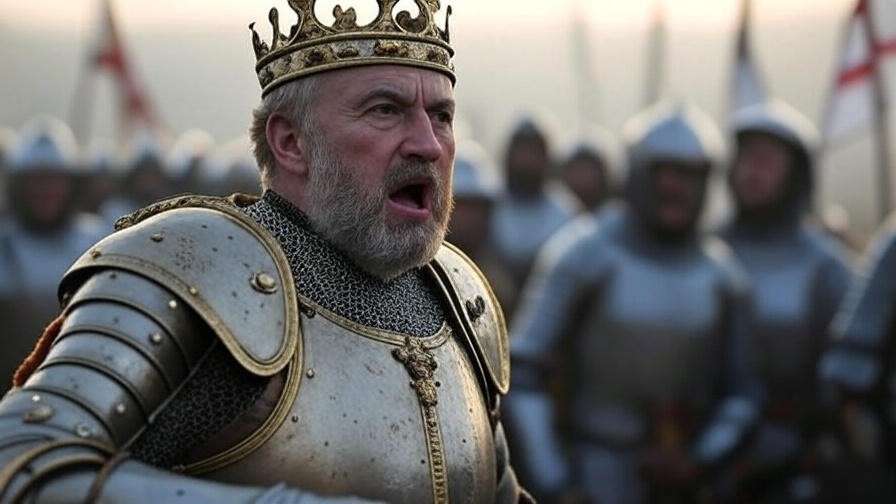
Shakespeare’s innovative use of the Chorus sets Henry V apart from his other histories. Appearing at the start of each act, the Chorus serves as a narrator who apologizes for the theater’s limitations—“Can this cockpit hold / The vasty fields of France?”—while urging the audience to use their imagination to envision epic battles and grand courts.
This device highlights the play’s self-awareness: it’s not just a reenactment of history but a constructed myth of English greatness. The Chorus embodies national pride and collective imagination, bridging gaps in time and space. Modern parallels abound, from cinematic voiceovers in war films to how propaganda shapes perceptions of conflict. As an expert insight: the Chorus subtly critiques the very heroism it promotes, reminding us that the play’s grandeur relies on audience participation.
Major Characters: The Heart of the Play
King Henry V — The Transformed Hero-King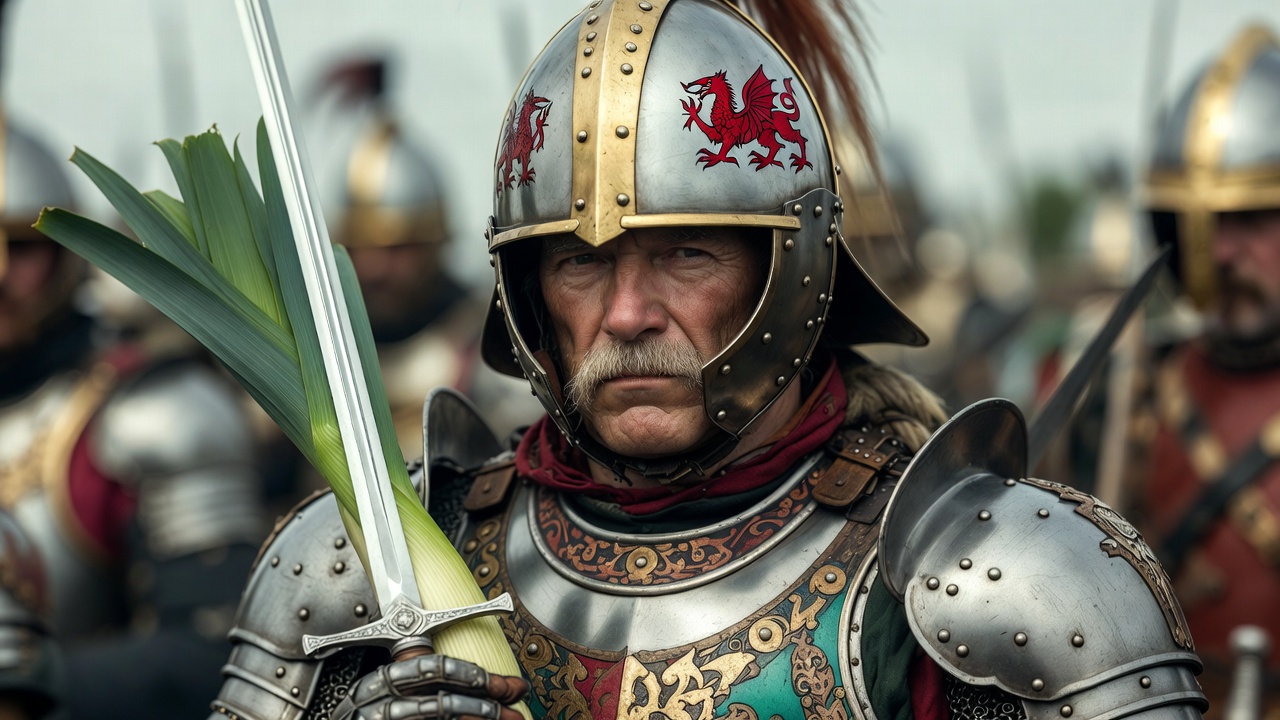
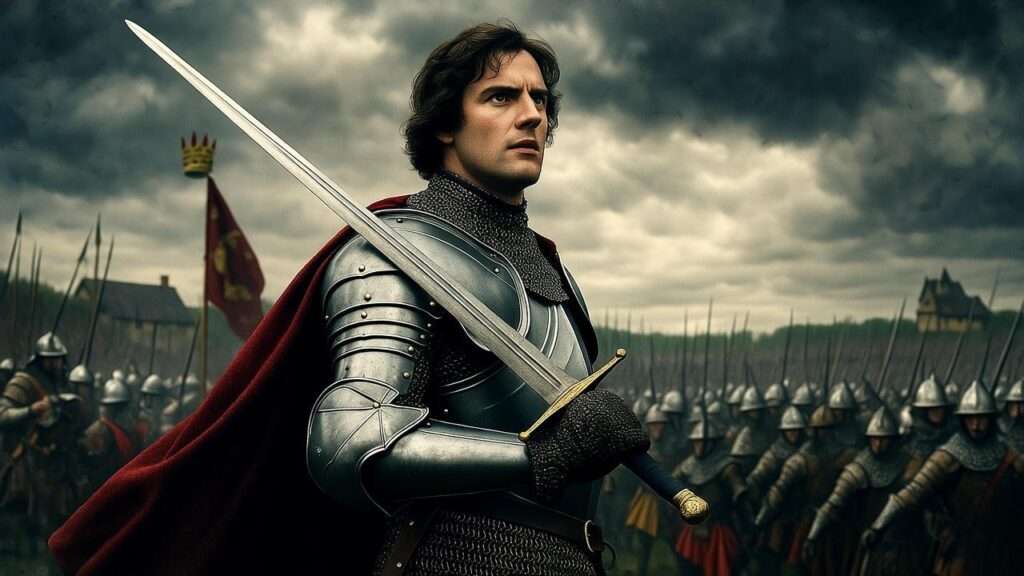
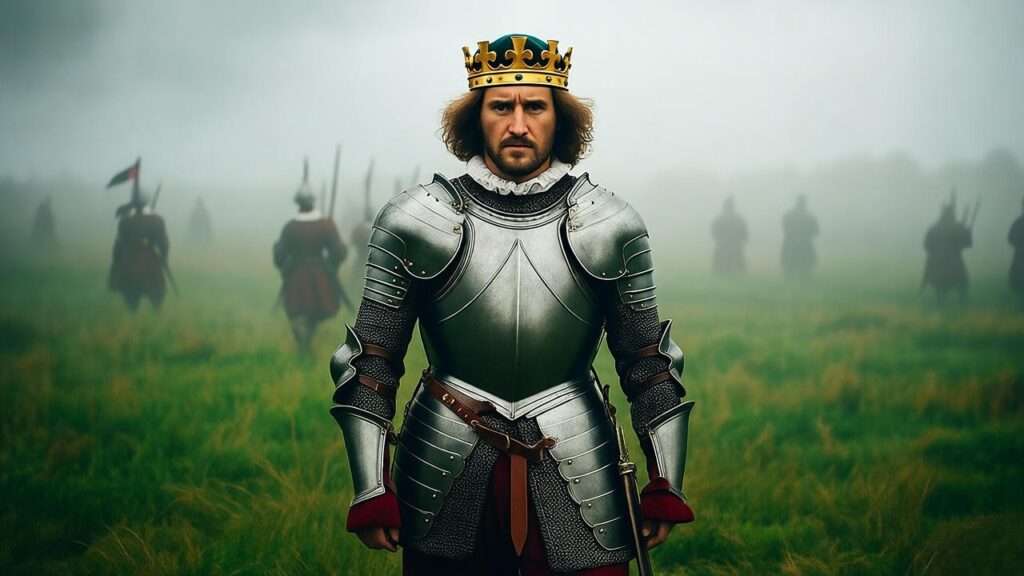
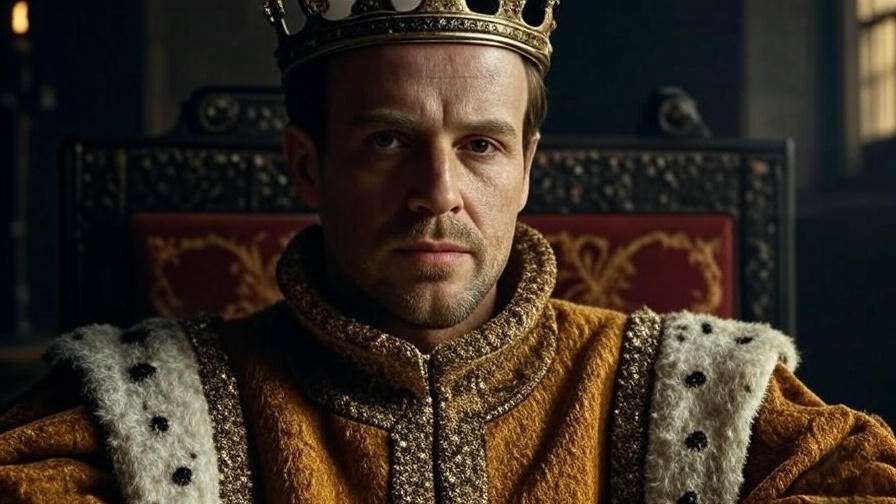
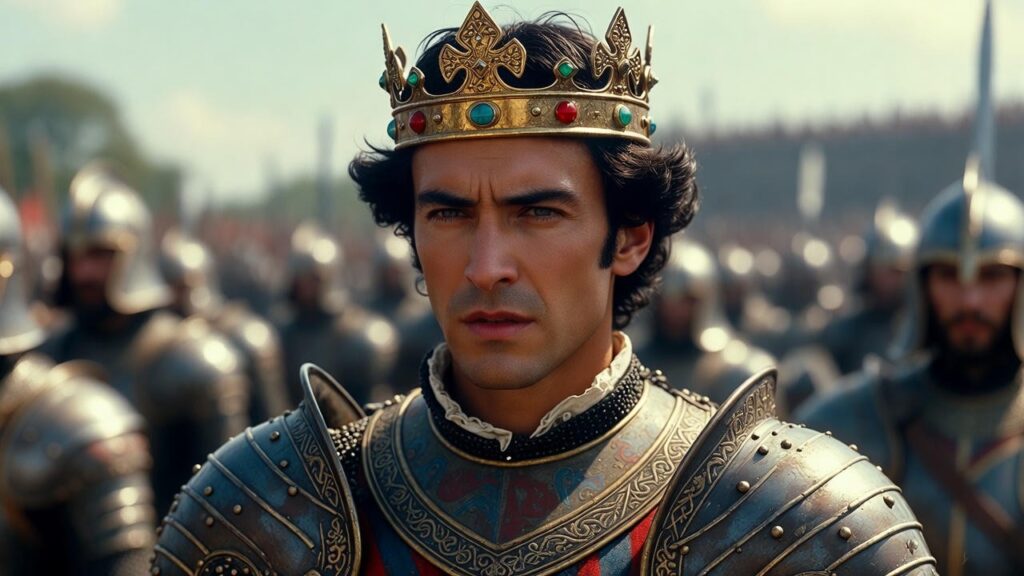
At the center stands King Henry V, the reformed Prince Hal from the Henry IV plays. No longer the tavern-roaming youth, he emerges as a mature, strategic monarch—rhetorically brilliant, merciful yet ruthless, and deeply reflective on the burdens of kingship.
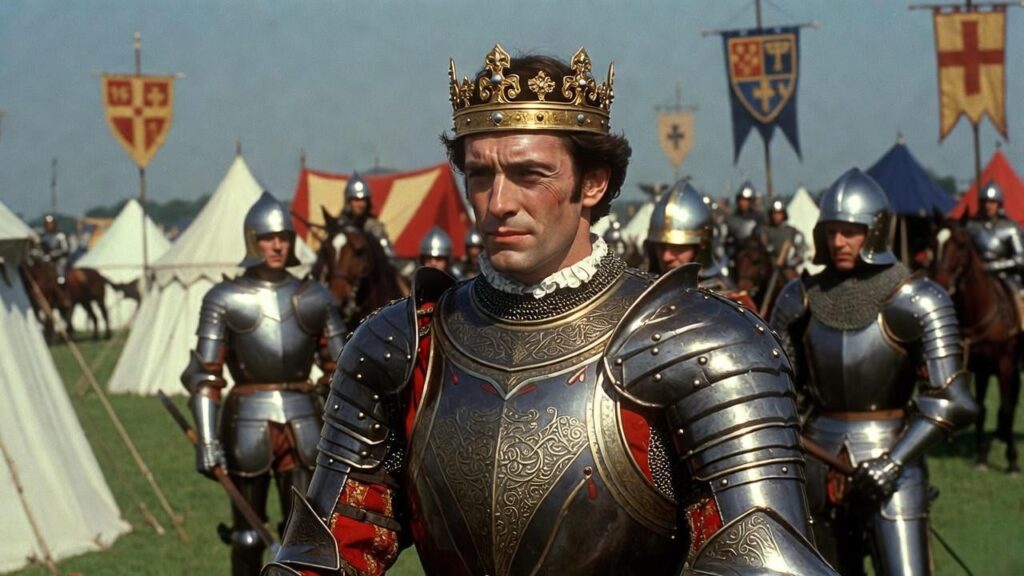
Henry’s evolution is profound: he justifies war through legal claims (via the Archbishop), executes traitors with cold justice, and inspires troops through masterful oratory. His most famous moment is the St. Crispin’s Day speech:
This story shall the good man teach his son; And Crispin Crispian shall ne’er go by, From this day to the ending of the world, But we in it shall be remember’d— We few, we happy few, we band of brothers…
This transforms ordinary soldiers into legends, emphasizing unity across class lines. Yet Shakespeare adds nuance: in disguise among his troops the night before Agincourt, Henry grapples with moral responsibility—“Every subject’s duty is the king’s; but every subject’s soul is his own.” Historically, Shakespeare draws from Holinshed but amplifies Henry’s piety and leadership for Tudor propaganda, portraying him as the ideal Christian king.
Katherine, Princess of France — The Romantic Counterpoint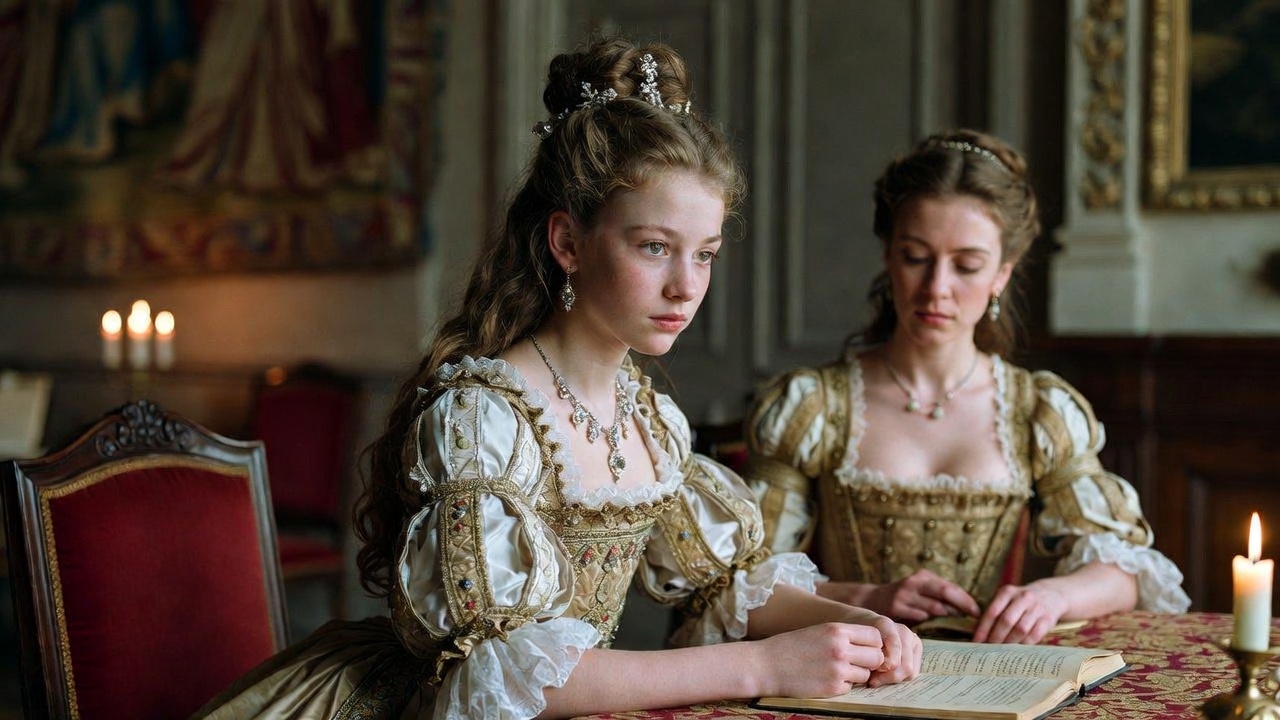
Katherine (often spelled Catherine) offers a lighter, poignant contrast to the war’s brutality. Her Act 3, Scene 4 English lesson with Alice is hilarious yet touching, highlighting language barriers and cultural differences.
Her wooing scene in Act 5 is politically charged: Henry’s courtship is courtship as diplomacy, sealing peace through marriage. Katherine’s broken English and shy resistance humanize the French, while her eventual consent symbolizes union. This subplot underscores gender dynamics and how women become pawns in royal games.
Supporting English Characters: Nobles, Captains, and Loyal Followers
Fluellen — The Comic yet Honorable Welsh Captain
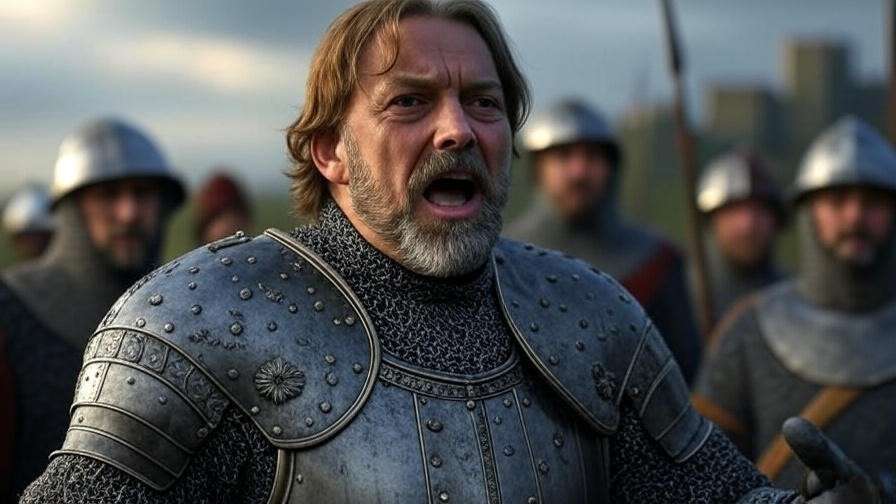
Fluellen, the pedantic Welsh captain with a thick accent, provides comic relief through his obsession with “disciplines of the wars” and historical parallels (comparing Henry to “Alexander the Pig”). Yet he’s brave, loyal, and principled—disciplining thieves and confronting braggarts like Pistol.
His loyalty shines in defending Welsh traditions (forcing Pistol to eat a leek). Fluellen represents the “four nations” unity within Britain, blending humor with genuine valor.
Other Captains: Jamy (Scottish) and Macmorris (Irish)
The Act 3, Scene 2 scene with Jamy and Macmorris showcases Britain’s internal tensions and fragile unity—accents, quarrels, and shared purpose against France.
Noblemen: Exeter, Gloucester, Bedford, Warwick
These loyal figures support Henry, embodying familial and noble duty. Exeter delivers messages and arrests traitors; the brothers illustrate unwavering support.
The Comic Low-Life Figures: Villains, Cowards, and Survivors
Pistol, Bardolph, Nym, and the Boy — Falstaff’s Legacy
These Eastcheap rogues connect to the Henry IV plays, where they caroused with young Hal. Pistol is boastful and cowardly, spouting melodramatic verse; Bardolph and Nym are executed for theft, showing war’s harsh justice.
The Boy, witty and observant, condemns their cowardice before his tragic death. They offer comic relief but also social commentary on war’s underbelly—how the poor suffer while kings glory.
French Characters: Arrogance, Royalty, and Defeat
King Charles VI and the Dauphin
King Charles VI is cautious but overwhelmed; the Dauphin is arrogant, sending the infamous tennis balls as mockery (Act 1, Scene 2). Henry turns the insult into motivation: “his jests / Turn’d his balls to gun-stones.” This scene highlights French overconfidence.
The Constable of France and Other Nobles
They underestimate the English, leading to Agincourt’s disaster.
Antagonists and Traitors: Internal Threats
Cambridge, Scroop, and Grey — The Southampton Plot
These nobles betray Henry for French gold, executed in a tense scene showcasing his justice.
Common Soldiers: The Human Face of War
Michael Williams, John Bates, and Alexander Court
In the disguised Henry’s night wanderings (Act 4, Scene 1), they debate kingship’s moral weight—soldiers die for the king’s cause, but bear their souls alone. This scene adds depth, questioning blind obedience.
Themes Illuminated Through Characters
Shakespeare weaves leadership (Henry vs. soldiers), war’s glory vs. horror (heroes vs. cowards), national identity (Chorus, four nations), and rhetoric (speeches, Katherine’s lesson). Drawing from Holinshed, Shakespeare adds Tudor propaganda but injects doubt—Henry’s victory is triumphant yet costly.
Expert Insights and Study Tips
Is Henry a hero or Machiavellian? Adaptations like Olivier (1944) and Branagh (1989) emphasize patriotism or realism. For essays: analyze character arcs with quotes; compare to historical Henry (pious reformer per Holinshed).
Common questions: Fluellen’s role? Comic relief with honor. Katherine’s contribution? Peace symbol.
Frequently Asked Questions (FAQ)
- Who are the main Henry V Shakespeare characters? Henry V, Chorus, Fluellen, Pistol, Katherine, Dauphin.
- What is Fluellen’s role? Comic yet valiant Welsh captain embodying discipline.
- How does Katherine contribute? Represents peace through marriage.
- Why comic characters? Contrast war’s grim reality.
- Is Henry a perfect king? Idealized yet flawed—reflective and ruthless.
From heroic king to humble soldiers, the Henry V Shakespeare characters create a rich tapestry of triumph, doubt, and humanity. Shakespeare’s genius lies in balancing epic heroism with comedy and moral complexity, making the play enduring.
Dive into the text, watch Branagh’s film, explore the Henriad—or share your favorite character below. The “band of brothers” awaits!