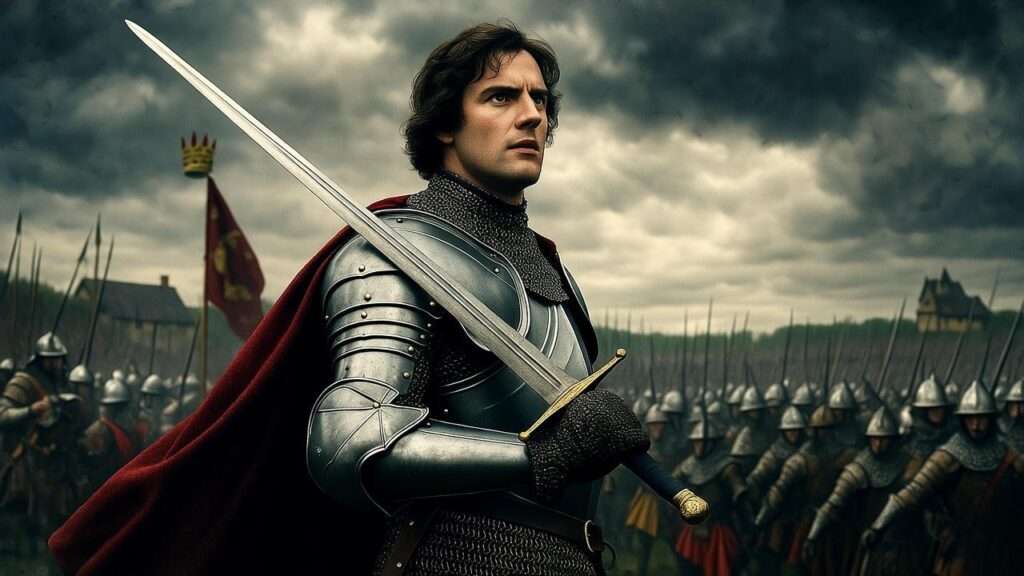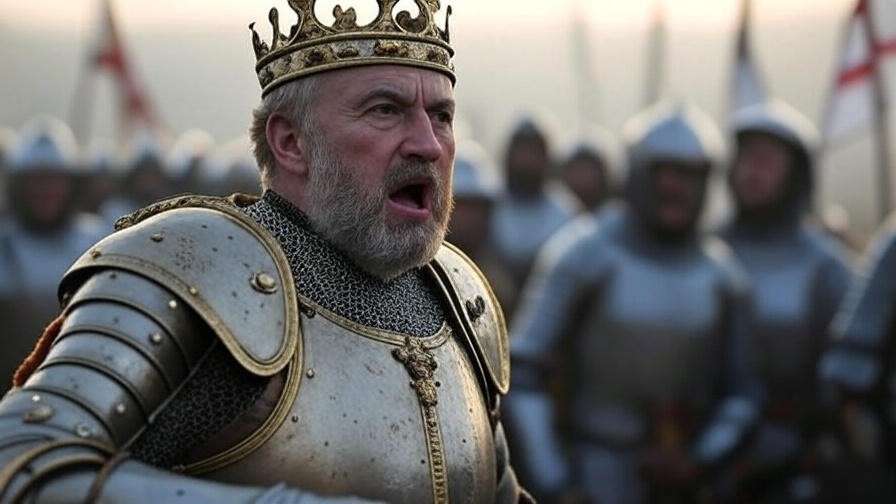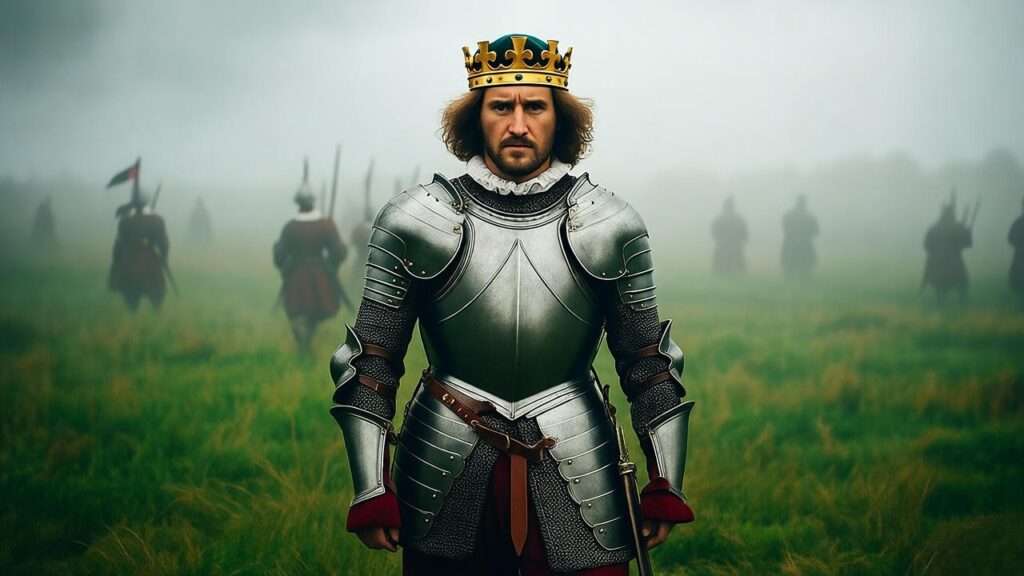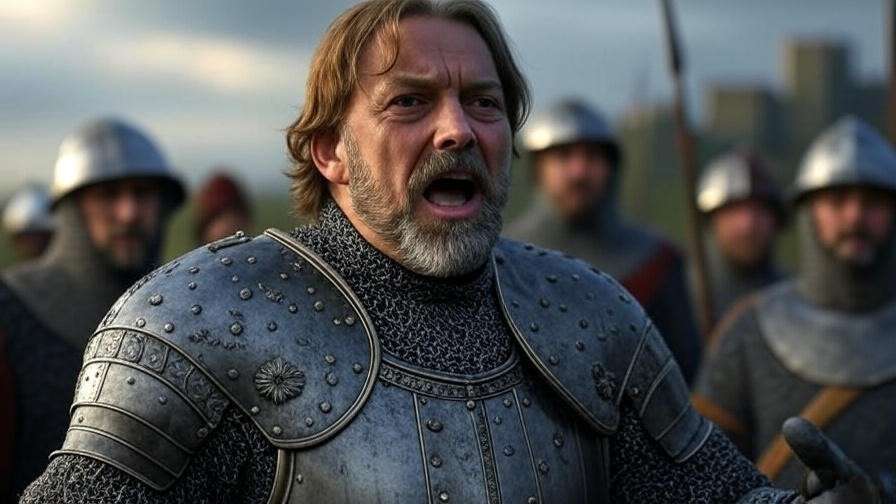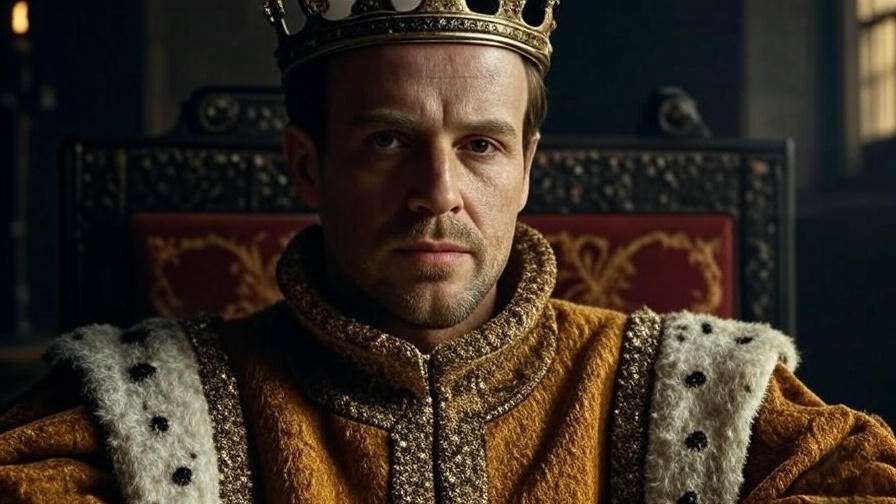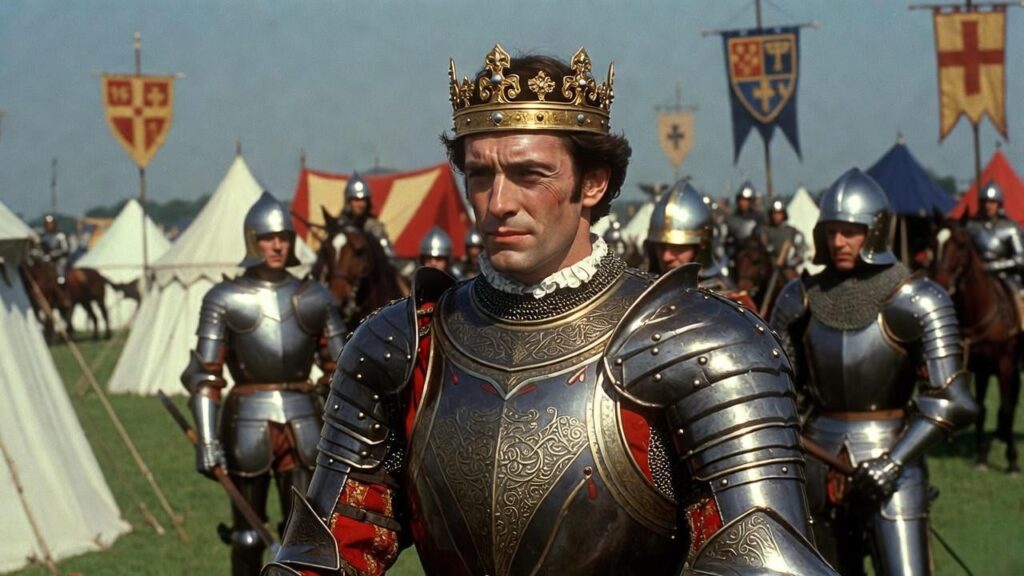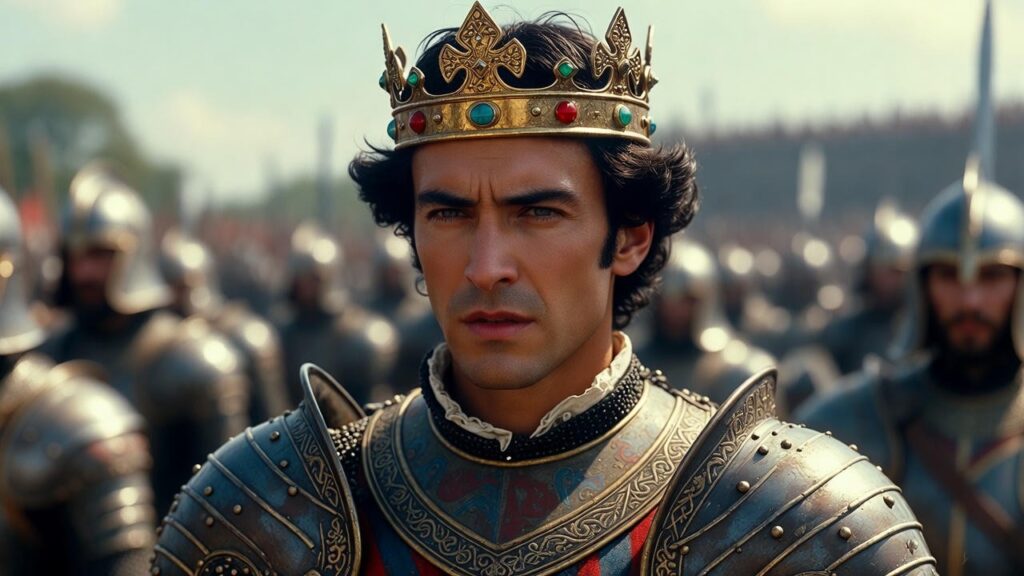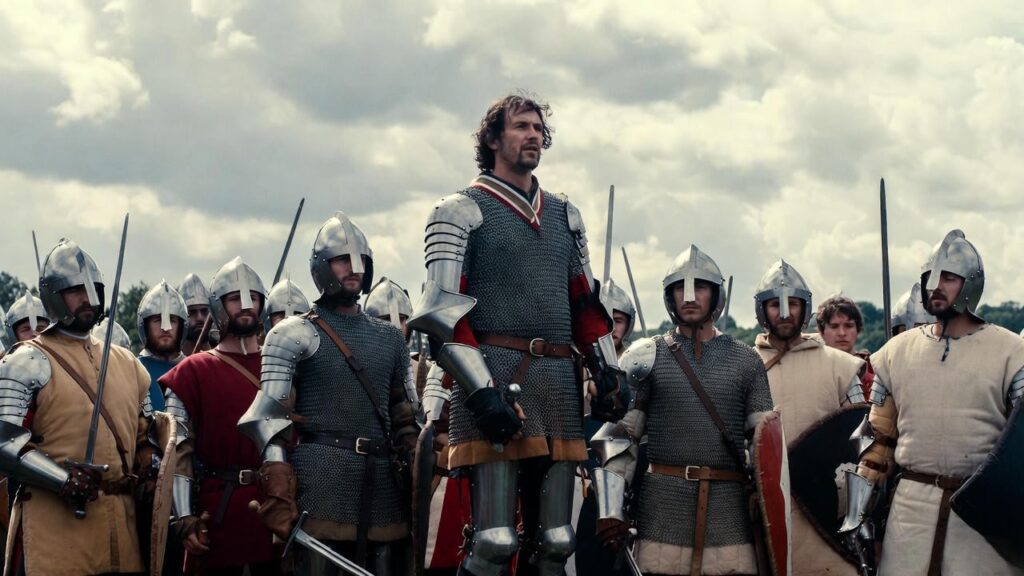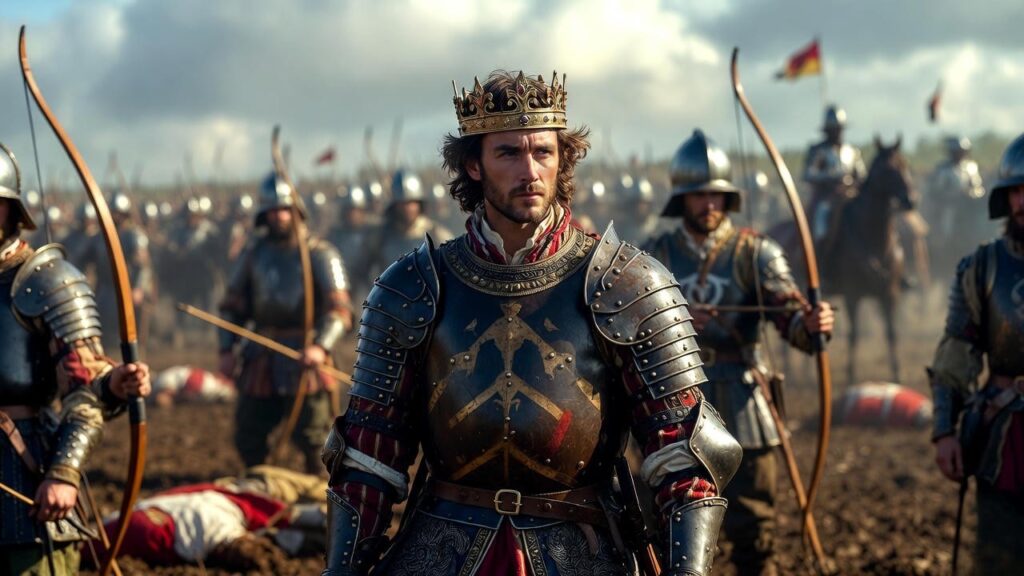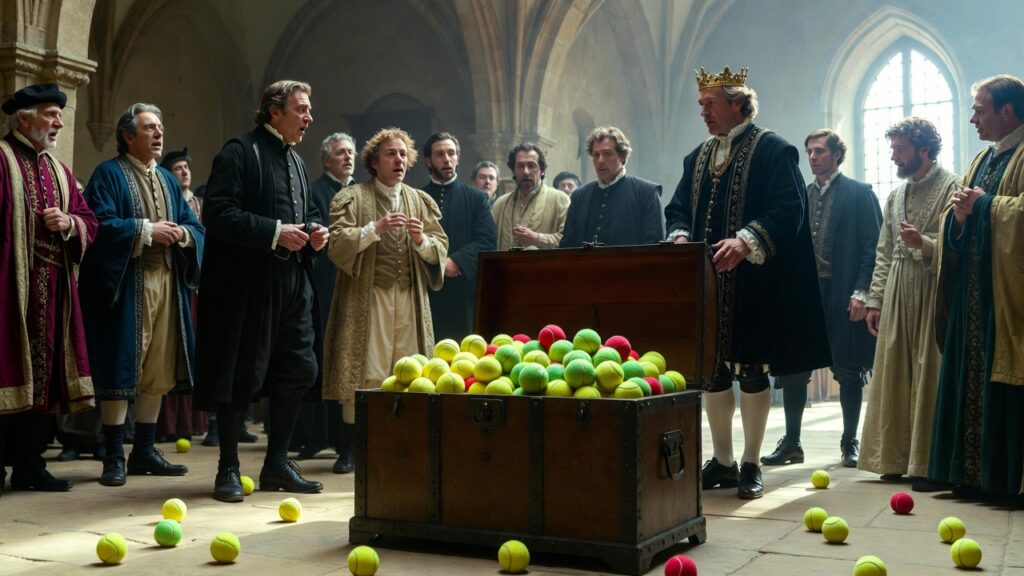
Imagine a rival nation sending you, as king, a lavish chest filled not with gold or jewels, but with tennis balls. This “gift” arrives as a deliberate slap in the face, mocking your maturity and fitness to rule. In William Shakespeare’s Henry V, this exact moment—the famous “Henry V tennis balls” scene in Act 1, Scene 2—transforms from petty insult into the dramatic trigger for invasion, conquest, and one of literature’s most powerful declarations of war. Far from a quirky historical footnote, the tennis balls become a symbol of underestimation, royal transformation, and the deadly consequences of scorn.
For students analyzing the play, theater enthusiasts revisiting performances, or anyone curious about Shakespeare’s mastery of rhetoric and symbolism, this scene is pivotal. It reveals King Henry’s evolution from the wayward Prince Hal of the Henry IV plays into a formidable monarch. In this comprehensive guide, we break down the historical roots, line-by-line meaning, literary devices, theatrical interpretations, and enduring lessons—offering deeper insight than standard summaries provide.
Historical Context — Did the Tennis Balls Incident Really Happen?
The Hundred Years’ War (1337–1453) forms the backdrop for Henry V. Henry V (r. 1413–1422) revived England’s claim to the French throne through his great-grandfather Edward III, asserting rights via the female line despite the Salic Law invoked by France.
Shakespeare drew primarily from Raphael Holinshed’s Chronicles of England, Scotland, and Ireland (1587), which records an embassy during Henry’s time at Kenilworth Castle. French ambassadors delivered a “barrel of Paris balls” from the Dauphin, scorning Henry as better suited to “childish exercise” than worthy exploits. Holinshed notes Henry responded he would soon send “London balls” to shake French courts—likely cannonballs.
Edward Hall’s earlier chronicle (1548) similarly describes the Dauphin sending tennis balls to mock Henry’s youthful follies, implying greater skill in games than war. While the anecdote appears in chronicles, historians debate its full accuracy; Shakespeare amplifies it for drama, shifting timing and attributing it directly to the Dauphin to heighten tension after Henry’s war deliberations.
In Shakespeare’s era, such diplomatic “gifts” carried symbolic weight—insulting ones signaled contempt. Tennis, or “real tennis” (jeu de paume), was an aristocratic indoor game associated with youth and leisure, making the gift a pointed jab at Henry’s reputed wild past.
The Scene Setup — Act 1, Scene 2 in Shakespeare’s Henry V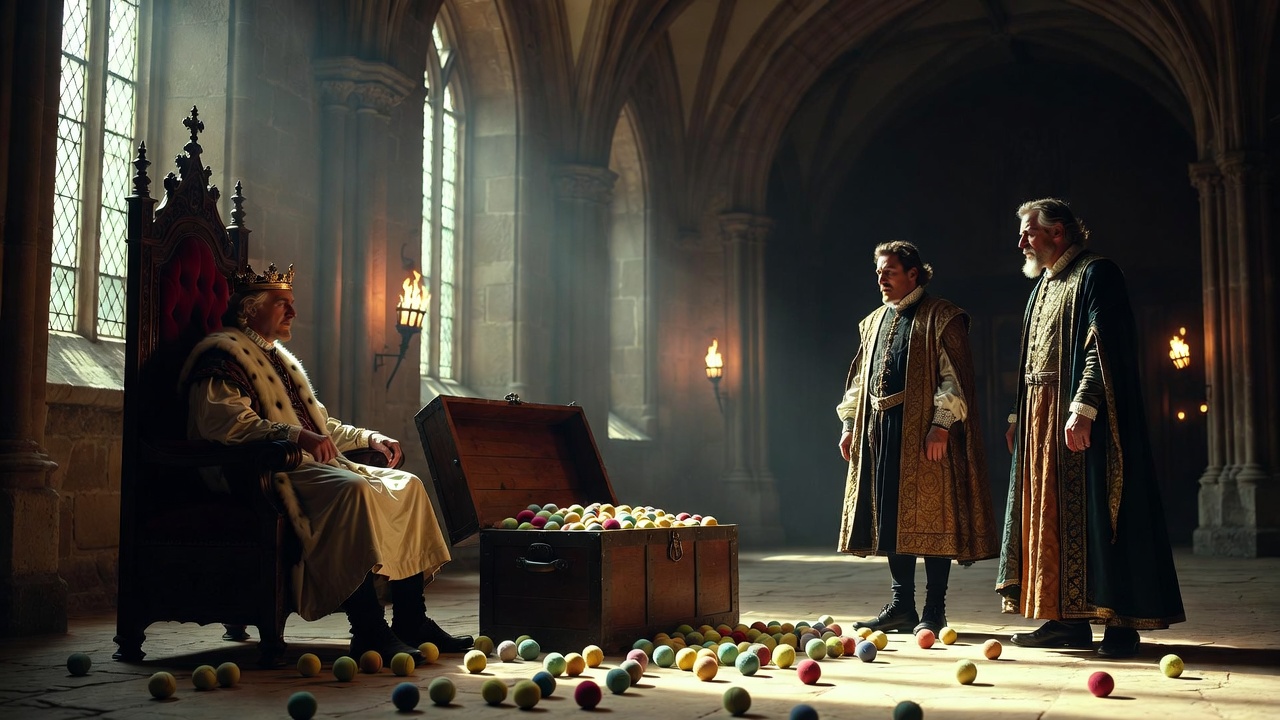
Before the ambassadors arrive, Henry consults advisors on his French claim. The Archbishop of Canterbury delivers a lengthy justification, arguing the Salic Law doesn’t bar Henry’s inheritance. Henry, cautious yet resolute, probes legality and consequences.
The French ambassadors enter, ostensibly responding to Henry’s demand for dukedoms. They deliver the Dauphin’s message: Henry cannot “revel into dukedoms.” Instead of tribute, they present a “tun of treasure”—a chest opened to reveal tennis balls.
This pivot shocks the court. Henry, initially polite, unleashes fury masked in sarcasm and menace.
The scene connects to the Henriad tetralogy (Richard II, Henry IV Parts 1 & 2, Henry V). Henry’s “wilder days” reference his tavern-roaming youth with Falstaff, now reframed as strategic preparation.
The Insult Explained — Why Tennis Balls Were a Devastating Mockery
The Dauphin’s gift mocks Henry’s past. In Henry IV Part 1, Prince Hal carouses, but Shakespeare shows calculated growth. The Dauphin sees only frivolity, assuming Henry remains unfit for kingship.
Tennis in Shakespeare’s time was elite, played in enclosed courts with rackets and hard balls. Associated with nobility yet “frivolous” compared to martial pursuits, it symbolized immaturity—perfect for belittling a young king.
The insult targets Henry’s perceived lack of gravity. By sending balls, the Dauphin implies Henry belongs on the court, not the battlefield—undermining his claim and manhood in a chivalric era.
Henry’s Masterful Response — Turning Mockery into Menace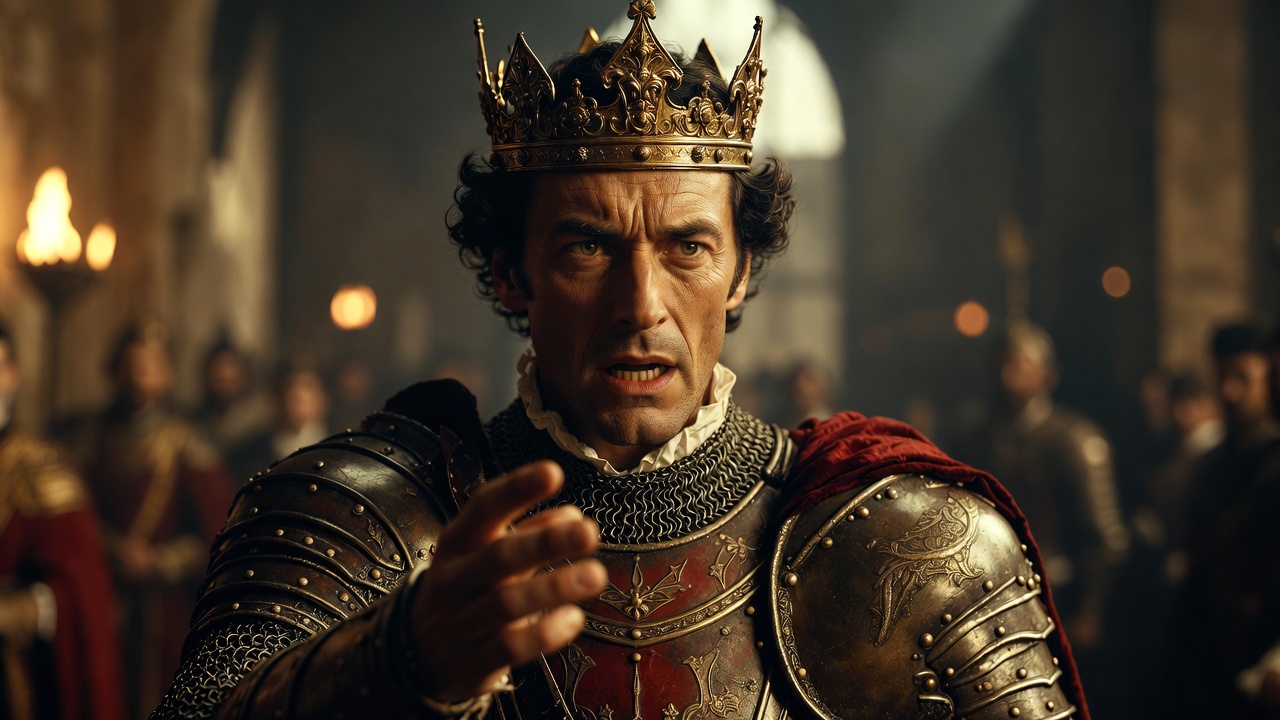
Henry’s reply is rhetorical genius. Full key excerpt (modernized slightly for clarity):
“We are glad the Dauphin is so pleasant with us; His present and your pains we thank you for: When we have march’d our rackets to these balls, We will in France, by God’s grace, play a set Shall strike his father’s crown into the hazard. Tell him he hath made a match with such a wrangler That all the courts of France will be disturb’d With chaces. […] And tell the pleasant Prince this mock of his Hath turn’d his balls to gun-stones…”
Line-by-line:
- “We are glad the Dauphin is so pleasant”: Sarcastic thanks, feigning amusement.
- “march’d our rackets to these balls”: Matching rackets to balls—preparing for play.
- “play a set / Shall strike his father’s crown into the hazard”: In tennis, “hazard” is a scoring area or risk; Henry threatens to smash the French crown out of play.
- “courts of France… disturb’d / With chaces”: “Chases” are tennis points; courts become battlefields.
- “turn’d his balls to gun-stones”: Masterstroke—tennis balls become cannonballs (“gun-stones”). “Balls” carries double entendre (testicles), implying emasculation reversed.
Henry’s speech blends wit, divine right, and vengeance, declaring war justified by insult.
Some scholars debate phallic undertones in “balls,” adding layers of masculinity challenged and reclaimed.
Deep Symbolism — Tennis Balls as a Transformative Image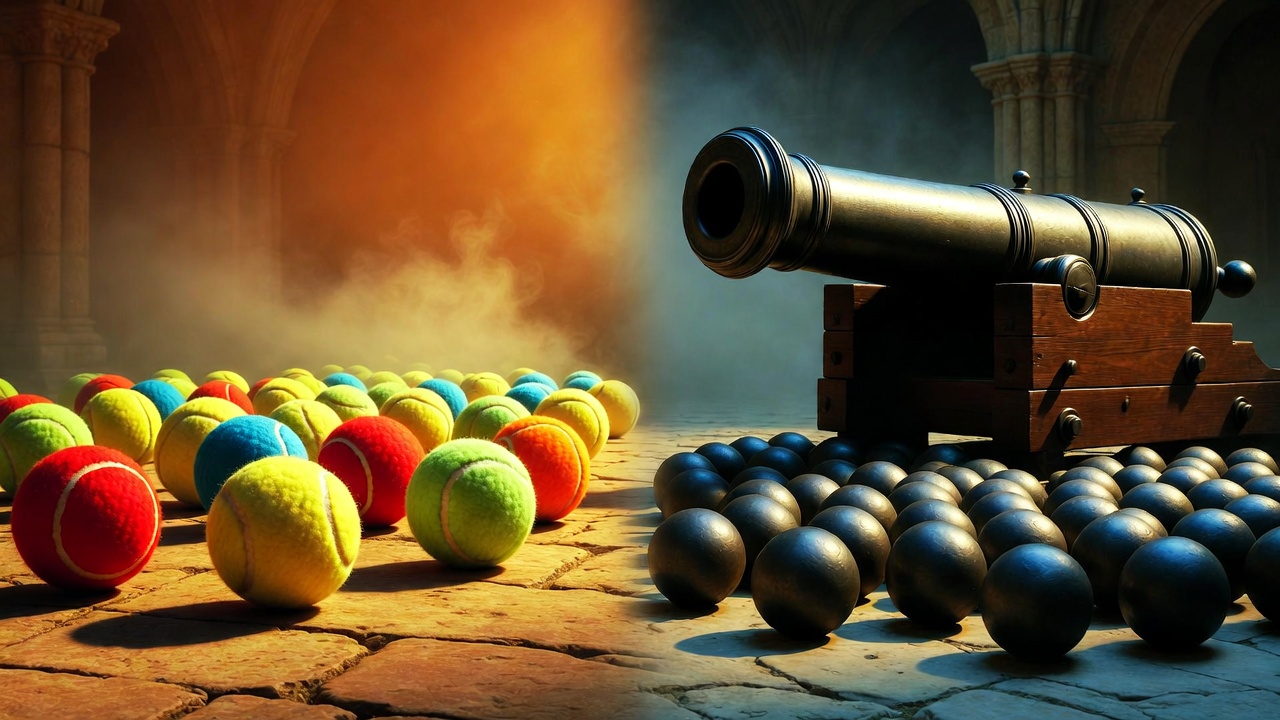
The tennis balls shift meaning: from Dauphin’s mockery of Henry’s “boyish frivolity” (LitCharts) to Henry’s “steely resolve” (SparkNotes). They symbolize underestimation—France sees games; Henry sees war.
This mirrors Henry’s arc: youthful “veil of wildness” hid shrewdness. The gift catalyzes his warrior-king persona.
Broader themes: leadership through transformation, honor in response to scorn, war’s cost. Compare to other Shakespearean games (e.g., chess-like strategy in The Tempest).
Theatrical and Cinematic Interpretations of the Tennis Balls Scene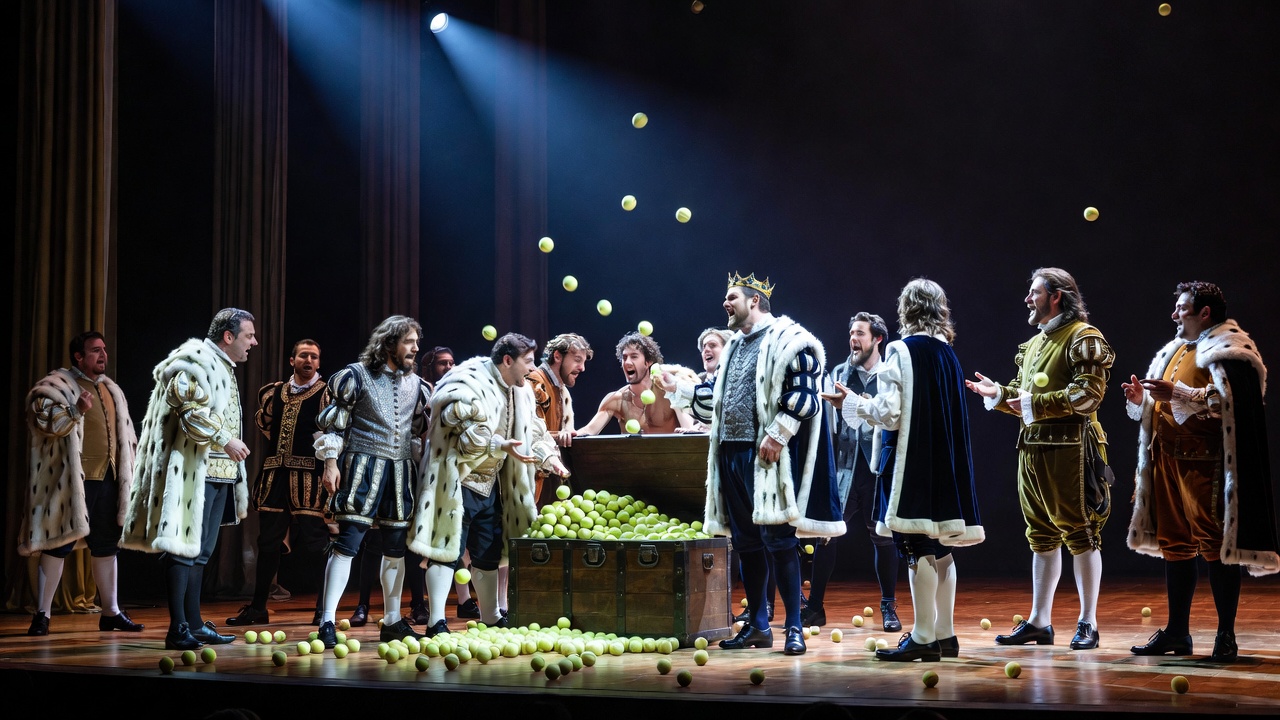
Kenneth Branagh’s 1989 film delivers intensity: quiet buildup, rising fury, eyes blazing on “gun-stones.” Branagh’s delivery emphasizes controlled rage.
Royal Shakespeare Company productions vary—some use modern props for humor, others stark minimalism highlighting rhetoric.
Actors note the speech’s challenge: balancing sarcasm, threat, and majesty. Staging often features the chest dramatically opened, ambassadors flinching.
Why This Scene Matters — Pivotal Role in Henry V and the Henriad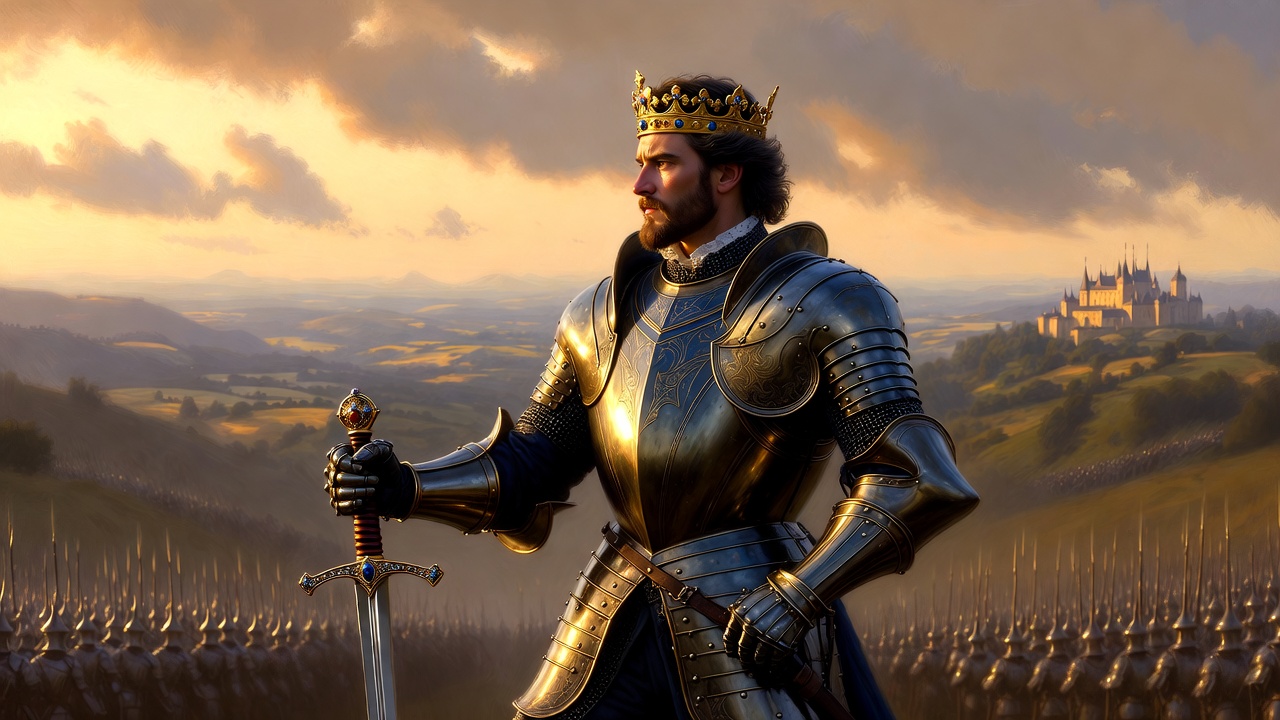
The tennis balls catalyze invasion, justifying war via insult. They complete Henry’s arc from Hal to hero.
In the Henriad, it contrasts youthful rebellion with mature kingship, exploring English identity and divine monarchy.
Modern Relevance and Lessons from the Tennis Balls Insult
Leaders today face underestimation—turning scorn into motivation echoes Henry’s response.
Diplomacy failures parallel modern international blunders; words ignite conflicts.
Power of rhetoric: Henry’s speech shows language as weapon.
Key Takeaways and Expert Insights
- The tennis balls symbolize underestimated potential.
- Henry’s reply masterfully repurposes the insult.
- Scene draws from Holinshed but dramatized for impact.
- Common misreading: ignoring double meanings in “balls.”
- As scholars note, it reveals Henry’s maturity veiled by past.
Modern Relevance and Lessons from the Tennis Balls Insult (continued)
The scene resonates far beyond the Elizabethan stage. In an age of social media pile-ons, diplomatic gaffes, and underestimated leaders, the tennis balls incident offers timeless lessons.
Consider modern parallels: political figures dismissed as inexperienced or unserious often respond with decisive action that silences critics. Henry’s calculated restraint followed by devastating verbal (and soon military) counterpunch mirrors how savvy leaders turn mockery into momentum. The Dauphin’s blunder—underestimating an opponent based on outdated perceptions—recurs in boardrooms, election campaigns, and international negotiations. History is littered with examples of nations or leaders who misread their adversary’s maturity and paid dearly for it.
The power of language also stands out. Henry does not immediately draw his sword; he first wields words. His speech is a masterclass in reframing: taking the opponent’s weapon (the insult) and turning it against them. In today’s world of viral soundbites and public relations battles, the ability to transform derision into dominance remains a potent skill.
Finally, the episode reminds us of the high stakes of pride and contempt in diplomacy. A single “gift” escalates into full-scale war. Shakespeare does not glorify conflict—he shows its origins in human ego, miscalculation, and the refusal to grant an opponent dignity.
Key Takeaways and Expert Insights
Here are the most important points distilled for quick reference and deeper understanding:
- The tennis balls are not random; they deliberately mock Henry’s youthful reputation as a tavern-haunter and imply he is unfit for serious rule.
- Shakespeare transforms a brief chronicle anecdote into a dramatic fulcrum that propels the entire play forward.
- Henry’s response is a rhetorical triumph: sarcastic gratitude, extended tennis metaphor, veiled divine-right claim, and chilling promise of retribution—all delivered with regal composure.
- The phrase “turned his balls to gun-stones” is one of Shakespeare’s most economical and memorable image shifts, converting a symbol of play into one of destruction.
- A common classroom misinterpretation is reading the scene as purely humorous; in performance, the underlying menace and barely contained fury dominate.
- The double entendre on “balls” (tennis equipment and testicles) adds a layer of gendered insult and counter-assertion of masculinity, a reading supported by many modern critics (e.g., in feminist and queer readings of the history plays).
- Thematically, the incident completes the Henriad’s exploration of kingship: legitimate authority is proven not by birthright alone, but by the ability to command respect through words and deeds.
- As a teaching tool, this scene is ideal for discussing rhetoric, symbolism, character development, and the intersection of comedy and tragedy in Shakespeare’s histories.
From decades of reading, teaching, and watching productions, I find this moment consistently ranks among Shakespeare’s most satisfying “comeuppance” scenes—rivaled only by moments like Malvolio’s letter in Twelfth Night or Shylock’s courtroom defeat—yet here the stakes are national rather than personal.
FAQs
What do the tennis balls symbolize in Henry V? They initially symbolize the Dauphin’s contempt for Henry’s supposed immaturity and lack of martial seriousness. Henry reclaims the symbol, turning the balls into gun-stones—cannon projectiles—thus converting an emblem of frivolity into one of devastating military power.
Why did the Dauphin send tennis balls to Henry V? To belittle and humiliate the young English king. By sending a gift associated with youthful, leisurely play, the Dauphin implies Henry is still the irresponsible Prince Hal rather than a legitimate monarch worthy of respect or fear.
What does Henry mean by “turned his balls to gun-stones”? He declares that the tennis balls will be answered with cannon fire (“gun-stones” being an archaic term for cannonballs). It’s a direct threat: your mockery will be met with war, and your “plaything” will become our weapon.
Is the tennis balls scene based on real history? Partially. Holinshed’s Chronicles and Hall’s earlier account mention a gift of tennis balls sent to Henry, along with a taunting message about his youthful past. Shakespeare dramatizes and relocates the incident for maximum theatrical impact.
How does this scene show Henry’s character development? It marks the decisive public unveiling of the mature, calculating king who has outgrown (or strategically concealed) his wild youth. The restraint he shows before unleashing the speech, and the controlled menace within it, prove he is no longer the tavern prince but a formidable sovereign.
Does the scene have sexual undertones? Yes, subtly. The word “balls” invites a phallic reading, especially in the context of a rival prince questioning another’s manhood and right to rule. Henry’s response reclaims masculine authority by promising to dominate French “courts” (a pun on tennis courts and royal courts).
How is the scene performed in Kenneth Branagh’s 1989 film? Branagh delivers the speech with mounting intensity: starting with quiet, almost amused politeness, then building to cold fury. The camera lingers on his face during “gun-stones,” letting the threat land with chilling clarity.
Why is tennis used specifically as the insulting gift? Tennis (real tennis / jeu de paume) was a fashionable aristocratic pastime in the medieval and early modern period, but it was also viewed as non-martial and somewhat childish when contrasted with warfare. It perfectly suited the Dauphin’s aim of reducing Henry to a playboy rather than a warrior.
What happens immediately after Henry’s speech? He orders the ambassadors to leave and tells his nobles to prepare for war. The very next scene shifts to Pistol, Nym, and Bardolph, providing comic relief and reminding the audience of the human cost of the coming conflict.
How does this scene connect to the rest of the Henriad? It completes the transformation arc begun in Henry IV Part 1. The rejection of Falstaff, the assumption of the crown, and now the decisive assertion of martial kingship—all culminate here in a public performance of authority before the French.
The “Henry V tennis balls” scene is far more than a clever historical anecdote or a display of verbal fireworks. It is the precise moment Shakespeare chooses to unveil the true Henry V: a king who has mastered both the mask of youthful folly and the steel of mature command. What begins as an insult designed to diminish ends by igniting one of the most famous military campaigns in English literature.
The Dauphin thought he was sending a jest. Henry answered with a promise of destruction—and then delivered it at Agincourt.
For anyone studying, performing, or simply loving Shakespeare, returning to Act 1, Scene 2 with fresh eyes reveals layers of wit, menace, symbolism, and political insight that continue to reward close attention.
I invite you to re-read the scene, watch Branagh’s or Olivier’s film version, or explore a live RSC production if possible. Then come back and share in the comments: What do you think is the single most powerful line in Henry’s reply?
If you enjoyed this deep dive, you may also like:
- “Once More Unto the Breach”: Henry V’s St. Crispin’s Day Speech Explained
- From Prince Hal to Henry V: The Complete Henriad Character Arc
- Shakespeare’s History Plays: Why They Still Matter Today
Thank you for reading.