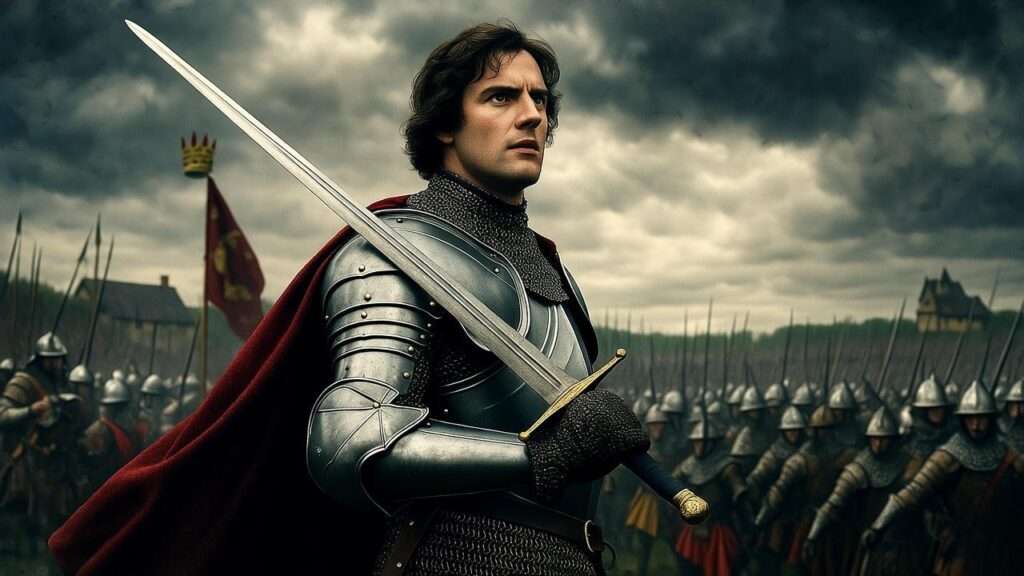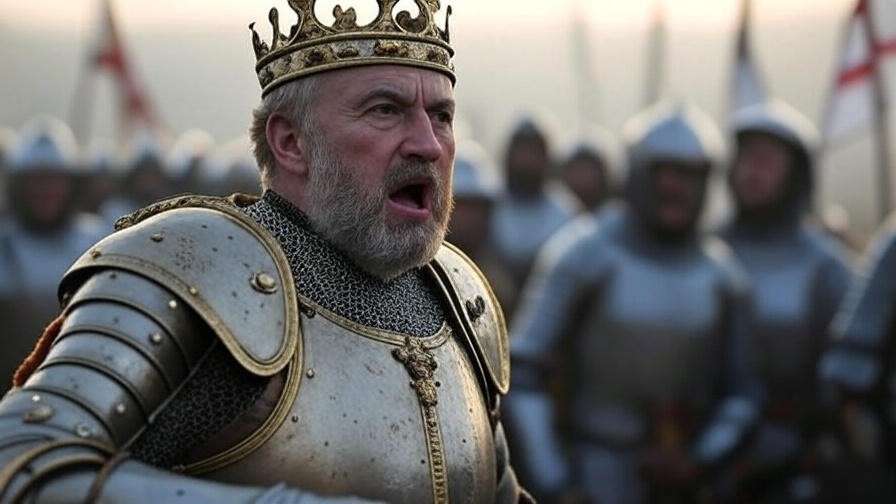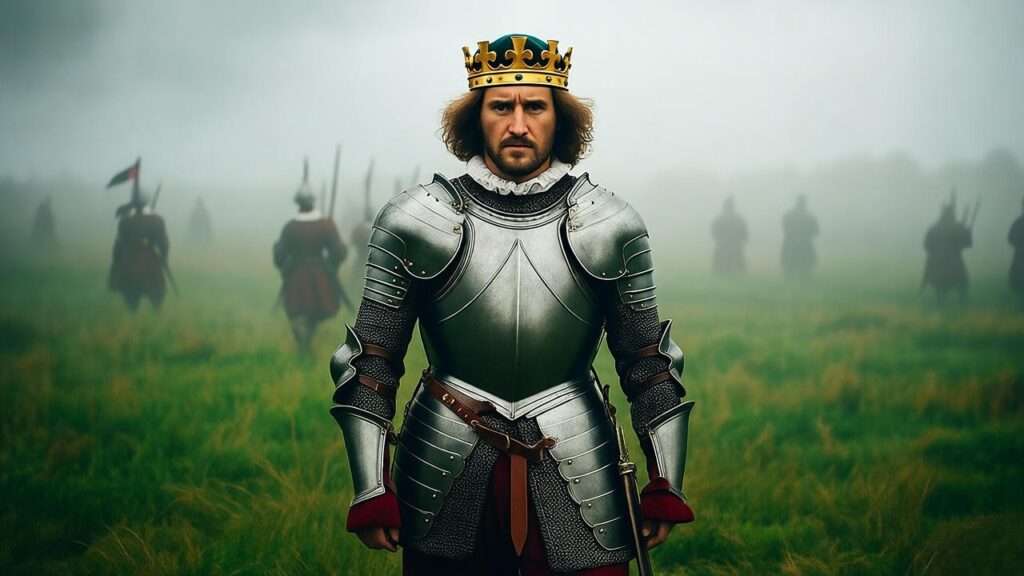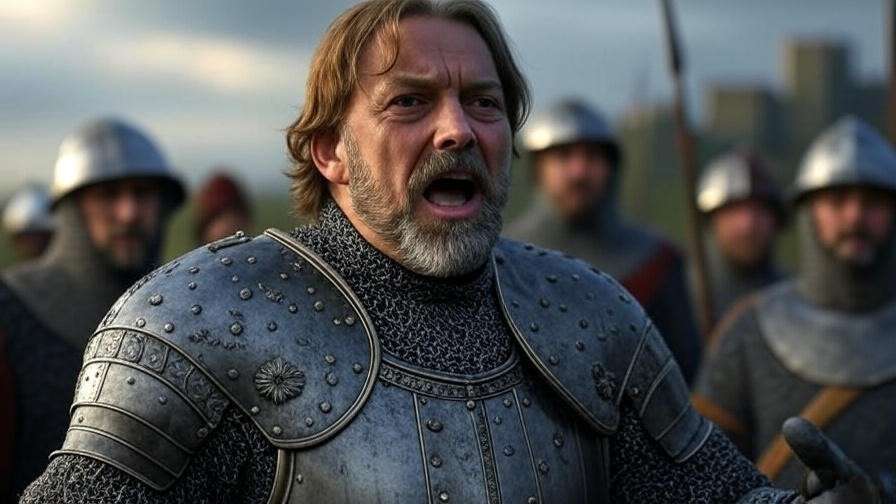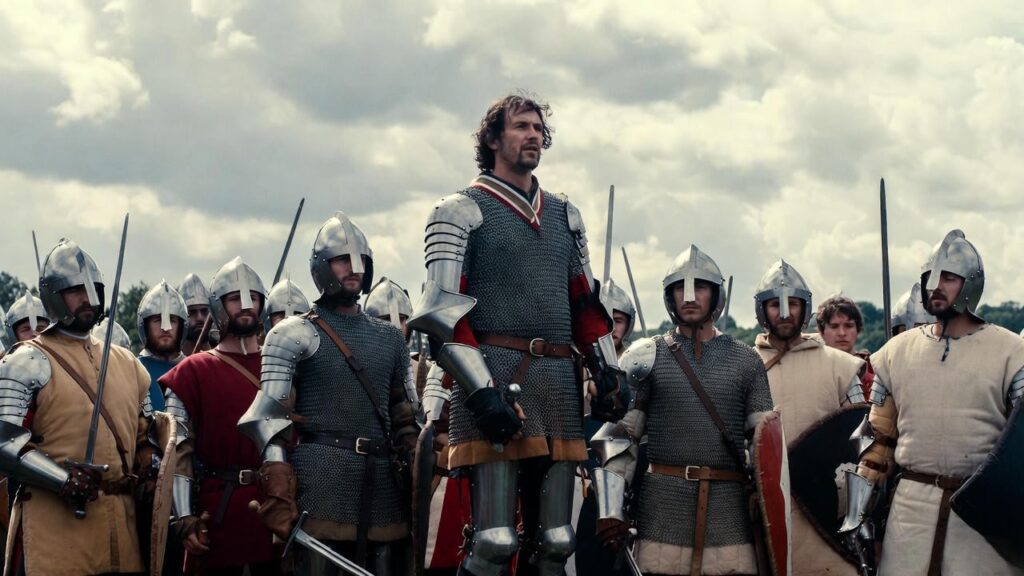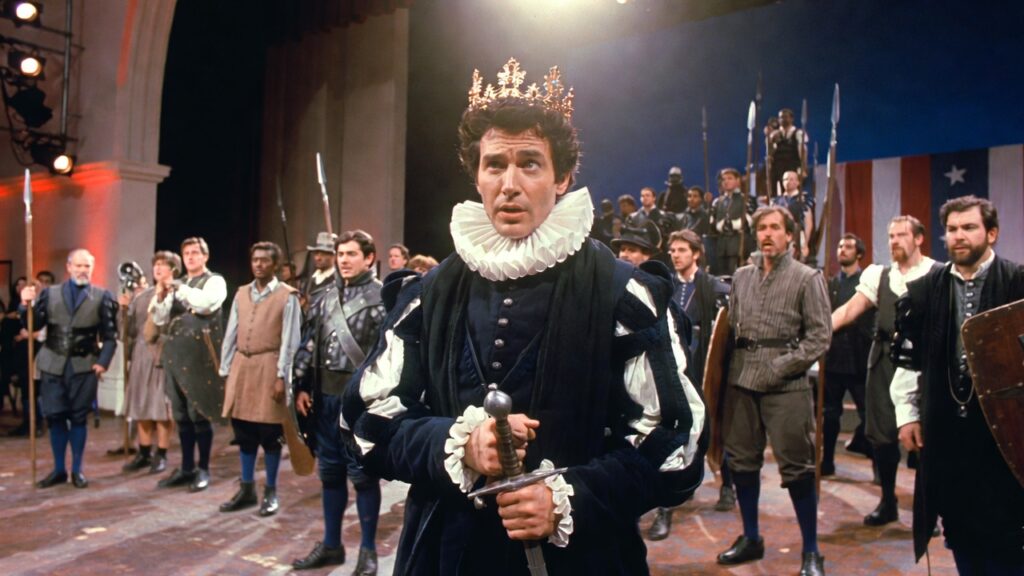
Imagine the stirring cry of “Once more unto the breach, dear friends, once more!” echoing across an open-air stage in Central Park or the rolling hills of Ashland, Oregon, delivered not by an English knight but by an American actor embodying a young king’s resolve amid a divided nation. Shakespeare’s Henry V — with its themes of transformative leadership, the brutal costs of war, fervent patriotism, and the moral ambiguities of power — has long transcended its 1599 origins to become a mirror for American experiences. In the United States, this epic history play about England’s invasion of France continues to captivate audiences, directors, and scholars, reflecting everything from post-World War II heroism to Vietnam-era skepticism and contemporary debates over leadership and national unity.
Henry V United States reveals a fascinating transatlantic journey: how a quintessentially English tale of conquest and kingship has been reimagined on American stages, screens, and classrooms. From lavish 19th-century tours to innovative festival productions today, American interpretations often highlight the play’s dual nature — celebrating charismatic unity while questioning the human price of ambition. This resonance addresses a deep need for readers and theatergoers: understanding how Shakespeare’s exploration of rhetoric, duty, valor, and conscience speaks directly to America’s own history of wars, presidential leadership, and cultural identity. In an era of political division and global conflict, revisiting Henry V offers timeless insights into what makes a leader effective, what war truly costs, and how language can unite — or manipulate — a people.
As a Shakespeare enthusiast and analyst drawing from production histories, scholarly resources like the Folger Shakespeare Library, and festival archives, this article explores the play’s profound American legacy. We’ll examine its arrival in the U.S., landmark productions, film influences, thematic parallels to American events, and practical ways to engage with it today.
A Brief Overview of Shakespeare’s Henry V: The Play’s Enduring Power
Shakespeare’s Henry V (c. 1599) completes the Henriad tetralogy, following Prince Hal’s journey from wayward youth in Henry IV Parts 1 and 2 to the triumphant yet complex King Henry V. The plot centers on Henry’s claim to the French throne, justified through dubious legal arguments from the Archbishop of Canterbury. Rejecting the Dauphin’s mocking gift of tennis balls, Henry launches an invasion, facing betrayal, harsh sieges (notably Harfleur), and the legendary Battle of Agincourt in 1415, where outnumbered English forces achieve victory through discipline, archery, and morale.
The play’s structure is dynamic: the Chorus apologizes for the stage’s limitations while urging imagination to envision vast battlefields and seas. Henry’s famous speeches — the St. Crispin’s Day oration (“We few, we happy few, we band of brothers”) and the rallying cry before Harfleur — showcase rhetoric’s power to inspire. Yet Shakespeare layers ambiguity: soldiers question the justice of the war, Henry disguises himself to hear common doubts, and threats to civilians reveal war’s brutality. The comic subplot with Pistol, Nym, and Bardolph contrasts low-life opportunism with royal grandeur, while the wooing scene with Princess Katherine offers uneasy romance amid conquest.
These elements — leadership evolution, war’s moral gray areas, national identity forged in conflict, and storytelling’s persuasive force — make Henry V universally compelling. In America, where themes of exceptionalism, military intervention, and presidential charisma echo loudly, the play finds fertile ground for reinterpretation.
The Arrival of Henry V in America: Early Performances and 19th-20th Century History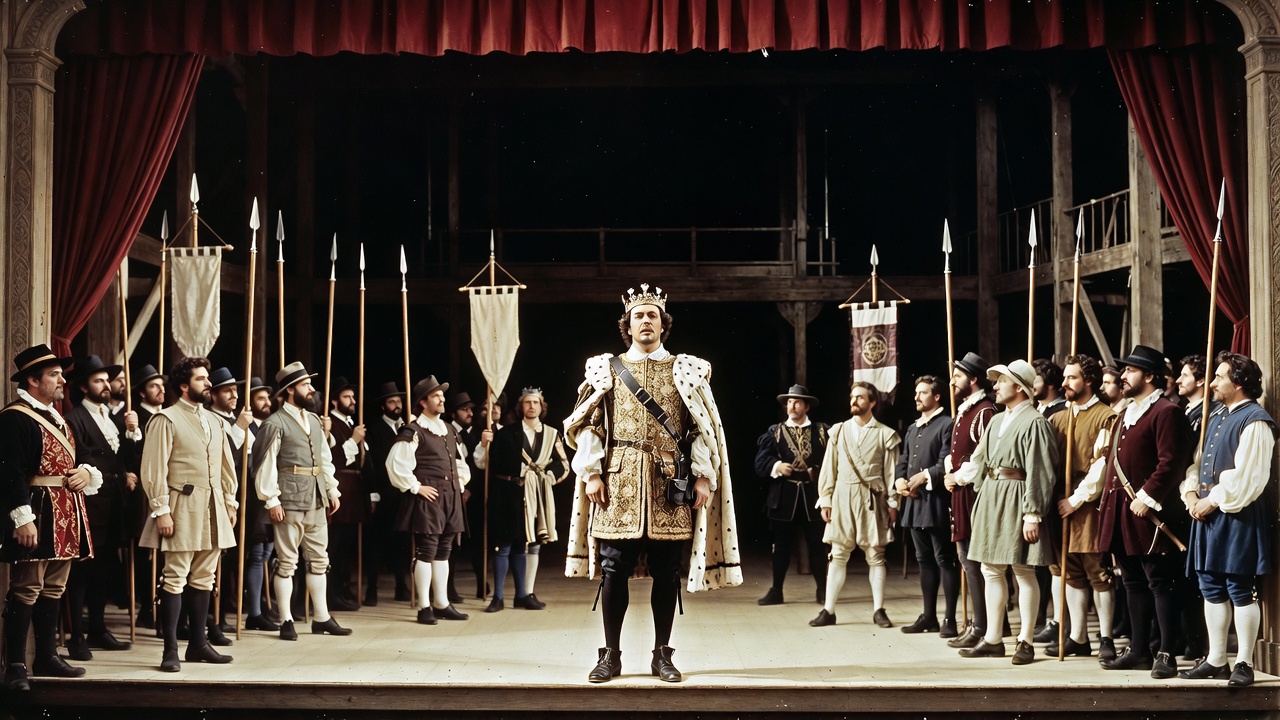
Shakespeare arrived in America early, with performances recorded as far back as the 1750s in colonial theaters. Henry V gained traction in the 19th century amid growing national pride and interest in heroic history. Actors like Edwin Booth and touring companies presented lavish productions emphasizing spectacle — grand sets depicting Agincourt, pageantry, and Henry’s heroic arc — aligning with America’s self-image as a rising power.
By the late 1800s, British stars like Charles Calvert toured with opulent stagings, blending moral nuance with patriotic fervor. The play’s themes of unity under strong leadership resonated during America’s expansionist era and Civil War aftermath, where rebuilding national identity was paramount.
The 20th century brought shifts. Post-World War II, productions leaned heroic, echoing Allied victory. But Vietnam changed everything: Michael Kahn’s 1969 New York staging portrayed war as folly, amplifying anti-heroic elements like prisoner executions and soldier cynicism. Influences from the Royal Shakespeare Company (RSC) tours introduced grittier, questioning interpretations.
Cold War tensions and post-9/11 reflections further evolved stagings. American directors often foregrounded the play’s cautionary side — the pretext for invasion, leadership’s isolation — mirroring debates over Iraq and Afghanistan. This history shows Henry V adapting to America’s evolving views on war: from celebratory to skeptical, always relevant.
Landmark American Productions of Henry V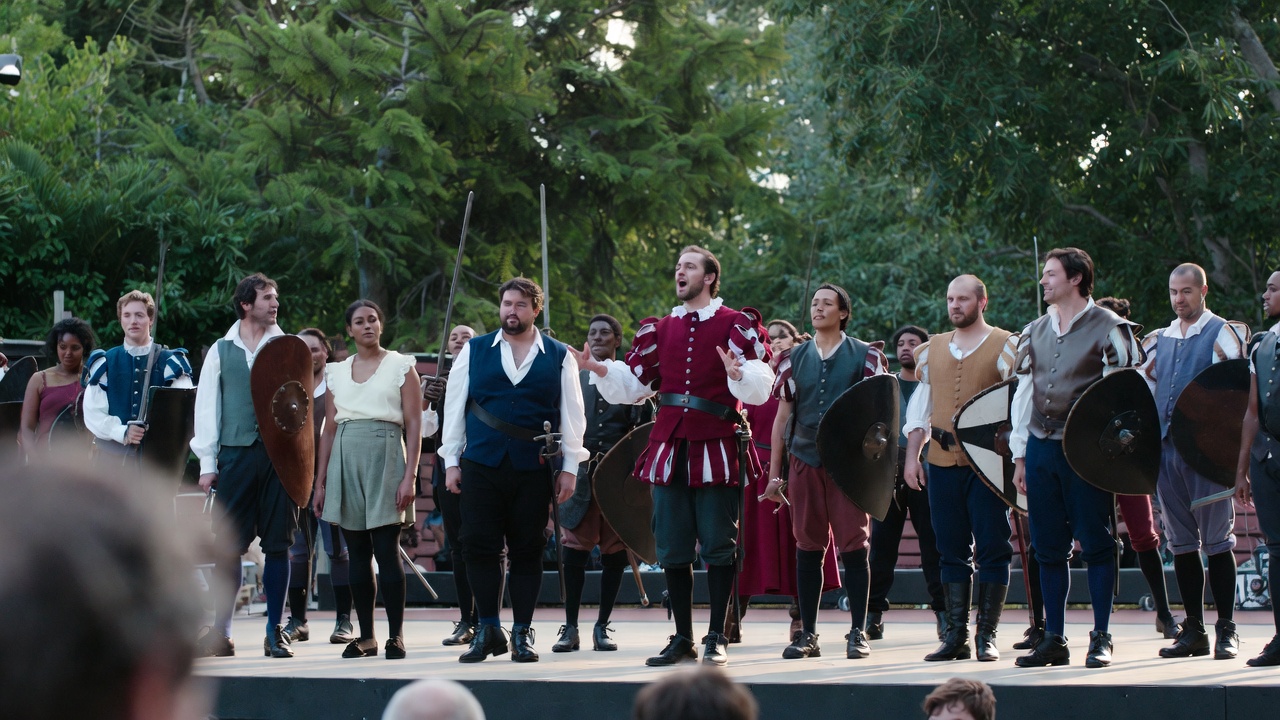
American Shakespeare festivals keep Henry V alive with fresh, site-specific takes.
The Oregon Shakespeare Festival (OSF) has produced it multiple times, notably in 2012 (directed by Joseph Haj, propulsive with contemporary resonances) and 2018 (directed by Rosa Joshi, starring Daniel José Molina completing his Hal-to-Henry arc in the intimate Thomas Theatre). Joshi explored “what kind of leader do we need today?” amid enigmatic charisma and difficult choices, tying into American leadership questions.
Pennsylvania Shakespeare Festival’s 2015 production (directed by Matt Pfeiffer) emphasized the “band of brothers” unity and leadership morality, supported by the National Endowment for the Arts’ Shakespeare in American Communities program. Dramaturg Heather Helinsky highlighted Shakespeare’s stripping to essentials: flawed humans in power.
The American Shakespeare Center (ASC) in Staunton, Virginia, stages with original practices — candlelit Blackfriars Playhouse, universal lighting, ensemble acting. Productions in 2008, 2011, and 2016 showcased eloquence and unity under charismatic rule, with 2021 interpretations offering witty, provocative views.
Other notables: Hudson Valley Shakespeare Festival’s outdoor, intimate takes on fractured identity; Chicago Shakespeare Theater’s 2024 production (directed by Edward Hall) exploring language’s transformative power; recent innovative spins like Jackdonkey Productions’ 2025 radical changes in Minnesota, blending flashbacks and experimentation.
Film Adaptations and Their Ripple Effect on American Shakespeare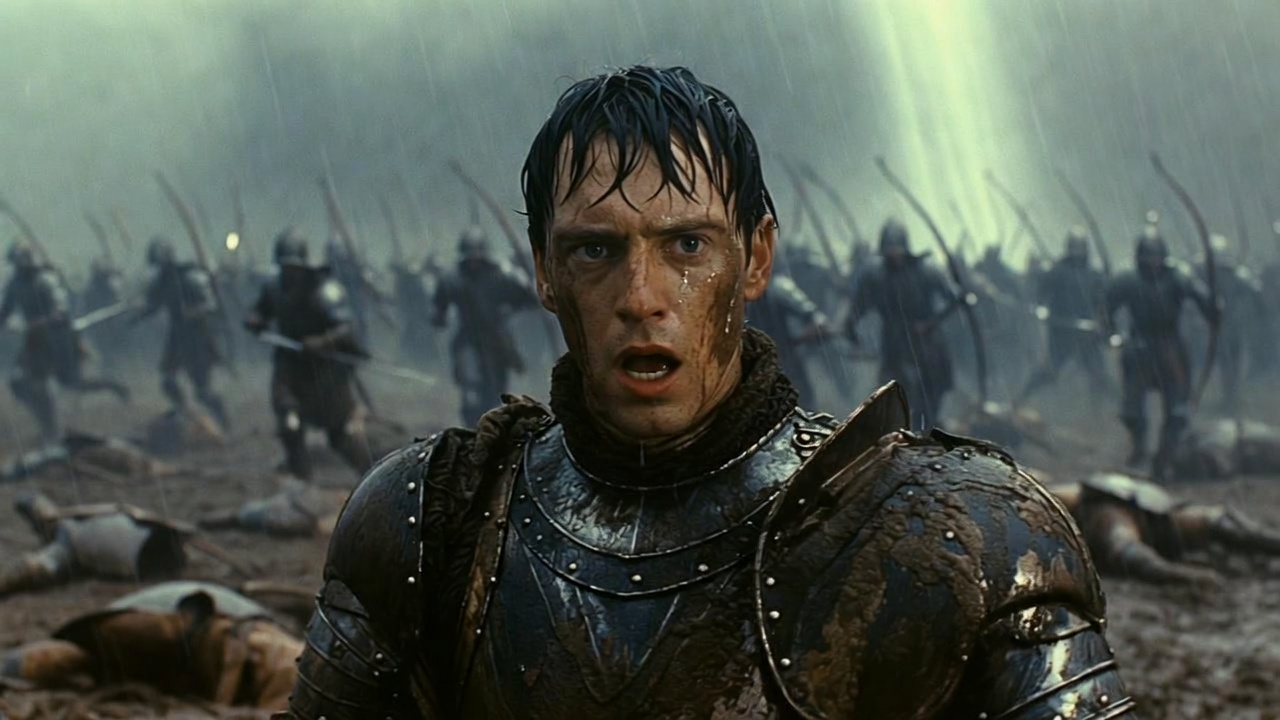
While stage productions form the heart of Henry V‘s American life, film versions have amplified its reach, shaping how millions encounter the play outside theaters. Two landmark adaptations stand out for their influence on U.S. audiences: Laurence Olivier’s 1944 film and Kenneth Branagh’s 1989 version.
Laurence Olivier’s Henry V (1944) arrived as wartime propaganda, funded partly to boost British morale against Nazi Germany. Dedicated to the RAF, it portrayed Henry as an inspiring, heroic leader overcoming impossible odds — mirroring Allied struggles. The film opens with a theatrical frame (a performance at the Globe) before transitioning to cinematic realism, with vibrant Technicolor battles and stirring speeches. In America, released in 1946 after the war, it received ecstatic praise. Critics hailed it as a masterpiece; Olivier won awards from the New York Film Critics Circle for Best Actor and nearly took Best Picture. It played extended runs in major cities and introduced Shakespeare to broader audiences. In U.S. classrooms and screenings, it reinforced a heroic view of leadership and justified war when the cause seemed righteous. Its impact endures: many older Americans first met Henry V through Olivier’s charismatic, uplifting portrayal.
Kenneth Branagh’s 1989 adaptation offered a stark contrast — grittier, more introspective, and post-Vietnam/Falklands in tone. Branagh, directing and starring, stripped away spectacle for raw realism: muddy fields, visceral combat, and a Henry haunted by moral weight. The famous “Once more unto the breach” speech feels desperate rather than triumphant; the St. Crispin’s Day oration builds quiet intensity. Released amid late Cold War skepticism, it resonated in America as a cautionary tale about war’s costs and leadership’s burdens. Grossing over $10 million domestically and earning Academy nominations (including Best Director and Actor for Branagh), it sparked a Shakespeare film renaissance in the 1990s — influencing Baz Luhrmann’s Romeo + Juliet (1996) and others. In U.S. education (via PBS Shakespeare Uncovered episodes and classroom screenings), Branagh’s version highlights ambiguity: the play’s pro-war heroism tempered by anti-war undertones.
These films bridge stage and screen, making Henry V accessible. Olivier celebrated glory; Branagh probed conscience. Both have shaped American perceptions, from patriotic inspiration to ethical reflection, and inspired modern adaptations (e.g., loose nods in films like My Own Private Idaho, drawing from the Henriad).
Why Henry V Resonates in American Culture: Thematic Parallels and Modern Relevance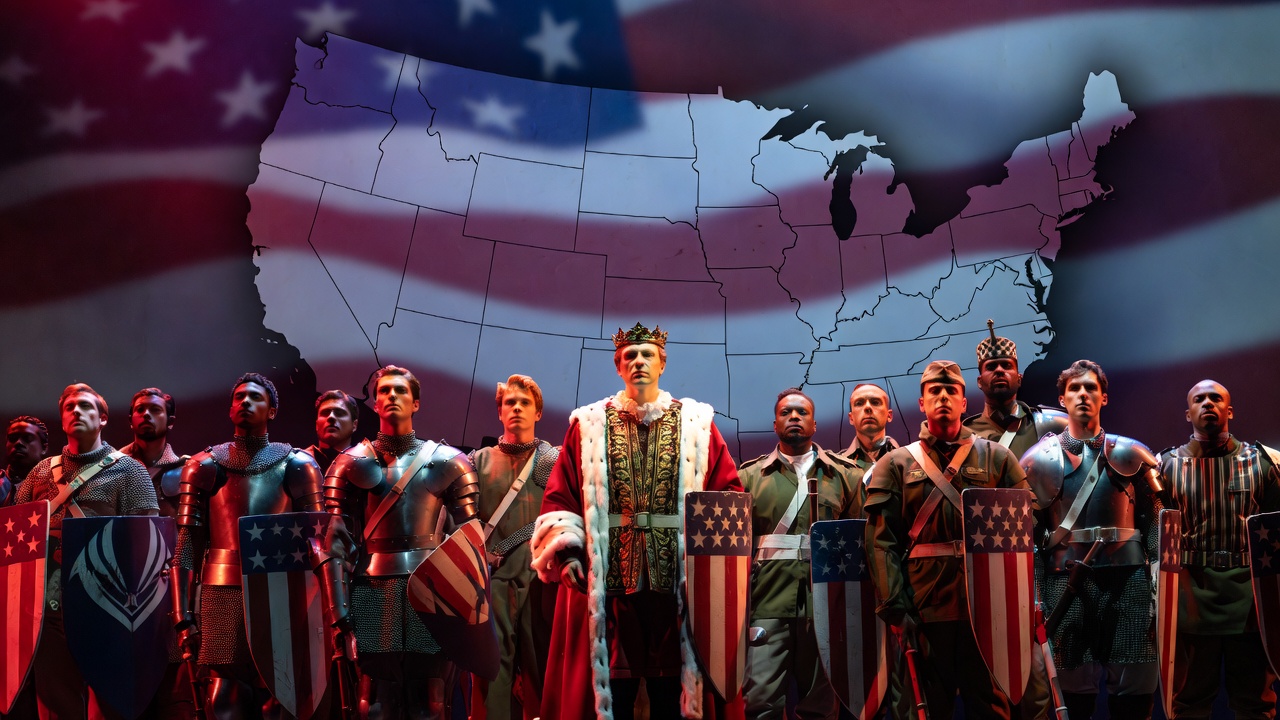
Shakespeare’s Henry V endures in the United States because its core questions mirror America’s national narrative: What makes a great leader? When is war justified? How does rhetoric shape identity and action?
Leadership transformation stands central. Henry’s arc — from wayward prince to decisive king — parallels transformative U.S. presidents: Lincoln rising amid division, FDR rallying during crisis, or even modern figures navigating public skepticism to project unity. American productions often emphasize this charisma amid flaws, reflecting debates over executive power and moral authority.
War’s costs hit hardest. The play’s invasion of France, justified by shaky claims, echoes U.S. interventions — Vietnam (where 1960s-70s stagings amplified soldier cynicism and prisoner executions), post-9/11 Iraq/Afghanistan (questioning pretexts and human toll). Modern U.S. directors foreground common soldiers’ doubts (e.g., Williams and Bates questioning the king’s cause) to explore patriotism’s limits. In an era of endless wars and veteran struggles, Henry V asks: Does victory justify suffering?
Patriotism and unity (“band of brothers”) resonate deeply in America’s diverse society. The speech inspires collective sacrifice, yet Shakespeare undercuts it with division and opportunism. American stagings often use diverse casting — women, people of color in key roles — to explore inclusion, immigration parallels (English vs. French dynamics), and fractured identity. Festivals like OSF and Chicago Shakespeare emphasize ensemble unity amid difference, speaking to contemporary polarization.
Finally, the power of language and storytelling — the Chorus urging imagination, Henry’s oratory swaying armies — feels urgent in a media-saturated age. In politics, social movements, and digital discourse, Henry V reminds us how words can unite, manipulate, or inspire action.
These parallels make the play a living text: not museum piece, but mirror for America’s ideals, anxieties, and ongoing debates.
Tips for Experiencing Henry V Today in the United States
Engaging with Henry V remains easy and rewarding:
- Attend a live production: Check major festivals — Oregon Shakespeare Festival (frequent revivals), Pennsylvania Shakespeare Festival, American Shakespeare Center (original-practices staging), Chicago Shakespeare Theater (recent Edward Hall-directed run emphasizing language’s power), or Hudson Valley Shakespeare Festival (intimate outdoor shows). Many offer student discounts or pay-what-you-can nights.
- Watch film adaptations: Start with Branagh’s 1989 version for gritty realism; Olivier’s 1944 for heroic spectacle. Both stream on platforms like Criterion Channel or rent on major services. PBS’s Shakespeare Uncovered episode on Henry V provides expert context.
- Reading and viewing guides: Focus on key scenes — Harfleur siege (Act III), St. Crispin’s Day (Act IV), wooing of Katherine (Act V). Compare texts: Folio vs. Quarto variants show Shakespeare’s evolving vision. Resources from Folger Shakespeare Library offer free annotated editions and lesson plans.
- Educational value: Teachers and students benefit from NEA-supported programs tying the play to leadership, ethics, and history. Discuss parallels: How does Henry’s justification mirror modern foreign policy debates?
From 19th-century tours to today’s innovative festivals, Shakespeare’s Henry V has woven itself into American cultural fabric. It celebrates heroic leadership while interrogating war’s price, unity’s fragility, and rhetoric’s might — themes that echo through U.S. history and current events.
In a divided time, the play urges reflection: What does true “band of brothers” unity require? How do leaders balance ambition and conscience? Revisiting Henry V — on stage, screen, or page — offers not escape, but insight into enduring human questions.
I encourage you: Seek out a production, watch a film, or reread the text. Shakespeare’s words still stir the soul, reminding us that greatness comes with burdens — and that imagination can bridge centuries and continents.
FAQs
Is Henry V pro-war or anti-war? Shakespeare presents both: heroic speeches inspire, yet brutality, doubt, and moral costs question glory. American productions often lean anti-war in skeptical eras.
What are the best American productions to watch or attend? Recent highlights include OSF’s 2018 (Rosa Joshi, intimate ensemble), Pennsylvania Shakespeare Festival’s 2015 (leadership focus), Chicago Shakespeare Theater‘s 2024 (Edward Hall), and ASC’s original-practices stagings.
How does Henry V relate to American history? Themes parallel U.S. wars (Vietnam skepticism, post-9/11 justification debates), presidential leadership arcs, and national identity-building.
Why is the Chorus important in modern U.S. stagings? It breaks the fourth wall, engages audiences directly — perfect for American theaters emphasizing immersion and relevance.
Best version for beginners? Branagh’s 1989 film: accessible, emotionally raw, with clear storytelling.