Picture a blood-soaked battlefield, the air thick with the chaos of war, as a wounded soldier staggers before a king to recount tales of valor and treachery. This vivid scene unfolds in Act 1 Scene 2 of Macbeth, where William Shakespeare masterfully sets the stage for one of his darkest tragedies. The key events in Act 1 Scene 2 of Macbeth introduce pivotal characters, establish core themes, and ignite the spark of ambition that drives the play’s tragic arc. For students, educators, and Shakespeare enthusiasts visiting this article offers a comprehensive analysis of this crucial scene, unpacking its dramatic significance, character insights, and literary brilliance. As a literary scholar with over a decade of studying Shakespeare’s works, I aim to provide an authoritative, engaging exploration that illuminates why this scene is a cornerstone of Macbeth’s narrative.
Setting the Scene: Historical and Dramatic Context of Act 1 Scene 2
The Historical Backdrop of Macbeth’s Scotland
Macbeth, written around 1606, draws loosely on 11th-century Scottish history, particularly the reign of King Duncan and the rise of Macbeth, as chronicled in Holinshed’s Chronicles. Act 1 Scene 2 plunges readers into a turbulent Scotland, embroiled in battles against Norwegian invaders and internal traitors. Shakespeare adapts these historical events to heighten drama, transforming the real Macbeth—a relatively stable king—into a complex figure driven by ambition. This scene’s depiction of war reflects the political instability of the era, resonating with Elizabethan audiences familiar with themes of loyalty and betrayal. Understanding this historical context enriches our appreciation of the scene’s stakes, as Shakespeare uses the chaos of battle to foreshadow the moral upheaval to come.
Dramatic Function of the Scene
Positioned early in the play, Act 1 Scene 2 follows the witches’ cryptic prophecy in Scene 1 and precedes Macbeth’s first appearance. It serves as a narrative bridge, introducing key players like King Duncan and Macbeth while establishing the play’s intense, foreboding tone. The scene’s primary function is exposition: it informs the audience of Macbeth’s heroic status, the political landscape, and the consequences of betrayal. By focusing on reports of offstage action, Shakespeare builds suspense, priming readers for Macbeth’s entrance and the unfolding of the witches’ prophecy. As noted by renowned Shakespeare scholar A.C. Bradley, this scene is “a masterstroke of dramatic economy,” efficiently setting up the tragedy’s central conflicts.
Key Events in Act 1 Scene 2: A Detailed Breakdown
The Captain’s Report of the Battle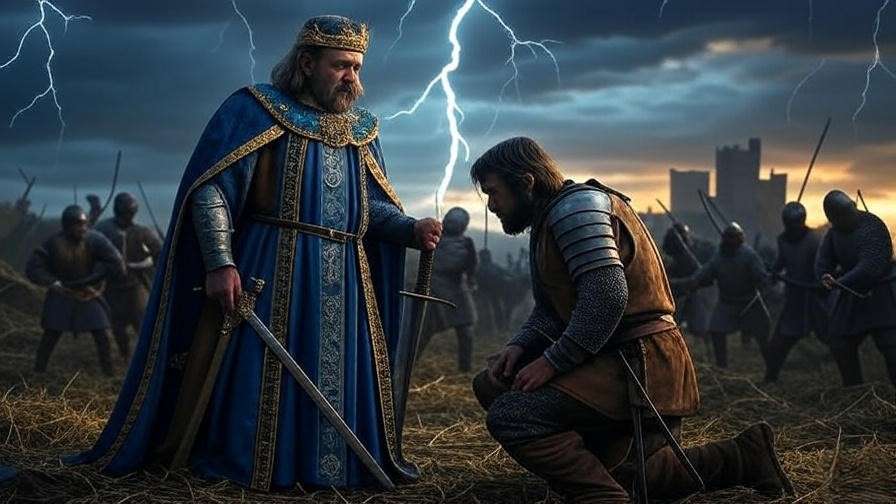
The scene opens with a wounded Captain delivering a gripping account of Macbeth’s bravery in battle against the Norwegian forces and the traitor Macdonwald. His vivid description—“For brave Macbeth—well he deserves that name— / Disdaining fortune, with his brandish’d steel, / Which smoked with bloody execution” (1.2.16–18)—paints Macbeth as a fearless warrior. Shakespeare’s use of visceral imagery, such as “smoked with bloody execution,” underscores the brutality of the conflict and elevates Macbeth’s heroic stature. This moment establishes him as a loyal servant of King Duncan, setting up the tragic irony of his later betrayal. The Captain’s speech also introduces the theme of violence, a recurring motif that permeates the play.
The Thane of Cawdor’s Betrayal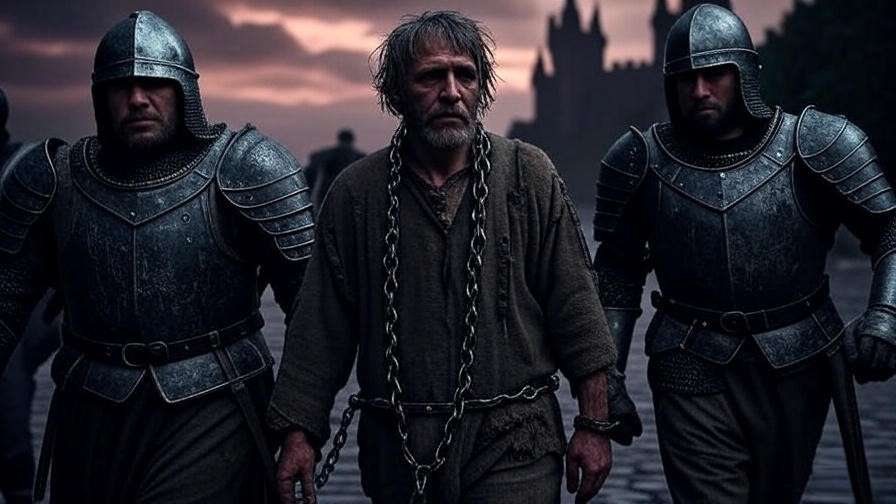
Next, the scene reveals the treachery of the Thane of Cawdor, who has allied with the Norwegian enemy against Duncan. This act of disloyalty shocks the court and sets a precedent for the consequences of betrayal. King Duncan’s swift decision to order the traitor’s execution underscores his authority but also highlights his vulnerability to misplaced trust. The Thane’s fall is pivotal, as it creates the vacancy that Macbeth will fill, directly tying to the witches’ prophecy from Act 1 Scene 1. This event plants the seed of dramatic irony, as the audience begins to suspect that Macbeth’s new title may lead to his own moral downfall.
King Duncan’s Response and Macbeth’s Elevation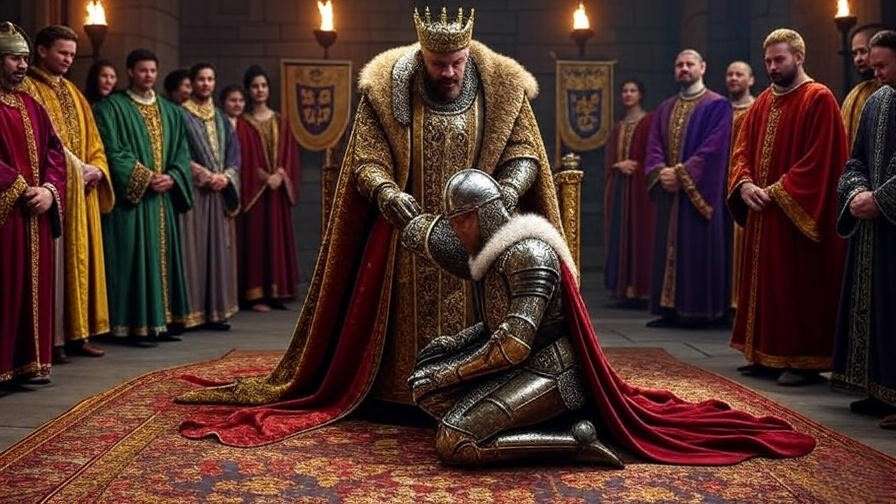
In response to the Captain’s report and the news of Cawdor’s treachery, Duncan proclaims Macbeth the new Thane of Cawdor, stating, “What he hath lost, noble Macbeth hath won” (1.2.67). This decision marks a turning point, fulfilling part of the witches’ prophecy and setting Macbeth on a path toward ambition-fueled destruction. Duncan’s trust in Macbeth mirrors his earlier trust in the traitorous Cawdor, a detail Shakespeare uses to foreshadow the king’s eventual murder. This moment also introduces the theme of fate, as the prophecy begins to take shape, drawing readers deeper into the play’s psychological tension.
| Event | Characters Involved | Significance |
|---|---|---|
| Captain’s Report | Captain, Duncan, Malcolm | Establishes Macbeth’s heroism, introduces violence |
| Cawdor’s Betrayal | Duncan, Ross | Highlights themes of loyalty and betrayal |
| Macbeth’s Promotion | Duncan, Ross, Angus | Fulfills prophecy, foreshadows ambition |
Tip for Readers: Use this table to quickly reference the key events and their impact while studying or teaching Macbeth.
Character Insights Revealed in Act 1 Scene 2
Macbeth as a Heroic Figure
In Act 1 Scene 2, Macbeth is introduced indirectly through the Captain’s and Ross’s glowing reports, cementing his reputation as a valiant warrior. Phrases like “brave Macbeth” and “Bellona’s bridegroom” (1.2.54) align him with martial prowess and divine favor. This heroic portrayal is crucial, as it establishes the height from which Macbeth will fall. The contrast between his public loyalty and the private ambition hinted at later creates a complex character arc. Shakespeare’s choice to present Macbeth through others’ perspectives builds anticipation for his entrance, making his eventual moral decline all the more tragic.
King Duncan’s Leadership and Trust
King Duncan emerges as a benevolent but naive ruler in this scene. His gratitude toward Macbeth and swift punishment of Cawdor reflect his commitment to justice, yet his trust in both the traitor and Macbeth reveals a fatal flaw. Duncan’s line, “There’s no art / To find the mind’s construction in the face” (1.4.11–12, referenced later), echoes the irony established here. His vulnerability sets the stage for the play’s exploration of betrayal, as his faith in Macbeth will lead to his downfall. This characterization makes Duncan a sympathetic figure, amplifying the tragedy of his murder.
Minor Characters’ Roles (Captain, Ross, Angus)
The Captain, Ross, and Angus serve as expository tools, delivering critical information about the battle and Macbeth’s deeds. The Captain’s wounded state adds authenticity to his account, while Ross and Angus reinforce Macbeth’s valor and convey Duncan’s decision. These minor characters are reliable narrators, as their reports align with the play’s events, but their limited perspective enhances the dramatic irony: they cannot foresee Macbeth’s betrayal. Literary critic Stephen Greenblatt notes that Shakespeare uses such characters to “frame the protagonist’s reputation before his flaws are revealed,” a technique evident in this scene.
Themes and Motifs Introduced in Act 1 Scene 2
Loyalty vs. Betrayal
The contrast between Macbeth’s loyalty and the Thane of Cawdor’s betrayal is central to Act 1 Scene 2. While Macbeth is celebrated as a loyal warrior, Cawdor’s treachery serves as a warning of the consequences of disloyalty. This juxtaposition foreshadows Macbeth’s own betrayal, as the title he inherits carries the taint of its previous owner’s actions. Shakespeare uses this theme to explore the fragility of trust in a politically unstable world, a concept that resonates with both historical and modern audiences.
Fate and Prophecy
The witches’ prophecy from Act 1 Scene 1 begins to materialize in Scene 2 with Macbeth’s elevation to Thane of Cawdor. This development introduces the theme of fate, raising questions about whether Macbeth’s actions are predestined or driven by choice. Shakespeare’s portrayal of prophecy as a catalyst for action sets up the play’s exploration of free will versus destiny, a topic that captivates readers and scholars alike. The partial fulfillment of the prophecy in this scene creates suspense, as audiences anticipate how the witches’ predictions will shape Macbeth’s future.
Violence and Ambition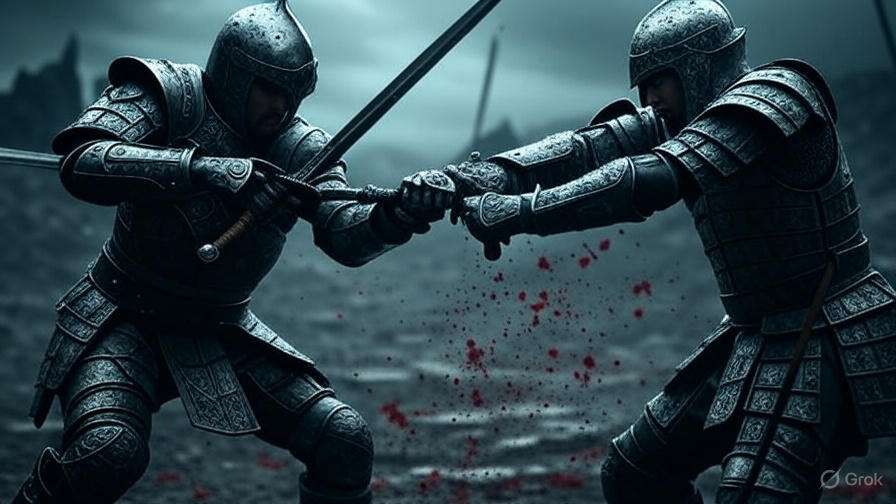
The Captain’s graphic description of Macbeth’s combat—“he unseam’d him from the nave to th’ chops” (1.2.22)—introduces violence as a defining element of the play. This brutality is linked to ambition, as Macbeth’s heroic actions earn him a title that fuels his desire for power. Shakespeare subtly plants the seeds of Macbeth’s ambition here, using violent imagery to hint at the destructive path he will follow. The connection between violence and ambition becomes a recurring motif, driving the narrative toward its tragic climax.
Example Quote Analysis: The line “Disdaining fortune, with his brandish’d steel” (1.2.17) showcases Macbeth’s defiance of fate through violent action. The verb “disdaining” suggests boldness, while “brandish’d steel” evokes a vivid image of his sword, symbolizing both heroism and potential for destruction. This quote encapsulates the dual nature of Macbeth’s character at this stage.
Shakespeare’s Language and Literary Techniques
Imagery and Symbolism
Shakespeare’s use of vivid imagery in Act 1 Scene 2 creates a visceral atmosphere of war and bloodshed. Descriptions like “bloody execution” and “unseam’d him” paint a gruesome picture, immersing readers in the scene’s intensity. The title of Thane of Cawdor serves as a symbol of both reward and corruption, as its association with betrayal foreshadows Macbeth’s moral decline. These elements demonstrate Shakespeare’s ability to weave symbolic meaning into narrative action, enriching the scene’s impact.
Dramatic Structure and Pacing
Act 1 Scene 2 is a model of dramatic economy, delivering essential exposition in a concise yet powerful manner. By focusing on reported action rather than staging the battle, Shakespeare maintains a brisk pace while building suspense for Macbeth’s entrance. The dialogue’s intensity, particularly the Captain’s speech, contrasts with Duncan’s measured responses, creating a dynamic rhythm that keeps readers engaged. This structure showcases Shakespeare’s mastery of balancing exposition with dramatic tension.
Foreshadowing and Irony
The scene is rich with dramatic irony, particularly in Duncan’s trust in Macbeth, which mirrors his misplaced faith in the original Thane of Cawdor. Lines like “What he hath lost, noble Macbeth hath won” carry ironic weight, as Macbeth’s gain foreshadows his eventual betrayal. Shakespeare also uses foreshadowing to hint at darker themes, such as the violence and ambition that will drive Macbeth’s actions. These techniques deepen the scene’s complexity, inviting readers to anticipate the tragedy’s unfolding.
Tip for Students: To analyze Shakespeare’s language, look for:
- Metaphors: Identify comparisons like “Bellona’s bridegroom” for Macbeth.
- Iambic Pentameter: Note the rhythmic structure of key lines.
- Dramatic Irony: Spot moments where the audience knows more than the characters, such as Duncan’s trust in Macbeth.
Why Act 1 Scene 2 Matters: Significance in the Play
Establishing Macbeth’s Tragic Arc
Act 1 Scene 2 is pivotal in establishing Macbeth as a tragic hero, a figure of immense potential whose flaws lead to his downfall. By presenting him as a valiant warrior through the Captain’s and Ross’s accounts, Shakespeare creates a pedestal of heroism that makes Macbeth’s later descent into treachery all the more shocking. The scene’s portrayal of Macbeth as “brave” and “noble” sets a benchmark for his character, highlighting the tragic irony when his ambition overrides his loyalty. This early glorification is essential, as it amplifies the emotional weight of his moral corruption, a hallmark of Shakespearean tragedy. For readers and students, understanding this setup is key to appreciating the complexity of Macbeth’s journey from hero to villain.
Building Suspense and Conflict
The scene masterfully builds suspense by delaying Macbeth’s entrance while hyping his reputation and tying him to the witches’ prophecy. The revelation that Macbeth has been named Thane of Cawdor creates anticipation for his reaction to the witches’ predictions, setting the stage for the psychological conflict between loyalty and ambition. This moment also introduces the central tension of the play: Macbeth’s internal struggle as he grapples with the temptation of power. By juxtaposing the external victory in battle with the internal seeds of betrayal, Shakespeare crafts a narrative that keeps audiences engaged, wondering how Macbeth’s heroism will unravel.
Expert Insight: In Roman Polanski’s 1971 film adaptation of Macbeth, Act 1 Scene 2 is depicted with stark, visceral imagery, emphasizing the brutality of the battle to underscore Macbeth’s martial prowess. This directorial choice highlights the scene’s role in establishing the play’s violent tone, a perspective that aligns with scholarly interpretations of the scene as a prelude to chaos.
How to Analyze Act 1 Scene 2 for Academic Success
Tips for Students Writing Essays
For students tasked with analyzing Act 1 Scene 2, a structured approach can elevate your essay from good to exceptional. Begin by summarizing the key events—Captain’s report, Cawdor’s betrayal, and Macbeth’s promotion—and connect them to the play’s broader themes. Use direct quotes to support your points, such as the Captain’s description of Macbeth’s combat to illustrate his heroism. Contextualize the scene within the play’s structure, noting its role in exposition and foreshadowing. Finally, tie your analysis to universal themes like ambition or betrayal to demonstrate deeper insight. A strong thesis might argue that Act 1 Scene 2 lays the foundation for Macbeth’s tragic arc by juxtaposing his loyalty with the seeds of his downfall.
Sample Essay Paragraph:
In Act 1 Scene 2 of Macbeth, Shakespeare introduces the protagonist as a heroic figure through the Captain’s vivid account: “For brave Macbeth—well he deserves that name— / Disdaining fortune, with his brandish’d steel” (1.2.16–17). This portrayal establishes Macbeth as a loyal warrior, setting a high standard that makes his later betrayal profoundly tragic. The imagery of “brandish’d steel” and “bloody execution” not only highlights his martial prowess but also foreshadows the violence that will define his ambition-driven actions. By presenting Macbeth through others’ perspectives, Shakespeare builds suspense and primes the audience for the moral conflict that will unfold, a technique that underscores his dramatic genius.
Questions to Spark Critical Thinking
To deepen your analysis, consider these discussion questions:
- How does Shakespeare use the Captain’s and Ross’s reports to shape our initial perception of Macbeth?
- In what ways does Duncan’s trust in Macbeth mirror his trust in the traitorous Thane of Cawdor?
- How does the theme of fate in Act 1 Scene 2 set up the play’s exploration of free will versus destiny?
- What role does violent imagery play in establishing the tone of Macbeth?
These questions encourage readers to explore the scene’s nuances, making it a valuable tool for classroom discussions or essay prompts.
FAQs About Act 1 Scene 2 of Macbeth
Question 1: What are the key events in Act 1 Scene 2 of Macbeth?
Answer: The scene features three major events: the Captain’s report of Macbeth’s heroic defeat of Macdonwald and the Norwegians, the revelation of the Thane of Cawdor’s betrayal, and King Duncan’s decision to execute Cawdor and award his title to Macbeth. These events establish Macbeth’s reputation, introduce themes of loyalty and betrayal, and set up the witches’ prophecy.
Question 2: How does Act 1 Scene 2 set up the witches’ prophecy?
Answer: The witches’ prophecy from Act 1 Scene 1, which predicts Macbeth will become Thane of Cawdor and king, begins to materialize when Duncan names Macbeth the new Thane of Cawdor. This partial fulfillment creates suspense and raises questions about how the rest of the prophecy will unfold, driving the narrative forward.
Question 3: Why is King Duncan important in this scene?
Answer: Duncan’s role as a benevolent but trusting king highlights his vulnerability to betrayal. His decision to reward Macbeth with the Thane of Cawdor’s title reflects his faith in loyalty, but it also foreshadows his tragic misjudgment, as Macbeth will later betray him.
Question 4: How does Shakespeare use language to create impact in this scene?
Answer: Shakespeare employs vivid imagery, such as “bloody execution” and “unseam’d him from the nave to th’ chops,” to create a visceral atmosphere of war. Dramatic irony, particularly in Duncan’s trust, and foreshadowing of Macbeth’s ambition enhance the scene’s emotional and thematic depth.
Act 1 Scene 2 of Macbeth is a masterful piece of dramatic storytelling, introducing the key events that set the stage for Shakespeare’s tragic exploration of ambition, betrayal, and fate. From the Captain’s vivid recounting of Macbeth’s heroism to the Thane of Cawdor’s treachery and Macbeth’s fateful promotion, this scene lays the groundwork for the play’s central conflicts. Its rich imagery, dramatic irony, and thematic depth make it a critical moment for understanding Macbeth’s tragic arc. For readers of this analysis offers a deeper appreciation of Shakespeare’s craft. To further engage with this scene, revisit it in your copy of Macbeth, watch a performance like the 2015 film starring Michael Fassbender, or explore related articles on our site. By grappling with the universal themes of loyalty, ambition, and destiny, you’ll uncover why Macbeth remains a timeless masterpiece.