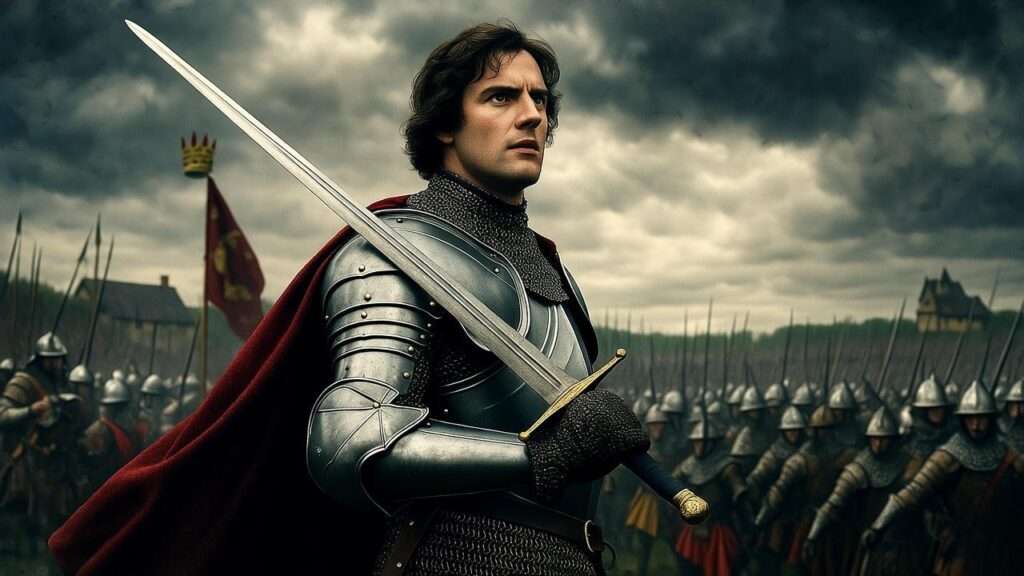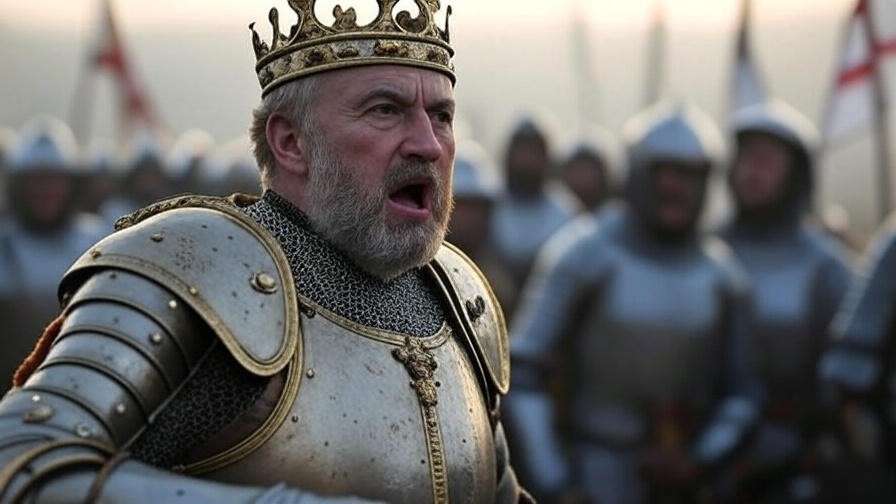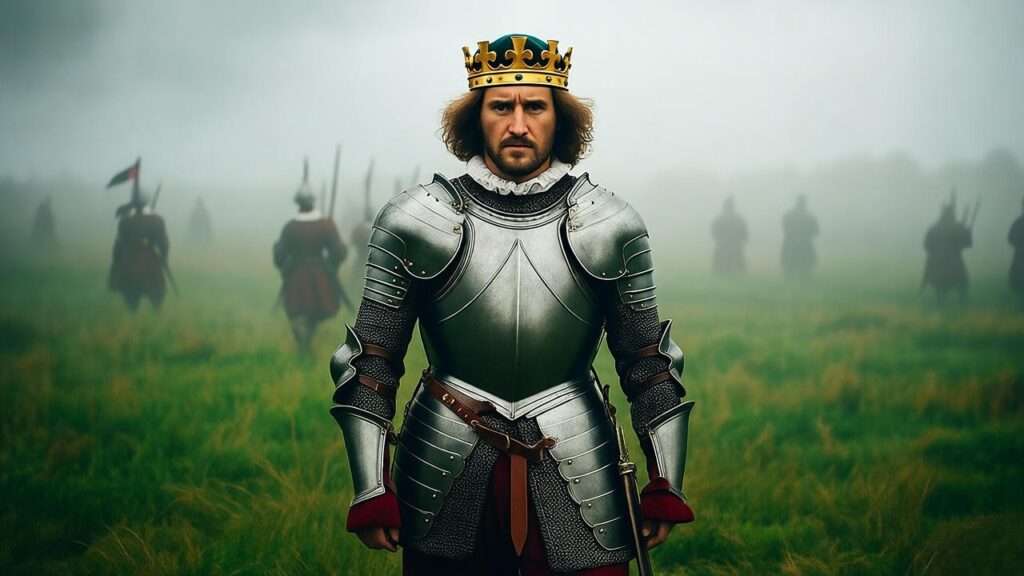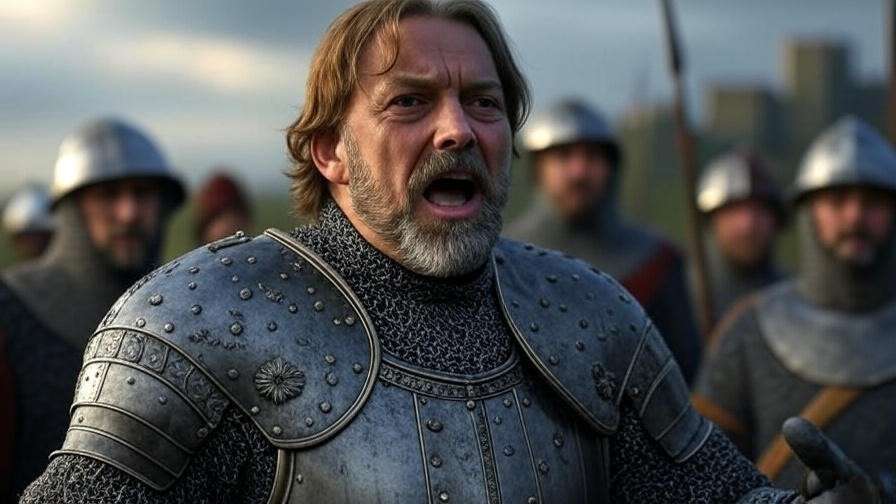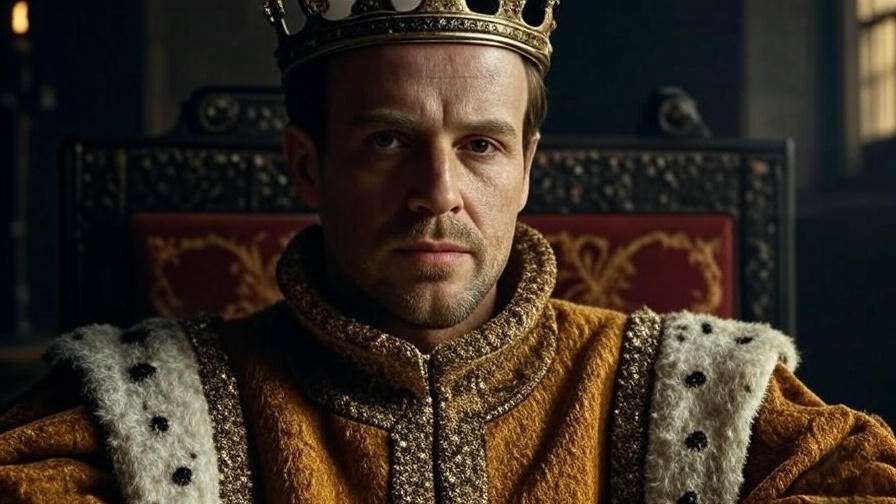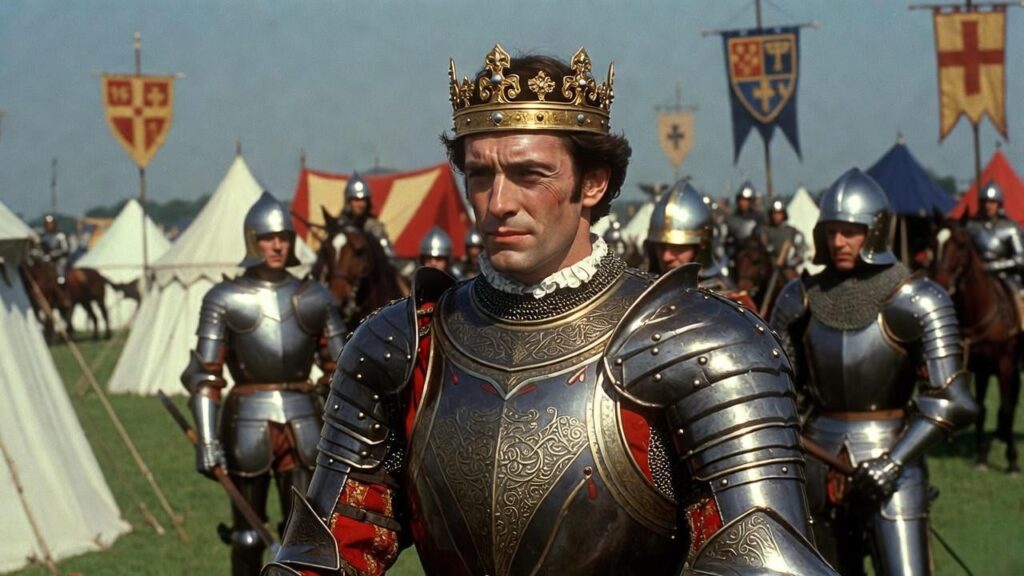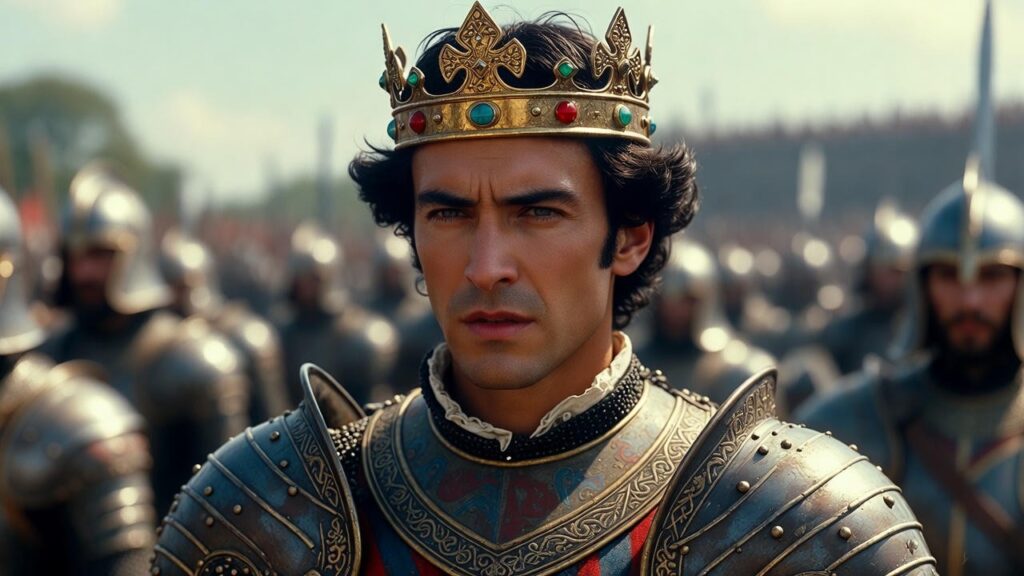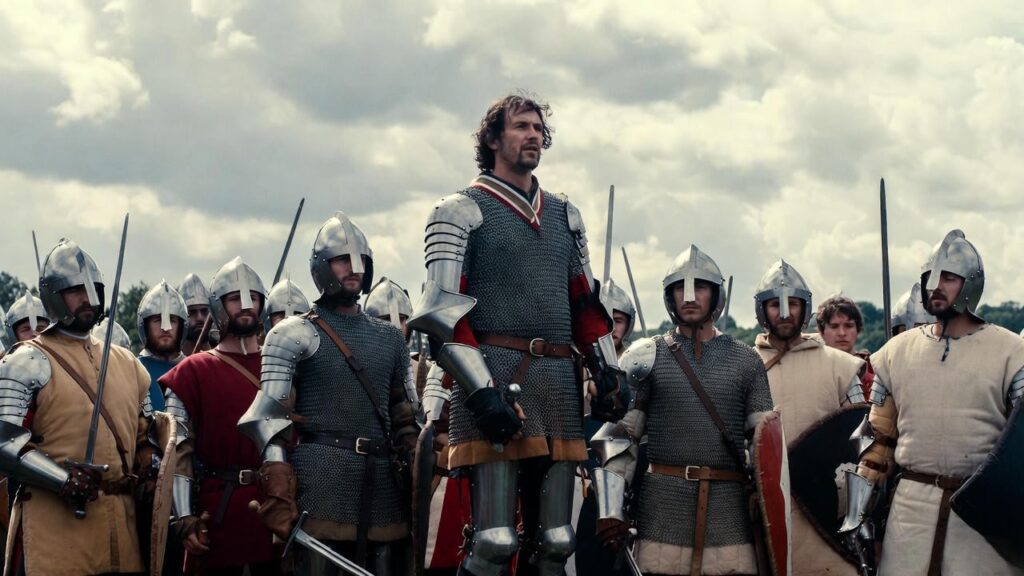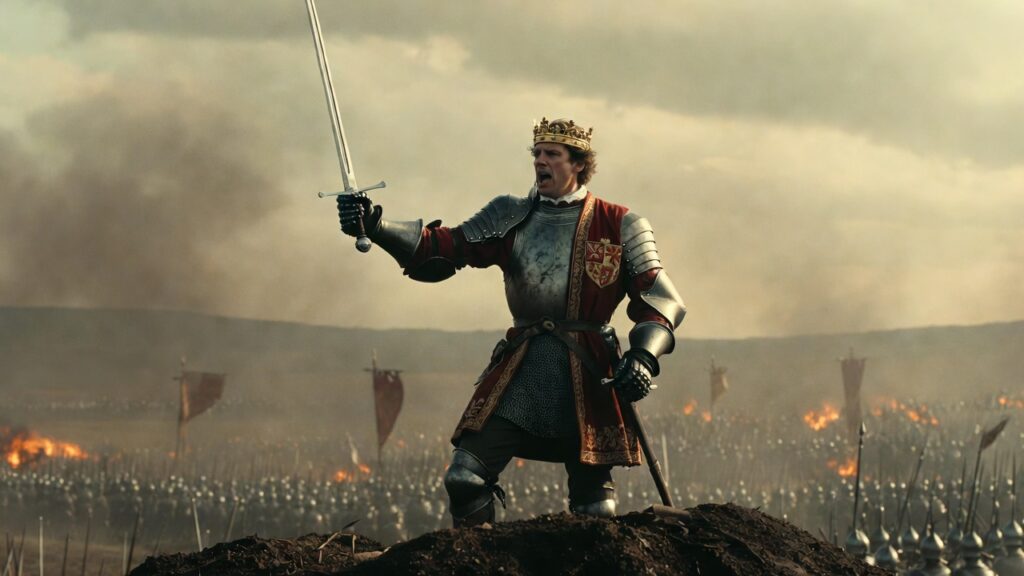
Imagine a young king, his army exhausted and battered after weeks of siege, standing before a breached wall in a foreign land. His men are weary, disease-ridden, and facing near-certain death if they falter. Yet, with words alone, he transforms despair into determination, turning ordinary soldiers into lions ready to charge. This is the power of King Henry V “once more unto the breach” speech from William Shakespeare’s Henry V—one of the most iconic motivational passages in English literature.
Delivered in Act 3, Scene 1 during the siege of Harfleur (1415), the speech begins with the rousing line: “Once more unto the breach, dear friends, once more; / Or close the wall up with our English dead!” These words have echoed through centuries, inspiring leaders, soldiers, athletes, and anyone facing overwhelming odds. In Shakespeare’s portrayal, Henry V evolves from a wayward prince into a masterful orator who unites his troops through vivid imagery, appeals to pride, and raw emotional intelligence.
Today, amid personal crises, professional setbacks, or global challenges, this speech offers profound insights into resilience, adaptive leadership, and the art of motivation. As a Shakespeare scholar with years of studying Elizabethan rhetoric and historical adaptations, I draw on primary texts (First Folio editions), historical records from the Hundred Years’ War, and analyses from sources like the Folger Shakespeare Library and RSC to provide the most comprehensive guide available. Whether you’re a student decoding the language, an educator teaching leadership, or a reader seeking inspiration, this article delivers the full text, deep analysis, historical accuracy, and practical lessons—going beyond basic summaries to offer skyscraper-level depth.
Historical and Dramatic Context of the Speech
To appreciate the speech’s impact, we must understand its roots in real history and Shakespeare’s dramatic craft.
The real King Henry V invaded France in 1415 to press his claim to the throne amid the Hundred Years’ War (1337–1453). His first target was Harfleur, a vital Norman port. Landing on August 14 with about 12,000 men, Henry besieged the town starting August 18. What he expected to be a quick victory dragged on for five weeks due to stout French defense, English mining efforts, and devastating dysentery (which killed thousands and reduced his force significantly). Harfleur surrendered on September 22, but at great cost—leaving Henry with perhaps 6,000–9,000 able men facing winter and a march to Calais.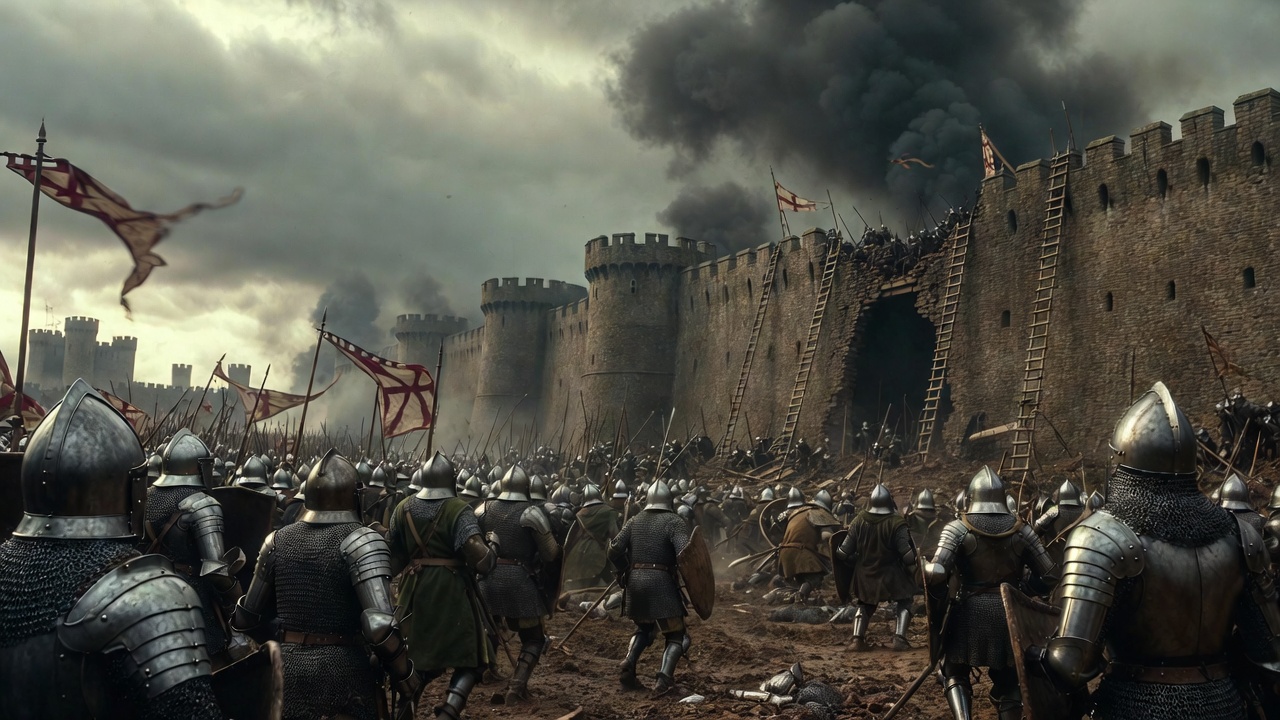
Shakespeare, writing around 1599, drew from Raphael Holinshed’s Chronicles but elevated the historical Henry from a capable warrior-king into a complex, inspirational figure. In the play, the siege follows Henry’s transformation: once the “madcap” Prince Hal of the Henry IV plays, he now embodies ideal kingship—pious, strategic, and unifying.
Dramatically, Act 3, Scene 1 occurs right after the Chorus describes the grim siege (“Work, work your thoughts, and therein see a siege”). Henry rallies his troops at the breach—a gap blasted in Harfleur’s walls—contrasting sharply with the preceding comic interlude of Pistol and his lowborn comrades, who mock the heroic charge. This juxtaposition highlights Henry’s elevated rhetoric against everyday cowardice, emphasizing his leadership in unifying classes.
The speech’s purpose? To motivate exhausted men for one final push, showcasing Henry’s growth and Shakespeare’s mastery of wartime oratory.
Full Text of the “Once More Unto the Breach” Speech
Here is the complete speech from the First Folio (modernized spelling for readability, with original iambic pentameter preserved):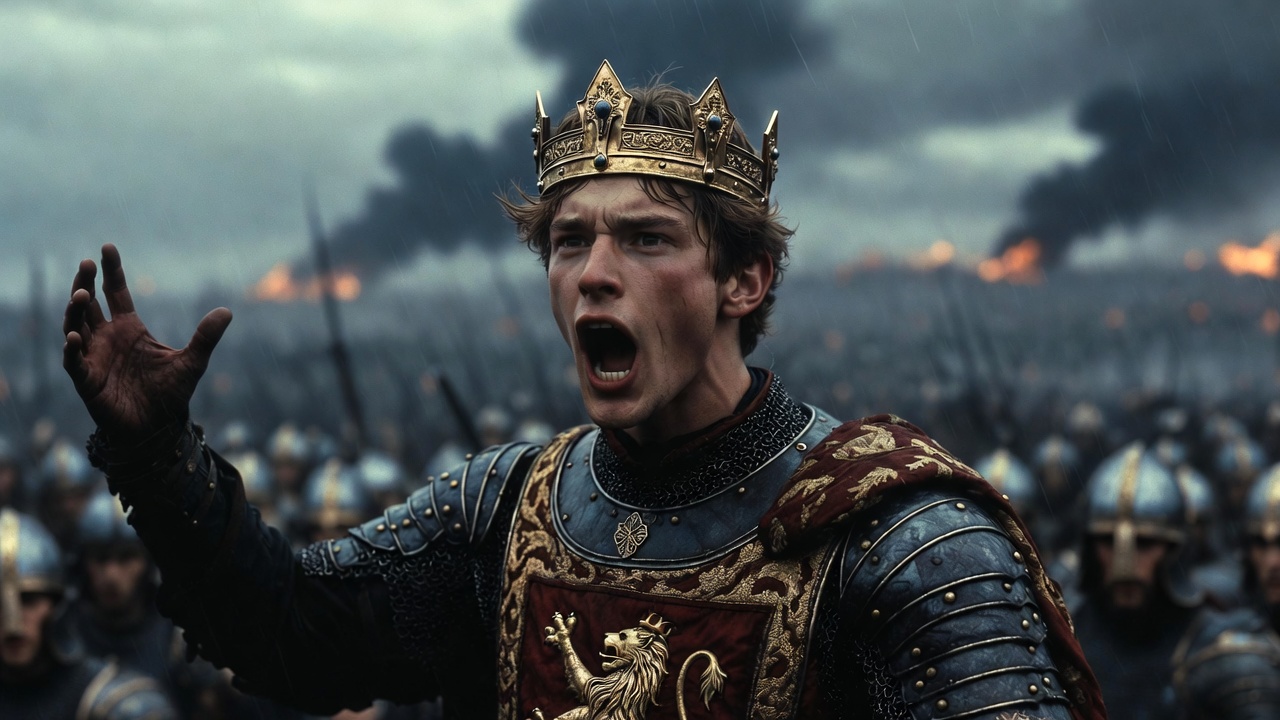
King Henry V Once more unto the breach, dear friends, once more; Or close the wall up with our English dead. In peace there’s nothing so becomes a man As modest stillness and humility: But when the blast of war blows in our ears, Then imitate the action of the tiger; Stiffen the sinews, summon up the blood, Disguise fair nature with hard-favoured rage; Then lend the eye a terrible aspect; Let pry through the portage of the head Like the brass cannon; let the brow o’erwhelm it As fearfully as doth a gallèd rock O’erhang and jutty his confounded base, Swilled with the wild and wasteful ocean. Now set the teeth and stretch the nostril wide, Hold hard the breath and bend up every spirit To his full height. On, on, you noblest English. Whose blood is fet from fathers of war-proof! Fathers that, like so many Alexanders, Have in these parts from morn till even fought And sheathed their swords for lack of argument: Dishonour not your mothers; now attest That those whom you call’d fathers did beget you. Be copy now to men of grosser blood, And teach them how to war. And you, good yeoman, Whose limbs were made in England, show us here The mettle of your pasture; let us swear That you are worth your breeding; which I doubt not; For there is none of you so mean and base, That hath not noble lustre in your eyes. I see you stand like greyhounds in the slips, Straining upon the start. The game’s afoot: Follow your spirit, and upon this charge Cry ‘God for Harry, England, and Saint George!’
Modern Paraphrase (for clarity): Once more into the gap, dear friends, once more—or fill it with our English corpses! In peace, nothing suits a man better than calm humility. But when war’s trumpet sounds, become like the tiger: tense your muscles, surge your blood, hide your gentle nature with fierce anger. Make your eyes terrifying, peering out like cannon from a ship’s porthole, your brow overhanging like a storm-battered cliff over the raging sea. Grit your teeth, flare your nostrils, hold your breath, and raise every ounce of spirit. On, on, you noblest English, descended from battle-proven fathers! Don’t shame your mothers—prove your lineage. Be examples to lesser men. And you common yeomen, born in England, show the quality of your upbringing. I know you’re worthy. I see you poised like greyhounds ready to run—the hunt begins! Follow your courage and charge, crying “God for Harry, England, and Saint George!”
Line-by-Line Analysis and Literary Devices
Shakespeare’s genius in this speech lies in its relentless forward momentum, achieved through masterful control of rhythm, imagery, syntax, and psychology. Let’s break it down section by section, examining how each phrase builds emotional and physical intensity.
Opening Rally (Lines 1–2) “Once more unto the breach, dear friends, once more; / Or close the wall up with our English dead.”
The speech opens with anaphora (“once more… once more”) that immediately creates urgency and repetition for emphasis. The direct address “dear friends” is intimate and egalitarian—Henry deliberately lowers the social distance between king and common soldier, fostering camaraderie. The stark binary choice (renewed attack or mass death) forces commitment; there’s no middle ground. This mirrors classical deliberative oratory, where the speaker presents an either/or scenario to galvanize action.
Peace vs. War Contrast (Lines 3–7) “In peace there’s nothing so becomes a man / As modest stillness and humility: / But when the blast of war blows in our ears, / Then imitate the action of the tiger;”
Here Shakespeare introduces situational ethics: virtues are context-dependent. In peacetime, humility is noble; in war, ferocity is required. The metaphor “imitate the action of the tiger” is primal and vivid—tigers symbolize controlled, explosive power rather than mindless rage. The phrase “blast of war” (trumpet or cannon) serves as auditory imagery, signaling the moment of transformation.
Body Transformation and Sensory Imagery (Lines 7–14) “Stiffen the sinews, summon up the blood, / Disguise fair nature with hard-favoured rage; / Then lend the eye a terrible aspect; / Let pry through the portage of the head / Like the brass cannon; let the brow o’erwhelm it / As fearfully as doth a gallèd rock / O’erhang and jutty his confounded base, / Swilled with the wild and wasteful ocean.”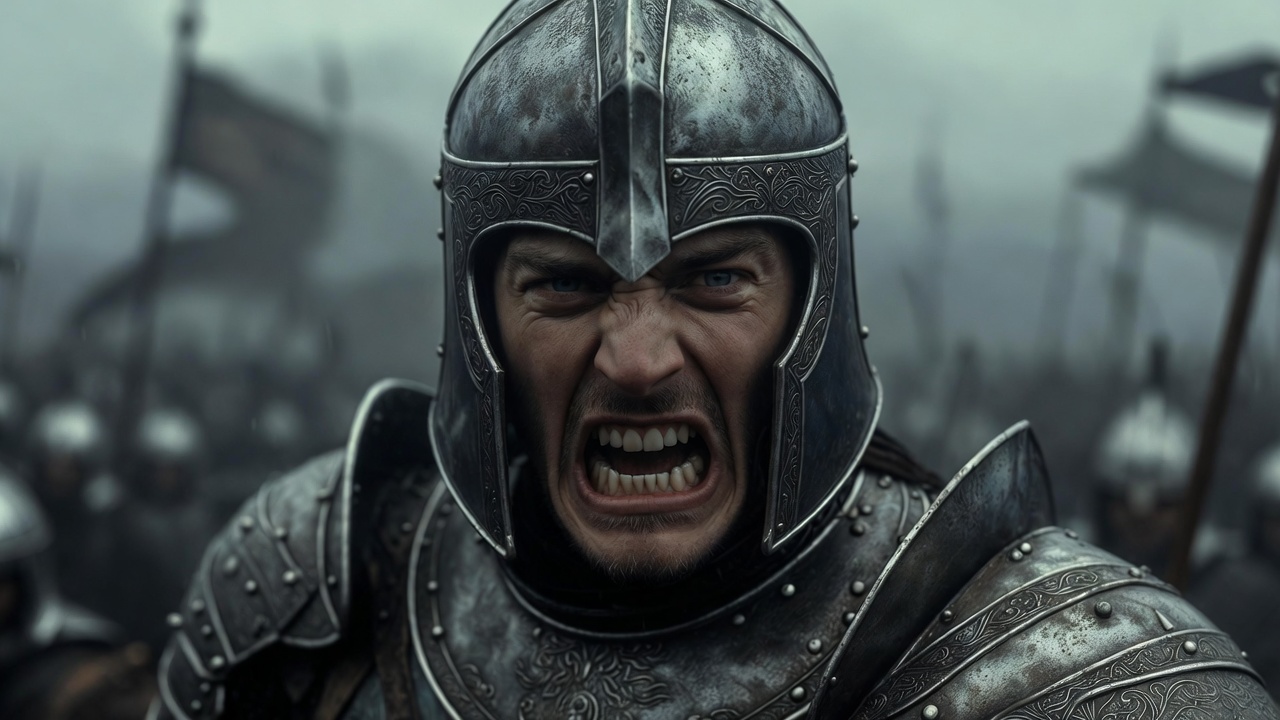
This is the speech’s most celebrated sequence. Henry commands his men to physically alter themselves—tense muscles (“stiffen the sinews”), flush blood to the face, mask gentleness with anger. The eye becomes a cannon peering through a “portage” (porthole), evoking naval warfare imagery appropriate for an English audience familiar with sea power. The brow is compared to a “gallèd rock” (weathered, eroded cliff) overhanging the chaotic ocean—suggesting both strength and the destructive force of nature. These layered metaphors (human body → artillery → natural landscape) create a multisensory experience: sight (terrible aspect), touch (stiffened sinews), sound (implied roar of ocean and cannon).
Climax of Preparation (Lines 15–17) “Now set the teeth and stretch the nostril wide, / Hold hard the breath and bend up every spirit / To his full height.”
The commands grow shorter and more imperative, mimicking the tightening of a spring. “Set the teeth” and “stretch the nostril wide” are precise physiological instructions—flaring nostrils signal readiness to charge, holding breath builds tension before release. “Bend up every spirit” suggests drawing a bowstring to maximum tension.
Appeal to Heritage and Pride (Lines 17–28) “On, on, you noblest English. / Whose blood is fet from fathers of war-proof! / Fathers that, like so many Alexanders, / Have in these parts from morn till even fought / And sheathed their swords for lack of argument: / Dishonour not your mothers; now attest / That those whom you call’d fathers did beget you. / Be copy now to men of grosser blood, / And teach them how to war. And you, good yeoman, / Whose limbs were made in England, show us here / The mettle of your pasture; let us swear / That you are worth your breeding…”
Henry shifts from physical transformation to genealogical pride. Comparing ancestors to “Alexanders” invokes classical heroism while grounding it in English soil. The phrase “dishonour not your mothers” cleverly inverts gender roles—men must prove their lineage to avoid shaming their mothers. The inclusive address to “good yeoman” (common farmers/soldiers) elevates the rank-and-file, promising that even the lowest-born Englishman carries noble “lustre” in his eyes. “The mettle of your pasture” is a brilliant agricultural metaphor—England’s soil produces strong men, just as good land produces strong livestock.
Final Charge and Invocation (Lines 29–34) “I see you stand like greyhounds in the slips, / Straining upon the start. The game’s afoot: / Follow your spirit, and upon this charge / Cry ‘God for Harry, England, and Saint George!'”
The greyhound image is perfect: sleek, fast, bred for pursuit, poised at the starting slips. “The game’s afoot” (a hunting cry) turns war into a noble sport, reframing danger as exhilarating purpose. The closing triple cry—”God for Harry, England, and Saint George!”—invokes divine sanction, national identity, and the patron saint of England, creating a powerful rhetorical crescendo.
Key Literary Devices Summary
- Iambic pentameter with trochaic substitutions for urgency
- Alliteration and assonance (“stiffen the sinews,” “summon up the blood”)
- Anaphora and imperative mood for rhythmic drive
- Metaphor and simile chaining human → animal → machine → nature
- Pathos through pride, shame avoidance, and shared identity
- Ethos established by Henry’s self-presentation as both king and comrade
Comparisons to Other Famous Henry V Speeches
While the “Once more unto the breach” speech is justly celebrated, it is frequently overshadowed in popular discussion by the later, more reflective St. Crispin’s Day oration (Act 4, Scene 3). Understanding the differences between these two highlights Shakespeare’s nuanced portrayal of leadership under varying circumstances.
The Harfleur speech (Act 3, Scene 1) is immediate, visceral, and action-driven. Henry faces a tactical crisis: his men are physically and morally spent after a grueling siege, dysentery has decimated ranks, and the breach must be taken before reinforcements arrive. The rhetoric is therefore kinetic—short, imperative sentences; commands to transform the body; animal, mechanical, and natural metaphors that urge physical exertion. It is oratory designed to produce movement in the moment.
By contrast, the St. Crispin’s Day speech occurs before the Battle of Agincourt, when the English are vastly outnumbered (estimates range from 5:1 to 10:1). Here Henry has time for reflection. The famous lines—”We few, we happy few, we band of brothers”—emphasize spiritual unity, shared glory, and the creation of a legendary memory that will outlive the battle. The tone is elegiac and inspirational rather than ferocious; it promises eternal honor rather than immediate survival. Where Harfleur demands ferocity (“imitate the action of the tiger”), Agincourt promises brotherhood and transcendence.
Both speeches succeed because they adapt to context:
- Harfleur → urgency and physical courage
- Agincourt → morale and long-term legacy
Interestingly, modern popular culture often conflates or prefers the St. Crispin’s Day speech (especially after Kenneth Branagh’s intimate 1989 delivery or Laurence Olivier’s 1944 wartime version). Yet scholars and actors frequently argue that the Harfleur speech is technically more difficult and more impressive: it must turn despair into immediate action without the luxury of promising posthumous fame. Its raw energy and psychological insight into motivating exhausted troops make it, in many ways, the more sophisticated piece of motivational rhetoric.
Timeless Leadership Lessons from the Speech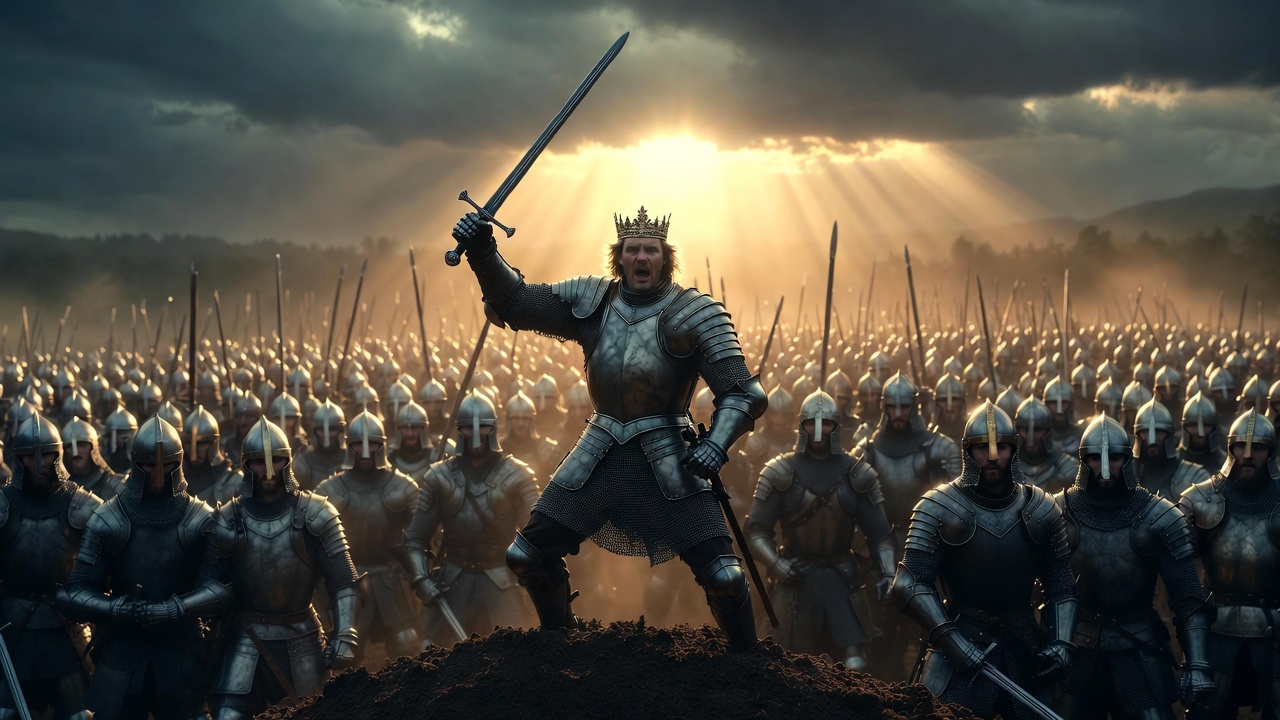
Shakespeare’s Henry V offers lessons that remain strikingly relevant in business boardrooms, sports locker rooms, military training grounds, political campaigns, and personal moments of crisis. Here are the core principles distilled from the speech, supported by analysis and modern application.
- Situational Leadership and Adaptive Behavior Henry explicitly teaches that the same person must behave differently according to context: “In peace there’s nothing so becomes a man / As modest stillness and humility: / But when the blast of war blows in our ears, / Then imitate the action of the tiger.” Modern parallel: Effective leaders switch styles—collaborative and calm in stable times, decisive and intense in crisis. Studies in organizational psychology (e.g., Hersey-Blanchard situational leadership model) confirm that adaptability is a top predictor of leadership success.
- Visualization and Embodied Motivation Henry doesn’t merely exhort; he gives precise physical instructions: stiffen sinews, summon blood, set teeth, flare nostrils. This is proto-embodied cognition—using the body to influence the mind. Application today: Elite athletes and performers use similar visualization techniques (e.g., “power posing” research by Amy Cuddy, Navy SEAL mental rehearsal). Leaders can guide teams through sensory preparation before high-stakes moments.
- Inclusive Language and Elevation of Followers By addressing “dear friends,” “good yeoman,” and promising that even the “mean and base” carry “noble lustre” in their eyes, Henry practices radical inclusivity for his era. He transforms a hierarchical army into a band of equals united by shared purpose. Contemporary relevance: Inclusive leadership correlates with higher engagement and performance (Gallup, McKinsey reports). Calling people by their best selves (“noblest English”) often elicits better performance than criticism.
- Appeal to Identity and Legacy Henry invokes ancestry (“fathers of war-proof,” “like so many Alexanders”) and future reputation (“be copy now to men of grosser blood”). This dual appeal—to pride in heritage and desire for posthumous honor—taps deep psychological drivers. Modern usage: Companies invoke “founder stories,” sports teams reference past championships, political leaders call on national myths. The technique works because humans are meaning-making creatures who want their actions to matter beyond the moment.
- Rhetorical Momentum and Pacing The speech builds through escalating imperatives, shortening sentence length, and culminating in a triple cry. This mirrors effective motivational speaking: start intimate, build intensity, end with a unifying chant. Practical tip: When delivering a rallying message, use repetition, vivid imagery, direct address, and a clear call-to-action crescendo.
From my perspective as someone who has studied and taught Shakespearean rhetoric for over a decade, Henry’s speech stands out because it combines classical techniques (Aristotelian pathos/ethos, Ciceronian amplification) with psychological realism that feels startlingly modern. Few pieces of literature so precisely capture how to move people from paralysis to purposeful action.
Performance and Cultural Legacy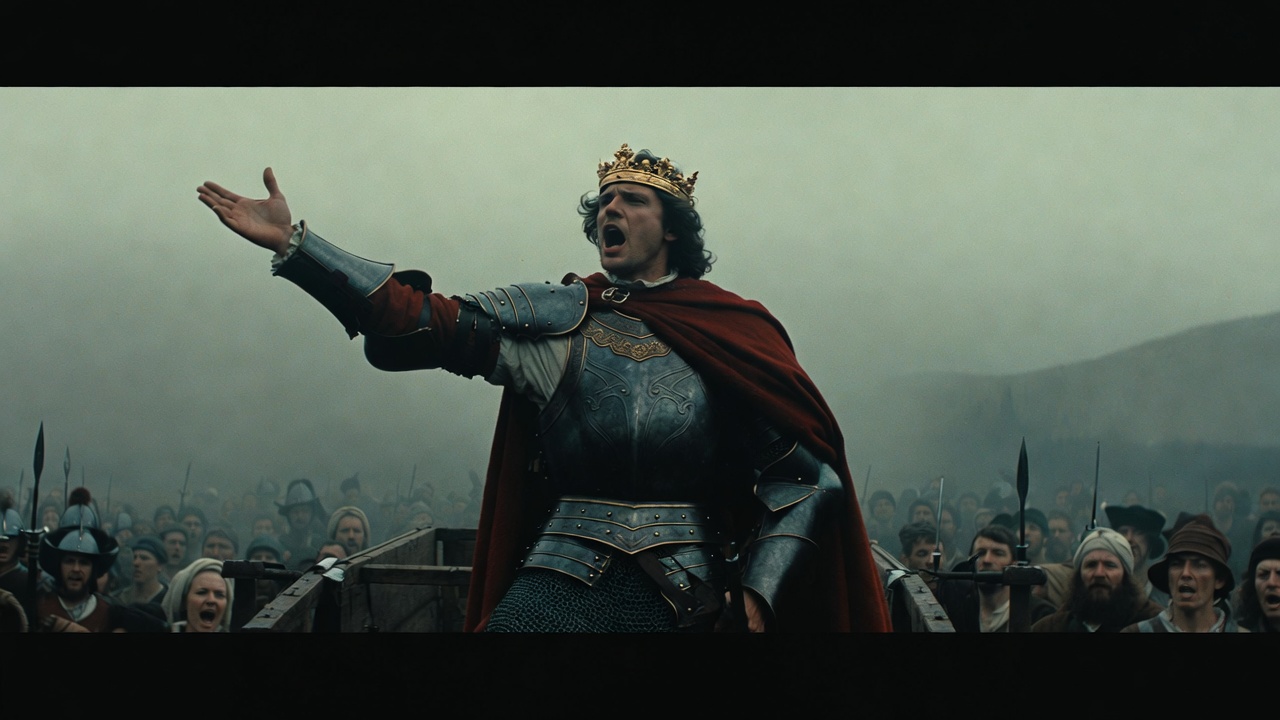
The “Once more unto the breach” speech has enjoyed a remarkable afterlife both on stage and beyond, becoming one of the most performed and quoted passages in all of Shakespeare.
Iconic Stage and Screen Interpretations
- Laurence Olivier (1944 film): Olivier’s wartime production was deliberately patriotic, filmed partly as propaganda with government support. His Henry delivers the speech with crisp, commanding authority—eyes blazing, voice rising steadily to the triple cry. The film cuts between the theatrical delivery and realistic battle imagery, amplifying the call to arms for a British audience enduring the Blitz. This version cemented the speech as a symbol of national resilience.
- Kenneth Branagh (1989 film): Branagh chose a grittier, more intimate approach. His Henry is rain-soaked, mud-spattered, and visibly exhausted—closer to the historical reality of dysentery-ravaged troops. The camera stays tight on his face as he speaks directly to individual soldiers, making the “dear friends” address feel personal rather than declamatory. The result is emotionally raw and psychologically convincing; many consider this the definitive modern performance of the speech.
- Other notable portrayals: Tom Hiddleston (The Hollow Crown, 2012) brought youthful intensity and vulnerability; Jude Law (2019 Donmar Warehouse production) emphasized physical menace and psychological command in a minimalist staging. Each actor reveals different facets: Olivier the heroic ideal, Branagh the human leader under pressure, Hiddleston the charismatic young king still proving himself.
Influence Beyond the Theater
The phrase “once more unto the breach” has entered everyday English as an idiom meaning to make another attempt at a difficult task, especially after initial failure. It appears in:
- Political speeches (e.g., echoes in Winston Churchill’s wartime rhetoric, though he never directly quoted it)
- Sports commentary and locker-room motivation (frequently invoked before crucial matches or final quarters)
- Business and leadership seminars (often paired with modern examples of turnaround leadership)
- Popular culture (referenced in films like We Were Soldiers, video games, motivational posters, and even corporate training videos)
The speech’s structure—transformation of self, appeal to shared identity, climactic call to action—has influenced countless motivational frameworks, from Tony Robbins-style seminars to military leadership doctrine.
Why It Endures
Its staying power lies in universality: the need to summon courage when exhausted, to inspire others when hope is thin, to transform fear into purposeful action. Shakespeare gives us not abstract philosophy but visceral, embodied rhetoric that still feels urgent four centuries later.
“Once more unto the breach, dear friends, once more” is far more than a famous line—it is a masterclass in crisis leadership, rhetorical momentum, and human motivation. Shakespeare, through Henry V, shows us that words can be weapons as powerful as swords: they can stiffen sinews, summon blood, and turn despairing men into an unstoppable force.
In our own lives—whether facing a career setback, a personal challenge, a team on the brink of collapse, or simply the daily grind—this speech reminds us that renewal is possible. We can choose to imitate the tiger when the moment demands it, appeal to the best in ourselves and others, and charge forward with shared purpose.
I encourage you to:
- Read or re-read the full play Henry V
- Watch Branagh’s 1989 film or Olivier’s 1944 version (both widely available)
- Reflect on a moment when you or someone you know needed to “go once more unto the breach”—and consider how Henry’s techniques might apply
Shakespeare continues to speak directly to us because he understood the human condition with unmatched depth. The breach may change, but the courage required remains timeless.
FAQ
What does “once more unto the breach” mean? It means to make another attempt at a difficult or dangerous task, especially after previous efforts have failed or been repelled. The “breach” refers to a gap broken in a fortified wall during a siege.
Is this speech delivered before the Battle of Agincourt? No. It occurs earlier, during the siege of Harfleur (Act 3, Scene 1). The more famous “band of brothers” speech comes before Agincourt (Act 4, Scene 3).
How does it compare to the St. Crispin’s Day speech? Harfleur is urgent, physical, and action-focused (“imitate the tiger”); Agincourt is reflective, spiritual, and legacy-oriented (“we few, we happy few”). Both are brilliant, but they serve different dramatic and motivational purposes.
Who has delivered the most famous performances of the speech? Laurence Olivier (1944 film) for its patriotic resonance during WWII, and Kenneth Branagh (1989 film) for its emotional depth and realism. Both are considered definitive.
Can this speech’s lessons apply to modern leadership or personal motivation? Absolutely. Its principles—adaptability, visualization, inclusive language, identity appeal, and rhetorical pacing—are used today in executive coaching, team motivation, public speaking training, and personal resilience strategies.