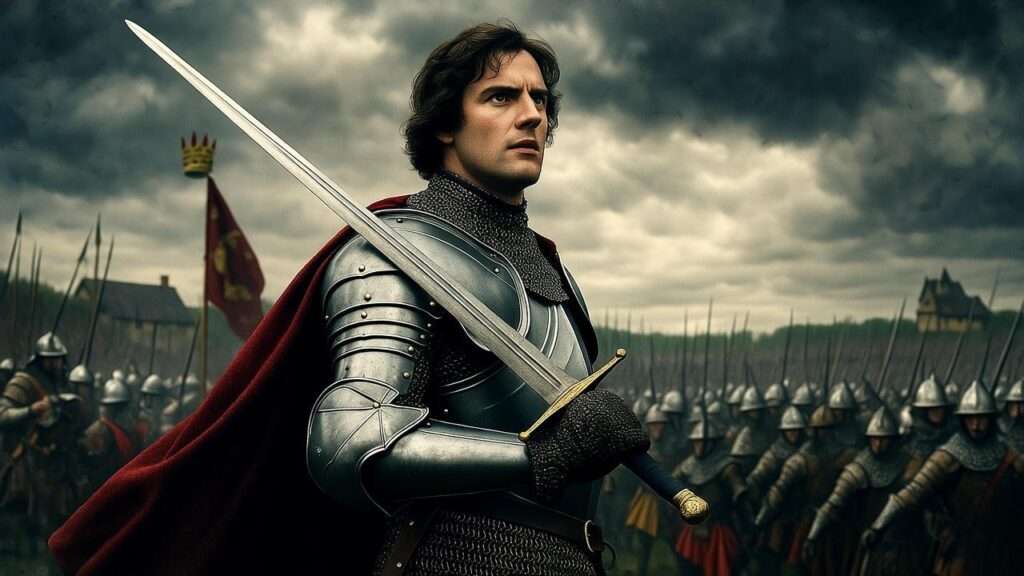
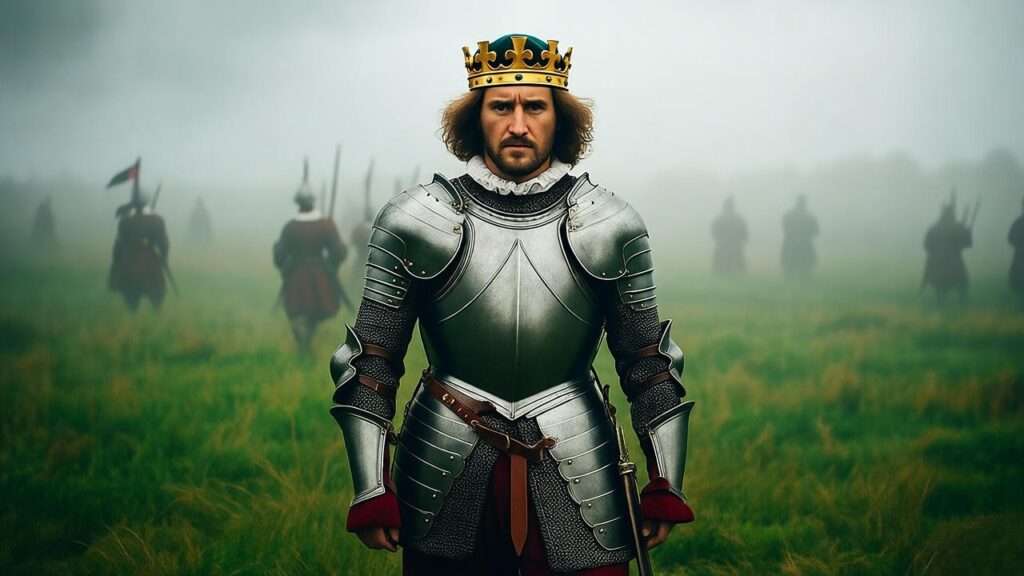
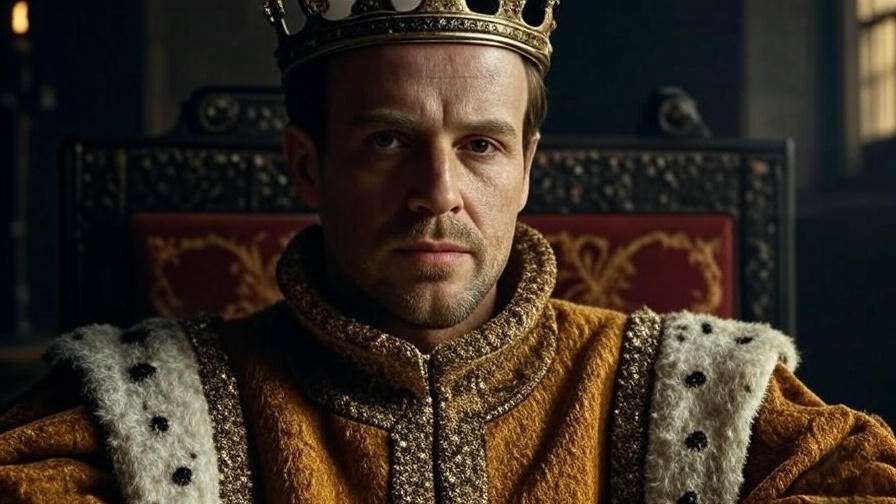
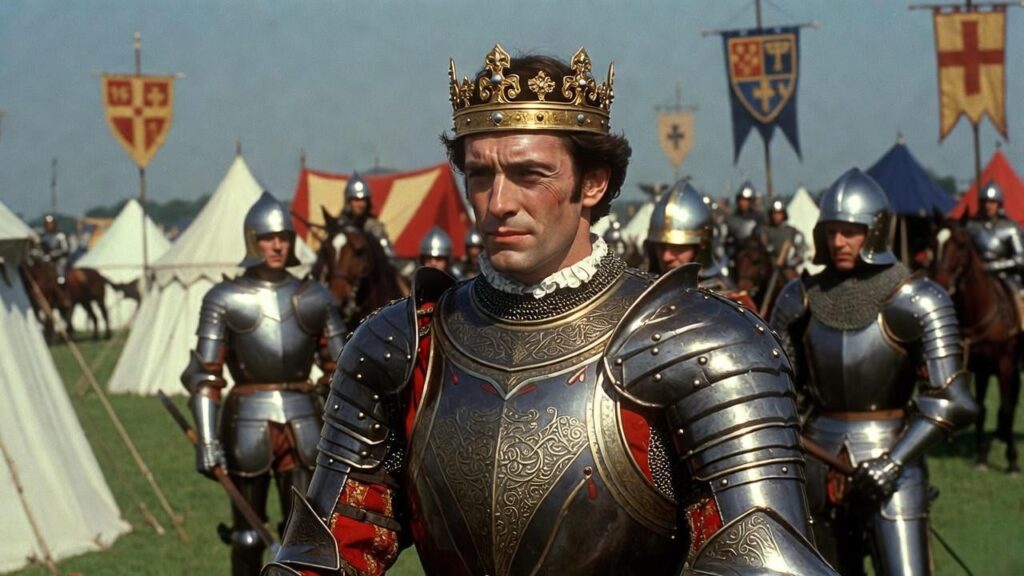
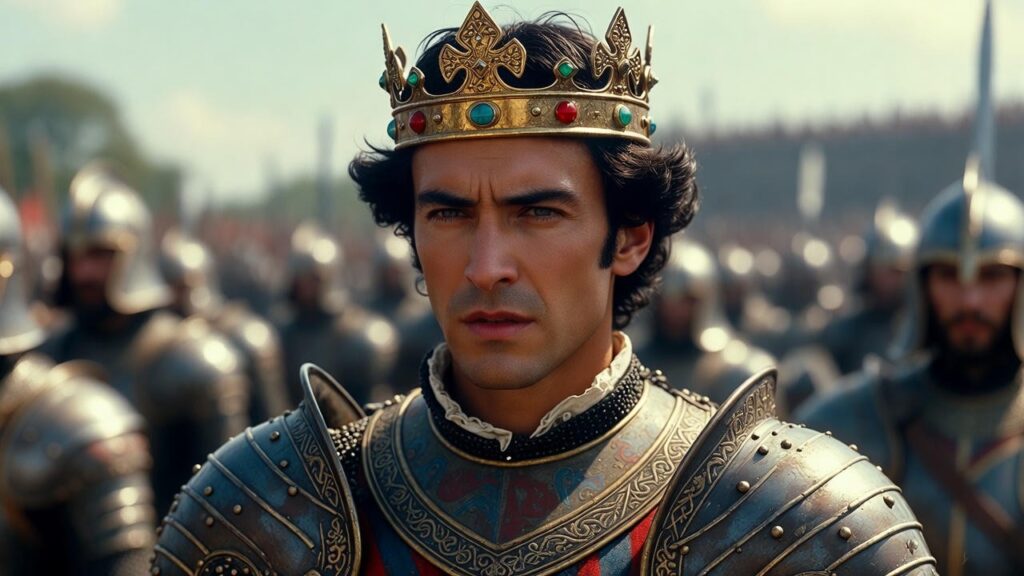
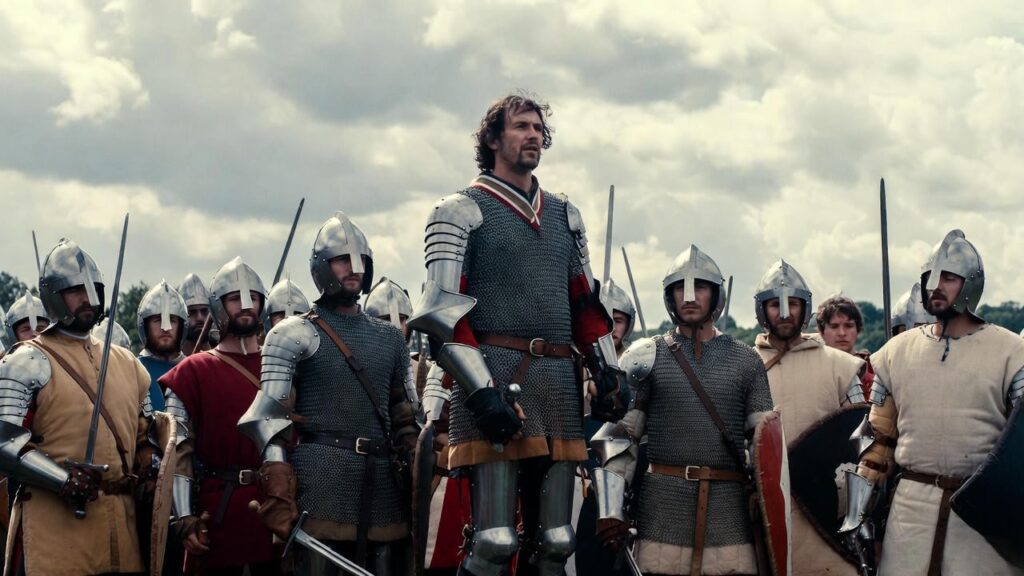
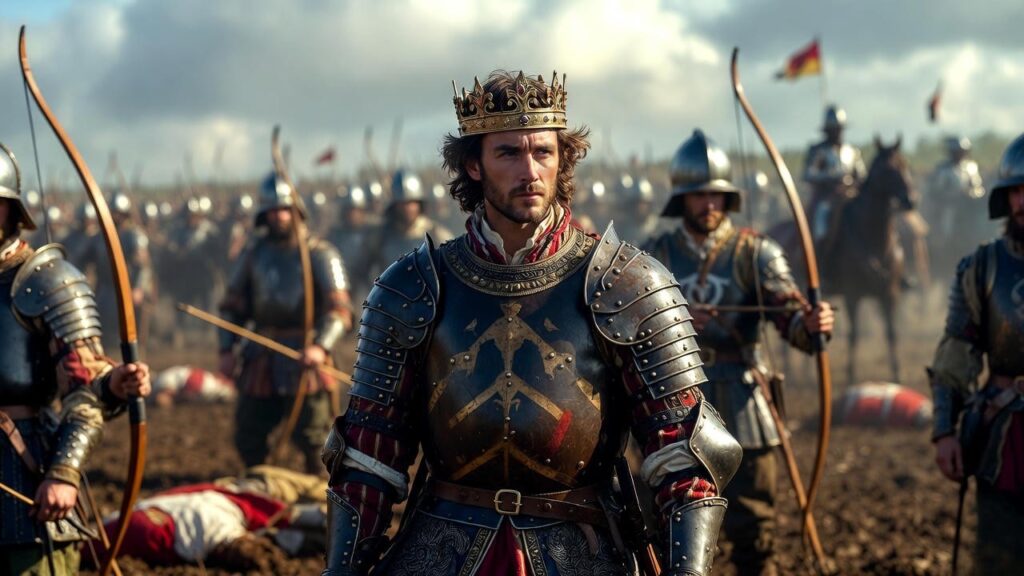
Imagine standing on a muddy field in northern France, vastly outnumbered, with the rain-soaked ground turning to sludge under your feet. Your king, disguised among the common soldiers the night before, has just delivered one of the most stirring speeches in literature: “We few, we happy few, we band of brothers.” This is the heart of Shakespeare’s Henry V—a play that captures the thrill of victory, the weight of leadership, and the brutal realities of war. Written around 1599, Henry V stands as the triumphant conclusion to Shakespeare’s Henriad tetralogy, transforming the once-reckless Prince Hal into a model (yet deeply complex) king.
For students, teachers, and Shakespeare enthusiasts seeking a King Henry V SparkNotes-style resource, this guide goes beyond basic overviews. It provides a complete plot summary, in-depth character analysis, exploration of major themes like the ruthlessness of good kingship and the moral ambiguities of war, famous quotes with context, literary devices, historical background, and practical study tips. Whether you’re preparing for exams, writing essays, or simply wanting deeper insight into one of Shakespeare’s most patriotic yet nuanced history plays, this comprehensive breakdown offers more value than standard summaries—drawing on historical context, critical interpretations, and connections to modern leadership and conflict.
Shakespeare’s Henry V explores kingship amid the Hundred Years’ War, focusing on Henry V’s 1415 campaign, culminating in the legendary Battle of Agincourt. The Chorus, a unique narrative device, urges the audience to imagine vast battlefields within the theater’s “wooden O,” bridging the gap between stage limitations and epic scope. The play celebrates English unity and heroism while subtly questioning the costs of ambition and conquest.
Historical and Literary Context
Shakespeare drew primarily from Raphael Holinshed’s Chronicles (1587) and Edward Hall’s histories, adapting the real King Henry V (reigned 1413–1422), a skilled military leader whose victory at Agincourt against overwhelming odds became legendary. Historically, Henry claimed the French throne through his descent from Edward III, exploiting the Salic Law debate (which barred inheritance through females). The Battle of Agincourt saw around 6,000 English troops—mostly longbowmen—defeat 20,000–30,000 French knights, thanks to terrain, archers, and Henry’s tactical brilliance.
In the Henriad (Richard II, Henry IV Parts 1 & 2, Henry V), Shakespeare traces the Lancaster dynasty’s legitimacy. Henry redeems his family’s usurpation of Richard II’s throne through heroic deeds abroad, diverting attention from domestic unrest. Written during Elizabeth I’s reign—post-Armada victory (1588) and amid Essex’s Irish campaigns—the play taps into Elizabethan patriotism while hinting at war’s darker side. The Chorus’s reference to Essex (“Bringing rebellion broachèd on his sword”) ties the play to contemporary events.
The Chorus serves as meta-theatrical commentary, acknowledging the stage’s inability to depict grand battles and inviting imaginative participation—innovative for Shakespeare’s time.
Act-by-Act Detailed Summary and Analysis
Act 1 Summary and Analysis The Chorus’s Prologue sets an epic tone: “O for a Muse of fire…” It apologizes for the theater’s constraints while hyping the story’s grandeur. Henry, newly crowned, consults clerics on his French claim. The Archbishop of Canterbury justifies it via convoluted genealogy, warning of war if France refuses. The Dauphin sends tennis balls as mockery of Henry’s “wild” youth. Henry responds fiercely: the balls will become “gun-stones,” vowing vengeance. Analysis: This act shows Henry’s transformation—decisive, eloquent, and ruthless. The tennis ball insult fuels his resolve, turning personal slight into national cause.
Act 2 Summary and Analysis The Chorus describes England’s war preparations. Comic subplot: Pistol, Nym, and Bardolph (Falstaff’s old crew) bicker; Falstaff dies offstage (reported mournfully). Henry uncovers the Southampton Plot—traitors Cambridge, Scroop, and Grey. He confronts them dramatically, executing justice without mercy. Analysis: Comic relief contrasts war’s gravity. Henry’s handling of traitors highlights his growth: no longer the lenient prince, he prioritizes state security.
Act 3 Summary and Analysis Chorus: The siege of Harfleur. Henry’s “Once more unto the breach, dear friends, once more” speech rallies troops. The town surrenders after threats of horrors. Pistol’s cowardice and Fluellen’s comic discipline provide levity. Analysis: Rhetoric as weapon—Henry’s oratory inspires, but threats reveal war’s brutality. Fluellen embodies loyal, pedantic soldiery.
Act 4 Summary and Analysis Chorus: Night before Agincourt. Henry, disguised, debates Williams on war’s justice and king’s responsibility. St. Crispin’s Day speech: “We few, we happy few…” motivates outnumbered troops. Victory follows; Henry credits God. Analysis: Peak of leadership—Henry’s introspection humanizes him. The speech unites diverse soldiers (English, Welsh, etc.) into “band of brothers.” Victory against odds underscores divine favor (Elizabethan view).
Act 5 Summary and Analysis Chorus bridges time. Treaty of Troyes; Henry woos Katherine amid language barriers (humorous scene). Epilogue foreshadows Henry’s early death and France’s loss. Analysis: Romance tempers war; Katherine’s subjugation symbolizes conquest. Irony: victory temporary.
Main Characters: In-Depth Profiles
King Henry V Multifaceted: inspiring orator, strategic genius, reflective leader burdened by kingship. From “wild” youth to “mirror of all Christian kings,” yet ruthless (executions, Harfleur threats). The Chorus Narrator bridging reality and imagination; meta-commentary on theater. Fluellen Comic Welsh captain; loyal, disciplined, pedantic—parodies military pride. Pistol Braggart coward; comic foil to Henry’s heroism. Katherine French princess; learns English comically, represents conquered nation. Supporting — Dauphin (arrogant), French King (hesitant), common soldiers (realistic war views). Contrasts: English unity vs. French division; commoners’ perspectives humanize conflict.
Key Themes Explored
The Ruthlessness of a Good King Henry embodies ideal leadership—charismatic, unifying—yet Machiavellian (deceit, force). Is he heroic or tyrant? Play suggests good kings must be ruthless. War and Its Costs Glorifies victory but shows suffering, greed, death. Patriotic triumph vs. human toll (Harfleur threats, POW killings debated as war crimes). Language and Rhetoric Words unite/inspire (speeches) or deceive/divide (wooing, threats). National Identity and Unity Diverse Britain (English, Welsh, Irish, Scottish) forges unity under Henry—reflects Elizabethan nation-building. Redemption and Maturity Henry redeems past, proves kingship through conquest. Modern views: Feminist (Katherine’s role), pacifist critiques.
Famous Quotes and Their Significance
- “Once more unto the breach, dear friends, once more…” (Act 3, Scene 1) — Henry rallies at Harfleur; imagery of tiger, siege engines; motivates through shared glory.
- “We few, we happy few, we band of brothers…” (Act 4, Scene 3) — St. Crispin’s Day; immortalizes camaraderie, turns disadvantage to honor.
- “O for a Muse of fire…” (Prologue) — Chorus; sets epic ambition.
- “The game’s afoot: Follow your spirit…” (Act 3, Scene 1) — Energetic call to action. Use in essays: Cite act/scene/line; analyze iambic pentameter, imagery.
Symbols, Motifs, and Literary Devices
Shakespeare employs several recurring symbols and motifs in Henry V to deepen the play’s exploration of power, war, and national identity.
- The Tennis Balls Sent by the Dauphin as a mocking gift, they symbolize both insult and provocation. Henry transforms this juvenile taunt into a catalyst for war, declaring the balls will become “gun-stones” that will shatter French cities. This motif illustrates how personal slights can escalate into national conflict and how Henry reframes humiliation as motivation.
- The Crown and Inheritance The crown represents legitimate authority, but it is tainted by the Lancastrian usurpation of Richard II. Henry’s campaign in France serves to secure and legitimize his rule through conquest, turning a questionable inheritance into divine right earned on the battlefield.
- Disguise and Role-Playing Henry’s nighttime walk among the soldiers (disguised as a commoner) echoes his earlier life as Prince Hal. This motif underscores the burden of kingship: the need to understand subjects while maintaining separation. It also highlights the theatricality of power—kings, like actors, must perform their roles convincingly.
- The Chorus as Meta-Commentary The Chorus repeatedly reminds the audience of the limitations of the stage (“this wooden O,” “a crooked figure”). This device breaks the fourth wall, making the play self-conscious about its own artifice and inviting the audience to co-create the epic scale through imagination.
- Prose vs. Verse Shakespeare uses blank verse (iambic pentameter) for noble characters and kings, signaling authority and elevated thought. Prose dominates comic scenes (Pistol, Nym, Bardolph) and lower-class dialogue, reflecting social hierarchy. Henry’s shift between verse and prose (especially in disguise) shows his adaptability and rhetorical mastery.
These literary choices enrich the play’s texture, allowing Shakespeare to comment on both the grandeur and the artifice of kingship and warfare.
Study Tips and Essay Prompts
For students preparing essays, exams, or class discussions, here are practical strategies and prompts tailored to Henry V:
- Analyzing Character Development Trace Henry’s arc from the “wild prince” referenced in earlier plays to the mature king. Use specific scenes (the tennis ball response, the traitors’ execution, the disguise debate, St. Crispin’s Day speech) to show growth. Tip: Always support claims with direct quotations and line references.
- Comparing Adaptations Compare Kenneth Branagh’s 1989 film (realistic, gritty) with Laurence Olivier’s 1944 version (patriotic, Technicolor spectacle). How do visual choices and cuts affect the portrayal of war and leadership? Modern parallel: Analyze how Henry V resonates with contemporary war films like Saving Private Ryan or Dunkirk.
- Common Essay Prompts
- “To what extent is Henry V an ideal king, and to what extent is he a Machiavellian ruler?”
- “How does Shakespeare use the Chorus to shape the audience’s perception of the events?”
- “Discuss the play’s treatment of war: is it ultimately glorifying or critical?”
- “Examine the role of language and rhetoric in establishing power in Henry V.”
- “How does the wooing scene with Katherine complicate the play’s portrayal of conquest and gender?”
- Close-Reading Speeches Practice annotating Henry’s major speeches for rhetorical devices: anaphora (“We few… we happy few…”), metaphor, alliteration, and appeals to ethos/pathos/logos. This skill is essential for AP Literature, IB, or GCSE analysis.
Frequently Asked Questions (FAQs)
Is Henry V pro-war or anti-war? It is deliberately ambiguous. The play glorifies English heroism, unity, and Henry’s leadership, yet it includes graphic threats (Harfleur), cowardice (Pistol), suffering (common soldiers), and the Epilogue’s reminder of eventual defeat. Shakespeare gives voice to both patriotic triumph and the human cost of war.
Why does Shakespeare use the Chorus? The Chorus addresses the practical limitations of the Elizabethan stage—no massive battle scenes possible—and invites the audience’s imagination to fill the gap. It also provides historical context, foreshadows events, and creates a sense of epic scale.
How does Henry V connect to the Henry IV plays? It completes the Henriad tetralogy. Prince Hal’s wild youth (Henry IV Part 1) and internal conflict (Part 2) find resolution in Henry V. His redemption arc culminates in heroic kingship abroad, diverting attention from the Lancastrian usurpation of Richard II’s throne.
How historically accurate is the play? Shakespeare follows Holinshed closely but dramatizes events. Agincourt’s odds were real (roughly 6,000 English vs. 20,000–30,000 French), but Shakespeare exaggerates the disparity for effect. The tennis-ball insult is fictional; the wooing scene is invented for dramatic purposes.
What are the best film adaptations for students?
- Kenneth Branagh (1989): Balanced, emotionally powerful, excellent St. Crispin’s Day speech.
- Laurence Olivier (1944): Patriotic wartime production, visually lavish.
- The Hollow Crown series (2012): Tom Hiddleston’s nuanced Henry—modern, introspective.
Henry V remains one of Shakespeare’s most powerful explorations of leadership, national identity, and the moral complexities of war. Through Henry’s journey—from wayward prince to “mirror of all Christian kings”—Shakespeare presents an ideal of kingship that is inspiring yet ruthless, heroic yet haunted by doubt. The play celebrates English unity and military glory while quietly exposing the human toll of ambition: broken bodies, betrayed loyalties, and temporary triumphs.
Its relevance endures. In an era of polarized politics, charismatic leaders, and ongoing global conflicts, Henry’s speeches, deceptions, and reflections continue to provoke debate about what makes a “good” ruler and whether victory justifies its costs. The Chorus’s final plea—“your humble patience pray”—reminds us that the play’s meaning is co-created by every reader, student, and audience member who engages with it.
We invite you to return to the original text, watch a performance, or share your own interpretations in the comments below. What aspect of Henry’s character or the play’s themes resonates most with you today?