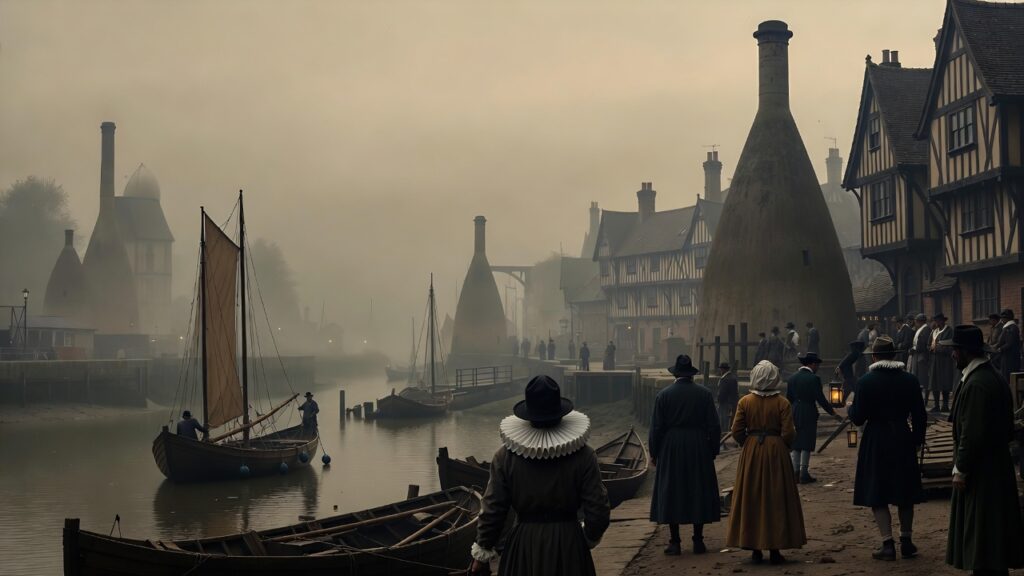
Imagine stepping onto the muddy banks of the Thames in early 17th-century London, where the acrid smoke from lime kilns mingled with the salty tang of the river and the shouts of sailors unloading cargo from distant ports. This was Limehouse Tower Hamlets—a bustling, rough-edged riverside district just beyond the City’s walls, alive with the energy of trade, exploration, and everyday grit. Far from the polished courts of Westminster or the theatrical buzz of Southwark, Limehouse represented the raw, working-class pulse of Shakespeare’s London.
In William Shakespeare’s late play Henry VIII (also known as All Is True), a comic Porter in Act V, Scene 3 delivers a memorable rant about disruptive apprentices and rowdy theater crowds: “I have some of ’em in Limbo Patrum, and there they are like to dance these three days; besides the running banquet of two beadles that is to come.” He then quips that only “the tribulation of Tower-hill, or the limbs of Limehouse, their dear brothers, are able to endure” such chaos. This single, vivid phrase—”limbs of Limehouse”—has puzzled readers and scholars for centuries. What did Shakespeare mean by invoking this obscure East End locale? Why Limehouse specifically?
This article decodes that reference, placing Limehouse Tower Hamlets firmly within the historical and social fabric of Shakespeare’s era. Drawing on primary sources like Holinshed’s Chronicles (a key influence on the play), contemporary accounts of London’s maritime suburbs, and modern scholarship from editions such as the Arden Shakespeare and Folger, we explore the district’s origins, its reputation in Elizabethan and Jacobean times, and its subtle but telling echoes in Shakespeare’s broader themes of class, crowds, seafaring adventure, and urban disorder. For Shakespeare enthusiasts searching for deeper context on London’s lesser-known corners—or locals curious about Tower Hamlets‘ layered history—this guide uncovers hidden literary connections that enrich appreciation of the Bard’s genius and the city’s enduring character.
The Historical Context of Limehouse in Shakespeare’s Time
Limehouse’s story begins long before Shakespeare, rooted in its practical geography along the Thames.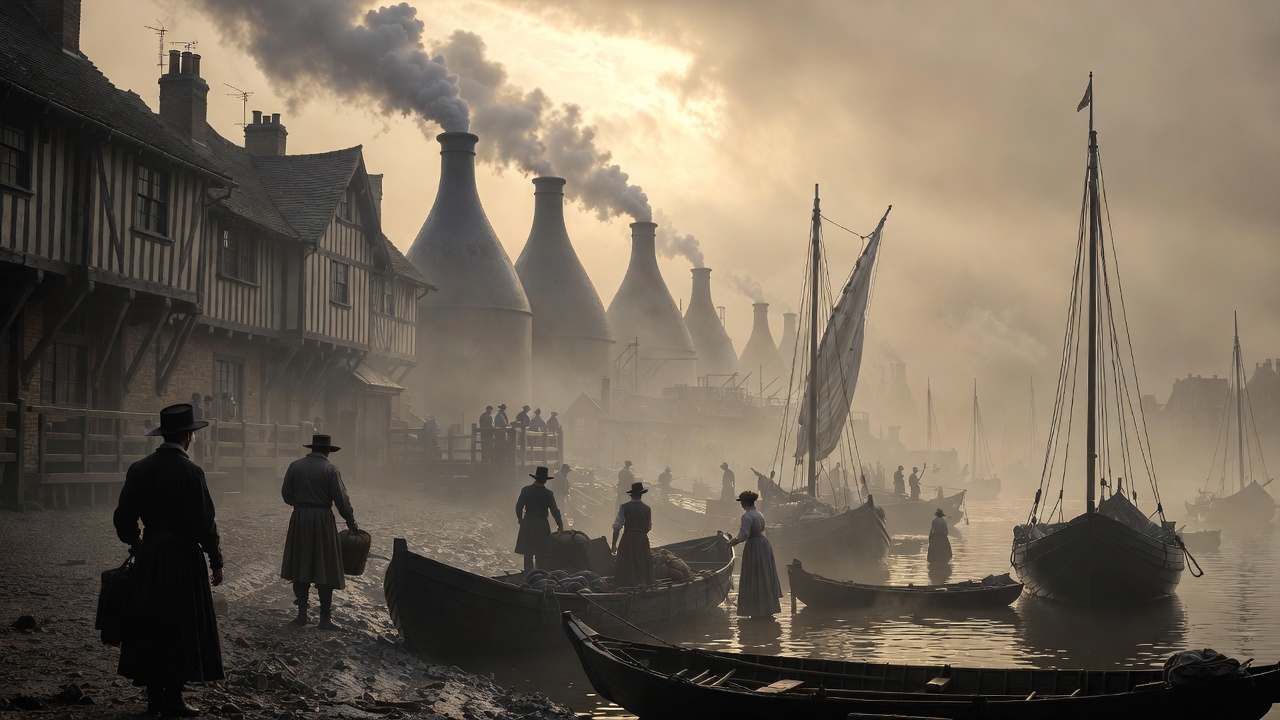
Origins and Name: From Lime Kilns to Maritime Hub
The name “Limehouse” derives from “lime oasts” or kilns—bottle-shaped structures where chalk, shipped from Kent, was burned into quicklime for mortar and building. Records trace the term back to the 14th century, with a 1335 mention of “Lymhostes” and a 1356 reference to “Les Lymhostes.” By the Tudor period, these kilns clustered around Limekiln Dock, supporting construction in a rapidly expanding London.
As England’s maritime power grew under Elizabeth I and James I, Limehouse evolved into a key port suburb. Shipbuilding yards, ropewalks, chandlers, and provisioning stores lined the riverside. The area’s position east of the City walls placed it outside strict guild and municipal oversight, fostering a freer—but often rowdier—environment. Immigrants, sailors from Europe and beyond, and laborers drawn by trade opportunities created a multicultural mix that prefigured London’s later diversity.
Limehouse in Elizabethan and Jacobean London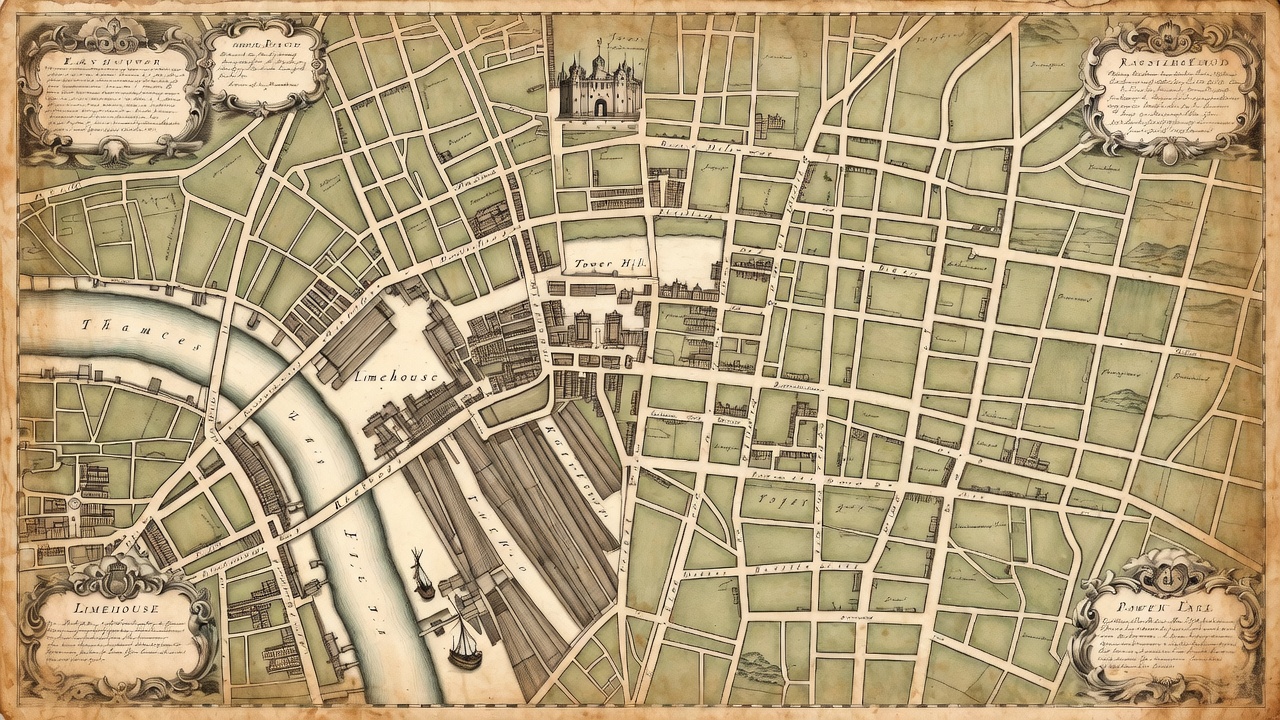
During Shakespeare’s lifetime (1564–1616), Limehouse sat in the shadow of the Tower of London, its proximity making it a natural extension of the City’s eastern fringe. The district supported England’s burgeoning overseas ventures: ships departed for the Americas, Africa, and the East Indies, carrying woolens outward and spices, silks, and tobacco homeward.
Socially, Limehouse earned a reputation for toughness. Its inhabitants—dock workers, mariners, and their families—were hardy, often boisterous, and quick to brawl. Contemporary accounts describe the area as a haven for the “lower sort”: apprentices skipping work, sailors on shore leave, and those evading City authorities. This contrasted sharply with central London’s regulated life, where Puritan influences sometimes clashed with popular entertainments.
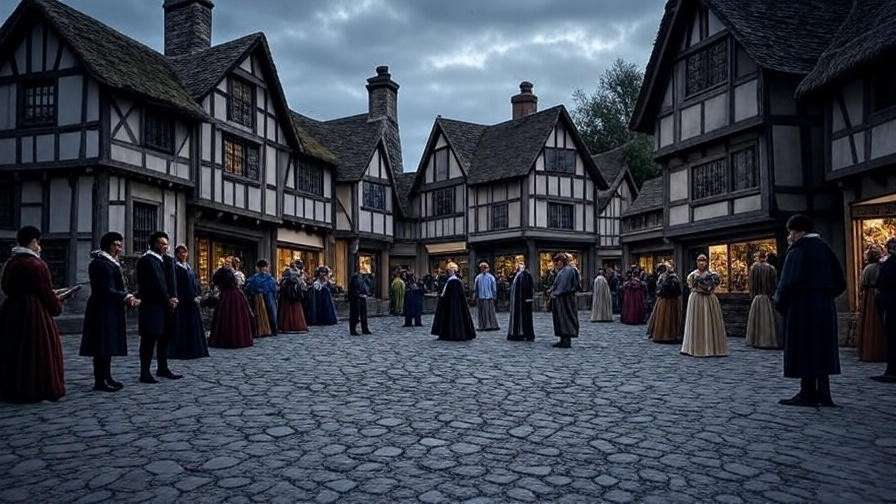
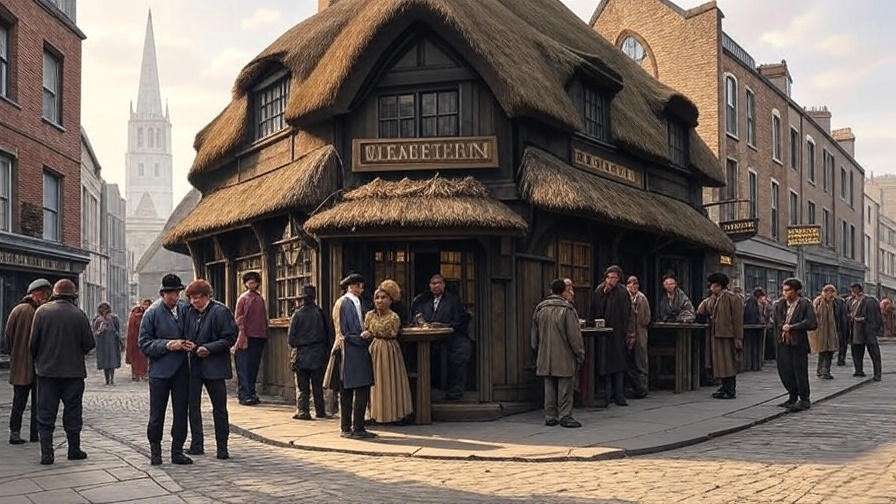
Visually, the 16th- and early 17th-century Limehouse featured timber-framed houses, wharves jutting into the Thames, and narrow lanes leading to the river. Early pubs and alehouses served as social hubs, precursors to surviving landmarks like The Grapes.
Visualizing the Area – Key Landmarks Then and Now
Elizabethan maps show Limehouse as a compact riverside settlement, with the Thames dominating daily life. The Limehouse Cut (dug later in 1770) would follow ancient waterways, but in Shakespeare’s day, transport relied on ferries and tides.
Today, Tower Hamlets preserves echoes: Narrow Street’s Georgian terraces hint at post-Shakespeare growth, while the area’s gentrification blends old maritime charm with modern vibrancy. Its evolution from lime kilns to one of London’s first Chinatowns (19th century) reflects ongoing cultural layers.
Decoding the “Limbs of Limehouse” – The Shakespearean Reference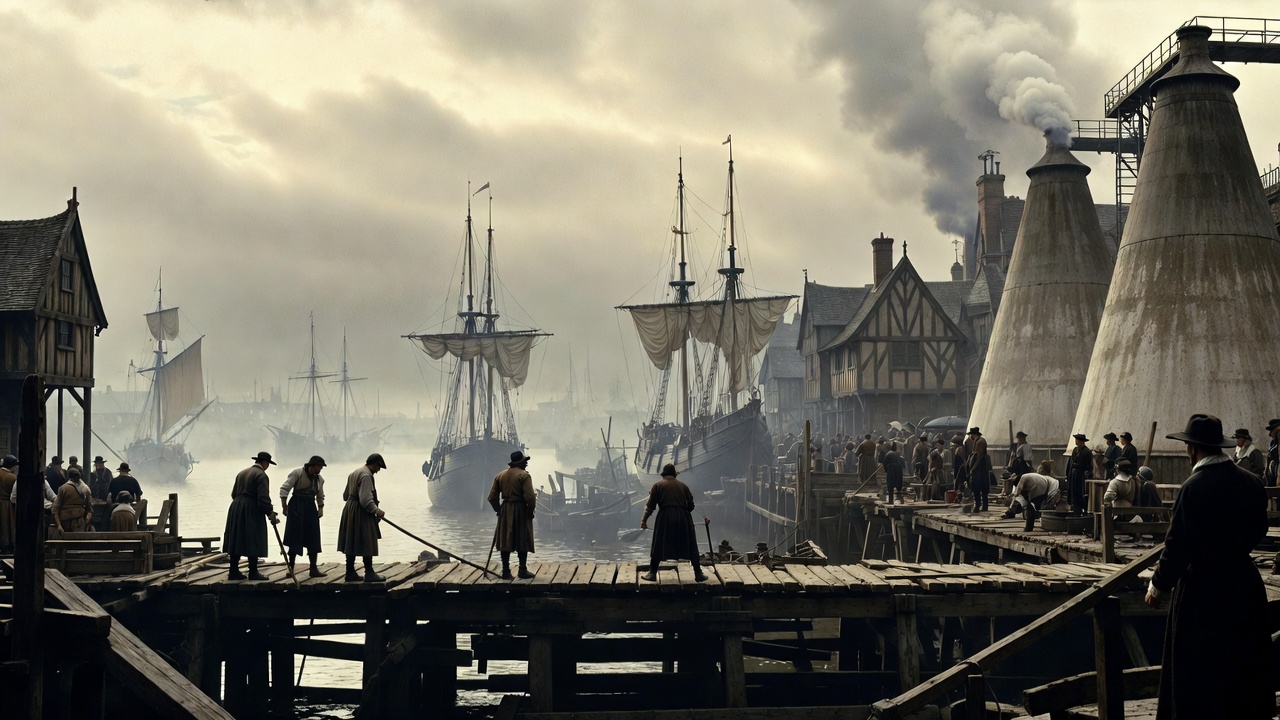
Shakespeare’s reference appears in Henry VIII, a late collaborative play (c. 1613, possibly with John Fletcher) dramatizing the king’s divorce from Katherine of Aragon and rise of Anne Boleyn.
The Full Quote and Scene in Henry VIII
In Act V, Scene 3 (sometimes numbered 5.4 in older editions), the Porter guards the palace gate against a mob of apprentices and gossips eager for news of the royal christening. Frustrated, he complains:
“You’ll leave your noise anon, ye rascals: do you take the whole place for parish garden? […] I have some of ’em in Limbo Patrum, and there they are like to dance these three days; besides the running banquet of two beadles that is to come.”
He then adds the key line:
“There’s some of ye have heard of the tribulation of Tower-hill, or the limbs of Limehouse, their dear brothers, are able to endure.”
The scene satirizes unruly crowds, drawing parallels to theater audiences—groundlings prone to disruption.
What Did “Limbs of Limehouse” Mean?
Scholars generally agree “limbs” means “limbs” or “members” of society—tough, enduring folk akin to limbs that withstand hardship. The phrase paints Limehouse residents as hardy “brothers” to the rough crowds of Tower Hill (a site of executions and public disorder).
Early commentators like Samuel Johnson suggested Puritan meeting-houses (“Tribulation” and “Limbs” as congregation names), but this is largely debunked. Modern editions (e.g., Arden Third Series) favor the literal: Limehouse’s sailors and laborers, known for resilience amid chaos—perfect metaphors for rowdy apprentices or theater patrons.
The line is topical wit: Shakespeare, based in Southwark, knew London’s fringes. Limehouse’s reputation for brawls and endurance made it an apt jab.
Why Limehouse? Shakespeare’s Topical Wit
Shakespeare often drew on real London locales for color—Southwark’s bear gardens, Shoreditch theaters. In Henry VIII, the reference reflects class satire: elite disdain for the “base” multitude, mirrored in the Porter’s mockery.
It also nods to the play’s 1613 premiere at the Globe, infamous for burning down during a cannon effect. The line’s crowd commentary may echo real audience behavior.
Broader Connections – Limehouse and Shakespeare’s Maritime and Social World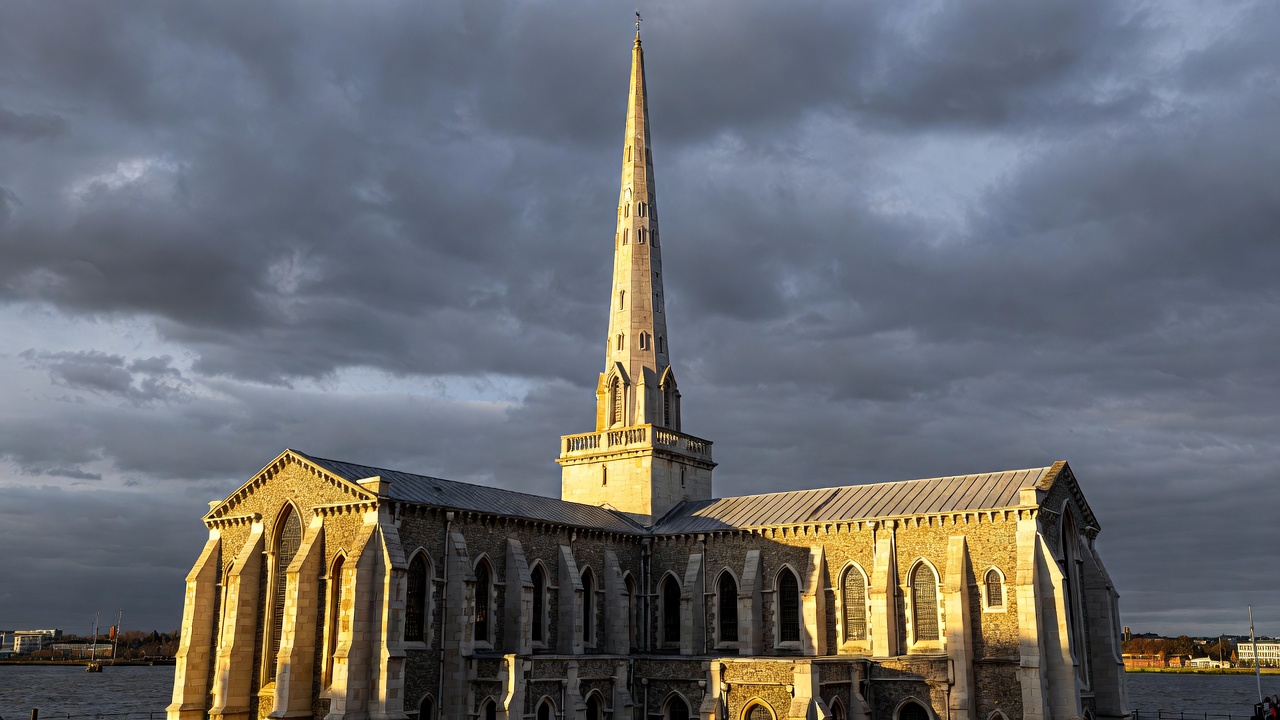
Limehouse’s seafaring identity resonates with Shakespeare’s themes.
Maritime Themes in Shakespeare’s Plays
Shakespeare’s works abound with sea voyages: tempests in The Tempest, shipwrecks in Pericles, sailors in Twelfth Night. Limehouse symbolized England’s expanding horizons—docks bustling with explorers like those in The Merchant of Venice or Othello.
The district embodied the risks and rewards of trade, mirroring Shakespeare’s global outlook amid Jacobean expansion.
Class, Crowds, and Urban Life in Shakespeare’s London
Shakespeare portrayed London’s diversity: from Falstaff’s Boar’s Head tavern to Measure for Measure‘s underworld. Limehouse fits this— a place of social mixing, disorder, and vitality—contrasting courtly intrigue in Henry VIII.
It highlights Shakespeare’s fascination with the “groundlings” and urban underbelly, adding authenticity to his crowd scenes.
Visiting Limehouse Today – Tracing Shakespeare’s Echoes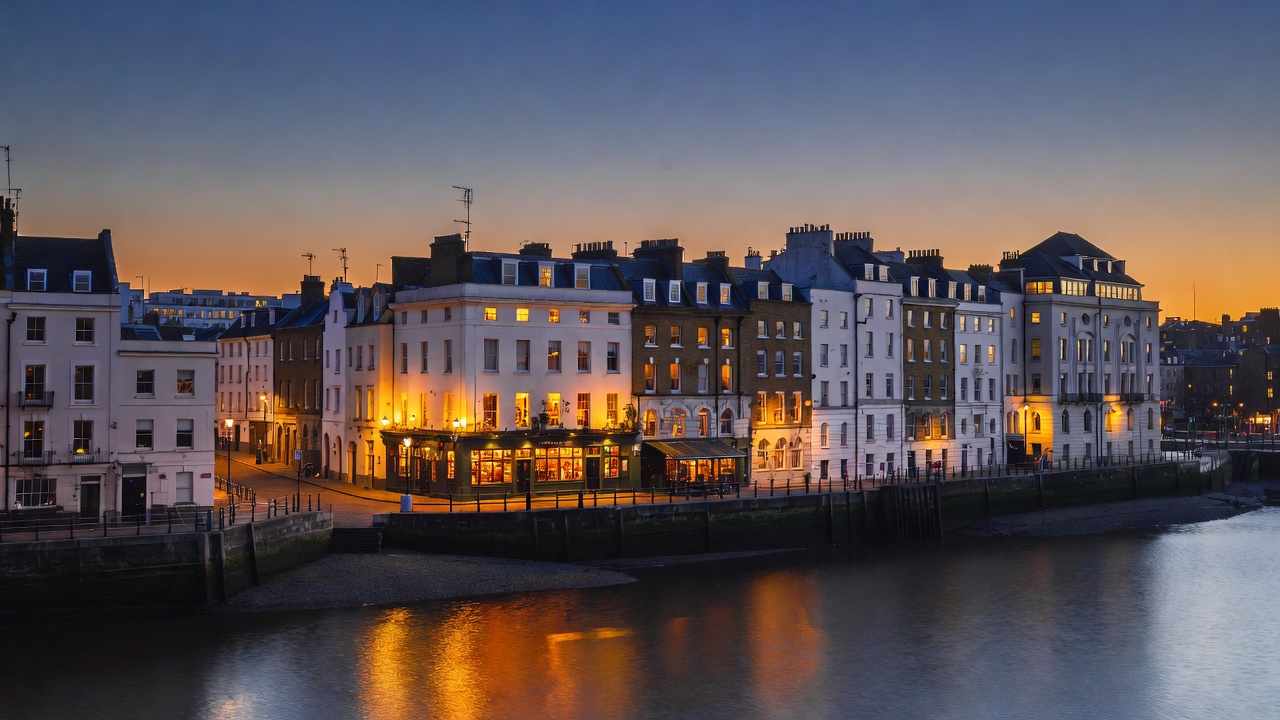
One of the most rewarding ways to bring Shakespeare’s London to life is to walk the very streets he referenced. Limehouse in the modern London Borough of Tower Hamlets offers a compelling blend of preserved history, maritime atmosphere, and subtle literary resonance—making it an ideal destination for readers, theater lovers, and anyone intrigued by the Bard’s connection to the city’s eastern fringe.
Modern Landmarks with Historical Ties
While little physical fabric from Shakespeare’s exact era survives—fires, wartime bombing, and centuries of redevelopment have reshaped much of the area—several sites carry echoes of the 16th- and early 17th-century district.
- The Grapes pub (Narrow Street): This riverside pub, famously frequented by Charles Dickens (who immortalized it as “The Six Jolly Fellowship Porters” in Our Mutual Friend), has roots stretching back to at least the early 1700s. Local tradition and some historical records suggest alehouses and taverns stood on or near this spot in Shakespeare’s time, serving sailors and dock workers—the very “limbs” the Porter mocks. Today, its narrow, creaking interior and Thames views offer a tangible sense of the rough conviviality Shakespeare evoked.
- St Anne’s Limehouse (Commercial Road): Designed by Nicholas Hawksmoor and completed in 1730, this Baroque church postdates Shakespeare by over a century. However, it stands near the historic core of Limehouse and marks the area’s continued importance as a maritime parish. Its towering spire was a navigational aid for ships on the Thames—reinforcing the district’s seafaring identity that Shakespeare would have recognized.
- Limehouse Basin and the Thames Path: The basin, now a marina, connects to the Limehouse Cut and Regent’s Canal. In Shakespeare’s day, this was open riverside with wharves and stairs leading down to ferries. Walking the modern Thames Path here gives a sense of scale: the wide river, the constant movement of watercraft, the sense of London as a gateway to the world.
- Limekiln Dock and Three Colt Street: These narrow lanes preserve the tight, working-class street pattern of the Tudor and Stuart periods. Archaeological evidence and old maps show lime kilns and shipyards clustered here.
Tower Hamlets itself has transformed dramatically—from a gritty dockland in the 20th century, through post-war decline, to today’s mix of gentrified warehouses, new riverside apartments, and vibrant multicultural communities (including the legacy of Limehouse as London’s first Chinatown in the late 19th and early 20th centuries). Yet the river remains the constant thread linking past to present.
Literary Walking Tour Tips
To experience Limehouse as a Shakespearean echo, consider this short self-guided route (approximately 1–1.5 hours at a leisurely pace):
- Start at Tower Hill tube station (nod to the “tribulation of Tower-hill” in the same line).
- Walk east along the Thames Path toward Wapping and Shadwell, noting the surviving 18th- and 19th-century warehouses that replaced earlier timber structures.
- Reach Limehouse Basin and follow Narrow Street to The Grapes.
- Continue to St Anne’s Limehouse for its imposing architecture and churchyard.
- End at Limehouse Cut or return via Westferry DLR for views across the Isle of Dogs.
Expert tip: Visit on a clear day around high tide—the Thames feels alive and imposing, much as it would have in Shakespeare’s time. Bring a pocket edition of Henry VIII and read the Porter’s speech aloud at The Grapes; the contrast between the play’s satire and the pub’s cozy warmth is striking.
For deeper immersion, combine this walk with nearby Shakespeare sites: the site of the Rose Playhouse in Southwark (a short Thames Clipper ride away) or the reconstructed Shakespeare’s Globe.
Why This Matters – Uncovering Hidden Layers in Shakespeare’s Genius
Shakespeare’s casual mention of “the limbs of Limehouse” is more than a throwaway joke. It reveals a playwright deeply attuned to the geography, sociology, and slang of his city. By choosing Limehouse—a place most Londoners of his class would have known by reputation rather than frequent visits—he demonstrates an acute observational eye and a willingness to draw humor and insight from every corner of the metropolis.
For modern readers and theatergoers, understanding these references does several things:
- It grounds Shakespeare’s language in real places, making his world feel immediate rather than distant.
- It highlights how he used topical, local knowledge to connect with audiences who recognized the names and stereotypes.
- It reminds us that Shakespeare was not writing in a vacuum: his plays are saturated with the sights, sounds, and social tensions of early modern London.
- It invites exploration beyond the tourist hotspots, encouraging a richer, more personal engagement with his work.
In an age when many people search for “Limehouse Tower Hamlets” to learn about its history, living conditions, or attractions, connecting the district to Shakespeare adds a literary dimension that few other guides provide. It transforms a neighborhood walk into a journey through time and text.
The “limbs of Limehouse” may be a single line in a late, collaborative play, but it opens a window onto a vivid corner of Shakespeare’s London—one of smoke, ships, hard labor, and resilient humor. Limehouse Tower Hamlets, in both its Elizabethan incarnation and its modern form, embodies the energy, diversity, and occasional chaos that fueled the city Shakespeare knew and immortalized.
Whether you’re a lifelong Shakespeare scholar seeking fresh context, a Londoner curious about your borough’s past, or a visitor wanting to experience the Bard’s world beyond the South Bank, Limehouse offers a rewarding destination. Next time you read Henry VIII or walk beside the Thames, listen for the echo of those “dear brothers”—the tough, enduring limbs who helped shape the greatest playwright in the English language.
Expert Insights
- From the Arden Shakespeare Third Series edition of Henry VIII (ed. Gordon McMullan, 2000): “The ‘limbs of Limehouse’ are the tough inhabitants of that riverside suburb, known for their endurance and readiness for a fight—apt companions to the ‘tribulation’ (i.e., the condemned and unruly) of Tower Hill.”
- Stanley Wells and Gary Taylor, in the Oxford edition, note the phrase as “topical allusion to the rough reputation of Limehouse mariners and dockers.”
5 Ways to Experience Shakespeare’s London East End Today
- Walk the Thames Path from Tower Bridge to Limehouse Basin.
- Enjoy a pint at The Grapes while reading the Porter’s speech.
- Visit St Anne’s Limehouse and climb the tower for panoramic views.
- Explore the Museum of London Docklands (nearby Canary Wharf) for exhibits on early modern trade and shipping.
- Join a guided “Shakespeare’s London” walking tour that includes the East End.
Frequently Asked Questions
What does “Limbs of Limehouse” mean in Shakespeare? It refers to the tough, resilient inhabitants of Limehouse—sailors, dock workers, and laborers—known for enduring hardship and chaos, used here as a humorous comparison to rowdy apprentices.
Was Limehouse a real place in Shakespeare’s time? Yes. By the late 16th and early 17th centuries, Limehouse was an established riverside suburb famous for lime kilns, shipbuilding, and maritime trade.
Are there other Shakespeare references to East London? Direct references are rare, but the East End appears indirectly through maritime and working-class imagery in plays like The Tempest, Pericles, and crowd scenes across the canon.
How has Limehouse Tower Hamlets changed since the 1600s? Dramatically. From a gritty maritime outpost, it became a major dockland, suffered heavy bombing in WWII, declined in the mid-20th century, and has since gentrified into a desirable, multicultural residential and leisure area—yet the river and some street patterns preserve its historic character.