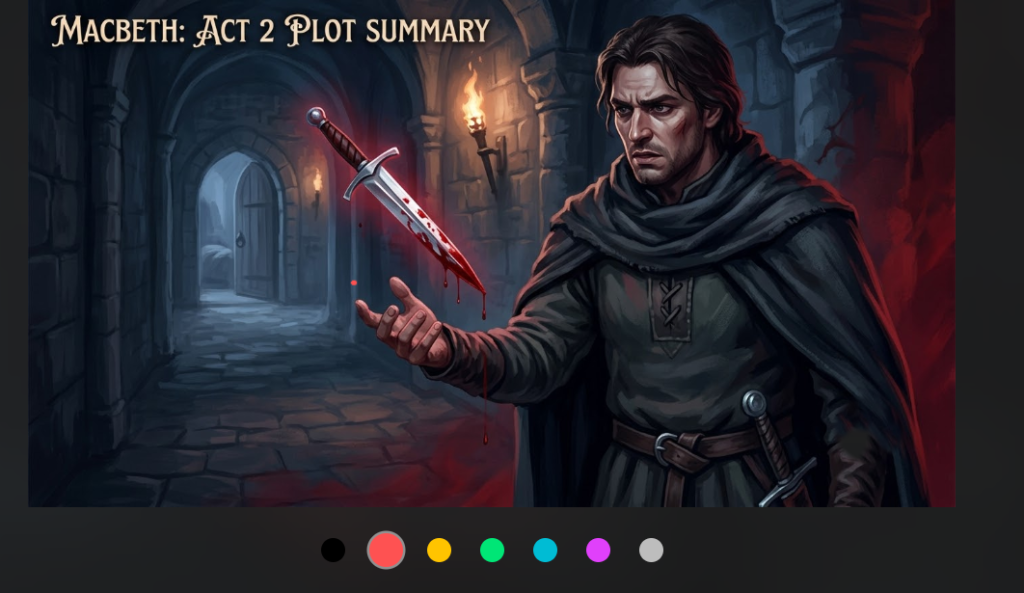
The moment a blade pierces the chest of a sleeping king, Western literature changes forever. Act 2 of William Shakespeare’s Macbeth is not merely a collection of dramatic scenes; it is the structural, moral, and psychological point of no return for our titular protagonist. If you are analyzing this text for an essay, preparing for an exam, or dissecting the play for a performance, finding a comprehensive macbeth act 2 plot summary is the first step toward unlocking the dark complexities of this masterpiece.
In this ultimate guide, we will break down the act scene by scene, analyze the crumbling psyche of Scotland’s most infamous usurper, and explore how Shakespeare uses setting, imagery, and cosmic chaos to mirror the horror of regicide.
Quick Summary of Macbeth Act 2 (The “TL;DR” Overview)
For readers needing a rapid refresher before diving into our deep-dive analysis, here is the essential narrative arc of Act 2:
Under the cover of a pitch-black night at Inverness, Macbeth experiences a horrific optical illusion—a floating, bloody dagger—before sneaking into King Duncan’s chambers and murdering him. Crippled by instant remorse and terror, Macbeth botches the cover-up by bringing the murder weapons back to his own bedroom. Lady Macbeth takes charge, chastising his cowardice, and returns the daggers to smear the sleeping guards with royal blood.
The next morning, nobleman Macduff arrives and discovers the slaughtered king, plunging the castle into chaos. To eliminate potential witnesses and perform a show of “furious loyalty,” Macbeth quickly kills the two drugged chamberlains. Fearing that they are the next targets of a hidden assassin, Duncan’s sons flee the country: Malcolm escapes to England, and Donalbain flees to Ireland. Their sudden flight casts immediate suspicion on them, leaving the throne open for Macbeth to be crowned King of Scotland.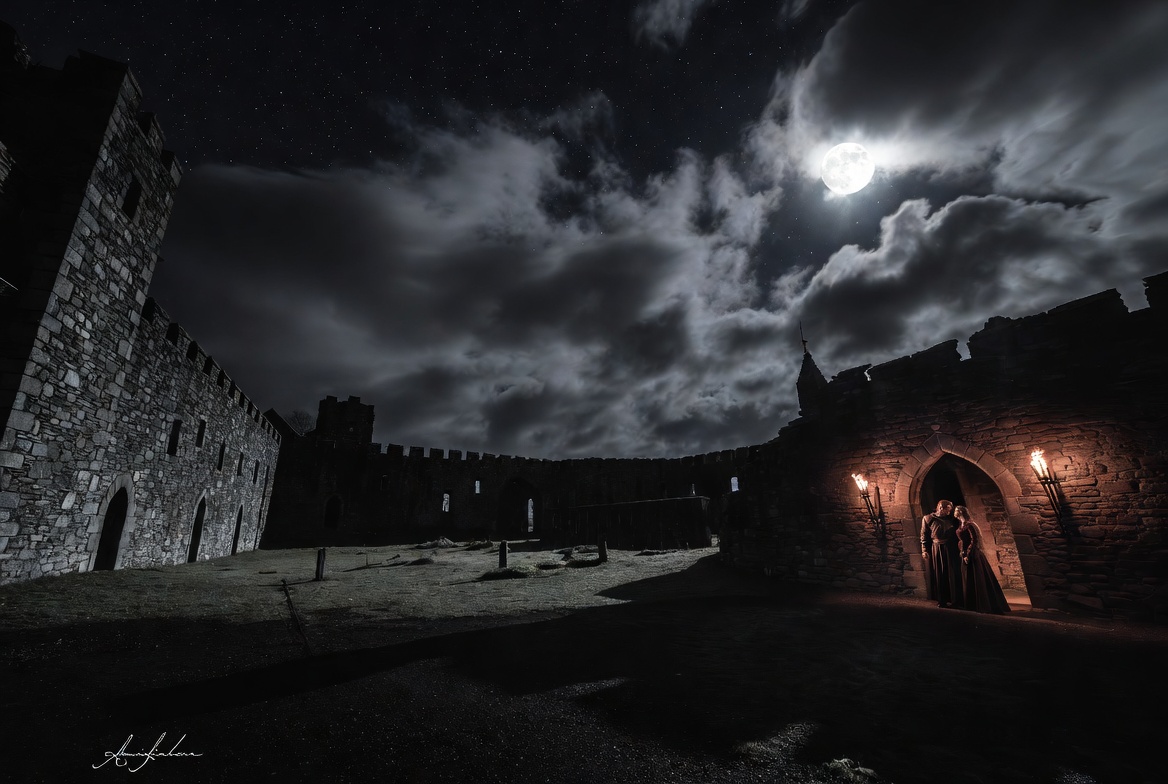
Comprehensive Scene-by-Scene Breakdown
Act 2, Scene 1: The Dagger Soliloquy and the Premonition of Guilt
The Atmospheric Prelude
The act opens in the inner court of Inverness castle. It is past midnight, the moon has gone down, and the stars are hidden. Shakespeare establishes an oppressive, claustrophobic darkness through the dialogue of Banquo and his young son, Fleance. Banquo notes that “there’s husbandry in heaven; / Their candles are all out.” This lack of celestial light is deeply symbolic; the universe itself is withholding its moral light, creating a shroud for the terrible deed about to occur.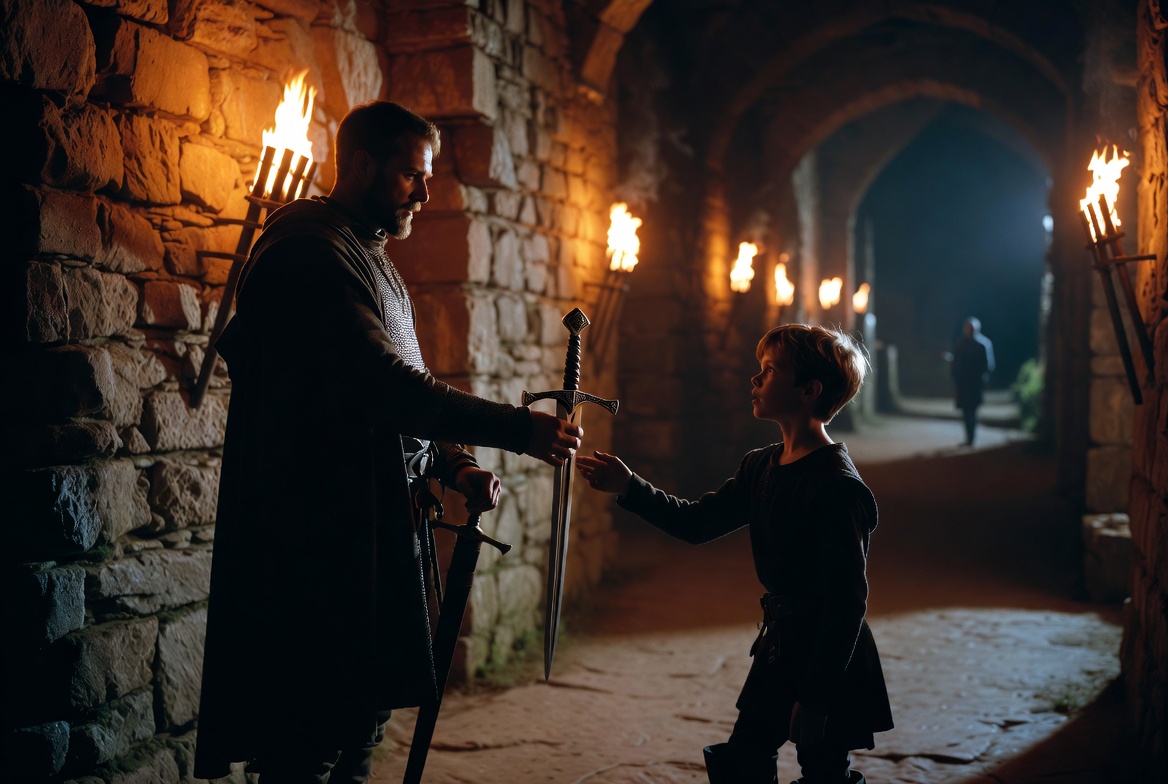
Banquo confesses to Fleance that he is plagued by “cursed thoughts” and cannot sleep. When Macbeth enters, accompanied by a servant carrying a torch, Banquo is startled. The two warriors speak of King Duncan, who Banquo notes is in unusually high spirits, having distributed gifts throughout the castle, including a diamond for Lady Macbeth.
The Confrontation of Prophecy
Banquo openly admits that he dreamed of the Three Witches the night before, noting that to Macbeth, “they have showed some truth.” Macbeth, practicing the art of the false face, delivers a chillingly casual lie: “I think not of them.”
However, Macbeth immediately follows up by suggesting that if Banquo supports him when the time comes, it will result in honor for him. Banquo, showcasing his role as Macbeth’s moral foil, agrees to cooperate only if he can keep his “bosom franchised and allegiance clear”—meaning he will not compromise his loyalty to King Duncan for personal gain.
The Soliloquy: A Mind Untethered
Left entirely alone in the dark, Macbeth’s psychological unraveling begins before he even touches the king. He hallucinates a weapon floating in mid-air:
“Is this a dagger which I see before me, / The handle toward my hand? Come, let me clutch thee. / I have thee not, and yet I see thee still.”
                       [THE PSYCHOLOGICAL SPLIT]

        Macbeth's Objective Reality    Macbeth's Subjective Mind
        ---------------------------    --------------------------
        - Empty air in the dark        - A physical, iron dagger
        - A silent castle corridor      - Blade pointing to Duncan
        - A bell tolling in the distance - "Gouts of blood" appearing
As he watches, blood begins to manifest on the phantom blade and handle. Macbeth correctly identifies this horror as a “dagger of the mind,” a visual projection of his “heat-oppressed brain” wrestling with the gravity of the treason he is poised to commit.
The scene ends with the tolling of a bell—a prearranged signal from Lady Macbeth indicating that the king’s guards have been successfully drugged. Macbeth hardens his resolve: “Hear it not, Duncan; for it is a knell / That summons thee to heaven or to hell.”
Act 2, Scene 2: The Assassination of King Duncan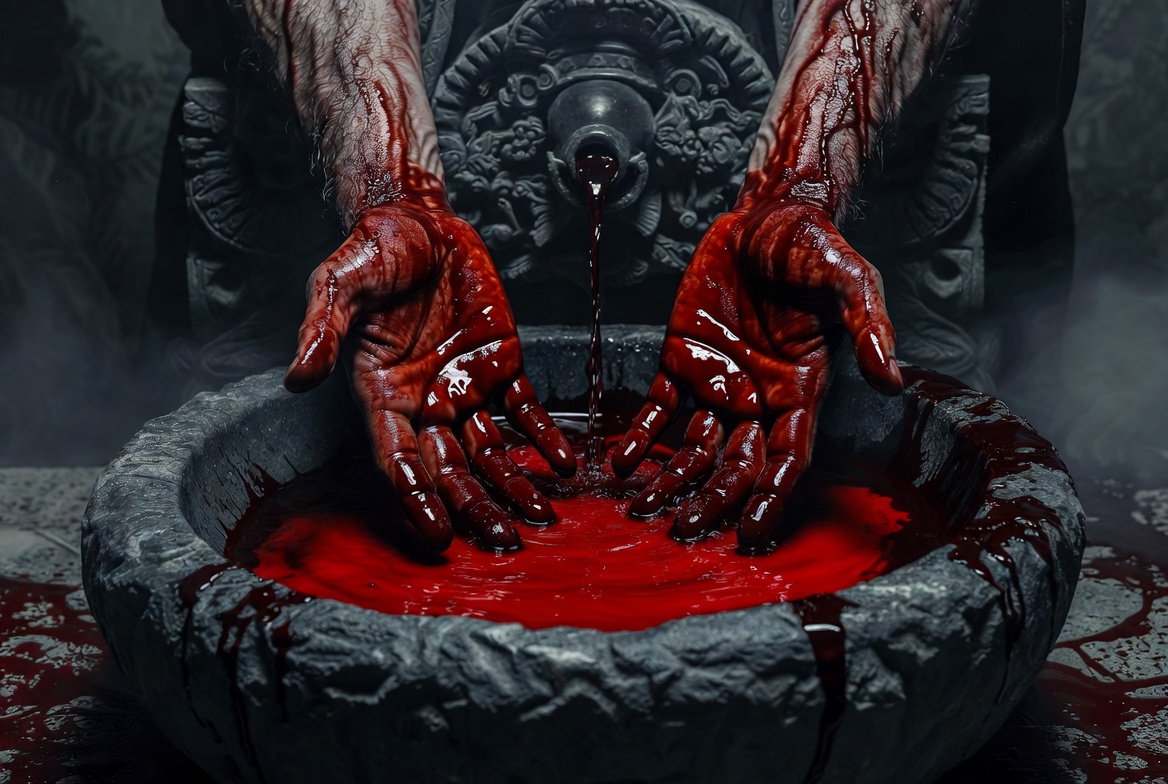
The Tension of the Accomplice
While the actual murder takes place offstage—a deliberate choice by Shakespeare to force the audience to focus on the psychological fallout rather than the physical gore—Scene 2 captures the immediate aftermath. Lady Macbeth waits alone in the courtyard, fueled by wine and adrenaline. She remarks that the hooting of an owl (a classic omen of death) sounds like a bellman delivering a fatal sentence.
We receive a rare glimpse into Lady Macbeth’s humanity when she admits that she would have killed Duncan herself while checking the room, save for one detail: “Had he not resembled / My father as he slept, I had done’t.” This admission proves that despite her demonic invocations in Act 1, she is not entirely devoid of human emotion.
The Return of the Broken Soldier
Macbeth stumbles back into the courtyard, his hands dripping with royal blood. His first words are a panicked whisper: “I have done the deed.”
What follows is one of the most structurally tense dialogues in all of literature. Macbeth is completely unraveled, hyper-fixated on the sounds of the castle. He explains that two people in an adjacent room woke up during the attack; one cried “God bless us!” and the other cried “Amen!” Macbeth reveals his deepest spiritual terror: he could not formulate the word “Amen” in response.
Expert Insight: In the Elizabethan era, the inability to say “Amen” was viewed as definitive proof of spiritual damnation. By killing the God-anointed king (a concept known as the Divine Right of Kings), Macbeth has instantly severed his tie to the divine.
The Murder of Sleep
Macbeth continues to panic, claiming he heard a voice echo through the castle walls crying:
“Glory no more! Macbeth does murder sleep’—the innocent sleep, / Sleep that knits up the raveled sleave of care…”
By killing a defenseless man in his bed, Macbeth has effectively destroyed the concept of rest. Because he attacked a vulnerable, sleeping king, he realizes that he, too, will never experience the peace of sleep again.
       +-------------------------------------------------------+
       |             MACBETH'S DUAL CRIMES IN ACT 2            |
       +-------------------------------------------------------+
       |  1. REGICIDE: The physical murder of King Duncan.     |
       |  2. SACRILEGE: The symbolic murder of "Innocent Sleep"|
       +-------------------------------------------------------+
Lady Macbeth Takes the Reins
Looking at her husband, Lady Macbeth notices to her horror that he is still clutching the bloody daggers. He was supposed to leave them with the sleeping chamberlains to frame them for the crime. Terrified and paralyzed by guilt, Macbeth refuses to go back: “I am afraid to think what I have done; / Look on’t again I dare not.”
Chastising his lack of resolve as “infirm of purpose,” Lady Macbeth snatches the weapons from his hands. She boldly states that the dead are nothing more than pictures, and only a child fears a painted devil. She goes back to the bloody bedchamber to smear the faces of the unconscious guards with Duncan’s blood.
While she is gone, a loud, rhythmic knocking begins at the south gate of the castle. Every knock sends a shockwave of terror through Macbeth. Looking down at his hands, he delivers the emotional core of the scene:
“Will all great Neptune’s ocean wash this blood / Clean from my hand? No, this my hand will rather / The multitudinous seas incarnadine, / Making the green one red.”
Lady Macbeth returns, her hands now just as bloody as his, but her heart remains cold and pragmatic. She reminds him: “A little water clears us of this deed. / How easy is it, then!” She hurries him to their chamber to put on his nightgown so they appear to have been sleeping when the household is inevitably awakened
Act 2, Scene 3: The Porter’s Relief and the Discovery of the Crime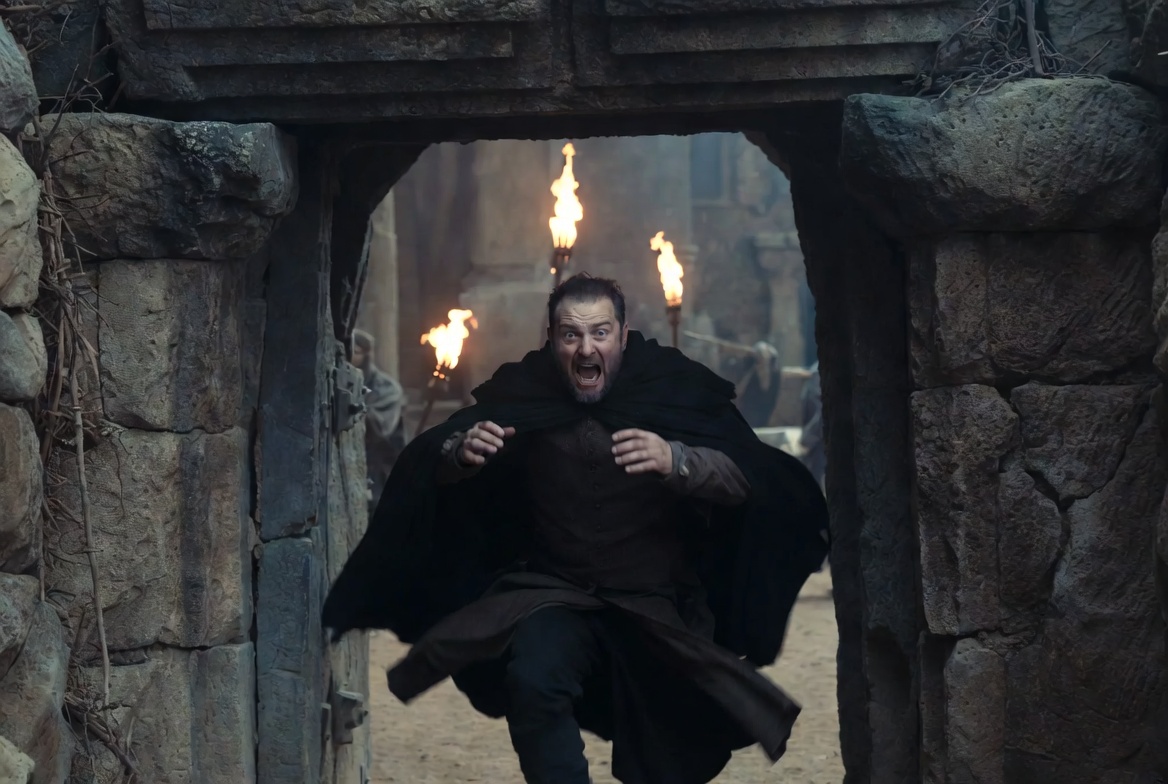
The Drunken Gatekeeper of Hell
The heavy, rhythmic knocking that terrified Macbeth at the end of the previous scene carries directly into Scene 3. However, the tone drastically shifts. Shakespeare introduces the Porter—a deeply intoxicated servant tasked with opening the castle gates.
This scene is a masterclass in structural dramaturgy. On a practical level, it provides much-needed comic relief for the audience after the unbearable tension of the murder. On a deeper, symbolic level, the Porter engages in a grim game of pretend, imagining himself as the gatekeeper of hell itself.
               [THE PORTER'S "HELL-GATE" VISITORS]

   The Farmer                     The Equivocator             The English Tailor
   --------------------------     -------------------------   ----------------------
   Hoarded grain for greed;       Swore on both sides of      Stole cloth from a
   hanged himself when prices     the scale; committed        customer's trousers to
   unexpectedly plummeted.        treason for profit.         save himself money.
As the Porter stumbles to the door, he jokes about the types of sinners he would let into hell: a greedy farmer, a tailor who skimped on fabric, and an equivocator.
Expert Historical Insight: The mention of an “equivocator” is a direct, highly topical allusion to the trial of Father Henry Garnet in 1606 following the Gunpowder Plot. Equivocation—the practice of giving intentionally ambiguous or half-true answers under oath to protect oneself—is a central thematic pillar of Macbeth. The Witches equivocate, Lady Macbeth equivocates, and Macbeth ultimately destroys his soul by believing these half-truths.
The Discovery of the Corpse
The knocking ceases as the Porter finally opens the gate to admit Macduff, the Thane of Fife, and Lennox. They have arrived early in the morning by royal command to wake King Duncan. Macbeth enters the courtyard dressed in his nightgown, perfectly executing the role of the hospitable, sleepy host.
Macduff exits to the king’s private chambers while Lennox remarks to Macbeth about the bizarre, apocalyptic storm that raged through the night. He describes howling winds that blew down chimneys, screams of death in the air, and an earthquake—further evidence of the natural world rebelling against the murder of the sovereign.
The casual conversation is shattered when Macduff runs back into the courtyard, overwhelmed by horror:
“O horror, horror, horror! Tongue nor heart / Cannot conceive nor name thee! … Most sacrilegious murder hath broke open / The Lord’s anointed temple, and stole thence / The life o’ the building!”
Macduff orders the alarm bell to be rung, calling for Banquo, Malcolm, and Donalbain to wake up and look upon “the great doom’s image.”
Macbeth’s Fatal Misstep
As the castle erupts into a chaotic panic, Lady Macbeth enters, feigning shock and demanding to know what has happened. Macduff gently refuses to tell her, stating that the news is too brutal for a woman’s ears—a profound instance of dramatic irony given her foundational role in the plot.
Macbeth and Lennox return from the bedchamber. It is here that Macbeth makes a sudden, unilateral decision that alters the course of the cover-up: he admits to killing the two chamberlains in a fit of passionate, grief-driven fury.
                       [THE BALANCING ACT]

         Lady Macbeth's Strategy       Macbeth's Rogue Action
         -----------------------       ----------------------
         - Drug the guards.            - Panic and murder the
         - Frame them with blood.        guards in their sleep.
         - Let them wake up confused.  - Leaves no witnesses to
                                         be interrogated.
While Macbeth passionately justifies the executions by asking, “Who can be wise, amazed, temperate and furious, / Loyal and neutral, in a moment? No man,” his rogue action raises immediate red flags. By killing the guards, he has permanently silenced the only two people who could testify to their innocence.
Banquo and Macduff exchange sharp, suspicious glances. Sensing her husband is hovering dangerously close to exposing their guilt through over-explanation, Lady Macbeth suddenly faints, effectively distracting the crowd and halting further interrogation.
The Flight of the Princes
Left alone in the chaos, Duncan’s sons, Malcolm and Donalbain, assess their deadly situation. They recognize that their father’s murderer is still in the room, hiding behind a mask of grief. Donalbain delivers one of the play’s most memorable warnings: “There’s daggers in men’s smiles; the near in blood, / The nearer bloody.”
Realizing that staying in Scotland means certain death, they split up immediately to make it harder for an assassin to track them both:
-
Malcolm flees south to the safety of the English court.
-
Donalbain flees across the sea to Ireland.
Act 2, Scene 4: Cosmic Chaos and the Aftermath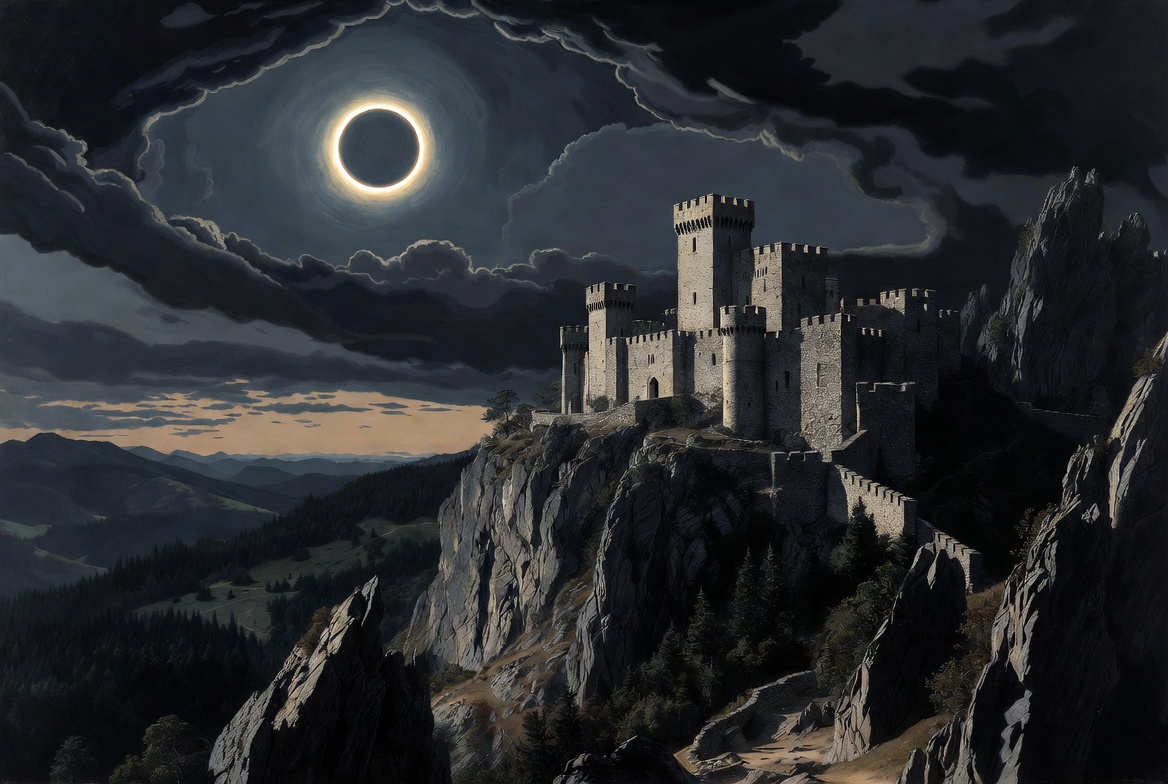
The Universe in Revolt
The final scene of Act 2 takes place outside the castle walls, serving as a choric commentary on the events. Ross speaks with an Old Man who represents the collective memory of the Scottish populace. The Old Man notes that in his seventy years of life, he has never witnessed a night as terrifying or unnatural as this one.
Shakespeare uses this scene to illustrate the concept of the Great Chain of Being—the Elizabethan belief that the universe is governed by a strict hierarchical order determined by God. By killing the king, Macbeth has broken the chain, causing nature to descend into violent madness:
-
Perpetual Darkness: Although the clock indicates it is daytime, the sun is entirely eclipsed by dark clouds, leaving the landscape in twilight.
-
The Falcon and the Owl: A small, predatory owl flew upward and attacked and killed a towering, majestic falcon.
-
The Cannibalistic Horses: Duncan’s prized, highly trained royal horses broke out of their stalls, went wild, and ate one another.
       +--------------------------------------------------------+
       |             MACBETH'S COSMIC DISTURBANCES              |
       +--------------------------------------------------------+
       |  THE ACT OF REGICIDE  --->  THE REVOLT OF NATURE       |
       |  - Murder of King           - Sun refuses to shine     |
       |  - Breaking Divine Law      - Prey consumes predator   |
       |  - Treason at Court         - Horses turn cannibalistic|
       +--------------------------------------------------------+
The Political Repercussions
Macduff enters the scene, providing Ross and the audience with a vital political update. He explains that the public belief is that the two chamberlains were bribed by Malcolm and Donalbain to assassinate their father. Because the two princes fled the country so quickly, they look incredibly guilty to the outside world.
As a result of this suspicion, the crown falls to Macbeth as the next powerful noble in line. Ross notes that Macbeth has already departed for Scone to be formally crowned King of Scotland, and Duncan’s body has been sent to Colmekill to be buried alongside his royal ancestors.
The scene, and the act, ends with a profound quiet resistance from Macduff. When Ross asks if he will travel to Scone to watch Macbeth’s coronation, Macduff flatly refuses: “No, cousin, I’ll to Fife.” He chooses to return to his own home rather than celebrate the new king, setting the stage for the political civil war that will dominate the rest of the tragedy.
Major Themes & Motifs Running Through Act 2
To write a high-scoring essay or fully comprehend the depth of this text, it is crucial to look past the surface plot and examine the dominant motifs woven throughout Act 2:
1. Guilt and Psychological Manifestation
Act 2 proves that the true punishment for Macbeth’s ambition is not physical retaliation, but the immediate destruction of his peace of mind. Guilt manifests as external sensory illusions:
-
The dagger of the mind pulls him toward the crime.
-
The phantom voices crying out that he has murdered sleep.
-
The visual stain of blood that threatens to turn the vast green oceans entirely red.
2. The Death of Sleep
Sleep is characterized throughout the act as nature’s great balm, a divine gift that heals stress and repairs the human mind. By attacking King Duncan while he is asleep and helpless, Macbeth effectively outlaws sleep from his own life. From this point forward, both Macbeth and Lady Macbeth will be plagued by insomnia, nightmares, and sleepwalking, illustrating that spiritual peace cannot exist in a mind warped by tyranny.
3. Blood as a Permanent Spiritual Stain
In Act 1, blood was a symbol of honor, marking Macbeth as a brave soldier fighting for his country. In Act 2, blood transforms into an indelible mark of sin. While Lady Macbeth foolishly believes that “a little water clears us of this deed,” Macbeth understands the profound truth: the blood cannot be washed away because it is stained onto his very soul.
4. Appearance vs. Reality (Equivocation)
The act continuously explores the danger of hidden realities. Characters hide behind “nightgowns” to look as though they were asleep, show “unfelt sorrow” to look like grieving loyalists, and mask deadly intentions with warm smiles. The world of Act 2 is one where nothing is what it seems, and trust is completely eradicated.
Character Evolutions in Act 2
================================================================================
CHARACTER        START OF ACT 2                           END OF ACT 2
================================================================================
Macbeth          Hesitant, guilt-ridden warrior           Ruthless, calculating usurper
                 hallucinating daggers.                   invested as King of Scotland.
--------------------------------------------------------------------------------
Lady Macbeth     Cold, commanding mastermind              Slightly shaken accomplice who
                 invoking spirits for cruelty.            must resort to fainting as a cover.
--------------------------------------------------------------------------------
Macduff          Loyal nobleman arriving for              The quiet, deeply suspicious foil
                 routine royal duties.                    who refuses to attend the coronation.
================================================================================
High-Value Study Resources: Act 2 Translation Guide
Understanding Shakespearean English can be challenging. Use this quick translation reference guide to unlock the true meaning behind the most complex lines in Act 2:
| Act & Scene | Original Shakespearean Line | Modern Translation & Context |
| Act 2, Scene 1 | “Restrain in me the cursed thoughts that nature gives way to in repose.” | “Keep away the dark, evil thoughts that come to me naturally when I try to sleep.” (Banquo fighting the temptation of the witches’ prophecy). |
| Act 2, Scene 2 | “Infirm of purpose! Give me the daggers. The sleeping and the dead are but as pictures.” | “You coward! Give me the daggers. Dead people and sleeping people can’t hurt you any more than a painting can.” (Lady Macbeth taking control of the cover-up). |
| Act 2, Scene 3 | “To show an unfelt sorrow is an office which the false man does easy.” | “It is incredibly easy for a liar to fake sadness when they don’t actually feel it.” (Malcolm explaining why they must flee immediately). |
| Act 2, Scene 4 | “God’s benison go with you and with those that would make good of bad and friends of foes!” | “May God’s blessing go with you, and with anyone who tries to turn bad situations into good ones and turn enemies into friends.” (The Old Man’s final warning). |
Frequently Asked Questions (FAQs) About Macbeth Act 2
Why can’t Macbeth say ‘Amen’ in Act 2, Scene 2?
Macbeth is unable to say “Amen” because he has just committed the ultimate sin: regicide. According to the Elizabethan belief in the Divine Right of Kings, the monarch was God’s direct representative on Earth. By assassinating King Duncan, Macbeth committed a sacrilegious act that instantly severed his connection to God, resulting in his immediate spiritual damnation.
What does the dagger symbolize in Macbeth Act 2?
The floating dagger symbolizes Macbeth’s dark, unchecked ambition and the psychological fracturing of his mind. It represents the thin barrier between thought and action, drawing him forward into a world of bloodshed. The blood that appears on the blade mid-hallucination foreshadows the intense, inescapable guilt he will feel the moment the murder is committed.
Why does Lady Macbeth faint in Act 2, Scene 3?
Literary scholars generally interpret Lady Macbeth’s fainting spell in two distinct ways. First, it could be a highly calculated performance designed to draw attention away from Macbeth, who is dangerously close to exposing their crime by over-explaining why he murdered the guards. Second, it could be a genuine physical reaction to the shocking realization that Macbeth has altered their plan by killing the chamberlains, signaling her loss of total control over him.
Why do Malcolm and Donalbain flee Scotland after Duncan’s death?
Malcolm and Donalbain flee because they recognize that they are in immediate, life-threatening danger. As the king’s direct heirs, they are the next logical targets for whoever assassinated their father. By separating and leaving the country—Malcolm to England and Donalbain to Ireland—they make it significantly more difficult for the unknown killer to wipe out the royal bloodline.
The Path to Tyranny Begins
Act 2 concludes with Macbeth achieving his ultimate goal: the crown of Scotland. However, this success is built on a foundation of blood, deceit, and broken universal laws. By choosing ambition over loyalty, Macbeth has traded his sleep, his sanity, and his soul for a golden circle.
The stage is now set for a reign defined by paranoia and cruelty. How will Macbeth maintain a crown he stole through murder, and how will Macduff’s quiet defiance alter the fate of Scotland?