In the dim torchlight of a Scottish castle, a bloodstained dagger floats before a tormented warrior’s eyes, its blade gleaming with the weight of ambition and impending doom. This haunting vision from William Shakespeare’s Macbeth has captivated artists for centuries, translating the play’s raw psychological intensity into powerful visual form. Whether you’re a student seeking to deepen your understanding of the text, an aspiring artist looking for dramatic subject matter, a teacher creating engaging classroom materials, or a Shakespeare enthusiast crafting fan art, mastering Macbeth drawing offers a unique way to engage with one of literature’s greatest tragedies.
This comprehensive guide explores how to illustrate Shakespeare’s tragic hero and his most memorable scenes. By combining literary analysis with practical drawing techniques, you’ll learn to capture the play’s themes of unchecked ambition, guilt, supernatural forces, and moral decay. Far more than a simple “how-to,” this article provides historical context, step-by-step tutorials, symbolism breakdowns, and creative project ideas to help you create authentic, compelling artwork that resonates with readers and viewers alike.
Understanding Macbeth’s Character for Authentic Drawings
To draw Macbeth convincingly, you must first internalize his complex character arc. Shakespeare presents him not as a one-dimensional villain but as a noble warrior whose fatal flaw—ambition—leads to his tragic downfall.
Macbeth’s Evolution – From Noble Warrior to Tyrant
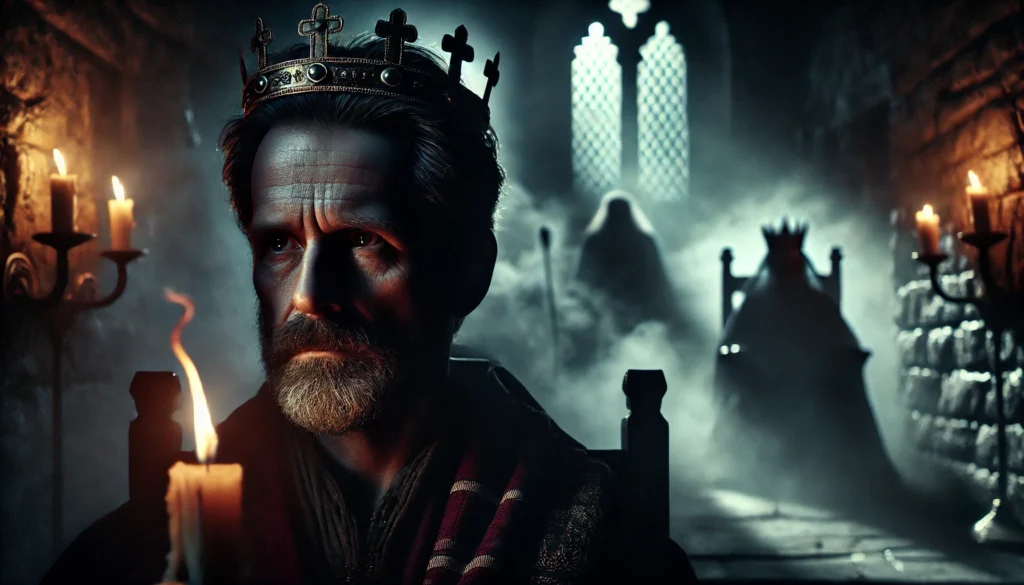
At the play’s outset, Macbeth is “brave Macbeth,” a valiant Thane of Glamis celebrated for his battlefield prowess. Early illustrations should emphasize strength: broad shoulders, resolute posture, and determined facial features. As the story progresses, his demeanor shifts. Post-Duncan’s murder, portray him with haunted eyes, furrowed brows, and increasingly disheveled appearance to reflect his growing paranoia and guilt.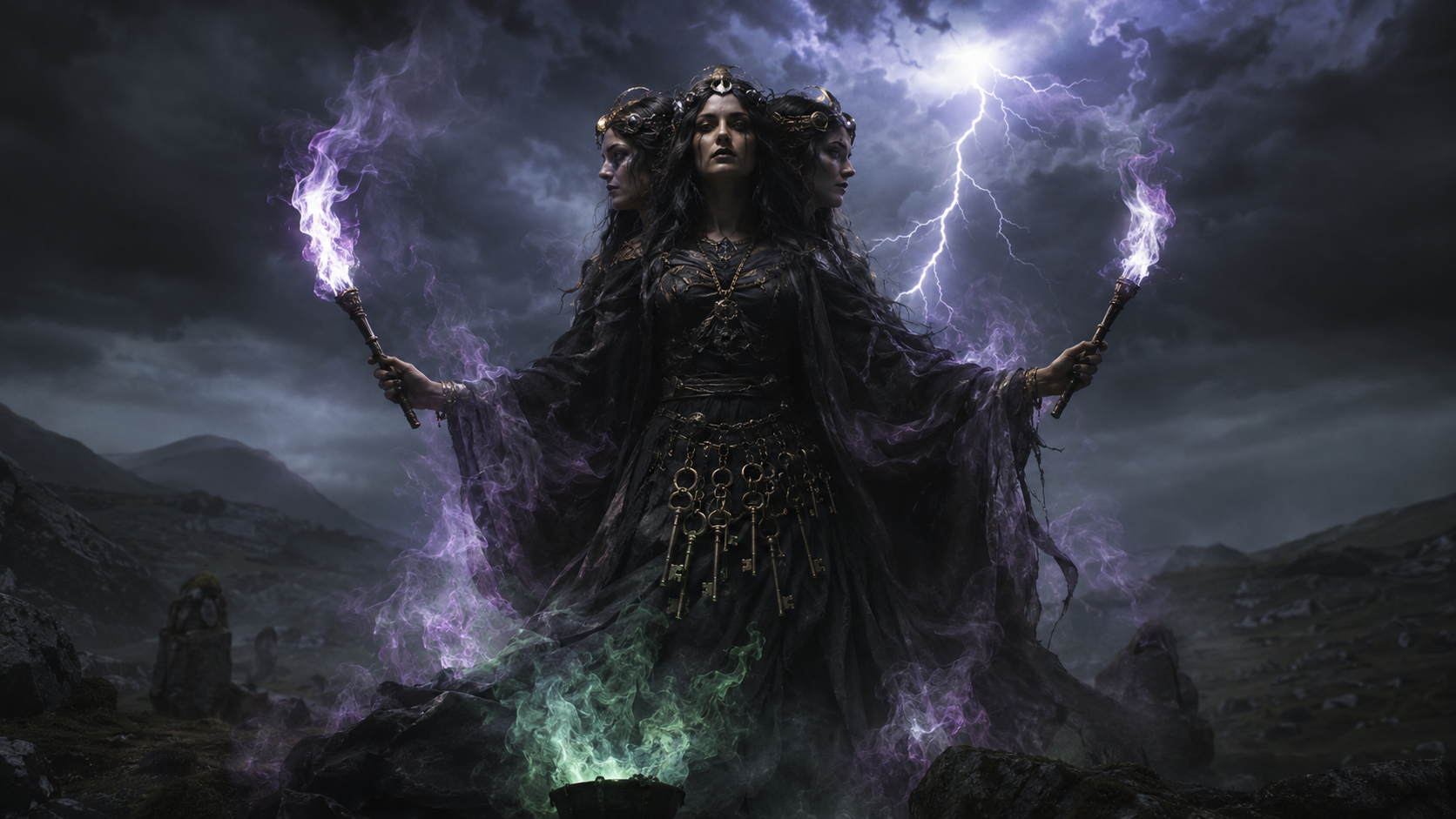
By the later acts, Macbeth becomes a tyrannical figure isolated by his crimes. Use angular lines, shadowed features, and a stooped or rigid posture to convey his psychological descent. Contrast this with his initial heroic stance to visually narrate his transformation—a powerful technique for illustrated summaries or storyboards.
Physical Appearance and Costume Ideas
Historically, Macbeth is often depicted in medieval Scottish attire: chainmail, tartan kilts or plaids, a claymore sword, and a crown that sits uneasily on his head. For interpretive freedom, blend elements—Renaissance influences seen in early artworks or modern minimalist designs.
Key details to include:
- Armor and fabrics: Weathered leather, blood-splattered cloth.
- Crown: Oversized or blood-tinged to symbolize ill-gotten power.
- Facial hair: A rugged beard that becomes unkempt as his sanity frays.
Symbolism in Macbeth’s Portraits
Incorporate recurring motifs to add depth: a floating dagger near his hand, ravens overhead, or blood dripping from his fingers. These elements reinforce the play’s exploration of guilt and fate without needing explanatory text.
Key Supporting Characters – Bringing the Cast to Life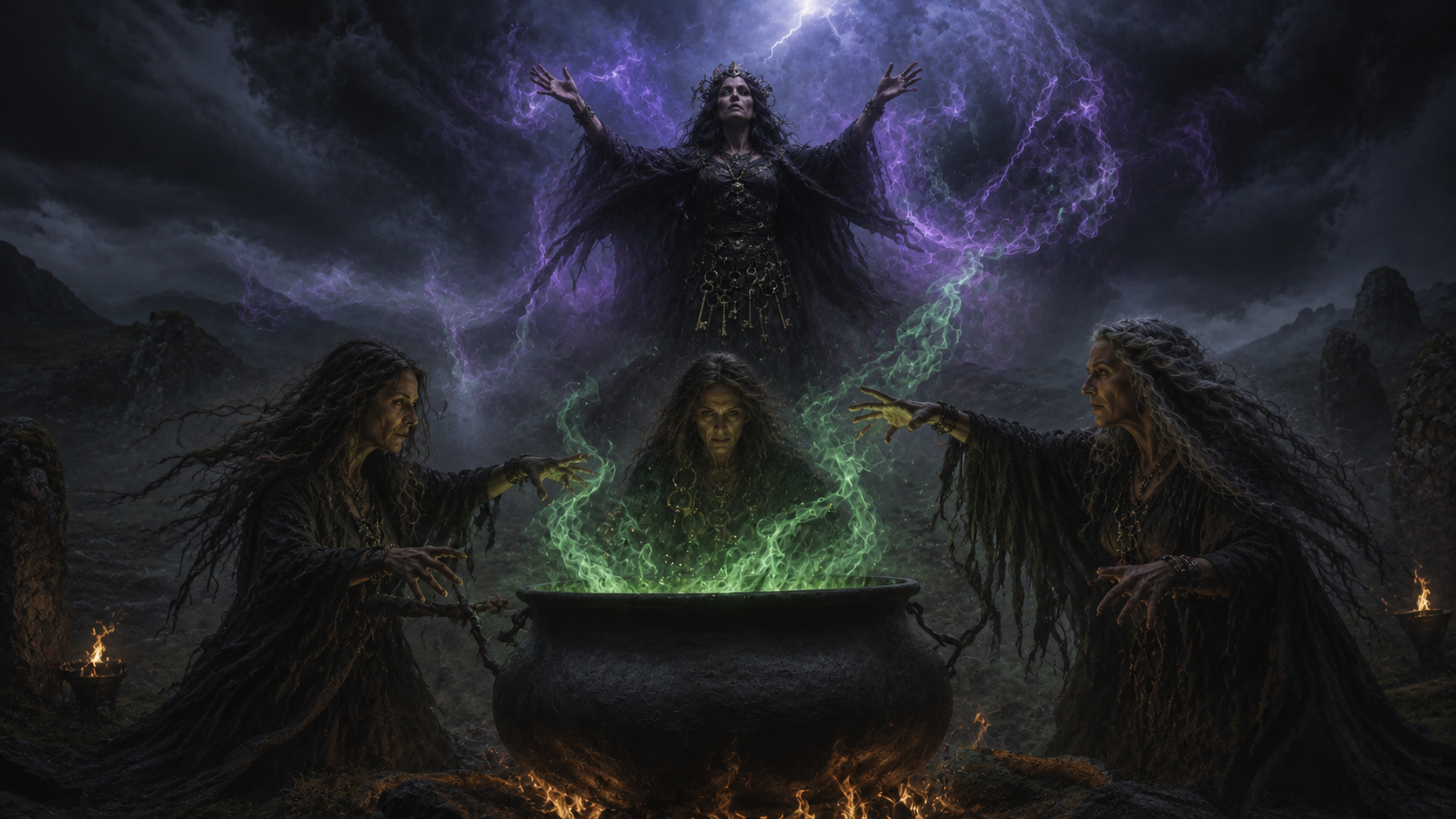
No Macbeth illustration is complete without its supporting figures, each offering rich visual opportunities.
Lady Macbeth – Ambition and Madness
Lady Macbeth begins as the driving force of ambition—strong, persuasive, and steely-eyed. Draw her with commanding gestures and intense gaze. In her famous sleepwalking scene (“Out, damned spot!”), depict frantic hand-washing motions, wild hair, and a candle casting eerie shadows. Artists like Henry Fuseli captured her dramatic intensity with bold chiaroscuro and expressive poses.
The Three Witches (Weird Sisters)
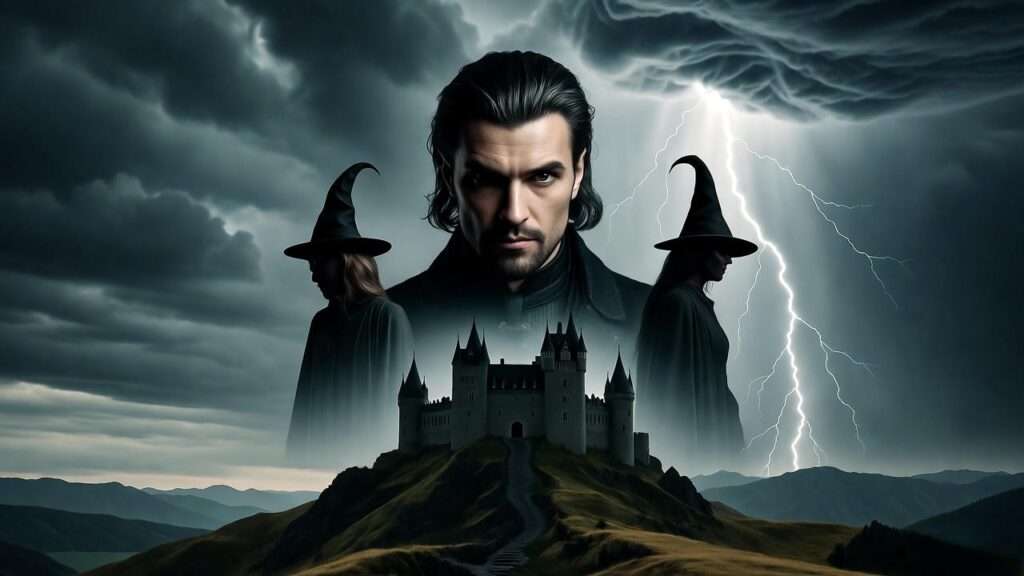
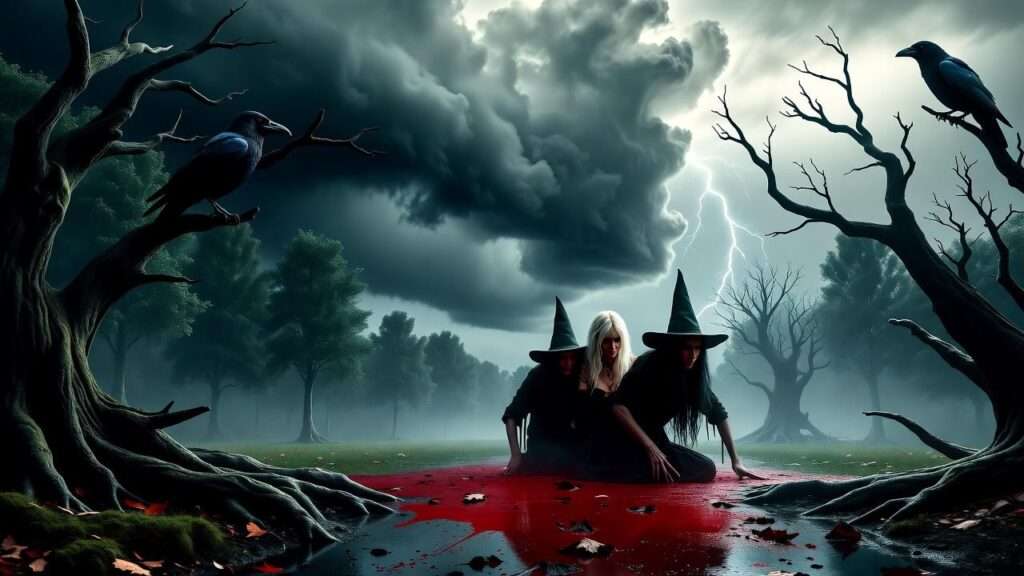
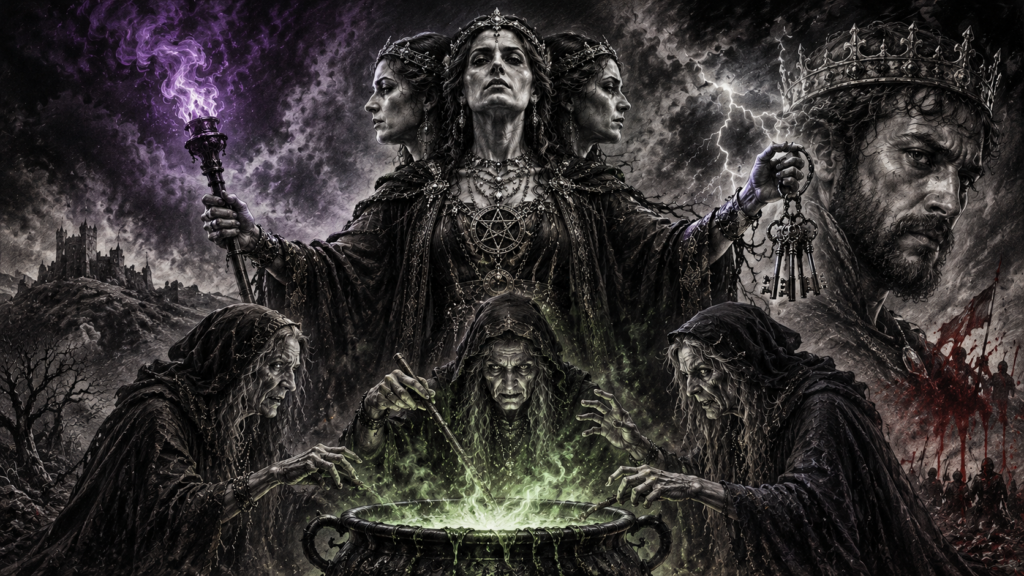
The witches embody the supernatural. Traditional depictions show them as haggard crones around a cauldron, but modern interpretations range from ethereal figures to grotesque forms. For group compositions, arrange them in a triangular formation on a stormy heath, with swirling mists and prophetic hand gestures. Their androgynous or otherworldly features heighten the sense of unnatural disturbance.
Banquo, Macduff, and Other Figures
Banquo serves as a moral foil—noble and skeptical. His ghost appears pale and accusatory at the banquet. Macduff, the avenger, should project righteous fury in battle scenes. These characters help create dynamic interactions in your drawings.
Iconic Scenes and How to Illustrate Them
Shakespeare’s Macbeth is packed with visually striking moments perfect for illustration.
The Witches on the Heath (Act 1, Scene 3)
Stormy skies, jagged lightning, and windswept figures set a foreboding tone. Position Macbeth and Banquo reacting with surprise while the witches point or chant. John Martin’s dramatic landscapes offer inspiration for vast, turbulent backgrounds.
The Dagger of the Mind (Act 2, Scene 1)
This hallucination scene is ideal for exploring tension. Render the dagger semi-transparent or glowing, with Macbeth reaching desperately. Use strong directional lighting to emphasize his internal conflict.
The Murder of King Duncan and Its Aftermath
Focus on implication rather than gore: shadowy figures, bloodied hands, and Duncan’s peaceful form contrasted with chaos. Atmospheric candlelight enhances drama.
Banquo’s Ghost at the Banquet (Act 3, Scene 4)
Show the ghost visible only to Macbeth, causing disruption among oblivious guests. Exaggerated expressions and overturned goblets convey panic.
Lady Macbeth Sleepwalking (Act 5, Scene 1)
Candlelight, ghostly pallor, and obsessive hand-rubbing movements create a poignant, haunting image. This scene allows deep emotional expression.
The Final Battle and Downfall
Dynamic action: Macbeth clashing with Macduff amid Birnam Wood’s moving branches. Emphasize exhaustion and defiance in his final moments.
Step-by-Step Drawing Tutorials
Practical instruction forms the core of this guide, helping you move from concept to finished piece.
Materials and Tools for Macbeth Illustrations
Traditional:
- Graphite pencils (HB to 6B)
- Charcoal or ink for dramatic shading
- Watercolors or acrylics for color work
- Heavy drawing paper or Bristol board
Digital:
- Tablet with stylus (e.g., iPad + Procreate)
- Software like Photoshop or Clip Studio Paint
A basic checklist includes blending tools, erasers, and reference images from public domain sources.
Basic Proportions and Sketching Macbeth
- Start with a gesture line for dynamic pose.
- Block in head (slightly elongated for heroic feel), torso, and limbs using simple shapes.
- Refine anatomy: muscular build for the warrior phase.
- Add details layer by layer.
Practice different angles—profile for brooding intensity, three-quarter for narrative scenes.
Adding Drama – Shading, Lighting, and Atmosphere
Master chiaroscuro (strong light-dark contrasts), a technique favored by Romantic artists like Fuseli. Use deep shadows to symbolize moral darkness and highlights for moments of revelation. Color palette: deep reds, blacks, muted golds, and sickly greens.
Digital vs. Traditional Techniques
Traditional offers tactile satisfaction; digital provides easy revisions and effects like glows for supernatural elements. Many artists combine both—sketch traditionally, finish digitally.
Common Mistakes and How to Avoid Them
- Avoiding emotional flatness: Always reference the text for character motivation.
- Proportion issues: Use construction lines.
- Overly literal interpretations: Balance realism with symbolism.
Artistic Styles and Interpretations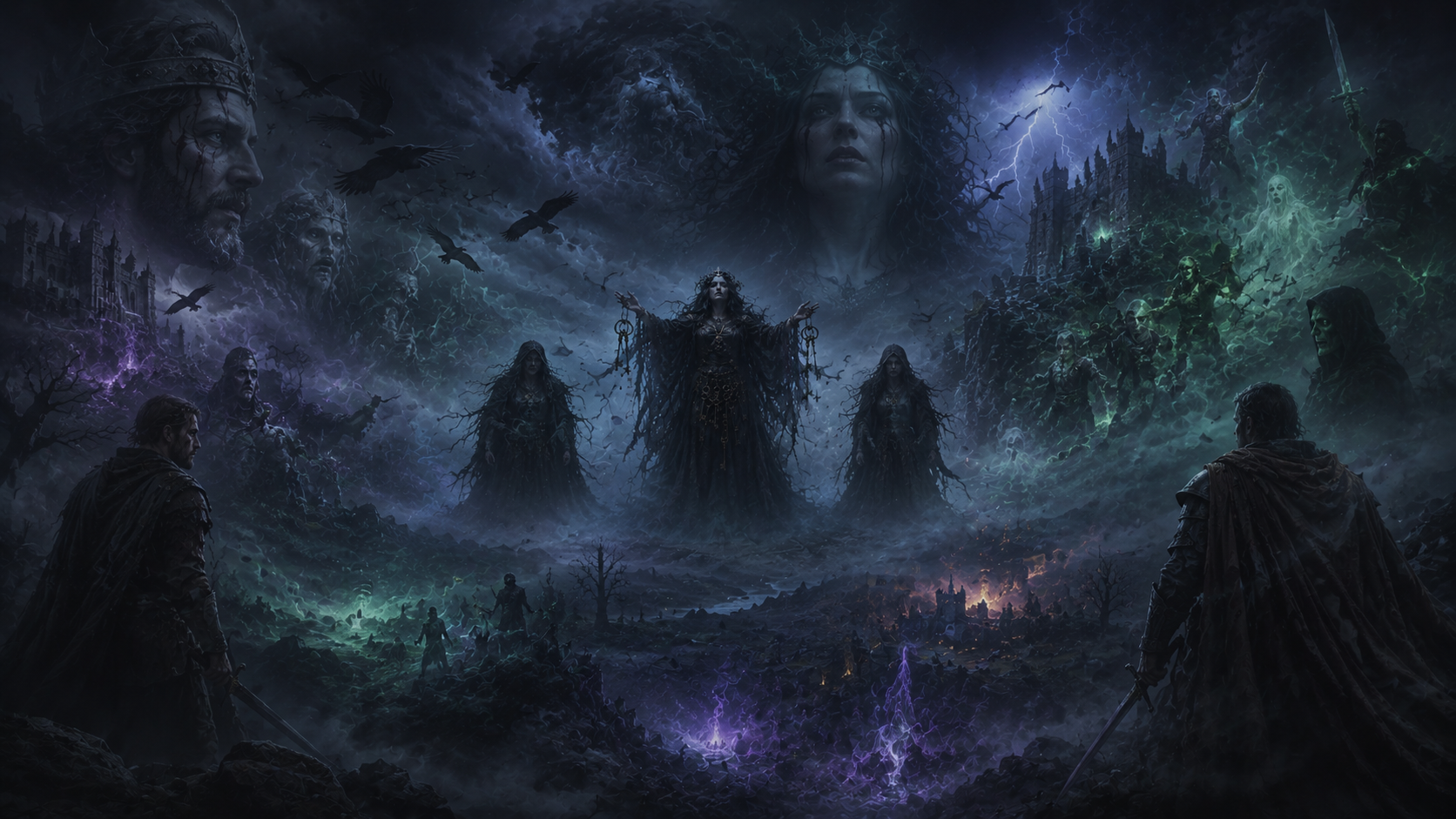
Historical Art Influences
Henry Fuseli’s Romantic visions, with their sublime terror and exaggerated forms, remain benchmarks. John Martin’s epic landscapes add grandeur. Study these to inform your choices.
Modern and Abstract Approaches
Experiment with graphic novel styles for accessibility, minimalist line art for posters, or surreal distortions to mirror Macbeth’s fractured psyche.
Adapting for Different Mediums
Create theater posters, book illustrations, classroom visuals, or digital fan art. Each medium demands specific considerations—bold lines for posters, fine details for prints.
Tips for Capturing Shakespeare’s Themes Visually
- Ambition: Rising figures or precarious crowns.
- Guilt: Blood that won’t wash away, haunting eyes.
- Supernatural: Mists, prophecies visualized as floating text or visions.
- Fate vs. Free Will: Crossroads or tangled threads.
Use composition—rule of thirds, leading lines—to guide the viewer’s eye toward moral conflict.
Practical Applications and Project Ideas
- Develop a full illustrated Macbeth sequence as a storyboard or zine.
- Classroom activities: Have students draw a pivotal scene and explain their choices.
- Portfolio pieces: A character study series showing evolution.
- Fan projects: Alternate universe interpretations or crossover art.
Advanced Techniques and Resources
Study anatomy for dramatic poses. Gather references ethically from museums like the Tate or Folger Shakespeare Library. Recommended further reading includes analyses of Shakespeare in art and practical drawing books focused on narrative illustration.
Advanced Techniques and Resources
To elevate your Macbeth drawing beyond basic sketches, incorporate advanced artistic principles that reflect the psychological complexity of Shakespeare’s text. Begin with perspective and foreshortening for dynamic scenes. In the dagger hallucination, for instance, use one-point perspective to draw the viewer’s eye along the corridor toward Macbeth’s outstretched hand, creating a sense of inescapable fate. Anatomy mastery is crucial: study muscular tension in the warrior’s arms during battle scenes or the subtle curvature of the spine when portraying a guilt-ridden Macbeth hunched over.
Ethical reference gathering strengthens your work’s authenticity. Draw from public domain collections at the British Museum, Tate Britain, or the Folger Shakespeare Library’s extensive digital archives of Shakespeare illustrations. Avoid direct copying; instead, analyze how historical artists interpreted lighting and emotion. For example, reference Henry Fuseli’s dramatic use of scale and distortion while adapting it to your style.
Recommended Resources:
- Books: “Shakespeare in Art” by Jane Martineau and “The Illustrated Macbeth” compilations.
- Online: Royal Shakespeare Company digital exhibits, Khan Academy art history modules on Romanticism, and Procreate-specific brushes for ink-and-wash effects.
- Practice Exercises: Daily gesture drawings of actors performing key monologues from filmed productions (e.g., Patrick Stewart or Michael Fassbender interpretations).
Hybrid workflows often yield the best results. Sketch initial compositions in pencil or charcoal for organic feel, then scan and refine digitally to add atmospheric effects like glowing apparitions or layered blood textures.
Practical Applications and Project Ideas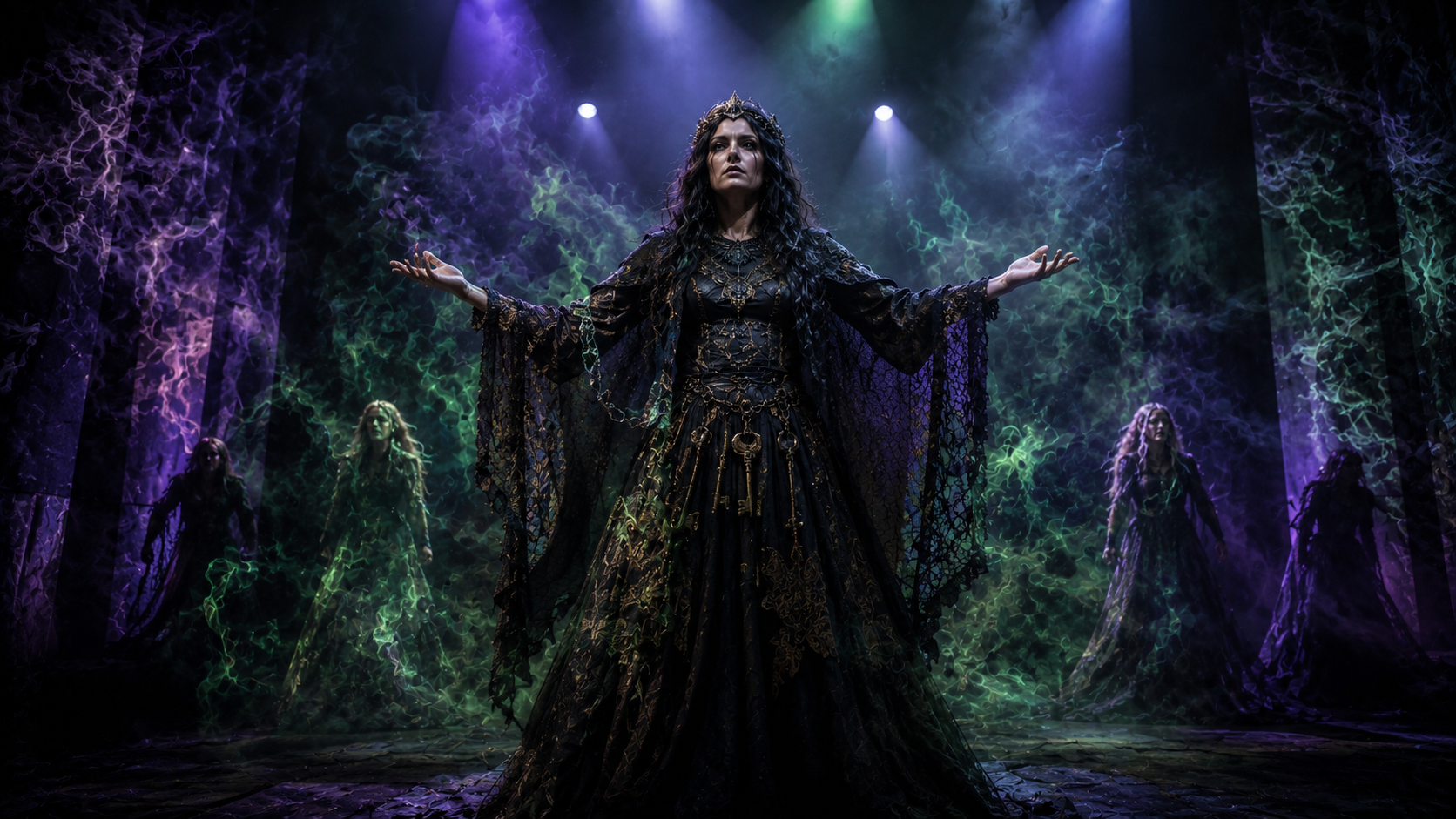
Macbeth drawing serves multiple real-world purposes, solving common challenges for students, educators, and creatives who want to visualize complex literature.
Project 1: Illustrated Scene Sequence Create a 10–15 panel storyboard summarizing the play. This deepens textual comprehension and produces a portfolio-worthy piece. Start with thumbnails, refine key moments like the witches’ prophecy, and bind as a small zine or digital PDF for sharing.
Project 2: Character Evolution Series Produce four to six portraits showing Macbeth’s transformation. Use consistent lighting across pieces but progressively darker palettes. This visual narrative helps students grasp character development and makes excellent classroom posters.
Project 3: Educational Classroom Materials Teachers can assign students to illustrate one theme (e.g., “the corrupting influence of power”) and compile them into a collaborative gallery. Include accompanying quotes from the play for context.
Project 4: Theater or Book Promotion Design posters for school productions or modern retellings. Bold silhouettes of the crown and dagger work well for minimalist appeal, while detailed scenes suit program covers.
Project 5: Personal Fan Art or Alternate Interpretations Explore “what if” scenarios—Macbeth in a cyberpunk setting or gender-swapped roles—to keep the tragedy relevant to contemporary audiences.
These projects bridge literature and visual arts, making abstract themes tangible and memorable.
Tips for Capturing Shakespeare’s Themes Visually
Shakespeare’s Macbeth explores profound ideas that translate powerfully into drawings when handled with intention.
- Ambition and the Crown: Depict the crown hovering slightly above Macbeth’s head or slipping sideways to symbolize unearned power. Use golden tones that gradually tarnish or drip with blood.
- Guilt and Blood Imagery: Blood is never just red—layer it with translucent washes to show persistence (“Will all great Neptune’s ocean wash this blood clean from my hand?”). In Lady Macbeth’s sleepwalking scene, show it spreading across her hands and nightgown in haunting detail.
- Supernatural Elements: Render the witches with overlapping translucent layers or swirling fog to suggest otherworldliness. Floating prophecies as faint, glowing text adds a mystical touch without clutter.
- Fate vs. Free Will: Incorporate crossroads, tangled threads of fate, or a scale balancing a dagger and a crown. Leading lines can guide the eye toward inevitable downfall.
- Gender and Power Dynamics: Contrast Lady Macbeth’s initially sharp, angular features with Macbeth’s softening resolve, highlighting role reversals.
Use compositional techniques such as the rule of thirds for tension, negative space for isolation, and asymmetrical balance to mirror moral disorder. Color theory enhances mood: dominant cool blues and grays for paranoia, punctuated by warm crimsons for violence and guilt.
Expert Insight: Throughout art history, illustrators have succeeded by prioritizing emotional truth over literal accuracy. As Romantic artists understood, the sublime terror of Macbeth emerges from the interplay between human frailty and cosmic forces.
FAQs About Macbeth Drawing
How do I draw realistic blood effects in Macbeth illustrations? Use varied opacity and texture—thin, watery washes for fresh blood and thicker, darker clumps for dried guilt. Reference medical or forensic photos sparingly for accuracy, but stylize heavily for artistic impact. Layering in digital tools allows easy adjustments.
What’s the best way for beginners to start with Shakespeare character drawings? Begin with basic gesture sketches from the text, then layer in construction lines for proportion. Focus on one character (Macbeth) and one emotion (hesitation before Duncan’s murder) before tackling complex scenes. Practice 20-minute daily studies.
How accurate should historical costumes be? Aim for evocative rather than museum-level precision. Blend 11th-century Scottish elements with theatrical flair. Research tartans and armor silhouettes, but prioritize dramatic silhouette and symbolic details like bloodstains over perfect historical replication.
Can these techniques apply to other Shakespeare plays? Absolutely. The character analysis, lighting, and symbolism approaches transfer well to Hamlet (ghostly figures), Othello (dramatic tension), or The Tempest (magical atmospheres).
Are there legal considerations for sharing Macbeth fan art? Shakespeare’s works are public domain, so illustrations based directly on the text are generally safe to share. Credit your inspiration and avoid using copyrighted modern adaptations (specific film stills or designs) without permission.
Drawing Macbeth is more than a technical exercise—it is a profound way to engage with Shakespeare’s exploration of the human condition. By understanding the tragic hero’s arc, mastering iconic scenes, and applying thoughtful symbolism and technique, you create artwork that educates, inspires, and endures.
Whether your goal is academic enrichment, artistic growth, or sharing passion for the Bard, the skills developed through Macbeth drawing will enhance your visual storytelling for years to come. Pick up your pencil or stylus, revisit the text, and bring the Scottish play to vivid life. Share your creations in the comments below—I’d love to see how you interpret the floating dagger or the sleepwalking queen.
For more Shakespeare illustration guides, character studies, and literary art projects, explore our other articles on the works of William Shakespeare. Subscribe to stay updated on new creative resources for literature lovers and artists alike.