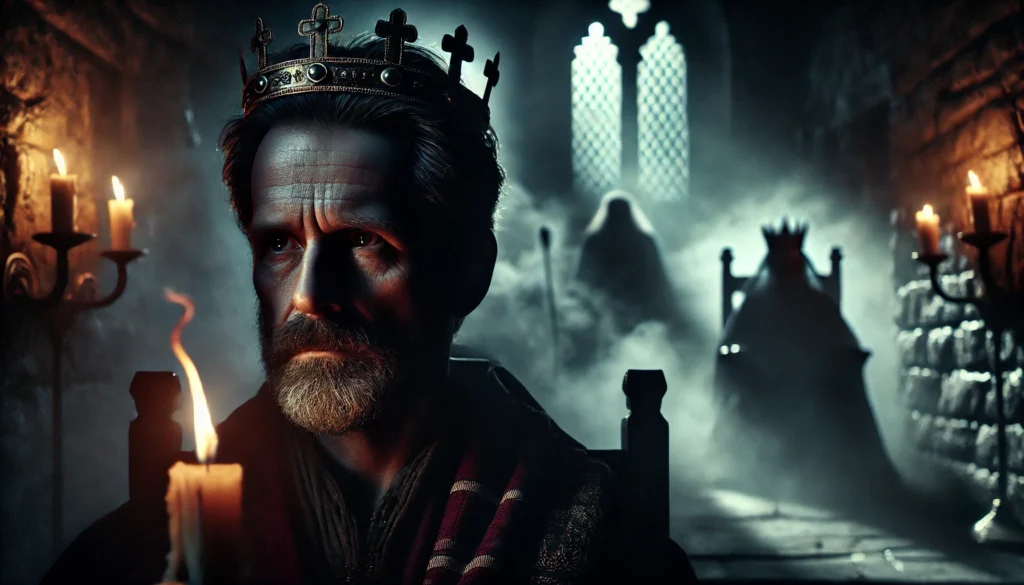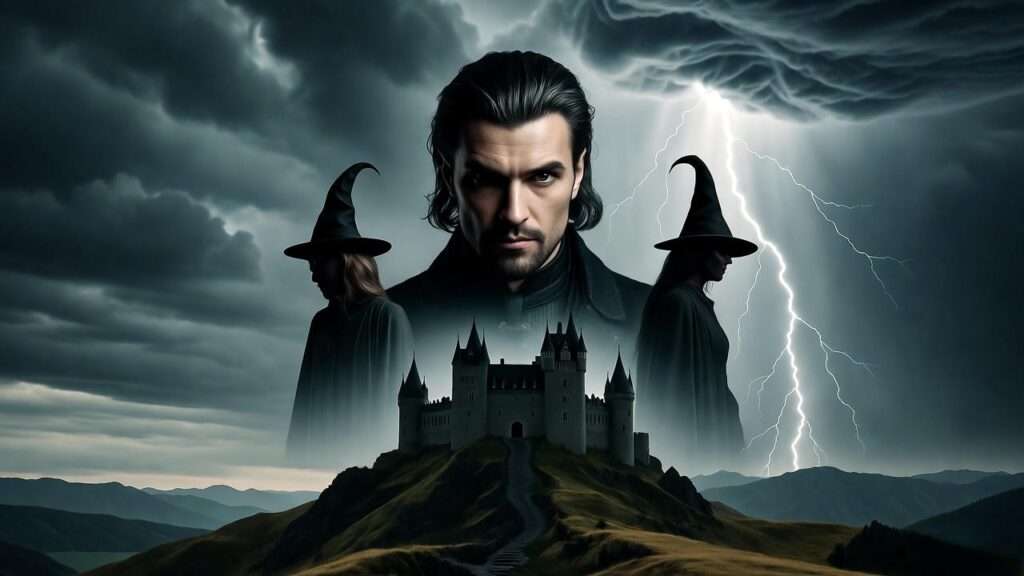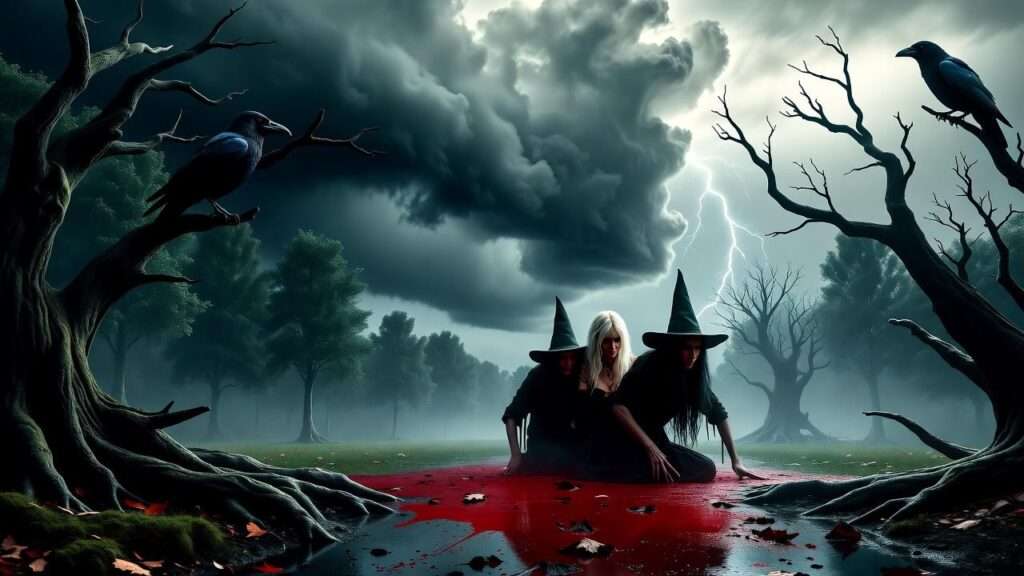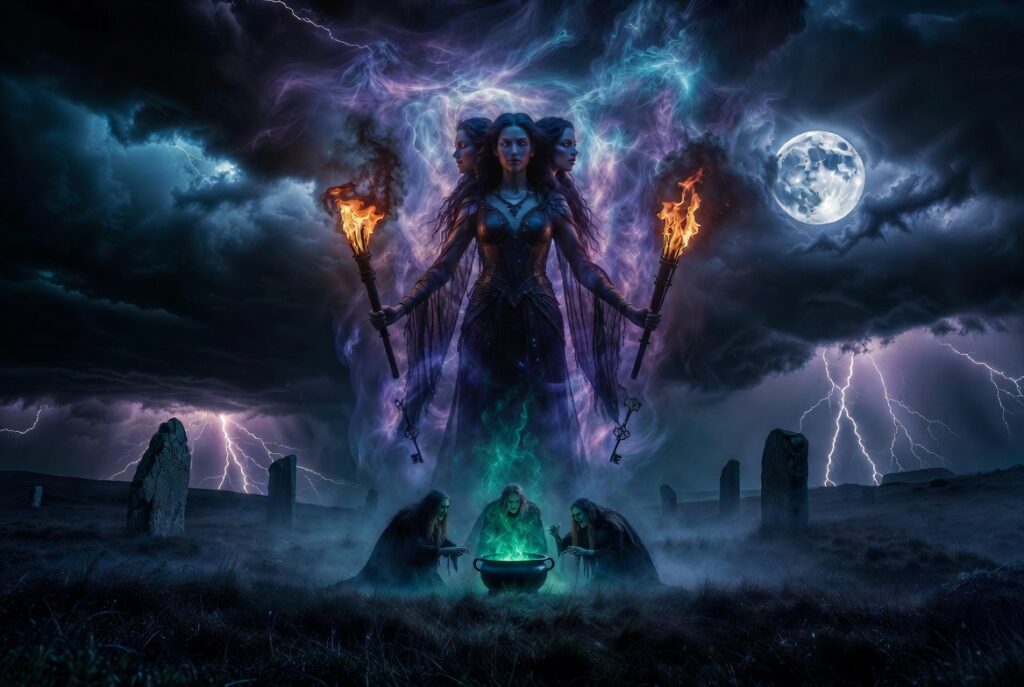
Imagine a storm-lashed heath where three witches have just prophesied glory to a Scottish general. Thunder rolls, and suddenly a commanding figure descends — the goddess of witchcraft herself, furious that her subordinates acted without her consent. This is Hecate’s dramatic entrance in Macbeth, one of William Shakespeare’s most haunting and thematically rich tragedies.
Who is Hecate in Macbeth? She is the authoritative ruler of the Weird Sisters, a reimagined classical goddess who embodies supernatural control, moral ambiguity, and the destructive allure of ambition. Though she appears in only two scenes, her presence deepens the play’s exploration of fate versus free will, the corrupting power of dark forces, and the intersection of classical mythology with Jacobean anxieties about witchcraft.
For students analyzing the text, actors preparing a role, or theater enthusiasts seeking deeper insight, understanding Hecate unlocks layers of meaning in Shakespeare’s masterpiece. This comprehensive guide examines her mythological roots, dramatic function, key quotes, thematic importance, and lasting legacy — offering more than surface-level summaries to help you truly appreciate her significance.
Hecate in Greek Mythology: Origins of the Goddess of Witchcraft
To fully grasp Shakespeare’s version, we must first understand the ancient figure upon which she is based. Hecate (or Hekate) originates in Greek mythology as a powerful Titaness, often depicted as a triple-formed goddess representing the phases of the moon, crossroads, and liminal spaces.
Historical and Mythological Background
In early Greek traditions, Hecate was a benevolent deity associated with childbirth, wilderness, and protection. She aided Demeter in the search for Persephone and retained her powers even after the Olympians triumphed over the Titans. Over time, particularly in Hellenistic and Roman periods, her image darkened. She became closely linked to magic, sorcery, ghosts, necromancy, and the underworld.
Worshippers honored her at crossroads with offerings, and she was frequently invoked in spells and rituals. Her triple aspect — maiden, mother, and crone — symbolized her dominion over multiple realms, making her an ideal patron for witches and those practicing the occult arts.
Key Attributes and Symbolism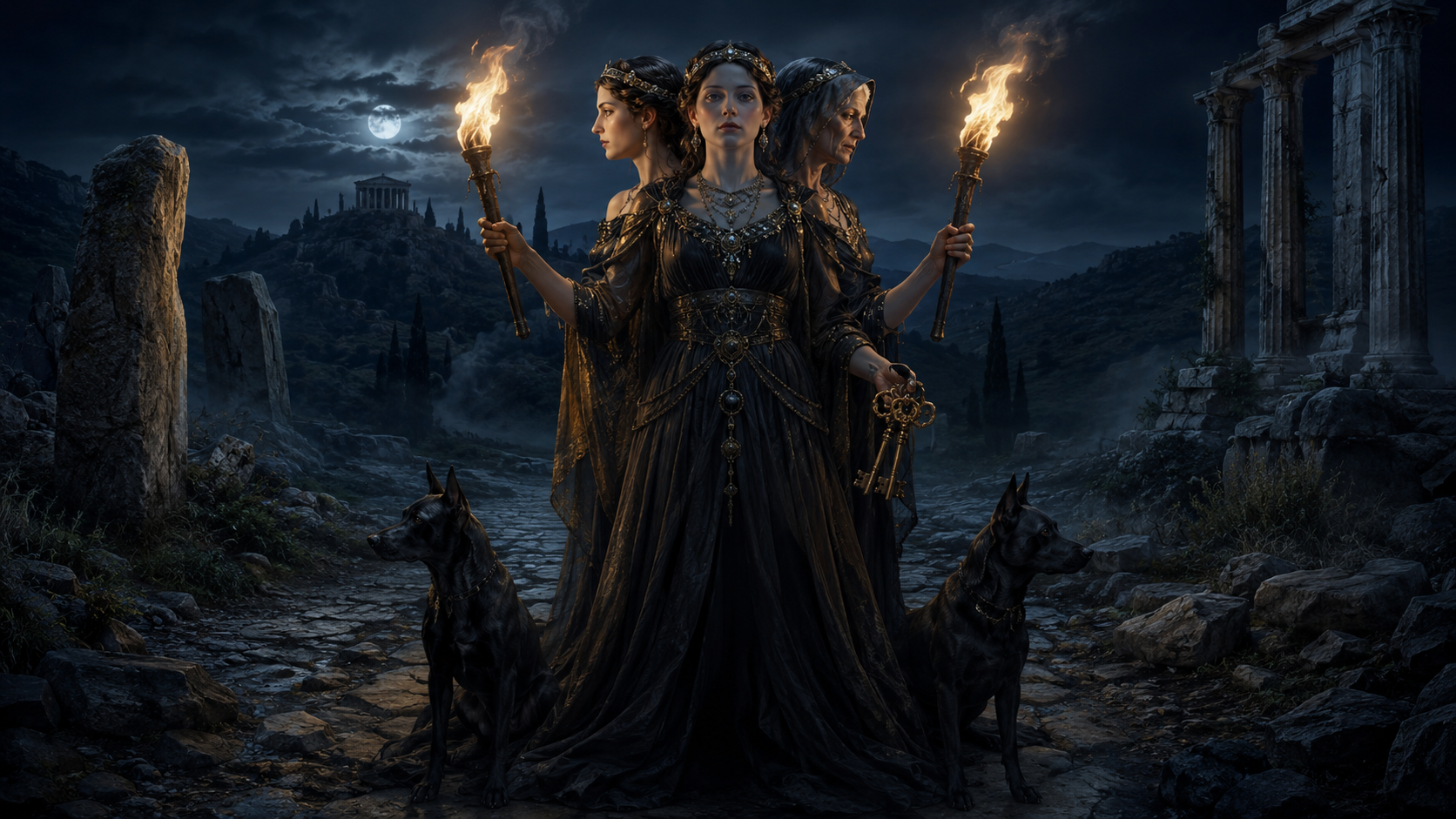
Classical depictions show Hecate carrying torches (to illuminate the night and guide souls), keys (to unlock mysteries or the gates of Hades), and accompanied by dogs, whose howling signaled her approach. She was associated with the moon — especially its darker phases — and was sometimes conflated with Artemis or Persephone.
Shakespeare, writing for a Jacobean audience familiar with classical learning, draws on this rich tradition but adapts it significantly. While the mythological Hecate had multifaceted, sometimes protective qualities, Shakespeare’s Hecate is more singularly dark, vindictive, and controlling — a deliberate choice that heightens the play’s atmosphere of moral corruption and supernatural dread.
This transformation reflects the Elizabethan and Jacobean fascination with witchcraft, amplified by King James I’s own treatise Daemonologie (1597), which condemned witches and demonic pacts. By invoking Hecate, Shakespeare connects ancient pagan lore to contemporary fears, making her a potent symbol of chaos threatening the natural and political order.
Hecate’s Introduction and Role in Macbeth
Hecate does not appear until Act 3, Scene 5, after Macbeth has already begun his descent into tyranny. Her late introduction is strategic: she elevates the witches from chaotic agents to part of a structured supernatural hierarchy.
Key Scenes Featuring Hecate
Act 3, Scene 5: The Rebuke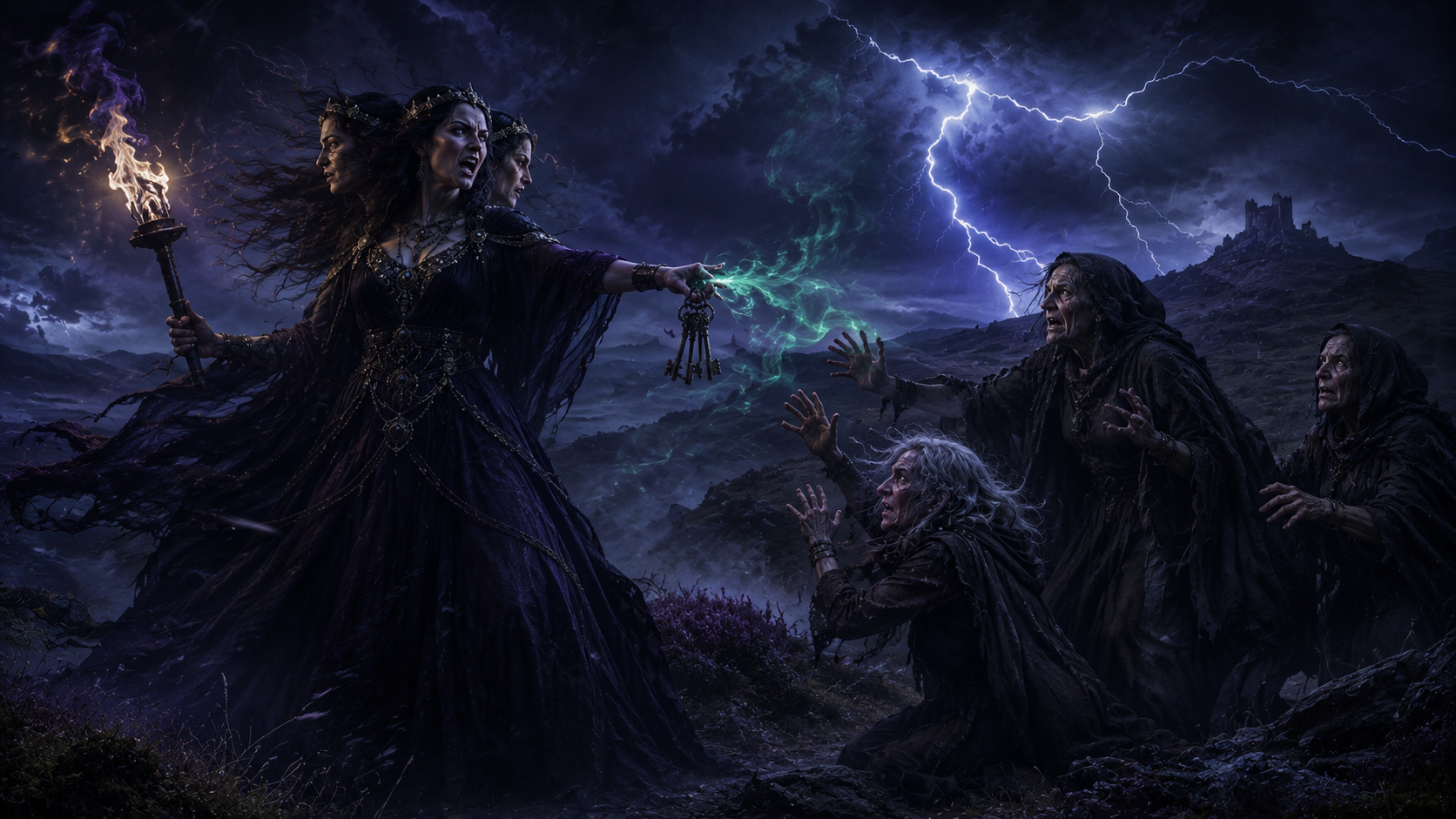
This is Hecate’s most substantial appearance. She confronts the three Weird Sisters on a heath, angry at their independent meddling with Macbeth:
“Have I not reason, beldams as you are, Saucy and overbold? How did you dare To trade and traffic with Macbeth In riddles and affairs of death, And I, the mistress of your charms, The close contriver of all harms, Was never call’d to bear my part, Or show the glory of our art?”
Hecate scolds them for acting without her authority and criticizes their approach. She reveals that Macbeth is a “wayward son” who loves only for his own ends. To correct this, she plans greater illusions that will lead him to overconfidence and ruin. The scene ends with preparations for a meeting at the pit of Acheron, where more potent magic awaits.
Act 4, Scene 1: The Cauldron Scene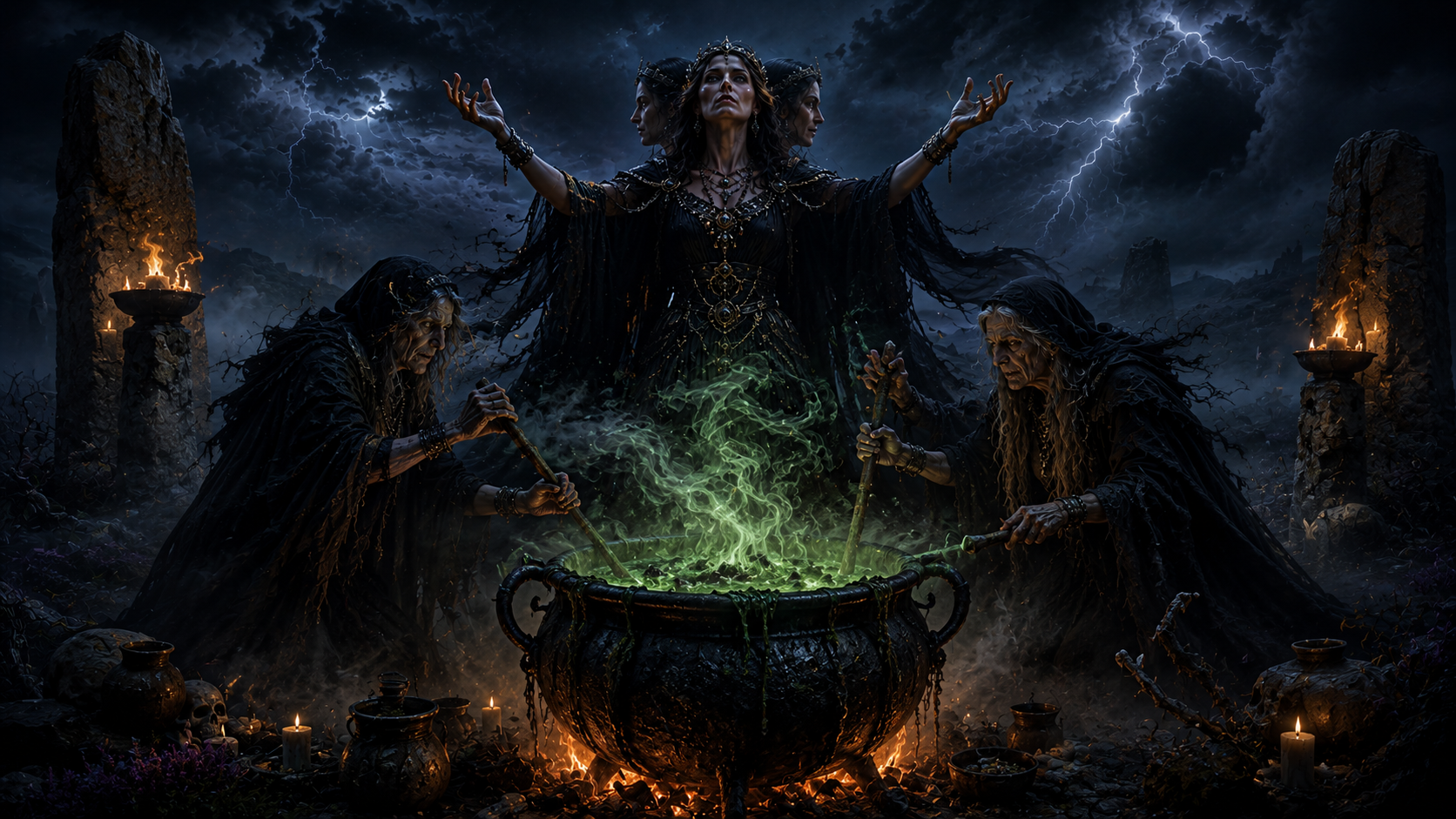
Hecate makes a briefer appearance during the witches’ famous cauldron ritual. She commends their work and calls for a song and dance to celebrate before vanishing. This moment adds spectacle and reinforces her oversight of the dark arts used to torment Macbeth with further prophecies.
Hecate’s Character Traits and Personality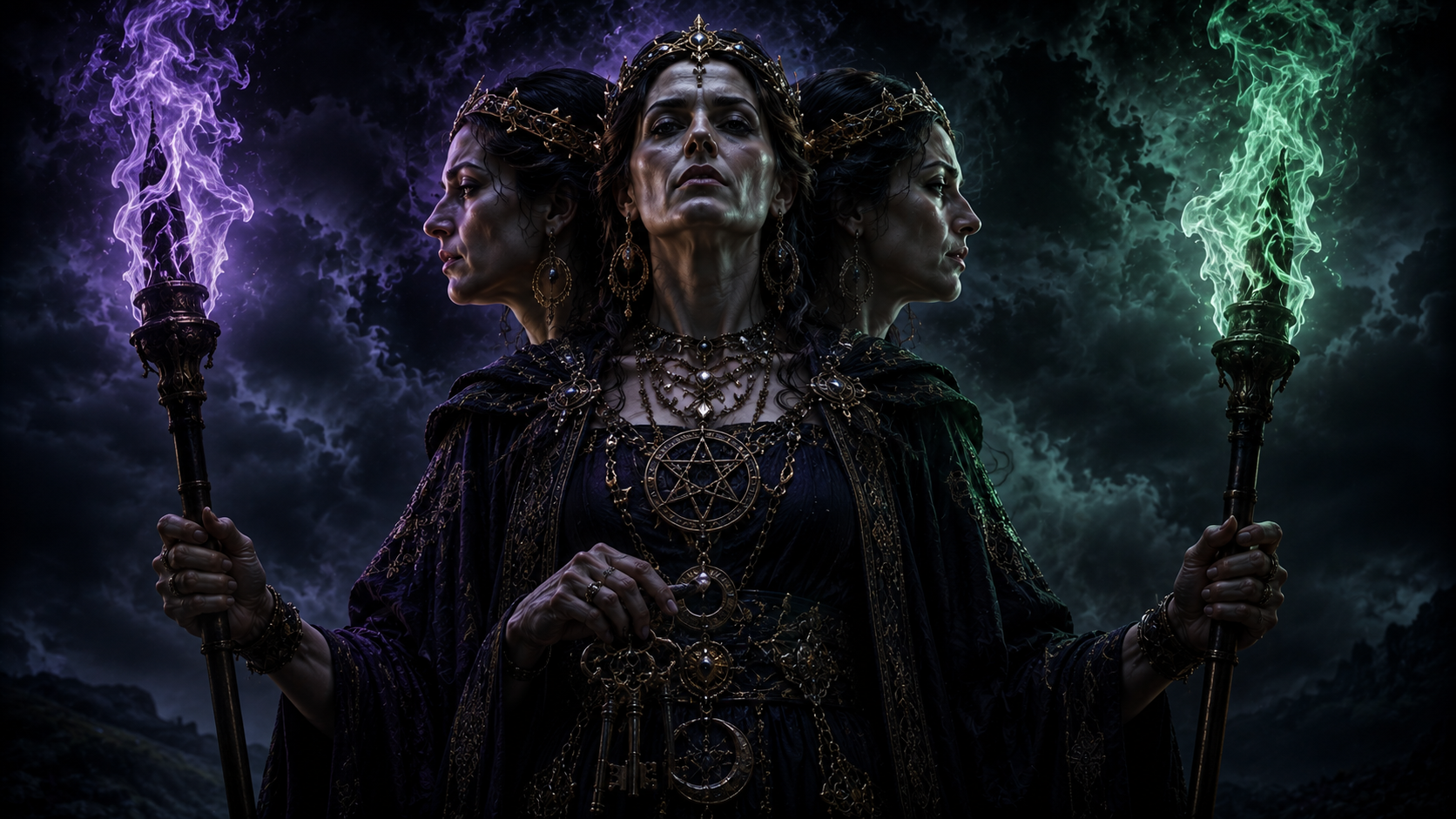
Shakespeare portrays Hecate as controlling, sadistic, theatrical, and authoritative. She speaks in rhyming couplets that feel spell-like, distinguishing her from the witches’ more chaotic verse and Macbeth’s blank verse. Her language is commanding — she refers to herself as “the mistress of your charms” and “the close contriver of all harms,” asserting absolute dominion.
This personality parallels Lady Macbeth’s manipulative influence, creating a thematic link between supernatural and human feminine power. Both figures drive Macbeth toward ambition and downfall, challenging traditional patriarchal structures while ultimately contributing to chaos. Hecate’s vindictiveness stems not from random malice but from a desire for proper recognition and the “glory of our art,” suggesting a twisted sense of professional pride among the forces of evil.
Dramatic Function and Character
Shakespeare (or a later reviser) portrays her as a commanding, vindictive figure who imposes hierarchy on the chaotic witches. In Act 3, Scene 5, she angrily confronts them:
“Have I not reason, beldams as you are, Saucy and overbold? How did you dare To trade and traffic with Macbeth In riddles and affairs of death, And I, the mistress of your charms, The close contriver of all harms, Was never call’d to bear my part, Or show the glory of our art?”
She calls Macbeth a “wayward son” who acts for his own ends and plans more deceptive illusions to lead him to overconfidence and ruin (meeting at the “pit of Acheron”). In Act 4, Scene 1, she briefly appears during the cauldron scene, praises the witches, and calls for song and dance before exiting.
Her rhyming couplets and theatrical presence heighten the supernatural spectacle and link the witches to a structured dark power. This reinforces themes of fate vs. free will, ambition’s corruption, and the illusion of control (she helps engineer the prophecies that make Macbeth spurn fate, leading to his downfall).
Mythological Roots and Jacobean Context
Shakespeare draws on the Greek goddess Hecate (or Hekate), a Titaness associated with magic, crossroads, the moon, ghosts, and the underworld. She could be benevolent (helping in childbirth or with Demeter/Persephone) but evolved into a darker figure tied to sorcery and necromancy, often depicted with torches, keys, and dogs.
In Macbeth, Shakespeare darkens and narrows her into a more malevolent controller, aligning with King James I’s interests in witchcraft (his Daemonologie) and Jacobean fears of disorder, demonic pacts, and inverted natural/political order. She parallels Lady Macbeth as a manipulative female force driving chaos.
Key Traits
- Authoritative and controlling — “Mistress of your charms” and “close contriver of all harms.”
- Vindictive with professional pride — Offended by lack of recognition and the “glory of our art.”
- Theatrical — Her scenes add music, dance, and spectacle, enhancing the play’s eerie atmosphere.
Scholarly Notes on Authorship
Many scholars believe the Hecate scenes (especially Act 3.5 and parts of 4.1) were later additions, likely by Thomas Middleton around the time of his play The Witch (which features Hecate and shared songs like “Come away, come away”). They differ in meter (more iambic/lyrical), style, and tone from the core witches’ trochaic scenes, and they don’t heavily advance the plot. Modern productions sometimes cut them for a tighter, darker interpretation.
FAQ
1. Why does Hecate only appear in two scenes? Hecate’s limited stage time is deliberate. Her late entrance in Act 3, Scene 5 establishes a supernatural hierarchy after the witches have already set events in motion. This structure emphasizes how dark forces operate with their own internal rules and ambitions. Her brief reappearance in Act 4, Scene 1 adds spectacle to the cauldron scene without derailing the main plot.
2. Are the Hecate scenes written by Shakespeare? This is debated among scholars. Many believe Act 3, Scene 5 and parts of Act 4, Scene 1 (including the songs and dances) were later additions, possibly by playwright Thomas Middleton. The style—more lyrical rhyming couplets, theatrical spectacle, and direct overlap with Middleton’s play The Witch—differs from the core witches’ scenes. Modern productions sometimes omit these scenes to maintain a bleaker, faster pace.
3. What is Hecate’s purpose in the play? Hecate serves multiple roles: she deepens the theme of illusion vs. reality by planning deceptive prophecies that fuel Macbeth’s overconfidence; she reinforces the corrupting power of unchecked ambition; and she links classical mythology to Jacobean England’s witchcraft anxieties. She also parallels Lady Macbeth as a powerful female force that manipulates masculine ambition toward destruction.
4. How does Shakespeare’s Hecate differ from the mythological figure? Classical Hecate was complex—sometimes benevolent, associated with protection, crossroads, and magic. Shakespeare’s version is darker, more vindictive, and controlling. She is portrayed primarily as the “mistress of charms” and “close contriver of all harms,” stripping away much of the goddess’s protective or liminal nuance to fit the play’s atmosphere of moral decay.
5. Why does Hecate call Macbeth a “wayward son”? This line highlights Macbeth’s self-serving ambition. He seeks the witches’ prophecies for personal gain rather than truly submitting to supernatural forces. Hecate sees this as improper and responds by engineering more potent illusions that will lead him to ruin—emphasizing the play’s exploration of fate, free will, and the consequences of tampering with dark powers.
6. Does Hecate directly cause Macbeth’s downfall? Not directly. She amplifies existing tendencies by providing further prophecies and spectacles that make Macbeth feel invincible. His downfall ultimately results from his own choices, but Hecate’s interventions illustrate how supernatural temptation exploits human flaws.
7. Why is Hecate associated with song and dance? These elements add theatricality and reinforce the ritualistic, otherworldly nature of witchcraft. In Jacobean theater, music and dance heightened the eerie spectacle and appealed to audiences. They also contrast the play’s darker psychological realism with moments of supernatural celebration.
Hecate, though appearing in only a handful of scenes, stands as one of the most compelling embodiments of supernatural authority in Macbeth. As the goddess of witchcraft and ruler of the Weird Sisters, she transforms the witches from isolated agents of chaos into part of a larger, more organized dark hierarchy. Her presence intensifies the play’s central tensions: the seductive danger of ambition, the blurred line between fate and free will, and the destructive consequences of moral corruption.
By adapting a rich classical figure for a Jacobean audience steeped in witchcraft lore, Shakespeare creates a character who is both timeless and contextually potent. Hecate’s commanding voice, theatrical flair, and professional pride in the “glory of our art” offer a chilling mirror to human power struggles—particularly those involving manipulation and the inversion of natural order.
For students, actors, and readers, Hecate invites deeper reflection on how external forces interact with personal agency. Whether retained for their spectacle or cut for dramatic tightness, her scenes continue to enrich Macbeth’s haunting legacy. In the end, she reminds us that the darkest forces often wear the most alluring masks—and that the path to glory paved by witchcraft inevitably leads to blood and ruin.