Picture a 292-acre expanse in New Jersey—once a top-secret military base where radar was invented—now transforming into a $1 billion canvas for the world’s most ambitious storytellers. At the center of this transformation is the highly anticipated Netflix Monmouth project, a colossal mega-studio set to fundamentally reshape the landscape of modern film and television production. But beyond the staggering real estate investment and the promise of thousands of local jobs, this monumental facility holds a profound, perhaps unexpected, promise: it is the perfect incubator for a new golden age of William Shakespeare on screen.
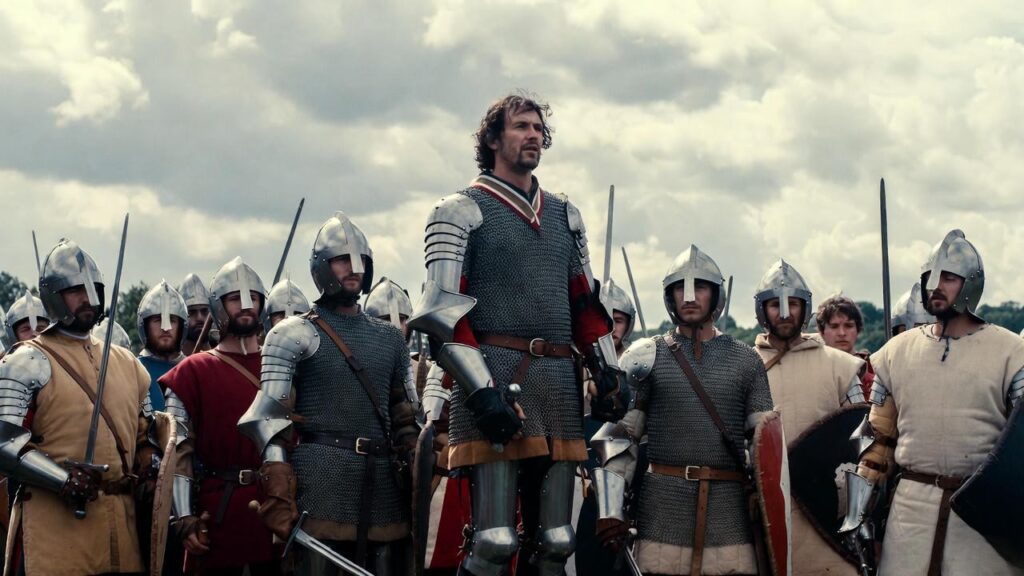
The historical gap between classic Elizabethan theater and modern streaming audiences has frequently been a matter of logistical scale. High-quality Shakespearean adaptations—the kind that capture the visceral mud of Agincourt in Henry V or the sweeping, tragic romance of Romeo and Juliet—require massive budgets, sprawling practical sets, and top-tier classically trained actors. Historically, these requirements severely limited the frequency and scale of such productions.
Netflix’s development of its primary East Coast production hub is not just a commercial real estate play; it is a structural revolution for literary adaptations. By constructing 12 state-of-the-art soundstages minutes from the Atlantic coast and just a short drive from Broadway’s elite theatrical talent pool, the studio is assembling the exact infrastructure needed to create immersive, high-budget cinematic universes. The future of classic literature on screen is expanding, and its new home is being built from the ground up in the Garden State.
The $1 Billion Game-Changer: Inside the Netflix Monmouth Mega-Studio
To understand the impact this facility will have on period pieces and literary cinema, one must look at the sheer unprecedented scale of the development. The shift from California-centric production to a massive East Coast footprint changes the calculus for what types of stories are greenlit by streaming executives.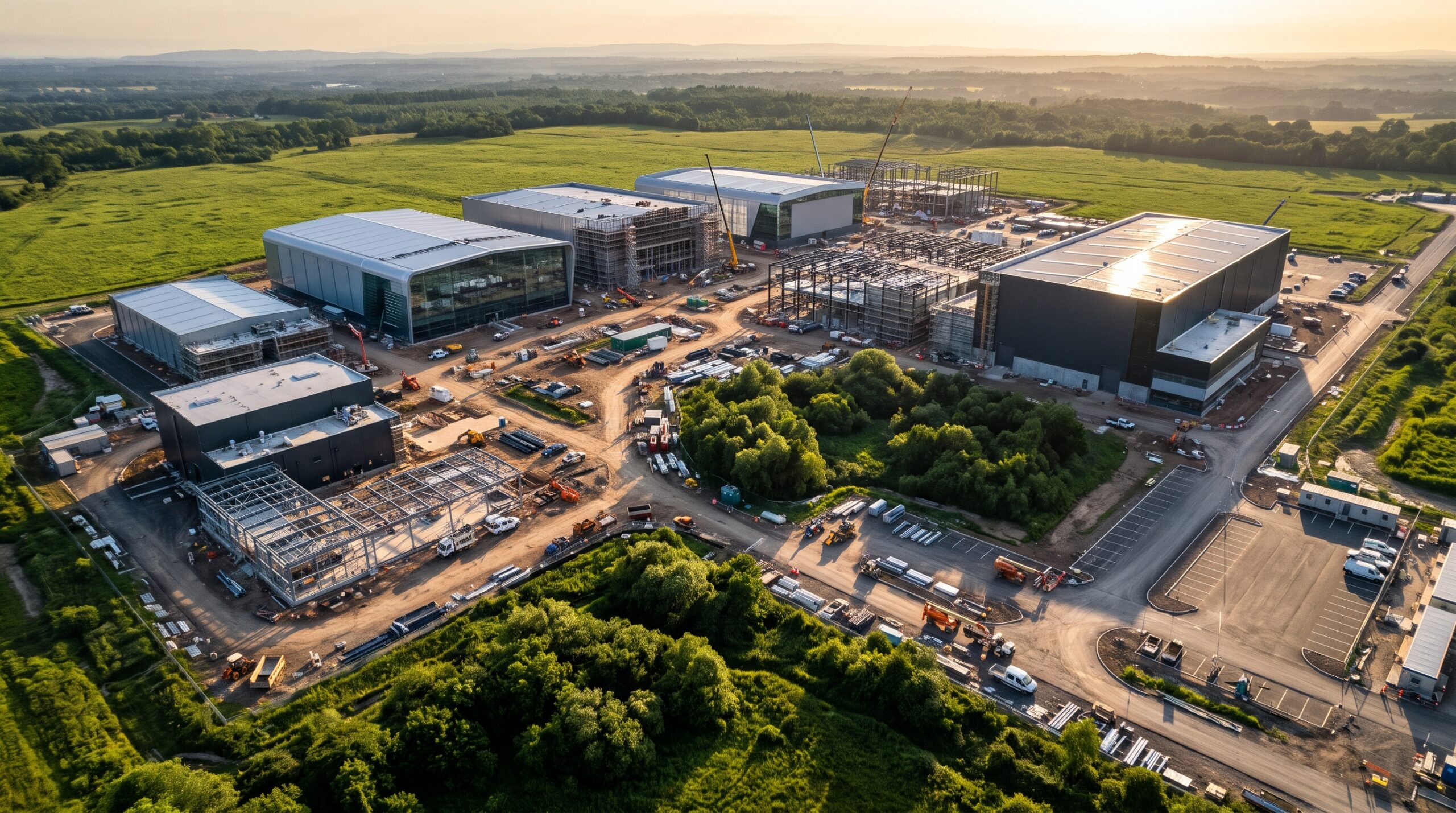
Breaking Down the 292-Acre Blueprint
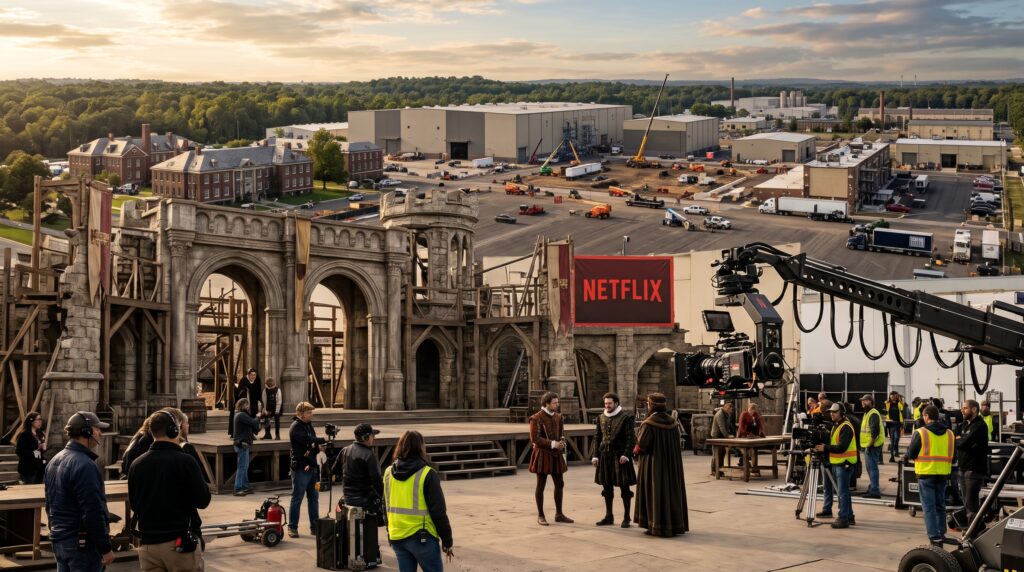
Slated to open around 2028, the sprawling complex represents a $1 billion capital investment designed to rival any major Hollywood lot. The blueprint features 12 massive soundstages that will provide nearly 500,000 square feet of dedicated production space, complemented by extensive post-production facilities, mill spaces for set construction, and expansive backlots.
For the production of classic theater, square footage translates directly to world-building capabilities. In the past, recreating the grandiose architecture of ancient Rome for Julius Caesar or the labyrinthine, ghostly halls of Elsinore for Hamlet required either prohibitive location-shooting budgets or heavy reliance on disconnected green screens. A 500,000-square-foot footprint allows for the simultaneous construction of massive, 360-degree practical sets. Directors can build immersive, tangible environments where actors can physically interact with their surroundings, grounding the elevated language of 17th-century verse in a gritty, tactile reality.
From Military Base to “Hollywood East”
The transformation of Fort Monmouth from a decommissioned U.S. Army installation into “Hollywood East” is a narrative of staggering economic and cultural renewal. The project is projected to generate roughly $4.6 billion in economic impact over its first two decades of operation.
This level of financial backing and long-term infrastructural commitment signifies a shift in content strategy. Mega-studios require mega-franchises and sweeping epics to justify their operational costs. Just as major studio lots historically sustained themselves through sweeping historical epics in the mid-20th century, modern streaming platforms utilize these massive spaces to produce visually spectacular, high-stakes narratives. The public domain status of Shakespeare’s entire folio, combined with its proven, timeless narrative structures, makes it an incredibly attractive intellectual property to feed into this new production powerhouse.
Proximity is Power: Bridging the NYC Stage and the Global Screen
Perhaps the most critical advantage of the New Jersey location is not the acreage itself, but its geographic coordinates. The logistics of casting heavily dictate the success or failure of a Shakespearean adaptation. The text demands performers who possess a mastery of iambic pentameter, vocal projection, and classical nuance.
Tapping into Broadway’s Elite Talent Pool
Located roughly an hour’s drive from lower Manhattan, the studio sits on the doorstep of the world’s greatest concentration of theatrical talent. New York City is the beating heart of classical stagecraft in the United States, home to Broadway, The Public Theater, and the legendary Shakespeare in the Park.
Previously, adapting a classic play for a major streaming service often meant flying an ensemble cast of New York or London-based stage actors out to Los Angeles or Eastern Europe for months at a time. This created scheduling conflicts, inflated travel budgets, and limited casting options. Now, streaming platforms can seamlessly recruit classically trained, Juilliard-educated talent who can shoot a high-budget screen adaptation in New Jersey during the day and return to their New York homes—or even their evening stage performances—by night. This proximity fundamentally removes the geographic friction that has long separated elite theatrical performers from mainstream blockbuster filmmaking.
Reducing Production Friction for High-End Adaptations
Classic literature relies heavily on ensemble casts. From the sprawling courts of warring kings to the intricate webs of conspiring senators, casting dozens of highly capable supporting actors is essential. By keeping production on the East Coast, the studio radically lowers the logistical barriers and accommodation costs for these massive cast and crew requirements.
When production friction decreases, creative risk tolerance increases. A streamlined, localized production pipeline makes it financially viable for streaming executives to greenlight bold, ambitious adaptations of the Bard’s work that might have previously been deemed too logistically complex or costly to execute on location.
The Evolution of Shakespeare on Screen in the Streaming Era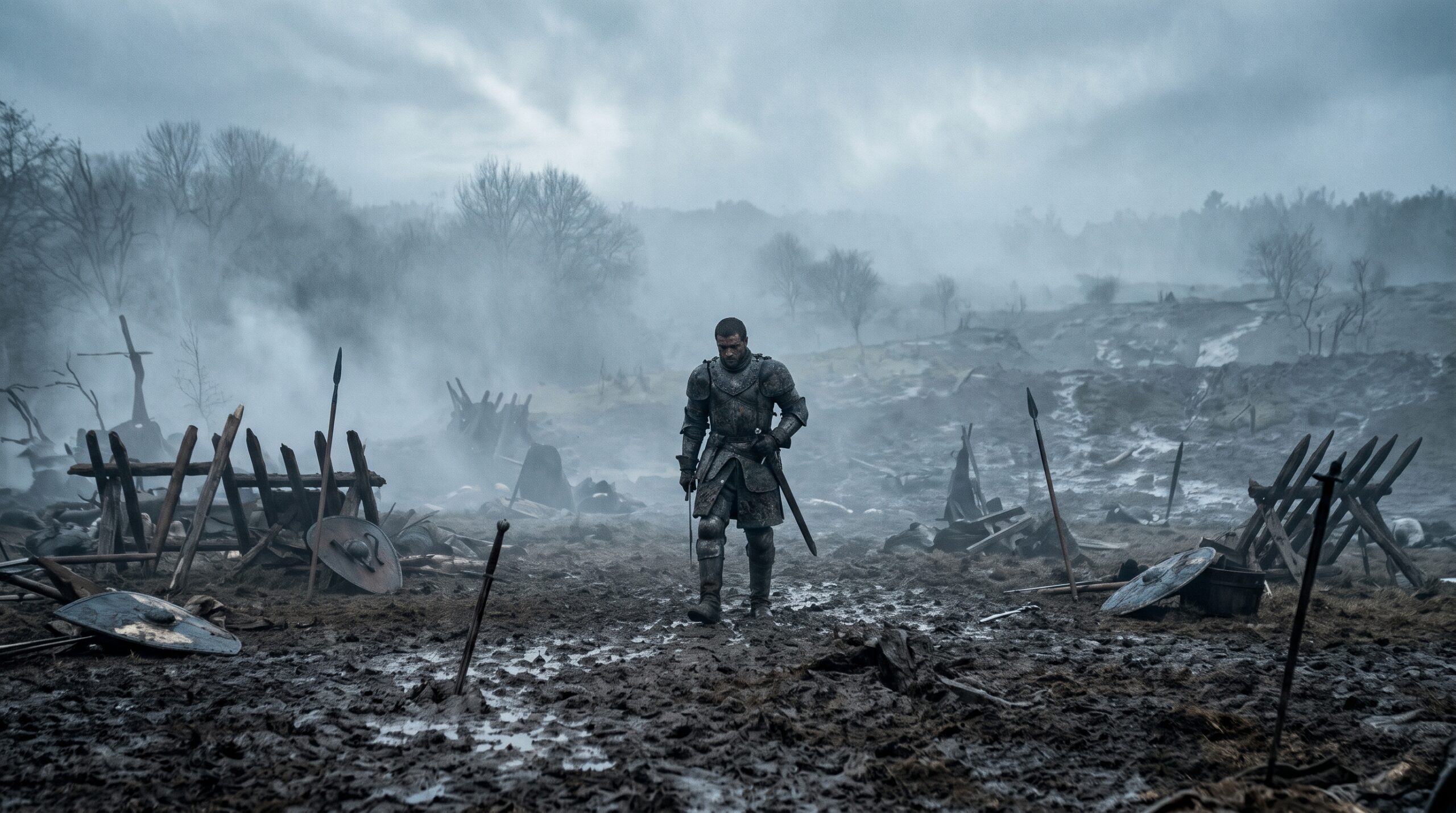
To grasp the magnitude of what the New Jersey mega-studio means for literary cinema, we must look at the current trajectory of the industry. The streaming era has fundamentally altered how audiences consume historical and period-based content, creating a voracious appetite for high-budget adaptations that look and feel like blockbuster events.
Beyond “The King”: The Appetite for Big-Budget Period Epics
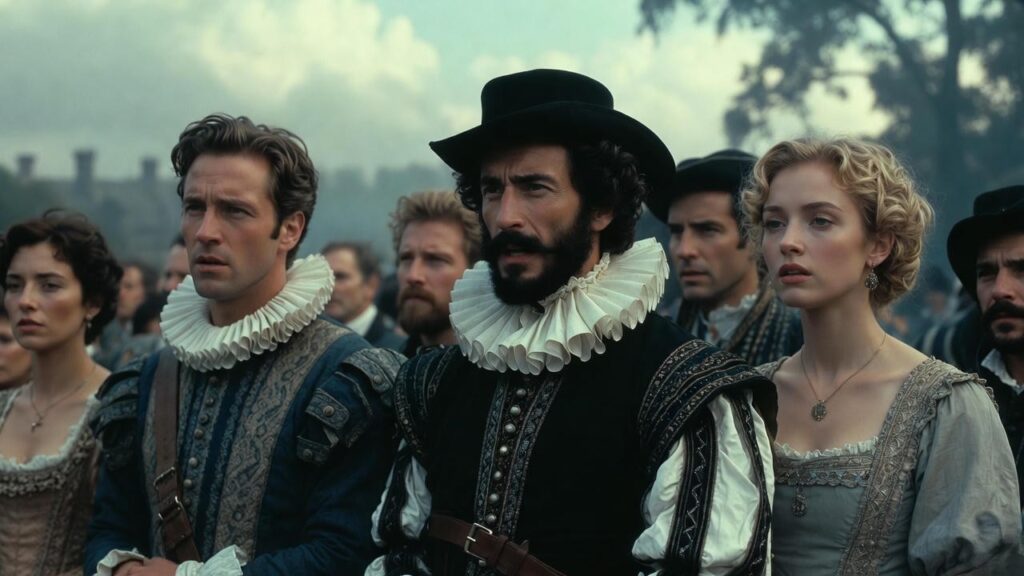
In recent years, streaming platforms and premium cable networks have tested the waters of high-budget literary and historical adaptations with remarkable success. Projects like David Michôd’s The King (starring Timothée Chalamet as Hal) or Joel Coen’s visually arresting The Tragedy of Macbeth (starring Denzel Washington) proved that modern audiences are hungry for gritty, visually spectacular takes on classic texts. However, these films are often treated as prestige anomalies rather than standard pipeline productions.
The barrier to entry has always been the immense cost of on-location historical shooting. But as global audiences increasingly flock to complex, character-driven period dramas—fueled by the success of pseudo-historical epics—the financial justification for adapting Shakespeare’s grandest plays grows stronger. The Bard’s portfolio offers royalty-free intellectual property filled with political intrigue, devastating betrayals, and massive battles that perfectly fit the binge-watching model.
Why 12 State-of-the-Art Soundstages Matter for Classic Theater
Shooting a film like Macbeth on location in the Scottish Highlands introduces massive variables: unpredictable weather, limited daylight, and grueling travel schedules. A controlled environment eliminates these risks.
With 12 state-of-the-art soundstages slated to open between 2027 and 2028, directors will have unprecedented control over the elemental factors of their productions. Soundstages allow cinematographers to sculpt the exact moody, atmospheric lighting required for a misty heath or a shadowy castle corridor. They permit the creation of a modernized, highly stylized aesthetic that brings a fresh, contemporary cinematic language to 400-year-old dialogue. Ultimately, these controlled environments lower the daily operational costs of shooting, making a three-hour adaptation of King Lear or a serialized, multi-season dive into the Wars of the Roses a viable, scalable business model.
Technological Innovations: Virtual Production and the Bard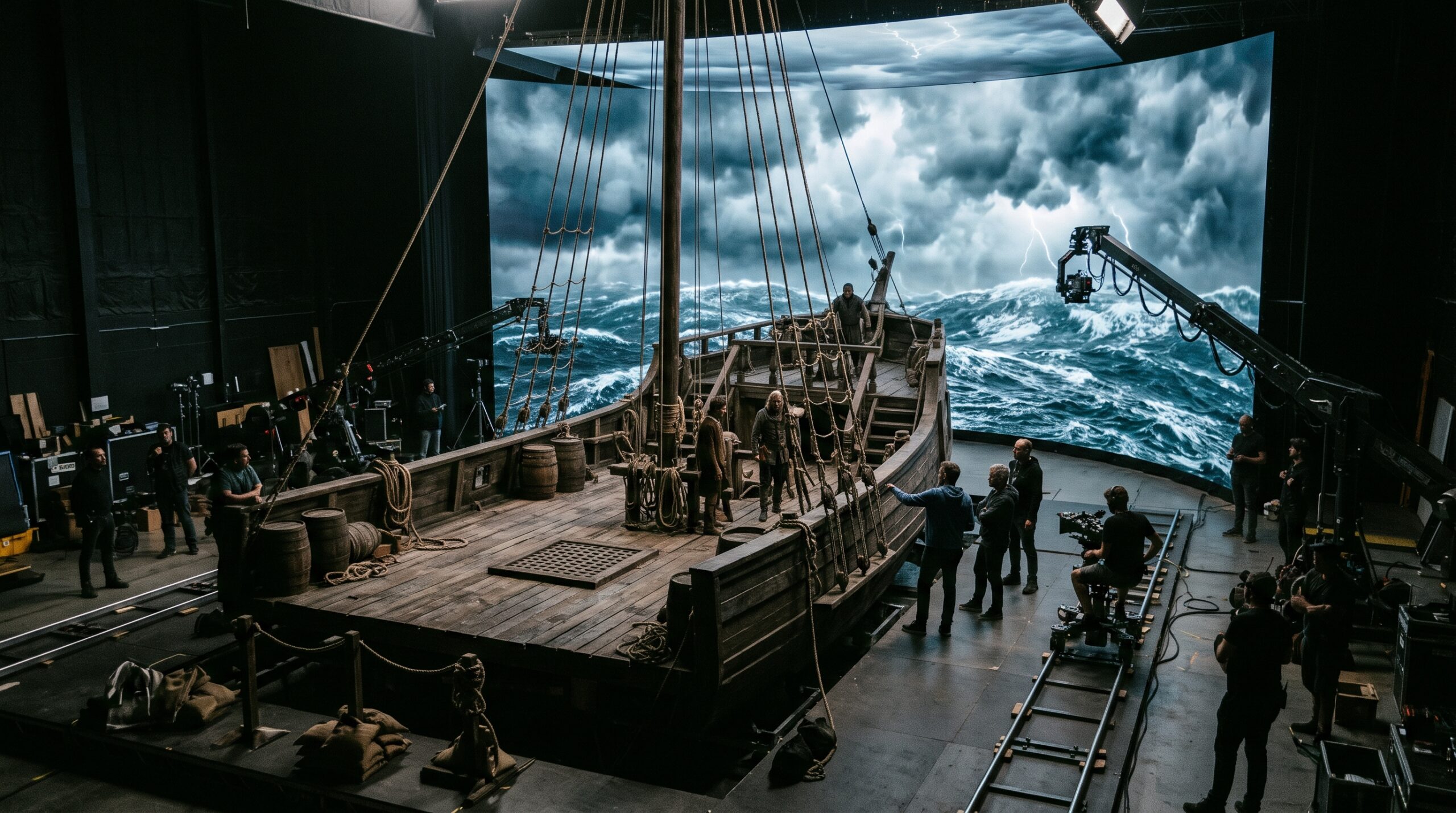
The intersection of classic literature and cutting-edge filmmaking technology is where the Monmouth facility will truly shine. By bringing the latest advancements in virtual production to the East Coast, the studio is poised to give Shakespeare a massive, 21st-century upgrade.
World-Building on a 500,000-Square-Foot Canvas
One of the most transformative technologies in modern filmmaking is the use of “The Volume”—massive LED virtual production walls that render photorealistic, 3D backgrounds in real-time. Originally popularized by The Mandalorian, this technology allows actors to perform in front of dynamic, reactive environments rather than blank green screens.
Imagine staging the magical, expansive forests of A Midsummer Night’s Dream or the tempestuous, ship-shattering seas of The Tempest entirely in-camera, inside a New Jersey soundstage. Virtual production technology allows filmmakers to create breathtaking, impossible vistas that would be far too expensive to build practically or dangerous to shoot on location. For Shakespearean actors, who thrive on reacting to their environment and scene partners, replacing green screens with immersive LED worlds helps ground their performances, elevating the emotional resonance of the text.
Blending Practical Sets with Cutting-Edge Visuals
The true magic happens when vast practical set builds are combined with high-end virtual production. The 500,000 square feet of production space at the Fort Monmouth campus means a production could physically build the grand wooden decks of a galleon, while the LED walls simulate a raging storm around them.
This hybrid approach—anchored by the post-production infrastructure planned for the campus—creates a richer, more tactile visual experience. It allows directors to honor the theatrical roots of Shakespeare’s plays by utilizing elaborate, physical stagecraft, while simultaneously employing blockbuster visual effects to scale the story for a global audience.
What This Means for Creators, Educators, and Literary Enthusiasts
For the core audience of literary analysts, educators, and Shakespeare enthusiasts, the ripple effects of this $1 billion investment will be felt far beyond the entertainment industry’s balance sheets.
A New Pipeline for Niche Storytellers
A dedicated East Coast hub opens unprecedented doors for indie directors, writers, and theatrical showrunners. Because the facility sits so close to New York’s vibrant indie theater and Off-Broadway scene, it serves as a natural bridge for diverse, emerging storytellers to pitch modern retellings of Shakespearean works. We are likely to see a surge of greenlit projects that recontextualize classic plays through new cultural lenses, utilizing the massive studio infrastructure to bring fresh, avant-garde theatrical visions to a mainstream streaming audience.
The Ripple Effect on Educational Content
For educators and literary content creators, this influx of high-budget adaptations is a goldmine. Visually stunning, modern cinema makes Shakespeare significantly more accessible to younger generations and students who might otherwise struggle with the archaic text.
When a major streaming adaptation drops, it creates a massive spike in search interest for character analyses, plot summaries, and thematic breakdowns. This provides platforms dedicated to classic literature with fresh, highly relevant material to analyze. As Netflix scales its production of period pieces in New Jersey, literary websites and educators will have a continuous stream of modern reference points to help decode the Bard’s genius for the digital age.
Expert Insights: Predictions for the Next Decade of Screen Adaptations
Industry experts and film historians have long noted that major investments in studio infrastructure historically correlate with a resurgence in sweeping, classic storytelling. We are witnessing the birth of the “Netflix Effect” on classic literature.
By centralizing production in a state heavily incentivized by film tax credits (specifically New Jersey’s Aspire program) and anchored by Broadway talent, the financial risk of adapting high-art literature is mitigated. Over the next decade, we can expect to see the cinematic “universe” treatment applied to classic theater. Just as comic books dominated the 2010s, interconnected historical epics—perhaps a sprawling, multi-film adaptation of the Henriad—could dominate the late 2020s and 2030s. The words of William Shakespeare are no longer confined to the wooden planks of the Globe; they are being armed with the budgets of blockbuster superheroes.
Frequently Asked Questions (FAQs)
When will the Netflix Monmouth studio officially open?
The Netflix Monmouth mega-studio is being developed in phases, with the first soundstages targeted to come online in 2027, and further expansion expected to be completed around 2028.
Why did Netflix choose New Jersey for its East Coast hub?
Netflix chose the Fort Monmouth location due to its massive 292-acre footprint, highly favorable state tax incentives for film production, and its crucial proximity to New York City’s elite acting and production talent pool.
Will Netflix produce more Shakespeare content at this facility?
While specific slates are kept under wraps, the combination of 12 massive soundstages designed for large-scale world-building and immediate access to Broadway’s classically trained actors makes the Fort Monmouth campus the ideal incubator for high-budget period pieces and epic literary adaptations.
The development of the Netflix Monmouth mega-studio is far more than a triumph of real estate or local economics; it is a profound structural shift for the entertainment industry that will inevitably alter the future of literary cinema. By bridging the gap between New York’s elite theatrical talent and Hollywood’s billion-dollar streaming budgets, this 292-acre campus is laying the foundation for a new era of classic storytelling. For lovers of William Shakespeare, the promise is clear: the Bard’s 400-year-old words are about to get a massive, visually spectacular upgrade, ensuring that these timeless stories will captivate global audiences for generations to come.