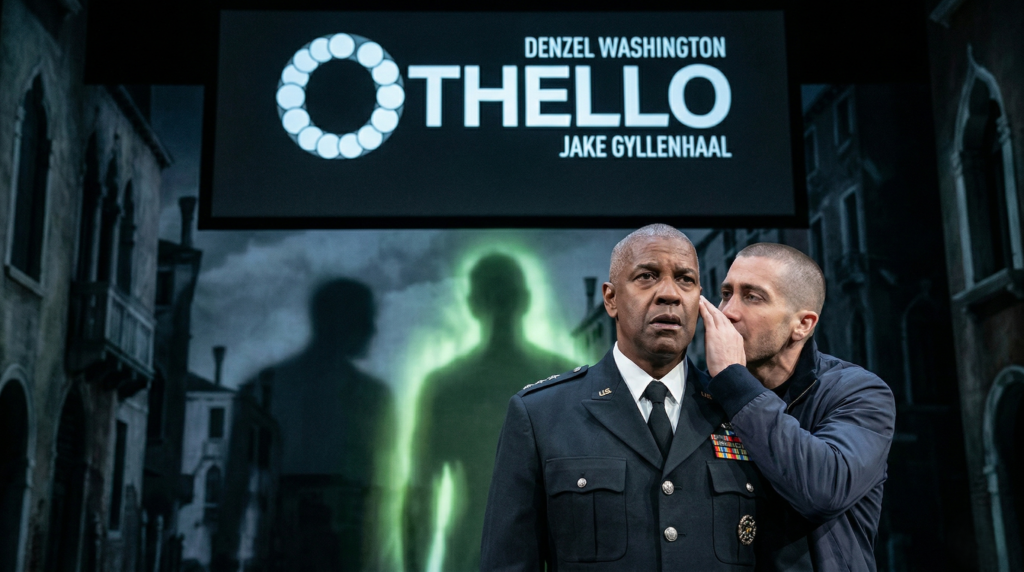
In an era when a single viral rumor can unravel a reputation overnight, Shakespeare’s Othello feels disturbingly modern. The Moorish general’s descent into jealous rage, orchestrated by his “honest” ensign Iago, mirrors the gaslighting, racial othering, and digital manipulation we witness daily. If you’re searching for the definitive othello movie—one that honors the play’s poetry while delivering cinematic power—this guide is for you.
As a scholar who has taught Shakespeare’s tragedies for over two decades and analyzed dozens of screen adaptations, I’ve curated the most authoritative ranking of Othello film versions. Whether you’re a student preparing for class, a theater lover seeking deeper insight, or a film buff craving psychological intensity, this comprehensive resource will help you choose the right adaptation and understand why it works. You’ll discover not just which Othello movie to watch first, but how each director illuminates the play’s timeless themes of race, jealousy, betrayal, and power.
By the end, you’ll have a clear viewing roadmap, expert analysis, and practical tools to transform passive watching into active appreciation—far beyond typical listicles or IMDb summaries. Let’s dive into the greatest screen interpretations of Shakespeare’s most explosive tragedy.
Why Shakespeare’s Othello Remains a 21st-Century Masterpiece
Shakespeare wrote Othello around 1603–1604, yet its central conflicts resonate louder than ever in 2026. Cancel culture, online disinformation, and conversations about systemic racism have made the play’s exploration of “otherness” painfully relevant. Iago doesn’t need magic or violence; he weaponizes suggestion, much like today’s algorithmic echo chambers.
The tragedy also probes universal human weaknesses: unchecked jealousy (“the green-eyed monster”), fragile masculinity, and the destructive power of lies told by those we trust most. Directors across decades have recognized this potency, using film to amplify Shakespeare’s verse in ways the Elizabethan stage never could—close-ups on trembling hands, sweeping Mediterranean vistas, or stark modern offices that expose raw emotion.
Watching a strong Othello movie doesn’t replace reading the play; it deepens it. You hear the iambic pentameter delivered with natural inflection, see the handkerchief’s symbolic weight visualized, and witness actors embodying motivations that page-bound analysis can only describe. This guide exists precisely because audiences need more than scattered recommendations—they need context, comparison, and insight to select the version that best serves their goals, whether scholarly, emotional, or purely entertaining.
Understanding Shakespeare’s Othello: A Concise Primer for Film Viewers
Before exploring the adaptations, a quick, spoiler-light foundation ensures every reader starts on equal footing.
Othello opens in Venice. The noble Moorish general Othello has secretly married Desdemona, the daughter of a Venetian senator. His ensign Iago, passed over for promotion in favor of the younger Cassio, vows revenge. Through a meticulously orchestrated campaign of false evidence and insinuation, Iago convinces Othello that Desdemona is unfaithful with Cassio. What follows is a domestic tragedy of epic proportions: murder, suicide, and the collapse of a once-great man.
Key characters drive the psychological engine:
- Othello – Noble yet insecure outsider whose military prowess masks vulnerability.
- Iago – Shakespeare’s most chilling villain, a master of deception who never once breaks the fourth wall in most adaptations.
- Desdemona – Innocent yet assertive, whose virtue becomes her downfall.
- Emilia – Iago’s wife, whose late awakening provides the play’s moral climax.
- Cassio – Honorable lieutenant whose reputation Iago destroys as collateral damage.
Written shortly after Hamlet, the play blends political intrigue with intimate betrayal. Elizabethan audiences viewed Moors through a lens of exoticism and suspicion; modern viewers see a Black protagonist navigating a white power structure. This tension is precisely why casting and directorial choices in Othello movies carry such weight.
The Unique Challenges of Bringing Othello to the Screen
Adapting Othello demands solving three major problems. First, the play’s 3,000+ lines of dense verse must compress into roughly two hours without losing emotional or poetic force. Second, the “Othello problem”—race—has haunted productions for centuries. Early films often resorted to blackface; later ones grapple with authentic representation. Third, directors must decide whether to remain faithful to the text or reimagine it for contemporary audiences.
From Orson Welles’ experimental black-and-white masterpiece to modern updates relocating the action to high-school basketball courts or London police stations, each adaptation reveals different facets of the original. The best ones don’t merely illustrate the play—they interpret it, making Shakespeare accessible while honoring his genius. This evolution from stage-bound recordings to bold cinematic statements is what makes the history of Othello movies so fascinating.
The Best Othello Movie Adaptations: Ranked and Expertly Reviewed
After decades of study and repeated viewings, here is my definitive ranking of the strongest Othello film adaptations, evaluated for textual fidelity, performances, directorial vision, cultural impact, and rewatch value.
Othello (1952) – Orson Welles’ Cinematic Masterpiece Orson Welles’ four-year guerrilla production remains a towering achievement in independent filmmaking. Shot across Morocco, Italy, and other locations on a shoestring budget, the film employs expressionistic black-and-white cinematography—shadows, mirrors, and labyrinthine architecture—to externalize Othello’s fracturing mind.
Welles himself plays the Moor with volcanic intensity, while Micheál Mac Liammóir delivers a serpentine Iago. The editing is jagged and poetic, mirroring the play’s psychological chaos. Critics at the time awarded it the Grand Prix at Cannes, and the Criterion Collection restoration (still available in 2026) reveals breathtaking visual detail.
Strengths: Bold artistry, unmatched atmosphere, psychological depth. Weaknesses: Heavily cut text; some dubbing issues in original releases. Best for: Art-house enthusiasts and those who value directorial genius over literal fidelity. Legacy: Often cited as one of the greatest Shakespeare films ever made, with a 90% Rotten Tomatoes score reflecting enduring critical admiration.
Othello (1965) – Laurence Olivier’s Controversial Classic Filmed as a record of the National Theatre production, this color version captures Olivier’s legendary performance. His Othello—complete with darkened skin and vocal stylings that feel dated today—remains a masterclass in physical transformation and vocal power. Maggie Smith’s Desdemona and Frank Finlay’s Iago provide sterling support, earning Oscar nominations.
While modern audiences rightly critique the blackface, the film stands as a historical benchmark of mid-20th-century British classical acting. It preserves nearly the full text and demonstrates how stage energy can translate to screen when direction respects the source.
Othello (1990) – Trevor Nunn’s RSC Television Triumph Many scholars, including myself, consider this the most satisfying filmed version for serious students. Directed by Trevor Nunn for television, it stars opera singer Willard White as a commanding Othello and Ian McKellen as a chillingly understated Iago. Shot in a Civil War-era military setting with near-complete text, the production feels intimate yet epic.
McKellen’s Iago is a revelation—quiet, plausible, terrifying in his banality. The 1990 adaptation rewards multiple viewings, revealing layers of manipulation that casual viewers miss on first pass. Available on major platforms in 2026, it remains essential viewing.
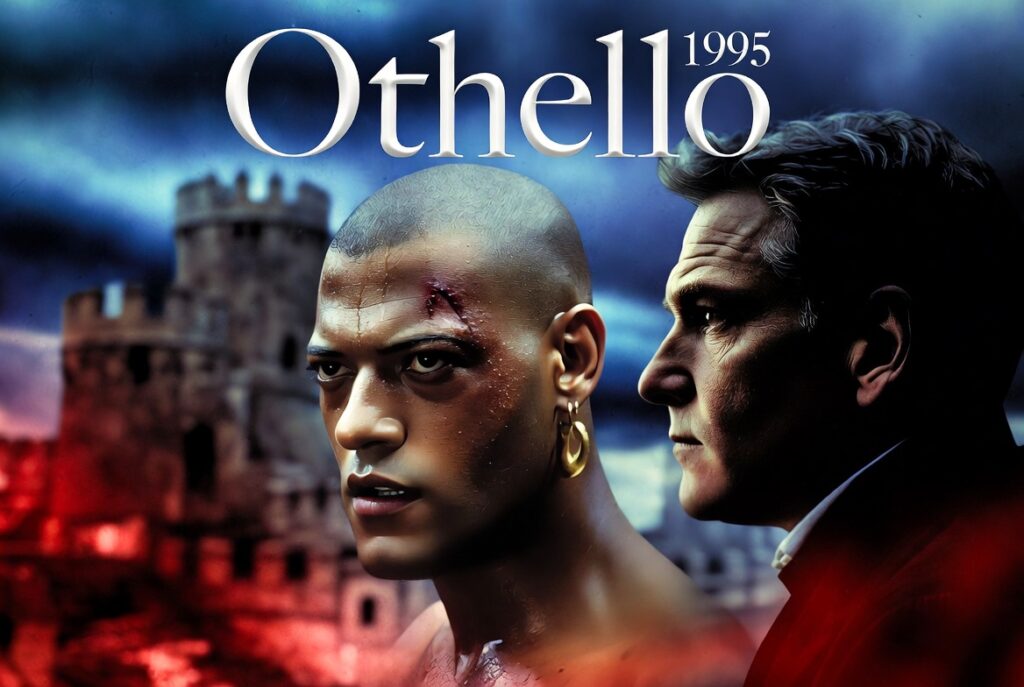
Othello (1995) – Oliver Parker’s Accessible Modern Benchmark Laurence Fishburne became the first major Black actor to play Othello on film in a major studio release, opposite Kenneth Branagh’s dangerously charming Iago and Irène Jacob’s luminous Desdemona. Parker’s direction favors naturalistic delivery, lush Cyprus locations, and subtle fantasy sequences that visualize Othello’s jealous hallucinations.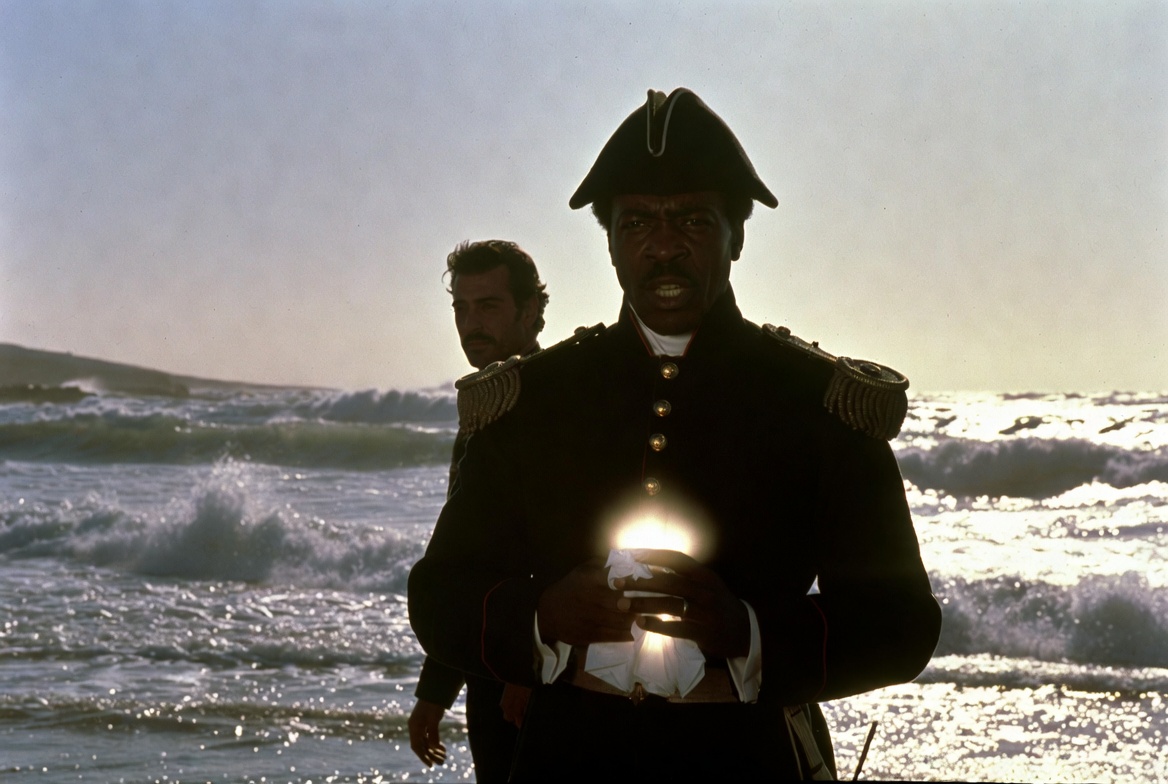
The film strikes an ideal balance: faithful enough for purists, accessible enough for newcomers. Its 68% Rotten Tomatoes score reflects strong performances rather than flawless execution, but Fishburne and Branagh’s chemistry elevates every scene. This is frequently the recommended first Othello movie for general audiences.
Modern Retellings That Capture Othello’s Spirit
- O (2001): Tim Blake Nelson transplants the tragedy to an elite American prep school basketball team. Mekhi Phifer’s Odin, Josh Hartnett’s Hugo (Iago), and Julia Stiles’ Desi deliver raw, youthful intensity. The film’s 63% Rotten Tomatoes score belies its cultural impact; it makes jealousy and racial tension feel immediate for teen viewers.
- Othello (2001 TV): Andrew Davies updates the story to a contemporary London police force. Eamonn Walker’s Othello and Christopher Eccleston’s Iago (renamed Ben Jago) crackle with modern racial and professional tensions. This version proves the play’s themes require no Elizabethan trappings to devastate.
International Gems Worth Discovering Vishal Bhardwaj’s Omkara (2006) relocates the action to the political underworld of Uttar Pradesh, India. Ajay Devgn’s Omkara, Saif Ali Khan’s Langda Tyagi (Iago), and Kareena Kapoor’s Dolly deliver a Bollywood-infused tragedy of honor and betrayal. With an 8.0 IMDb rating and powerful musical score, it stands as one of the most inventive global adaptations.
Head-to-Head Comparison: Which Othello Movie Should You Watch First?
| Adaptation | Text Fidelity | Race/Jealousy Handling | Visual Style | Runtime | Best For | Streaming (2026) |
|---|---|---|---|---|---|---|
| Welles (1952) | Medium | Symbolic | Expressionist B&W | 91 min | Artistic vision | Criterion Channel, Roku free |
| Olivier (1965) | High | Problematic by today’s standards | Stage-like color | 165 min | Historical acting study | YouTube, DVD/Blu-ray |
| Nunn (1990) | Very High | Strong, authentic | Theatrical realism | 205 min | Scholars & deep analysis | Prime Video, YouTube |
| Parker (1995) | High | Groundbreaking | Cinematic realism | 123 min | First-time viewers | Prime Video, Apple TV, rent |
| O (2001) | Loose | Modern racial lens | High-school drama | 91 min | Teens & newcomers | Paramount+, Hulu, fuboTV |
| 2001 TV | Medium-High | Contemporary relevance | Police procedural | 100 min | Modern relevance | fuboTV |
| Omkara (2006) | Loose | Cultural transposition | Bollywood intensity | 155 min | International cinema fans | Prime Video, Eros Now |
Quick decision guide: New to Shakespeare? Start with the 1995 Parker version. Seeking scholarly depth? Choose Nunn 1990. Craving bold cinema? Welles 1952.
How the Best Adaptations Illuminate Shakespeare’s Key Themes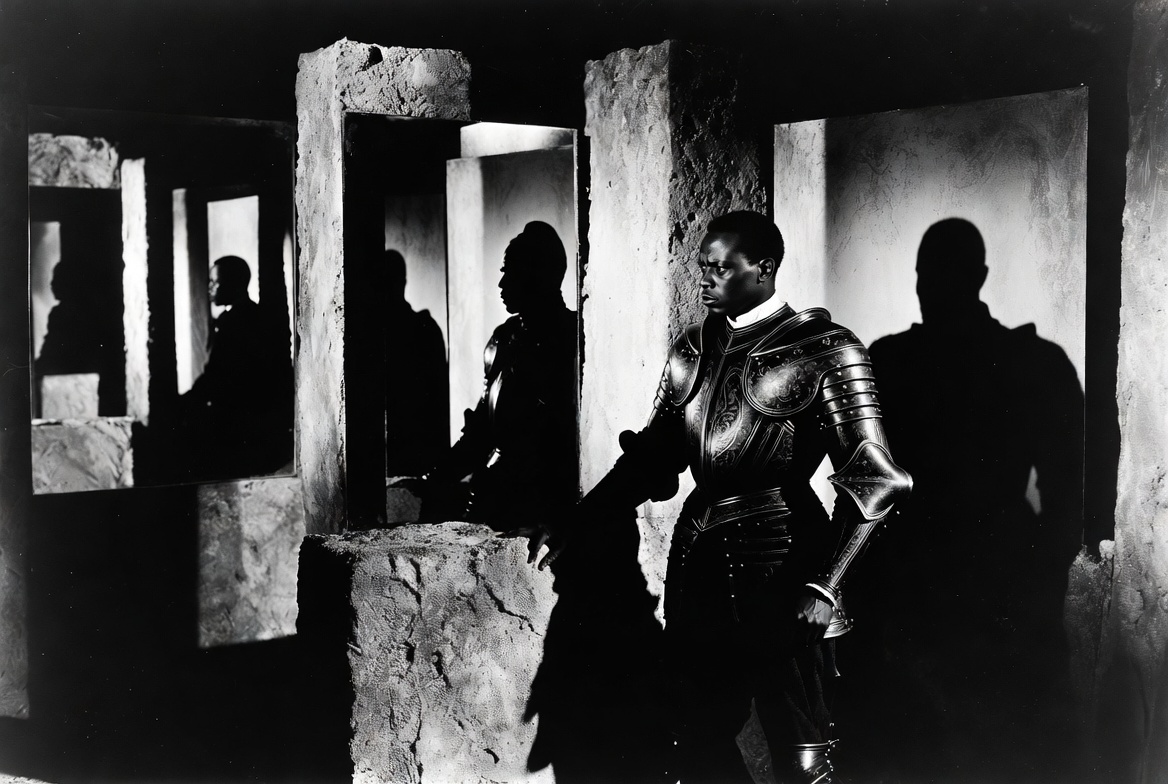
Race, Otherness, and Identity Welles uses shadow and silhouette to make Othello an eternal outsider; Fishburne brings lived Black experience to the role, changing how audiences interpret the character’s insecurities.
The Green-Eyed Monster – Jealousy and Gaslighting McKellen’s Iago whispers poison with chilling restraint; Branagh’s smiles through every lie. Each performance reveals new tactics in Iago’s playbook.
Gender, Power, and Domestic Tragedy Emilia’s final speech gains devastating force in every strong production, exposing the patriarchal structures that enable Iago’s scheme.
These films don’t merely retell the story—they reinterpret it for new generations, proving Shakespeare’s text contains infinite layers.
Practical Tips for Watching and Teaching Othello Movies
- Read key scenes (the handkerchief exchange, Act 3 Scene 3) before watching.
- Use subtitles for Shakespearean language.
- Watch with a notebook—note directorial choices that surprise you.
- For classrooms: pair Nunn’s version with the text for line-by-line comparison, then contrast with O for thematic discussion.
- Avoid judging older films solely by 2026 standards; contextualize blackface performances historically while celebrating progress in diverse casting.
Where to Watch the Top Othello Films in 2026
As of April 2026:
- Welles (1952): Criterion Channel (subscription), free with ads on The Roku Channel, Shout! Factory TV, YouTube Free; rent on Fandango at Home.
- Nunn (1990): Prime Video, full versions on YouTube.
- Parker (1995): Prime Video, Apple TV, Fandango at Home (rent/buy).
- O (2001): Paramount+, Hulu, fuboTV.
- 2001 TV: fuboTV.
- Olivier (1965): Primarily YouTube and physical media.
- Omkara: Prime Video, Eros Now.
Always choose legal platforms to support restorations and future adaptations. Many libraries offer Criterion editions on Blu-ray for superior picture and bonus features.
Frequently Asked Questions About Othello Movies
Is the 1995 Othello movie faithful to Shakespeare? Yes—Oliver Parker keeps most major scenes while trimming for pacing. It’s one of the most accessible yet respectful versions.
Which version has the best Iago? Ian McKellen (1990) for subtlety; Kenneth Branagh (1995) for charisma; Saif Ali Khan in Omkara for raw menace. Personal taste decides.
Should I avoid blackface-era adaptations? Approach them with historical context. Welles and Olivier offer artistic value, but Nunn, Parker, and modern retellings provide more inclusive perspectives.
How does O compare to the original play? It captures the emotional core brilliantly while updating setting and slang. Excellent for introducing teens to Shakespeare.
What is the most accurate Othello film? Trevor Nunn’s 1990 RSC version comes closest to the full text in a screen-friendly format.
Are there any new Othello movies in 2026? National Theatre Live and other stage recordings continue to appear, but the classics above remain the gold standard for cinematic adaptations.
Shakespeare’s Othello endures because its truths about human nature never age. The greatest Othello movies don’t merely adapt the text—they breathe new life into it, helping us see our own world more clearly. Whether you begin with Orson Welles’ visionary shadows, Laurence Fishburne’s groundbreaking dignity, or Ian McKellen’s ice-cold Iago, each film rewards close attention and repeated viewings.
After watching, return to the play itself. The verse will sing differently once you’ve heard it embodied on screen. Which Othello movie will you watch first? Share your favorite adaptation or discovery in the comments below—I read every one and often reply with additional recommendations.
For more expert guidance on Shakespeare on screen, explore our guides to Hamlet film adaptations, Macbeth movies, and the best Romeo and Juliet versions. The conversation—and the tragedy—continues.