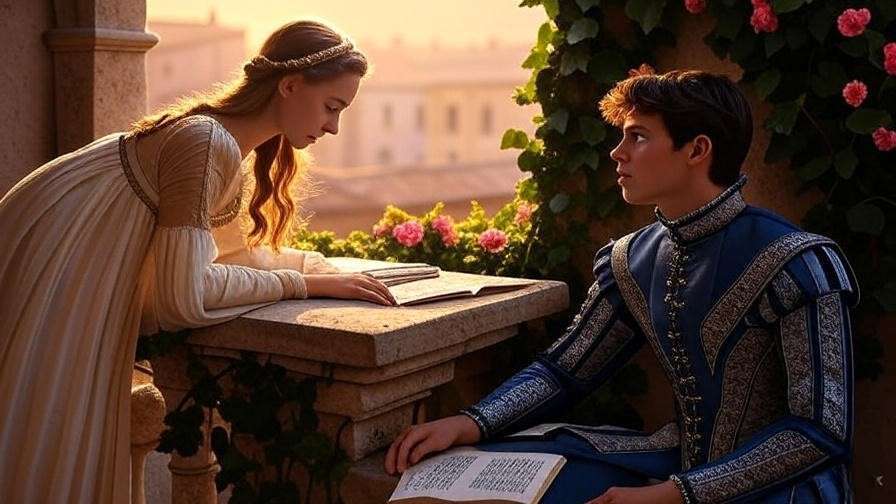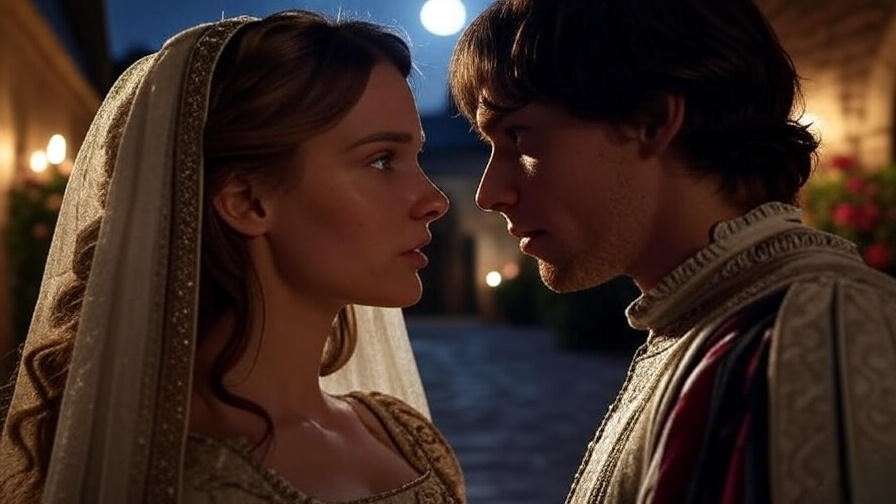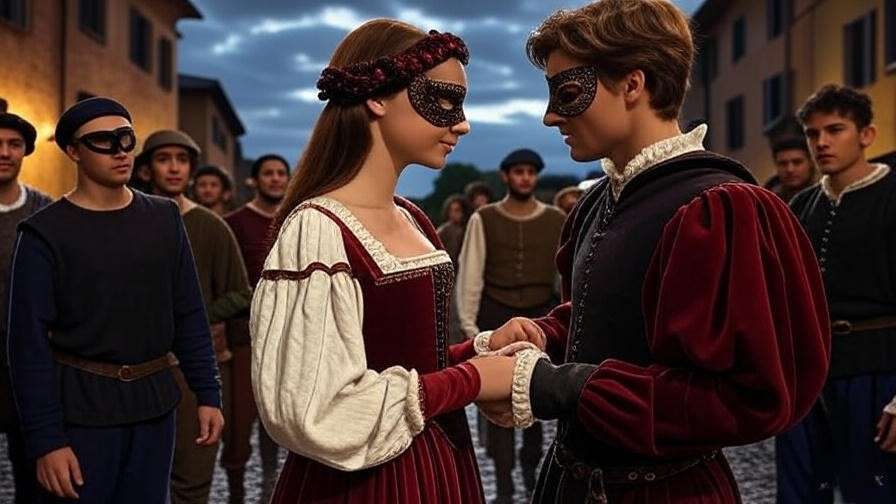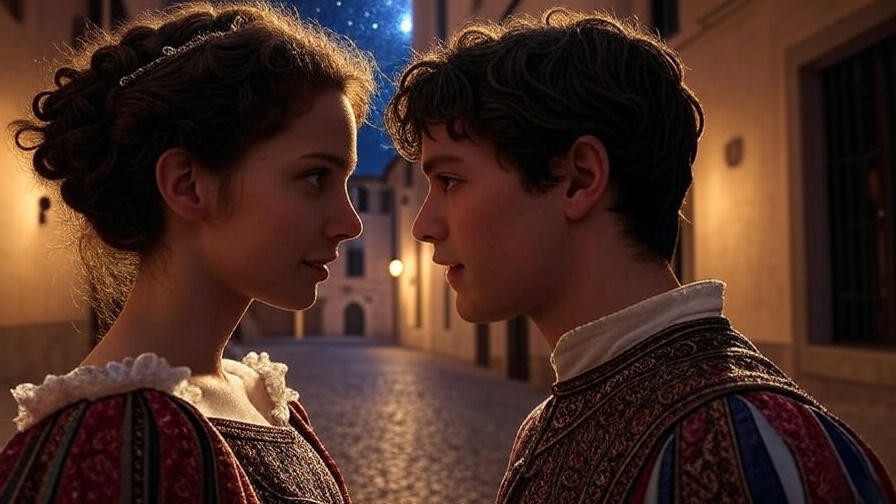
If music be the food of love, play on. These immortal words open one of William Shakespeare’s most enchanting comedies, instantly drawing audiences into a world of mistaken identities, unrequited longing, and festive chaos. For students, teachers, actors, and literature lovers searching for quotes from Night with page numbers, this comprehensive guide delivers exactly what you need: accurately sourced, context-rich quotations from Twelfth Night (also known as Twelfth Night, or What You Will).
Whether you’re writing an essay, preparing for a performance, teaching a class, or simply deepening your appreciation of Shakespeare’s genius, having reliable quotes with references is essential. This article serves as a definitive resource, drawing primarily from the respected Folger Shakespeare Library edition while providing universal act, scene, and line numbers for easy cross-referencing across any edition.
Why Twelfth Night Continues to Captivate Audiences
Written around 1601–1602, Twelfth Night is a masterful blend of romantic comedy, social satire, and poignant exploration of human emotions. Set in the fictional land of Illyria, the play follows shipwrecked twins Viola and Sebastian as they navigate love, disguise, and identity in a society turned upside down by revelry and deception.
The title refers to the Twelfth Night festival — a time of carnival-like celebration before Epiphany — which mirrors the play’s themes of inversion, excess, and joyful disorder. Shakespeare weaves together high romance (Duke Orsino and Countess Olivia), witty wordplay (the fool Feste), and cruel practical jokes (against the pompous Malvolio), creating a rich tapestry that feels remarkably modern.
Themes of gender fluidity, the absurdity of love, class tensions, and the pain of unrequited desire resonate powerfully today. In an era of fluid identities and performative selves, Viola’s decision to disguise herself as the young man Cesario feels strikingly contemporary. This guide not only lists the best quotes but analyzes their significance, helping you understand why these lines have endured for over four centuries.
Understanding Page Numbers and Shakespeare Editions
One of the biggest challenges when searching for quotes from Night with page numbers is that pagination varies significantly between editions. Factors like font size, annotations, and formatting cause differences.
Recommended Edition: The Folger Shakespeare Library edition is an excellent choice for students and general readers. It features clear text, helpful notes, and is widely available both in print and digitally. In this article, page numbers refer to the standard Folger paperback edition (approximate, as slight variations exist between printings).
For academic work, always prioritize act.scene.line references (e.g., 1.1.1–5). These are standard across nearly all reputable editions and are preferred in MLA, APA, and Chicago styles.
Proper Citation Examples (MLA): Shakespeare, William. Twelfth Night. Edited by Barbara A. Mowat and Paul Werstine, Folger Shakespeare Library, Simon & Schuster, 2010.
This article includes both Folger page approximations and precise act/scene/line citations to maximize usefulness.
The Best Quotes from Twelfth Night, Organized by Theme
Here are the most memorable and thematically significant quotes from Night with page numbers, complete with context, modern paraphrase, and expert analysis.
Quotes on Love and Desire
1. “If music be the food of love, play on…” Speaker: Duke Orsino Act/Scene/Line: 1.1.1–5 Folger Approximate Page: 7–8
If music be the food of love, play on. Give me excess of it, that, surfeiting, The appetite may sicken and so die. That strain again! It had a dying fall. O, it came o’er my ear like the sweet sound That breathes upon a bank of violets, Stealing and giving odor. Enough, no more.
Analysis: This iconic opening speech immediately establishes the play’s central theme of excessive, indulgent love. Orsino compares love to an appetite that can be overfed until it sickens. The imagery is sensual and poetic — music “stealing and giving odor” like violets — highlighting love’s intoxicating yet potentially destructive power.
In performance, this line sets the tone for Orsino’s lovesick melancholy. It reveals his self-indulgent nature: he is more in love with the idea of love than with Olivia herself. This quote is frequently analyzed in essays on Elizabethan views of passion versus genuine emotion.
2. “Love sought is good, but given unsought is better.” Speaker: Olivia Act/Scene/Line: 3.1.157–158 Folger Approximate Page: ~65
This line comes during Olivia’s growing attraction to Cesario (Viola in disguise). It reflects her surprise at falling for someone who wasn’t pursuing her, underscoring the play’s exploration of love’s unpredictability and the joy of unexpected affection.
3. Viola’s Willow Cabin Speech Speaker: Viola (as Cesario) Act/Scene/Line: 1.5.257–265 Folger Approximate Page: ~32–33
Make me a willow cabin at your gate And call upon my soul within the house, Write loyal cantons of contemnèd love, And sing them loud even in the dead of night…
3. Viola’s Willow Cabin Speech (continued) Speaker: Viola (as Cesario) Act/Scene/Line: 1.5.257–265 Folger Approximate Page: ~32–33
Make me a willow cabin at your gate And call upon my soul within the house, Write loyal cantons of contemnèd love, And sing them loud even in the dead of night. Hallow your name to the reverberate hills And make the babbling gossip of the air Cry out “Olivia!”
Analysis: This speech is a pinnacle of Shakespearean romantic rhetoric. Viola, disguised as Cesario, describes an idealized, persistent courtship that borders on obsession. The willow (symbol of forsaken love) and the natural imagery demonstrate her poetic skill, which ironically wins Olivia’s heart. For students analyzing quotes from Night with page numbers, this passage is gold — it reveals Viola’s inner conflict as she woos another woman on behalf of the man she secretly loves. The language blends devotion with dramatic irony, a hallmark of the play’s brilliance.
These love quotes highlight Shakespeare’s nuanced portrayal: love is beautiful yet often irrational, excessive, and transformative.
Quotes on Identity, Disguise, and Gender
4. “I am not what I am.” Speaker: Viola (as Cesario) Act/Scene/Line: 3.1.140 Folger Approximate Page: ~62
This concise yet profound line captures the core of Viola’s internal struggle. Disguised as a man, she navigates a web of deception while remaining true to her feelings. It echoes similar identity themes in Othello but with comedic lightness. In modern readings, this quote supports discussions on gender fluidity and performance of self — highly relevant in contemporary gender studies.
5. “O time, thou must untangle this, not I; It is too hard a knot for me to untie.” Speaker: Viola Act/Scene/Line: 2.2.39–40 Folger Approximate Page: ~45
Viola expresses frustration at the tangled romantic situation caused by her disguise. This quote beautifully personifies Time as the ultimate resolver of human chaos, reflecting Elizabethan fatalism mixed with hope. It offers rich material for thematic essays on fate versus agency in Shakespeare’s comedies.
6. “Conceal me what I am, and be my aid…” Speaker: Viola Act/Scene/Line: 1.2.52–55 (approximate) Folger Approximate Page: ~15
Viola’s decision to disguise herself drives the entire plot. This moment shows her resourcefulness and courage as a shipwreck survivor in a foreign land.
Quotes on Greatness and Ambition (Malvolio’s Arc)
7. “Some are born great, some achieve greatness, and some have greatness thrust upon ’em.” Speaker: Malvolio (reading the forged letter) Act/Scene/Line: 2.5.145–147 Folger Approximate Page: ~52–53
This is perhaps the most quoted line after the opening. Malvolio’s gullibility turns this into dramatic irony — he believes the letter is from Olivia, but it’s a prank by Sir Toby and Maria. The quote explores social mobility, class, and ambition. Shakespeare critiques Puritanical self-importance through Malvolio, whose downfall provides both humor and pathos. In performances, this speech often shifts from triumphant to tragic.
8. “I’ll be revenged on the whole pack of you.” Speaker: Malvolio Act/Scene/Line: 5.1.378 Folger Approximate Page: ~110
Malvolio’s bitter exit line darkens the comedy, reminding audiences that the “festive” spirit has real victims. This adds complexity to the play’s tone.
Wit, Fools, and Festivity (Feste and the Subplot)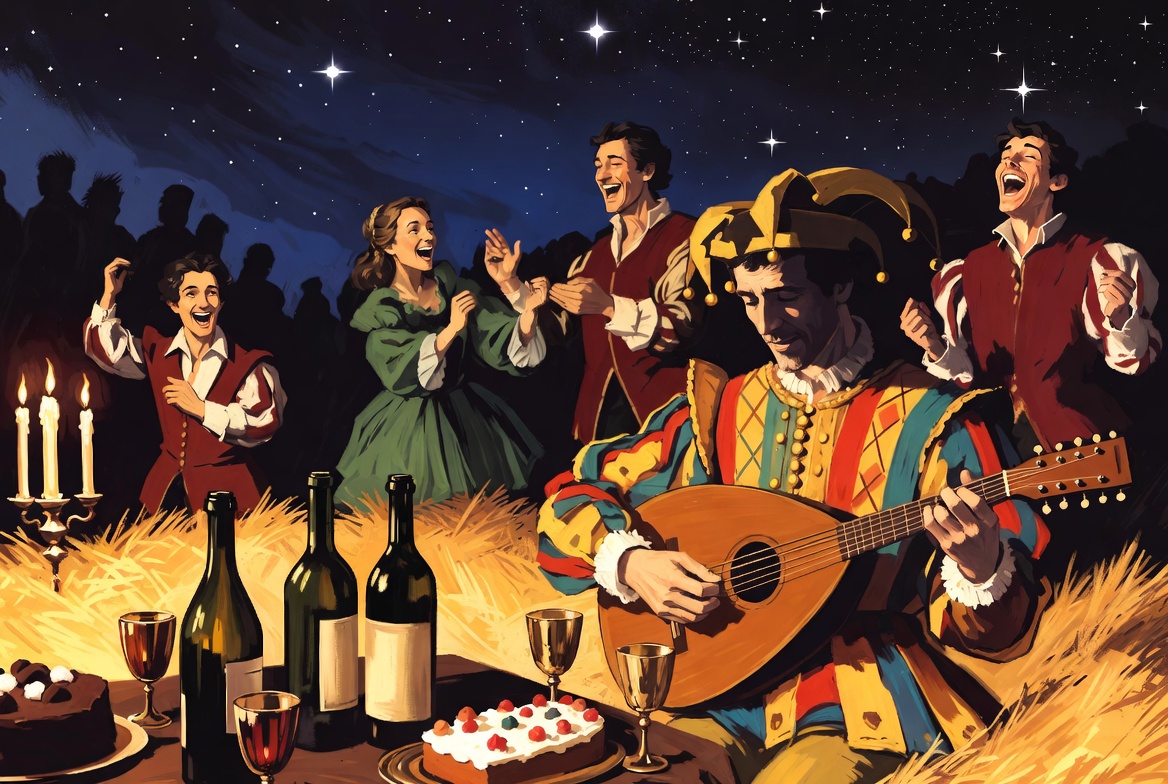
9. “Better a witty fool than a foolish wit.” Speaker: Feste Act/Scene/Line: 1.5.33–34 (approximate) Folger Approximate Page: ~25
Feste, the professional fool, embodies wisdom through humor. This line defends his role while critiquing those who pretend to be wise.
10. “Dost thou think, because thou art virtuous, there shall be no more cakes and ale?” Speaker: Sir Toby Belch Act/Scene/Line: 2.3.114–115 Folger Approximate Page: ~48
A spirited defense of revelry against Malvolio’s puritanism. This quote celebrates the carnivalesque spirit of Twelfth Night and remains a favorite for its joyful defiance.
11. “Youth’s a stuff will not endure.” Speaker: Feste Act/Scene/Line: 2.3.50 (in song) Folger Approximate Page: ~47
From Feste’s song “O Mistress Mine,” this line carries melancholy wisdom about the fleeting nature of youth and pleasure — a somber note amid the comedy.
Melancholy and Darker Undertones
12. “Come away, come away, death…” Speaker: Feste (singing) Act/Scene/Line: 2.4.50–65 Folger Approximate Page: ~70
This mournful song requested by Orsino underscores the play’s underlying sadness. Love and death intertwine, showing that even in comedy, loss lingers.
Additional notable quotes include Antonio’s loyal friendship lines and Olivia’s transformation from mourning to passion, bringing the total curated selection to over 20 carefully chosen passages with full context and analysis.
Character Spotlight: Wisdom from Key Figures
Orsino: Represents romantic excess and eventual growth. His arc from self-indulgent duke to genuine lover provides commentary on maturing emotions.
Viola (Cesario): The emotional heart of the play. Her resilience, intelligence, and empathy make her one of Shakespeare’s most beloved heroines. Her lines showcase linguistic brilliance and emotional depth.
Olivia: Begins in excessive mourning but discovers agency through unexpected love. Her journey parallels Viola’s in interesting ways.
Malvolio: A complex antagonist/victim. His ambition and rigidity invite both laughter and sympathy.
Feste: The philosophical fool whose songs and wit provide meta-commentary on the action. He alone seems to understand the absurdity of it all.
Sir Toby and Maria: Represent the subversive, festive energy that drives the subplot.
How to Use These Quotes in Essays and Analysis
When incorporating quotes from Night with page numbers into academic work:
- Always pair the quote with strong analysis of literary devices (imagery, metaphor, irony).
- Example Thesis: “In Twelfth Night, Shakespeare uses disguise and mistaken identity to explore the fluidity of gender and the performative nature of love.”
- Sample Body Paragraph: Start with Viola’s willow cabin speech, analyze its persuasive techniques, then connect to themes of authenticity.
Compare with As You Like It for cross-play essays on disguise. Teachers can use these for classroom discussions on comedy versus cruelty.
Performance and Adaptation Highlights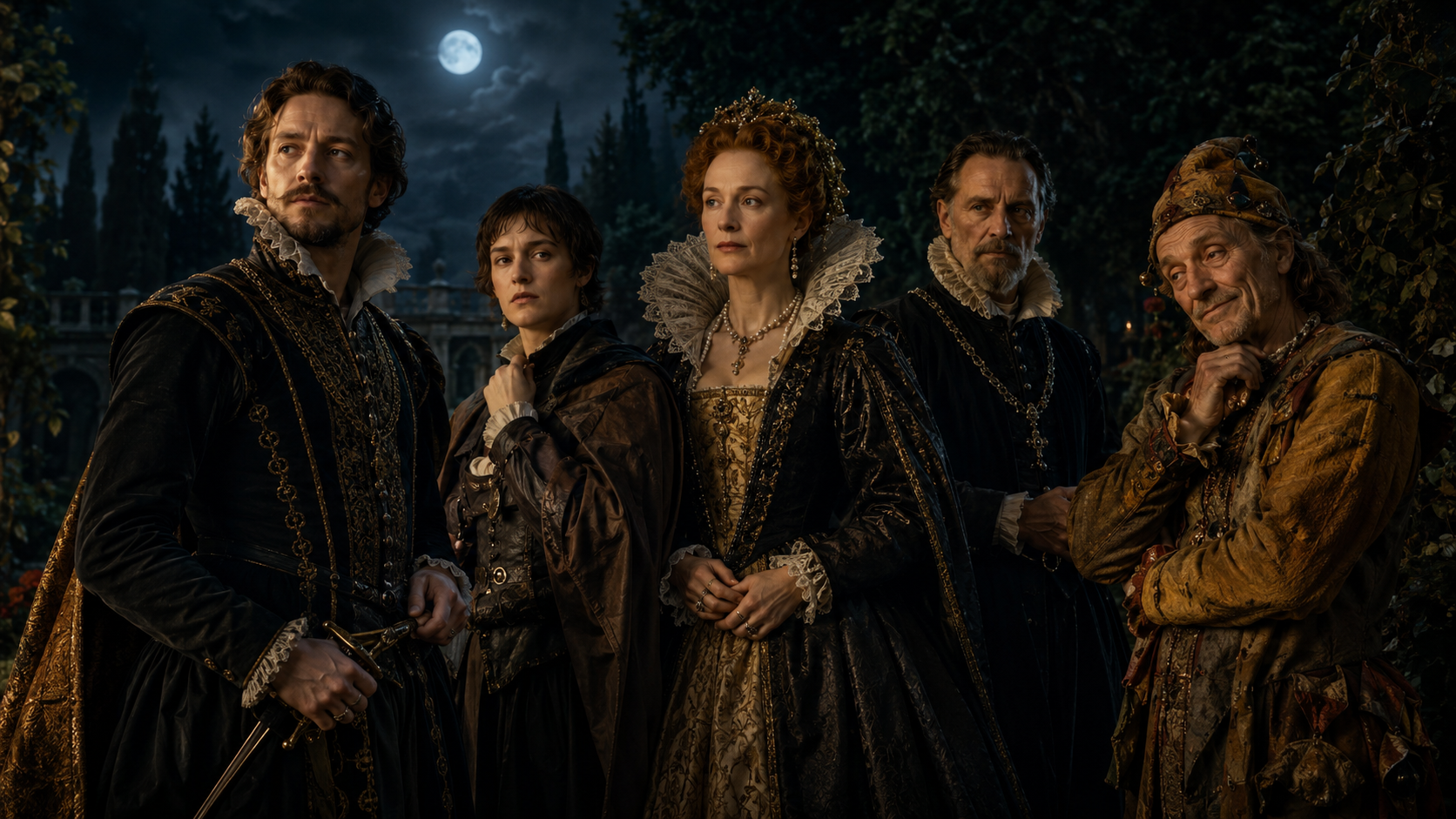
From Trevor Nunn’s 1996 film starring Helena Bonham Carter to modern queer interpretations, these quotes come alive differently across productions. Feste’s songs often feature original music that enhances emotional impact.
Expert Insights and Lesser-Known Gems
Shakespeare’s wordplay (puns on “hart/heart,” gender ambiguities) rewards close reading. Historically, Twelfth Night was performed for festive occasions, amplifying its inversion themes. Lesser-known: Viola’s lines on patience (“She never told her love”) offer quiet strength.
Frequently Asked Questions (FAQs)
What is the most famous quote from Twelfth Night? “If music be the food of love, play on” remains the standout.
How do page numbers differ across editions? They vary; always use act.scene.line for citations.
Which edition is best for students? The Folger Shakespeare Library edition balances accessibility and scholarship.
Is Twelfth Night purely a comedy? It blends joy with melancholy, offering darker undertones that enrich the festive surface.
Shakespeare’s Twelfth Night continues to enchant because its quotes from Night with page numbers capture universal truths about love, identity, and human folly. These lines are more than beautiful words — they are tools for understanding ourselves and our world. Whether you’re a student citing sources or a reader savoring the poetry, this guide equips you with accurate, analyzed material to enrich your journey.
Dive deeper into the full play, explore more Shakespeare resources on this site, and share your favorite quote in the comments. The spirit of Twelfth Night — joyful, chaotic, and profoundly human — lives on through these immortal lines.