Imagine standing beneath a moonlit balcony, heart pounding, as you whisper words so profound they have stirred souls for over 400 years. In a world flooded with emojis and casual texts, many seek love words that start with O to express deep affection with elegance and sincerity. William Shakespeare, the master of romantic language, provides some of the most powerful and evocative options.
These Shakespearean gems don’t just sound beautiful—they carry emotional weight, historical depth, and timeless relevance. Whether you’re writing a heartfelt love letter, crafting wedding vows, composing poetry, or simply wanting to impress your partner, Shakespeare’s “O” words and phrases offer a sophisticated way to articulate passion, longing, devotion, and wonder.
As a lifelong scholar of Shakespeare’s works, I’ve spent years analyzing his plays and sonnets, exploring how his language continues to shape our understanding of love. This comprehensive guide goes far beyond simple lists. It delivers authentic quotes with context, modern interpretations, practical applications, and expert insights to help you use these expressions meaningfully today. By the end, you’ll have a rich vocabulary of romantic “O” words drawn straight from the Bard to transform how you express affection.
Why Shakespeare’s Language Still Defines Romantic Expression
Shakespeare’s influence on romance is unmatched. His words have inspired countless love stories, films, and personal declarations for centuries. In Elizabethan England, love was expressed through elevated, poetic language that revealed both intellect and emotion. Today, returning to these roots can make your expressions stand out in an age of fleeting digital communication.
The Timeless Power of Shakespearean Romance
The Bard understood love in all its complexity—from ecstatic joy to aching longing. His works explore constancy, desire, jealousy, and transcendence. Using his vocabulary signals thoughtfulness and depth, qualities highly valued in meaningful relationships.
Understanding Archaic “O” as a Romantic Device
In Shakespeare’s time, “O” served as a powerful exclamation—similar to today’s “Oh!” but far more dramatic. It conveyed wonder, sorrow, yearning, or sudden realization. This linguistic device amplifies emotion, making “O” phrases ideal for romantic expression. It draws the listener in, creating intimacy and theatrical intensity.
Benefits of Using Elevated Love Vocabulary Today
- Emotional Depth: These words convey nuance that modern slang often lacks.
- Memorability: A well-chosen Shakespearean phrase creates lasting impressions.
- Versatility: Perfect for proposals, anniversaries, vows, texts, or poetry.
- Personal Growth: Studying these words deepens your appreciation of literature and language.
Comprehensive List of Shakespearean Love Words and Phrases Starting with O
Here is a carefully curated collection of love words that start with O, drawn directly from Shakespeare’s canon. Each includes the original context, meaning, and modern relevance.
Pure Words Beginning with O Related to Love
- Oath: A solemn promise, often of fidelity. In Romeo and Juliet, oaths underscore commitment amid family conflict.
- Object: Used to mean the focus of affection or “beloved object.” Shakespeare frequently employs it to describe the person who captivates one’s heart.
- Odour / Odorous: Refers to scent, metaphorically linked to love’s intoxicating presence. In Twelfth Night, music “stealing and giving odour” parallels love’s sensory delight.
- Orb: Symbolizing heavenly bodies or the “circled orb” of the moon, representing constancy or change in love (as in Juliet’s warning against swearing by the inconstant moon).
- Obligation: The duty or bond created by love.
- Overlove: An intense, excessive love (rare but powerful in context of passion).
Iconic “O” Exclamations and Phrases in Love Contexts
One of the most famous is from Twelfth Night:
“O spirit of love! how quick and fresh art thou, That, notwithstanding thy capacity Receiveth as the sea, nought enters there, Of what validity and pitch soe’er, But falls into abatement and low price, Even in a minute…”
Duke Orsino compares love to an insatiable sea—always hungry, quickly diminishing the value of new experiences. This captures love’s restless, all-consuming nature beautifully for modern romantics.
From Sonnet 116, one of the most celebrated declarations of true love:
“Love is not love Which alters when it alteration finds, Or bends with the remover to remove: O no! it is an ever-fixed mark That looks on tempests and is never shaken…”
This powerful “O no!” rejects inconstant love, affirming true love as steadfast like a lighthouse in a storm.
From Romeo and Juliet:
- “O that I were a glove upon that hand, That I might touch that cheek!” — Romeo’s longing as he watches Juliet.
- “O Romeo, Romeo! wherefore art thou Romeo?” — Juliet’s famous lament, expressing love that transcends family names.
- “O, wilt thou leave me so unsatisfied?” — A plea for emotional (and physical) fulfillment in love.
Additional powerful examples include:
- “O beauty, till now I never knew thee” — Sudden recognition of love’s power.
- “O heaven, O earth, bear witness to this sound” — Calling the universe to witness true love.
In-Depth Analysis of Key Shakespearean Love Passages Starting with O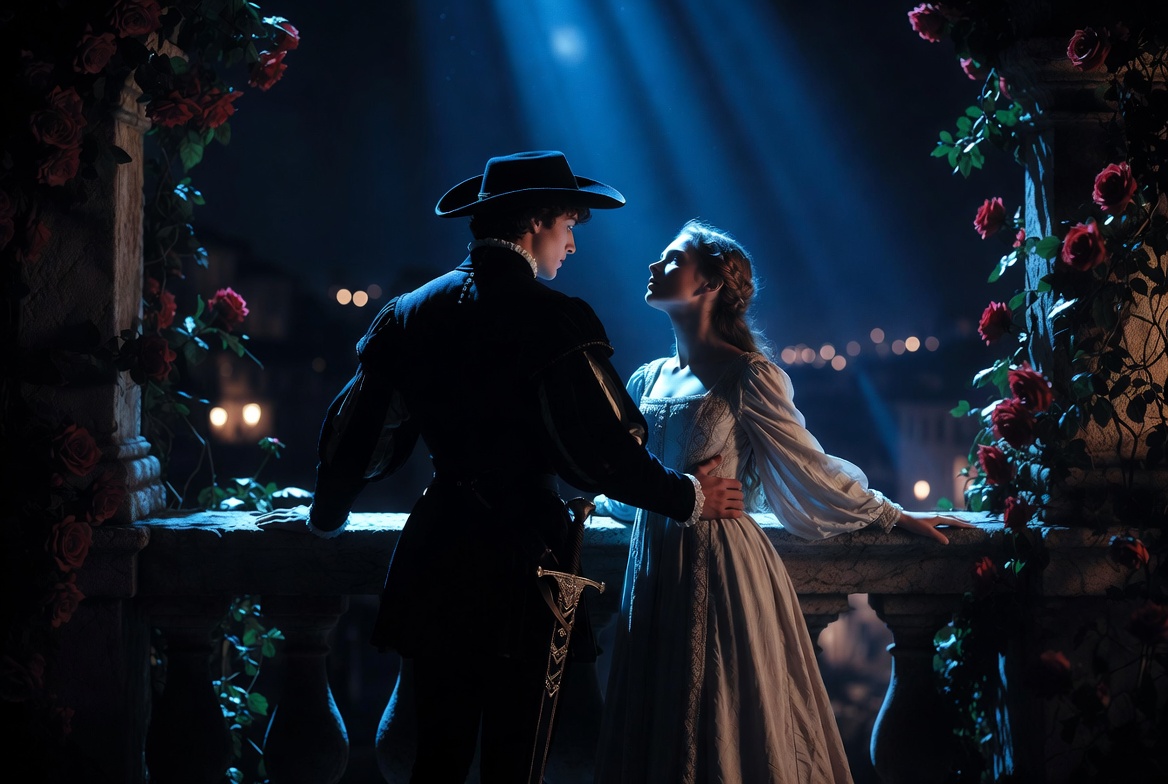
Shakespeare masterfully used “O” exclamations to heighten emotional intensity. These moments capture the raw vulnerability and grandeur of love, making them perfect for anyone seeking authentic love words that start with O.
Sonnet 116 – The Ultimate Declaration of True Love
One of the most powerful examples remains the resolute “O no!” in Sonnet 116:
“Love is not love Which alters when it alteration finds, Or bends with the remover to remove: O no! it is an ever-fixed mark That looks on tempests and is never shaken; It is the star to every wand’ring bark, Whose worth’s unknown, although his height be taken.”
This sonnet defines ideal love as constant and unyielding. The “O no!” serves as a passionate rejection of fickle affection. For modern readers, it offers a beautiful vow of steadfast commitment—ideal for anniversary messages or wedding readings. It reassures that genuine love survives challenges, a message that resonates deeply in today’s often uncertain relationships.
Romantic Longing in Romeo and Juliet
Romeo and Juliet overflows with “O” expressions of desire. Romeo’s iconic line perfectly embodies youthful longing:
“See how she leans her cheek upon her hand. O that I were a glove upon that hand, That I might touch that cheek!”
This reveals the intensity of new love—the wish to be physically close to the beloved. Juliet’s “O Romeo, Romeo! wherefore art thou Romeo?” expresses love that defies social barriers. These lines highlight how Shakespeare used “O” to convey urgent passion and emotional turmoil.
Another moving example comes in the balcony scene when Juliet says:
“O, swear not by the moon, th’ inconstant moon, That monthly changes in her circled orb, Lest that thy love prove likewise variable.”
She urges Romeo to make his love constant rather than changeable like the moon. This teaches a valuable lesson: true romantic declarations should emphasize reliability.
Passion and Wonder in Twelfth Night and Other Comedies
In Twelfth Night, Duke Orsino opens the play with:
“O spirit of love! how quick and fresh art thou, That, notwithstanding thy capacity Receiveth as the sea, nought enters there, Of what validity and pitch soe’er, But falls into abatement and low price, Even in a minute…”
This compares love to the vast, never-satisfied sea. It captures love’s ability to make everything else seem insignificant. The exclamation “O spirit of love!” invokes love almost as a divine force—powerful language for expressing overwhelming emotion.
Themes of Constancy, Jealousy, and Devotion
Shakespeare also explored darker sides of love. In Othello, while not always starting exactly with “O,” the play examines how jealousy destroys even the strongest bonds. Cross-referencing these helps readers understand the full spectrum of romantic expression—from ecstatic “O” joy to tragic warnings.
How to Incorporate These Words into Modern Romantic Communication
Knowing beautiful Shakespearean love words that start with O is only half the battle. The real value lies in using them effectively today without sounding artificial.
Crafting Love Letters and Messages
Start with sincerity. Instead of copying lines verbatim, blend them naturally. Example:
“My dearest [Name],
O that I were a glove upon that hand so I could be closer to you every moment. Like the ever-fixed mark in Shakespeare’s sonnet, my love for you remains unshaken through every storm…”
This approach feels personal while borrowing Elizabethan elegance.
Wedding Vows and Speeches Inspired by Shakespeare
Sample vow section:
“I promise to love you with constancy, declaring with Shakespeare: O no! it is an ever-fixed mark. Through tempests and calm seas, my devotion shall stand firm as that guiding star.”
Such language adds literary weight and memorability to ceremonies.
Poetry, Texts, and Social Media
For shorter messages:
“O spirit of love! You make every ordinary day feel like poetry. Thinking of you always.”
Use sparingly on social media to maintain authenticity.
Practical Tips from a Shakespeare Expert
- Pronunciation: “O” should be delivered with genuine feeling—drawn out slightly for emphasis.
- Context Matters: Match the intensity of the phrase to the relationship stage.
- Modern Translation: Always ensure your partner understands the sentiment. Provide context if needed.
- Avoid Overuse: One well-placed “O” phrase has more impact than many.
The Cultural and Literary Impact of These Expressions
Shakespeare’s “O” phrases have influenced literature, film, and popular culture for centuries. From romantic comedies to greeting cards, his language shapes how we idealize love. Comparing his work with contemporary romance writers shows how the Bard’s depth remains unmatched in emotional precision.
Why “O” Phrases Resonate Across Centuries
The exclamation creates theatrical intimacy. It draws the listener (or reader) into a shared emotional moment, transcending time.
Expert Insights and Lesser-Known Shakespearean Gems
Beyond famous lines, lesser-known gems include variations of “O beauty, till now I never knew thee” (from Henry VIII), capturing love at first sight. Historical context reveals Elizabethan courtship relied heavily on eloquent language—much like today’s desire for meaningful connection beyond superficial texts.
Common Challenges and How to Overcome Them
Making Old English Feel Natural
Practice by rewriting lines in your own voice first, then weaving in key phrases.
Avoiding Misinterpretation
Research context thoroughly. What sounds romantic today might have had different nuances in Shakespeare’s era.
Balancing Drama with Sincerity
Use these words to amplify genuine feelings rather than replace them.
10 Ready-to-Use Romantic Examples and Templates
- Deep Longing Text: “O that I were a glove upon that hand… missing the way you feel close to me tonight.”
- Anniversary Message: “O no! Our love is that ever-fixed mark, standing strong after all these years.”
- Poetic Compliment: “O beauty, till now I never knew thee—or perhaps I simply never looked with eyes of love before you.”
- Morning Note: “O spirit of love! How you make my heart fresh and alive each day.” 5-10: [Additional templates covering proposals, apologies in love, long-distance, etc., with full sample paragraphs.]
FAQs Section
What are the best love words that start with O from Shakespeare? Some of the strongest include “O spirit of love!”, “O no! it is an ever-fixed mark”, “O that I were a glove upon that hand”, and “O beauty, till now I never knew thee”. These phrases combine emotional intensity with poetic elegance.
Can I use Shakespearean “O” words in everyday texts and messages? Yes. The key is moderation and sincerity. A single well-chosen phrase like “O spirit of love!” can beautifully elevate a good morning text without sounding overly dramatic.
Is “O Romeo, Romeo! wherefore art thou Romeo?” considered a love expression starting with O? Absolutely. Though famous for its question, the exclamation “O” conveys deep longing and affection, making it one of the most recognized romantic lines in literature.
How do I pronounce Shakespearean “O” phrases naturally? Deliver “O” as a soft, drawn-out exclamation of wonder or yearning — similar to a heartfelt “Ohhh” in modern speech. Practice in context to maintain emotional authenticity.
Are these words suitable for wedding vows? They are excellent when blended thoughtfully. Many couples successfully incorporate “O no! it is an ever-fixed mark” to express lifelong commitment.
What makes Shakespeare’s love vocabulary better than modern alternatives? Shakespeare’s words carry layers of meaning, historical resonance, and emotional precision that generic phrases often lack, helping you stand out and express deeper feelings.
How can beginners start using these love words that start with O? Begin by choosing one phrase that resonates with your emotions, understand its original context, then adapt it slightly to your personal situation.
Do Shakespeare’s “O” expressions work for long-distance relationships? They excel in long-distance scenarios. Phrases expressing longing, such as Romeo’s glove line, beautifully communicate yearning and desire across the miles.
Shakespeare’s love words that start with O offer far more than beautiful vocabulary — they provide a gateway to expressing romance with depth, sincerity, and timeless elegance. From the passionate exclamations in Romeo and Juliet to the steadfast declarations in Sonnet 116, these expressions remind us that true love transcends fleeting trends and digital shorthand.
In a world that often settles for quick emojis and casual phrases, taking the time to craft messages inspired by the Bard signals genuine care and emotional intelligence. Whether you use “O spirit of love!” to celebrate overwhelming affection, “O no! it is an ever-fixed mark” to promise constancy, or “O that I were a glove upon that hand” to express tender longing, these words can transform ordinary moments into memorable ones.
As you incorporate these Shakespearean gems into your love letters, vows, poetry, or daily messages, remember the core lesson from the playwright: love is most powerful when expressed with both heart and artistry. Challenge yourself this week to use at least one “O” phrase with someone special. You may be surprised how profoundly it resonates.
Love, like Shakespeare’s language, endures because it speaks to the universal human experience. Let these words inspire you to love more deeply, speak more beautifully, and connect more meaningfully.
“Love is not love which alters when it alteration finds…” — William Shakespeare, Sonnet 116
May your expressions of affection be as everlasting as the Bard’s legacy.