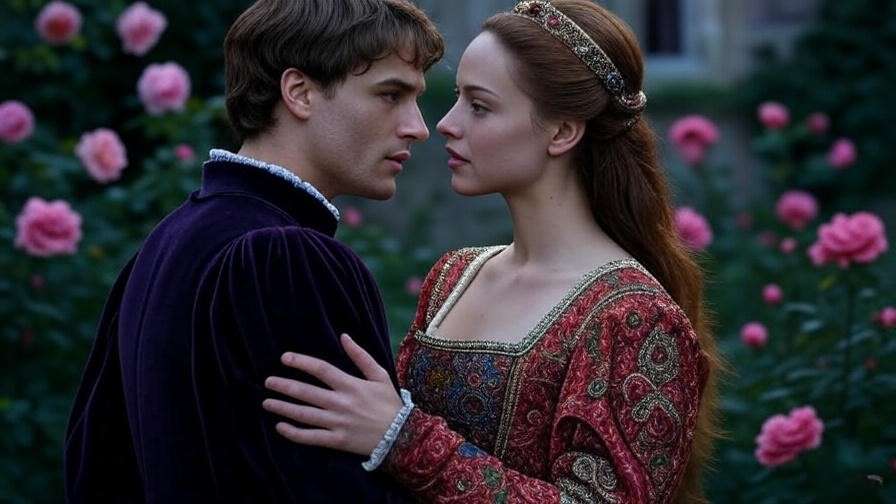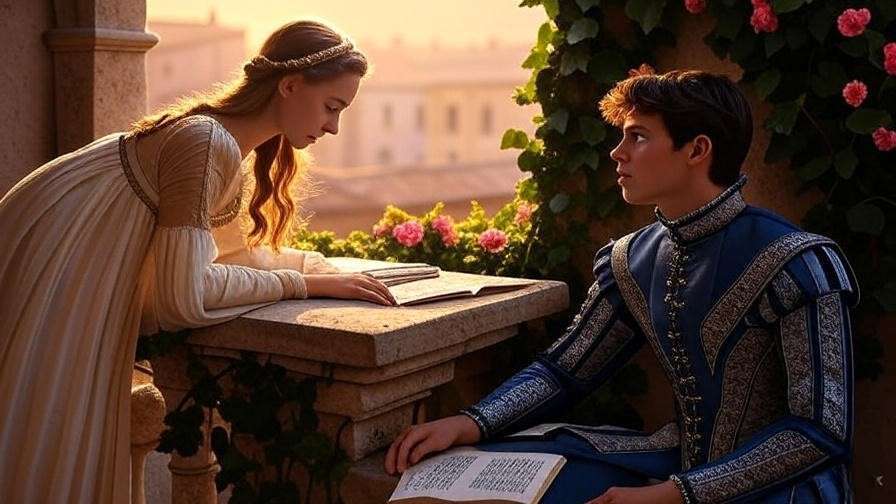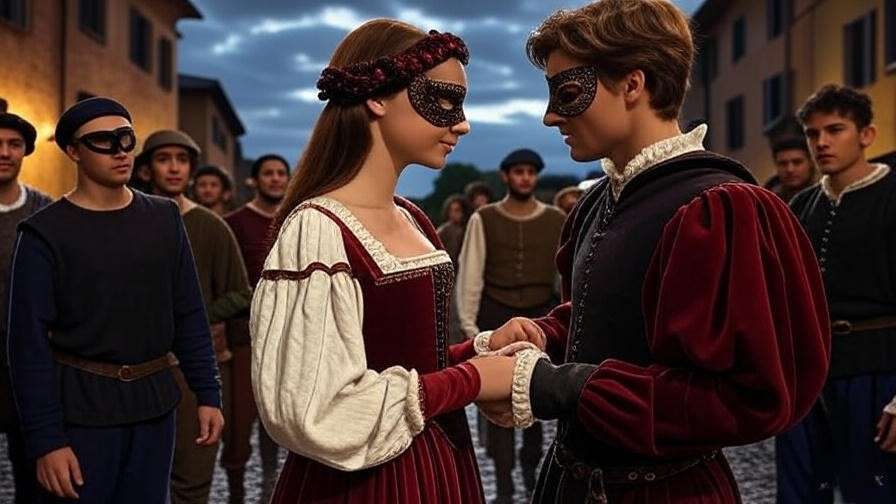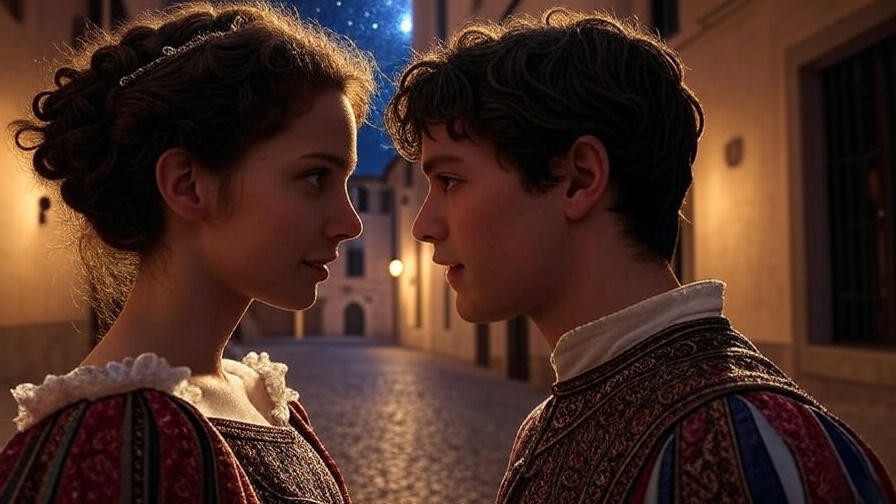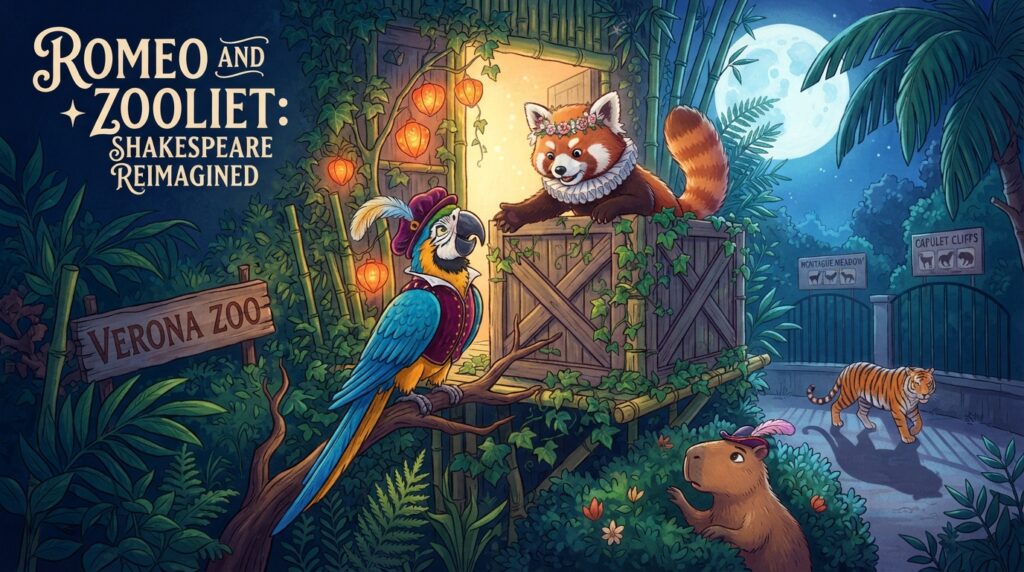
When the timeless tragedy of Verona meets the chaotic, unpredictable energy of a modern wildlife park, literary tradition undergoes a wildly entertaining transformation. For centuries, William Shakespeare’s tale of star-crossed lovers has inspired countless adaptations, but few concepts capture the imagination quite like romeo and zooliet. This inventive reimagining flips the classic script, swapping noble human houses for feuding zoo exhibits, Verona squares for asphalt walkways, and sword-carrying courtiers for exotic animals navigating captivity, territory, and forbidden affection.
Whether you are a devoted Shakespearean scholar exploring contemporary pastiche, a teacher looking for creative ways to introduce classic literature to younger audiences, or simply a lover of clever literary satire, this deep-dive exploration unpacks the mechanics, themes, and cultural footprint of the modern animal parody.
The Origin Story: How William Shakespeare Met Modern Animal Satire
From Verona Squares to Zoo Exhibits: Adapting the Classic Plot At first glance, Elizabethan drama and animal behavior share very little common ground. Yet, the foundational structures of Shakespearean comedy and tragedy rely heavily on rigid social hierarchies, territorial disputes, and intense emotional stakes—all of which mirror animal social dynamics in captivity. Romeo and Zooliet takes the rigid family feud between the Capulets and Montagues and reframes it around rival enclosure zones. The Capulets might occupy the high-altitude rocky crags of the northern sector, while the Montagues roam the lush, dense foliage of the southern biome.
In this framework, the central conflict shifts from ancestral blood feuds to bureaucratic zookeeper regulations, territorial boundary markers, and natural species segregation. The balcony scene is cleverly reinvented as an evening rendezvous across a dry moat or a chain-link partition under the glow of security floodlights. By transplanting the romantic urgency of the original play into a zookeeping environment, creators highlight the absurdity of arbitrary hatred while retaining the genuine emotional yearning that defines the source material.
The Cultural Appeal of Animal Parodies in Literature and Theatre Animal parodies of classical literature have a rich history, dating from ancient fables up to modern theatrical satires. Readers and audiences are naturally drawn to anthropomorphism because it offers a safe psychological distance from complex human issues. When animals experience love, heartbreak, and familial pressure, the critique of societal constructs becomes both disarming and profoundly insightful.
In the context of romeo and zooliet, the animal lens allows writers to comment on human tribalism. Just as Verona’s citizens blindly inherit a feud they no longer understand, captive animal groups often display ingrained territorial aggressions passed down through generations. This clever thematic parallel elevates the parody from a simple joke into a sharp, satirical commentary on social conditioning.
Meet the Menagerie: Character Breakdowns and Parody Counterparts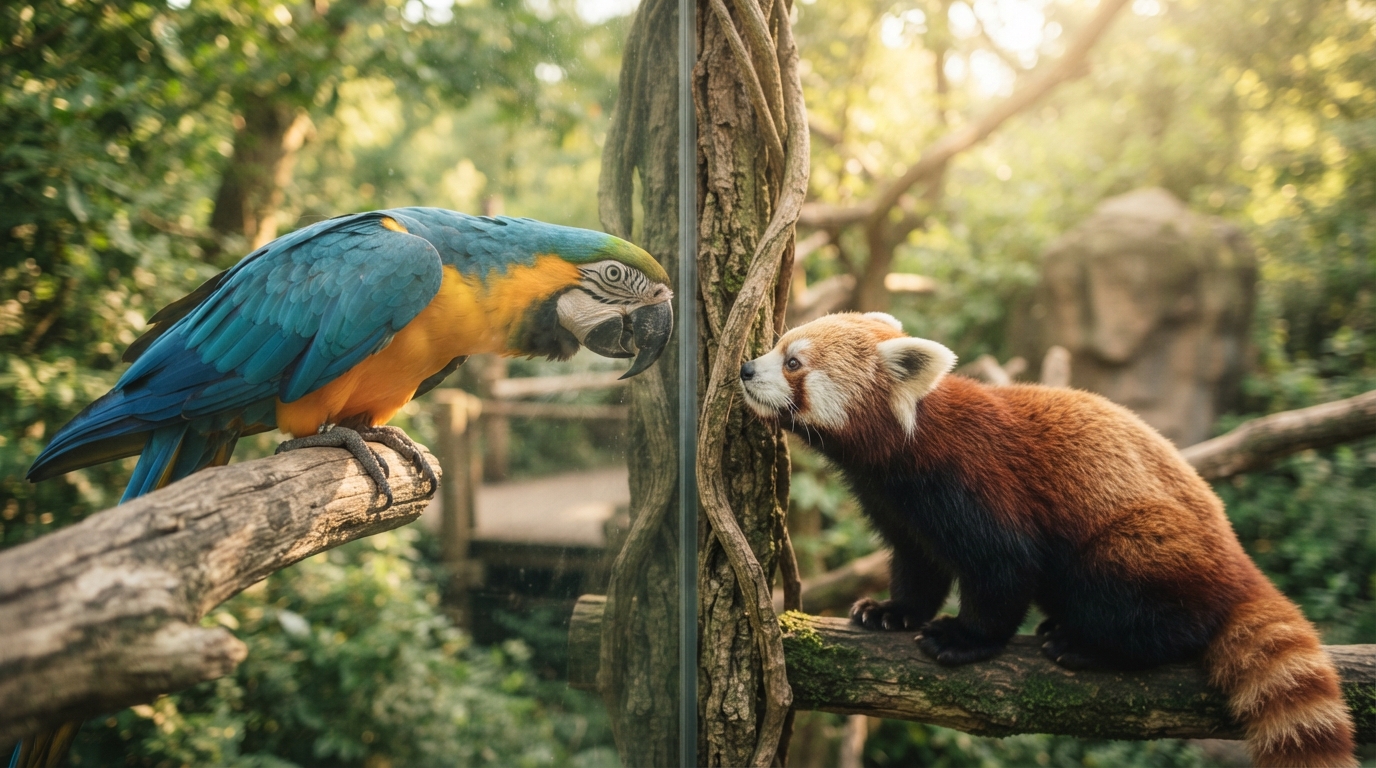
Romeo (The Overzealous Macaw) vs. Zooliet (The Pragmatic Red Panda) Every successful adaptation hinges on how well its central figures translate their original traits into new contexts. In this dynamic, Romeo is transformed into a flamboyant, highly expressive blue-and-gold macaw. Known for his loud declarations, dramatic flair, and tendency to leap before he looks, this avian Romeo spends his days vocalizing passionate poetry across the park airspace.
On the opposing side of the zoo sits Zooliet, a calm, quick-witted red panda residing in the temperate forest habitat. While Romeo is impulsive and theatrical, Zooliet is grounded, resourceful, and constantly navigating the practical challenges of her keepers’ enrichment schedules. Their courtship relies on shared glances during feeding hours and stolen whispered vocalizations when the night shift rounds are complete.
The Feuding Enclosures: Capulets and Montagues The wider cast of characters receives an equally creative overhaul:
-
Mercutio the Capybara: The ultimate social butterfly of the animal kingdom, serving as Romeo’s fiercely loyal, easygoing confidant who meets his end not in a street brawl, but in a chaotic breakout attempt near the reptile house.
-
Tybalt the Bengal Tiger: A proud, hyper-territorial apex predator representing the Capulet pride, fiercely protective of his perimeter and intolerant of any cross-species mingling.
-
The Friar: Reimagined as a wise, aging Galapagos tortoise who dispenses slow, methodical philosophical advice and concocts questionable herbal schemes involving stolen keeper enrichment treats.
Key Thematic Parallels: Tragedy vs. Comedy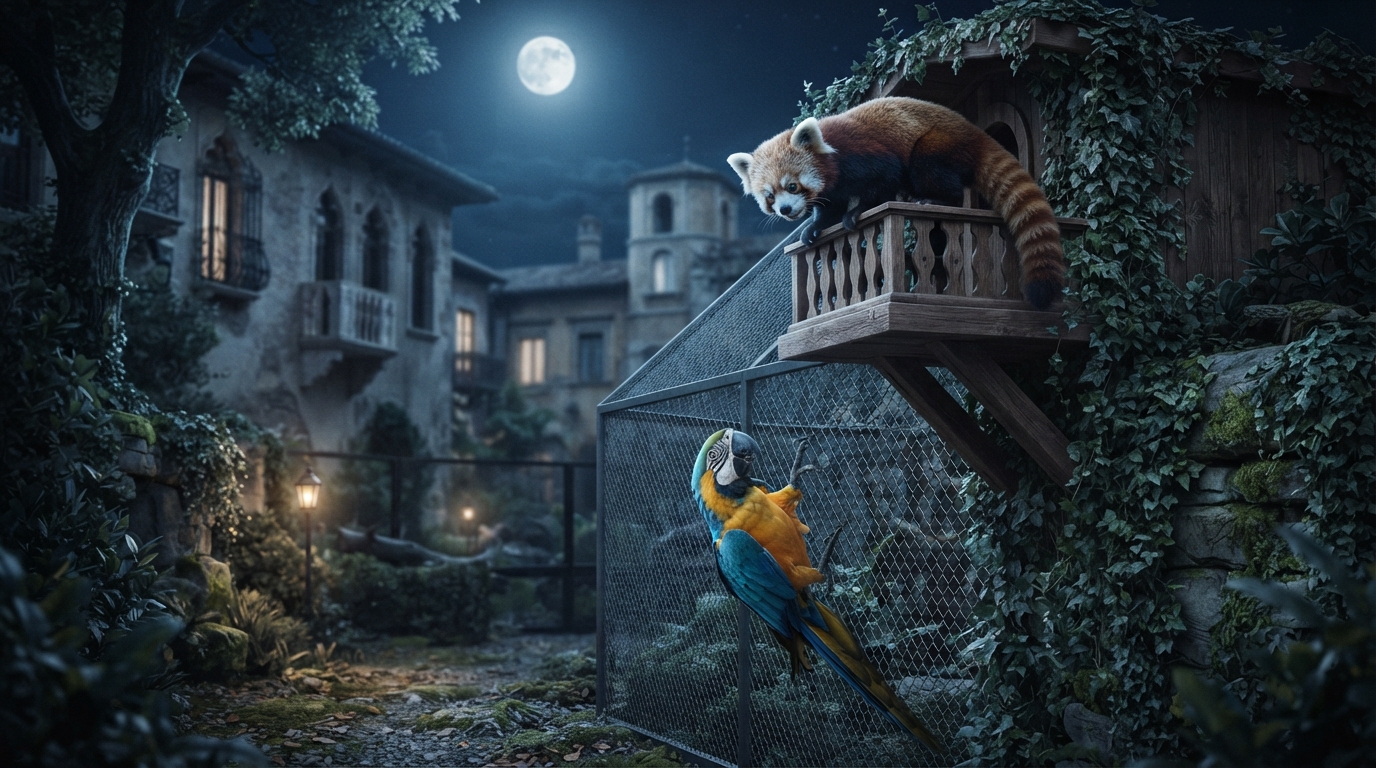
Forbidden Love Across Species Boundaries The core engine of Shakespeare’s original drama is the absolute barrier imposed by external forces. In romeo and zooliet, these barriers are literal walls, glass partitions, and specialized diet enclosures. The tragedy—or comedic subversion—stems from the physical impossibility of their union under standard zoo management. Yet, their determination to bridge the gap highlights the resilience of connection against institutional segregation.
Fate, Free Will, and Zookeeper Intervention In Elizabethan drama, “star-crossed” implies that destiny dictates the tragic outcome. In a zoo setting, fate is replaced by human intervention: feeding times, habitat transfers, veterinary lockdowns, and automated gate closures. The narrative explores whether the protagonists can exercise free will within a heavily managed environment, transforming the tragic poison plot into a daring nighttime escape attempt across the park perimeter.
Literary and Cultural Analysis: Why This Parody Works
Subverting Elizabethan Motifs Through Animal Behavior The genius of adapting Shakespeare into animal terms lies in physical comedy. The poetic hyperbole of Elizabethan sonnets translates seamlessly into exaggerated animal displays—chest-pounding, feather-fluffing, and scent-marking. When Romeo delivers a passionate monologue about the sun rising in the east, he is literally greeting the dawn sunlamp in his nocturnal habitat. This juxtaposition between elevated iambic verse and mundane animal instincts creates a rich comedic texture that keeps readers thoroughly engaged.
Audience Reception and Educational Value Beyond pure entertainment, creative adaptations serve a vital pedagogical function. For students intimidated by archaic language and complex Elizabethan syntax, engaging with a playful parody lowers the barrier to entry. By understanding the core plot beats, character motivations, and structural irony through a lighthearted lens, learners develop the confidence to tackle the original texts with deeper comprehension and critical appreciation.
Frequently Asked Questions
-
What makes romeo and zooliet a compelling topic for modern readers? It bridges high-brow classical literature with accessible, character-driven humor, making complex literary themes approachable and entertaining for a broad audience.
-
How do animal parodies aid in teaching Shakespeare? They isolate core character archetypes and plot mechanics, allowing educators to discuss themes of tribalism, fate, and love without the immediate hurdle of Elizabethan vocabulary.
-
Where can I find more literary adaptations of classic plays? Explore contemporary independent publishing platforms, graphic novel adaptations, and satirical theatre festivals specializing in modern retellings of canonical works.
Conclusion
Reimagining classical literature through creative, unexpected lenses ensures that timeless stories continue to resonate across generations. Romeo and Zooliet proves that whether through tragic verse or lighthearted animal antics, human emotions—love, loyalty, rebellion, and heartbreak—remain universally recognizable. By breaking down rigid barriers between high art and playful satire, creators breathe new life into centuries-old masterpieces, inviting audiences to look at familiar tales with fresh eyes and a ready smile.