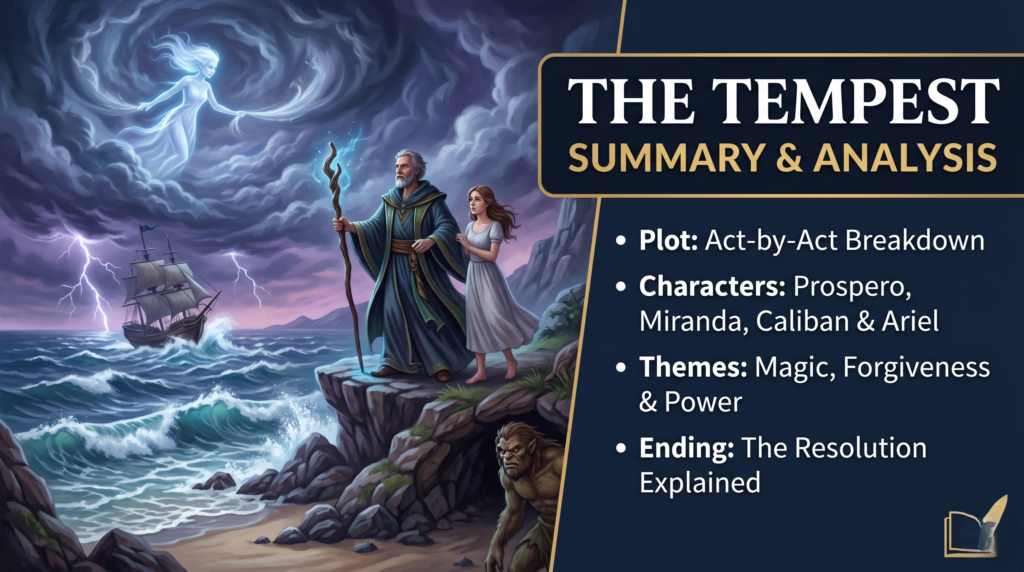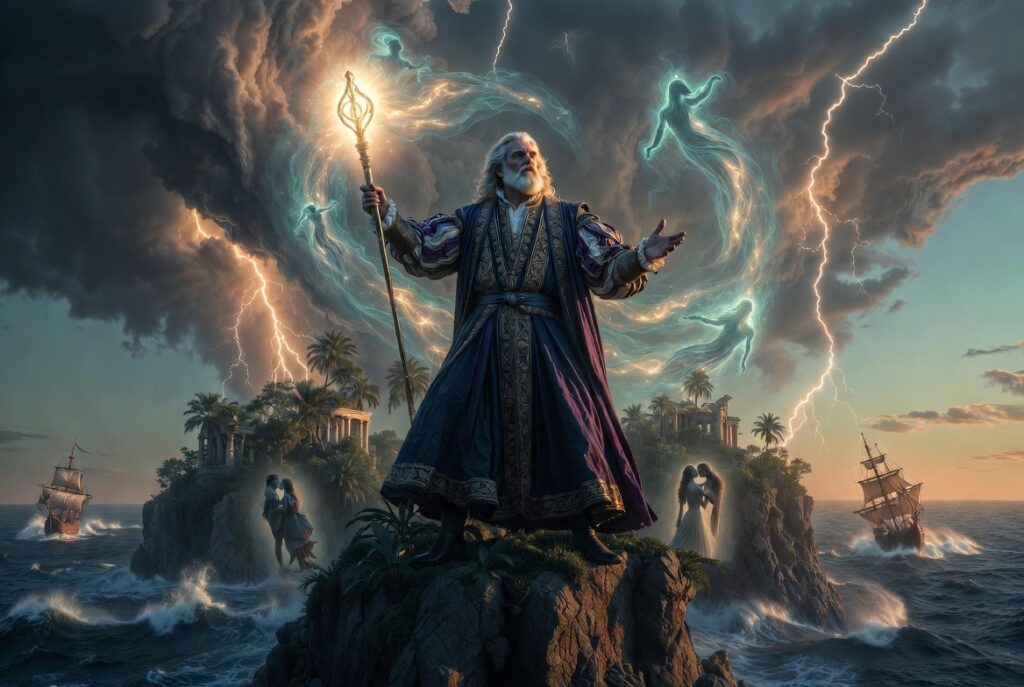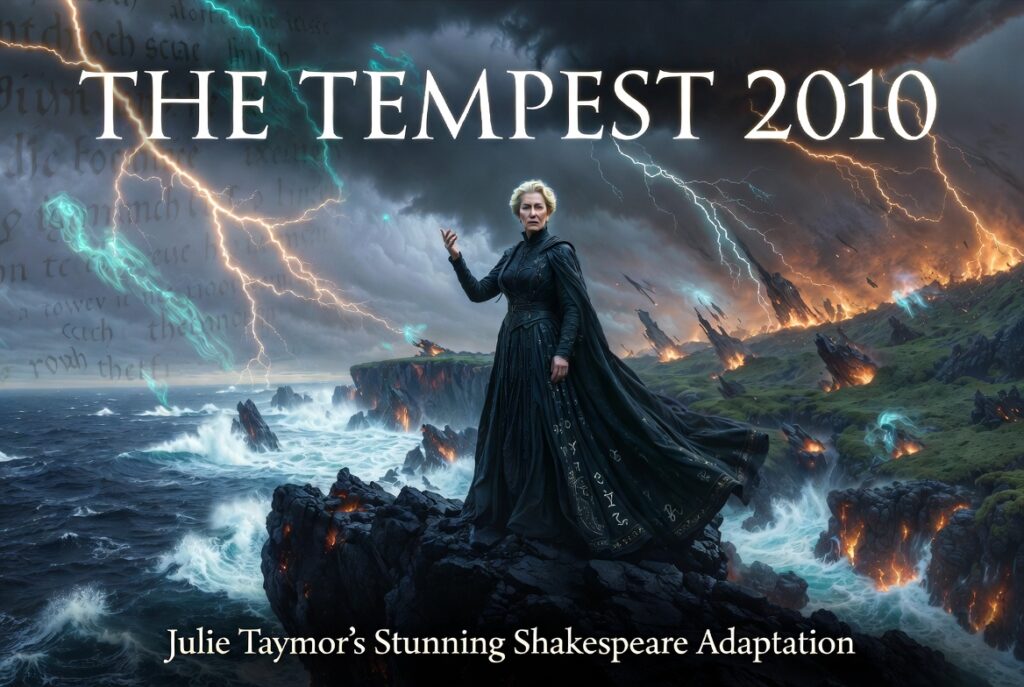
Imagine a lone sorceress standing atop a jagged volcanic cliff, her cloak billowing like storm clouds as she commands the very elements to wreck a ship on the rocks below. Waves crash with impossible fury. Spirits whirl in translucent fury. And at the center of it all, Helen Mirren—radiating quiet fury and maternal steel—delivers Shakespeare’s immortal lines with a power that feels both ancient and urgently modern. This is the tempest 2010, Julie Taymor’s bold, visually explosive cinematic reimagining of William Shakespeare’s final masterpiece.
For Shakespeare enthusiasts, literature students, educators, and cinephiles searching for a definitive guide to this adaptation, you’ve arrived at the right place. Whether you’re preparing for class, seeking deeper context before (or after) watching, or simply curious why a 17th-century play still sparks such passionate debate in the 21st century, this comprehensive analysis delivers the insights, production secrets, thematic depth, and practical viewing guidance you need. Far more than a simple review, this piece combines scholarly context, behind-the-scenes details, critical balance, and modern relevance to help you fully appreciate—and perhaps even teach or discuss—the tempest 2010 with newfound confidence.
As a specialist in Shakespearean adaptations with years of curating analyses of stage-to-screen translations, I approach Taymor’s film not as a flawless triumph or a failed experiment, but as a courageous artistic statement that honors the play’s spirit while injecting fresh urgency. Written and directed by the visionary behind Broadway’s The Lion King and the film Titus, the tempest 2010 swaps Prospero for Prospera, transforms a bare Elizabethan stage into a living Hawaiian paradise of fire and mist, and dares to ask: What does forgiveness, power, and artistic legacy look like through a woman’s eyes? By the end of this guide, you’ll understand exactly why this adaptation remains essential viewing more than 15 years after its release—and how it continues to illuminate Shakespeare’s genius in ways few other versions have.
Shakespeare’s The Tempest: Why It’s His Final Masterpiece
To fully grasp the ambition and impact of the tempest 2010, we must first return to the source: Shakespeare’s The Tempest, widely regarded as the playwright’s farewell to the theater. Likely composed around 1611 and first performed at court, the play stands as Shakespeare’s most meta-theatrical work. Prospero, the exiled Duke of Milan turned island sorcerer, manipulates events like a playwright directing his final show—complete with spirits, illusions, and a deliberate abjuration of his “rough magic” in the famous epilogue.
At its core, the original play explores universal themes that Taymor would later amplify: the intoxicating nature of power and its inevitable surrender; the ethics of colonialism and the “othering” of indigenous figures like Caliban; the redemptive possibility of forgiveness over revenge; and, above all, art itself as a form of benevolent magic. Shakespeare’s verse crackles with spectacle—storms, harpies, disappearing banquets—yet it was written for a bare stage, relying on language to conjure wonder. This tension between textual poetry and visual possibility is precisely what makes The Tempest so irresistible for bold directors like Taymor.
The play’s biographical resonance adds another layer. Many scholars view Prospero’s renunciation of magic as Shakespeare’s own goodbye to the stage, retiring to Stratford-upon-Avon after a lifetime of theatrical innovation. By 1611, the playwright had seen the Globe Theatre rise and nearly burn, navigated the political intrigues of the Jacobean court, and witnessed the dawn of a new colonial age. The Tempest subtly reflects these realities: the island’s “brave new world” echoes contemporary accounts of the New World, while Caliban’s grievances foreshadow postcolonial discourse that would emerge centuries later.
This rich foundation explains why the tempest 2010 lends itself so naturally to cinematic reinvention. Taymor recognized that Shakespeare’s final masterpiece is not a rigid historical artifact but a living blueprint for spectacle, emotion, and philosophical inquiry. Her film doesn’t merely translate the play—it expands its visual vocabulary while preserving the verse that has enchanted audiences for over 400 years.
Julie Taymor: The Visionary Director Bringing The Tempest 2010 to Life
Julie Taymor is no stranger to transforming the impossible into the unforgettable. From her groundbreaking puppetry in The Lion King (which earned her a Tony for direction) to the raw, visceral intensity of Titus (1999) and the vibrant surrealism of Frida (2002), Taymor has built a career on hybrid storytelling that blends live performance, masks, cross-cultural influences, and cutting-edge design. Her signature style—often described as “visual theater”—prioritizes emotional truth over literal realism, making her an ideal match for Shakespeare’s most fantastical play.
Taymor’s connection to The Tempest runs deeper than a single film. She had previously directed three stage versions of the play, each refining her understanding of its rhythms and possibilities. When she finally brought it to the screen in 2010, she did so as writer, director, and producer, retaining full creative control—a rarity that allowed her singular vision to shine through.
Production of the tempest 2010 took the crew to the remote Hawaiian island of Lanai, chosen for its dramatic volcanic landscapes that perfectly embodied the play’s “uninhabited” isle. Filming blended practical location work with sophisticated visual effects: towering cliffs, steaming lava fields, and turquoise lagoons became characters in their own right. Taymor collaborated with visual effects house Prologue Films to create Ariel’s ethereal transformations and the opening tempest sequence without overwhelming Shakespeare’s language. As she noted in interviews, the goal was never to replace the poetry but to give it a physical, elemental presence that a stage could never achieve.
Critics sometimes describe Taymor’s approach as “frenzied,” yet this misses the point. Like Shakespeare himself—who called for “noises, sounds, and sweet airs” in the original stage directions—she treats spectacle as an extension of character psychology. In the tempest 2010, the island itself feels alive, responsive to Prospera’s moods in ways that deepen the play’s central metaphor: magic as the ultimate act of artistic creation.
Casting Brilliance: Helen Mirren as Prospera and the Star-Studded Ensemble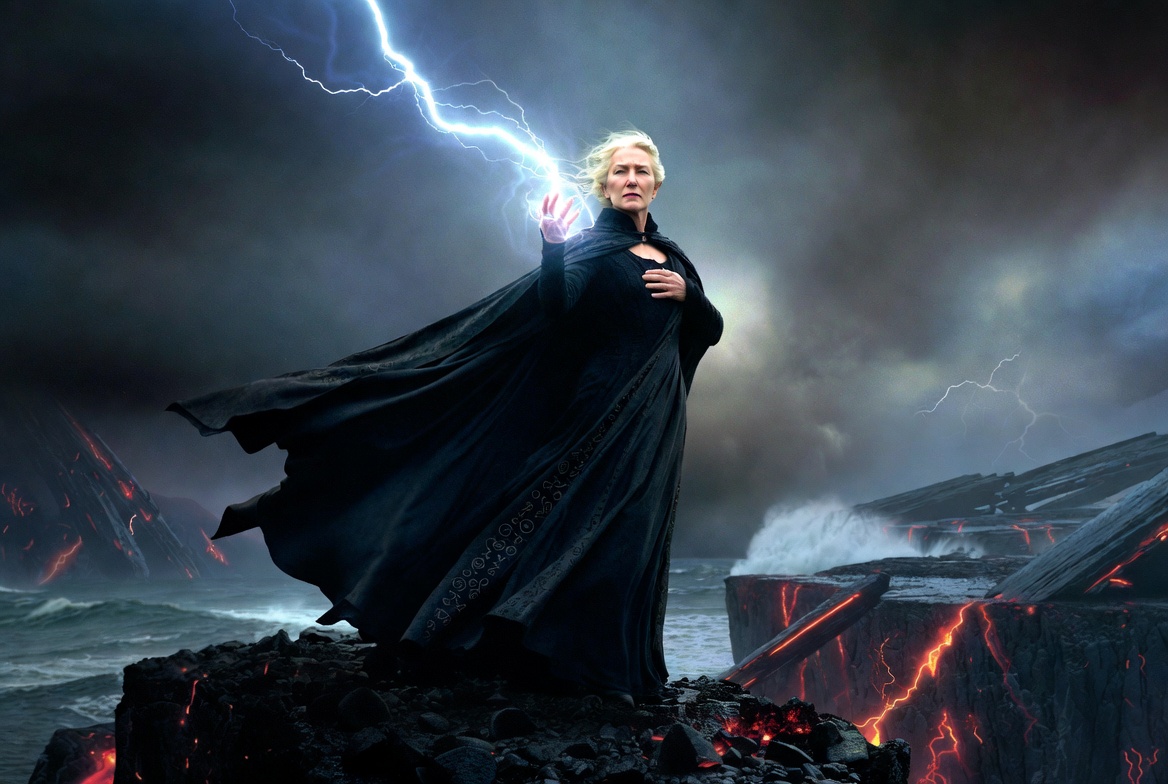
No discussion of the tempest 2010 is complete without celebrating its extraordinary cast, led by Dame Helen Mirren’s transformative performance as Prospera. The gender swap from Prospero to Prospera is not a gimmick; it reorients the entire narrative around themes of motherhood, intellectual exile, and gendered accusations of witchcraft. Mirren—fresh off her Oscar-winning turn as Queen Elizabeth II—brings a steely vulnerability that makes Prospera’s rage feel intimately personal. Her delivery of lines like “Our revels now are ended” carries the weight of a woman who has sacrificed everything for knowledge, only to face betrayal by the very men who feared her power.
Mirren herself has spoken eloquently about the role, noting how the change allowed her to explore female authority in a patriarchal world. The added context of her brother’s accusation of sorcery (a subtle but pointed textual tweak) resonates powerfully in an era still reckoning with historical witch hunts and modern misogyny. Watching Mirren command the screen—corseted yet unbowed, scientific alchemist and maternal protector in one—elevates the film beyond mere adaptation into cultural commentary.
Supporting performances match her intensity. Felicity Jones delivers a luminous, intelligent Miranda, wide-eyed yet never passive. Djimon Hounsou’s Caliban is a revelation: physically imposing yet heartbreakingly eloquent, his portrayal layers postcolonial pain onto Shakespeare’s “savage” without reducing the character to caricature. Ben Whishaw’s Ariel—rendered through a mix of performance capture and luminous effects—feels genuinely otherworldly, his androgynous grace underscoring the spirit’s reluctant servitude.
The comic subplot sparkles thanks to Russell Brand’s manic Trinculo and Alfred Molina’s gloriously vulgar Stephano, while the courtly ensemble (Chris Cooper’s calculating Antonio, David Strathairn’s haunted King Alonso, Alan Cumming’s sly Sebastian, and Tom Conti’s warmly philosophical Gonzalo) provides the political gravitas the island drama demands. Even smaller roles, like Reeve Carney’s earnest Ferdinand, shine.
Together, this cast proves that Shakespeare’s verse thrives when actors treat it as living dialogue rather than museum recitation. Their chemistry transforms what could have been a static literary exercise into a vibrant ensemble piece.
Plot Summary of The Tempest 2010: A Spoiler-Free Overview
The Tempest 2010 opens with one of cinema’s most visually arresting storm sequences: a royal ship caught in a supernatural tempest conjured by a powerful figure on a distant island. From there, the story unfolds on a mysterious volcanic isle where magic, betrayal, revenge, and ultimately forgiveness intertwine.
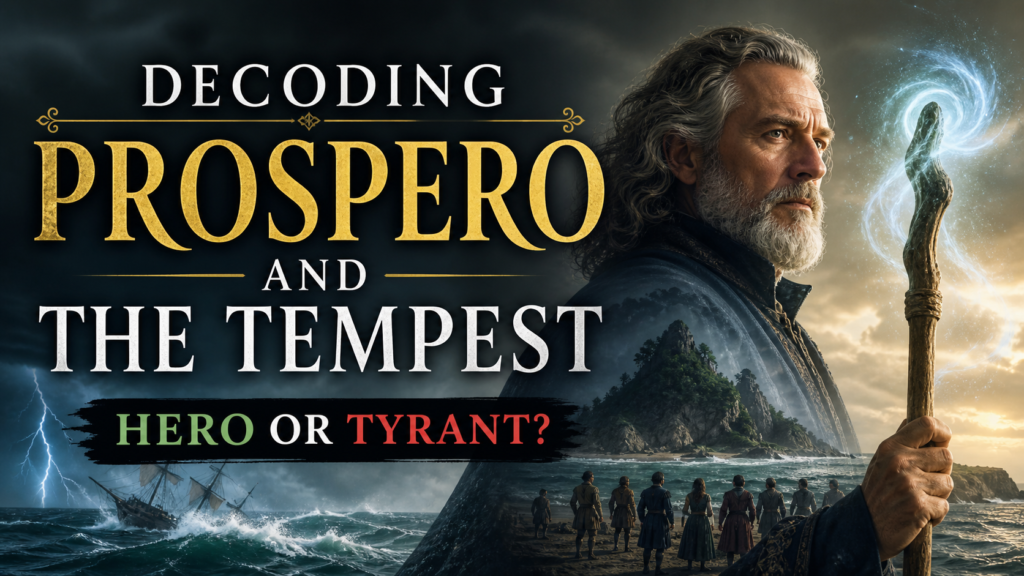
At the heart of the narrative stands Prospera (Helen Mirren), the rightful Duchess of Milan, who was betrayed by her brother and set adrift with her infant daughter Miranda years earlier. Using her mastery of the arcane arts and the help of two supernatural servants, she has transformed the island into both prison and kingdom. Now, with her enemies delivered by the very storm she summoned, Prospera sets in motion a carefully orchestrated plan that will determine the fate of everyone involved — including her own future as a sorceress.
The film balances high-stakes drama with moments of broad comedy, tender romance, and philosophical reflection. Taymor’s direction keeps the focus tightly on character while allowing the island’s raw beauty and magical elements to amplify Shakespeare’s themes. Viewers new to the story will find the plot accessible, while longtime Shakespeare readers will appreciate how faithfully the major beats of the original text are preserved even amid bold visual choices.
For those who prefer to experience the film fresh, stop here and return after viewing. The next section contains detailed analysis and will include spoilers.
Detailed Scene-by-Scene Analysis (Spoilers Marked)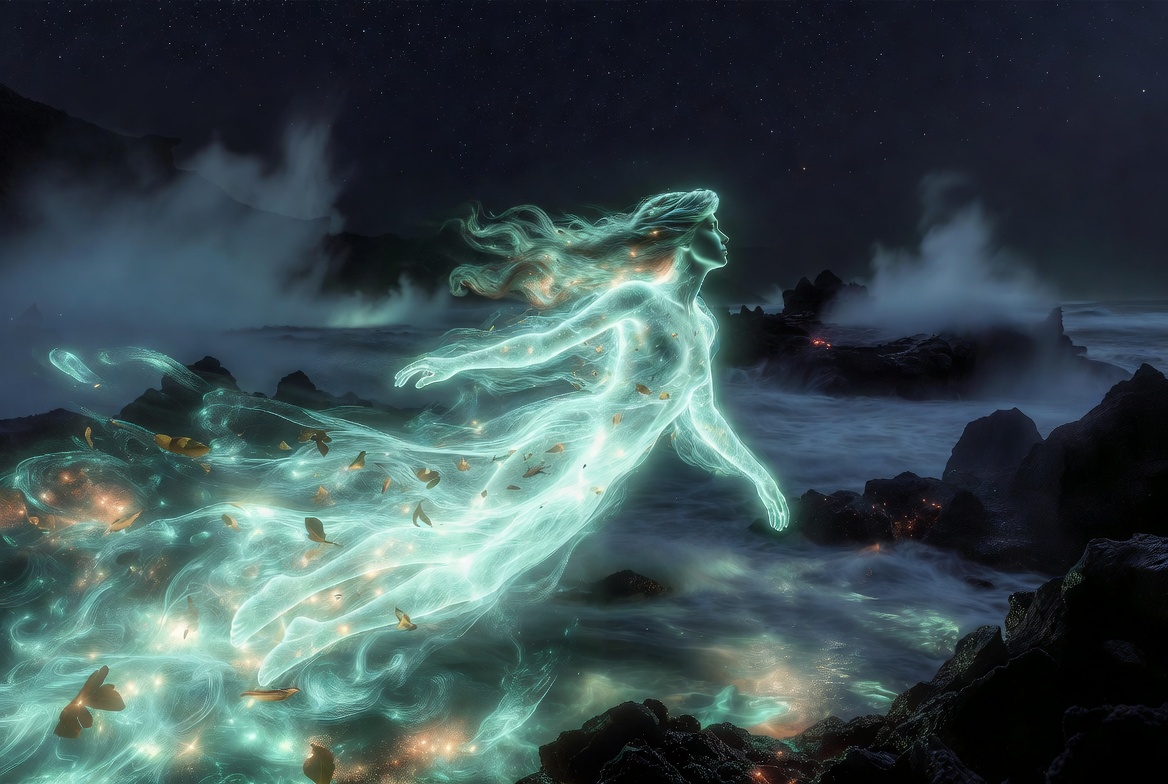
Warning: Major spoilers ahead.
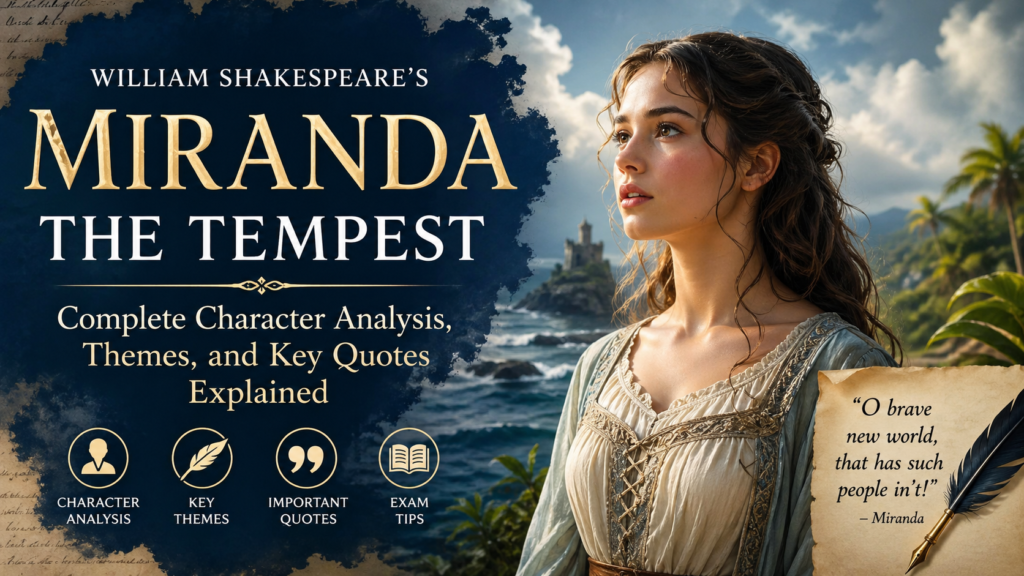
The film’s opening tempest is not merely spectacle — it immediately establishes Prospera’s immense power and her calculated rage. We then meet Miranda (Felicity Jones), who has grown up knowing only the island and her mother’s tutelage. Their relationship is one of the film’s quiet strengths: tender, intellectual, and protective.
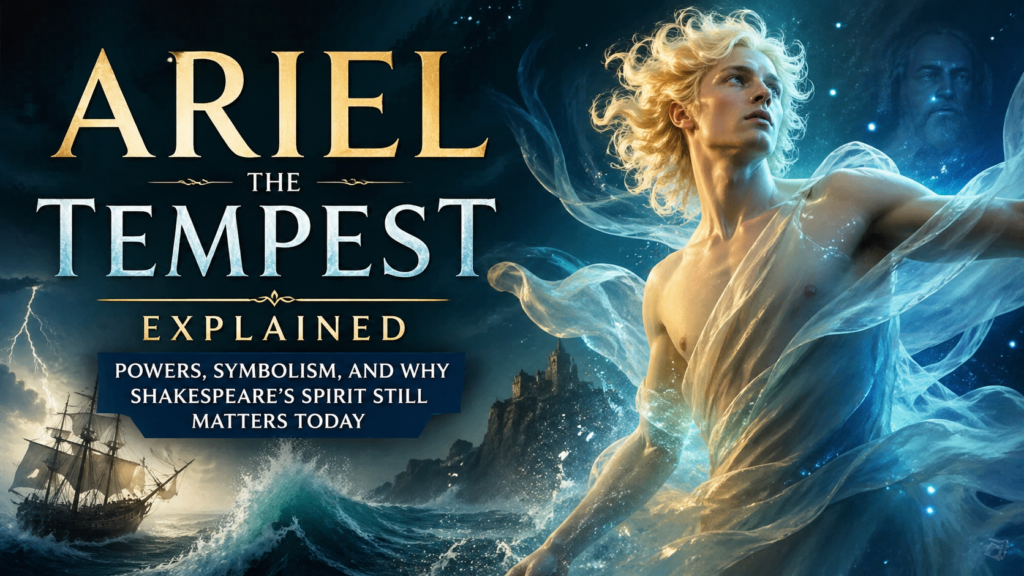
Ariel (Ben Whishaw), Prospera’s airy spirit servant, appears in shifting, translucent forms — sometimes as a shimmering figure, sometimes merging with water or fire. His interactions with Prospera reveal the uneasy bond between master and servant, with Ariel yearning for freedom while executing her commands with haunting beauty.
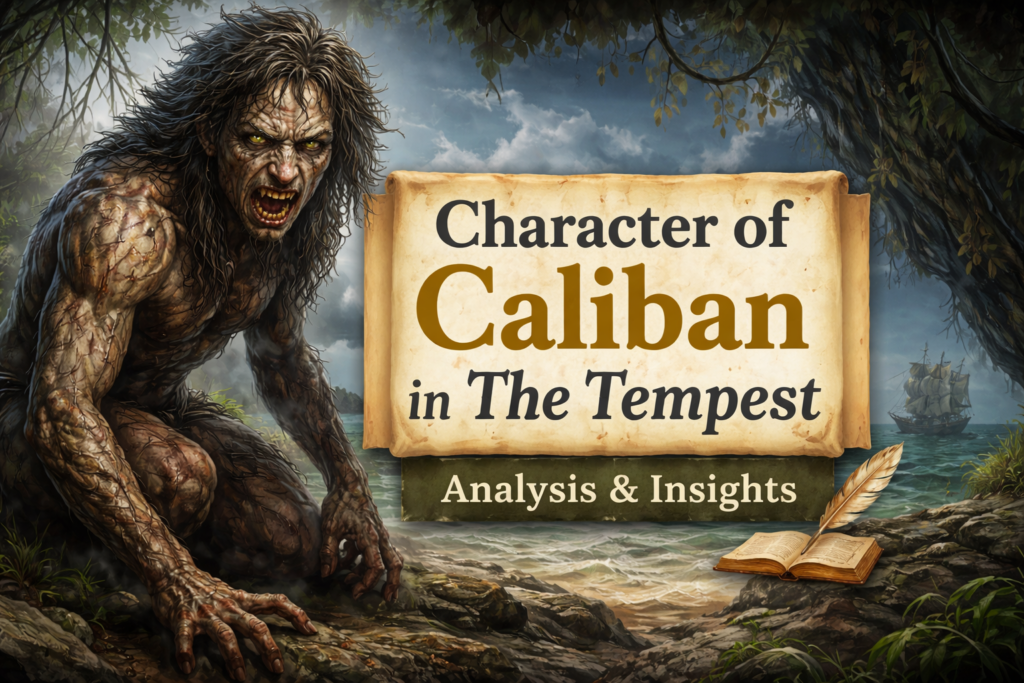
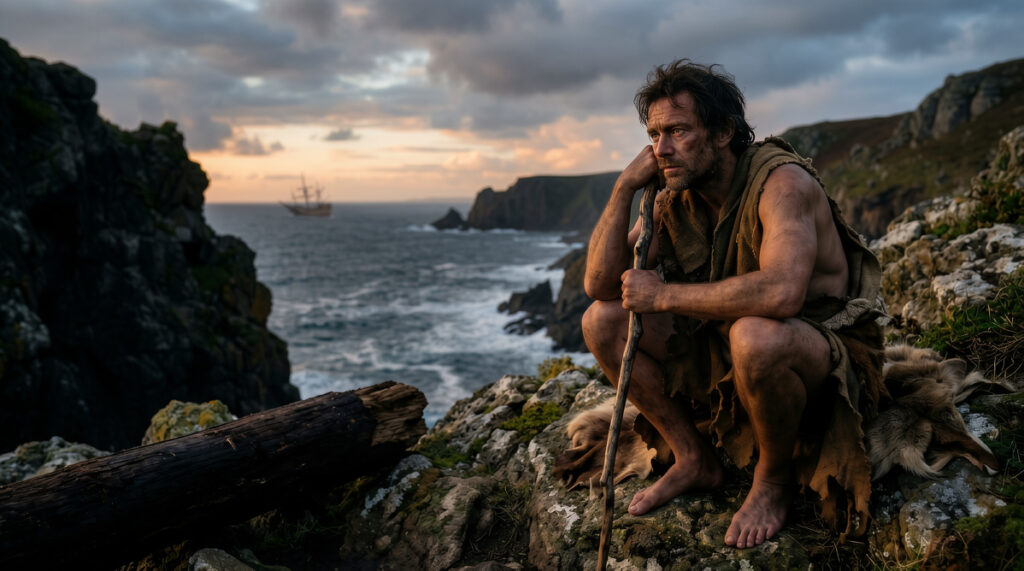
Caliban (Djimon Hounsou), the island’s original inhabitant, is portrayed with raw physicality and wounded dignity. His famous “Be not afeard” speech gains new emotional weight as he describes the island’s sounds and sweet airs, reminding viewers of the deep cultural loss embedded in his subjugation.
The court party — King Alonso, Antonio, Sebastian, and Gonzalo — arrives disoriented on the island. Prospera’s orchestrated illusions test their characters: a vanishing banquet, a harpy’s accusation of past crimes, and whispered temptations of murder. The comic low-plot involving Trinculo (Russell Brand), Stephano (Alfred Molina), and Caliban provides necessary relief while satirizing drunken ambition and colonial greed.
The romantic subplot between Miranda and Ferdinand (Reeve Carney) unfolds with genuine sweetness. Prospera tests Ferdinand’s worthiness through menial labor, echoing the play’s exploration of love earned rather than inherited.
The climax builds to Prospera’s moment of choice: whether to exact final revenge or grant forgiveness. Her renunciation of magic — delivered by Mirren with quiet devastation — becomes one of the film’s most moving sequences. The closing epilogue, spoken directly to the audience, carries added resonance coming from a female Prospera who has navigated both intellectual exile and societal condemnation.
Taymor’s camera lingers on the island’s dramatic landscapes throughout, making the environment an active participant in the drama rather than mere backdrop.
Key Differences Between The Tempest 2010 Film and Shakespeare’s Play
One of the most discussed aspects of the tempest 2010 is Julie Taymor’s decision to gender-swap the central character from Prospero to Prospera. This change is far from cosmetic. It introduces new layers to the story’s exploration of power, motherhood, and gendered persecution. In the film, Prospera’s exile is partly attributed to accusations of witchcraft against a learned woman — a detail that resonates strongly with historical realities of the early modern period. Mirren’s performance makes this personal: we feel the sting of betrayal not only as a deposed ruler but as a mother protecting her daughter in a hostile world.
Taymor also expands the visual vocabulary of magic. While Shakespeare’s stage directions are minimal, the film revels in practical and digital effects. The tempest sequence is grander and more chaotic; Ariel’s manifestations are fluid and otherworldly; the island itself — shot on Lanai’s volcanic terrain — feels palpably alive and almost maternal in its forms.
Some textual cuts were necessary for runtime, particularly in the comic subplot and certain courtly dialogues. However, core speeches remain intact, including Caliban’s “This island’s mine” and Prospera’s “Our revels now are ended.” The gender swap necessitated a few pronoun adjustments and one or two added lines that clarify the backstory without distorting Shakespeare’s verse.
Critics are divided on these changes. Some argue the film prioritizes spectacle over subtlety; others praise how the visual elements make abstract themes tangible. What remains undeniable is that Taymor’s choices force audiences to re-examine familiar characters through a contemporary lens, particularly around issues of gender and colonialism.
Comparison Table: Play vs. 2010 Film
- Central Character: Play – Prospero (male); Film – Prospera (female, played by Helen Mirren)
- Magic Style: Play – Suggested through language; Film – Lavish practical + CGI effects
- Island Setting: Play – Abstract stage; Film – Dramatic Hawaiian volcanic landscape
- Caliban Portrayal: Play – Ambiguous “savage”; Film – Postcolonial depth with strong physical presence
- Ariel: Play – Ambiguous spirit; Film – Ethereal, androgynous, heavily visual
- Thematic Emphasis: Play – Artistic farewell; Film – Female power, motherhood, forgiveness
This table highlights how Taymor both honors and reinterprets the source material, creating a version that feels fresh while remaining recognizably Shakespearean.
Visual and Technical Mastery: What Makes The Tempest 2010 Stunning
Julie Taymor’s background in theater and puppetry shines brightest in the film’s visual language. Costumes blend Renaissance silhouettes with elemental textures — flowing fabrics that echo wind and water, metallic accents suggesting alchemical tools. Prospera’s books and scientific instruments are rendered with loving detail, positioning her as both Renaissance mage and early modern scholar.
The use of practical locations on Lanai gives the island a tactile, almost primordial quality. Lava fields, crashing waves, and mist-shrouded cliffs create a paradise that is simultaneously beautiful and dangerous — perfectly mirroring the dual nature of Prospera’s power.
CGI is employed judiciously. Ariel’s transformations (dissolving into water, appearing as fire or leaves) are executed with a dreamlike quality that avoids overly polished Hollywood gloss. The opening tempest sequence combines real water effects with digital enhancement to create a sense of genuine peril and supernatural force.
Sound design and music further elevate the experience. The score by Elliot Goldenthal (Taymor’s frequent collaborator) mixes orchestral swells with ambient island sounds and subtle electronic textures. Shakespeare’s poetry is never drowned out; instead, the technical elements support and amplify the language.
Where the film occasionally overreaches is in its sheer density of visual ideas. Some sequences feel almost overloaded, a criticism Taymor has faced in other works. Yet even these moments demonstrate an artist unwilling to play it safe — a quality that aligns with Shakespeare’s own experimental spirit in his late romances.
Deep Dive into Themes: How The Tempest 2010 Illuminates Shakespeare’s Vision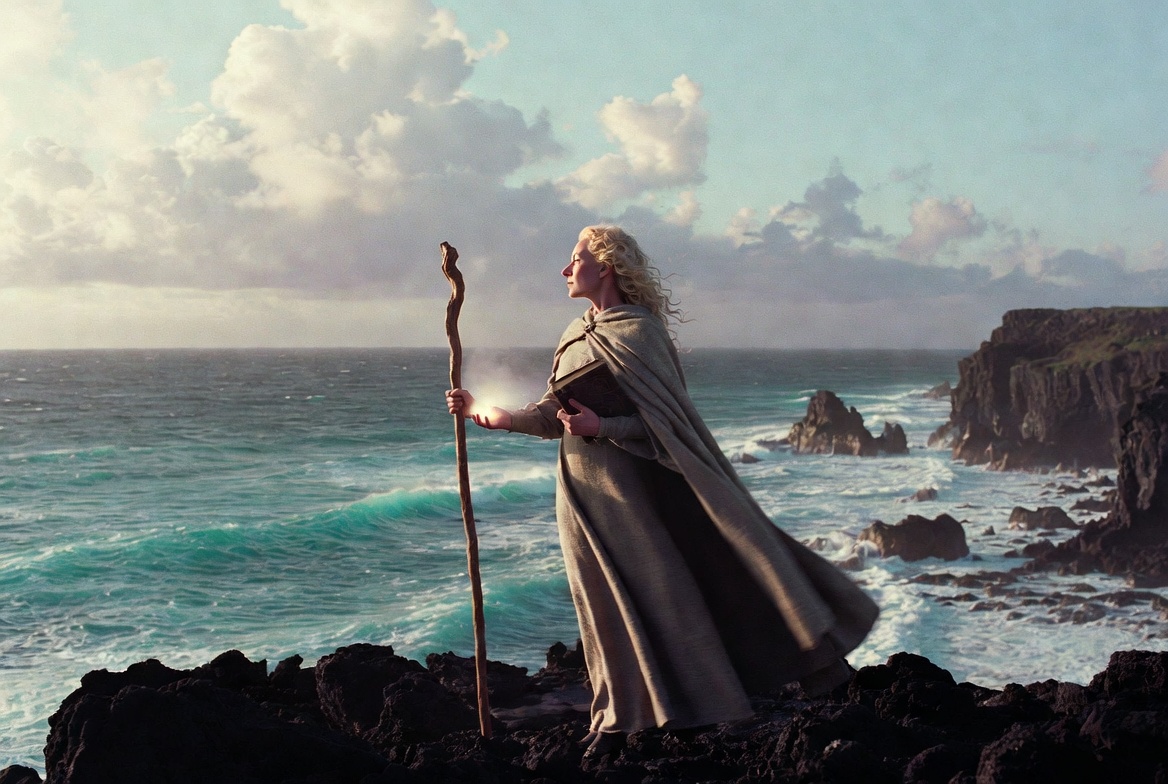
The Tempest 2010 brings renewed urgency to several of Shakespeare’s core concerns. Through Prospera’s female perspective, the theme of power gains new dimensions. We witness not only the corrupting influence of authority but also the particular vulnerabilities faced by a woman who dares to wield it. Her relationship with Miranda explores maternal sacrifice and the difficult balance between protection and liberation.
Forgiveness emerges as the emotional climax. Prospera’s decision to release her enemies — and ultimately her own magic — feels profoundly earned because we have seen the personal cost of her long exile. The gender swap makes this act of mercy even more moving: a woman choosing compassion in a world that showed her little.
Colonialism receives a nuanced treatment through Caliban. Djimon Hounsou’s performance refuses to simplify the character into either villain or victim. His resentment is understandable, his poetry undeniable, and his final uncertain future leaves audiences with uncomfortable questions about justice and reconciliation that remain relevant today.
Finally, the meta-theatrical layer — art as magic — gains extra poignancy. When Prospera breaks her staff and drowns her book, viewers sense Taymor reflecting on her own role as a director who must eventually release her creations to the audience. The closing epilogue, delivered with Mirren’s characteristic directness, bridges the 17th and 21st centuries beautifully.
Critical Reception and Lasting Legacy of The Tempest 2010
Upon its 2010 release, the tempest 2010 received mixed reviews. Critics praised the performances (particularly Mirren and Hounsou) and the breathtaking visuals, but some found the film overly stylized or uneven in tone. It currently holds a 31% approval rating from critics on Rotten Tomatoes, with a significantly higher audience score, suggesting that general viewers responded more warmly than professional reviewers.
Major publications offered thoughtful takes. The New Yorker highlighted Taymor’s courage in re-gendering the lead, while Roger Ebert appreciated the film’s ambition even while noting its occasional excesses. Over time, the movie has found a dedicated following among Shakespeare enthusiasts and educators who value its accessibility and visual richness for introducing the play to new generations.
As of 2026, the tempest 2010 remains available on major streaming platforms and physical media. It continues to be screened in academic settings and film festivals focused on literary adaptations. Its legacy lies in proving that Shakespeare’s late plays can thrive in bold cinematic forms without losing their poetic soul.
Practical Guide: How to Watch and Fully Appreciate The Tempest 2010
To get the most from the tempest 2010, consider these viewing tips:
- Watch with English subtitles enabled. Shakespeare’s language rewards close attention, and the film’s rich soundscape can sometimes compete with dialogue.
- View in a darkened room on the largest screen possible. The visuals — especially the island landscapes and magical sequences — benefit enormously from high resolution and proper contrast.
- Keep a copy of the original play nearby (or open on a second device). Comparing key speeches enhances appreciation of both text and adaptation.
- For educators and students: Pair the film with targeted discussion prompts, such as “How does the gender swap change our understanding of power?” or “In what ways does the film engage with postcolonial ideas?”
Frequently Asked Questions
Is The Tempest 2010 faithful to Shakespeare? It is largely faithful in language and plot while taking creative liberties with gender, visuals, and emphasis. The verse remains mostly intact, making it one of the more text-respectful modern adaptations.
Why did Julie Taymor change Prospero to Prospera? The gender swap allows deeper exploration of female power, motherhood, and historical persecution of learned women. It adds fresh emotional and social layers without fundamentally altering the story’s themes.
Where can I watch The Tempest 2010? As of 2026, the film is available on various streaming services (check current platforms), for digital rental/purchase, and on DVD/Blu-ray.
How does Helen Mirren’s performance compare to male Prosperos? Mirren brings a unique combination of intellectual authority and maternal tenderness. Many viewers find her interpretation equally compelling, if not more emotionally layered, than traditional male portrayals.
What makes this adaptation visually unique? Taymor’s signature blend of practical Hawaiian locations, theatrical design influences, and thoughtful CGI creates an island that feels both mythic and tangible — a visual feast that serves the story rather than overshadowing it.
Is The Tempest 2010 suitable for classroom use? Yes, particularly for older high school and college students. Its visual accessibility helps newcomers while offering rich material for advanced literary analysis.
Julie Taymor’s the tempest 2010 stands as a courageous and visually stunning interpretation of Shakespeare’s final masterpiece. By centering a powerful female Prospera, embracing the play’s magical potential, and grounding the action in a breathtaking natural landscape, the film invites us to see old themes with new eyes.
Whether you approach it as a longtime Shakespeare devotee or a curious newcomer, this adaptation rewards careful viewing and thoughtful reflection. It reminds us that The Tempest is not a dusty relic but a vibrant exploration of power, forgiveness, art, and humanity — themes that continue to resonate across centuries.
Shakespeare ended his career by having Prospero (and now Prospera) release control and trust the audience with the story’s completion. In the same spirit, Taymor releases her vision to us. Watch the tempest 2010. Let its storms, its spirits, and its hard-won mercy wash over you. Then return to the original play with fresh appreciation for the enduring magic of Shakespeare’s words.
What did you think of Helen Mirren’s Prospera or Taymor’s bold choices? Share your thoughts in the comments below. And if you enjoyed this deep dive, explore our other guides to Shakespeare’s plays and their most memorable adaptations.