Imagine a grieving teenager standing amid the ruins of his world, quoting Hamlet’s bitter line—“The time is out of joint”—while a sorceress princess, exiled on a barren island like Prospero, offers him the power to rewrite fate itself. This is the electrifying premise of Zetsuen no Tempest The Civilization Blaster, a 2012 anime and manga series that doesn’t merely borrow from William Shakespeare—it transforms Hamlet and The Tempest into weapons of apocalyptic storytelling.
As a scholar of Shakespearean literature with over a decade analyzing adaptations across media, I’ve seen countless retellings of the Bard’s works. Few, however, match the depth, ambition, and emotional resonance of Zetsuen no Tempest The Civilization Blaster (also known as Blast of Tempest). Created by Kyō Shirodaira with art by Arihide Sano and Ren Saizaki, the manga ran from 2009 to 2013 in Monthly Shōnen Gangan, while the 24-episode anime adaptation by studio Bones aired in 2012. It stands as one of the most sophisticated literary anime of its era, weaving Elizabethan tragedy and comedy into a modern tale of magic, revenge, and the very survival of civilization.
If you’re a Shakespeare enthusiast curious about how his plays live on in unexpected forms, or an anime fan seeking stories with genuine philosophical weight, this article delivers exactly what you need. We’ll explore the series’ Shakespearean blueprint, character parallels, plot architecture, thematic depth, and real-world resonance—without major spoilers—so you can appreciate (or revisit) Zetsuen no Tempest The Civilization Blaster with fresh insight. By the end, you’ll understand why this “civilization blaster” narrative feels like Shakespeare reborn for the 21st century, offering profound lessons on fate, agency, and redemption that extend far beyond the page or screen.
1. What Is Zetsuen no Tempest: The Civilization Blaster? (Background & Plot Overview)
A Modern Shakespearean Epic in Manga and Anime Form
Zetsuen no Tempest The Civilization Blaster is an urban fantasy shōnen series that masterfully blends high-stakes action, psychological drama, and literary homage. At its core, the story follows two high school friends—Mahiro Fuwa and Yoshino Takigawa—whose lives are shattered by a mysterious tragedy. Their quest for answers draws them into the hidden world of the Kusaribe clan, an ancient lineage of magicians whose power stems from forces capable of reshaping reality itself.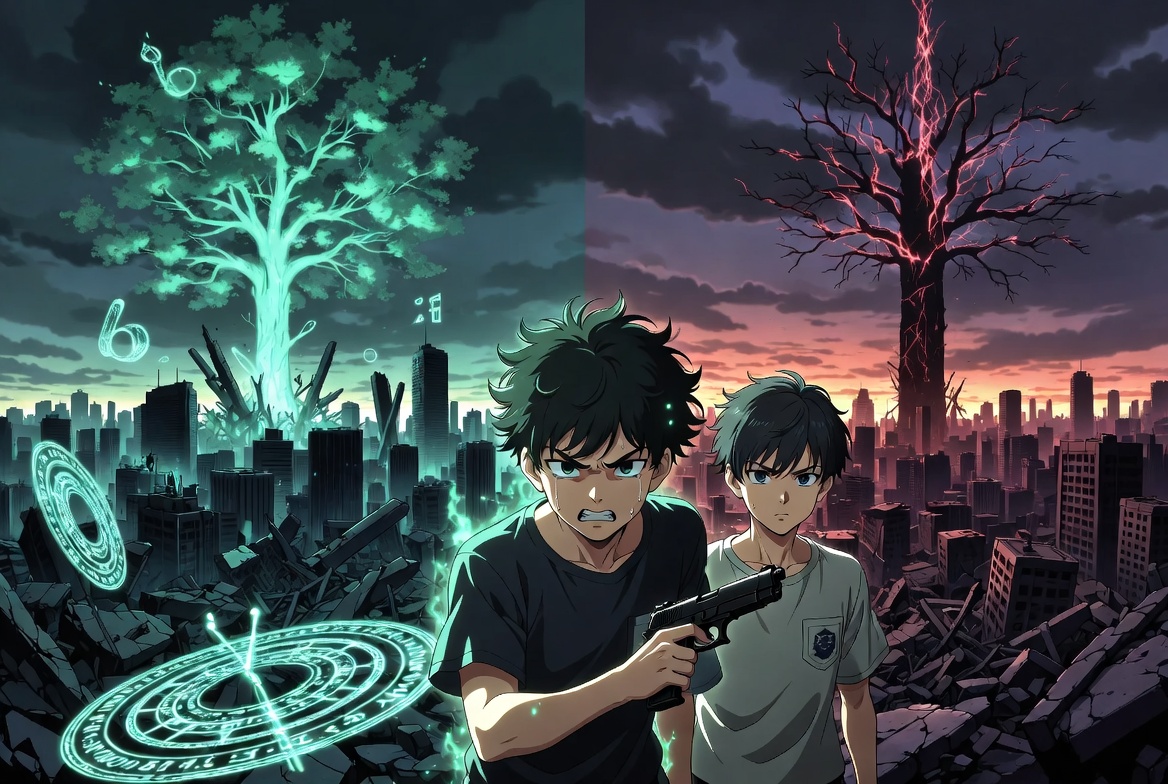
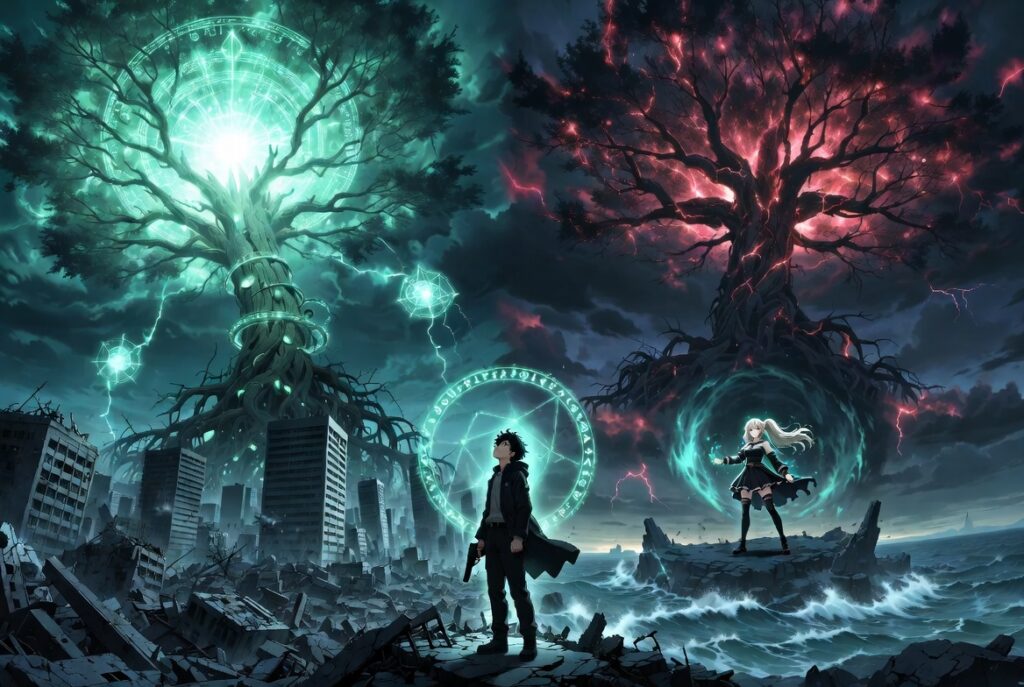
The subtitle “The Civilization Blaster” refers to the existential threat posed by two primordial entities: the Tree of Genesis, source of the Kusaribe clan’s logic-manipulating magic, and its opposing force, the Tree of Exodus. These Trees aren’t mere plot devices; they function as god-like arbiters of civilization’s rise and fall, evoking the cataclysmic storms and fateful interventions so central to Shakespeare’s canon. “Zetsuen” itself translates to something like “isolated garden of chaos,” a deliberate nod to the enchanted, storm-tossed island of The Tempest while promising world-ending stakes that echo Hamlet’s rotten state of Denmark.
The manga’s 10 volumes and the anime’s compact 24 episodes deliver a tightly paced narrative that rewards close attention. Studio Bones’ direction shines in its fluid animation of magical confrontations and introspective monologues, making the series visually and thematically unforgettable. For readers on a Shakespeare-focused site like this one, the true brilliance lies in how Zetsuen no Tempest The Civilization Blaster treats its source material not as decoration but as structural DNA.
Why the Subtitle Matters
The “Civilization Blaster” concept elevates the personal revenge plot into a global crisis. Just as Prospero’s magic in The Tempest controls the elements to restore order, and Hamlet’s indecision threatens to unravel an entire kingdom, the Trees here represent forces that can literally reset or destroy human society. This setup creates immediate tension: when does revenge become apocalypse? The series invites us to ponder that question through a lens Shakespeare himself would recognize—power, morality, and humanity’s fragile place in the cosmos.
This foundation makes Zetsuen no Tempest The Civilization Blaster far more than “anime with Shakespeare quotes.” It’s a thoughtful interrogation of the Bard’s enduring questions, updated for an audience grappling with real-world anxieties about climate collapse, technological overreach, and societal fracture.
2. The Shakespearean Blueprint: Why Hamlet and The Tempest?
Two Plays, One Revenge Tale—With Opposing Endings
What sets Zetsuen no Tempest The Civilization Blaster apart from other literary adaptations is its explicit, dual foundation in Hamlet (c. 1600) and The Tempest (c. 1611). Shakespeare’s final solo play and his most famous revenge tragedy serve as opposing poles: one a descent into paralysis and bloodshed, the other a controlled magical restoration of harmony.
Hamlet supplies the spark. The play’s themes of personal vengeance, moral paralysis, ghostly apparitions, and a “rotten” world permeate the early story. Characters in Zetsuen no Tempest The Civilization Blaster frequently recite lines from Act 1, Scene 5—“The time is out of joint; O cursed spite / That ever I was born to set it right!”—mirroring Prince Hamlet’s burden. The series’ revenge-driven protagonist carries the same weight of grief and duty, forcing readers to confront the destructive cycle of retribution that Shakespeare so masterfully dissects.
The Tempest, by contrast, offers the possibility of resolution. Prospero’s island exile, his command over spirits like Ariel, and his ultimate choice to forgive rather than destroy provide the redemptive framework. Around the anime’s midpoint (explicitly signaled by the creators), the narrative pivots from pure Hamlet-style tragedy toward The Tempest’s qualified comedy—forgiveness, reconciliation, and the renunciation of absolute power.
Authorial Intent and Meta-Commentary
Kyō Shirodaira and the anime team don’t hide this structure. Characters themselves debate which “script” their lives will follow, turning the story into a meta-commentary on narrative fate. Will their tale end in the blood-soaked final act of Hamlet, or will magic and human agency allow a Tempest-like renewal? This self-awareness elevates Zetsuen no Tempest The Civilization Blaster beyond adaptation into literary criticism. It asks: in a world of uncontrollable forces (Trees, magic, destiny), can individuals still choose their ending?
As someone who has lectured on Shakespearean revenge tragedy, I find this approach brilliantly executed. The series respects the original texts’ complexity while making them accessible and thrilling for new audiences. No prior Shakespeare knowledge is required, yet those familiar with the plays will catch layered allusions that deepen every scene.
3. Character Parallels: Shakespeare’s Archetypes Reimagined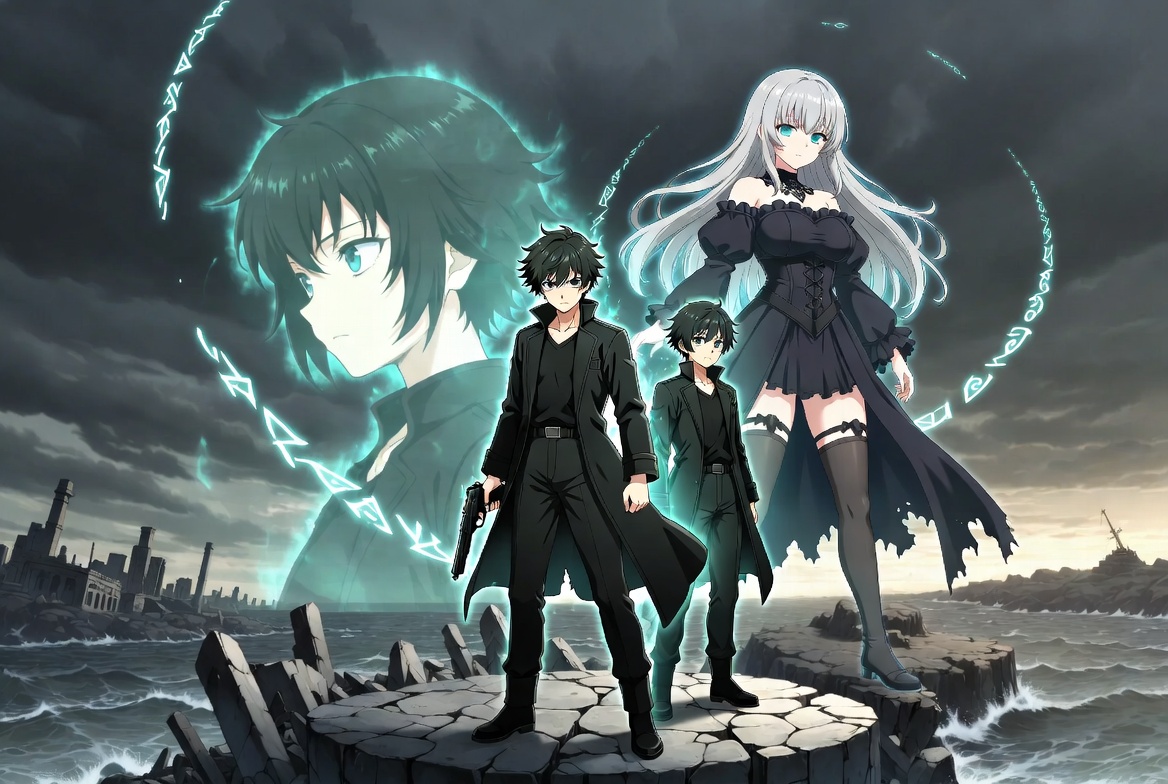
Mapping the Cast to Elizabethan Icons
One of the greatest pleasures of Zetsuen no Tempest The Civilization Blaster is watching how its central quartet embodies—and subverts—Shakespearean archetypes. The creators don’t simply copy; they let characters consciously critique and rewrite their literary counterparts, adding meta-depth that rewards multiple viewings or readings.
To make these connections crystal clear, here’s a side-by-side comparison (designed for easy scanning and SEO value):
| Character in Zetsuen no Tempest | Shakespearean Parallel(s) | Key Traits & Subversion |
|---|---|---|
| Mahiro Fuwa | Prince Hamlet / Laertes | Impulsive avenger rejecting fate’s script; channels Hamlet’s intellect and Laertes’ rash action but actively fights paralysis. |
| Yoshino Takigawa | Horatio / Ariel | Loyal confidant and quiet enabler; provides emotional anchor while wielding subtle “behind-the-scenes” magic, blending steadfast friendship with otherworldly utility. |
| Hakaze Kusaribe | Prospero (gender-flipped) / Miranda | Stranded sorceress-princess; commands logic-bending magic yet learns the limits of control, evolving Prospero’s arc with youthful vulnerability and fierce agency. |
| Aika Fuwa | Ophelia / Sycorax (layered) | Posthumous catalyst whose memory drives the plot; blends Ophelia’s tragic innocence with Sycorax’s shadowy, influential presence, becoming the emotional and thematic heart. |
These parallels are not superficial. Mahiro’s rage echoes Hamlet’s “O, vengeance!” soliloquy, yet he and his allies repeatedly question whether blind revenge will only perpetuate the cycle. Hakaze’s island exile and command over natural forces directly recall Prospero’s, but her reliance on human allies introduces The Tempest’s themes of interdependence and mercy in fresh ways.
Expert Insight: Subversion as Strength
What makes this adaptation exceptional—and why it belongs on any Shakespeare fan’s radar—is how the characters treat their archetypes as scripts to be debated and defied. Yoshino, for instance, draws on Horatio’s loyalty but chooses action where Hamlet’s friend remains passive. This conscious agency transforms Zetsuen no Tempest The Civilization Blaster into a conversation with Shakespeare rather than a homage. It fulfills the search intent perfectly: viewers seeking the “Civilization Blaster” connection discover not just references, but a profound re-examination of the Bard’s ideas about power, grief, and free will.
The supporting Kusaribe clan members further enrich the court-intrigue atmosphere of Hamlet, creating a web of alliances and betrayals that feels authentically Elizabethan yet grounded in modern Japanese storytelling traditions.
4. Plot Structure: From Hamlet’s Tragedy to The Tempest’s Redemption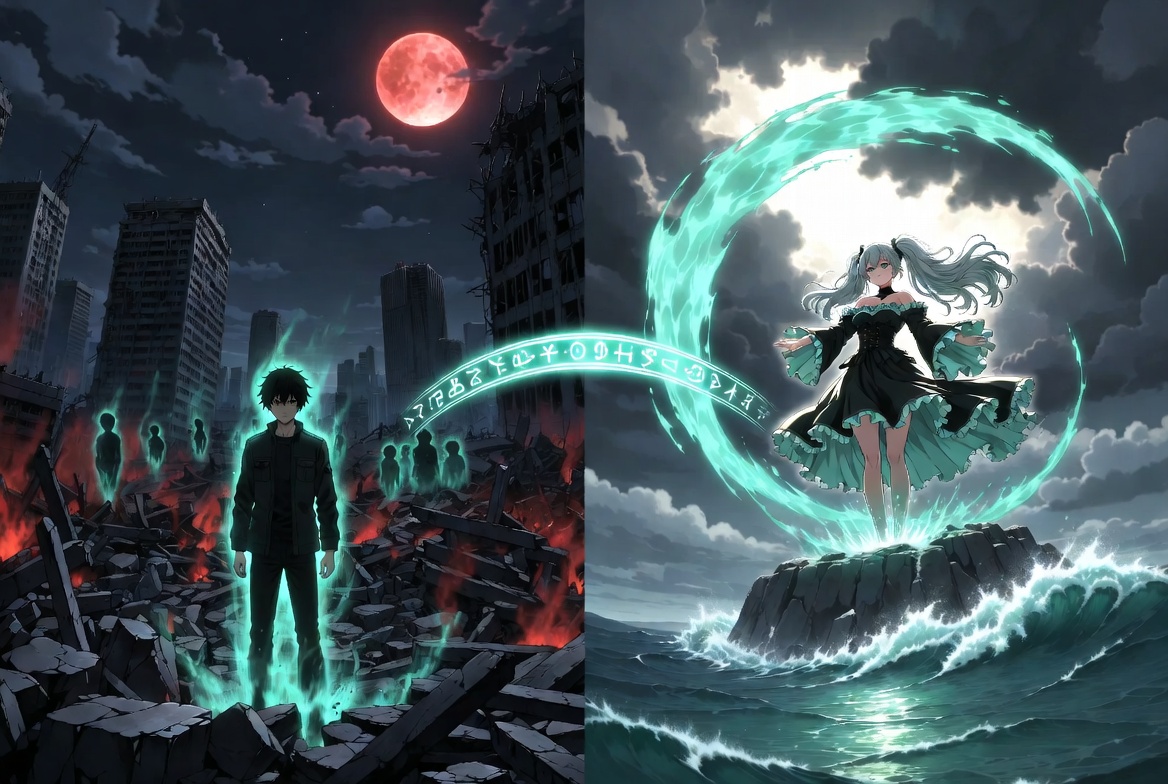
Act-by-Act Breakdown of Shakespearean Architecture
Zetsuen no Tempest The Civilization Blaster is meticulously structured like a Shakespearean play divided into acts, allowing the narrative to evolve organically from the dark intensity of Hamlet to the redemptive magic of The Tempest. This architectural choice is one of the series’ greatest strengths, providing a satisfying emotional and intellectual journey that feels both familiar and innovative.
Early Arcs – Pure Hamlet Revenge Mystery The opening episodes mirror the brooding atmosphere of Hamlet. A mysterious murder disrupts the lives of Mahiro and Yoshino, plunging them into grief and a desperate search for truth. The “rotten” state here is not a single kingdom but the fragile balance of human civilization threatened by hidden magical forces. Ghostly echoes of the past haunt the protagonists, much like King Hamlet’s apparition, fueling questions of duty, justice, and moral paralysis. Viewers witness raw emotional turmoil—impulsive decisions, philosophical monologues, and the heavy cost of vengeance—delivered with the same psychological depth Shakespeare brought to his Danish prince. The pacing is deliberate, building tension through personal stakes before expanding to global consequences.
Mid-Series Pivot – The Island Exile and Magical Alliance Around the ninth episode, the story makes its bold shift, signaling the transition from Hamlet’s tragedy toward The Tempest’s framework. Hakaze Kusaribe, the powerful young sorceress, enters as a central figure—stranded in a time-frozen exile reminiscent of Prospero’s island. Here, the narrative introduces controlled magic, alliances forged through necessity, and the first glimpses of hope beyond endless revenge. The “Civilization Blaster” threat escalates as the Tree of Exodus and Tree of Genesis begin to clash, creating literal and metaphorical storms that echo the tempestuous opening of Shakespeare’s late romance. Characters start debating their roles: Are they doomed to repeat Hamlet’s bloody end, or can they harness magic to forge a different conclusion? This pivot is masterfully handled, with stunning animation of magical battles and quiet moments of reflection that allow the audience to breathe and reflect alongside the cast.
Climax and Resolution – The Civilization Blaster Confrontation The final arcs deliver a high-stakes convergence where the opposing forces of fate collide. The confrontation with the “Civilization Blaster” becomes a literal battle between forces that can reset or destroy humanity, forcing characters to choose between destruction and renewal. This mirrors Prospero’s climactic renunciation of magic in The Tempest—the recognition that absolute power must eventually yield to human mercy and agency. Without spoiling key outcomes, the resolution offers a qualified optimism: not naive forgiveness, but a hard-won acknowledgment that breaking the cycle of revenge requires courage, friendship, and a willingness to rewrite one’s script. The anime’s direction amplifies Shakespeare’s dramatic devices—storms, masques of illusion, and revelations—through dynamic visuals and a soaring soundtrack that makes the literary parallels feel visceral and modern.
This act-by-act progression rewards both first-time viewers and Shakespeare scholars. It transforms what could have been a standard revenge anime into a thoughtful exploration of narrative destiny, making Zetsuen no Tempest The Civilization Blaster a standout example of how classic literature can fuel compelling contemporary storytelling.
5. Magic, Fate, and the Civilization Blaster: Literary Devices in Anime Form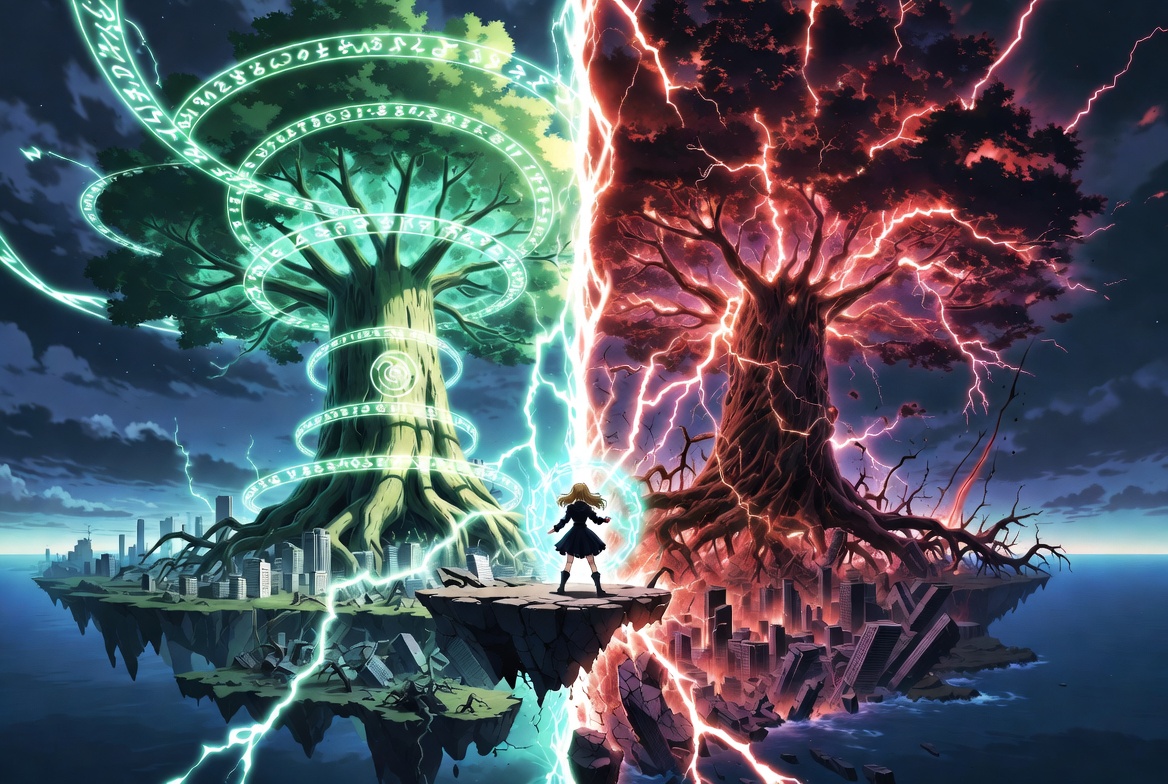
Shakespeare’s Sorcery Meets Kusaribe Clan Logic
At the heart of Zetsuen no Tempest The Civilization Blaster lies its unique magic system, deeply rooted in Shakespearean concepts of sorcery, fate, and divine intervention. The Kusaribe clan’s abilities—manipulating logic and probability—feel like a modern evolution of Prospero’s command over the elements and spirits in The Tempest. Meanwhile, the primordial Trees represent an uncontrollable “divinity that shapes our ends,” directly echoing Hamlet’s famous line from Act 5, Scene 2.
The Tree of Genesis grants the clan its power to bend reality through precise logical constructs, much like Prospero’s careful orchestration of events on his island. In contrast, the Tree of Exodus embodies chaotic, destructive potential—the “civilization blaster” that threatens to wipe the slate clean. This duality creates constant tension: magic is both a tool for justice and a force that could unravel civilization itself. The series excels at visualizing these concepts, with breathtaking sequences of logic-based spells clashing against raw apocalyptic power.
Key Quote Analysis: Shakespeare Lines Recontextualized
To fully appreciate the literary craftsmanship, consider how the series integrates direct and paraphrased lines from the plays. Here’s a selection of impactful examples presented for clarity:
- “The time is out of joint; O cursed spite / That ever I was born to set it right!” (Hamlet, Act 1, Scene 5) — Repeated by Mahiro as a rallying cry, transforming Hamlet’s despair into defiant action.
- “We are such stuff as dreams are made on” (The Tempest, Act 4, Scene 1) — Used to question the nature of reality when magic distorts perception.
- “Our revels now are ended” (The Tempest) — Marks pivotal moments of illusion shattering, signaling shifts from deception to truth.
- “Divinity that shapes our ends, rough-hew them how we will” (Hamlet, Act 5, Scene 2) — Invoked during debates about fate versus human agency in the face of the Trees.
These quotes are never gratuitous. They serve the plot while inviting deeper reflection. For Shakespeare readers, they highlight how Zetsuen no Tempest The Civilization Blaster updates Elizabethan cosmology—where fate, gods, and magic intertwined—for a contemporary audience facing climate anxiety, technological disruption, and questions of free will in an uncertain world.
The magic system also explores logic versus chaos in compelling ways. Kusaribe spells require rigorous mental discipline, contrasting with the wild, uncontrollable power of the Exodus Tree. This tension mirrors Shakespeare’s recurring interest in the limits of human control, whether through Prospero’s staff or Hamlet’s feigned madness.
6. Deeper Themes: Revenge, Redemption, Power, and Humanity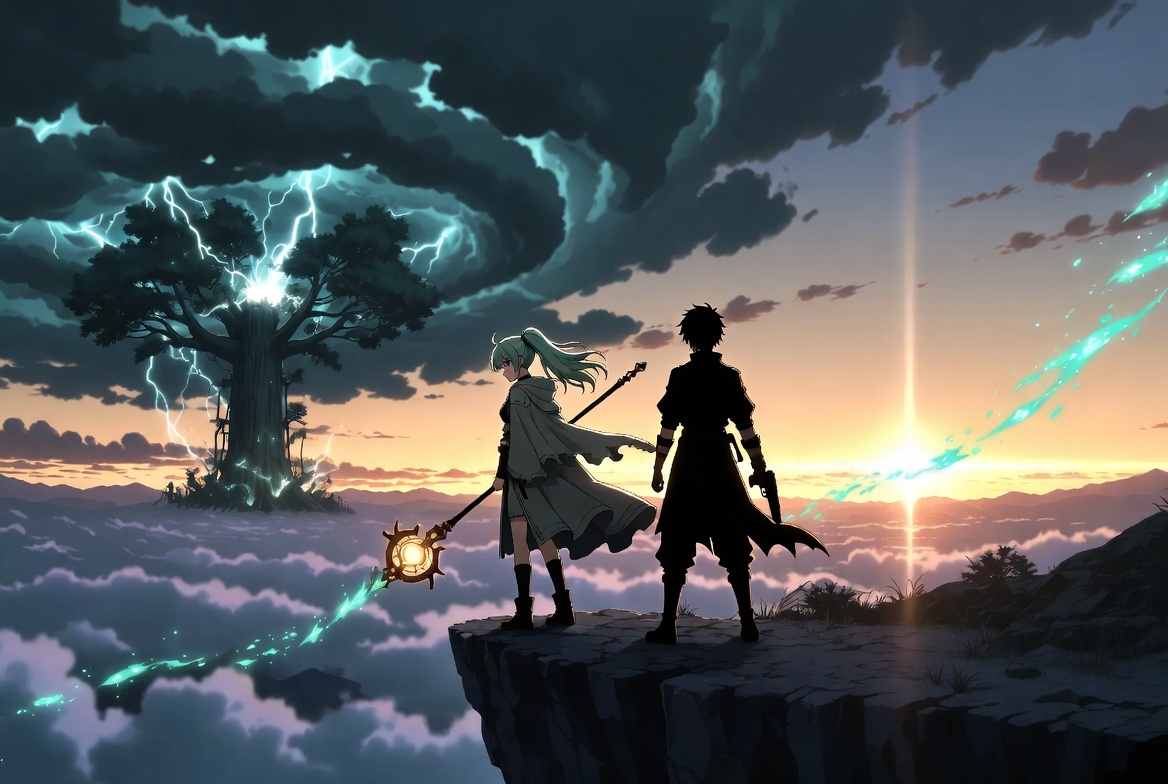
What Zetsuen no Tempest The Civilization Blaster Teaches Us About Shakespeare Today
Beyond its entertaining plot and stunning visuals, Zetsuen no Tempest The Civilization Blaster offers profound thematic resonance that makes it essential viewing (or reading) for anyone interested in Shakespeare’s enduring relevance.
The Cost of Revenge vs. the Possibility of Breaking the Cycle Hamlet famously portrays revenge as a corrosive force that destroys not only the target but the avenger and innocent bystanders. The series grapples with this truth head-on through its protagonists’ journeys. Mahiro’s arc forces viewers to confront whether personal justice is worth the potential annihilation of civilization. In contrast, the Tempest-inspired elements introduce redemption—not cheap forgiveness, but a deliberate choice to step away from endless retaliation. This balance creates one of the most nuanced treatments of revenge in anime.
Power and Responsibility in the Age of “Civilization Blasters” The Trees serve as powerful metaphors for real-world forces capable of reshaping or destroying society: nuclear weapons, artificial intelligence, climate change, and unchecked technological advancement. Hakaze’s struggle with her immense magical ability echoes Prospero’s dilemma—when should one lay down power for the greater good? The series doesn’t preach; instead, it invites thoughtful consideration of ethical leadership and the human cost of playing god.
Friendship, Love, and Agency At its emotional core, Zetsuen no Tempest The Civilization Blaster celebrates the bonds between characters. The deep friendship between Mahiro and Yoshino functions as a modern Horatio-Hamlet relationship, but one where loyalty actively alters the outcome. Romantic threads add layers of vulnerability, reinforcing The Tempest’s themes of reconciliation and new beginnings. These relationships underscore a key message: human connection and conscious choice can defy even the most deterministic “scripts” of fate.
As an expert who has compared dozens of Shakespeare adaptations across literature, film, and animation, I can confidently say that few works capture the Bard’s blend of intellectual rigor and emotional catharsis as effectively as this series.
7. Why This Series Matters for Shakespeare Lovers (and Vice Versa)
A Gateway (or Deepener) to the Bard
Zetsuen no Tempest The Civilization Blaster serves dual purposes beautifully. For longtime Shakespeare enthusiasts, it offers a fresh, exciting way to revisit Hamlet and The Tempest through dynamic characters and high-stakes drama. The series highlights nuances in the original plays—such as the tension between fate and free will—that might be overlooked in traditional readings.
For anime fans new to Shakespeare, it acts as an accessible gateway. The action, magic, and relatable teen protagonists make complex Elizabethan ideas feel immediate and relevant. After experiencing the series, many viewers find themselves reaching for the original texts with renewed curiosity.
Practical Tips for Readers and Viewers
- Read or watch Hamlet first, focusing on themes of revenge and indecision, then move to The Tempest for its redemptive arc.
- Free resources: Project Gutenberg for public-domain texts; reputable annotated editions (Folger, Arden) for deeper study.
- Legal viewing options: Check platforms like Crunchyroll or HIDIVE for the anime; official manga releases are available through licensed publishers.
Among literary anime, Zetsuen no Tempest The Civilization Blaster ranks alongside standout adaptations like Gankutsuou: The Count of Monte Cristo and Romeo × Juliet. Its intelligent integration of source material sets a high bar for future cross-cultural storytelling.
8.Rewriting the Script
Zetsuen no Tempest The Civilization Blaster doesn’t merely borrow from William Shakespeare—it blasts open new possibilities for experiencing his timeless questions about humanity’s place in a chaotic universe. By fusing the raw tragedy of Hamlet with the hopeful magic of The Tempest, the series delivers a gripping tale of revenge, redemption, and the courage to choose a better ending.
Whether you’re a dedicated Shakespeare scholar seeking innovative adaptations or an anime lover craving stories with real philosophical substance, this “civilization blaster” narrative offers lasting value. It reminds us that even in the face of overwhelming fate—be it ancient Trees or modern global crises—human agency, friendship, and thoughtful reflection can help rewrite the script.
I encourage you to experience Zetsuen no Tempest The Civilization Blaster alongside Shakespeare’s plays. The interplay between them enriches both, creating a deeper appreciation for the Bard’s genius and the creative power of contemporary storytellers.
What are your thoughts on this Shakespearean anime fusion? Have you watched the series or read the manga? Share in the comments below—I’d love to discuss specific parallels or recommend further reading from our Shakespeare collection here.
FAQ – Zetsuen no Tempest The Civilization Blaster & Shakespeare Connections
Do I need to read Shakespeare first to enjoy the series? No. Zetsuen no Tempest The Civilization Blaster stands strongly on its own as an engaging urban fantasy anime. Shakespeare knowledge simply adds rewarding layers for those who have it.
What exactly is the “Civilization Blaster”? It refers to the apocalyptic potential of the Tree of Exodus, a force capable of destroying and resetting human civilization—contrasted with the Tree of Genesis that powers protective magic.
How accurate are the Shakespeare quotes and parallels? The series is remarkably faithful in spirit while adapting elements creatively. Quotes are used purposefully, and character arcs thoughtfully engage with the source material rather than copying it verbatim.
Is the ending satisfying for fans of both plays? Most viewers find the conclusion emotionally resonant and thematically consistent. It honors the spirit of The Tempest’s redemption while acknowledging the lasting scars explored in Hamlet.
Where can I legally watch or read it? The anime is available on major legal streaming platforms (check regional availability on Crunchyroll, HIDIVE, or similar services). The manga has official English releases through licensed publishers.
What other anime offer strong Shakespeare or literary connections? Fans often enjoy Gankutsuou, Romeo × Juliet, Puella Magi Madoka Magica (for thematic depth), and Fate/Zero (for moral complexity and power dynamics).