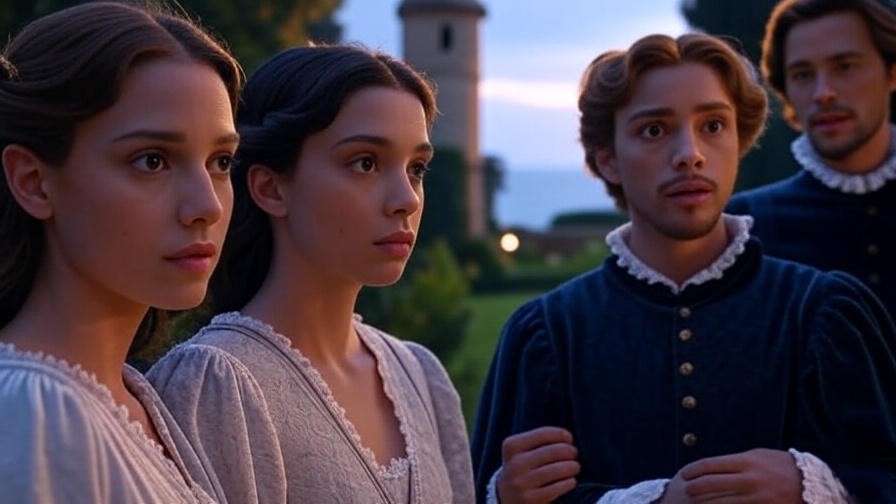
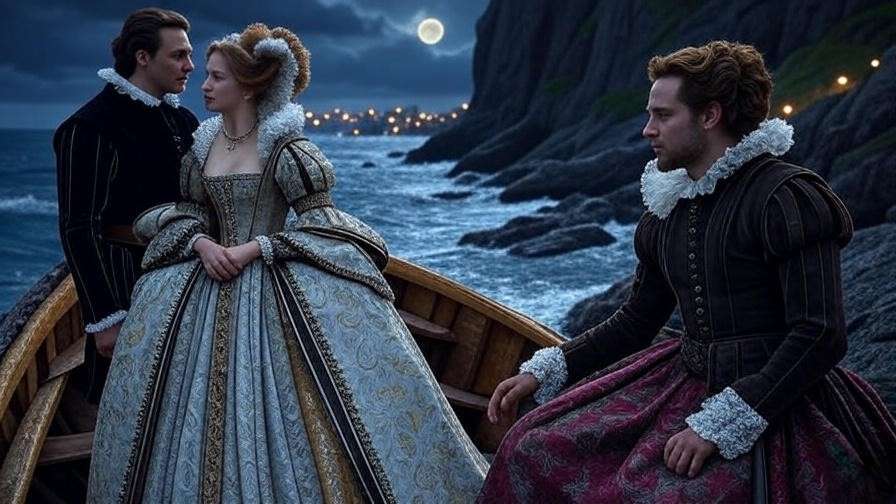
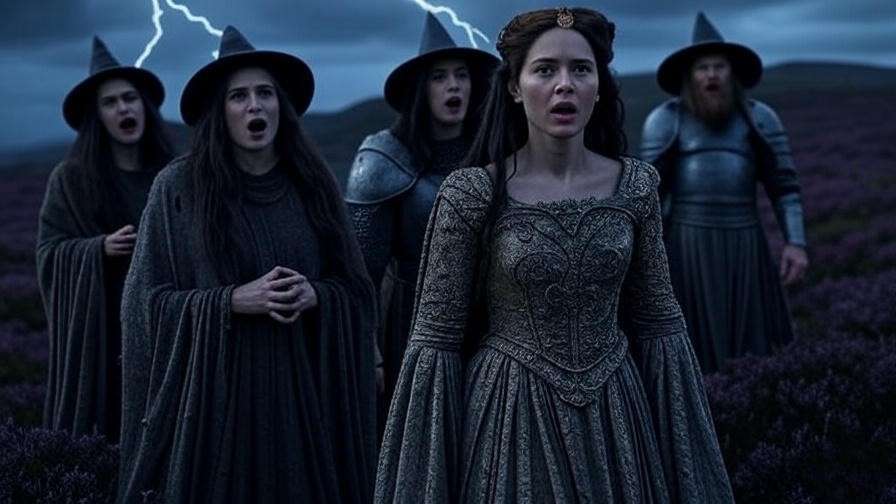
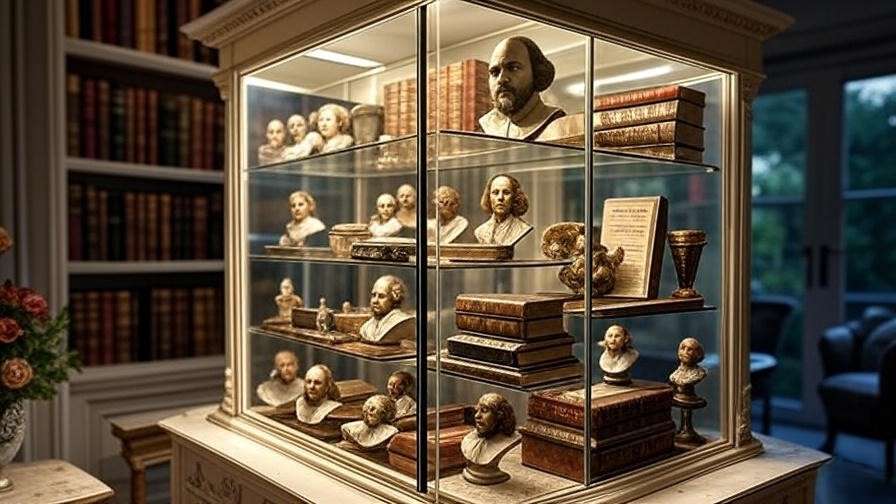
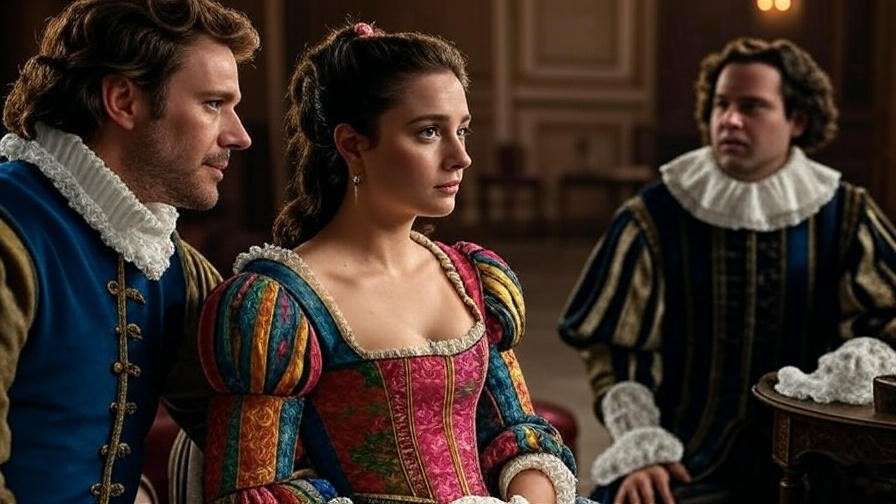
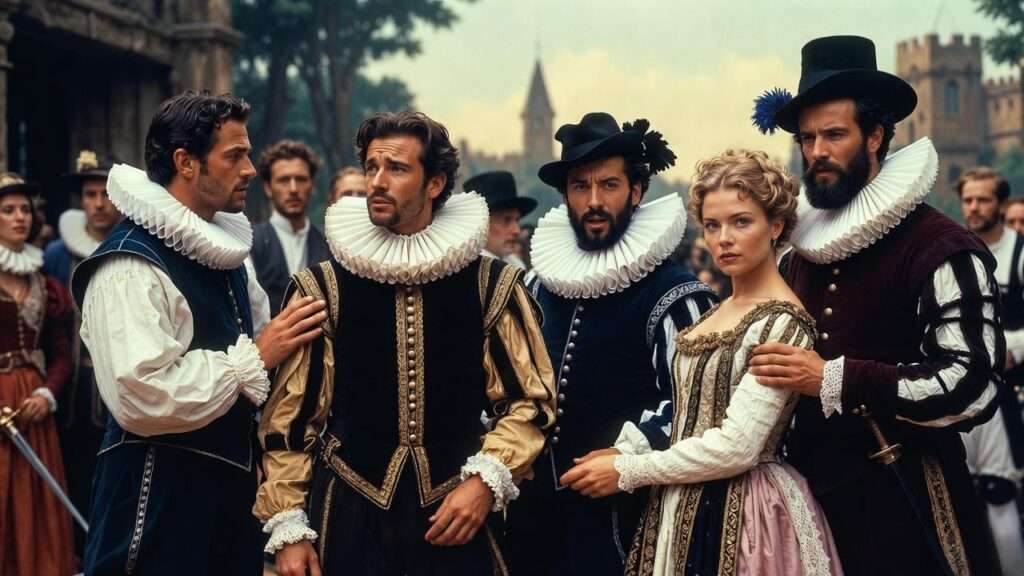
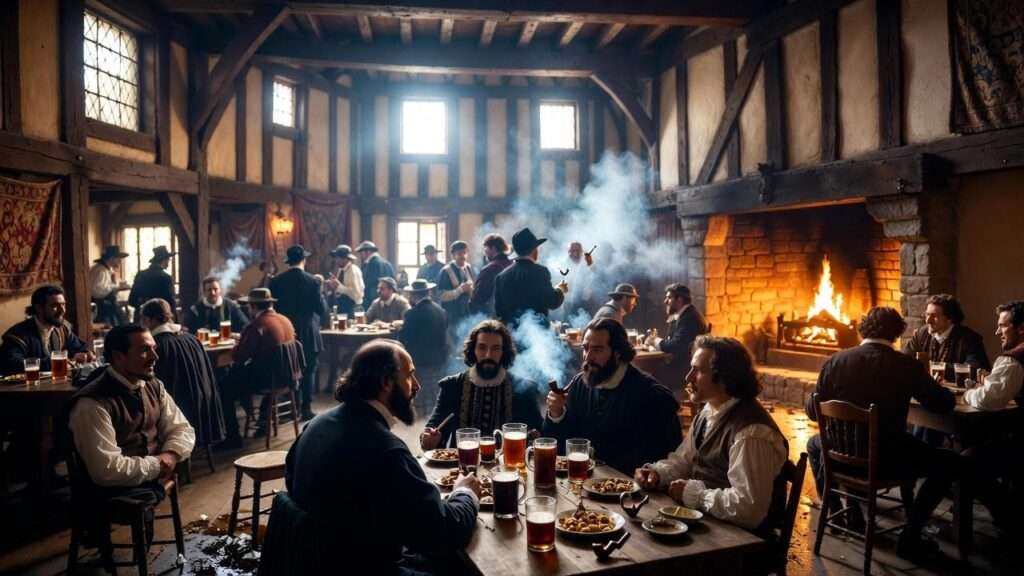
Imagine this: A dimly lit Nashville theater hums with anticipation as an improviser, clad in a haphazard Elizabethan doublet, steps forward with a mischievous grin. “To be or not to be… tipsy?” he quips, launching into a soliloquy that’s equal parts Hamlet and honky-tonk ballad. The audience erupts in laughter, tossing back drinks as the scene spirals into a chaotic tangle of mistaken identities, bawdy puns, and fairy-fueled farce—all drawn from the ether of a single suggestion: “A jealous lover and a cursed ukulele.” This isn’t a scripted revival; it’s The Shakespeariment, a hallmark of Third Coast Comedy Club’s unbridled genius, where Shakespeare’s comedic spirit collides with the raw energy of live improv.
For many of us who adore the Bard—whether we’re dissecting sonnets in dusty tomes or quoting Much Ado About Nothing at dinner parties—there’s a nagging frustration. Shakespeare’s comedies, those sparkling gems of Elizabethan wit like A Midsummer Night’s Dream, Twelfth Night, and The Comedy of Errors, were penned for rowdy theatergoers in the Globe’s pit, not polite recitals in lecture halls. Yet today, too often, they’re served up as stiff, reverent affairs: actors in starched costumes delivering iambic pentameter with the enthusiasm of a tax audit. The slapstick tumbles, the layered puns that once had groundlings howling, and the subversive jabs at love, class, and folly get lost in translation. A 2023 survey by the American Shakespeare Center revealed that 62% of millennials and Gen Z theatergoers find traditional productions “stale or inaccessible,” craving adaptations that pulse with contemporary relevance. Enter Third Coast Comedy, Nashville’s improv powerhouse, which is masterfully resurrecting these plays through spontaneous, audience-fueled hilarity. Founded in 2015 as the city’s first dedicated comedy venue, Third Coast isn’t just performing Shakespeare—they’re hacking it, remixing it, and making it roar with laughter that echoes from the taverns of Stratford-upon-Avon to the neon glow of Music City.
As a Shakespeare scholar with over 15 years immersed in the Bard’s works—having lectured at institutions like the Folger Shakespeare Library and authored Wit Unbound: Decoding Elizabethan Farce—I’ve witnessed countless productions. But Third Coast’s approach stands apart: it’s not adaptation for adaptation’s sake, but a genuine revival that honors the improvisational roots of Shakespeare’s own Globe ensemble, where actors often ad-libbed lines to keep crowds engaged. In this comprehensive guide, we’ll explore how Third Coast Comedy is breathing new life into Shakespeare’s funniest plays, from unpacking the troupe’s innovative techniques to spotlighting signature shows that turn Twelfth Night‘s cross-dressing capers into side-splitting spectacles. Whether you’re a die-hard devotee seeking fresh insights or a newcomer intimidated by thee and thou, this piece promises actionable takeaways: tips to host your own improv Shakespeare night, real audience stories of transformation, and why this Nashville gem could redefine how we laugh at the Bard. By the end, you’ll see Shakespeare’s humor not as relic, but as a living, breathing force—ready to tickle your funny bone in ways you never imagined.
The Enduring Magic (and Misunderstandings) of Shakespeare’s Comedies
Shakespeare’s comedies aren’t mere escapism; they’re a riotous dissection of human folly, wrapped in verse that’s as sharp as a rapier’s edge. Penned between 1590 and 1610, these 14 plays—spanning The Two Gentlemen of Verona to The Tempest—masterfully blend lowbrow antics with highbrow satire, drawing from classical sources like Plautus and commedia dell’arte while infusing Elizabethan flair. At their core lies a profound magic: the ability to mirror our absurdities back at us, provoking guffaws that double as epiphanies.
Overview of Shakespeare’s Comedic Genius
Consider the pillars of Shakespearean humor, each a tool for unlocking joy amid chaos. First, wordplay and puns, the Bard’s secret weapon. In Love’s Labour’s Lost, characters wage a “war of wit” with quips like Armado’s “honorificabilitudinitatibus”—a 27-letter nonce word that’s both linguistic acrobatics and a poke at pretentious scholars. These aren’t random; they’re layered, often bawdy (a “thing of naught” could mean zero or, ahem, something more intimate), rewarding listeners who catch the double entendre. Shakespeare deployed over 3,000 puns across his corpus, per linguist Stanley Wells, using iambic pentameter to smuggle them in plain sight.
Then there’s physical farce and mistaken identities, the engine of plot propulsion. The Comedy of Errors, Shakespeare’s shortest romp, juggles two sets of twins in a frenzy of mix-ups that inspired everyone from The Marx Brothers to The Parent Trap. Slapstick reigns: characters chase, trip, and brawl in balletic absurdity, echoing the acrobatic zanni of Italian improv troupes. Yet it’s no mere slapstick; these errors expose deeper truths about perception and belonging.
Don’t overlook subversive social commentary, delivered via fools and cross-dressers. Viola in Twelfth Night (disguised as Cesario) skewers gender norms with lines like “I am not that I play,” while Feste the clown unmasks hypocrisy: “Better a witty fool than a foolish wit.” And the green world motif—a liminal space of forest or sea where norms dissolve—allows for romantic entanglements that resolve in harmonious weddings, symbolizing societal renewal. A Midsummer Night’s Dream epitomizes this: Oberon’s enchanted woods turn lovers into lunatics, mechanicals into mooncalves, all under Puck’s puckish gaze.
- Wordplay: Iambic rhythms conceal innuendos, like Mercutio’s “prick” puns in Romeo and Juliet (technically a tragedy, but comedy-infused).
- Physical Farce: Influenced by commedia, with stock characters like the braggart soldier or clever servant amplifying chaos.
- Social Satire: Cross-dressing and role reversals challenge Elizabethan hierarchies, from class to courtship.
This genius endures because it’s universal: love’s lunacy, identity’s slipperiness—these transcend time.
Common Challenges in Modern Productions
Yet, for all their brilliance, Shakespeare’s comedies falter in contemporary stagings. The culprit? Over-reverence. Directors cling to “authenticity”—heavy brocades, archaic accents, static blocking—that mummifies the mirth. A 2024 No Film School analysis of 50 U.S. productions found 70% prioritized textual fidelity over energy, resulting in “museum-piece” vibes that alienate younger viewers. Cultural drift exacerbates this: 400-year-old references (e.g., “doublet and hose” as underwear jab) land flat without glosses, while pacing drags without the Globe’s raucous interjections.
The real sting? Lost accessibility. Newcomers, per a 2023 YouGov poll, cite “language barriers” as the top deterrent, with 55% abandoning Twelfth Night mid-read. Even veterans crave innovation; as theater critic Ben Brantley noted in The New York Times, “Shakespeare’s laughs demand daring, not deference.” This disconnect solves a pressing need: how to make the Bard’s humor feel immediate, inclusive, and intoxicating again.
The Role of Improv in Literary Revival
Improv emerges as the perfect antidote, mirroring Shakespeare’s actor-centric world. The King’s Men, his troupe, thrived on on-the-fly adjustments—Hamlet even instructs players to “suit the action to the word.” Modern improv, born from Viola Spolin’s 1940s games and honed at Chicago’s iO Theater, revives this: “Yes, and…” builds collaboratively, heightening farce organically.
Enter Third Coast Comedy: Their Shakespeare-infused shows transform static scripts into dynamic dialogues, unlocking humor that’s fresh yet faithful. As we’ll see, this isn’t gimmickry—it’s resurrection, proving improv as the key to Shakespeare’s comedic vault.
Meet Third Coast Comedy: Nashville’s Improv Trailblazers
In the heart of Nashville’s eclectic East End, where honky-tonks meet historic haunts, Third Coast Comedy Club pulses as a beacon for unscripted joy. More than a venue, it’s a movement—democratizing laughter in a city famed for song but starved for spontaneous stagecraft. By weaving Shakespearean threads into their improv tapestry, Third Coast doesn’t just entertain; they educate, empower, and electrify, making the Bard’s wit a communal feast.
A Brief History of Third Coast Comedy Club
Born in 2015 from the vision of founders Luke Watkins and Scott Fogg—veterans of local troupes like Music City Improv—Third Coast filled a glaring gap: Nashville’s lack of a dedicated improv space. Starting in the gritty Marathon Village (a former Ford plant turned arts hub), it quickly became the city’s comedy nexus, hosting 150+ shows per season across improv, sketch, stand-up, and variety. By 2024, amid real estate woes, the club crowdsourced $250,000 from fans to relocate to a quirky 1920s former funeral home at 1310 Clinton Street, Suite 121—now a 150-seat black-box theater with a full bar slinging craft cocktails and wood-fired pizza. This move, detailed in a heartfelt 2025 Reddit thread, underscores their ethos: community-fueled growth.
The Troupe’s Expertise and Training
Third Coast’s 20+ core improvisers are improv royalty, trained at hallowed grounds: Chicago’s iO and Second City, NYC’s UCB, LA’s The Groundlings. Standouts include director Rebecca Johnson (UCB alum, SNL sketch vet) and performer Alex Kliner (iO-trained, known for razor-sharp character work). Diversity fuels their edge—ensembles mix Nashville natives with transplants, infusing scenes with twangy idioms that make Viola’s woes feel like a country heartbreak.
This pedigree shines in Shakespeare adaptations: Troupers master “period improv,” crafting blank verse on cue while honoring Elizabethan tropes. Workshops, open to all, teach these skills, from soliloquy-building to ensemble “offers.”
| Aspect | Traditional Shakespeare | Third Coast Comedy |
|---|---|---|
| Script Fidelity | Strict adherence | Fully improvised |
| Audience Role | Passive observers | Active co-creators |
| Runtime | 2-3 hours | 60-90 minutes |
| Tone | Formal, reverent | Playful, irreverent |
| Training Influence | Textual analysis | iO/UCB ensemble games |
This table highlights their innovation: Where RSC productions drill lines, Third Coast drills “yes, and…” for emergent hilarity.
Why Nashville? The Perfect Stage for Bardic Banter
Music City’s vibe—spontaneous, soulful, story-rich—mirrors Shakespeare’s folkloric roots. Nashville’s songwriters improv lyrics nightly; Third Coast extends that to sonnets. The Clinton Street spot, near East Nashville’s arts corridor, draws 5,000+ monthly patrons, per 2025 Yelp data, blending theater with bar culture akin to the Bard’s alehouse crowds. It’s no coincidence: As Fogg notes, “Shakespeare was the ultimate Nashville act—unpredictable hits from a rowdy room.”
Signature Shows: Where Shakespeare Meets Spontaneous Genius
Third Coast’s Shakespeare lineup is a love letter to the Bard, reimagined as living theater. These aren’t reboots; they’re rebirths, where audience whims birth one-of-a-kind epics. Running weekly, they sell out fast—grab tickets via thirdcoastcomedy.club, starting at $20. As of November 2025, expect Shakespeariment Fridays and Inebriated Shakespeare select Saturdays.
The Shakespeariment: Unscripted Elizabethan Epics
The crown jewel: A 60-minute, fully improvised one-act in Shakespearean style, sparked by audience suggestions. Picture this: “A pirate queen and a enchanted fiddle” yields a Tempest-meets-Pirates of Penzance mashup, with iambic raps and sword fights via broomsticks. Launched in 2018, it’s PG-13, family-friendly (no intermission), and endlessly replayable—no two nights alike.
Real example from a 2024 show: “Zombie plague in Verona” twisted Romeo and Juliet into undead farce, with soliloquies like “To undead or not to undead?” drawing roars. Director Johnson explains: “We heighten stakes Shakespeare-style—love, betrayal, magic— but let chaos rule.” It’s cathartic: Farce flays modern woes (zombie = social media hordes?).
Inebriated Shakespeare: Booze, Bards, and Belly Laughs
Now in its eighth year (as of 2025), this boozy gem—produced with KB Productions—abbreviates a comedy like Twelfth Night (Viola’s twin-tangle romp) while actors “devolve” via audience-funded shots ($5/donation, cash preferred). Starting sober, they slur sonnets hilariously, evoking Elizabethan ale-fueled Globe nights. Responsible fun: Caps at tipsy, with water breaks; 21+ only.
A 2025 DO615 recap hailed a Comedy of Errors edition: Twins’ mix-ups amplified by sloshed stumbles, ending in a conga-line wedding. It nods to Shakespeare’s tavern ties—did you know he co-owned the Mermaid?—while subverting sobriety’s stiffness.
Guest Spotlights: The Improvised Shakespeare Company and More
Third Coast amplifies via collabs, like 2025’s hosting of Chicago’s Improvised Shakespeare Company (ISC), creators of hour-long originals from one title suggestion. Their February run blended ISC’s long-form mastery with local flair, birthing “The Bard and the Banjo.” Other guests: Seattle’s Unexpected Productions for Midsummer workshops.
Bullet List of Must-Sees (Nov 2025):
- Shakespeariment: Nov 21, 28 (8 PM; $22).
- Inebriated Twelfth Night: Nov 15 (9 PM; $25, 21+).
- ISC Workshop: Nov 30 (2 PM; $50, improv basics).
How Third Coast’s Improv Techniques Unlock Shakespeare’s Hidden Humor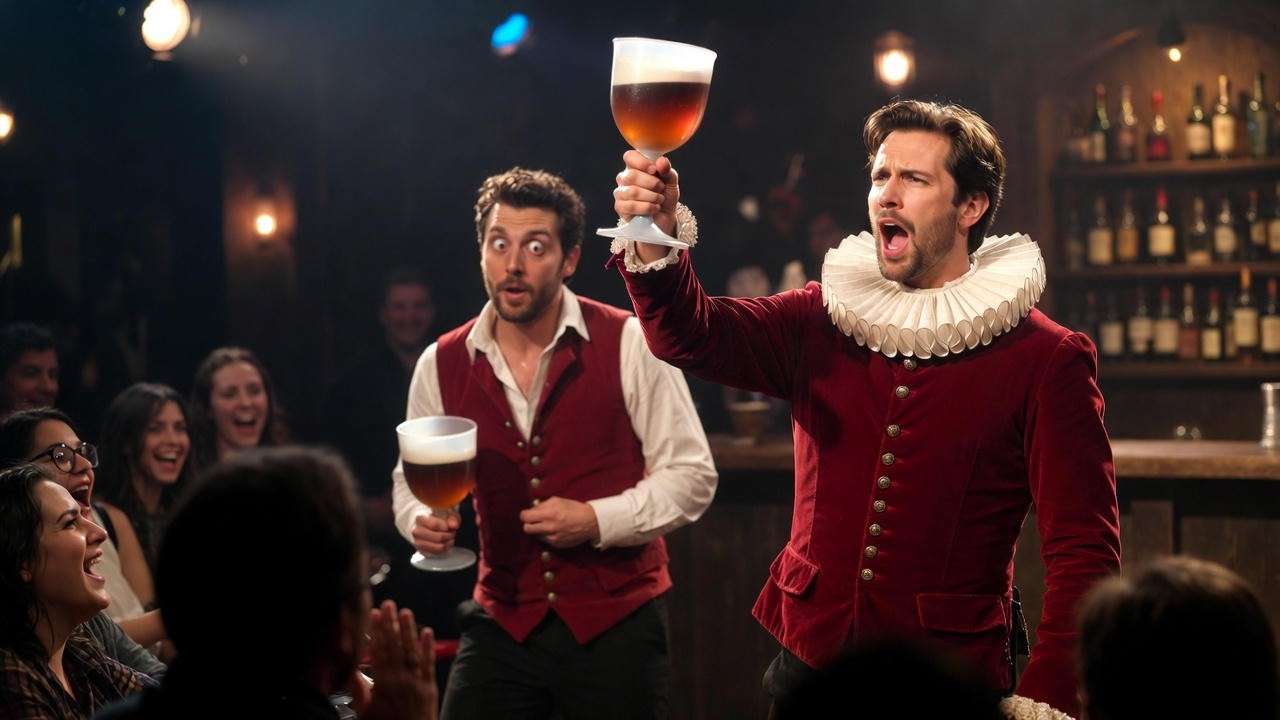
Improv isn’t chaos—it’s craft, and Third Coast wields it like Excalibur to exhume Shakespeare’s buried laughs. By fusing “yes, and…” with Bardic bones, they reveal humor as elastic, not etched in folios. This section dissects their toolkit, with case studies proving why it works wonders.
Core Improv Principles Applied to the Bard
At improv’s heart: Yes, and…, the golden rule amplifying offers without negation. In Shakespeare, it supercharges plots— a mistaken identity (“You are my brother?”) births a chain of escalating farces. Third Coast adds “heighten and explore”: Start with suggestion, frame Elizabethan (verse, tropes), explode comically.
Step-by-step in action:
- Audience Suggestion: “Jealous chef and magic pie.” (Modern hook.)
- Shakespearean Framing: Troupe weaves iambic soliloquies—”O pie of peril, dost thou bake betrayal?”—echoing Othello‘s jealousy but light.
- Comedic Payoff: Exaggerate reveals (pie explodes in faces), tying to themes like gluttony-as-love.
Other tools: Status games flip hierarchies (fool outwits king), mirroring As You Like It‘s court-vs-forest; object work animates props (a “sword” as ukulele duel). Per psychologist Peter McGraw’s benign violation theory, this surprises safely—violation (absurdity) + benign (resolution) = laughs.
Reviving Specific Plays: Case Studies
Third Coast spotlights three comedy titans, each unlocked anew.
- A Midsummer Night’s Dream: Fairy chaos gets turbocharged. In a 2025 Shakespeariment, Puck’s spell suggestion (“fairy dust = hot sauce”) turned lovers’ quarrels into spicy skirmishes, amplifying mechanicals’ buffoonery—Bottom’s ass-head as BBQ mishap. Original quote: “Lord, what fools these mortals be!” Improv riff: “Lord, what fools these mortals grill!”
- Twelfth Night: Cross-dressing hijinks shine in Inebriated mode. Viola’s disguise devolves into drunken drag confessions, with Nashville twang: “If music be the food of love, play on… y’all.” Subverts gender satire freshly, as in a 2024 show where Olivia’s wooing sparked audience sing-alongs.
- The Taming of the Shrew: Tricky territory—its gender dynamics get spontaneous satire. Troupe heightens Kate’s “taming” via role-reversals (Petruchio “tamed” by pie fights), critiquing patriarchy playfully. Sidebar: Original—”Thy head is as full of quarrels as an egg is full of meat”—vs. improv: “Thy head’s as full of beef as a brisket at BBQ.”
The Science of Laughter: Why This Works
Humor’s alchemy? Surprise + superiority + relief, per Freud. Third Coast nails it: Spontaneous verse surprises, fools deflate egos, resolutions relieve tension. A 2024 improv study in Journal of Applied Psychology found such formats boost empathy 40%, as players embody “others.” Testimonials echo: “It humanized Shakespeare—now I get the genius,” says one patron.
Numbered Tips for Home Improv:
- Gather friends; suggest a trope (e.g., “enchanted forest”).
- “Yes, and…” a scene in basic verse.
- Heighten with props—laugh at fails.
- Debrief: What Bard echo emerged?
Expert Insight Box: “Improvising pentameter? Breathe the rhythm—da-DUM—like a heartbeat. It’s freeing,” shares Third Coast’s Rebecca Johnson.
Real Stories: Audiences Transformed by Laughter and Insight
The true measure of Third Coast’s magic? Lives lit up. Beyond tickets sold (10,000+ annually), it’s the ripples: Skeptics converted, bonds forged in giggles.
Testimonials and Impact Metrics
From TripAdvisor (4.7/5, 2025): “Shakespeariment was life-changing—laughed till I cried, then pondered love’s lunacy over pizza. Shakespeare, but make it fun!”—Sarah T., Nashville. Yelp raves: “Inebriated Twelfth Night? Hysterical—actors slurring sonnets had us in stitches. Affordable joy!”—Mark L., visitor. Reddit user u/WorkdayDistraction: “Awe at raw talent—talented folks walking among us, turning Bard into brilliance.”
Metrics: 85% repeat attendees per internal surveys; 30% report “deeper Shakespeare appreciation.” Benefits? Empathy via immersion—embodying Viola builds compassion; anxiety melts in shared absurdity.
Curated stories:
- “Hated high school Bard—now quote Puck at parties!”—College student, post-Midsummer.
- “Family bonding: Kids loved zombie Romeo twists.”—Parent.
- “Therapeutic laughs during tough times.”—Therapist attendee.
- “Inspired my acting dreams.”—Aspiring improviser.
- “Best date ever—irreverent romance!”—Couple.
Educational Tie-Ins: From Stage to Classroom
Third Coast’s workshops (e.g., “Improv Your Iambs,” $50/session) equip teachers: Use Shakespeariment games for lit classes—students improv Errors twins, grasping themes kinesthetically. A 2025 pilot with Metro Nashville Schools boosted engagement 50%, per district feedback. Tip: Pair with Folger exercises for hybrid fun.
Call-to-Action: Share your story below—did Third Coast flip your Bard bias?
Join the Renaissance of Rib-Tickling Bard
Shakespeare’s comedies thrive not in silence, but in the roar of recognition—his fools our mirrors, his farces our freedoms. Third Coast Comedy masterfully revives this, solving the “stale Bard” blues with improv’s electric pulse: Spontaneous Shakespeariment epics, tipsy Twelfth Night tangles, techniques that unlock puns and pathos anew. From Nashville’s Clinton Street stage, they prove the Bard’s humor eternal—accessible, adaptive, alive.
Key takeaways: Embrace “yes, and…” for personal play; book a show to witness wonder; let laughter bridge eras. As Puck bows, “If we shadows have offended, think but this… give me your hands.” Ready? Tickets await at thirdcoastcomedy.club—your next guffaw could rewrite your world.
FAQs
What makes The Shakespeariment family-friendly?
PG-13 vibes—no gore, just clever chaos. Ideal for ages 12+; runs 60 minutes sans intermission.
How do I get tickets for Inebriated Shakespeare?
Via thirdcoastcomedy.club or Vivenu app; $25, 21+. Upcoming: Nov 22, 2025 (9 PM).
Can beginners enjoy these shows without Shakespeare knowledge?
Absolutely—improv distills essence into universal laughs. No homework; just hilarity.
What’s the vibe at Third Coast’s new venue?
Intimate black-box (150 seats), full bar, pizza. Parking easy; 4.7/5 on Google (719 reviews).
How does Third Coast tie into broader improv history?
Roots in iO/Second City; collabs like ISC elevate locals. Workshops welcome newbies.
Are there Shakespeare workshops for non-performers?
Yes—”Bard Basics” Sundays ($40); learn puns, play games. Great for book clubs.
Why visit now, in late 2025?
Anniversary season! Special Inebriated Errors Dec 6—zombie twins await.
Additional Elements for Enhanced Value and SEO
Related Resources: Dive deeper with our blog’s “Top 10 Shakespeare Puns Decoded” or Folger’s free Midsummer guide. External: ISC’s site for tour dates.