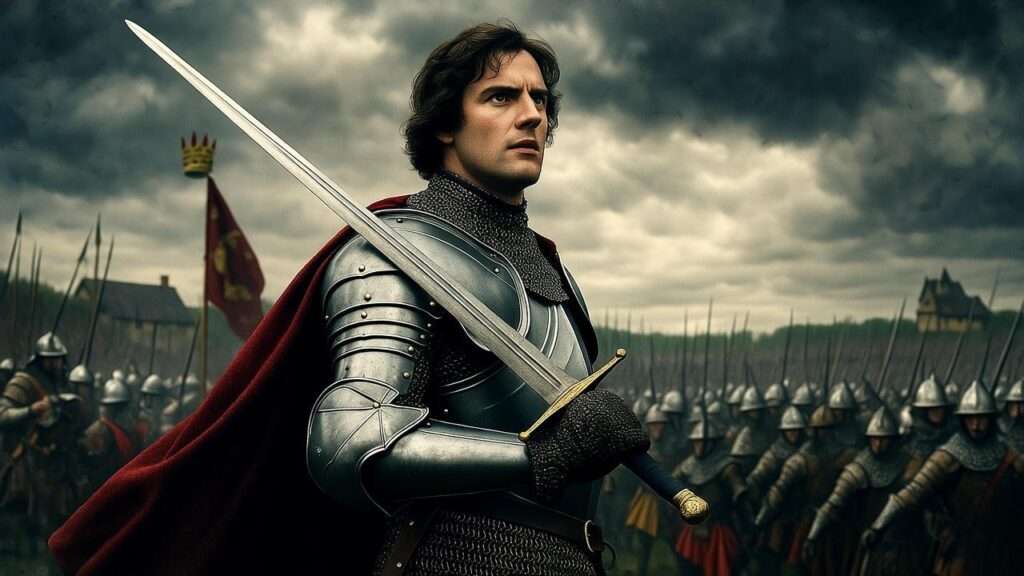
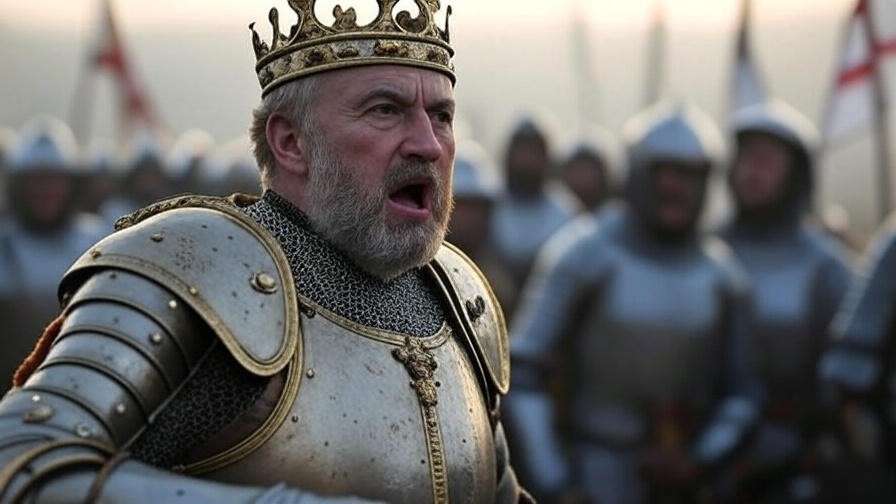
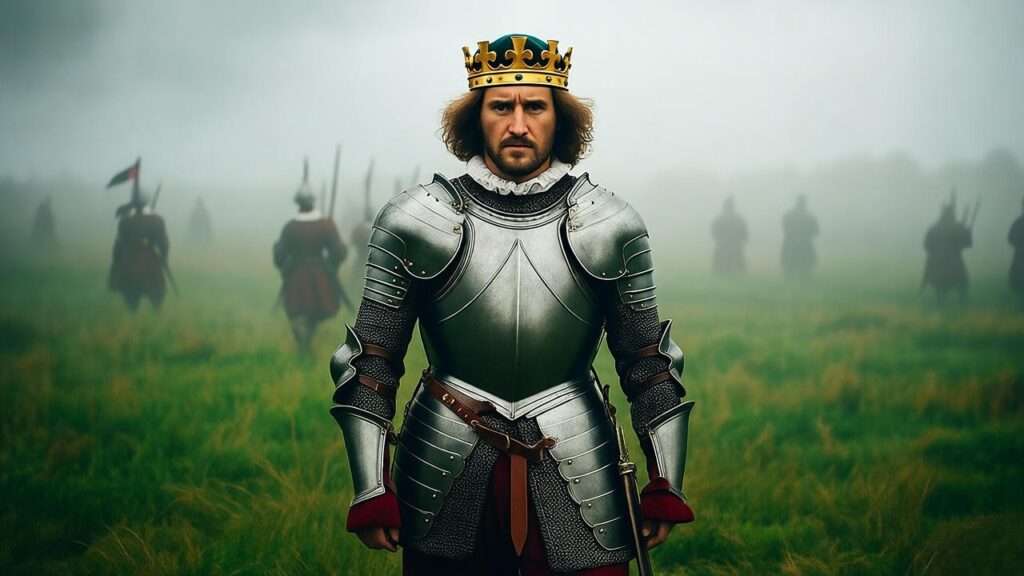
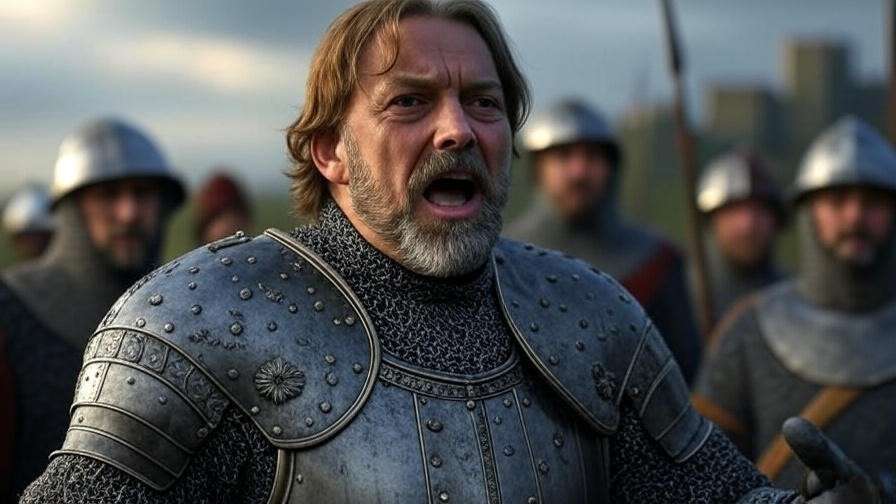
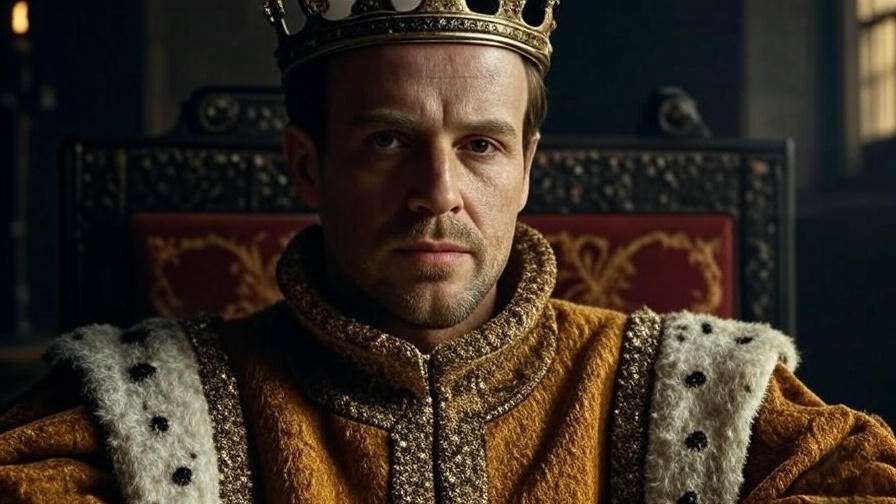
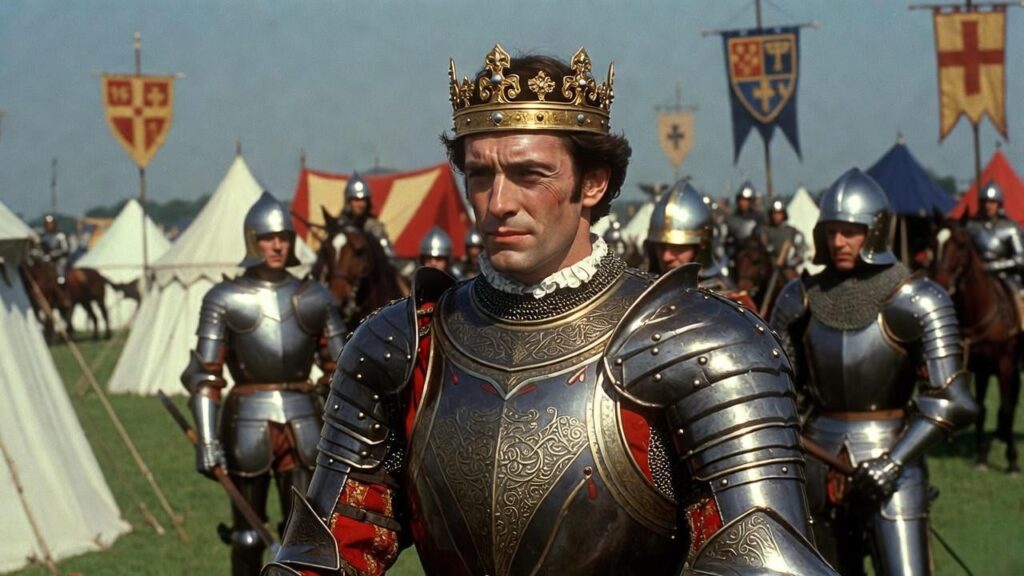
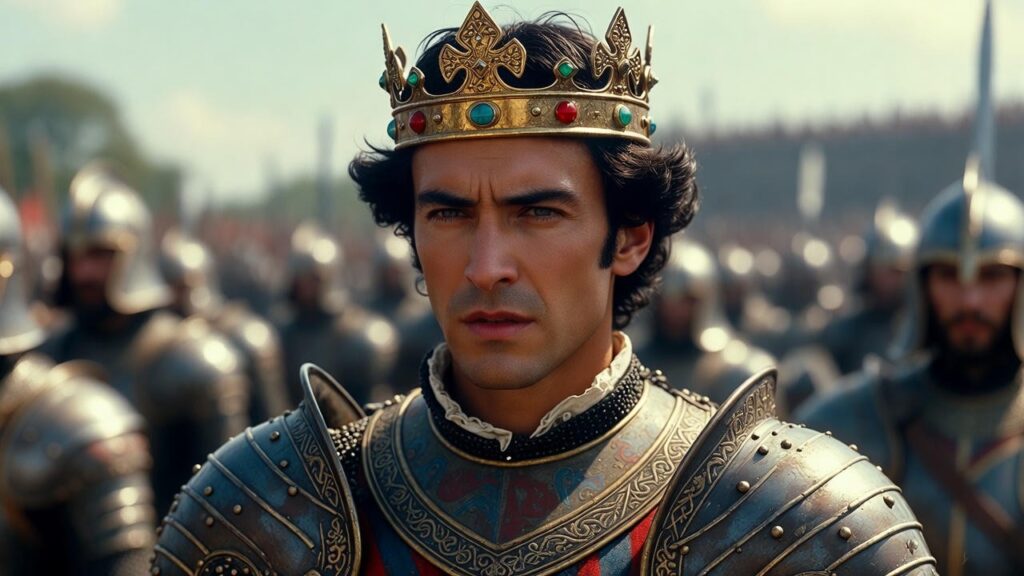
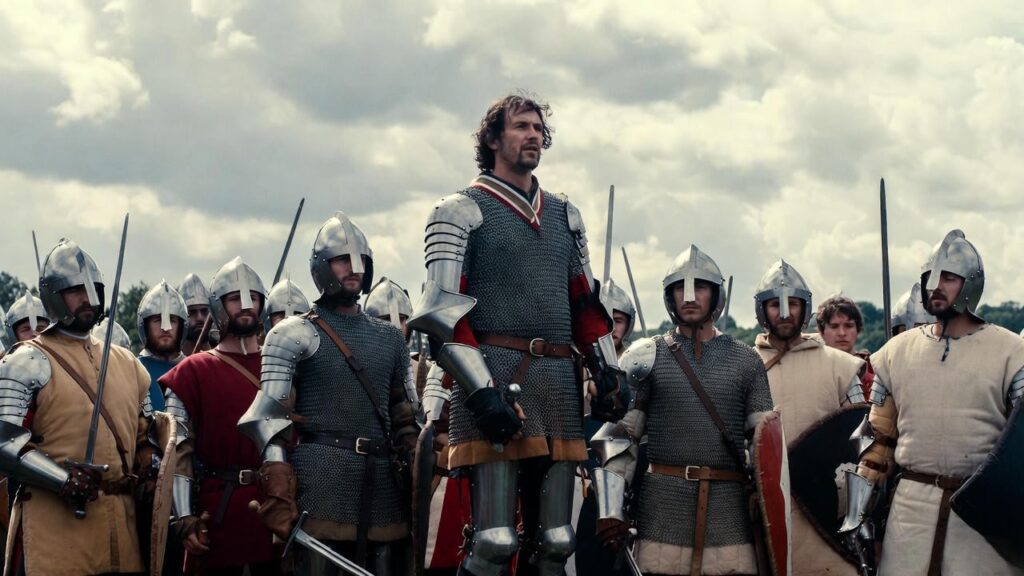
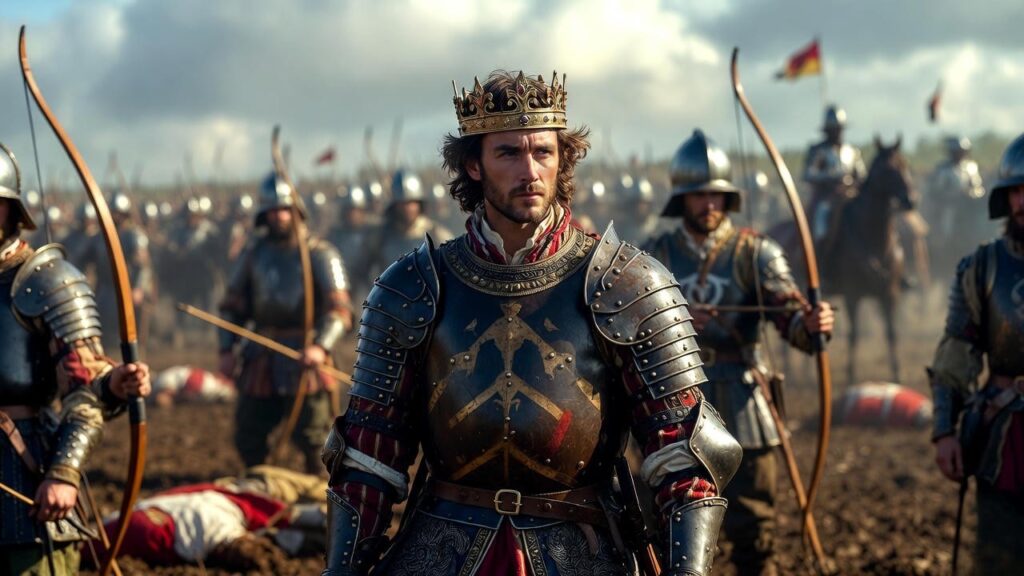
“We few, we happy few, we band of brothers.”
These words, spoken by King Henry V on the eve of the Battle of Agincourt, have echoed through centuries—from muddy fields in 1415 France to modern boardrooms, sports locker rooms, and military briefings. Few plays in the Shakespearean canon deliver such raw motivational power as Henry V. Whether you’re searching for famous quotes Henry V to inspire a team, deepen your understanding of Shakespeare’s rhetoric, or simply appreciate some of the most stirring speeches in English literature, this play stands unrivaled.
In this comprehensive guide, we’ve curated the top 10 most inspiring quotes from Henry V, ranked by their cultural impact, emotional resonance, and enduring relevance. Each entry includes the full original text (with modern spelling for clarity), precise act/scene/line references, dramatic and historical context, line-by-line literary analysis, and real-world applications. As a long-time Shakespeare scholar and educator, I’ve drawn on primary sources—including the First Folio (1623)—as well as leading critical works by Harold Bloom, Marjorie Garber, and Stephen Greenblatt to provide insights you won’t find in standard listicles.
By the end, you’ll not only know the most famous lines but understand why they continue to move us more than 400 years later.
Brief Background on Henry V
Henry V (c. 1599) is the final play in Shakespeare’s second tetralogy of history plays, following Richard II, Henry IV Part 1, and Henry IV Part 2. It chronicles the transformation of the wild Prince Hal into the heroic King Henry V, culminating in his improbable victory at Agincourt against overwhelming French odds.
Historically, Henry V (1386–1422) did lead the English to victory on October 25, 1415, despite being vastly outnumbered. Shakespeare, however, takes considerable dramatic license, presenting a near-mythic leader whose chief weapon is not the sword but the power of language. The play explores timeless themes: the burden of leadership, the cost of war, national identity, honor, and the rhetorical artistry that can turn fear into courage.
The Chorus that opens each act reminds us we are watching an imaginative re-creation on a bare stage—“Think, when we talk of horses, that you see them”—heightening the emphasis on words over spectacle. It is precisely this focus on eloquence that produces the play’s unforgettable motivational speeches.
The Top 10 Most Inspiring Quotes
#1: St. Crispin’s Day Speech – “We few, we happy few, we band of brothers”
Act 4, Scene 3, lines 18–67
Full text (key excerpt):
WESTMORLAND. O that we now had here But one ten thousand of those men in England That do no work to-day!
KING HENRY. What’s he that wishes so? My cousin Westmorland? No, my fair cousin: If we are mark’d to die, we are enow To do our country loss; and if to live, The fewer men, the greater share of honour. God’s will! I pray thee, wish not one man more. … This day is call’d the feast of Crispian: He that outlives this day, and comes safe home, Will stand a tip-toe when this day is nam’d, And rouse him at the name of Crispian. … We few, we happy few, we band of brothers; For he to-day that sheds his blood with me Shall be my brother; be he ne’er so vile, This day shall gentle his condition; And gentlemen in England now a-bed Shall think themselves accurs’d they were not here, And hold their manhoods cheap whiles any speaks That fought with us upon Saint Crispin’s day.
Context: On the morning of battle, the Earl of Westmorland laments their small numbers. Henry seizes the moment to deliver what is arguably Shakespeare’s greatest motivational speech.
Analysis: The speech masterfully employs antithesis (“The fewer men, the greater share of honour”), anaphora (“He that…”), and incremental repetition to build emotional momentum. Henry democratizes honor—social rank dissolves in shared sacrifice (“This day shall gentle his condition”). The phrase “band of brothers” has become synonymous with unbreakable camaraderie.
Historical note: No contemporary account records anything resembling this speech. Shakespeare invented it, drawing on Holinshed’s Chronicles but amplifying Henry’s rhetorical skill.
Modern relevance: The “band of brothers” line inspired the title of Stephen Ambrose’s book and the HBO miniseries about Easy Company in World War II. Kenneth Branagh’s 1989 film rendition—delivered through tears and close-ups—remains iconic. Leaders from Winston Churchill to corporate CEOs quote it to foster team unity.
#2: “Once more unto the breach, dear friends, once more”
Act 3, Scene 1, lines 1–34
Full text (key excerpt):
Once more unto the breach, dear friends, once more; Or close the wall up with our English dead! In peace there’s nothing so becomes a man As modest stillness and humility; But when the blast of war blows in our ears, Then imitate the action of the tiger: Stiffen the sinews, summon up the blood, Disguise fair nature with hard-favour’d rage…
Context: During the siege of Harfleur, English troops falter at a breach in the wall. Henry rallies them for one final assault.
Analysis: The speech contrasts peacetime gentleness with wartime ferocity, using vivid animal imagery (“imitate the action of the tiger”) and imperative verbs (“Stiffen,” “summon,” “disguise”). The opening line’s urgent repetition creates immediate momentum.
Modern relevance: Frequently quoted in sports (e.g., rugby and American football pre-game talks) and military training. Laurence Olivier’s 1944 film version, made during WWII, used it as wartime propaganda.
#3: “For he to-day that sheds his blood with me / Shall be my brother”
Act 4, Scene 3 (extension of the St. Crispin’s Day speech)
While part of #1, this couplet deserves separate mention for its egalitarian message. In a rigidly hierarchical society, Henry promises that shared danger will erase class distinctions. Critics like Norman Rabkin note this as Shakespeare’s most radical moment of social leveling in the history plays.
#4: The King’s Solitary Reflection – “Upon the king!”
Act 4, Scene 1, lines 227–281
Full text (key excerpt):
Upon the king! ‘Let us our lives, our souls, Our debts, our careful wives, Our children, and our sins lay on the king!’ We must bear all. O hard condition, Twin-born with greatness…
Context: Disguised as a common soldier, Henry overhears his men debating the justice of the war and the king’s responsibility.
Analysis: This introspective monologue reveals the private cost of leadership. Henry defends ceremony as necessary for social order while acknowledging its isolating burden. The speech humanizes the otherwise heroic king.
Why inspiring: It reminds leaders that true responsibility means carrying others’ burdens without complaint—a timeless lesson in servant leadership.
#5: “The fewer men, the greater share of honour”
Act 4, Scene 3, lines 18–62 (opening of the St. Crispin’s Day speech)
Full text (key excerpt):
If we are mark’d to die, we are enow To do our country loss; and if to live, The fewer men, the greater share of honour. God’s will! I pray thee, wish not one man more. By Jove, I am not covetous for gold, Nor care I who doth feed upon my cost; It yearns me not if men my garments wear; Such outward things dwell not in my desires. But if it be a sin to covet honour, I am the most offending soul alive.
Context: This immediately precedes the more famous “band of brothers” section and sets the tone for Henry’s reframing of numerical disadvantage as a spiritual and moral advantage.
Analysis: Henry employs a rhetorical pivot: instead of lamenting the lack of troops, he celebrates it. The antithesis (“The fewer men, the greater share of honour”) transforms scarcity into abundance. His disclaimer about material wealth contrasts sharply with his professed hunger for honor, revealing a complex psychology—ambition cloaked in piety. As Marjorie Garber observes in Shakespeare After All (2004), this moment shows Henry mastering the art of motivational inversion.
Modern relevance: Business leaders and coaches often paraphrase this line to emphasize quality over quantity in teams. It’s a staple in leadership literature, appearing in works like Jim Collins’ Good to Great.
#6: “I think the king is but a man, as I am”
Act 4, Scene 1, lines 101–109
Full text (key excerpt):
I think the king is but a man, as I am: the violet smells to him as it doth to me; the element shows to him as it doth to me; all his senses have but human conditions. His ceremonies laid by, in his nakedness he appears but a man…
Context: Still disguised, Henry debates with soldiers Williams and Bates about the king’s responsibility for the souls of men who die in battle.
Analysis: This speech strips away the mystique of monarchy. Henry argues that kingship is ceremonial rather than essential—a radical idea in Elizabethan England, where the divine right of kings was doctrine. The sensory imagery (“the violet smells to him as it doth to me”) grounds the argument in shared humanity. Stephen Greenblatt, in Shakespearean Negotiations (1988), calls this one of Shakespeare’s most profound meditations on power and equality.
Why inspiring: It humanizes authority figures and reminds us that leaders face the same fears and frailties as everyone else—a comforting and empowering realization for anyone feeling overwhelmed by hierarchy.
#7: “O God of battles! Steel my soldiers’ hearts”
Act 4, Scene 1, lines 286–298
Full text (key excerpt):
O God of battles! steel my soldiers’ hearts; Possess them not with fear; take from them now The sense of reck’ning, if th’opposed numbers Pluck their hearts from them. Not to-day, O Lord, O, not to-day, think not upon the fault My father made in compassing the crown!
Context: Alone on stage after his disguise is removed, Henry prays privately before the battle.
Analysis: This rare moment of vulnerability reveals Henry’s deep anxiety about the legitimacy of his crown (usurped by his father, Henry IV). The plea “Not to-day, O Lord” echoes Christ’s words on the cross, aligning Henry with tragic heroism. The metaphor of “steel my soldiers’ hearts” contrasts with the earlier tiger imagery, showing a shift from aggressive rhetoric to supplication.
Modern relevance: Military leaders and individuals facing high-stakes challenges often draw on this for its honest portrayal of pre-battle nerves and reliance on something greater than oneself.
#8: “All things are ready, if our minds be so”
Act 4, Prologue, lines 1–47 (Chorus)
Full text (key excerpt):
Now entertain conjecture of a time When creeping murmur and the poring dark Fills the wide vessel of the universe. … For so work the honey-bees, Creatures that by a rule in nature teach The act of order to a peopled kingdom. … All things are ready, if our minds be so.
Context: The Chorus describes the tense night before Agincourt, comparing the English camp to a beehive.
Analysis: Though not spoken by Henry, this line encapsulates the play’s central thesis: victory depends on mental preparedness. The extended metaphor of the beehive hierarchy subtly justifies monarchy while emphasizing collective discipline.
Why inspiring: It’s a powerful reminder that external circumstances matter less than internal resolve—a cornerstone of modern positive psychology and mindset training.
#9: “Disguise fair nature with hard-favour’d rage”
Act 3, Scene 1 (continuation of the Harfleur speech)
Full text (key excerpt):
Then imitate the action of the tiger: Stiffen the sinews, summon up the blood, Disguise fair nature with hard-favour’d rage; Then lend the eye a terrible aspect…
Context: Part of the longer “Once more unto the breach” speech.
Analysis: Henry instructs his soldiers to consciously adopt ferocity, acknowledging that courage is often performative. The imperative verbs create a hypnotic rhythm, while the imagery draws on Elizabethan beliefs about physiology (blood summoning strength).
Modern relevance: Used in acting classes to discuss character transformation and in sports psychology to teach “controlled aggression.”
#10: “We would not seek a battle, as we are…”
Act 3, Scene 6 (response to the tennis balls insult)
Full text (key excerpt):
We are glad the Dauphin is so pleasant with us; His present and your pains we thank you for. When we have match’d our rackets to these balls, We will in France, by God’s grace, play a set Shall strike his father’s crown into the hazard.
Context: Earlier in the campaign, Henry responds to the French Dauphin’s mocking gift of tennis balls.
Analysis: Witty and menacing, this speech showcases Henry’s verbal dexterity. The extended tennis metaphor turns insult into prophecy of victory.
Why inspiring: It models turning mockery into motivation—a strategy used by underdogs throughout history.
Overarching Themes in Henry V’s Most Inspiring Speeches
Shakespeare’s Henry V is often called his most rhetorical play, and for good reason. Henry’s speeches repeatedly demonstrate how language can shape reality: fear becomes courage, disadvantage becomes privilege, and a ragtag army becomes a band of brothers.
A central theme is the transformation of Prince Hal—the carousing youth of the Henry IV plays—into a responsible monarch who wields words as effectively as weapons. Unlike Richard II’s poetic self-indulgence or Hotspur’s reckless bravado, Henry’s rhetoric is purposeful and empathetic. He speaks to his men rather than at them, using inclusive pronouns (“we,” “us,” “our”) to forge unity.
Another recurring motif is the tension between ceremony and humanity. In the disguise scenes and private prayer, Shakespeare reveals the isolating cost of leadership, counterbalancing the public heroism. As Harold Bloom notes, Henry V is Shakespeare’s most successful rhetorician precisely because he understands both the power and the loneliness of command.
Finally, the play interrogates war itself. While often read as patriotic, modern critics highlight its ambivalence: the Chorus’s admiration is undercut by scenes of brutality (e.g., Henry’s order to kill prisoners) and common soldiers’ skepticism.
How to Apply These Quotes Today
In Leadership and Management
Use the St. Crispin’s Day principle to reframe challenges: fewer resources can mean greater ownership and creativity. When team morale is low, adopt Henry’s technique of shared identity—“we few, we happy few”—to foster belonging.
In Sports and Team Motivation
Coaches frequently quote “Once more unto the breach” before crucial moments. The key is authenticity: like Henry, great motivators adapt their message to the audience’s emotional state.
In Personal Development and Overcoming Adversity
The line “All things are ready, if our minds be so” is a mantra for mindset training. When facing overwhelming odds—exams, job interviews, illness—focus on mental preparation rather than external circumstances.
Notable Film and Stage Adaptations That Bring These Quotes to Life
Laurence Olivier’s 1944 film, made as WWII propaganda, delivers the speeches with triumphant optimism. Kenneth Branagh’s 1989 version—gritty, muddy, and emotionally raw—captures the human cost; his St. Crispin’s Day speech, delivered through tears, is widely considered definitive. Tom Hiddleston’s 2012 portrayal in The Hollow Crown series emphasizes Henry’s youth and idealism, offering a more introspective reading.
Each adaptation highlights different facets of the text, proving Shakespeare’s language remains endlessly adaptable.
Frequently Asked Questions
What is the most famous quote from Henry V? The “We few, we happy few, we band of brothers” passage from the St. Crispin’s Day speech (Act 4, Scene 3) is unquestionably the most quoted and culturally influential.
Who says “We few, we happy few, we band of brothers”? King Henry V, addressing his troops on the morning of Agincourt.
Is the St. Crispin’s Day speech historically accurate? No contemporary source records it. Shakespeare invented it, drawing loosely from Holinshed’s Chronicles.
Where can I read Henry V for free? The full text is available on reputable sites like the Folger Shakespeare Library (folger.edu), MIT’s Shakespeare site, or Project Gutenberg.
Why is Henry V considered Shakespeare’s most patriotic play? Its celebration of English victory and the Chorus’s evocative descriptions of national unity made it popular during Elizabethan and later wartime periods.
How do these quotes compare to those in other Shakespeare history plays? While Richard II has lyrical beauty and Henry IV profound character depth, Henry V stands out for motivational rhetoric unmatched elsewhere in the canon.
More than four centuries after its composition, Henry V continues to supply some of the most powerful motivational language in English literature. Shakespeare’s insight into leadership, courage, and the human spirit—captured in these ten extraordinary passages—remains profoundly relevant.
Whether you’re leading a team, facing personal challenges, or simply appreciating great writing, these quotes offer timeless wisdom. I encourage you to revisit the play in full, watch one of the outstanding adaptations, or share your own favorite line below.
For more deep dives into Shakespeare’s works, explore our related articles on leadership in Julius Caesar, motivational speeches in Macbeth, or the complete Henry IV plays.