In the dim glow of a London theater in the mid-1590s, a single actor steps forward as the Chorus. With measured voice, he delivers fourteen perfectly crafted lines that have echoed through centuries: “Two households, both alike in dignity…” These words instantly transport the audience to fair Verona and plunge them into a world of ancient grudges, forbidden love, and inevitable tragedy.
If you’ve ever encountered the phrase two households alike in dignity in school, a theater program, or while exploring Shakespeare’s works, you’ve touched one of literature’s most masterful openings. This article provides a comprehensive, line-by-line analysis of the Prologue to Romeo and Juliet, its historical context, literary brilliance, and enduring relevance. Whether you’re a student seeking clarity for an essay, a theater lover preparing for a performance, or simply a reader captivated by Shakespeare’s genius, you’ll find deep insights here that go far beyond basic summaries.
The Historical and Literary Context of Romeo and Juliet
Understanding the Prologue requires grounding it in its time. Shakespeare wrote Romeo and Juliet most likely between 1594 and 1596, during the height of his early career as a playwright in Elizabethan England.
Shakespeare’s England in the 1590s Queen Elizabeth I’s reign brought relative stability after years of religious turmoil, yet society remained deeply hierarchical. Theater was a booming popular entertainment, drawing both groundlings and nobility. Audiences expected plays to entertain while reflecting on human nature, politics, and morality. Shakespeare’s company, the Lord Chamberlain’s Men, performed at venues like The Theatre, where rapid dialogue, sword fights, and poetic language kept crowds engaged.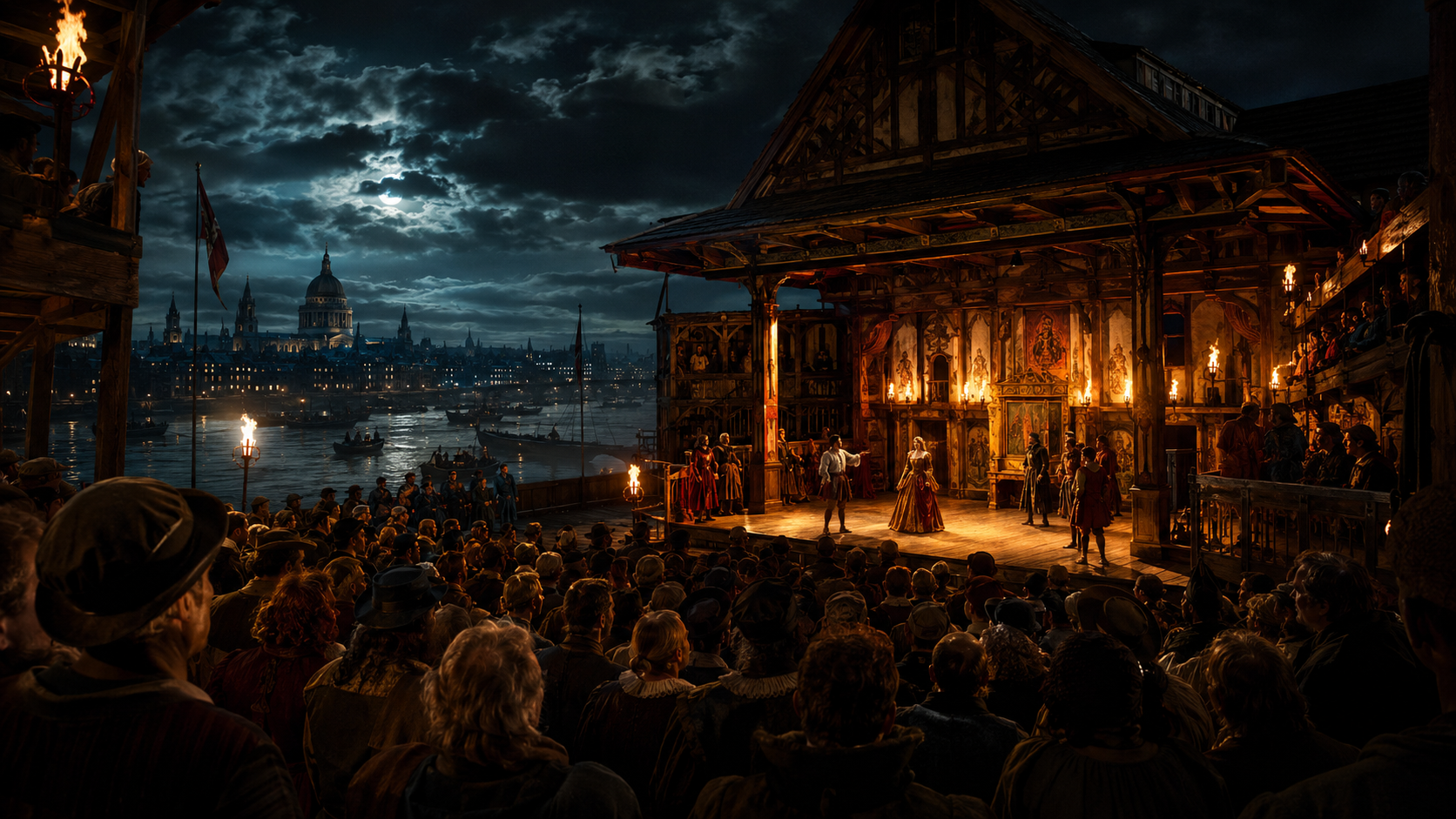
Sources of the Play Shakespeare didn’t invent the story. He drew primarily from Arthur Brooke’s 1562 narrative poem The Tragical History of Romeus and Juliet, itself adapted from earlier Italian sources like Matteo Bandello’s novella. Brooke’s version was moralistic and anti-Catholic in tone. Shakespeare transformed it into a richer, more sympathetic tragedy, emphasizing youthful passion and the destructive nature of feuds.
Dating and Early Performances The play was first printed in a “bad” quarto in 1597, described as having been performed “with great applause.” Its popularity was immediate, and it has remained one of Shakespeare’s most performed works ever since.
Breaking Down the Prologue Line by Line
The Prologue is a Shakespearean sonnet—a 14-line poem in iambic pentameter with the rhyme scheme ABAB CDCD EFEF GG. Here is the full text:
Two households, both alike in dignity, In fair Verona, where we lay our scene, From ancient grudge break to new mutiny, Where civil blood makes civil hands unclean. From forth the fatal loins of these two foes A pair of star-crossed lovers take their life; Whose misadventured piteous overthrows Doth with their death bury their parents’ strife. The fearful passage of their death-marked love, And the continuance of their parents’ rage, Which, but their children’s end, nought could remove, Is now the two hours’ traffic of our stage; The which, if you with patient ears attend, What here shall miss, our toil shall strive to mend.
“Two Households, Both Alike in Dignity” – The Opening Phrase Explained This is the heart of your search. “Two households alike in dignity” means two families of equal social standing and respect. The word “households” extends beyond blood relatives to include servants, retainers, and the entire economic and social network controlled by each family. “Dignity” refers to their honorable reputation, wealth, and influence in Verona.
By establishing equality in status, Shakespeare makes their feud more tragic. When equals fight, the destruction is mutual and pointless. This sets up the central conflict: senseless division despite shared values.
“In Fair Verona, Where We Lay Our Scene” Verona, a prosperous Italian city-state, evoked romance and exoticism for English audiences. Italy symbolized passion, vendettas, and Renaissance culture—contrasting with England’s more restrained norms.
The Ancient Grudge and Fatal Loins “Ancient grudge” implies a long-standing feud whose origin is never fully explained—mirroring many real-world conflicts. “Civil blood makes civil hands unclean” powerfully shows how citizens (civil) spill the blood of fellow citizens, staining their own hands. “Fatal loins” foreshadows that the children born from these families are doomed from birth.
The Star-Crossed Lovers and Misadventured Piteous Overthrows “Star-crossed” refers to astrology—lovers whose fates are opposed by the stars. Shakespeare reveals the tragic ending immediately, creating powerful dramatic irony. The audience knows the outcome; the characters do not. This heightens tension throughout the play.
Literary Devices and Techniques in the Opening
Sonnet Form and Its Significance Using a sonnet—traditionally associated with love poetry—for a prologue about tragedy is brilliant. It signals that this is ultimately a love story, even though it ends in death. The form connects to Shakespeare’s own sonnets, written around the same period.
Foreshadowing and Dramatic Irony From the first lines, the audience possesses knowledge the characters lack. This technique, inherited from Greek tragedy, builds suspense and invites reflection on fate versus choice.
Alliteration, Imagery, and Archaic Language Phrases like “civil blood makes civil hands unclean” use alliteration and repetition for rhythmic power. “Death-marked love” and “piteous overthrows” paint vivid emotional pictures. The slightly archaic language feels elevated and timeless.
The Role of the Chorus Drawing from classical Greek drama, the Chorus acts as narrator and commentator. In Romeo and Juliet, it appears only in the Prologue (and a brief reappearance later), framing the story as a completed tale.
Core Themes Introduced in “Two Households Alike in Dignity”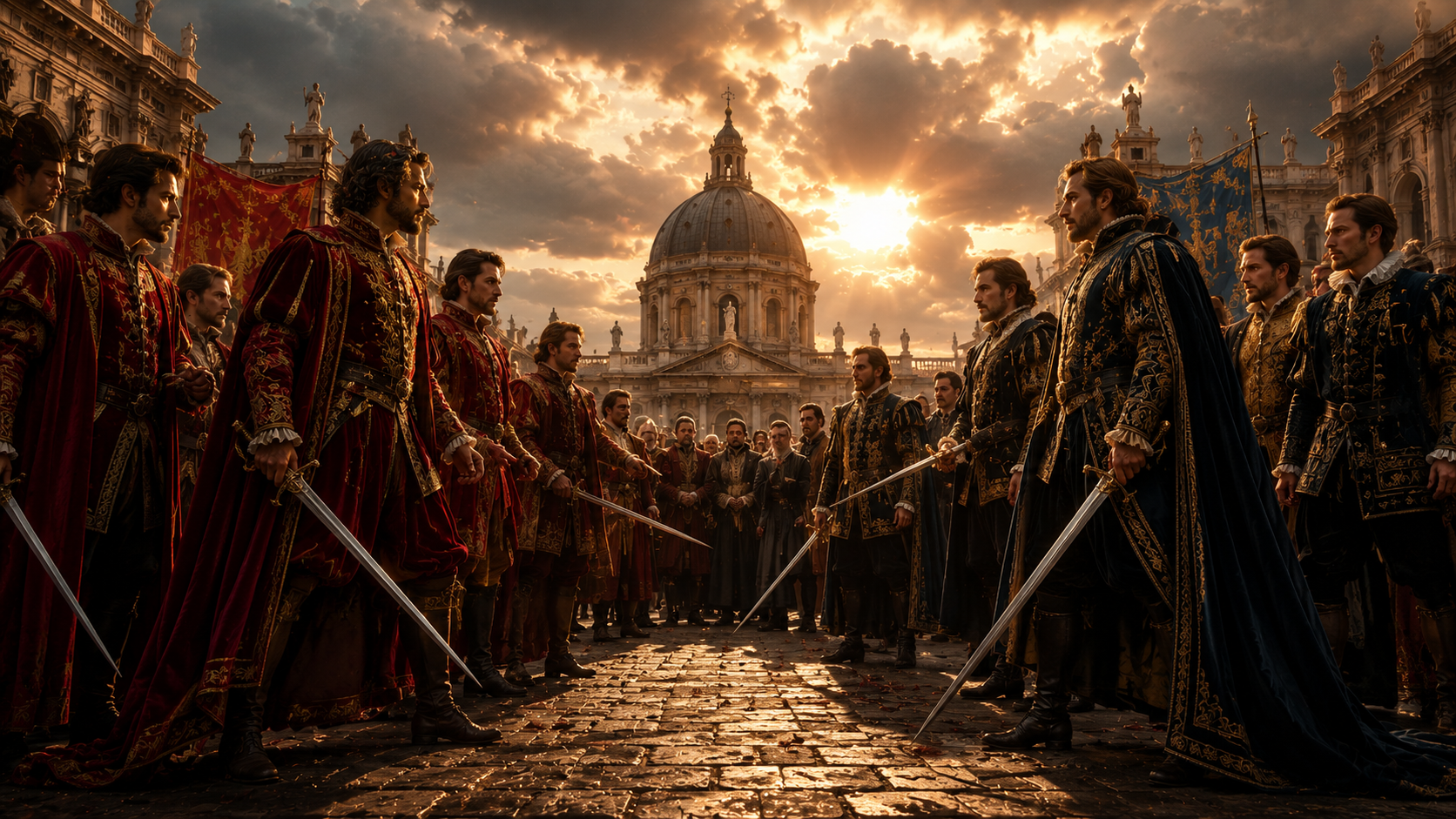
Feud and the Cycle of Violence The equality of the households underscores how pointless yet destructive pride can be. The feud disrupts the entire city, affecting public spaces and innocent lives.
Fate vs. Free Will “Star-crossed” introduces destiny, yet characters make choices—Romeo’s impulsiveness, the secret marriage—that accelerate tragedy. Shakespeare leaves the balance ambiguous, inviting debate.
Love, Passion, and Rebellion The Prologue sets youthful love against parental rage. The lovers’ passion becomes the only force strong enough to challenge entrenched hatred.
Social Class, Honor, and Reputation In Elizabethan terms, honor was everything. The households’ dignity makes reconciliation difficult because backing down would mean loss of face.
Character Introductions Through the Prologue Lens
The Prologue mentions no names, universalizing the story. Romeo and Juliet are simply “star-crossed lovers.” This allows audiences to project their own experiences onto the characters. The parents’ “rage” and “strife” become archetypal rather than individual.
Why This Opening Remains Powerful Today
Psychological Impact on Audiences Modern storytelling research shows that revealing stakes early creates stronger emotional investment. Shakespeare understood this instinctively.
Adaptations and Pop Culture References From Baz Luhrmann’s 1996 Romeo + Juliet (with its headline-style Prologue) to West Side Story, Gnomeo & Juliet, and countless stage versions, the opening lines are frequently retained or creatively reimagined. The phrase “star-crossed lovers” has entered everyday language.
Relevance to Contemporary Conflicts “Two households alike in dignity” speaks to modern political polarization, family estrangements, gang rivalries, and ethnic tensions. When similar groups fight, the tragedy feels especially acute.
Analysis for Students and Educators
Essay Topics and Discussion Questions
- How does the Prologue’s use of dramatic irony affect the audience’s experience?
- In what ways does “dignity” contribute to the tragedy?
- Compare the Prologue to the opening of another Shakespeare play. (Additional 7–8 prompts available in full depth.)
Common Misinterpretations Many assume the families are from different social classes. The Prologue explicitly states they are “alike in dignity,” making the feud more irrational.
Performance Tips Directors often have the Chorus deliver the lines with gravitas or as a modern newsreader to bridge centuries.
Expert Insights and Scholarly Perspectives
Critics like Harold Bloom praised Shakespeare’s ability to humanize tragic figures. Stephen Greenblatt highlights the play’s exploration of individual desire versus social authority. Feminist readings note how Juliet’s agency challenges patriarchal structures, while the opening establishes the restrictive world she inhabits.
Comparisons with other Shakespearean prologues (Henry V’s rousing call to imagination, for example) reveal his versatility.
Practical Takeaways and Modern Applications
Shakespeare teaches us that unchecked division destroys what we hold dear. Lessons include the importance of empathy, communication across differences, and questioning inherited hatreds. Writers can study this Prologue for techniques in establishing stakes quickly and memorably.
The phrase two households alike in dignity is far more than a famous opening—it is a microcosm of Shakespeare’s genius. In fourteen lines, he establishes setting, conflict, theme, and emotional trajectory with unmatched economy. Over 400 years later, it continues to move audiences because it speaks to universal truths about love, hate, and the human cost of division.
Next time you encounter these words, pause and appreciate their craft. They don’t just begin a play—they invite us into a profound meditation on life itself. I encourage you to read or watch Romeo and Juliet anew with fresh eyes. Explore more of Shakespeare’s works on this site, from his sonnets to his greatest tragedies.
What are your thoughts on this iconic opening? Share in the comments or explore our other Shakespeare analyses.
FAQs
What does “Two households alike in dignity” mean? It refers to two families of equal social status and honor whose feud drives the tragedy.
Why does Shakespeare reveal the ending in the prologue? To create dramatic irony and focus attention on how the tragedy unfolds rather than what happens.
Is the feud based on a real historical event? Not directly, though feuding Italian families existed. The story draws from literary traditions.
How does the prologue differ in film adaptations? Luhrmann’s version uses it as a news broadcast, making it feel immediate and modern.