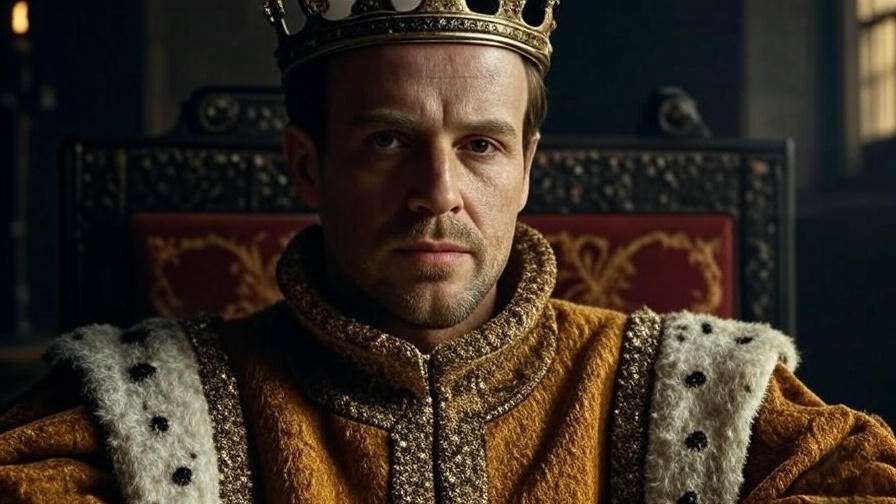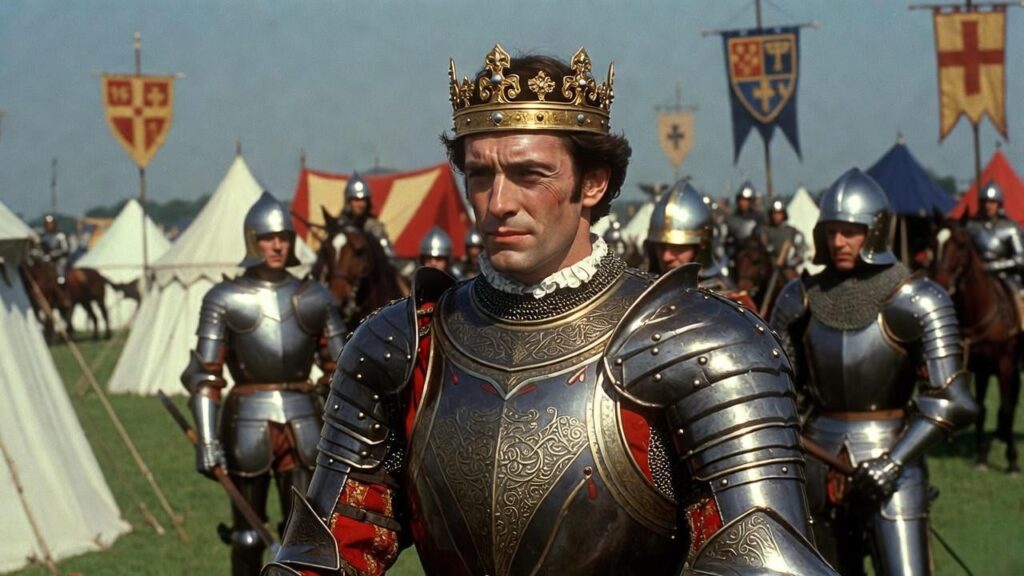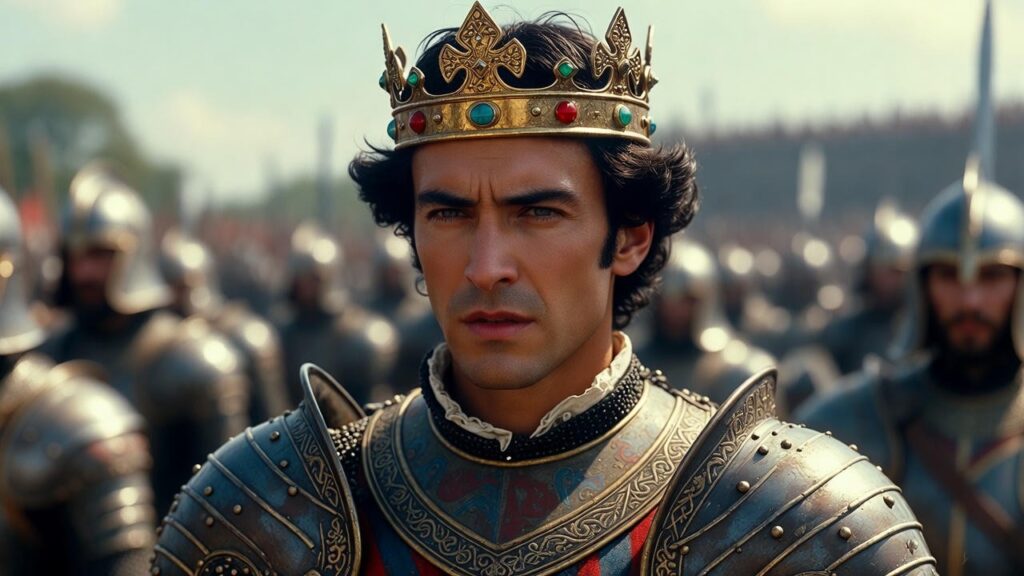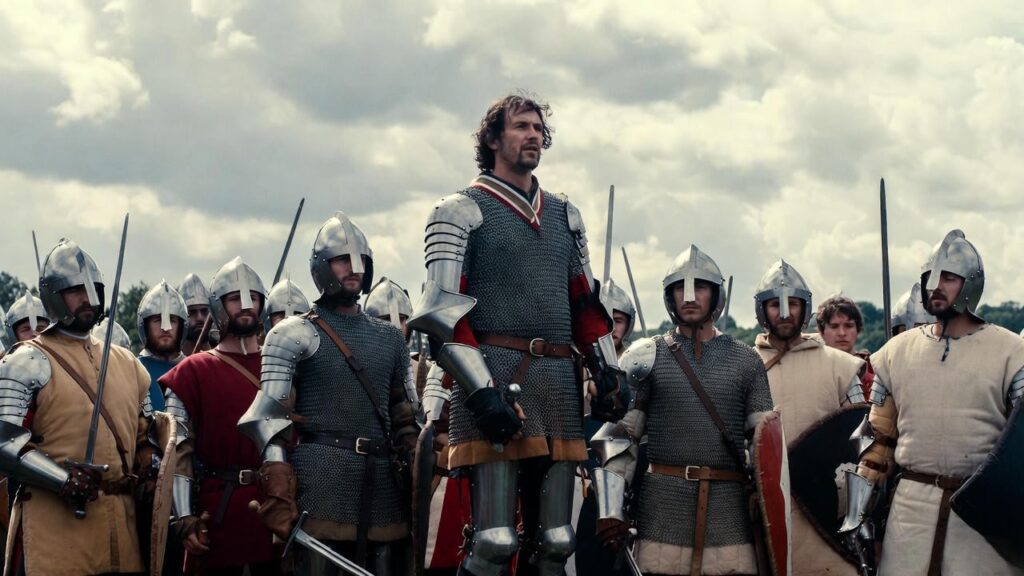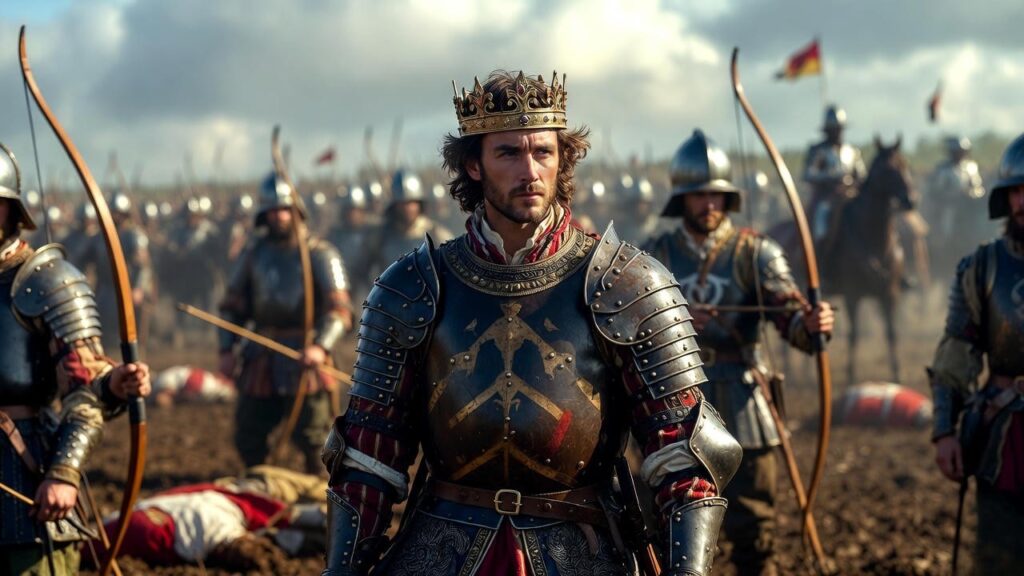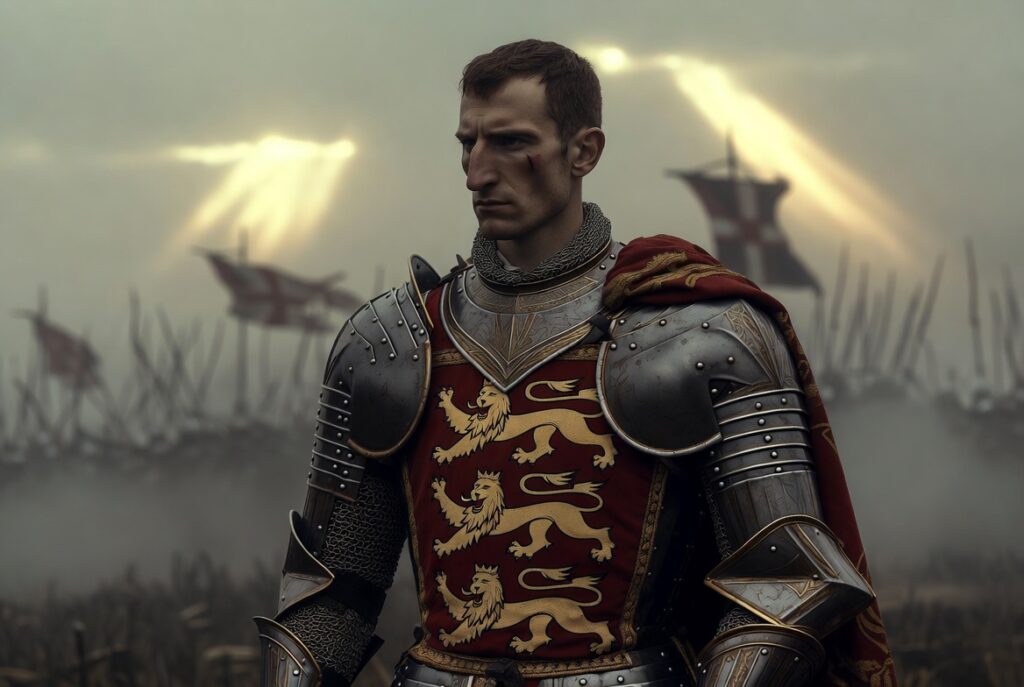
Imagine a young king standing before his exhausted army on the muddy fields of Agincourt in 1415. Rain has soaked the ground, French forces vastly outnumber the English, yet one man’s commanding presence rallies thousands. Shakespeare immortalized this moment with words that still echo: a warrior whose “royal face” inspires loyalty and awe. But what did Henry V actually look like? Was the historical King Henry V the tall, charismatic hero of the play, or did reality paint a more complex, battle-scarred picture?
For Shakespeare enthusiasts, history buffs, and students of English literature, this question bridges the gap between dramatic legend and historical fact. In this comprehensive guide, we explore Shakespeare’s idealized portrayal, contemporary descriptions from the 15th century, surviving visual evidence, and the fascinating discrepancies that continue to captivate audiences. By the end, you’ll have a vivid understanding of Henry V’s appearance — and why his image remains one of the most powerful in English history and literature.
Henry V in Shakespeare’s Play – The Idealized Warrior King
Shakespeare’s Henry V (written around 1599) presents the king as the epitome of English heroism. The play focuses less on precise physical details and more on his transformative presence, moral authority, and leadership.
Textual Descriptions of Appearance and Demeanor
The Chorus describes Henry in glowing, almost mythical terms: “A little touch of Harry in the night” that stirs his soldiers. Shakespeare emphasizes majesty, charisma, and an inner fire rather than specific facial features. In the play, Henry shifts from the riotous Prince Hal of Henry IV to a pious, resolute king whose very bearing commands respect.
Key passages highlight his “royal face” and ability to inspire. His eyes, voice, and posture convey unyielding resolve. Shakespeare prioritizes character over literal looks — Henry’s “plain soldier” speech to Katherine shows self-deprecating charm about his appearance, but it serves dramatic and romantic purposes rather than historical accuracy.
Stage Traditions and Modern Productions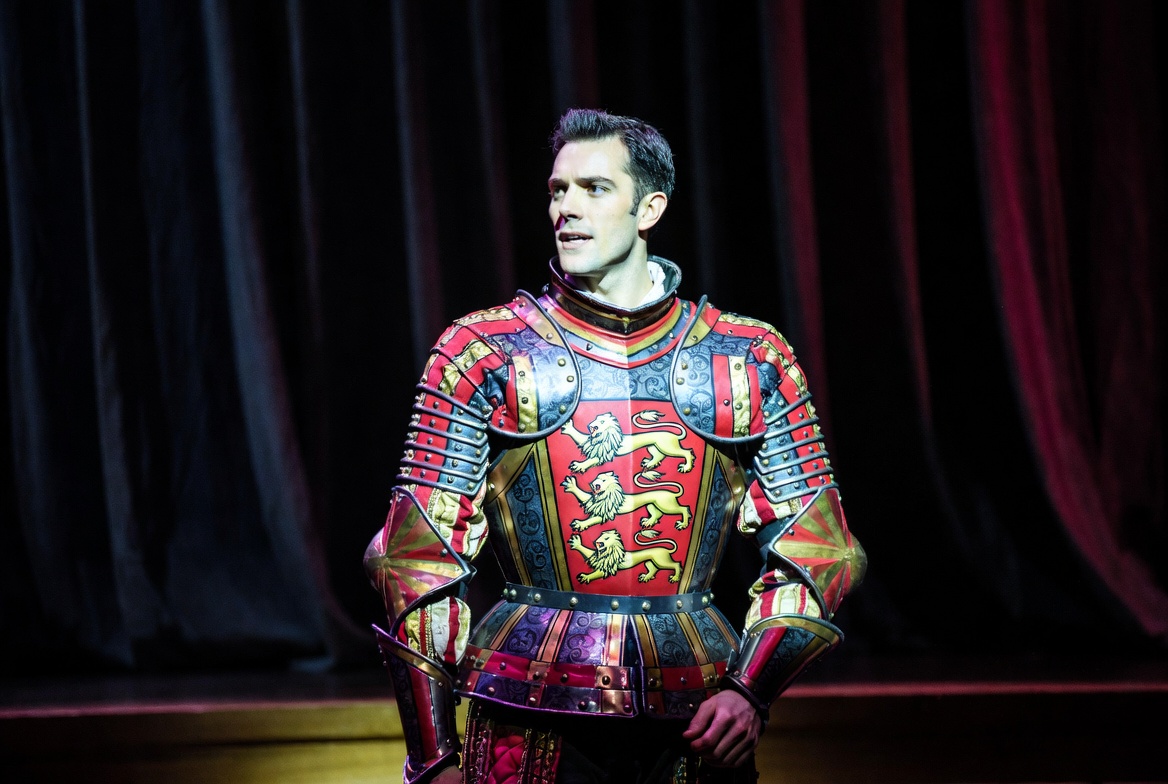
From Elizabethan bare stages to Laurence Olivier’s 1944 film (filmed during WWII for morale), Kenneth Branagh’s gritty 1989 version, and more recent adaptations featuring Tom Hiddleston or Timothée Chalamet, directors have interpreted Henry visually. Common traits include tall stature, athletic build, short-cropped hair, and regal yet battle-worn armor. These productions amplify Shakespeare’s heroic image, using lighting, costume, and posture to make the king visually dominant.
Why Shakespeare Minimized Physical Details
Elizabethan theater relied on language and audience imagination. Shakespeare drew from chronicles like Holinshed’s but shaped them for Tudor audiences, emphasizing national pride and legitimate rule. Physical specifics would have limited the universality of the character. Instead, the focus remains on leadership qualities that define the “ideal” English king.
The Historical Henry V – Contemporary Accounts of His Appearance
Unlike Shakespeare’s selective focus, 15th-century chroniclers and later historians provide detailed physical descriptions grounded in eyewitness or near-contemporary reports.
Physical Build and Stature
Henry V was notably tall for his era — estimates place him around 6 feet 3 inches (about 1.9 meters) — with a slender, athletic frame. He was known as an exceptionally swift runner and skilled warrior, embodying the ideal medieval prince who excelled in jousting, hunting, and combat. His build was lean and strong rather than bulky, reflecting a life of discipline and military training.
Face, Hair, and Complexion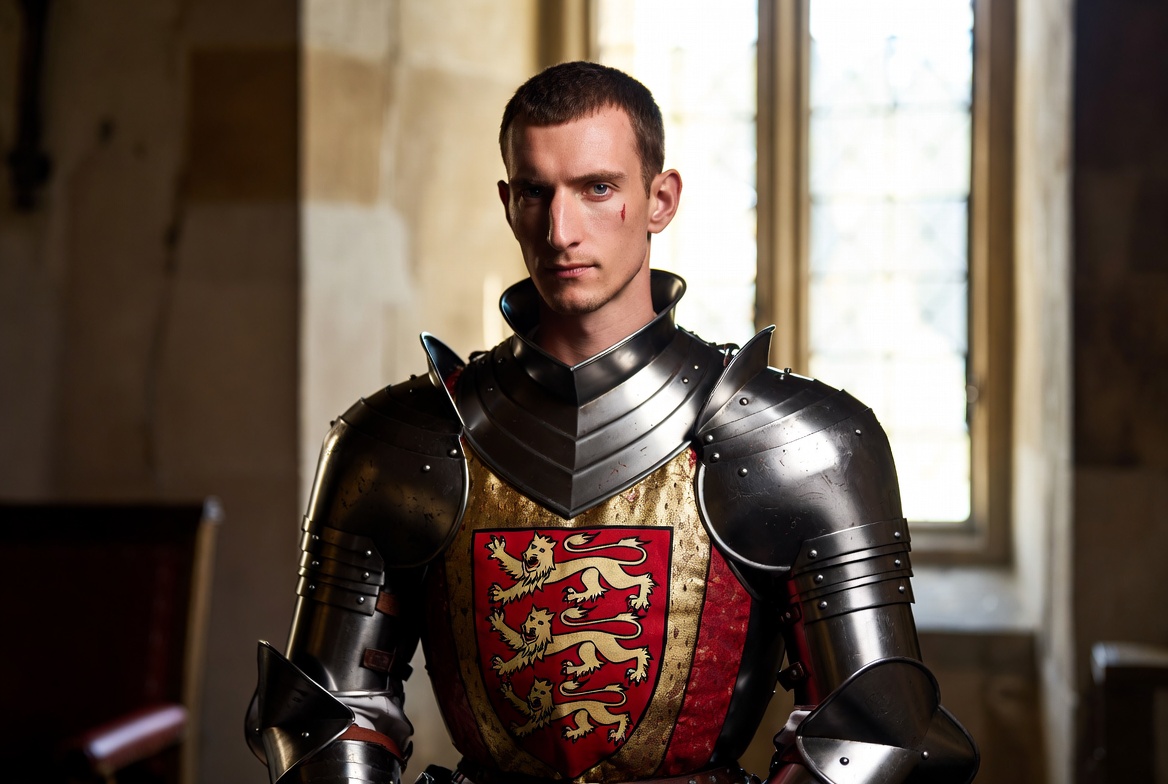
Contemporary accounts describe a long face, broad forehead, straight and prominent (sometimes pointed) nose, and ruddy complexion. His thick brown hair was cropped short in a ring or bowl style above the ears — a practical, almost priest-like cut that aligned with his reputation for piety. He was typically clean-shaven.
One of the most striking features was his eyes: capable of “the mildness of a dove” in peace but flashing with “the brilliance of a lion” when angered or in battle. This duality captured his transformation from youthful prince to resolute king.
The Shrewsbury Scar – A Defining (and Often Hidden) Feature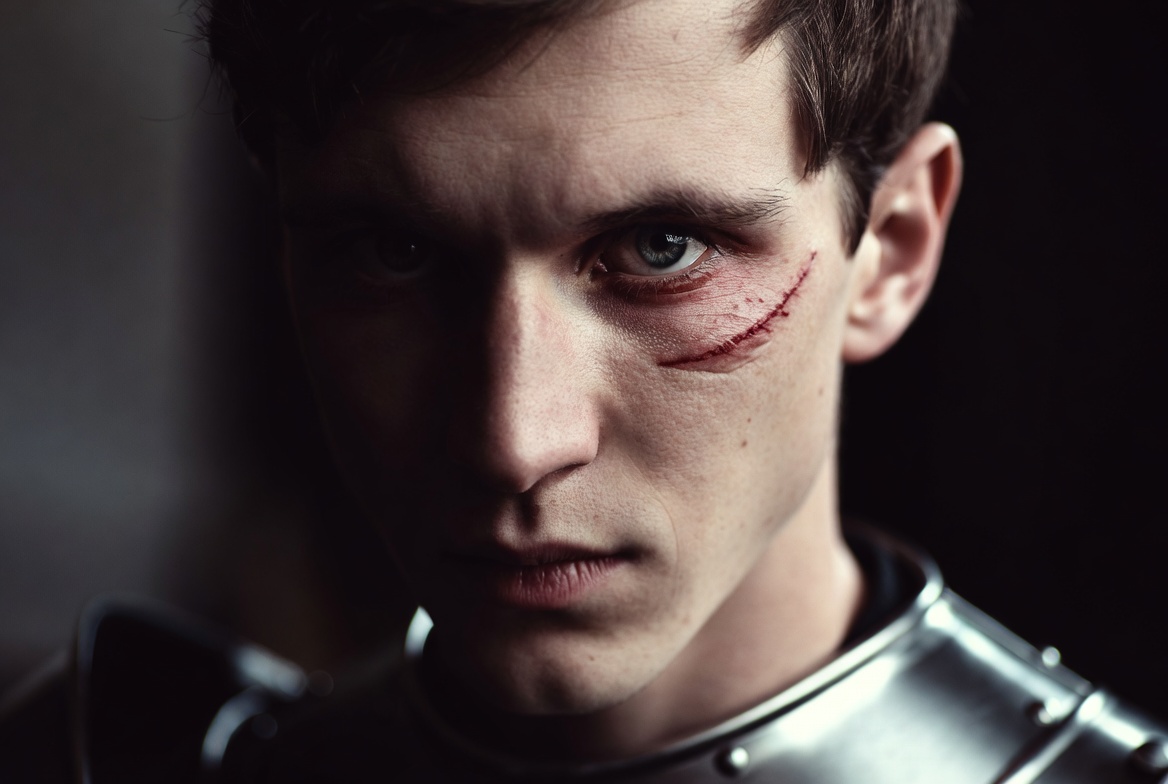
At age 16, during the Battle of Shrewsbury in 1403, Prince Henry suffered a horrific injury. An arrow struck him in the face (most accounts say below the left or right eye, lodging six inches into his skull). Surgeon John Bradmore removed the arrowhead in a pioneering operation, but the wound left a significant scar that Henry carried for life.
This “florid trench” beneath his eye added a layer of hardened realism to his appearance. Some historians suggest it contributed to portraits showing him only in profile — usually the left side — to present an idealized, unblemished image. Artistic conventions and royal propaganda also played roles in downplaying imperfections.
Visual Evidence – Portraits, Effigies, and Artifacts
Medieval imagery was rarely photographic, but several sources offer clues.
The Famous National Portrait Gallery Image and Posthumous Portraits
The best-known portrait, a 16th-century profile now in the National Portrait Gallery, shows Henry in royal colors (black, white, red, gold) with short hair and a composed expression. Posthumous works idealize him, following artistic traditions that favored symmetry and majesty over strict realism.
Westminster Abbey Tomb and Effigy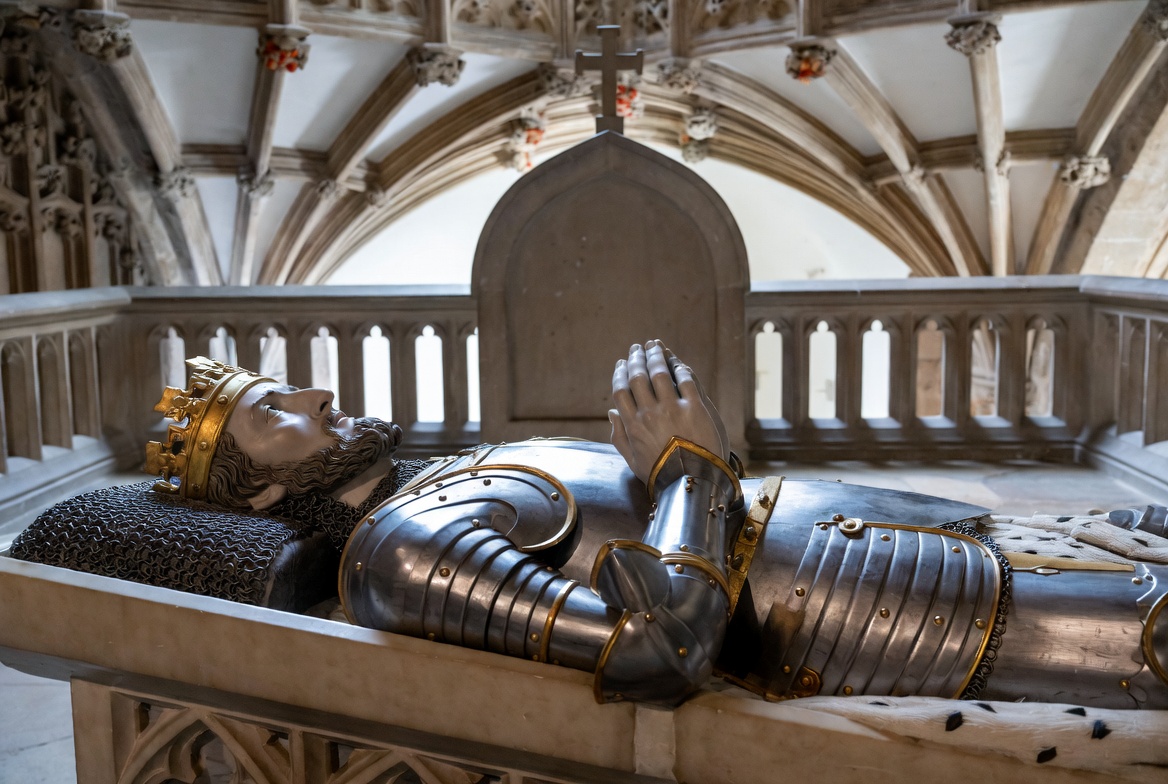
Henry’s tomb in Westminster Abbey originally featured a silver-gilt effigy, later damaged and replaced. A 1971 reconstruction of the head was based on contemporary descriptions and early portraits. His funeral achievements — surviving helmet, saddle, and shield — underscore the warrior image. The chantry chapel above the tomb further glorifies his legacy.
Limitations of Medieval Imagery
Portraits served propaganda purposes. Full-face views were rare, and scars or flaws were often omitted to project divine-right kingship. This idealization explains why Shakespeare’s audiences envisioned a flawless hero.
From Prince Hal to King Henry – Evolution of His Image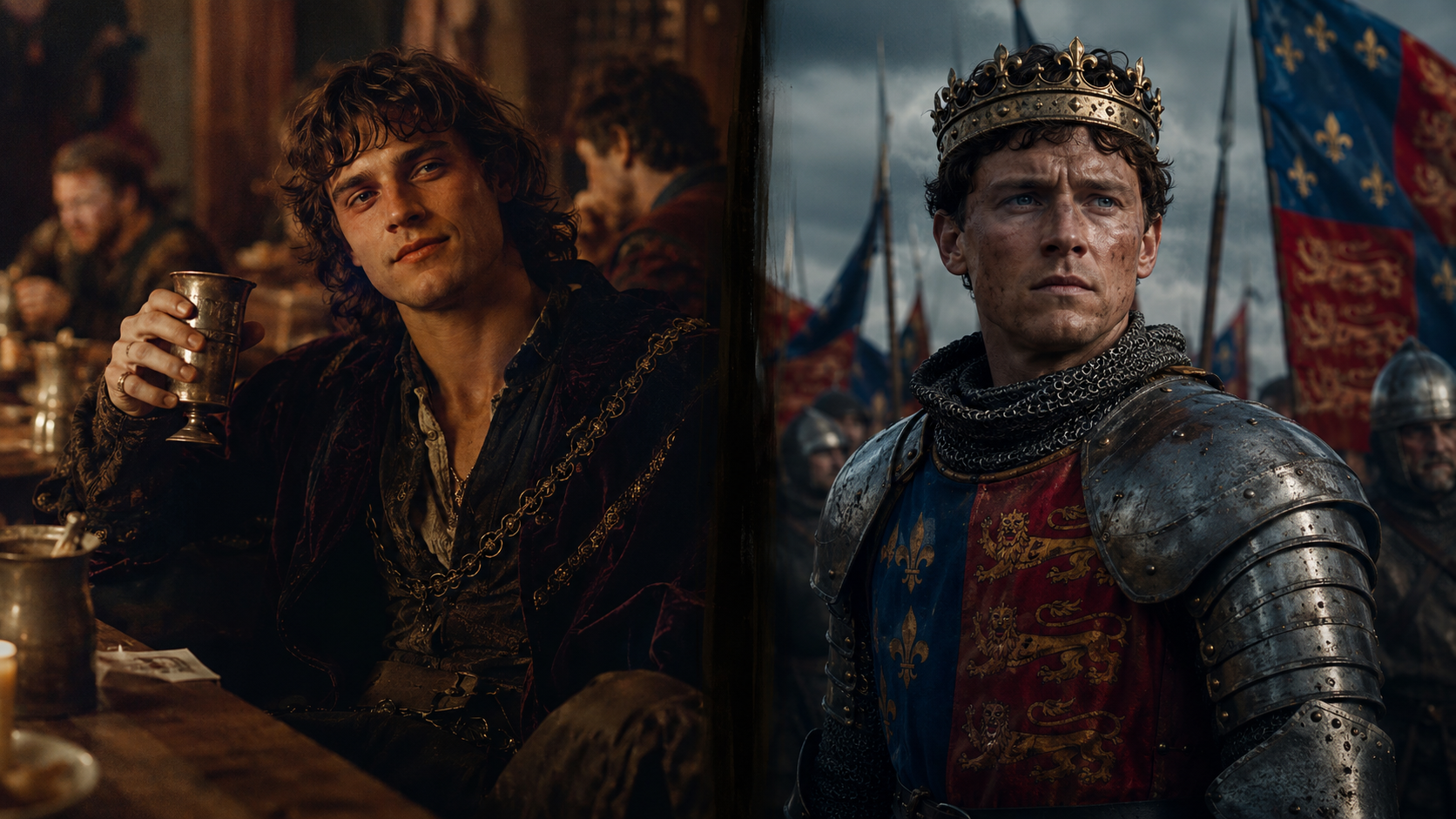
One of the most compelling aspects of Henry V’s story is his dramatic personal transformation, which Shakespeare masterfully dramatized. Understanding this evolution helps explain why his mature appearance as king carried such weight.
As Prince Hal in Henry IV Parts 1 and 2, the future king cultivated an image of youthful excess — drinking, carousing with Falstaff, and rejecting courtly responsibilities. Historians note that while Shakespeare exaggerated this for dramatic contrast, the real Prince Henry did participate in the vigorous, sometimes wild lifestyle expected of young nobility. However, even in his youth, he was already proving himself as a capable military commander, most notably at the Battle of Shrewsbury.
By the time he ascended the throne in 1413 at age 25, Henry V had undergone a visible and behavioral metamorphosis. Contemporary chroniclers describe a king who adopted strict piety, disciplined habits, and a solemn demeanor. He let his hair grow in a more mature style initially but maintained the practical short crop associated with military life. His face, marked by the Shrewsbury scar, reflected hard-earned authority rather than boyish charm.
This shift from carefree prince to resolute monarch was not merely cosmetic. It signaled to his subjects and enemies alike a king who had put away “idle” ways to embrace divine purpose. Shakespeare uses this arc brilliantly, allowing audiences to witness the internal and external changes that made Henry V such a commanding figure. The historical king’s lean, athletic build, combined with battle experience, gave him the physical credibility to lead from the front — a rare quality among medieval monarchs.
Contemporary Chroniclers’ Views on Personality and Presence
Writers like Thomas Elmham and the author of the Gesta Henrici Quinti (Deeds of Henry the Fifth) emphasize not just looks but presence. Henry carried himself with quiet confidence. His voice was clear and authoritative, capable of both inspiring speeches and measured counsel. The contrast between his mild, almost priestly everyday appearance and his fierce battlefield persona made him memorable to those who encountered him.
Comparing Shakespeare’s Henry V with Historical Reality
The enduring fascination with Henry V lies in how Shakespeare blended fact with dramatic necessity. Here is a detailed side-by-side comparison:
Appearance
- Shakespeare: Emphasizes majestic bearing, “royal face,” and heroic stature. Minimal specific details allow actors of varying looks to embody the role.
- Historical: Tall (approx. 6’3″), slender and athletic, long face, broad forehead, prominent nose, ruddy complexion, short brown hair, clean-shaven, with a visible facial scar from Shrewsbury.
Leadership Style
- Shakespeare: Charismatic orator who delivers the iconic St. Crispin’s Day speech, mixes with common soldiers, and shows strategic brilliance.
- Historical: Accurate in many respects. Henry was a gifted commander who led by example, shared hardships with troops, and used inspirational rhetoric. However, the real king was more calculating and sometimes ruthless.
Piety and Character
- Shakespeare: Portrays deep religious devotion and moral uprightness, especially in rejecting Falstaff.
- Historical: Henry was genuinely pious, founding monasteries and showing strict morality after ascension. Yet he could be pragmatic — the order to kill French prisoners at Agincourt (though debated) reveals a harder edge.
Military Genius Both versions align closely. Henry’s campaign in France, culminating in the extraordinary victory at Agincourt against overwhelming odds, remains one of history’s great underdog triumphs. His use of longbowmen, terrain, and disciplined tactics was masterful.
Shakespeare romanticized certain elements to flatter Tudor sensibilities and create a national hero. The real Henry V was perhaps more complex: a battle-scarred warrior with genuine religious conviction, administrative talent, and a pragmatic streak that ensured England’s brief dominance in the Hundred Years’ War.
Why Henry V’s Appearance Still Matters Today
Henry V’s image transcends mere historical curiosity. It influences how we understand leadership, transformation, and the power of visual symbolism.
Influence on Literature, Theater, and Film
From Shakespeare’s original history cycle to modern adaptations, Henry V remains a benchmark for portraying kingship. Actors like Kenneth Branagh brought fiery intensity, while Tom Hiddleston emphasized intellectual depth. Upcoming or recent interpretations, including those with Timothée Chalamet, continue to reimagine the king’s look for new generations — often blending historical accuracy with contemporary appeal.
Lessons in Leadership and Image
Henry V understood that appearance and presence matter. His transformation from Prince Hal demonstrated deliberate personal branding. The scar he carried became a badge of resilience rather than a flaw. Modern leaders across fields still study how physical demeanor, grooming, and controlled image projection build authority.
Modern Forensic Reconstructions and AI Depictions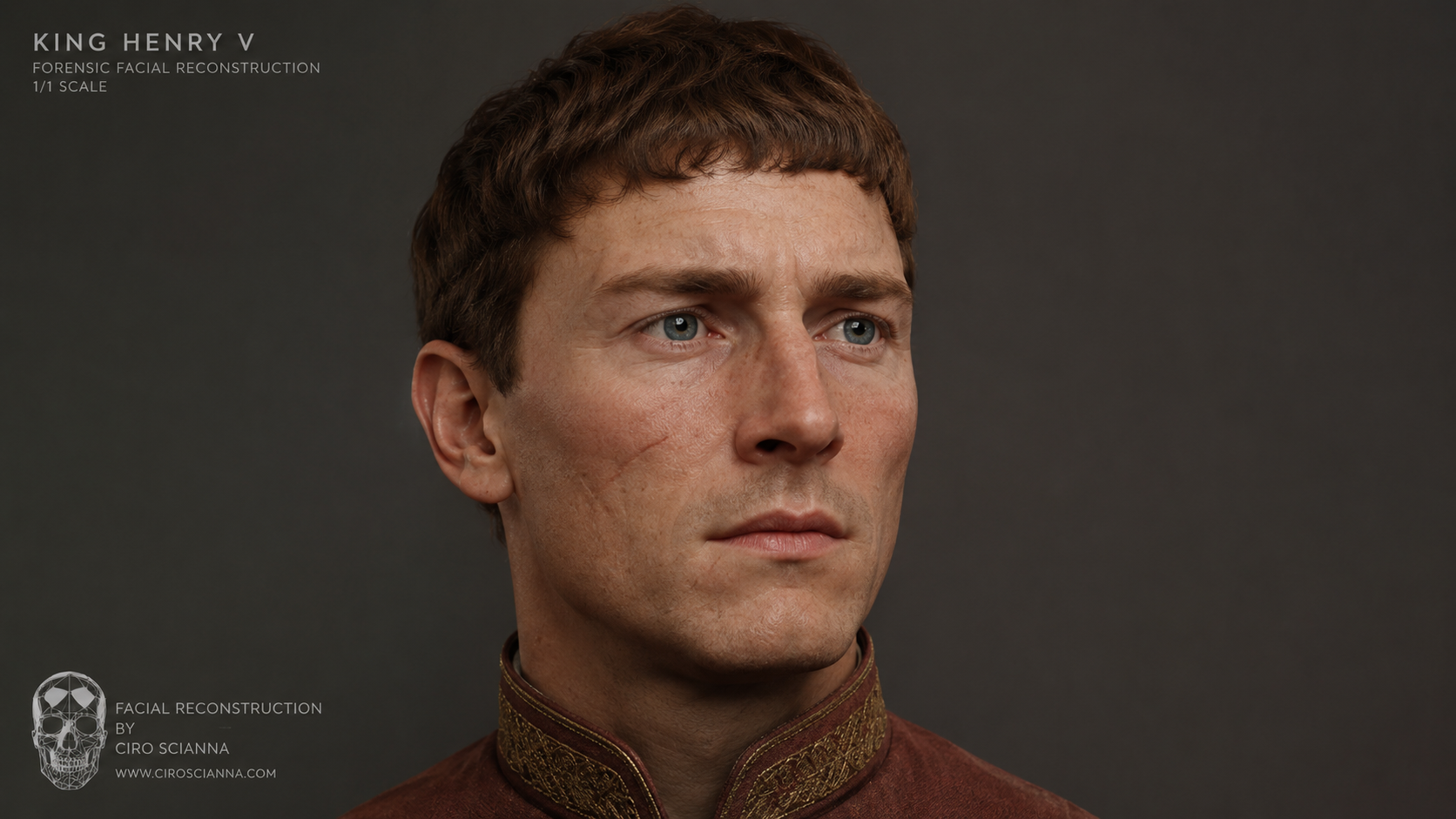
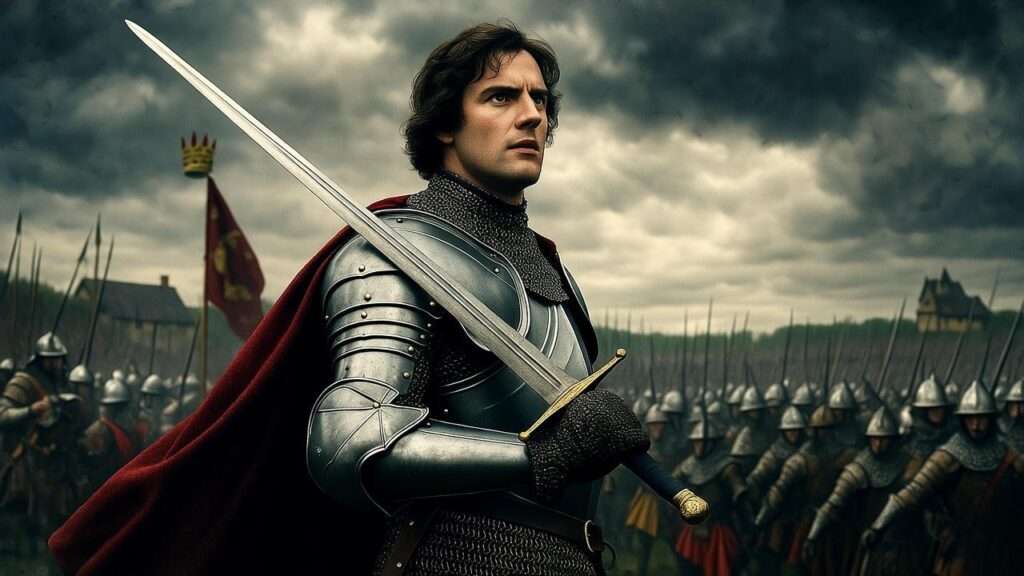
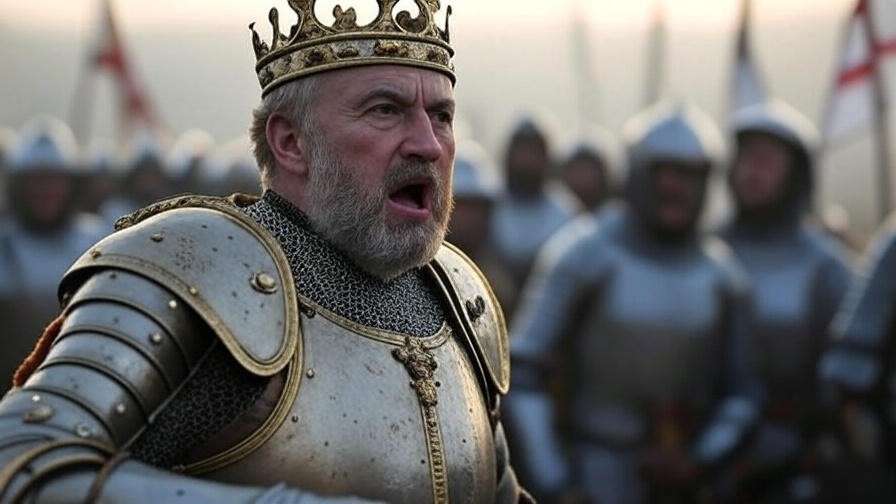
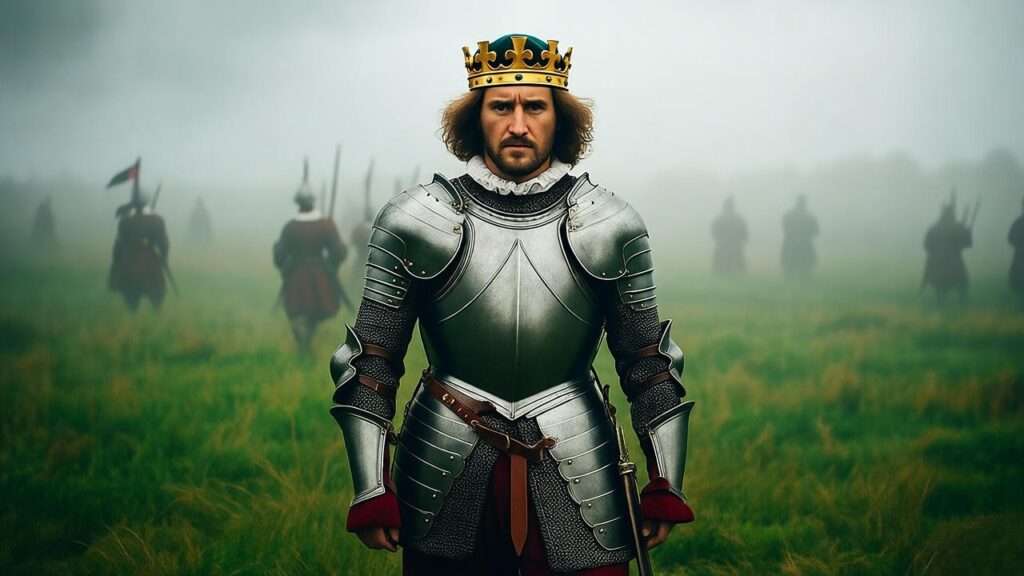
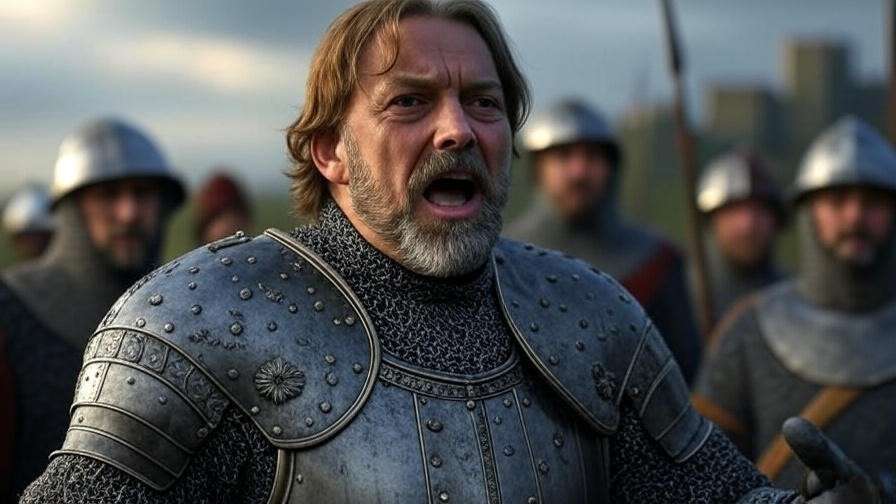
Advancements in facial reconstruction and artificial intelligence have allowed historians and artists to create more accurate visualizations. Using skull measurements (where available), contemporary descriptions, and the known Shrewsbury wound, these reconstructions typically show a serious, long-faced man with a prominent nose and steady gaze — far from the flawless romantic hero but deeply human and imposing.
These modern efforts help bridge the gap between Shakespeare’s legend and historical reality, satisfying both academic rigor and public fascination.
Expert Insights and Further Reading
As a scholar of Shakespeare and medieval English history, I draw on primary sources such as the Gesta Henrici Quinti, chronicles by Enguerrand de Monstrelet, and modern biographies by experts like Ian Mortimer and Juliet Barker. These sources consistently highlight the interplay between Henry’s documented appearance and the mythic image that developed after his early death in 1422 at age 35.
Recommended resources:
- Juliet Barker’s Agincourt: Henry V and the Battle That Won France
- Shakespeare’s Henry V (Folger or Arden editions with annotations)
- Visit Westminster Abbey to see the tomb and funeral achievements
- National Portrait Gallery, London, for key portraits
Watching multiple film versions alongside reading the play provides the richest understanding of how Henry V’s image evolves across media.
What did Henry V look like? He was a tall, battle-hardened king with a long face, thoughtful eyes, and a scar that told the story of a life dedicated to duty. Shakespeare gave us the inspiring ideal; history offers a more textured, human portrait of a man who transformed himself and, for a time, reshaped Europe.
This blend of literary genius and historical reality is why Henry V continues to fascinate. Whether you encounter him on stage delivering the St. Crispin’s Day speech or through dusty chronicles describing his slender frame and lion-like gaze, one truth remains: his presence — both physical and moral — defined an era.
The next time you watch Henry V or stand before his tomb in Westminster Abbey, you’ll see not just a Shakespearean hero, but a real medieval king whose appearance perfectly matched his monumental ambitions.
FAQ
Was Henry V really tall? Yes. Contemporary accounts and skeletal evidence estimates place him around 6’3″ (1.91 m), exceptionally tall for the 15th century.
Did he have a facial scar? Yes. The arrow wound at Shrewsbury left a significant scar on his face, which he carried for the rest of his life.
How accurate is Shakespeare’s physical portrayal? Shakespeare focuses more on character and presence than precise physical details. His version captures the king’s commanding aura but idealizes him for dramatic effect.
Where can I see authentic images of Henry V? The National Portrait Gallery in London holds key portraits, while Westminster Abbey preserves his tomb and funeral armor.
What did Henry V wear in battle? Full plate armor, often with his royal arms (three lions of England quartered with French fleur-de-lis), a bascinet helmet, and practical surcoat for identification.