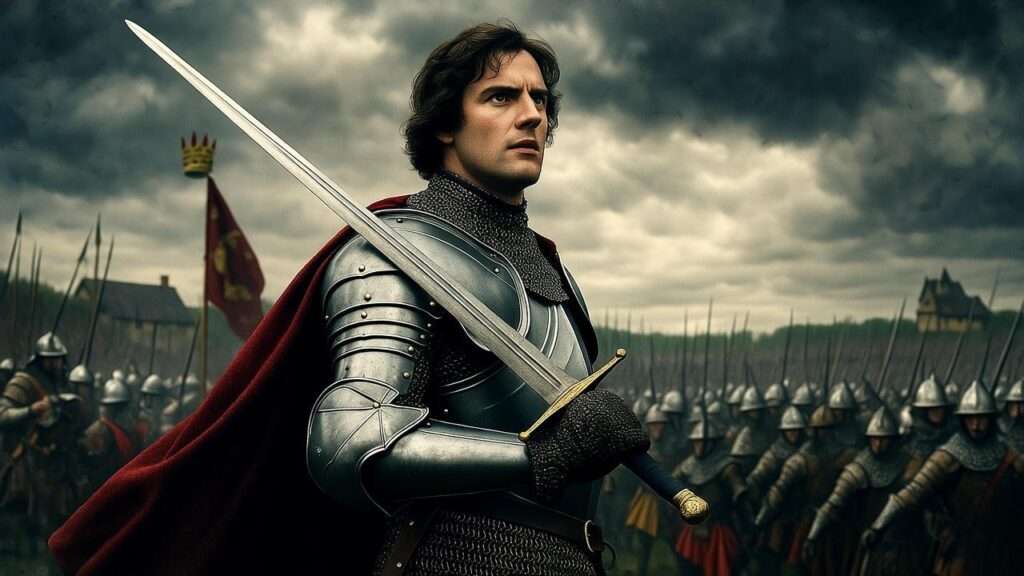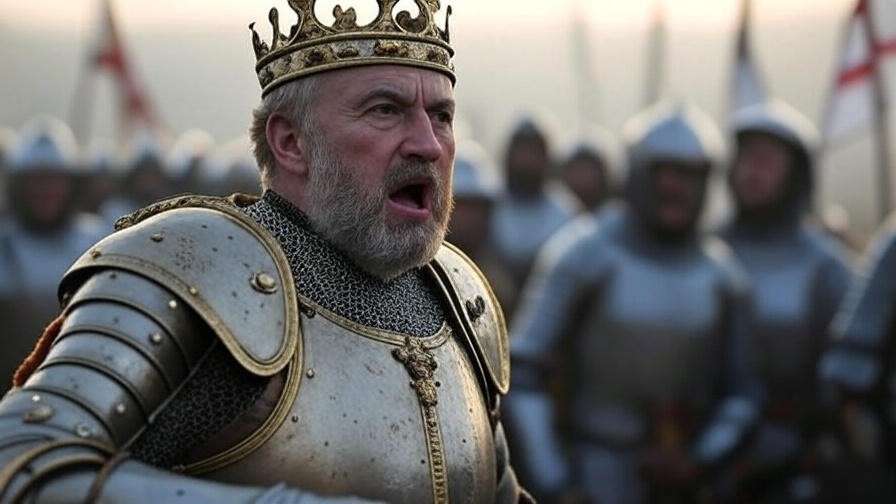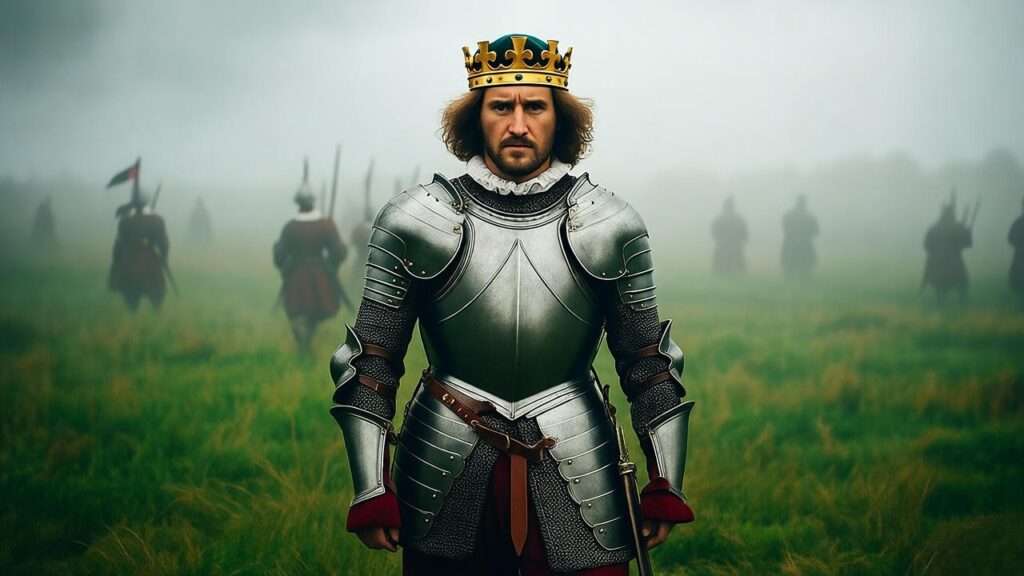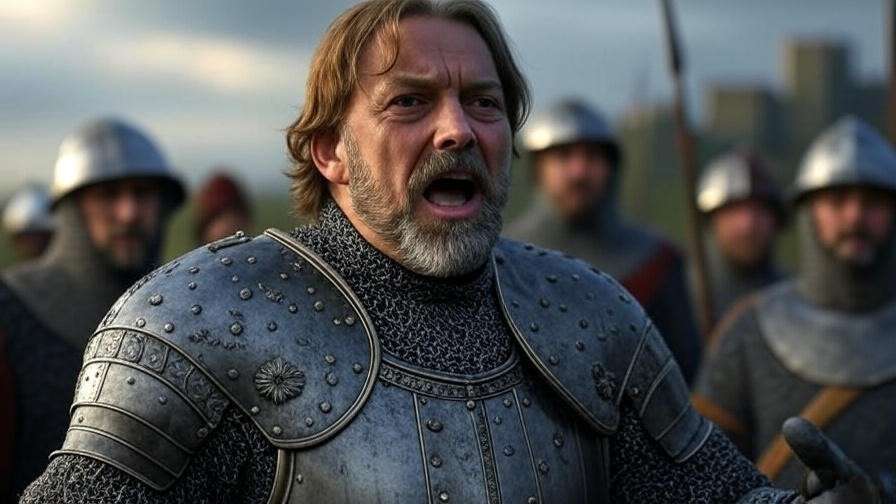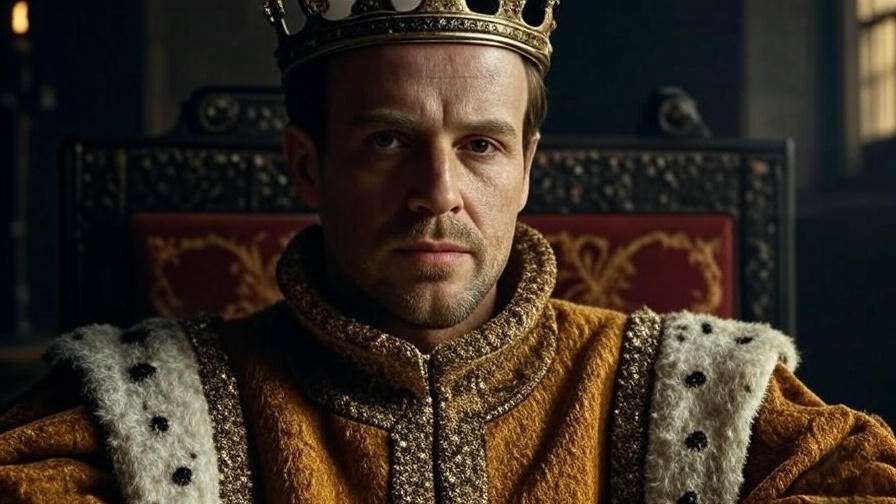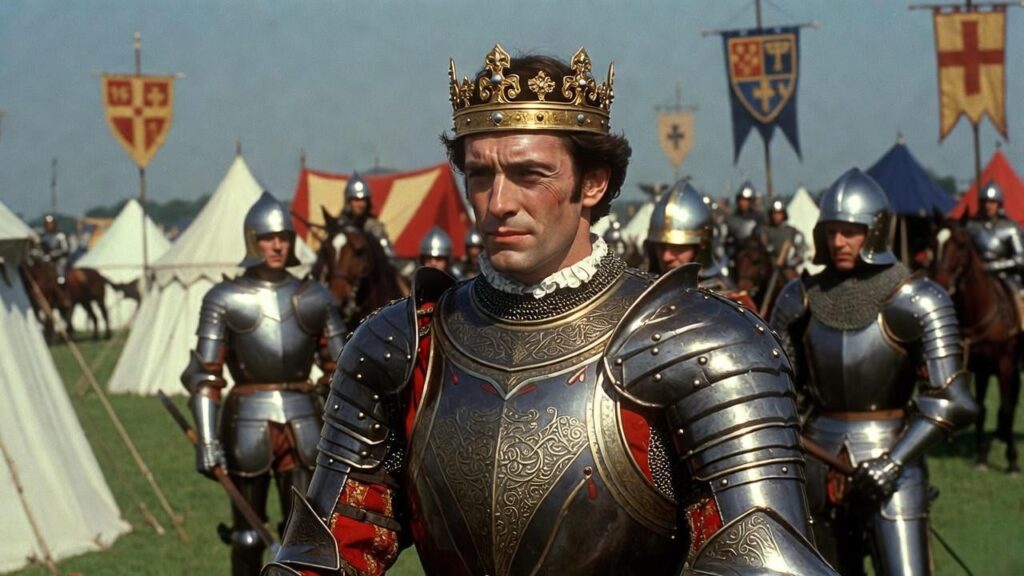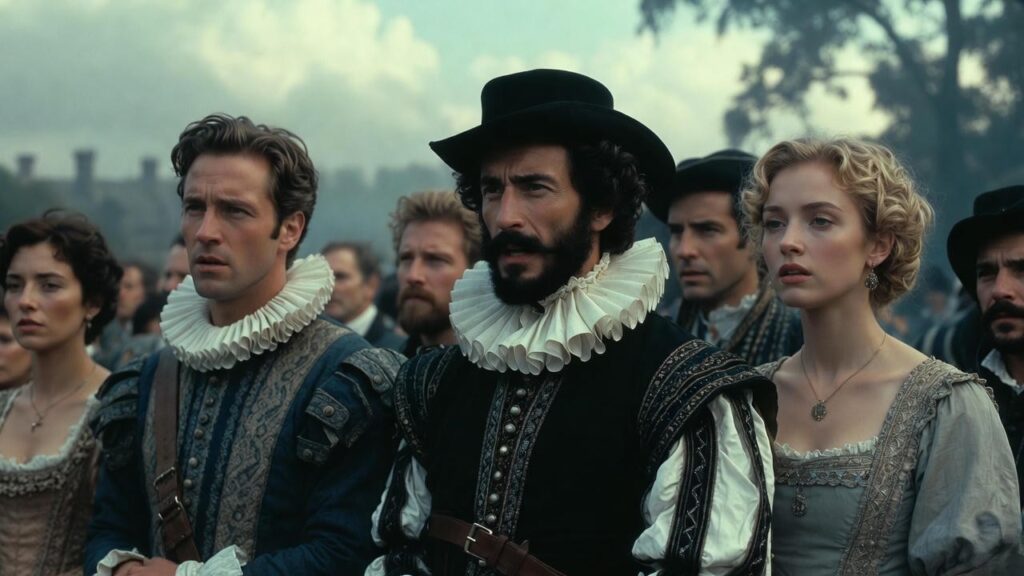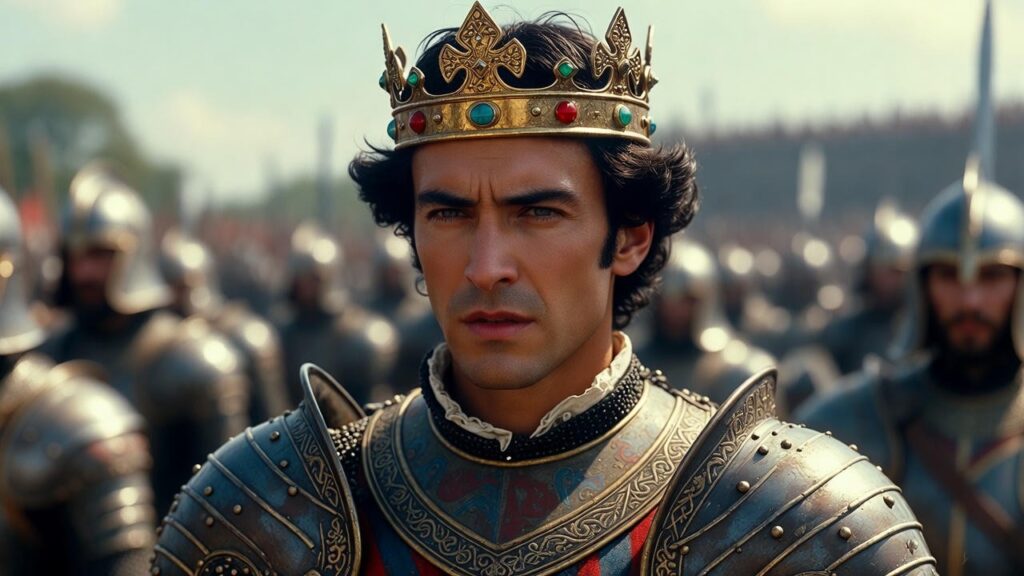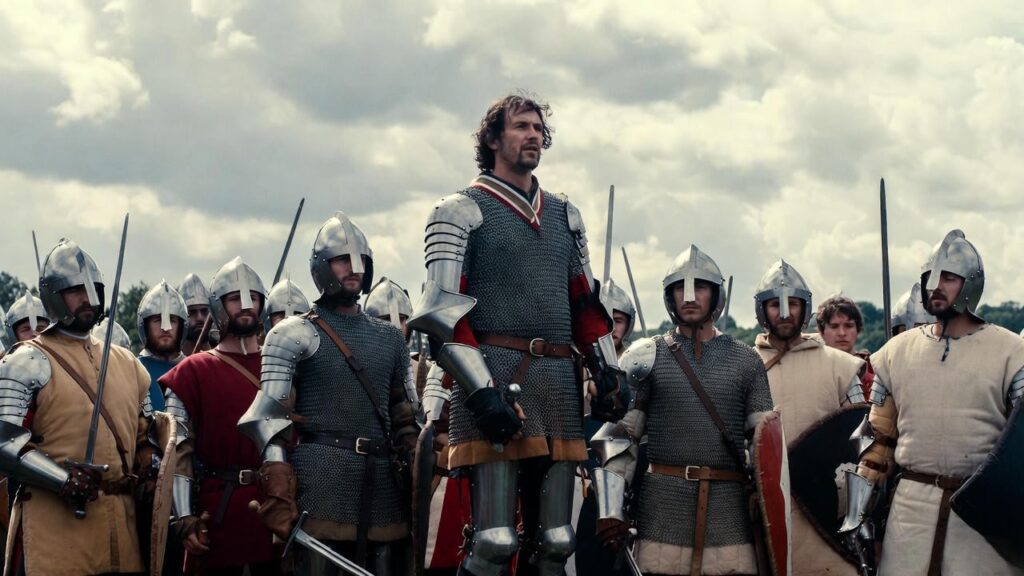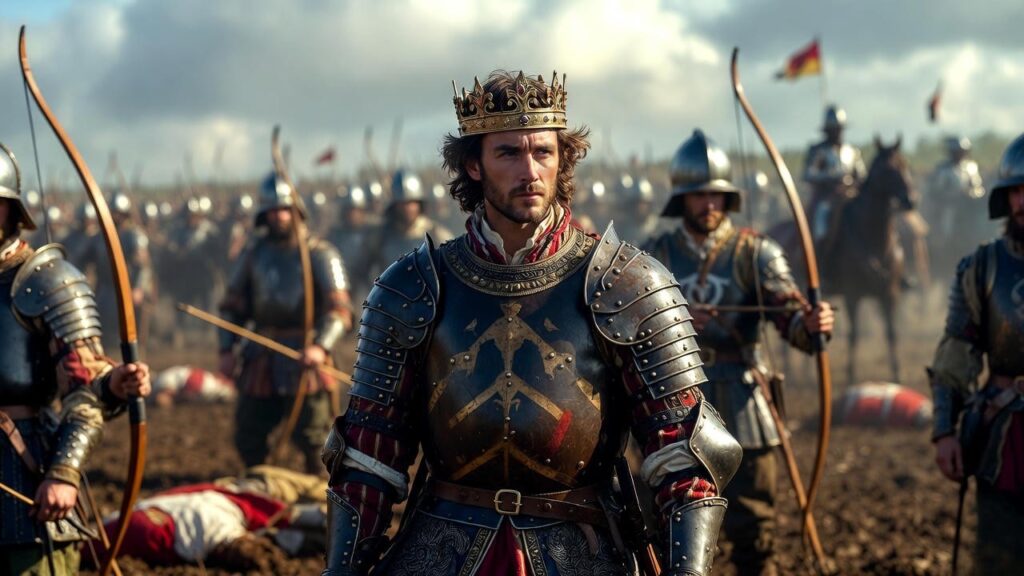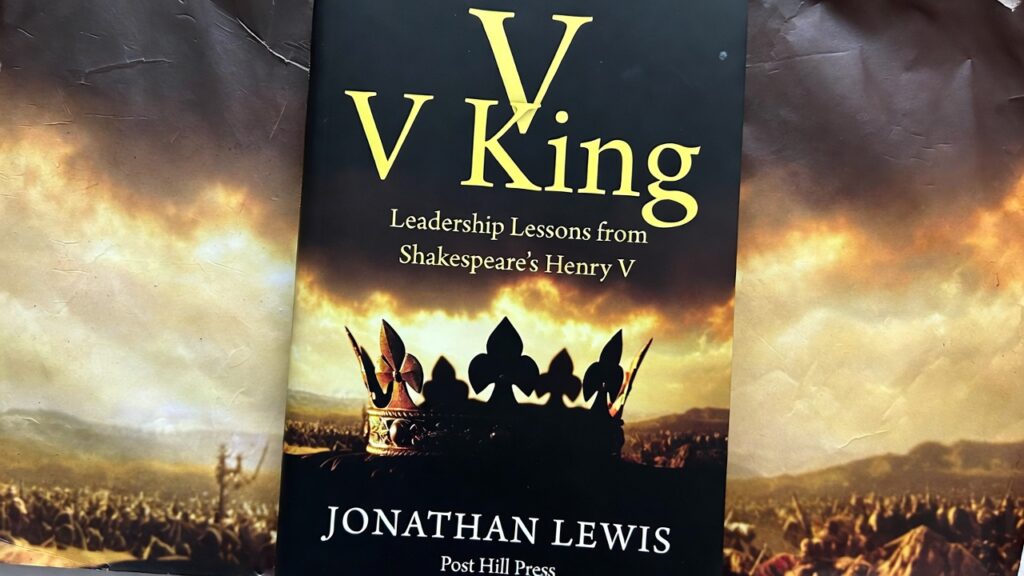
Imagine a young king facing impossible odds: his army exhausted, outnumbered five to one, rain-soaked and demoralized on the muddy fields of Agincourt. Yet with words alone—powerful, poetic, unifying—he transforms fear into fierce determination. “We few, we happy few, we band of brothers,” he declares, forging an unbreakable bond that turns the tide of history. This is the essence of V King—Shakespeare’s Henry V, where the protagonist, King Henry V, emerges as one of literature’s most compelling models of leadership.
In an age of leadership burnout, team disengagement, and crisis fatigue, Shakespeare’s portrayal of this transformative ruler offers timeless tools. From rhetorical mastery to visible presence, resilience in adversity, and the moral complexities of power, Henry’s journey provides actionable insights that modern leaders—CEOs navigating market disruptions, managers building high-performing teams, or anyone stepping into greater responsibility—can apply today. This comprehensive exploration goes beyond surface summaries, delving into textual evidence, historical context, scholarly perspectives, and real-world parallels to deliver deeper value than typical analyses.
Whether you’re seeking inspiration from classic literature, strategies to motivate others during tough times, or a nuanced understanding of what makes a leader truly effective, the lessons from Shakespeare’s V King remain profoundly relevant. Let’s uncover them.
Historical and Literary Context of Henry V – Understanding the “V King”
Shakespeare’s Henry V (written around 1599) forms the culmination of his Henriad tetralogy, following the wild Prince Hal’s evolution from the misspent youth of Henry IV Parts 1 and 2 to a heroic monarch. The play dramatizes the real historical King Henry V (reigned 1413–1422), whose victories in the Hundred Years’ War—including the stunning triumph at Agincourt in 1415—made him a symbol of English valor.
Yet Shakespeare was no mere chronicler. Writing during Elizabeth I’s late reign, amid fears of succession crises and foreign threats, he crafted Henry as an ideal (though not flawless) king: eloquent, strategic, and unifying. The Chorus’s opening plea—“O for a muse of fire”—invokes imagination to bridge the gap between stage and epic history, reminding audiences that great leadership requires vision beyond the ordinary.
Key themes include the burdens of kingship, the rhetoric of war, national unity across classes, and the interplay of divine right with human ambition. Henry’s transformation mirrors personal growth: from a reformed prince to a leader who inspires loyalty not through fear but through shared purpose. In today’s volatile world—marked by rapid change and division—this story resonates as a blueprint for turning challenges into opportunities.
The Core Leadership Qualities Shakespeare Reveals in Henry V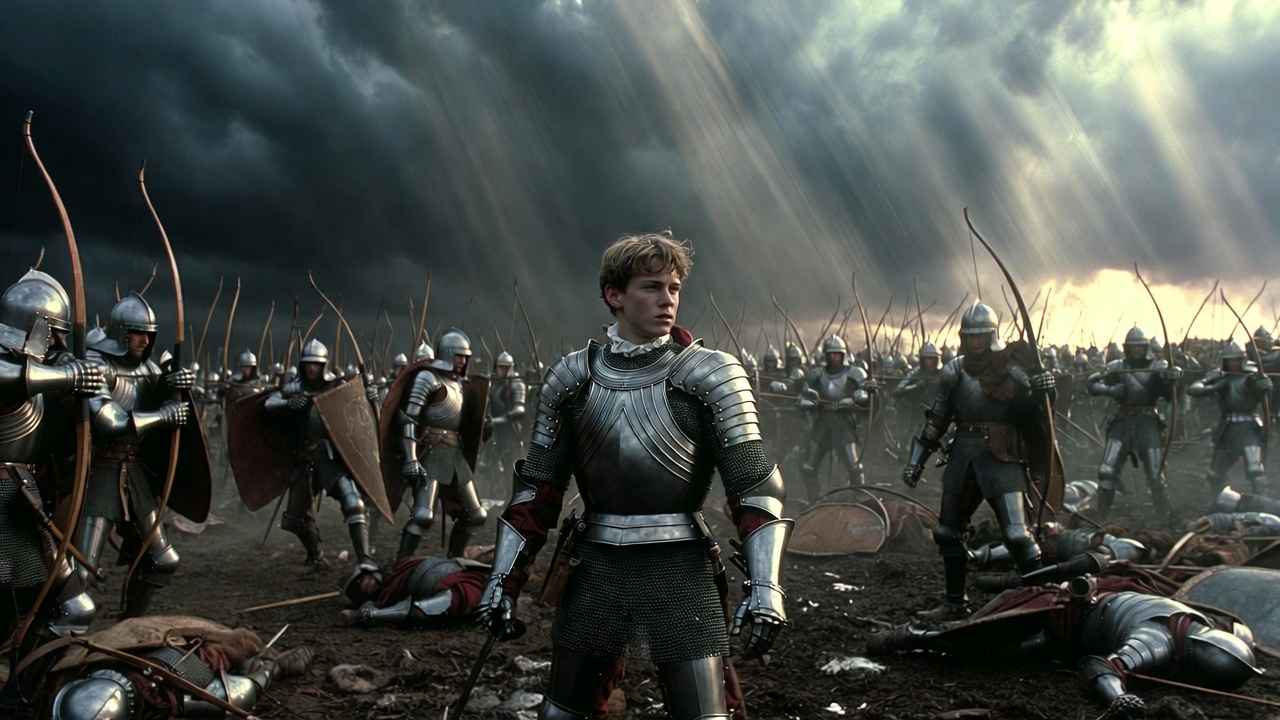
Shakespeare presents Henry as a multifaceted leader whose strengths emerge through action, speech, and reflection.
Vision and Purpose – Articulating a Compelling “Why”
Henry frames his campaign not as conquest for glory but as rightful duty and shared destiny. He invokes ancestral claims and divine justice, giving his followers a transcendent purpose.
This mirrors modern leadership: great CEOs articulate a “why” that transcends quarterly targets—think of turnaround stories where leaders rally teams around mission during downturns. Henry’s vision unites disparate elements (nobles, common soldiers) into one force.
The Prologue’s call for imaginative fire underscores that leaders must ignite possibility in others’ minds.
Eloquence and Rhetorical Mastery – The Power of Words Over Swords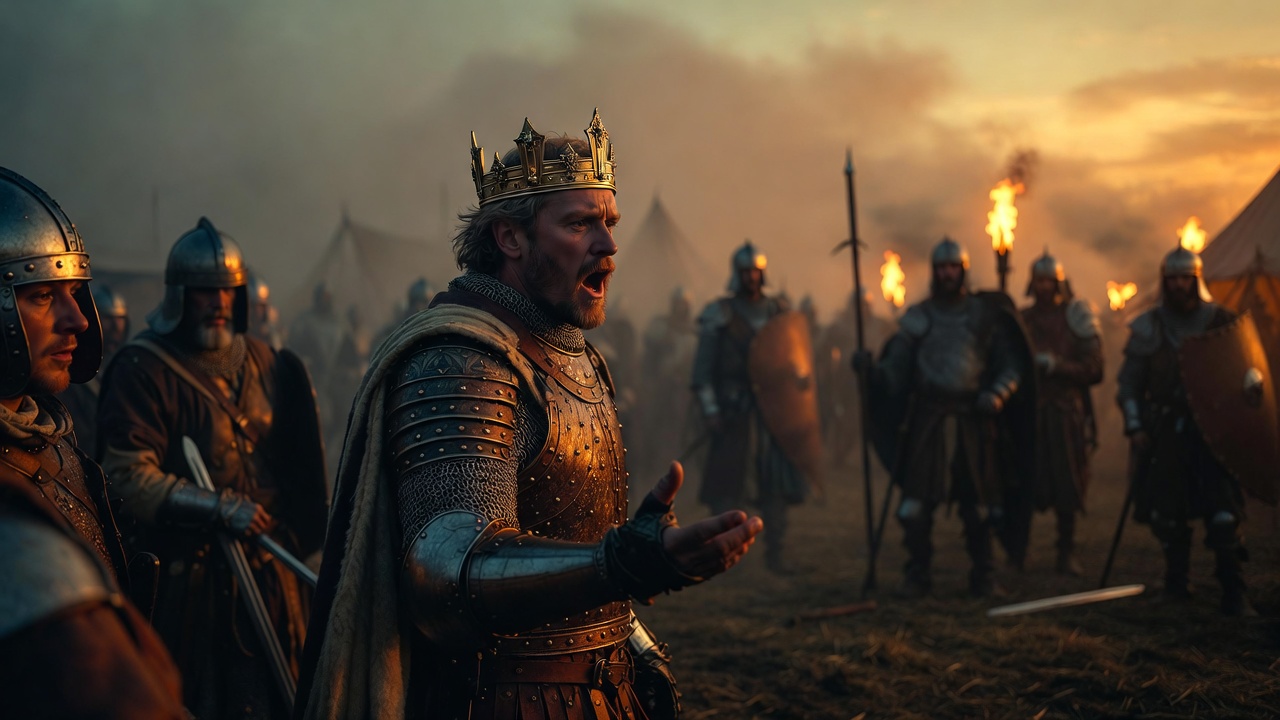
Henry’s speeches are legendary. Before Harfleur: “Once more unto the breach, dear friends, once more; / Or close the wall up with our English dead!” He stirs action through vivid imagery and honor.
The St. Crispin’s Day oration stands supreme: “We few, we happy few, we band of brothers… This day shall gentle his condition.” He promises legacy and equality in valor, turning a desperate situation into mythic triumph.
Scholars like those at Wharton note Henry’s virtuoso rhetoric prevents unnecessary bloodshed while motivating fiercely. In boardrooms or crises, persuasive communication builds buy-in and morale far more than authority alone.
Leading by Example and Visible Presence
Disguised among his troops the night before Agincourt, Henry hears their fears firsthand. He walks the camp, not aloof but immersed—contrasting sharply with detached French nobility.
This “visible leadership” fosters trust. Modern parallels abound: leaders present during tough layoffs or remote-work challenges show solidarity, boosting engagement.
Empathy, Listening, and Building “Band of Brothers” Unity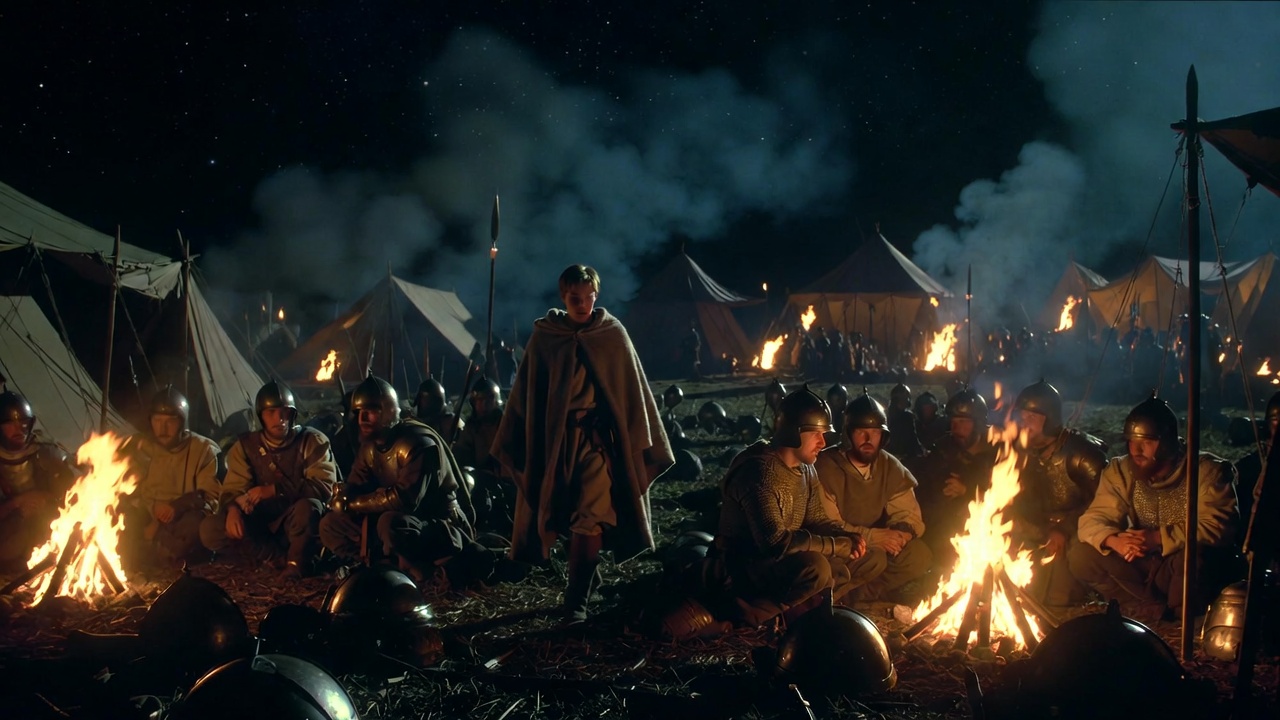
Henry’s disguise allows honest dialogue. He engages Williams and Bates on duty and soul, acknowledging shared humanity: “I think the king is but a man, as I am: the violet smells to him as it doth to me.”
He bridges class divides, creating psychological safety. Today’s inclusive teams thrive on similar empathy—listening reduces turnover, fosters innovation.
Resilience, Innovation, and Turning Adversity into Advantage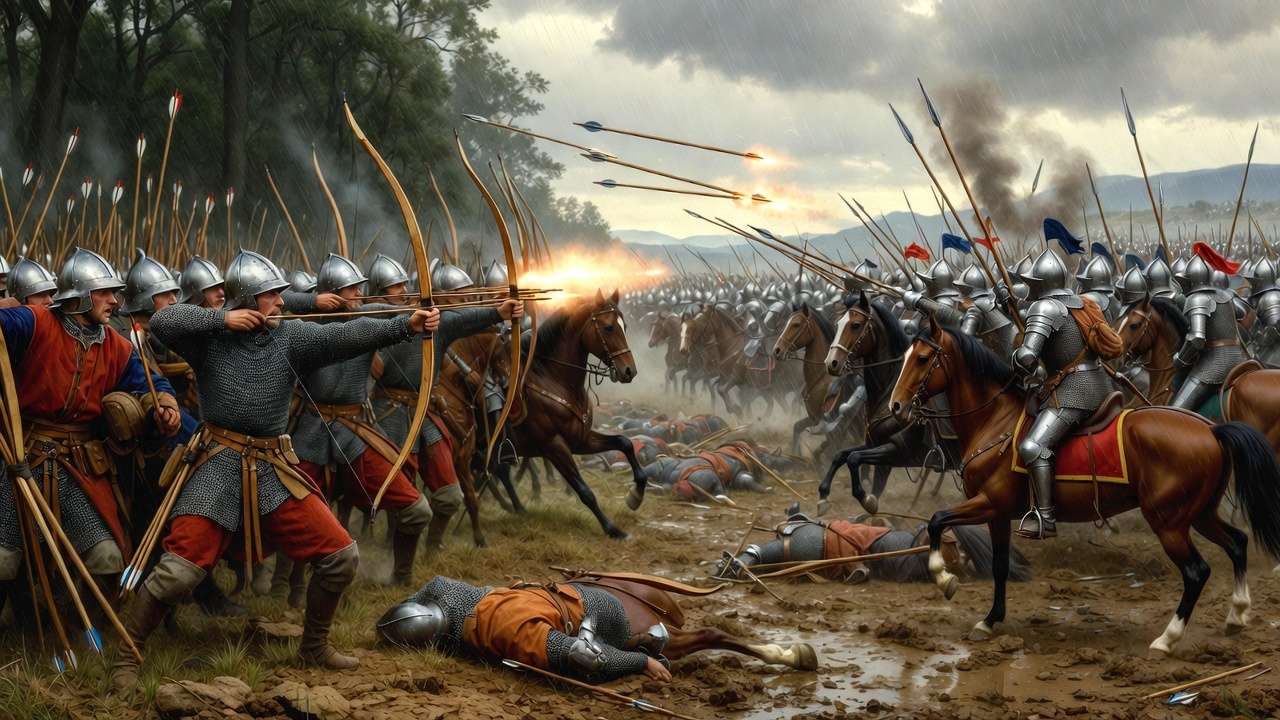
Outnumbered, Henry innovates: trusting longbow tactics, adapting to terrain. His mindset—“All things are ready, if our minds be so”—emphasizes mental agility.
Leaders today face similar pivots—supply chain crises or tech disruptions—where resilience and creative problem-solving win.
The Moral Complexity of Leadership – Ruthlessness vs. Virtue
Henry isn’t idealized without critique. His threats at Harfleur and execution of French prisoners show pragmatism bordering on ruthlessness. Yet he shows humility—praying before battle, accepting responsibility.
Scholars debate: hero or manipulator? This balance highlights ethical leadership: tough decisions require self-awareness and accountability, avoiding blind ambition.
Timeless Applications – How Henry V’s Lessons Apply Today
Henry’s principles translate directly:
- Business: Use St. Crispin’s-style rallies during pivots—frame challenges as shared legacy.
- Politics/Public Service: Inspire unity amid division; visible presence in crises builds credibility.
- Personal Development: Embrace transformation—Henry’s growth from prince to king shows self-reinvention.
Real examples: Winston Churchill echoed Henry in WWII speeches; sports coaches invoke “band of brothers” for team cohesion; CEOs like Satya Nadella at Microsoft emphasize empathy and purpose.
7 Actionable Steps Inspired by Henry:
- Craft your vision speech—define the “why” clearly.
- Master motivational rhetoric—use stories, imagery.
- Be visibly present—engage directly in tough times.
- Listen actively—seek unfiltered feedback.
- Build inclusive unity—treat all as equals in purpose.
- Cultivate resilience—reframe adversity.
- Balance decisiveness with ethics—reflect on impacts.
Key Quotes from Henry V and Their Leadership Insights
Shakespeare’s genius lies in language that distills complex ideas into unforgettable lines. Below are some of the play’s most powerful quotes, each paired with its original context and a modern leadership interpretation. These passages remain quoted in boardrooms, motivational talks, military briefings, and personal development circles because they capture universal truths about influence, courage, and responsibility.
- “Once more unto the breach, dear friends, once more; / Or close the wall up with our English dead!” (Act 3, Scene 1) Context: Henry rallies his troops at the siege of Harfleur when momentum stalls. Leadership insight: This is the ultimate “keep going” speech. In modern terms, it’s the moment a leader refuses to accept defeat and reframes exhaustion as an opportunity for glory. Use it (figuratively) when a project stalls or a team loses steam—remind them of the stakes and call them back to action.
- “We few, we happy few, we band of brothers; / For he to-day that sheds his blood with me / Shall be my brother…” (Act 4, Scene 3 – St. Crispin’s Day speech) Context: Facing overwhelming odds at Agincourt, Henry turns numerical disadvantage into elite privilege. Leadership insight: One of the most effective ways to build loyalty is to make people feel they belong to something exclusive and meaningful. Startups often use this mindset to create tight-knit “founder cultures”; sports teams invoke it during playoffs. It transforms “we’re under-resourced” into “we’re the chosen few.”
- “All things are ready, if our minds be so.” (Act 4, Scene 3) Context: Henry reassures his army that victory depends on mindset, not just material conditions. Leadership insight: This single line encapsulates psychological resilience. In times of uncertainty—economic downturns, restructurings, personal setbacks—leaders who project calm confidence and focus on mental preparation often outperform those fixated on external obstacles.
- “I think the king is but a man, as I am: the violet smells to him as it doth to me…” (Act 4, Scene 1 – disguised among soldiers) Context: Henry, in disguise, hears soldiers question the morality of the war and the king’s responsibility for their souls. Leadership insight: Empathy begins with remembering shared humanity. Great leaders never let position blind them to the lived experience of their people. This moment humanizes power and builds trust.
- “Upon the king! let us our lives, our souls, / Our debts, our careful wives, / Our children, and our sins lay on the king!” (Act 4, Scene 1) Context: Henry reflects alone on the crushing burden of leadership after hearing the soldiers’ grievances. Leadership insight: A sobering reminder that authority comes with disproportionate accountability. Modern executives who ignore this truth often face burnout or ethical scandals.
- “O for a muse of fire, that would ascend / The brightest heaven of invention…” (Prologue) Context: The Chorus asks the audience to imagine vast battlefields on a small stage. Leadership insight: Visionary leaders must inspire imagination—paint pictures of what’s possible when reality looks limited.
These quotes are not decorative; they are practical rhetorical tools that have been studied and adapted for centuries.
Common Misconceptions About Henry V’s Leadership
Because Henry V is frequently taught as a patriotic play and performed with stirring music (especially in Laurence Olivier’s and Kenneth Branagh’s film versions), several misconceptions persist:
- Misconception 1: Henry is an unambiguously heroic figure Reality: Shakespeare deliberately includes morally troubling moments—threatening to sack Harfleur with graphic violence, ordering the execution of French prisoners after the battle. These choices show a pragmatic, sometimes ruthless leader rather than a saint. Ignoring this complexity flattens the play into propaganda.
- Misconception 2: The play glorifies war without question Reality: While Henry is victorious, Shakespeare includes anti-war voices (the soldiers’ debate, Pistol’s cynicism, the Chorus’s reminders of cost). The triumph at Agincourt is glorious, but the play never lets us forget the human price.
- Misconception 3: Henry’s success is due only to charisma Reality: His victories rest on strategic brilliance (longbow tactics, use of terrain), disciplined preparation, and calculated risk-taking. Charisma without competence would have failed.
Understanding these nuances makes Henry a more credible and useful model: inspirational yet realistic.
Expert Insights and Further Reading
Literary scholars, historians, and leadership experts have long turned to Henry V:
- John Sutherland and Cedric Watts (in Henry V, War Criminal?) explore the ethical ambiguity of Henry’s decisions, offering a balanced counterpoint to purely heroic readings.
- James Shapiro (1599: A Year in the Life of William Shakespeare) places the play in its historical moment, showing how it addressed Elizabethan anxieties about leadership and invasion.
- Richard Olivier (descendant of Laurence Olivier) wrote Inspirational Leadership: Learning from Great Leaders, using Henry V as a core case study for corporate training.
- Harvard Business Review and Wharton Online have published analyses of Henry’s rhetoric and crisis leadership, drawing direct parallels to executive communication.
Recommended viewing/reading for deeper study:
- Kenneth Branagh’s 1989 film (most textually faithful and emotionally powerful)
- Laurence Olivier’s 1944 wartime version (propaganda masterpiece with stunning pageantry)
- The Royal Shakespeare Company’s modern productions (often highlight moral complexity)
- The Hollow Crown BBC series adaptation (2012) with Tom Hiddleston
- Shakespeare’s Henry IV Parts 1 & 2 (to understand Henry’s full arc)
Shakespeare’s V King endures not because he is perfect, but because he is human—flawed, burdened, brilliant, ruthless, humble, and profoundly inspiring. In an era when trust in leaders is fragile and teams crave purpose, Henry V reminds us that true leadership combines vision with vulnerability, eloquence with empathy, decisiveness with reflection.
The next time you face a seemingly impossible challenge—whether leading a company through disruption, rallying a community, or simply trying to motivate yourself—remember the muddy fields of Agincourt and the young king who turned despair into legend with words, strategy, and shared humanity.
Action step: Revisit the St. Crispin’s Day speech this week. Read it aloud. Then ask yourself: What is my equivalent “band of brothers” moment? How can I frame today’s difficulty as tomorrow’s proud memory?
Shakespeare didn’t just write history—he wrote a manual for leadership that still speaks directly to us, more than 400 years later.
“All things are ready, if our minds be so.”
Frequently Asked Questions
What is the most famous speech in Henry V? The St. Crispin’s Day speech (“We few, we happy few, we band of brothers”) is widely regarded as the play’s rhetorical pinnacle and one of the greatest motivational addresses in English literature.
How historically accurate is Shakespeare’s Henry V? Shakespeare compresses events, invents characters (like Fluellen), and dramatizes internal debates for theatrical effect. The core—Agincourt victory, longbow dominance, Henry’s piety and charisma—is grounded in history, but the play is art, not documentary.
Is Henry V a better leadership model than other Shakespearean kings? Compared to Richard II (self-absorbed), Richard III (machiavellian), or Lear (impulsive), Henry V stands out for combining personal growth, strategic intelligence, and inspirational communication—though his moral compromises prevent him from being flawless.
Why do modern business leaders still quote Henry V? The speeches provide ready-made templates for rallying teams during adversity, emphasizing shared purpose, legacy, and resilience—universal needs in corporate life.
Does the play glorify war? It celebrates military victory while showing its human cost, including fear, death, and ethical dilemmas. Shakespeare invites reflection rather than blind celebration.