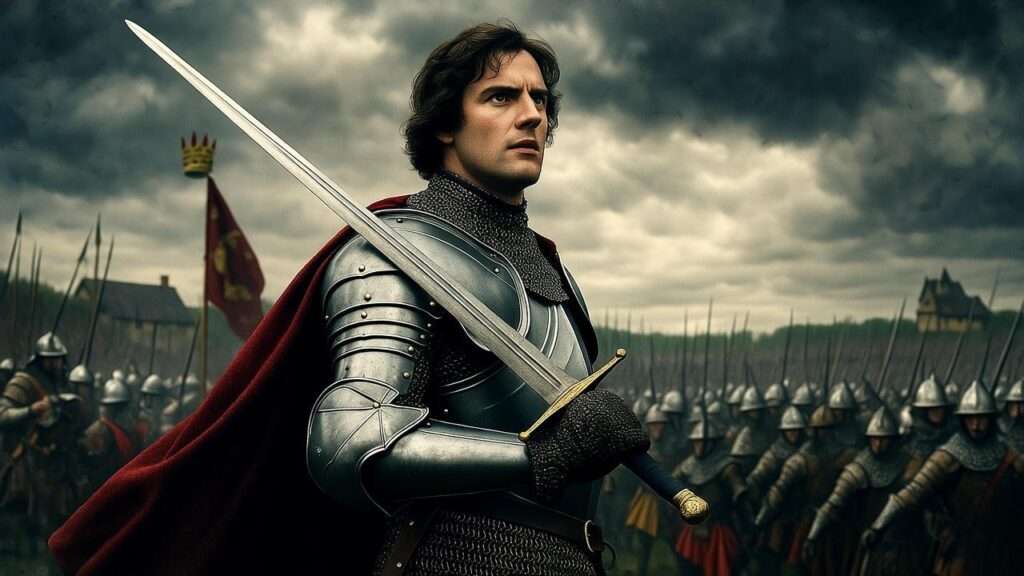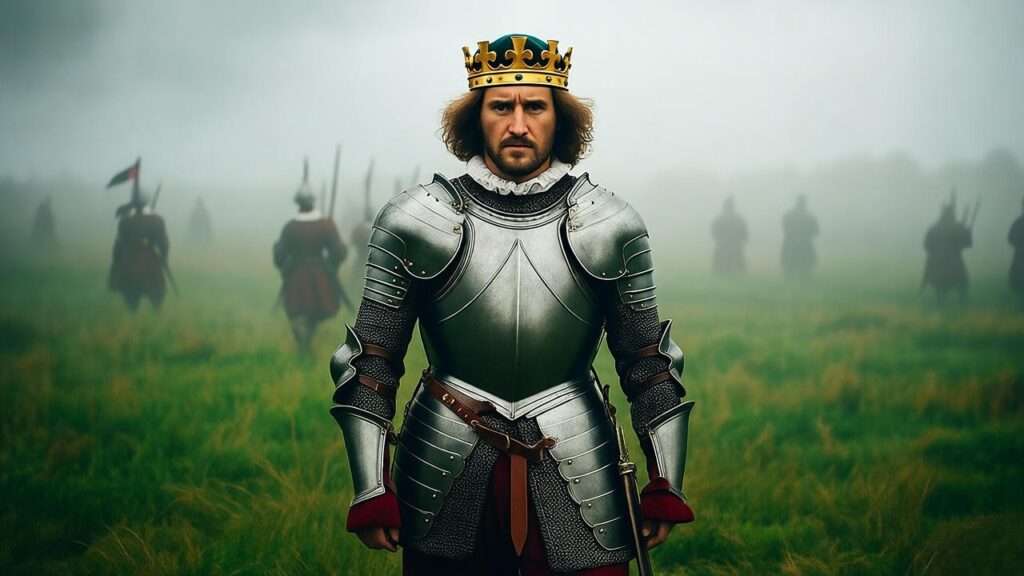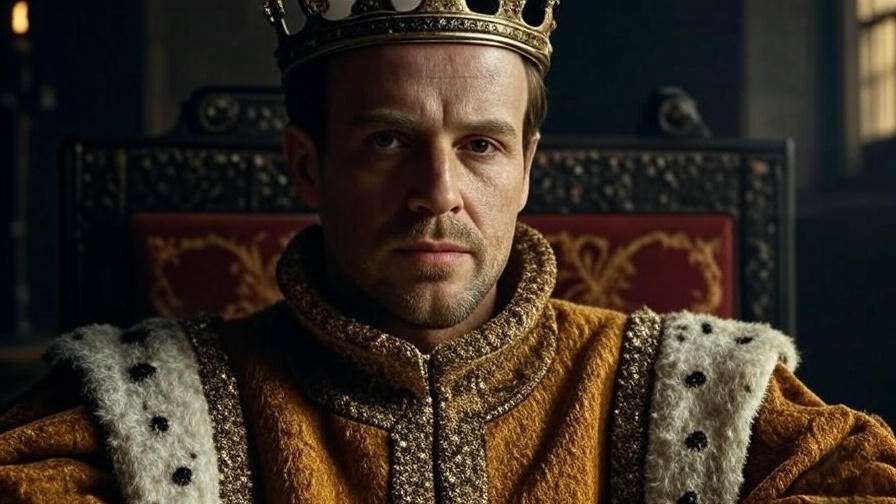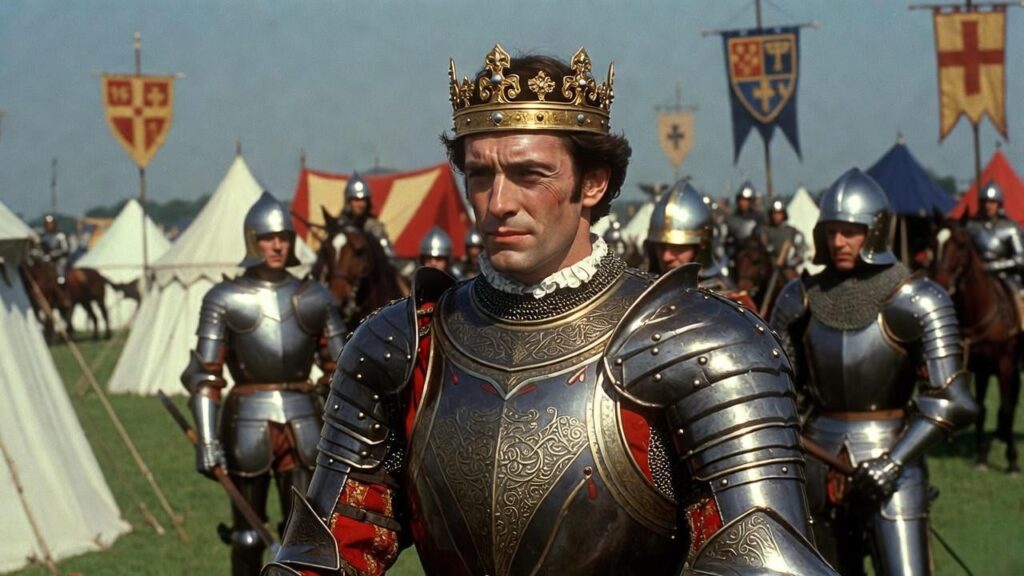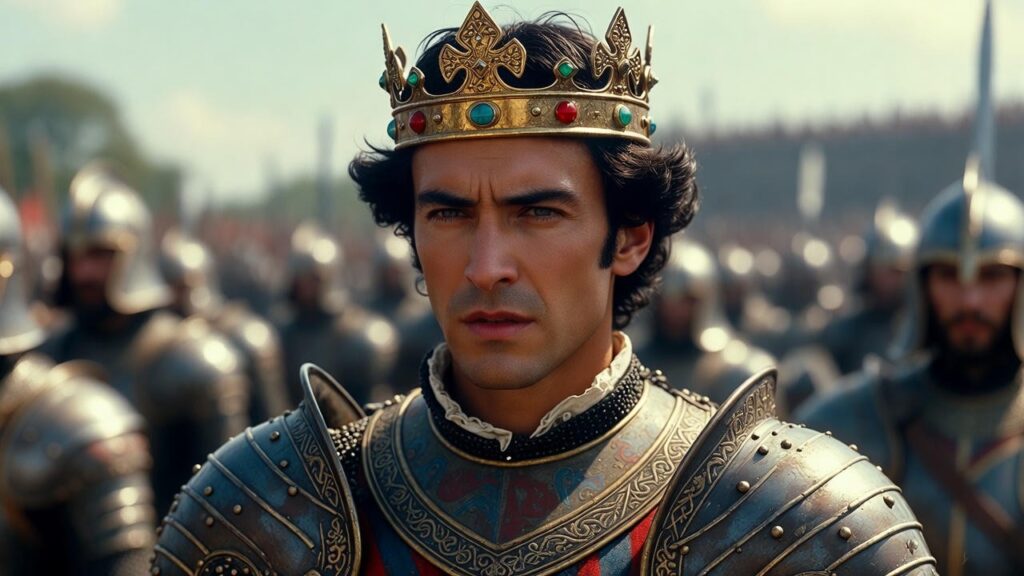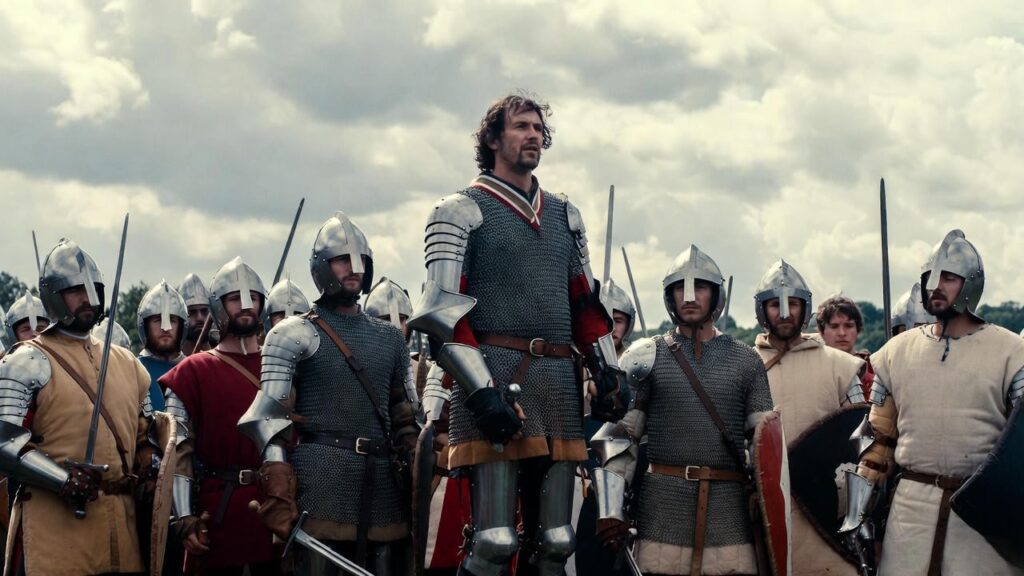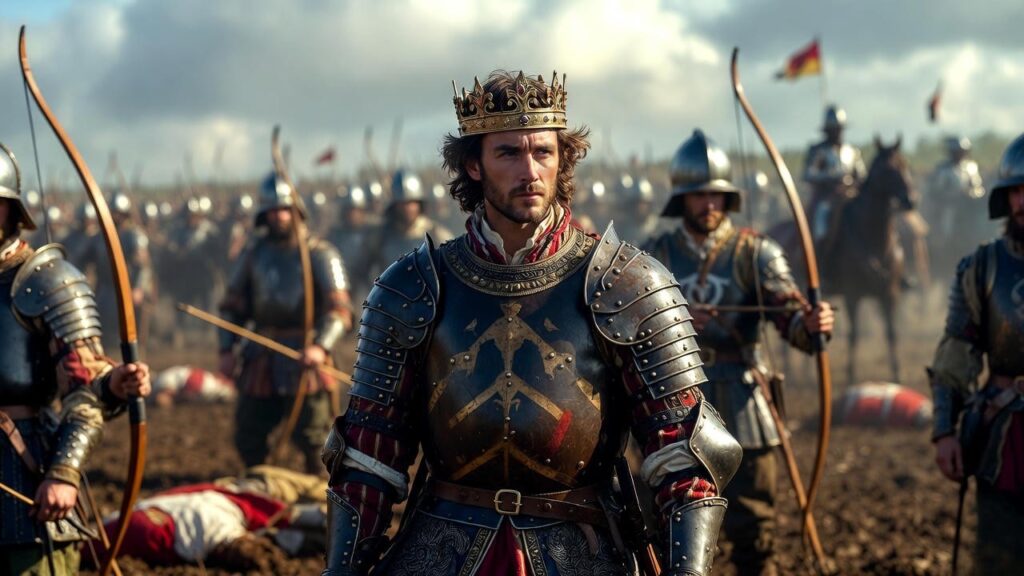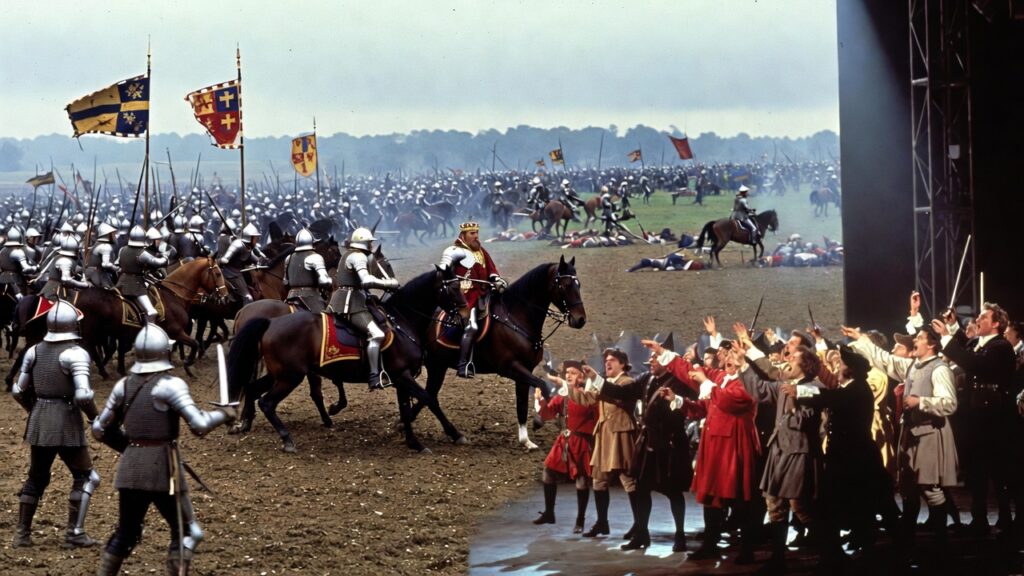
Imagine standing on a muddy field in northern France, October 25, 1415. Outnumbered five to one or more, a young English king rallies his exhausted troops with words that echo through centuries: “We few, we happy few, we band of brothers.” The Battle of Agincourt unfolds as one of history’s most improbable victories, catapulting Henry the 5th (Henry V) into legend. But was he truly a good king — wise, just, and beneficial for his realm — or does the heroic image owe more to William Shakespeare’s masterful drama than to the gritty realities of medieval rule?
Was Henry the 5th a good king? This question has captivated historians, literature enthusiasts, and anyone drawn to the drama of England’s past for over 400 years. Shakespeare’s Henry V (c. 1599) presents him as the “mirror of all Christian kings” — pious, inspirational, and divinely favored. Yet historical records reveal a more nuanced figure: a brilliant military commander who restored royal authority after his father’s turbulent reign, achieved stunning conquests in the Hundred Years’ War, but also pursued aggressive campaigns that strained England’s resources and involved controversial acts of ruthlessness. His short reign (1413–1422) left a legacy of glory shadowed by unsustainability.
In this in-depth exploration, we’ll separate Shakespeare’s idealized portrayal from the historical evidence, drawing on primary chronicles, modern scholarship (including works by historians like Juliet Barker, Dan Jones, and others), and key events. By the end, you’ll have the tools to form your own informed judgment on one of England’s most debated monarchs — a leader whose triumphs boosted national pride but whose choices contributed to long-term instability.
Shakespeare’s Portrayal: The Ideal King in Henry V
William Shakespeare’s Henry V stands as one of the greatest history plays in English literature, blending chronicle sources like Raphael Holinshed’s Chronicles (1577/1587) with dramatic flair to craft a narrative of redemption and triumph. Written during the late Elizabethan era, amid threats from Spain and internal religious tensions, the play served as a stirring celebration of English unity and martial valor.
The drama opens with the transformation of Prince Hal — the wayward youth from Henry IV Parts 1 and 2 — into a sober, legitimate king. Shakespeare emphasizes Henry’s piety, justice, and rhetorical genius. He rejects his former tavern companions (Falstaff’s crew), executes justice firmly (e.g., hanging the thief Bardolph to maintain discipline), and inspires his men through iconic speeches.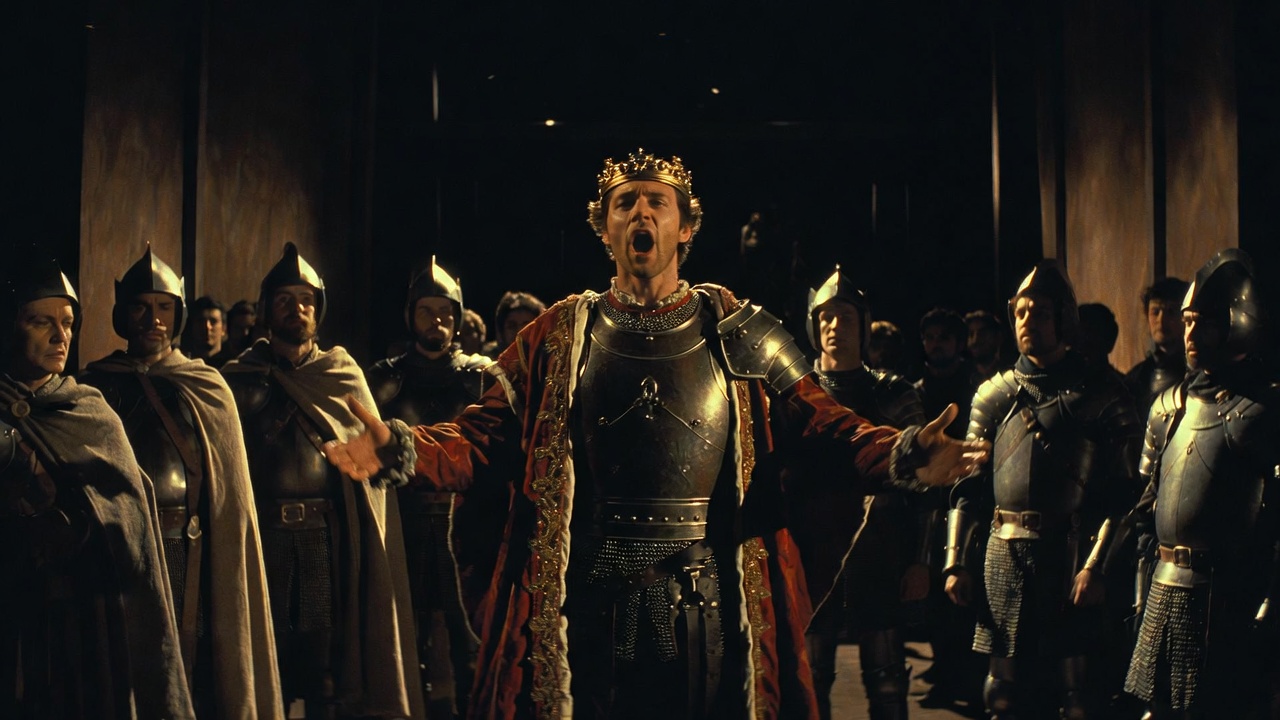
The pinnacle is the St. Crispin’s Day oration before Agincourt:
This day is called the feast of Crispian: He that outlives this day, and comes safe home, Will stand a tip-toe when this day is named… We few, we happy few, we band of brothers…
These lines transform a desperate situation into a brotherhood forged in glory, emphasizing shared honor over birthright. Shakespeare portrays Henry as merciful yet resolute — he offers terms to Harfleur but threatens destruction if refused, and he mingles with his soldiers incognito to gauge morale, showing empathy and leadership.
The “Mirror of All Christian Kings” — Analyzing Henry’s Leadership Qualities in the Play
Shakespeare’s Henry embodies ideal Renaissance kingship: eloquent, charismatic, divinely sanctioned (he invokes God repeatedly), and balanced between firmness and compassion. Yet the play subtly interrogates this ideal. Common soldiers like Williams question the king’s cause (“if the cause be not good”), exposing the human cost of war. The comic Eastcheap scenes parody chivalric pretensions, and Henry’s own doubts surface in soliloquies about the burdens of kingship.
Scholars note that while often staged as pure patriotism (e.g., Laurence Olivier’s 1944 wartime film), uncut versions reveal tension between heroic rhetoric and grim realism. Kenneth Branagh’s 1989 adaptation highlights this ambiguity, portraying a more haunted leader. Ultimately, Shakespeare’s Henry is a constructed hero for national inspiration — effective propaganda that has shaped perceptions ever since.
The Historical Henry V: From Rebellious Prince to Crowned King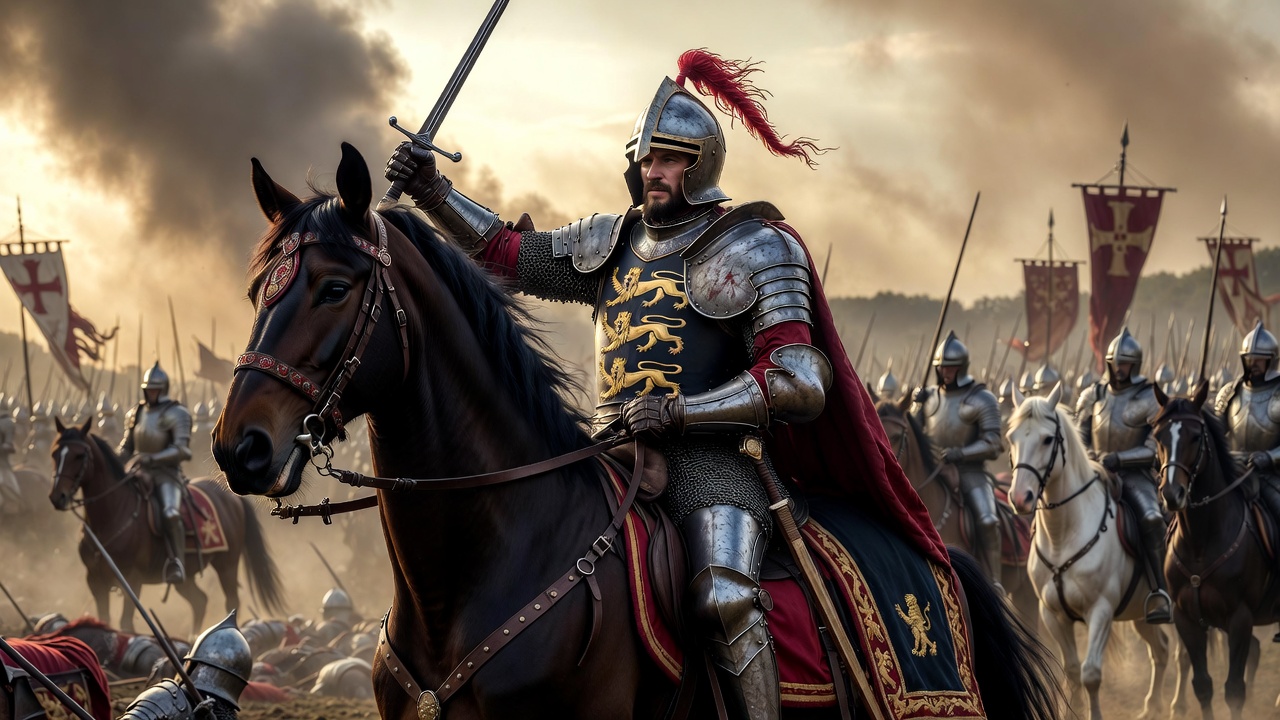
Born in 1386 or 1387 at Monmouth Castle, Henry of Monmouth (later Henry V) was the son of Henry Bolingbroke, who usurped the throne as Henry IV in 1399 after deposing Richard II. Young Henry’s early life was marked by conflict: he fought against Welsh rebels under Owain Glyndŵr and was severely wounded at the Battle of Shrewsbury in 1403 — an arrow pierced his face, lodging near his brain (surgeons extracted it in a remarkable operation that left a scar).
Contrary to myths of wild youth (exaggerated by Shakespeare), historical records show a well-educated prince: fluent in French and Latin, devout, and administratively skilled. As Prince of Wales, he gained military experience suppressing rebellions and governing the Welsh marches.
Henry ascended in 1413 after his father’s death. England was fractured — Lollard heresies simmered, noble factions plotted, and finances strained from ongoing wars. Henry moved decisively: he reconciled with former enemies (e.g., pardoning some who opposed his father), reformed administration for efficiency, and asserted royal authority. He persecuted Lollards harshly (burning John Oldcastle’s followers) but demonstrated genuine piety through pilgrimages and church support.
A quick timeline of his rise:
- 1386/7: Birth
- 1403: Wounded at Shrewsbury
- 1413: Accession; stabilizes realm
- 1415: Launches French campaign
Henry transformed a divided kingdom into a unified force under strong leadership.
Triumphs of a Warrior King: Military Genius and Agincourt Glory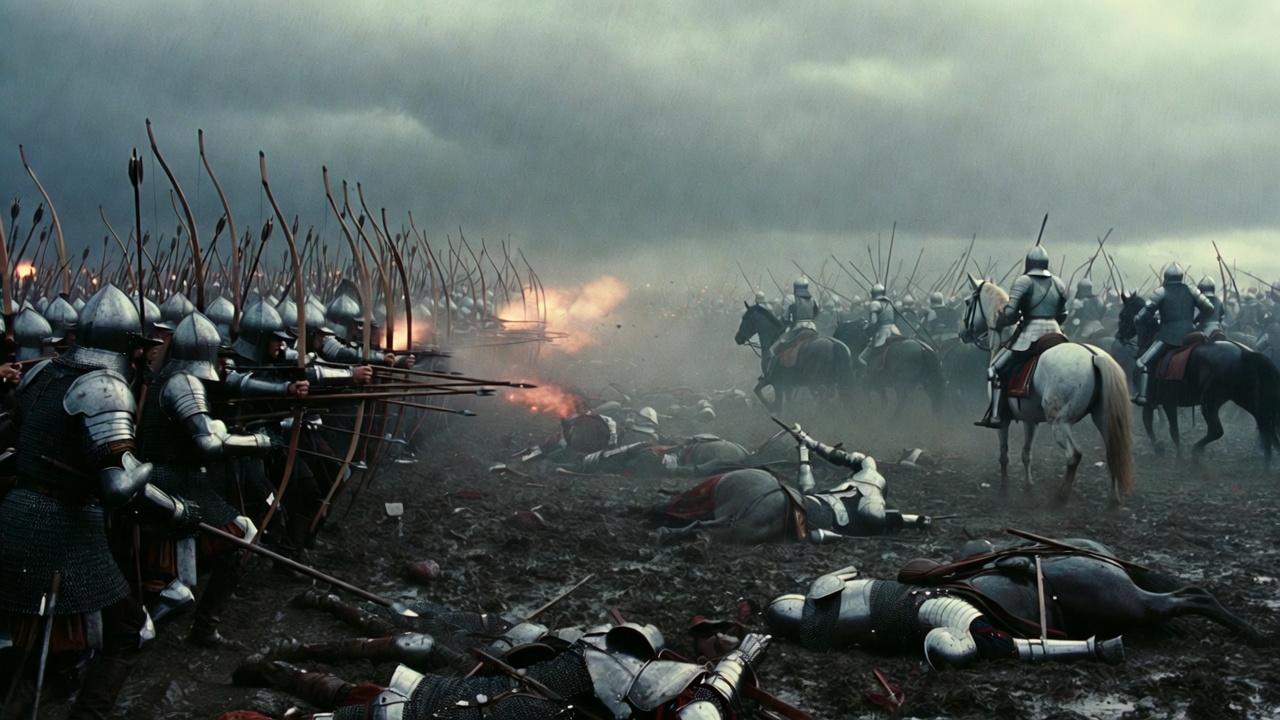
Henry V’s reign is defined by the Hundred Years’ War revival. Claiming the French throne through Edward III’s lineage, he invaded in 1415 with ~12,000 men.
The campaign began with the siege of Harfleur — costly in lives from dysentery but successful. Then came the march to Calais, culminating in Agincourt. English forces (~6,000–9,000, many archers) faced 20,000–30,000 French knights. Muddy terrain funneled the French into kill zones; longbows decimated charges. French losses reached ~6,000–10,000 (many nobles); English ~400.
Agincourt wasn’t decisive militarily but psychologically transformative — it boosted English morale, secured allies, and funded further campaigns.
Subsequent years saw conquest of Normandy (1417–1419) through sieges and strategy. The Treaty of Troyes (1420) named Henry heir to the French throne and married him to Catherine of Valois.
What Made Henry V a Brilliant Military Leader?
- Discipline and logistics: He maintained order, paid troops promptly.
- Adaptability: Used terrain, archers effectively.
- Inspiration: Led from the front, fostering loyalty.
Even French chroniclers admired his chivalry in some acts — he spared high nobles for ransom.
The Darker Side: Criticisms and Controversies of Henry V’s Rule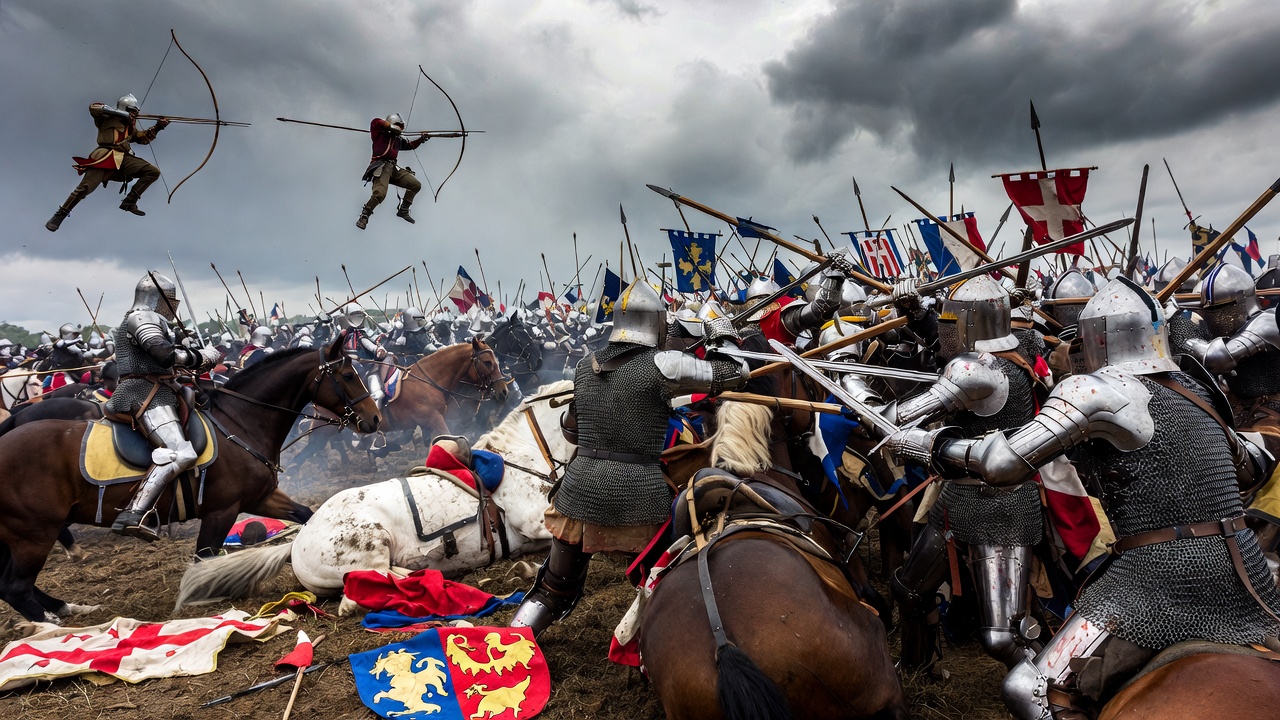
No assessment is complete without addressing flaws. At Agincourt, fearing a rear attack amid rumors of plunder, Henry ordered French prisoners killed — a pragmatic but brutal act (carried out by archers after knights refused). Medieval laws of war allowed it under necessity, but it shocked contemporaries and stains his reputation today.
His wars drained England: heavy taxes, neglect of domestic issues, and unsustainable conquests reliant on his charisma. After his death in 1422 (from dysentery at 35), his infant son Henry VI inherited an overstretched empire that collapsed, contributing indirectly to the Wars of the Roses.
Religious zeal led to heretic persecutions. Critics argue his focus on French glory prioritized personal ambition over England’s welfare.
Was Henry V a Warmonger or Pragmatic Ruler?
He pursued a legitimate claim aggressively, but the revival prolonged a draining conflict. Historians like Juliet Barker highlight costs draining resources, while others see strategic necessity.
Legacy Compared: Shakespeare’s Hero vs. Historical Reality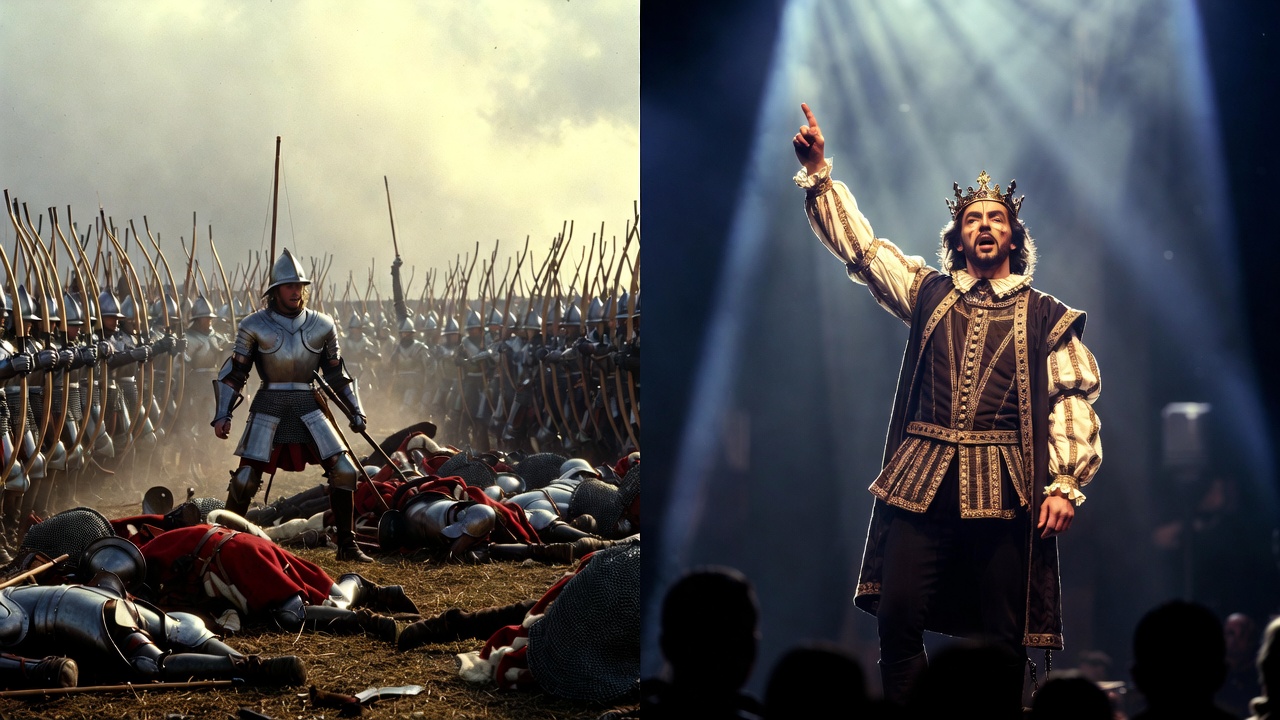
| Aspect | Shakespeare’s Portrayal | Historical Reality |
|---|---|---|
| Youth & Transformation | Wild prince → pious king | Educated, battle-hardened; myths exaggerated |
| Agincourt | Divine victory, heroic speeches | Tactical brilliance; prisoner massacre |
| Leadership | Inspirational, merciful | Ruthless when needed; effective administrator |
| Legacy | Eternal glory | Short-term triumphs; long-term instability |
Shakespeare idealizes (downplays cruelty, emphasizes unity); history aligns on successes but notes flaws. Modern views vary: Dan Jones calls him medieval England’s most successful king; others see tragedy in foreign obsession.
Was Henry the 5th a Good King? A Balanced Verdict
In medieval terms — yes. Henry restored stability, achieved military zenith in the Hundred Years’ War, and exemplified warrior-kingship. He was pious, just in administration, and charismatic.
Yet flaws persist: ruthlessness, war-focus over reform, premature death’s fallout. “Good” depends on criteria — military success vs. lasting welfare.
His tragedy: brilliance directed toward conquest, not enduring peace.
Key Takeaways and Expert Insights
- Shakespeare’s influence endures but romanticizes.
- Agincourt: tactical masterclass.
- Prisoner killings: contextual but controversial.
- Legacy: nationalism boost, but empire unsustainable.
Legacy Compared: Shakespeare’s Hero vs. Historical Reality
Shakespeare’s Henry V has profoundly shaped how we view the king, turning him into an enduring symbol of English heroism and national pride. Yet when we compare the play’s depiction to historical accounts from chronicles, letters, and modern scholarship, clear differences emerge.
Shakespeare draws heavily from sources like Raphael Holinshed’s Chronicles, but he selectively emphasizes heroism while softening or omitting complexities. For instance:
- Youth and Character: The play dramatizes a dramatic redemption arc — Prince Hal’s wild tavern days giving way to pious kingship. Historical evidence shows Henry was never the full-blown rogue Shakespeare portrays; he was battle-hardened from youth (wounded at Shrewsbury in 1403), well-educated, and administratively capable. The “wild youth” legend was partly exaggerated for dramatic contrast and to align with Tudor propaganda needs.
- Agincourt and Leadership: The St. Crispin’s Day speech is Shakespeare’s invention, a rhetorical masterpiece that transforms desperation into inspiration. In reality, Henry’s victory stemmed from tactical brilliance — longbow archery, disciplined formations, and exploiting muddy terrain — rather than purely divine favor or sheer charisma. Contemporary sources praise his personal courage (he fought in the front lines), but also note pragmatic ruthlessness.
- Mercy vs. Ruthlessness: Shakespeare shows Henry as merciful (pardoning some, executing justice fairly), yet the play subtly nods to darker elements (e.g., the hanging of Bardolph). History records the infamous order to kill French prisoners at Agincourt — an act triggered by fears of a rear attack after a raid on the English baggage train. Medieval laws of war permitted killing prisoners if they posed a renewed threat (especially non-nobles unlikely to yield high ransoms), but it shocked contemporaries and remains a stain. French chroniclers condemned it as unchivalrous; English ones often justified it as necessity.
- Overall Portrayal: The play ends on triumph, with Henry’s marriage to Catherine sealing a glorious future. Reality was grimmer: the Treaty of Troyes (1420) made Henry heir to France, but his empire relied on his personal presence. His death in 1422 left an infant heir, and the French gains unraveled rapidly, contributing to England’s later defeats and internal strife (the Wars of the Roses).
Modern historians offer varied assessments:
- Dan Jones (in his 2024 biography Henry V: The Astonishing Triumph of England’s Greatest Warrior King) praises him as perhaps the most successful medieval English ruler — efficient, charismatic, and militarily unmatched — while acknowledging flaws like over-reliance on war.
- Others, like Peter Ackroyd and some Britannica contributors, highlight the tragedy: great gifts squandered on a “dubious foreign war” rather than domestic reform, leaving little lasting benefit.
- Felipe Fernandez-Armesto calls the heroic image a “myth,” tainted by usurpation (his father’s seizure of the throne) and war crimes.
Here’s a side-by-side comparison for clarity:
| Aspect | Shakespeare’s Portrayal | Historical Reality |
|---|---|---|
| Youth | Wayward prince → sudden pious transformation | Educated, experienced warrior; youth myths exaggerated |
| Agincourt Victory | Heroic speeches, divine favor, brotherhood | Tactical mastery (archers, terrain); prisoner killings |
| Leadership Style | Inspirational, merciful, just | Disciplined, pious, but ruthless when needed |
| Treatment of Prisoners | Downplayed; focus on justice | Order to kill many at Agincourt (contextual but brutal) |
| Legacy | Eternal English glory, national hero | Short-term zenith; empire collapsed after death |
Was Henry the 5th a Good King? A Balanced Verdict
Evaluating whether Henry the 5th was a “good king” depends on the lens we apply. In medieval terms — where success meant restoring royal authority, winning battles, and expanding territory — he excelled.
Strengths:
- Stabilized a fractious England after his father’s reign.
- Masterful military leader: Agincourt remains legendary; Normandy conquests were methodical.
- Administrative reformer: efficient governance, piety, and ability to inspire loyalty.
- Boosted English nationalism, influencing identity for centuries.
Weaknesses:
- Ruthless pragmatism (e.g., prisoner massacre, heretic burnings).
- War-focused policy drained resources; heavy taxation burdened subjects.
- Unsustainable conquests: victories hinged on his charisma and presence; his early death (dysentery at 35) left chaos.
- Prioritized foreign ambition over domestic stability, a “tragedy” per some scholars.
By contemporary standards, Henry ranks among England’s most effective short-reign kings — perhaps the zenith of the Hundred Years’ War for England. Yet modern eyes see a capable but flawed ruler whose brilliance served conquest more than enduring good.
Ultimately, he was a great warrior-king in his era’s context, but not an unqualified “good” one if we value long-term peace and reform. His legacy endures through Shakespeare, reminding us how history blends fact, drama, and myth.
Key Takeaways and Expert Insights
- Shakespeare’s Henry V romanticizes the king for dramatic and patriotic effect, but includes subtle critiques of war.
- Agincourt was a tactical triumph, not just luck or divine intervention.
- The prisoner killings at Agincourt were pragmatic in medieval warfare but remain ethically troubling.
- Henry’s piety was genuine, yet paired with harsh measures like Lollard persecutions.
- His reign unified England temporarily but sowed seeds for later instability.
- Historians like Dan Jones hail him as medieval England’s most successful ruler; others see overrated warmongering.
- The real Henry was more administrator and strategist than pure romantic hero.
- Shakespeare’s influence has “warped” perceptions, making the historical figure harder to judge objectively.
Frequently Asked Questions (FAQs)
How accurate is Shakespeare’s Henry V? It captures key events (Harfleur, Agincourt, Troyes) but dramatizes heavily — inventing speeches, exaggerating the youth transformation, and softening ruthlessness for heroic effect. It’s inspired propaganda more than strict history.
Why did Henry V die young? He succumbed to dysentery (a common camp disease) in August 1422 during the siege of Meaux, aged about 35. His death left England leaderless amid vast commitments.
Was Henry V better than other English kings? Among medieval warrior-kings, he stands out for efficiency and victories (compare to Edward III’s longer campaigns or Henry VIII’s reforms amid tyranny). His short reign limits direct comparison, but his military zenith is unmatched.
Did Henry V really massacre prisoners at Agincourt? Yes — he ordered the killing of many French captives fearing a renewed attack after a baggage train raid. Knights often refused (hoping for ransoms), so archers carried it out. Contextual in 1415 laws of war, but brutal by any standard.
What was Henry’s relationship with religion? Deeply pious — he supported the Church, made pilgrimages, and zealously persecuted Lollards (proto-Protestants). Yet this zeal included burnings, reflecting medieval orthodoxy.
How did Henry V influence English identity? Agincourt and his campaigns fostered a sense of national pride and exceptionalism, amplified by Shakespeare. This helped shape “Englishness” during later conflicts.
Why do historians debate his greatness? Military successes vs. costs: glory and territory gained, but at huge expense and with no lasting empire. Views split between those praising medieval standards and those critiquing sustainability and morality.