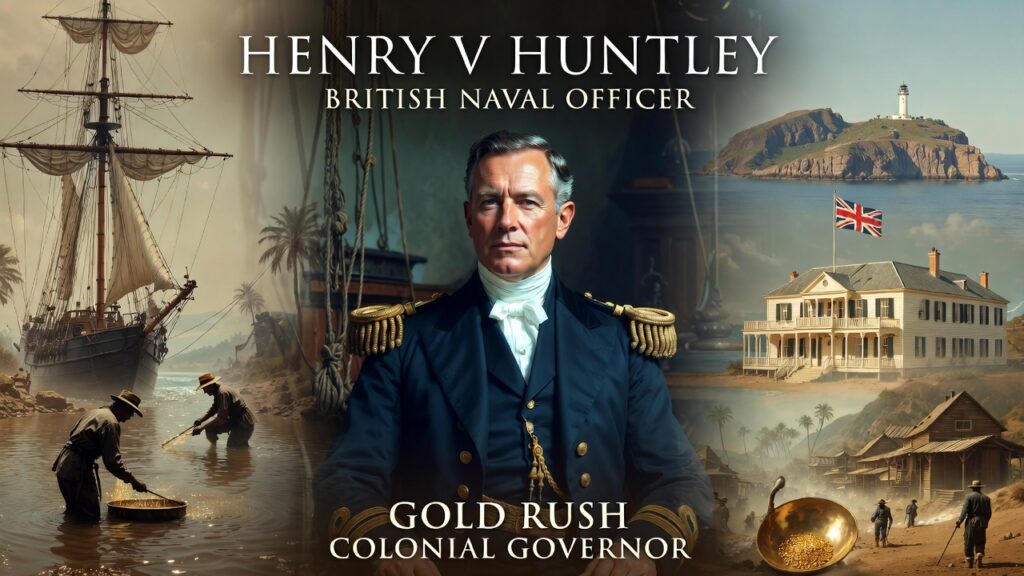
Imagine a British naval officer stepping ashore in the chaotic, gold-fevered streets of San Francisco in 1852—amid roaring camps, lawless saloons, and makeshift mining operations—while carrying a name that immediately evokes one of William Shakespeare’s most celebrated kings: Henry V, the valiant warrior-king of Agincourt fame from the history play Henry V. Who was this real-life figure, often searched as “Henry V. Huntley,” whose path crossed oceans, suppressed the slave trade, governed distant colonies, and chronicled the California Gold Rush with an outsider’s keen eye?
If you’ve encountered the name Henry V. Huntley in historical records, family genealogy research, old books, or perhaps while exploring Shakespearean parallels, you’re not alone in wondering about his identity. Sir Henry Vere Huntley (1795–1864)—frequently abbreviated or referenced as Henry V. Huntley—was no fictional character but a flesh-and-blood adventurer whose career embodied the ambitions, moral complexities, and global reach of the British Empire in the 19th century.
This comprehensive profile draws on primary sources including Huntley’s own published memoirs, naval records, colonial archives from Prince Edward Island and The Gambia, and contemporary accounts to deliver a fuller picture than standard encyclopedia entries. We’ll trace his journey from a Gloucestershire parsonage to the decks of Royal Navy ships, African coasts battling slavers, the legislative halls of Canada’s smallest province, and the wild frontier of California’s gold fields. Along the way, we’ll explore the intriguing coincidence of his name echoing Shakespeare’s heroic monarch—without any proven direct link—offering fresh insights for literature lovers, history enthusiasts, naval aficionados, and those interested in the human stories behind imperial expansion.
Whether you’re seeking clarity on a puzzling historical reference or drawn by the literary hook, this article uncovers the man behind the name: a decorated officer, colonial governor, author, and eyewitness to transformative eras.
Early Life and Naval Beginnings (1795–1830s)
Sir Henry Vere Huntley was born in 1795 in Gloucestershire, England, the third son of Reverend Richard Huntley of Boxwell Court and his wife Anne (née Webster). Baptized as Henry Veel on November 29, 1796—likely a family or regional naming variant—he later adopted the middle name “Vere,” possibly to honor maternal heritage, heraldic ties, or for professional distinction in an era when such modifications were common among naval officers.
Family Background and Baptism as Henry Veel
The Huntley family belonged to the landed gentry of rural Gloucestershire, with Rev. Richard serving as a clergyman. This respectable but not wealthy background propelled young Henry into the Royal Navy at age 14 in 1809, during the height of the Napoleonic Wars. Naval service offered social mobility, adventure, and a path to advancement through merit and patronage—hallmarks of the era’s meritocratic yet hierarchical system.
Entering the Royal Navy at Age 14
Huntley joined as a midshipman amid Britain’s struggle against Napoleon. His early career involved active service on various vessels, where he gained experience in seamanship, combat, and command. Promotions came steadily: he rose through lieutenant ranks and, by the 1830s, achieved commander status after three decades of service. His naval biographical entries highlight commendations for diligence and bravery.
Key Naval Service and Anti-Slave Trade Efforts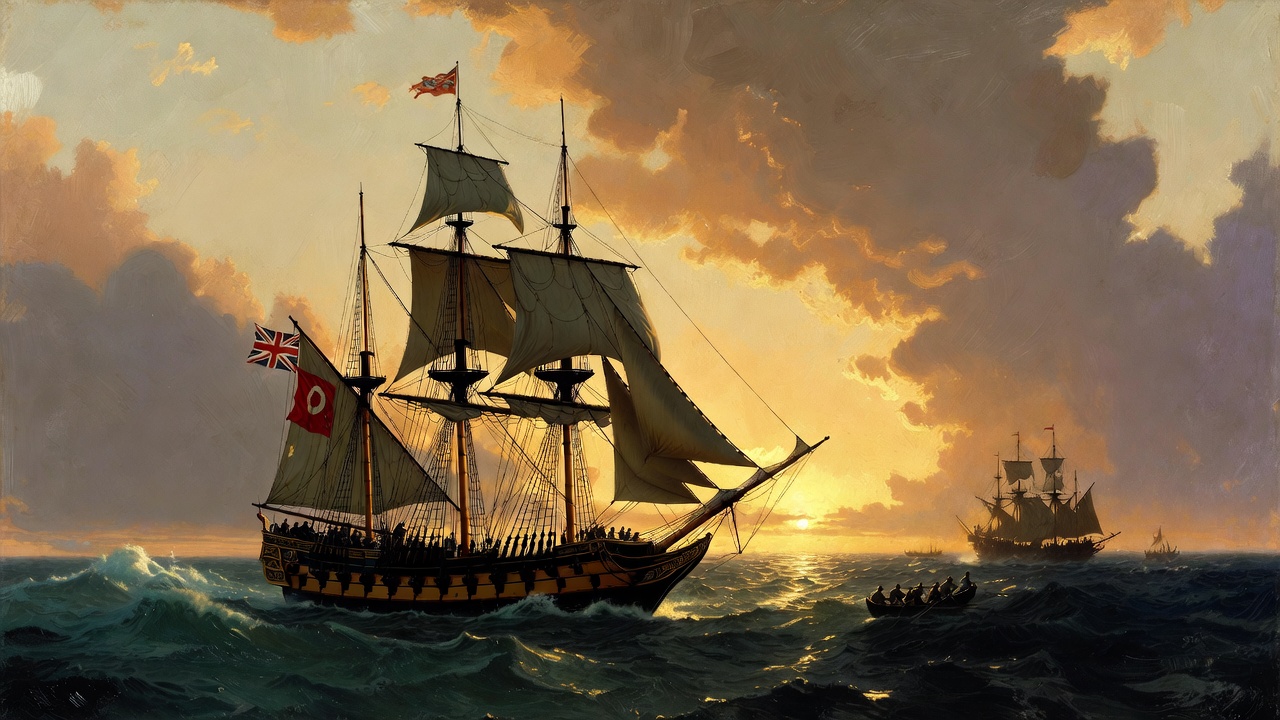
A pivotal chapter unfolded in the 1820s–1830s on the West African coast, where Huntley served in the Royal Navy’s West Africa Squadron—the force tasked with suppressing the transatlantic slave trade after Britain’s 1807 abolition act. Britain enforced treaties banning the trade, intercepting slaving ships despite international tensions and dangers from disease, resistance, and diplomatic friction.
Huntley spent seven years in this grueling theater, capturing vessels, liberating enslaved people, and navigating the moral and logistical challenges of the campaign. His two-volume memoir, Seven Years’ Service on the Slave Coast of Western Africa (1850), provides vivid firsthand accounts of patrols, engagements, and the human toll on all sides. These experiences shaped his worldview, blending imperial duty with observations on African societies and the trade’s brutality.
Expert insight: Huntley’s role aligned with Britain’s evolving anti-slavery stance, transitioning from abolitionist rhetoric to active enforcement. His writings reflect the era’s mix of humanitarian zeal and paternalistic attitudes toward colonized peoples.
Colonial Administrator: From Gambia to Prince Edward Island (1840–1847)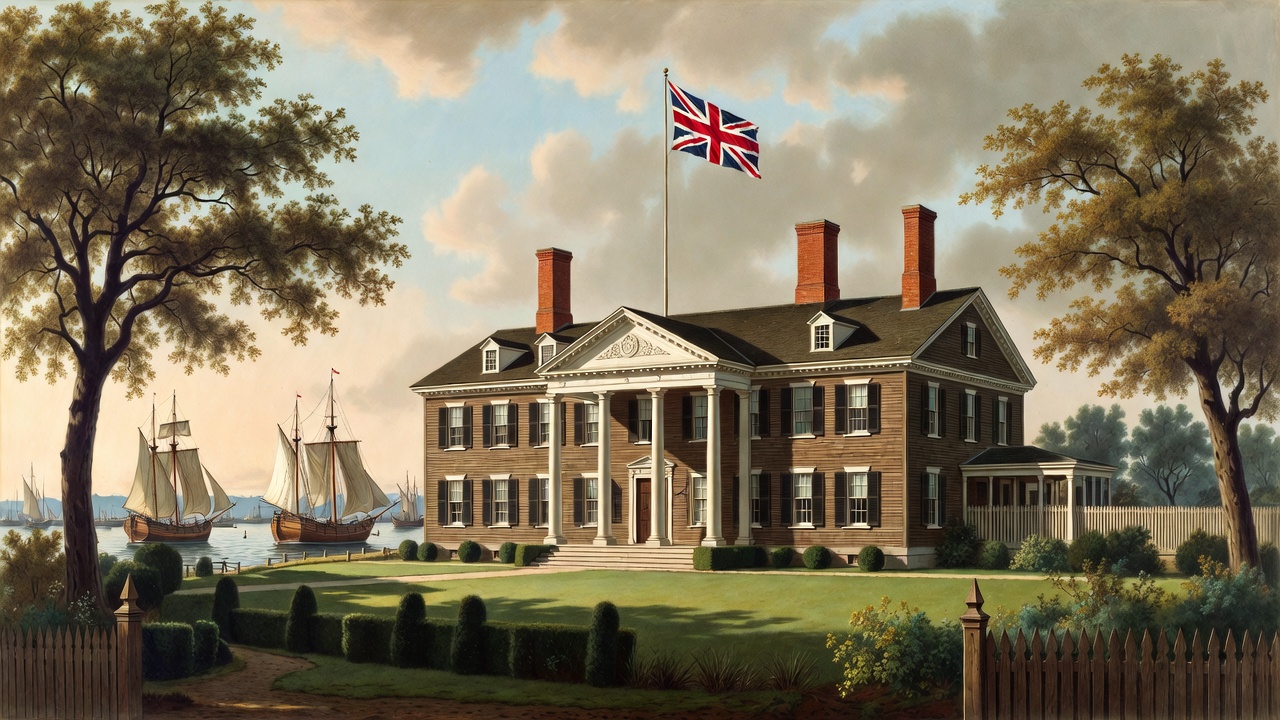
By the late 1830s, Huntley’s naval expertise earned him administrative appointments, marking a shift from sea command to colonial governance.
Lieutenant Governor of The Gambia (1840–1841)
In 1839–1840, Huntley was appointed Lieutenant Governor of the British settlements on the River Gambia in West Africa. This brief tenure involved managing trade outposts, relations with local rulers, and defense amid tropical diseases and regional instability. It served as a proving ground for his administrative skills.
Governor of Prince Edward Island (1841–1847)
In August 1841, Huntley received appointment as Lieutenant Governor of Prince Edward Island (then a British colony), arriving in Charlottetown on November 13, 1841. He was knighted shortly before departure (October 9, 1841), a mark of royal favor for his service.
Key Achievements and Controversies
Huntley’s governorship coincided with debates over land tenure, tenant rights, and emerging responsible government. A notable achievement: On May 16, 1843, he laid the cornerstone of Province House—the colonial legislature building still standing today—in a grand ceremony with parades, music, and speeches. This symbolized colonial progress and infrastructure development.
Political Tensions and Legacy in PEI
However, his tenure proved controversial. Described in historical accounts as “erratic and controversial,” Huntley flirted with reform ideas but often clashed with local assemblies due to his naval background’s authoritarian leanings. Tensions arose over currency issues, election disturbances, and his opposition to certain liberal measures. He succeeded Charles Augustus FitzRoy and was followed by Sir Donald Campbell in 1847.
Historical context: Huntley’s time reflected broader shifts in British North America toward self-governance, culminating in Confederation decades later. His mixed record—progressive in some infrastructure, conservative in politics—offers nuance to colonial administration studies.
The Gold Rush Adventure: Sir Henry in California (1850s)
After concluding his governorship in Prince Edward Island in 1847, Sir Henry Vere Huntley did not retire to quiet English life. Instead, like many ambitious men of his generation, he turned his attention to the explosive opportunities emerging across the Atlantic. The discovery of gold in California in 1848 had ignited one of the largest voluntary migrations in history, drawing fortune-seekers from every corner of the globe.
Post-Governorship Ventures and Travel to America
By the early 1850s Huntley had accepted a position as a representative and superintendent for a British gold-mining company interested in exploiting the newly opened fields. This move placed him squarely in the heart of one of the most chaotic and transformative episodes of 19th-century economic history. He arrived in San Francisco during the peak frenzy of 1852, when the city was still largely a collection of tents, wooden shanties, and hastily erected frame buildings.
Life in San Francisco During the 1852 Boom
Huntley’s two-volume work, California: Its Gold and Its Inhabitants (published in London in 1856), remains one of the more detailed and reflective British eyewitness accounts of the early Gold Rush. Unlike many American miners’ diaries that focus narrowly on personal fortune or hardship, Huntley’s narrative combines practical observation, social commentary, and a degree of detached imperial perspective.
He described San Francisco as a bewildering mixture of nationalities—Americans, Mexicans, Chileans, Australians, Chinese, French, Germans, and Britons—living in conditions of astonishing lawlessness. Vigilante justice, gambling dens, fires that repeatedly destroyed entire blocks, inflated prices for every commodity, and the constant threat of violence were everyday realities. Huntley noted the absence of stable government and the makeshift nature of society:
“The population is migratory in the extreme… No man thinks of remaining longer than will enable him to accumulate sufficient to return home with.”
He also ventured into the mining districts, particularly around Mariposa and the southern mines, where he inspected stamp mills, quartz-crushing operations, and placer workings. His descriptions of hydraulic mining techniques (still in their infancy), the environmental devastation caused by sluicing, and the physical toll on miners provide valuable primary-source material for modern historians studying the ecological and human impact of the rush.
Insights as a Primary Source
Huntley’s outsider status as a former colonial governor and naval officer gave his account a comparative lens rare among Gold Rush chroniclers. He frequently drew parallels between California’s frontier anarchy and the more structured (though still imperfect) colonial administrations he had known in Africa and Canada. He was critical of American democratic excesses yet fascinated by the raw energy and entrepreneurial spirit that drove the boom.
His book also captures the diversity of the “inhabitants”—not just miners but merchants, speculators, women running boarding houses, and Indigenous Californians displaced by the flood of newcomers. These observations make California: Its Gold and Its Inhabitants a richer social history than many contemporary accounts focused solely on gold yields.
Literary Contributions and Later Years
Huntley was not merely a participant in great events; he was also a chronicler who sought to share his experiences with a British reading public hungry for tales of distant lands.
Authorship and Published Works
In addition to the two volumes on California, Huntley authored Seven Years’ Service on the Slave Coast of Western Africa (1850), which detailed his anti-slavery patrols and offered ethnographic observations of West African societies. Both works are valued today by historians for their detail and relative candor, though they naturally reflect the racial and imperial attitudes of the period.
His writing style—straightforward, occasionally dry, but rich in incident—makes the books accessible primary sources rather than literary masterpieces. They were published by respected London houses and received respectable notices in the contemporary press.
Personal Life, Marriage, and Family
Huntley married Anne Augusta Morris in 1832. The couple had at least one son, though records of his family life remain sparse compared to his public career. Financial difficulties appear to have dogged him in later years; some biographical notes mention periods of insolvency, possibly linked to speculative ventures after his governorship.
Death in 1864
Sir Henry Vere Huntley died on December 7, 1864, in Santos, Brazil, at the age of 69. The exact reason for his presence in Brazil—whether health travel, commercial interests, or family connections—remains unclear from surviving records. His death marked the end of a remarkably peripatetic life that had spanned four continents and several pivotal historical moments.
The Shakespeare Namesake Connection: Coincidence or Cultural Echo?
The title of this article deliberately highlights the intriguing overlap between “Henry V. Huntley” and Shakespeare’s Henry V. But what, if anything, lies behind it?
Why “Henry V” Resonates Today
Shakespeare’s Henry V (first performed circa 1599) portrays a young king who transforms from a wayward prince into a decisive, inspirational military leader. The play celebrates themes of leadership, national unity, conquest, and the burdens of empire—ideas that echoed loudly in Victorian Britain during Huntley’s lifetime.
No Direct Link, But a Fascinating Parallel
There is no documented evidence that Huntley’s family chose the name “Vere” (which became the distinguishing middle name) with Shakespeare in mind, nor that Huntley himself ever referenced the play in his writings. “Vere” was a relatively common aristocratic and gentry surname, and middle names were frequently adopted for reasons of inheritance, maternal lineage, or simple preference.
Yet the coincidence is irresistible to modern readers. Huntley’s career—marked by naval command, colonial governance, moral campaigns against the slave trade, and ventures into frontier territory—mirrors, in a rough historical way, the trajectory of Shakespeare’s Henry V: a man tested by war, responsibility, and the demands of empire.
Why It Matters for Readers
For students and enthusiasts of Shakespeare, Huntley offers a real-world counterpoint to the idealized monarch. Where the play’s Henry delivers stirring speeches before Agincourt, Huntley wrote pragmatic reports from fever-ridden African coasts and lawless California camps. The comparison invites reflection on how literary visions of leadership and conquest were lived (and sometimes subverted) in the imperial age.
Why Henry Vere Huntley Deserves More Attention Today
In an era when Britain’s imperial past is being re-examined with greater nuance and, at times, discomfort, figures like Huntley offer valuable complexity. He was neither a saint nor a caricature villain:
- He served in the morally urgent campaign against the slave trade.
- He administered colonies during a transitional period toward greater local autonomy.
- He witnessed and recorded one of the most dramatic economic migrations in modern history.
His life story bridges naval history, colonial studies, abolitionist efforts, and the social history of the Gold Rush. His published works remain accessible (digitized editions are available through Google Books, HathiTrust, and archive.org), making him an ideal subject for researchers, teachers, and general readers interested in 19th-century global history.
FAQs (Frequently Asked Questions)
Was Henry V. Huntley related to William Shakespeare? No. There is no known familial or genealogical connection. The similarity is a coincidental overlap of names.
What did Sir Henry Vere Huntley write about the California Gold Rush? In California: Its Gold and Its Inhabitants (1856), he described San Francisco’s chaos, mining techniques, social diversity, lawlessness, and the environmental and human costs of the rush, providing one of the more reflective British perspectives on the period.
Why was he knighted before going to Prince Edward Island? The knighthood (October 1841) recognized his long naval service, particularly his seven years suppressing the slave trade on the West African coast.
How does his life compare to Shakespeare’s King Henry V? Both figures are associated with leadership, military/naval service, and imperial expansion, but Huntley’s career was grounded in 19th-century realities—bureaucracy, moral campaigns, economic speculation—rather than medieval chivalry.
Where can I read his original books today? Both Seven Years’ Service on the Slave Coast and California: Its Gold and Its Inhabitants are available in free digital editions via Google Books, Internet Archive, and HathiTrust.
From a Gloucestershire clergyman’s son to a midshipman fighting Napoleon, from anti-slavery patrols off West Africa to the cornerstone ceremony of Prince Edward Island’s legislature, and from the fevered streets of Gold Rush San Francisco to his final days in Brazil—Sir Henry Vere Huntley lived a life of extraordinary scope and motion.
He was not a towering historical figure like Wellington or Livingstone, yet his story illuminates the texture of the British Empire at its height: the idealism and self-interest, the adventure and hardship, the moral contradictions and human ambition that drove its expansion.
For Shakespeare enthusiasts, Huntley offers a tantalizing real-world echo of the themes in Henry V. For historians and general readers, he provides a window into forgotten corners of the 19th century. And for anyone who has ever wondered “Who was Henry V. Huntley?”—the answer is clear: a man whose name may have been borrowed from literature, but whose life was emphatically his own.
If this profile has sparked your curiosity, consider diving into his memoirs or exploring the archives of Prince Edward Island and California history. What other historical figures with unexpected literary namesakes intrigue you? Share your thoughts in the comments below.