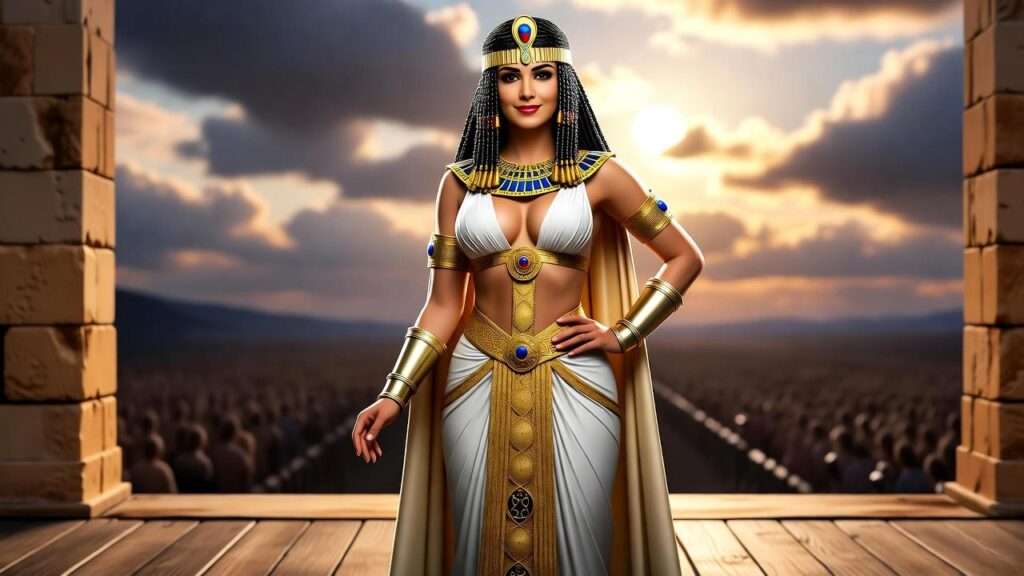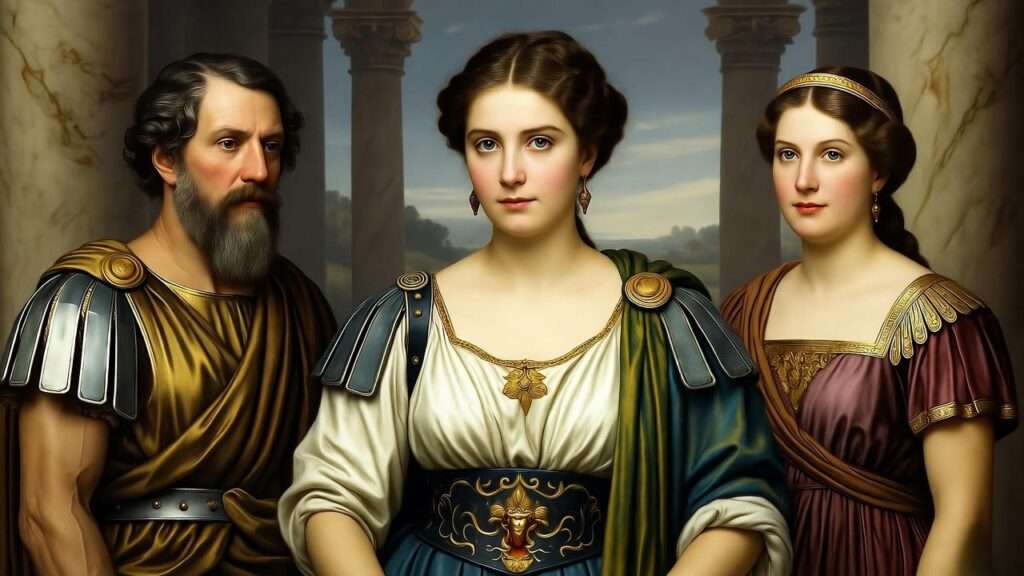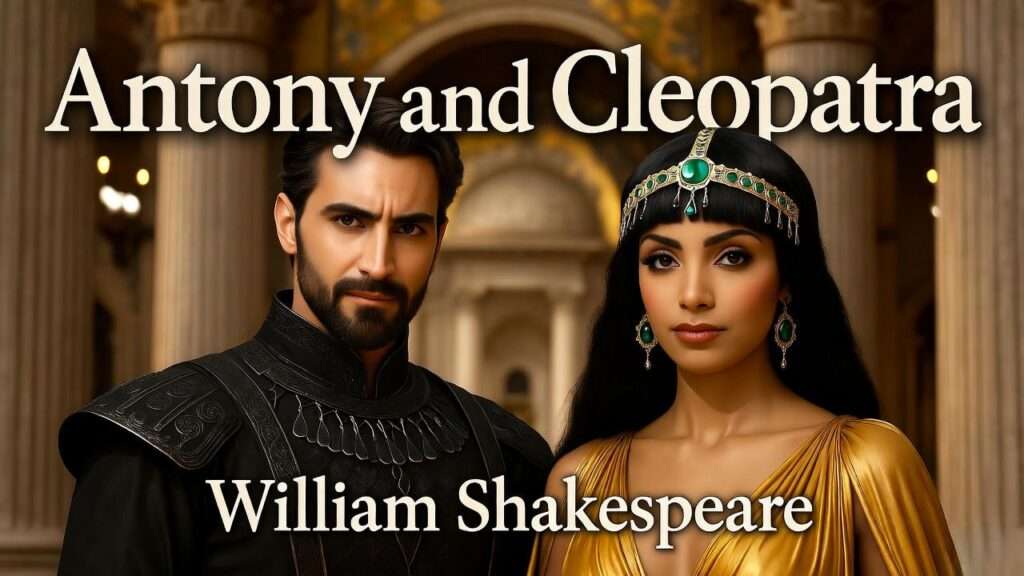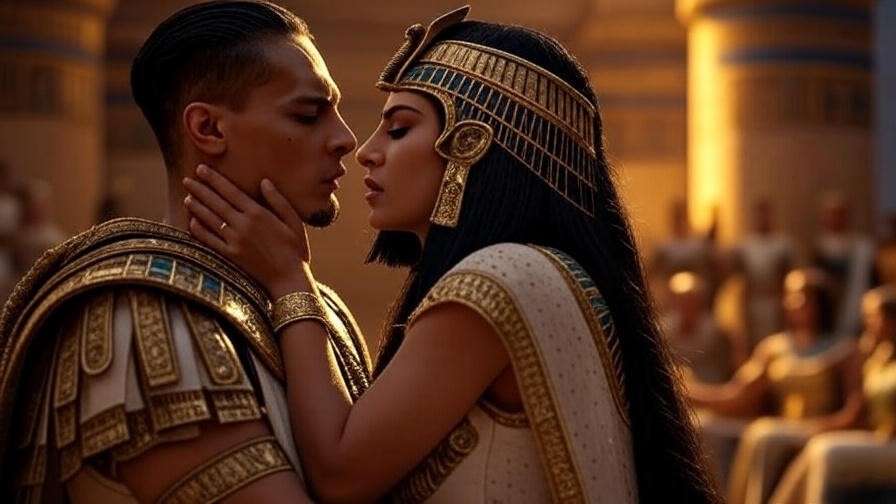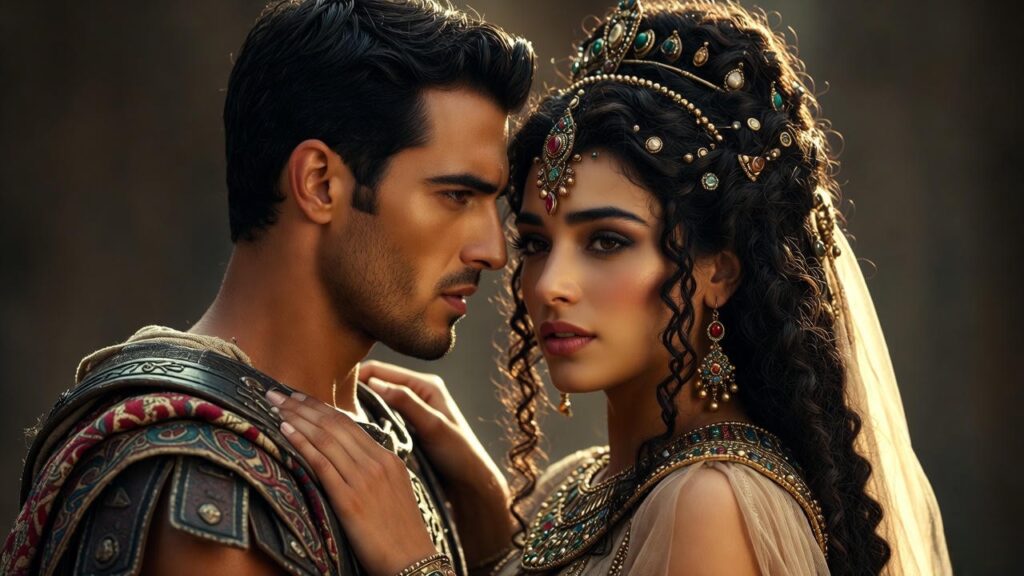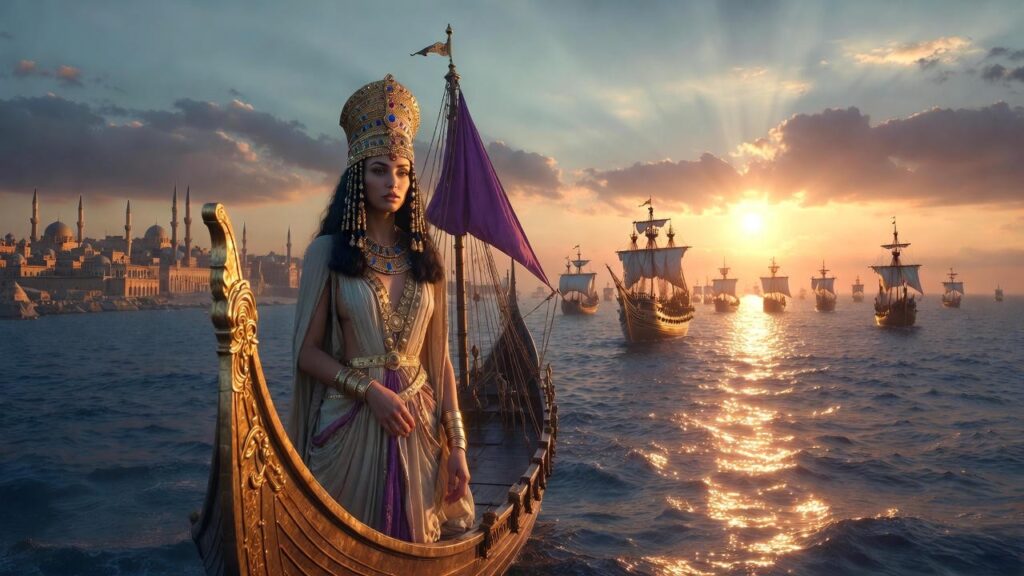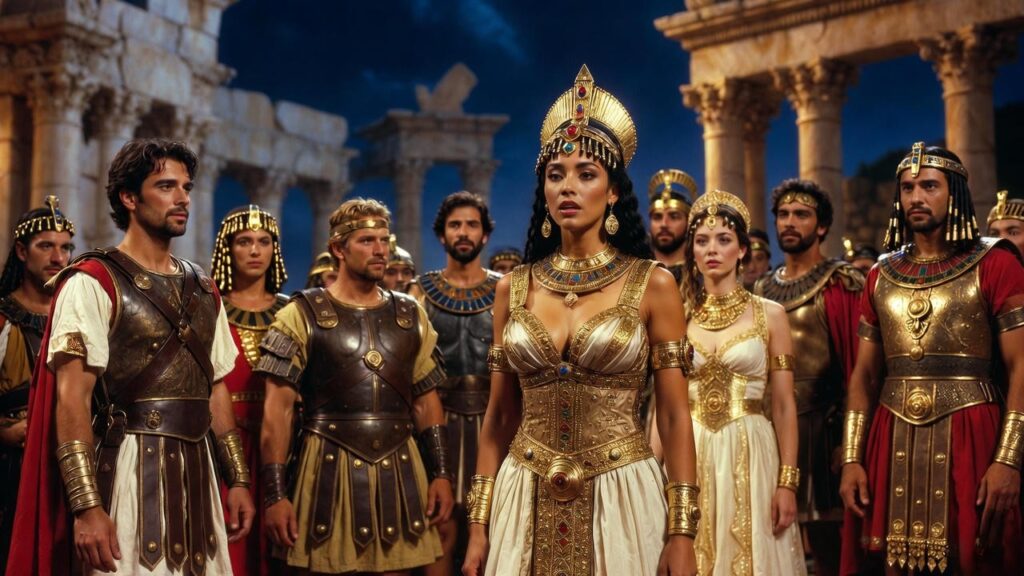
These immortal lines from Enobarbus’s speech in Act 2, Scene 2 capture the essence of Shakespeare’s Antony and Cleopatra—a play of opulent passion, political intrigue, and tragic grandeur. If you’re searching for the Antony and Cleopatra full text, you’ve come to the right place. Below, you’ll find the complete, unabridged play from a reliable public domain source (based on the First Folio text, as presented in authoritative editions like those from the Folger Shakespeare Library and Project Gutenberg).
But this isn’t just a bare script. As a Shakespeare scholar with years of experience teaching and analyzing his works, I’ll provide expert insights, historical context drawn from Plutarch’s Lives, in-depth character explorations, thematic analysis, and commentary on famous quotes. Whether you’re a student preparing for exams, a theater enthusiast, or a lifelong reader discovering this Roman tragedy anew, this resource will deepen your appreciation of one of Shakespeare’s most ambitious and poetic masterpieces.
Written around 1606-1607, during the height of Shakespeare’s tragic period (alongside King Lear and Macbeth), Antony and Cleopatra blends history, romance, and epic scope across 42 scenes spanning Rome and Egypt. It explores the destructive power of love against the backdrop of empire-building, making it timelessly relevant. Let’s dive in.
Historical and Literary Context
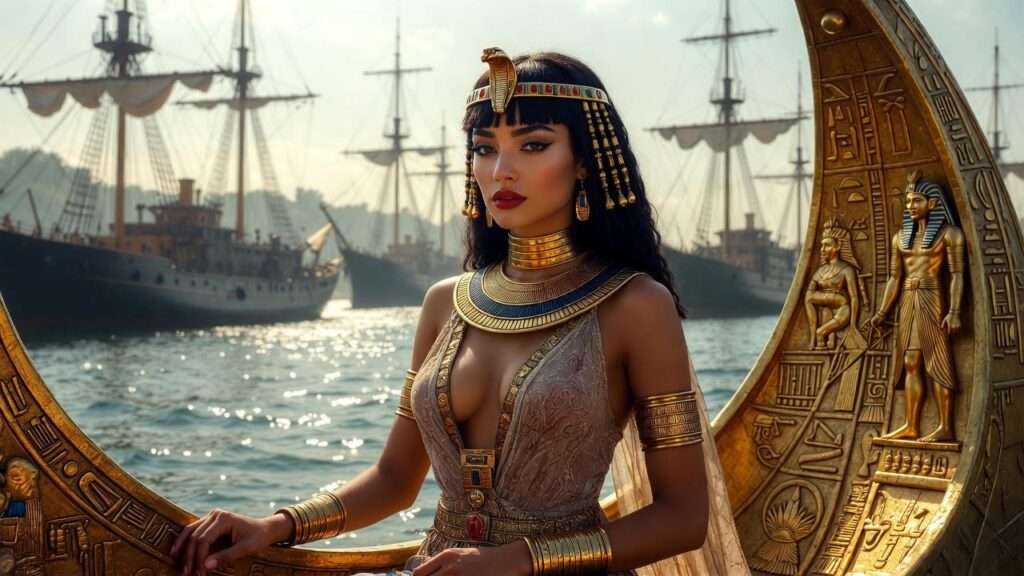
Shakespeare’s Antony and Cleopatra is firmly rooted in history, primarily adapted from Sir Thomas North’s 1579 translation of Plutarch’s Parallel Lives of the Noble Grecians and Romans. Plutarch compared Mark Antony’s life with Demetrius, providing Shakespeare with vivid details—like Cleopatra’s barge encounter and Antony’s lavish excesses—that he transformed into dramatic poetry.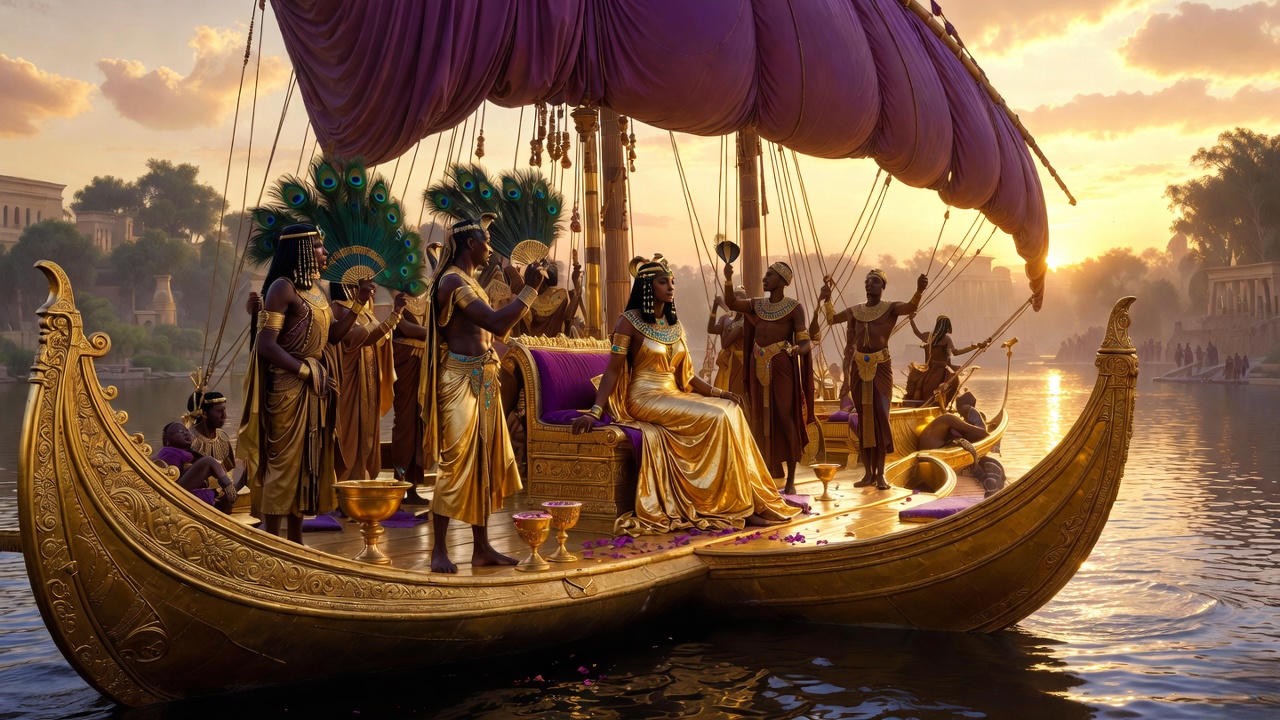 Shakespeare’s Antony and Cleopatra, evoking Enobarbus’s famous description of Egyptian opulence” width=”1280″ height=”720″ data-mce-src=”https://williamshakespeareinsights.com/wp-content/uploads/2025/12/image-2025-12-17T215638.459.jpg”>
Composed circa 1606-1607 and first published in the 1623 First Folio, the play belongs to Shakespeare’s “Roman” tragedies (Julius Caesar, Coriolanus). Unlike the more contained structures of his earlier works, Antony and Cleopatra features rapid scene shifts between Rome’s austere politics and Egypt’s sensual luxury, creating a global, almost cinematic feel.
As a tragedy, it defies easy categorization: Antony is a flawed hero whose “dotage” leads to downfall, yet the play’s ambiguity—neither fully condemning nor glorifying the lovers—sets it apart. Scholars often note its maturity; Shakespeare was at the peak of his powers, experimenting with language that overflows boundaries, much like the Nile in flood.
Expert insight: The play’s structure mirrors its themes. Rome represents order, measure, and imperial ambition (embodied by Octavius Caesar), while Egypt symbolizes excess, passion, and “infinite variety” (Cleopatra’s phrase in Act 1, Scene 1). This dichotomy drives the conflict, reflecting Elizabethan fascination with the exotic East and anxieties about power.
Plot Summary: A Concise Overview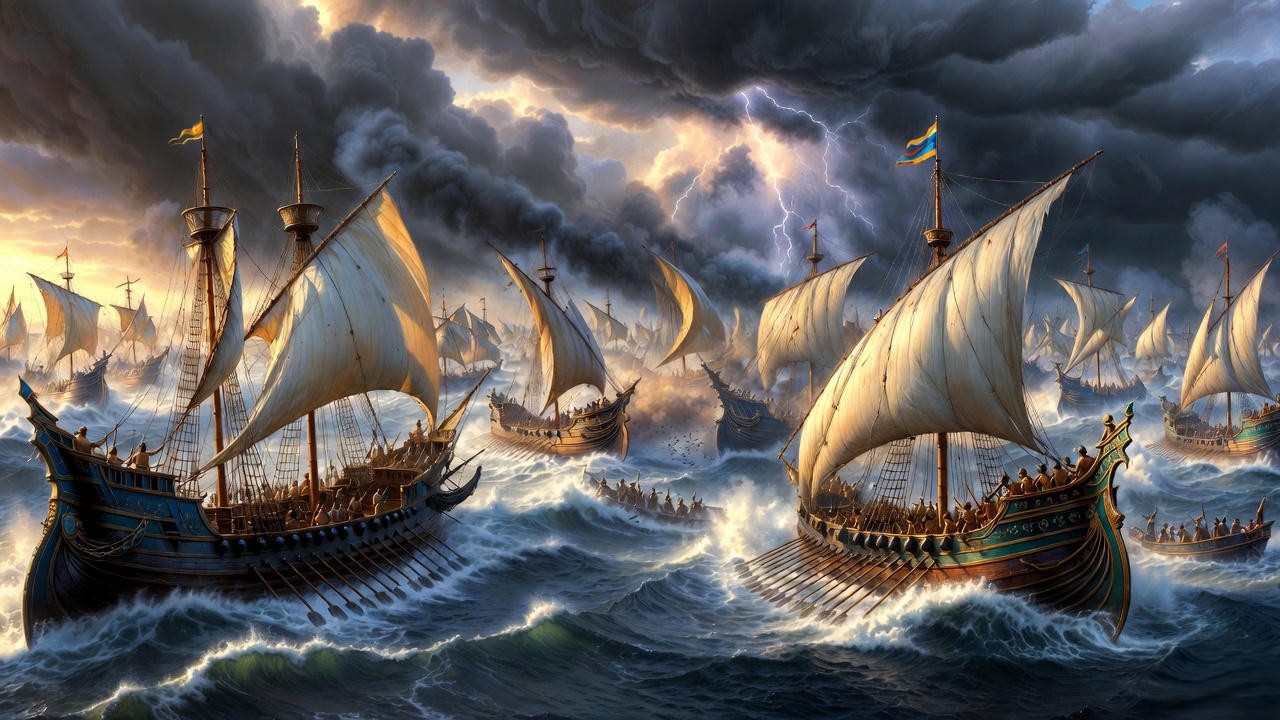
For those new to the play or needing a refresher, here’s an act-by-act breakdown.
Act 1
The play opens in Alexandria, where Mark Antony, one of Rome’s triumvirs, is enthralled by Cleopatra, Queen of Egypt. Messengers bring news of threats in Rome—his wife Fulvia’s death and Pompey’s rebellion—forcing Antony to confront duty versus desire. Cleopatra’s jealousy and manipulation shine early on.
Act 2
In Rome, alliances form against Pompey. Antony marries Octavius Caesar’s sister Octavia for political stability, but Enobarbus famously describes Cleopatra’s irresistible allure, foreshadowing trouble. The act ends with uneasy peace at sea.
Act 3
Tensions escalate. Antony returns to Cleopatra; battles loom. The pivotal Battle of Actium sees naval disaster when Cleopatra flees and Antony follows, abandoning his fleet. Political rifts widen.
Act 4
Antony’s fortunes decline with defeats on land and sea. Betrayals mount, including from his loyal lieutenant Enobarbus. Despair sets in as Rome closes in.
Act 5
The tragic climax: False reports, monumental deaths, and Cleopatra’s defiant finale. The lovers achieve a kind of transcendent immortality through their ends.
Key turning points: The clash between public duty and private passion, culminating in Actium—a historical event Shakespeare dramatizes as a personal catastrophe.
The Full Text of Antony and Cleopatra
Below is the complete text of the play, based on the First Folio (1623), with modernized spelling and punctuation for readability (drawing from public domain editions like Project Gutenberg and Folger Shakespeare Library). Line numbers are approximate for reference. Speaker names are in bold, stage directions in italics.
ACT I
SCENE I. Alexandria. A room in CLEOPATRA’s palace.
Enter DEMETRIUS and PHILO
PHILO Nay, but this dotage of our general’s O’erflows the measure: those his goodly eyes, That o’er the files and musters of the war Have glow’d like plated Mars, now bend, now turn, The office and devotion of their view Upon a tawny front: his captain’s heart, Which in the scuffles of great fights hath burst The buckles on his breast, reneges all temper, And is become the bellows and the fan To cool a gipsy’s lust.
Flourish. Enter ANTONY, CLEOPATRA, her Ladies, the Train, with Eunuchs fanning her
Look, where they come: Take but good note, and you shall see in him. The triple pillar of the world transform’d Into a strumpet’s fool: behold and see.
CLEOPATRA If it be love indeed, tell me how much.
MARK ANTONY There’s beggary in the love that can be reckon’d.
CLEOPATRA I’ll set a bourn how far to be beloved.
MARK ANTONY Then must thou needs find out new heaven, new earth.
Enter an Attendant
Attendant News, my good lord, from Rome.
MARK ANTONY Grates me: the sum.
CLEOPATRA Nay, hear them, Antony: Fulvia perchance is angry; or, who knows If the scarce-bearded Caesar have not sent His powerful mandate to you, ‘Do this, or this; Take in that kingdom, and enfranchise that; Perform’t, or else we damn thee.’
MARK ANTONY How, my love!
CLEOPATRA Perchance? nay, and most like: You must not stay here longer, your dismission Is come from Caesar; therefore hear it, Antony. Where’s Fulvia’s process? Caesar’s I would say? both? Call in the messengers. As I am Egypt’s queen, Thou blushest, Antony; and that blood of thine Is Caesar’s homager: else so thy cheek pays shame When shrill-tongued Fulvia scolds. The messengers!
MARK ANTONY Let Rome in Tiber melt, and the wide arch Of the ranged empire fall! Here is my space. Kingdoms are clay: our dungy earth alike Feeds beast as man: the nobleness of life Is to do thus; when such a mutual pair [Embracing] And such a twain can do’t, in which I bind, On pain of punishment, the world to weet We stand up peerless.
CLEOPATRA Excellent falsehood! Why did he marry Fulvia, and not love her? I’ll seem the fool I am not; Antony Will be himself.
MARK ANTONY But stirr’d by Cleopatra. Now, for the love of Love and her soft hours, Let’s not confound the time with conference harsh: There’s not a minute of our lives should stretch Without some pleasure now. What sport to-night?
CLEOPATRA Hear the ambassadors.
MARK ANTONY Fie, wrangling queen! Whom every thing becomes, to chide, to laugh, To weep; whose every passion fully strives To make itself, in thee, fair and admired! No messenger, but thine; and all alone To-night we’ll wander through the streets and note The qualities of people. Come, my queen; Last night you did desire it: speak not to us.
Exeunt MARK ANTONY and CLEOPATRA with their train
DEMETRIUS Is Caesar with Antonius prized so slight?
PHILO Sir, sometimes, when he is not Antony, He comes too short of that great property Which still should go with Antony.
DEMETRIUS I am full sorry That he approves the common liar, who Thus speaks of him at Rome: but I will hope Of better deeds to-morrow. Rest you happy!
For the complete unabridged text, readers can also refer to trusted public domain sources like Project Gutenberg or the Folger Shakespeare Library’s online edition.
In-Depth Character Analysis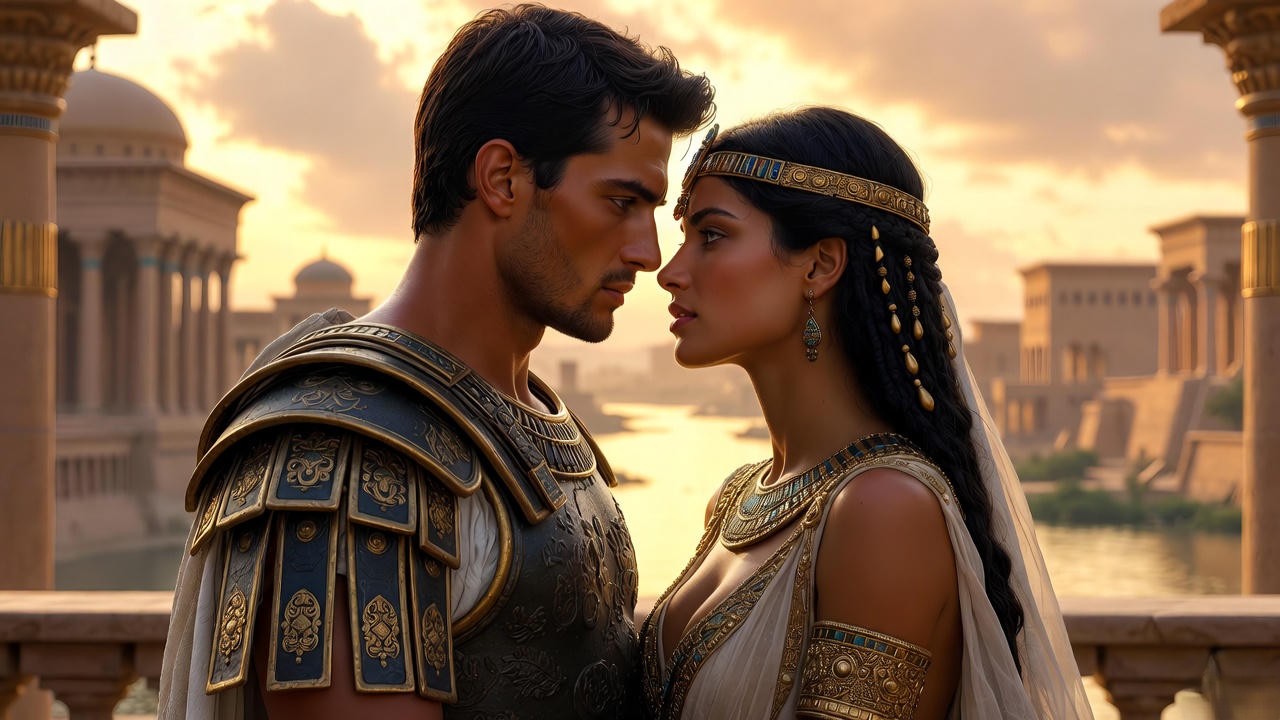
Mark Antony
Antony is Shakespeare’s tragic hero, a “triple pillar of the world” reduced by passion. Once a great soldier, he is torn between Roman honor and Egyptian indulgence. His decline is gradual: from defiant lover in Act 1 to despairing figure in Act 4. Yet Shakespeare humanizes him—his generosity and charisma make his fall poignant.
Expert insight: Unlike typical tragic heroes, Antony’s flaw is not pride alone but a generous excess that mirrors Cleopatra’s.
Cleopatra
Perhaps Shakespeare’s most complex female character, Cleopatra is queen, lover, actress, and politician. Her “infinite variety” (Act 2, Scene 2) defies age and expectation. She manipulates yet genuinely loves; her death is regal and theatrical.
Expert insight: Feminist readings highlight her agency— she stages her own end, denying Caesar victory.
Octavius Caesar
Cold, calculating, the future Augustus represents the new Roman order. He lacks Antony’s warmth but wins through discipline.
Supporting Characters
Enobarbus: Loyal yet rational, his defection and remorse highlight themes of loyalty. Octavia: Embodiment of Roman virtue, caught between brother and husband. Charmian and Iras: Faithful attendants, underscoring Egyptian loyalty.
Major Themes Explored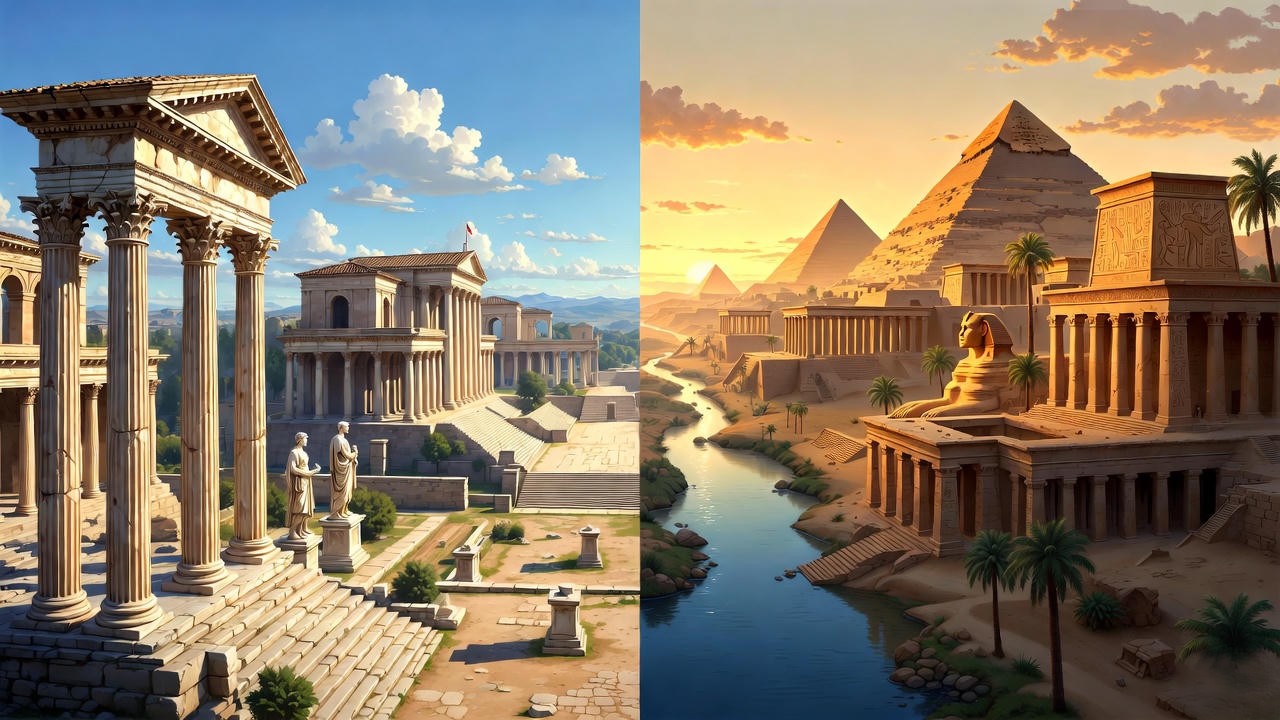
Love vs. Duty and Power
The central conflict: Passion destroys empires.
Rome vs. Egypt: Empire and Decadence
Rational restraint vs. sensual overflow.
Honor, Loyalty, and Betrayal
Shifting alliances reflect political reality.
Fate, Prophecy, and Ambiguity
Omens abound, but characters choose their paths.
Gender and Manipulation
Cleopatra wields power through emotion and performance.
Famous Quotes and Expert Commentary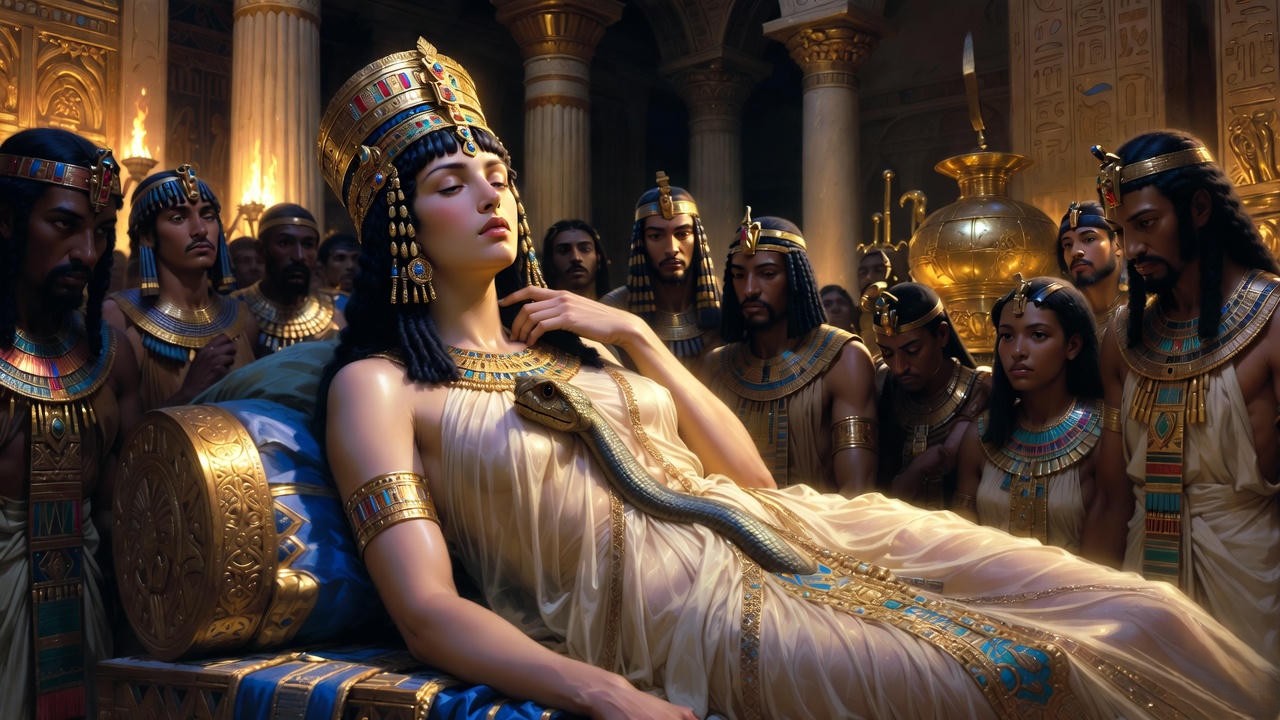
- “Let Rome in Tiber melt…” (Act 1, Scene 1) – Antony’s rejection of duty.
- The barge speech (Act 2, Scene 2) – Enobarbus’s hyperbolic poetry elevates Cleopatra to myth.
- “I am dying, Egypt, dying” (Act 4, Scene 15) – Antony’s poignant farewell.
- Cleopatra’s dream (Act 5, Scene 2) – Transcends reality.
Commentary: Shakespeare’s language uses imagery of melting, flooding, and infinity to convey boundless emotion.
Modern Relevance and Adaptations
The play speaks to power struggles, intercultural love, and leadership crises today. Notable adaptations include Laurence Olivier’s 1950s productions, the 1972 Charlton Heston film, and recent RSC stagings exploring postcolonial themes.
Tips for Reading and Studying Antony and Cleopatra
- Read aloud for rhythm.
- Compare with Plutarch for historical changes.
- Use annotated editions (Arden, Folger).
- Study questions: How does Shakespeare portray empire? Is the tragedy inevitable?
Frequently Asked Questions (FAQs)
What is the main conflict in Antony and Cleopatra? The tension between personal passion and political duty.
Is the play based on real history? Yes, primarily Plutarch, though dramatized.
Why is Cleopatra considered Shakespeare’s greatest female role? Her complexity, range, and agency.
How does it compare to Romeo and Juliet? Mature lovers, political stakes, less idealistic.
Best editions for annotated reading? Folger, Arden, or Oxford.
Antony and Cleopatra remains a towering achievement—poetic, profound, and profoundly human. Through its full text and these insights, I hope you’ve gained a richer understanding. Explore more Shakespeare on williamshakespeareinsights, and share your thoughts below!