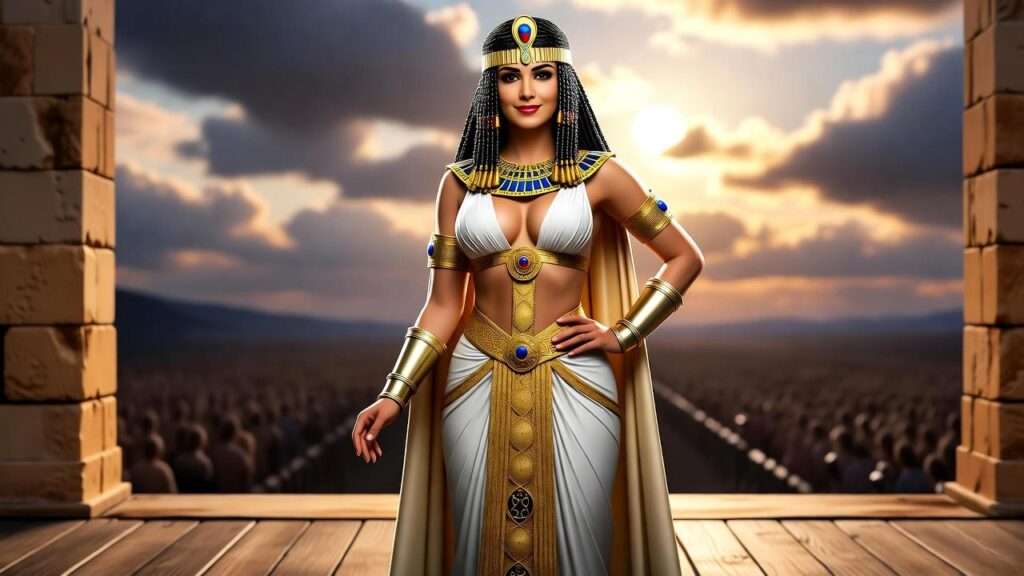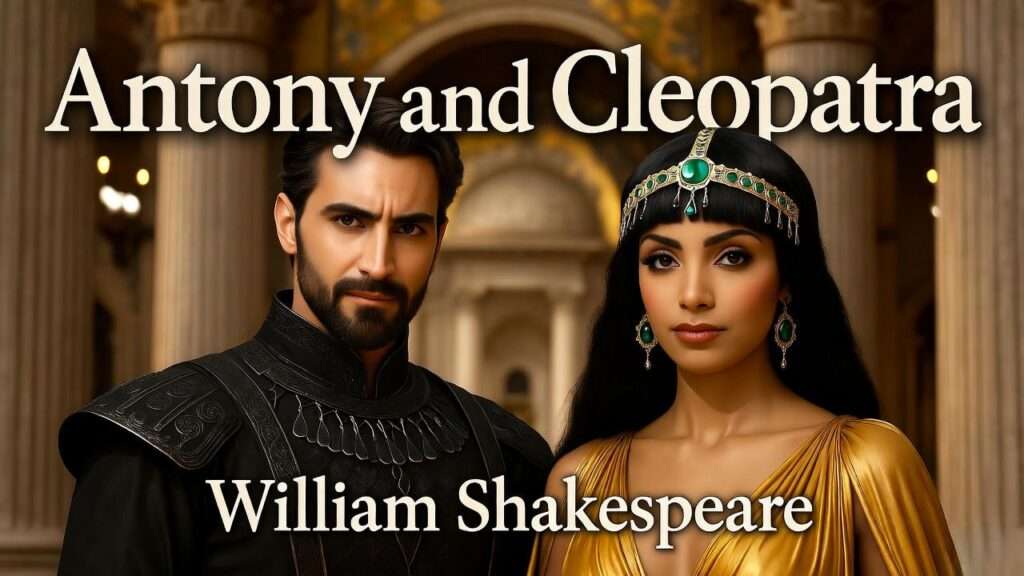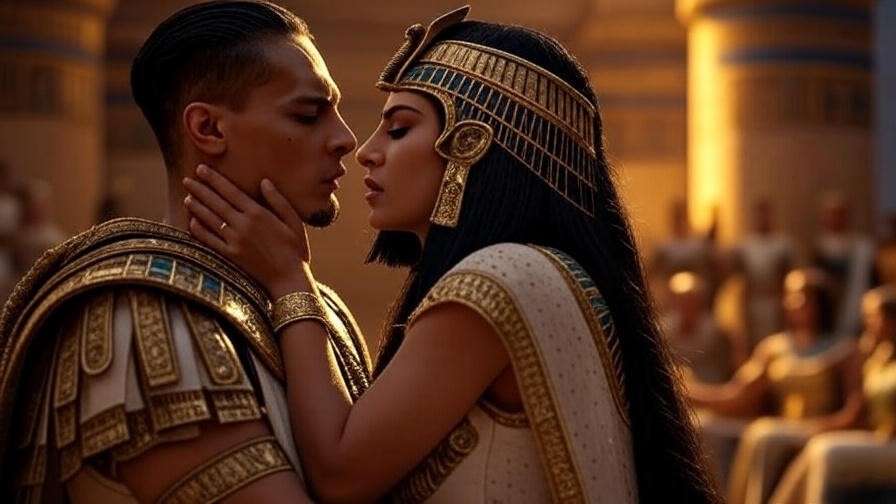
Imagine a queen whose beauty launches not a thousand ships, but an enduring myth that has captivated the world for over two millennia. Was Cleopatra the mesmerizing seductress of legend—ageless, infinitely varied, and capable of enchanting the mightiest Romans—or a shrewd, intellectually formidable ruler whose appearance was far more ordinary? In an era of advanced Cleopatra recreation projects using forensics, 3D modeling, and AI, modern scholars are peeling back layers of propaganda and poetic exaggeration to reveal a more grounded historical figure. Yet William Shakespeare’s Antony and Cleopatra (c. 1607) immortalized her as an enigmatic force of passion and power, blending history with dramatic genius.
This contrast lies at the heart of Cleopatra’s enduring fascination. Shakespeare’s portrayal, drawn largely from Plutarch’s Lives, elevates her charisma to transcendent heights, while contemporary evidence—from ancient coins to recent reconstructions—paints a picture of a woman whose true power stemmed from intellect and political acumen rather than conventional beauty. In this comprehensive exploration, we’ll delve into Shakespeare’s vivid creation, examine surviving historical sources, survey the latest Cleopatra recreations (including those informed by 2025 archaeological developments), and compare the mythic queen with evidence-based reality. By bridging literature and history, this article aims to help Shakespeare enthusiasts and history buffs alike separate fact from fiction, enriching your appreciation of one of the Bard’s most complex tragedies.
The Mythic Cleopatra: Shakespeare’s Portrayal in Antony and Cleopatra
Shakespeare’s Antony and Cleopatra is often hailed as one of his most mature tragedies, a sweeping epic that spans the Roman Empire and explores themes of love, power, empire, and mortality. Unlike his Roman plays like Julius Caesar or Coriolanus, which draw on multiple sources, Antony and Cleopatra relies heavily on Sir Thomas North’s 1579 English translation of Plutarch’s Life of Marcus Antonius. Shakespeare lifts passages almost verbatim, yet transforms the historical narrative into a poetic masterpiece centered on the magnetic queen.
Enobarbus’ Iconic Description – The Heart of Shakespeare’s Vision
The play’s most famous passage comes from Enobarbus in Act 2, Scene 2, describing Cleopatra’s first meeting with Antony on the river Cydnus:
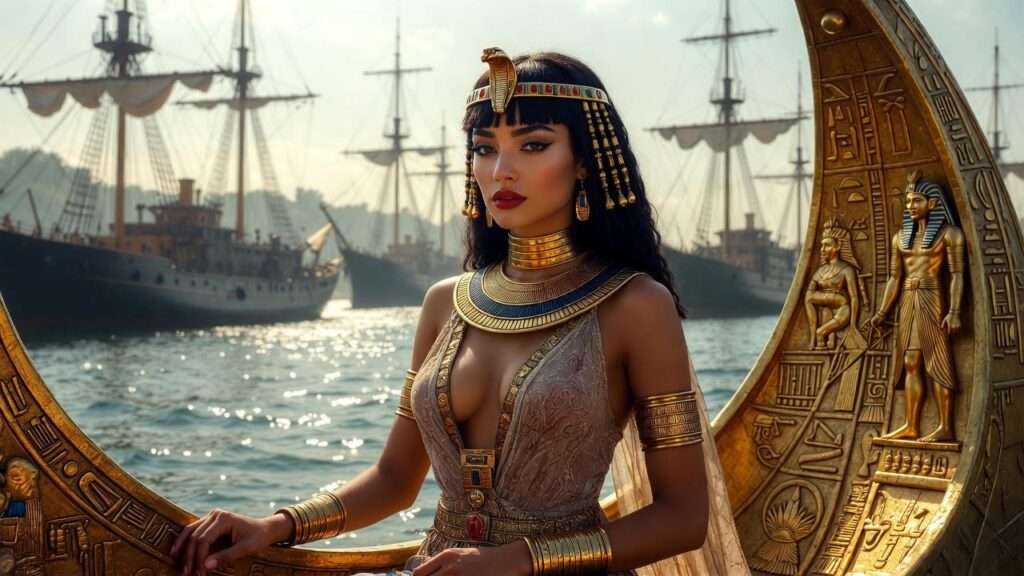
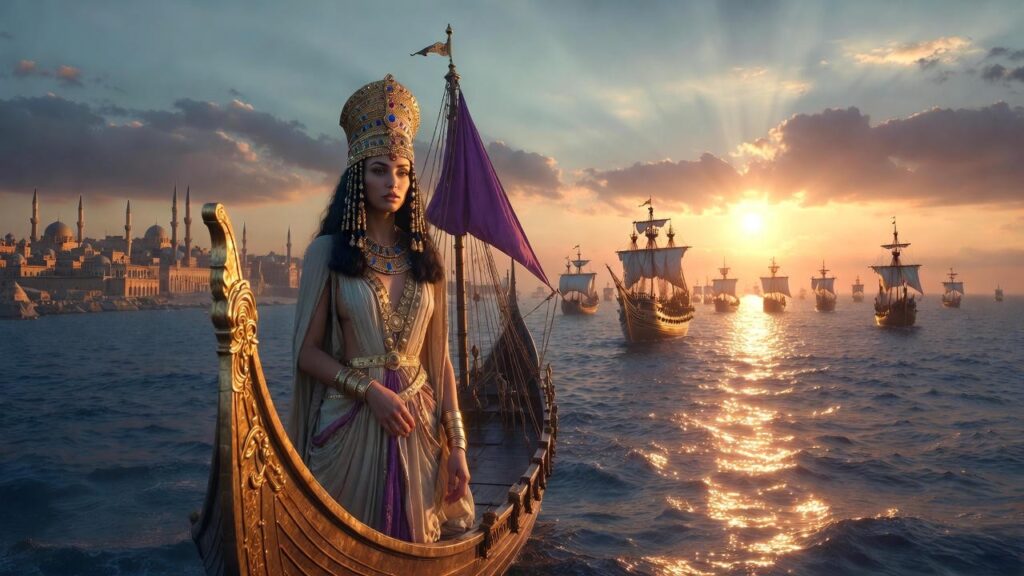
The barge she sat in, like a burnish’d throne, Burn’d on the water: the poop was beaten gold; Purple the sails, and so perfumed that The winds were love-sick with them; the oars were silver, Which to the tune of flutes kept stroke, and made The water which they beat to follow faster, As amorous of their strokes. For her own person, It beggar’d all description: she did lie In her pavilion—cloth-of-gold of tissue— O’er-picturing that Venus where we see The fancy outwork nature…
Here, Shakespeare (via Plutarch) emphasizes not specific physical features, but an overwhelming aura of luxury, divinity, and sensuality. Cleopatra transcends mere beauty; she embodies “infinite variety,” as Enobarbus later declares: “Age cannot wither her, nor custom stale / Her infinite variety” (Act 2, Scene 2). This “variety” captures her unpredictability—playful one moment, furious the next—making her a dramatic powerhouse.
Cleopatra as a Dramatic Force: Passion, Power, and Theatricality
Shakespeare’s Cleopatra is a whirlwind of contradictions: regal yet capricious, vulnerable yet manipulative. She stages dramatic scenes—feigning illness, beating messengers, or threatening suicide—to command Antony’s attention. Her relationship with Antony explores love as both transcendent and destructive, pitting personal passion against imperial duty (Rome vs. Egypt, discipline vs. indulgence).
Key moments underscore her complexity:
- Her jealousy and rages (e.g., assaulting the messenger bringing news of Antony’s marriage to Octavia).
- Her poignant vulnerability in defeat, culminating in the majestic suicide: “Give me my robe, put on my crown; I have / Immortal longings in me” (Act 5, Scene 2).
Shakespeare adds domestic scenes absent from Plutarch, humanizing her as a lover and mother while amplifying her theatricality—she performs roles like Venus or Isis to assert power.
Influences on Shakespeare’s Cleopatra
While Plutarch provides the framework, Shakespeare diverges significantly. Plutarch portrays Cleopatra as charming and intelligent but stresses her political ambition. Shakespeare heightens the romance, inventing scenes like the lovers’ banter on the barge or Cleopatra’s playful interactions with servants.
Elizabethan context also shapes the portrait: Parallels to Queen Elizabeth I—a powerful, unmarried ruler navigating alliances with men—are evident. Some scholars see Cleopatra as a cautionary tale of “Eastern” excess threatening Roman (and English Protestant) order.
Expert insight from literary scholars like Janet Adelman (The Common Liar) highlights how Shakespeare transforms Plutarch’s more measured account into a celebration of excess, making Cleopatra a symbol of boundless desire and imagination.
Historical Evidence: What Ancient Sources Reveal About Cleopatra’s Appearance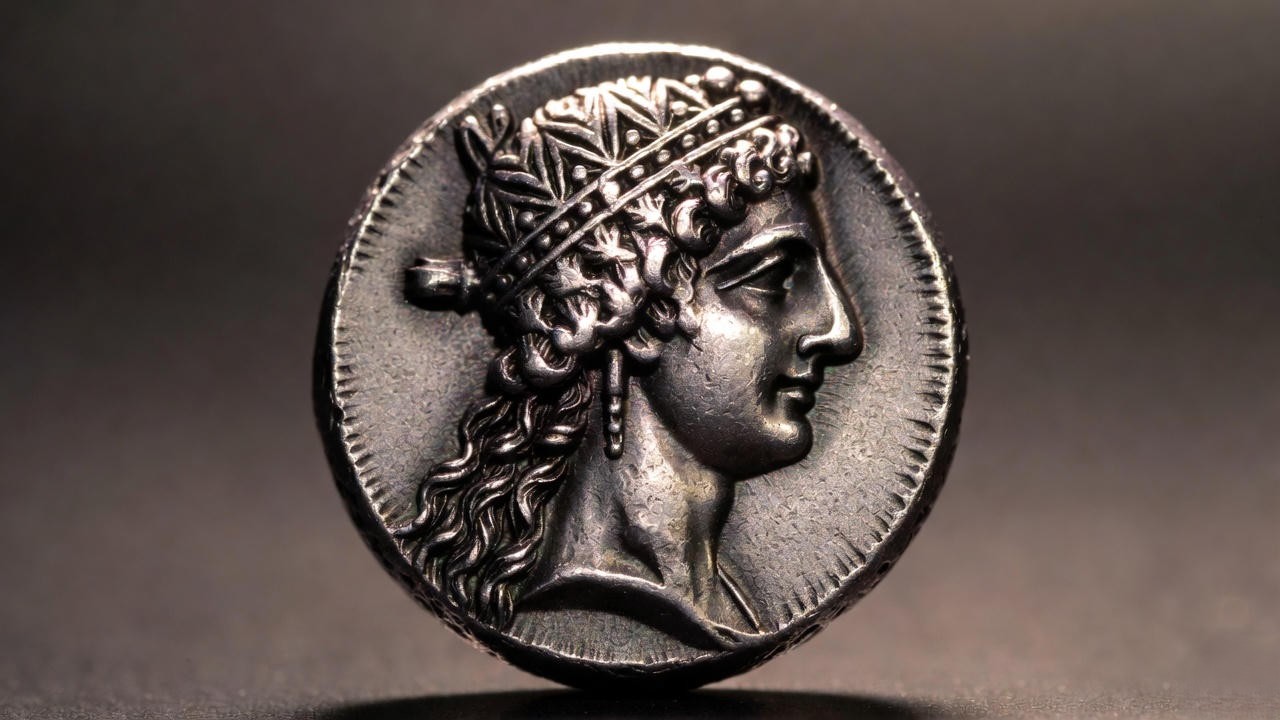
To understand modern Cleopatra recreations, we must first examine the sparse but telling evidence from antiquity. Cleopatra VII Philopator (69–30 BCE), last ruler of the Ptolemaic Kingdom, was of predominantly Macedonian Greek descent, tracing her lineage to Ptolemy I, a general of Alexander the Great.
Contemporary Depictions on Coins and Busts
The most reliable contemporary images come from Ptolemaic coins minted during her reign. These silver tetradrachms and bronze coins show a profile with:
- A prominent, aquiline nose
- Strong jawline
- Thin lips
- Bunched hair in a royal style
- Often wearing a diadem
A famous example is the Antioch mint coin (36 BCE) depicting Cleopatra on one side and Antony on the other.
Sculptures, such as the Berlin bust (widely accepted as Cleopatra) and the Vatican example, echo these traits: hooked nose, full chin, and expressive eyes.
Ancient Writers’ Accounts – Beauty or Charisma?
Plutarch (writing c. 100 CE) is balanced: “Her actual beauty, it is said, was not in itself so remarkable… but the attraction of her person, joining with the charm of her conversation… was something bewitching.”
Cassius Dio praises her as “a woman of surpassing beauty,” but Roman sources like Horace and Propertius, influenced by Octavian’s propaganda, exaggerate her as a seductive threat.
Roman bias portrayed her as a foreign temptress to justify Antony’s defeat.
Ethnicity and Heritage Context
Cleopatra was Greek-Macedonian, fluent in Egyptian (the first Ptolemy to learn it), and presented herself as Isis incarnate. Debunking myths: No confirmed African ancestry beyond possible distant Persian or Egyptian ties; she was not “Black” or “Nubian” as some modern revisionism claims without evidence.
Modern Cleopatra Recreations: Forensic and Digital Reconstructions
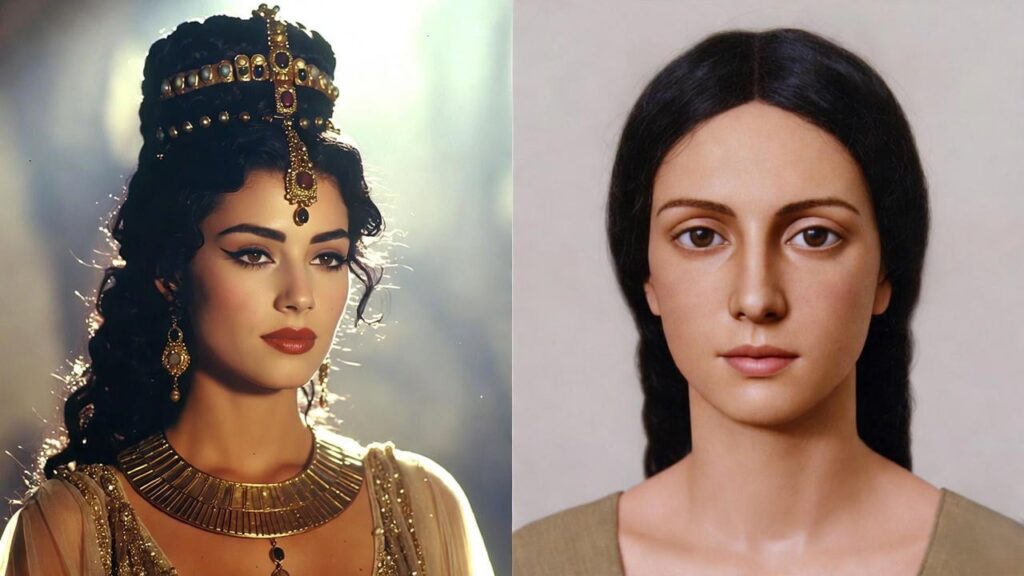
Advances in forensics and AI have produced compelling Cleopatra recreations, challenging Shakespeare’s ethereal queen with grounded realism.
Key Methods in Historical Facial Reconstruction
Techniques include:
- 3D scanning of busts and coins
- Forensic anthropology to estimate soft tissue
- AI algorithms for skin tone, hair, and expression (often based on Mediterranean Greek averages)
Limitations: No skull or mummy confirmed as Cleopatra’s, so reconstructions are interpretive.
Notable Recent Recreations (Up to 2025)
- World History Encyclopedia (2023): Artistic reconstruction based on Berlin bust—strong nose, full lips, olive skin.
- Royalty Now Studios (popular series, updated through 2025): Animated reconstructions showing a woman with distinctive features, more relatable than glamorous.
Recent AI projects (2025) blend ancient data with generative tools, producing lifelike images that highlight her charisma.
Limitations and Debates
Reconstructions vary by artist; some idealize, others emphasize realism. Ongoing excavations at Taposiris Magna (2025 updates: discovery of submerged port aligned with tunnels) may yield new artifacts, potentially refining future recreations.
Shakespeare’s Enigmatic Queen vs. Historical Reality: A Side-by-Side Comparison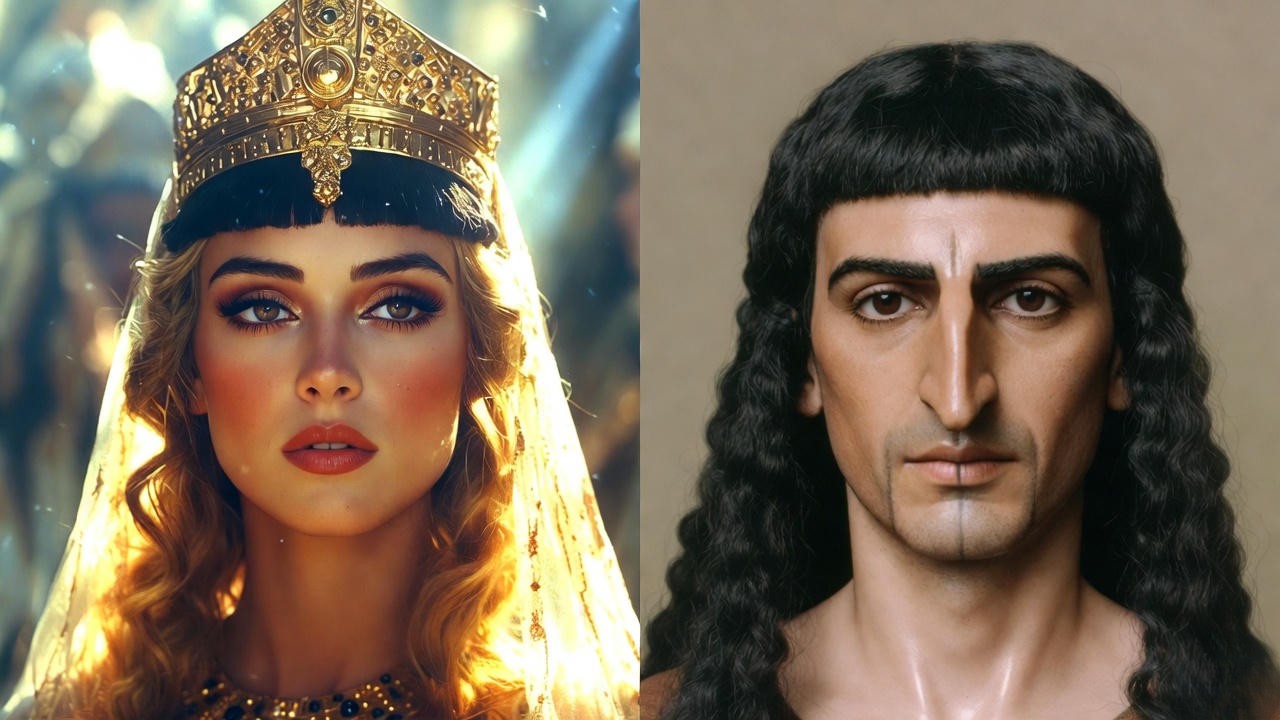
The allure of Cleopatra lies not just in her historical significance but in the profound gap between Shakespeare’s mythic creation and the evidence-based reality emerging from ancient artifacts and modern scholarship. This contrast reveals how literature amplifies human qualities for dramatic effect, while history grounds them in political and cultural context.
Physical Appearance – Glamour vs. Grounded Features
Shakespeare’s Cleopatra is defined by ethereal, transcendent beauty that defies time and description. Enobarbus’ speech paints her as a divine figure surpassing Venus, with an aura that enslaves senses rather than relying on conventional attractiveness. No specific facial features are mentioned; instead, her “infinite variety” suggests an ever-changing, captivating presence.
In contrast, historical evidence from coins and busts portrays a woman with distinctive, strong features: a prominent aquiline nose, thin lips, a firm jawline, and a hooked profile typical of Ptolemaic portraiture. These depictions, intended for propaganda and royal assertion, show a realistic Mediterranean Greek appearance—olive skin, dark hair often in royal buns or diadems—far from the flawless glamour of later interpretations.
Modern forensic reconstructions, drawing on these artifacts, consistently humanize her: full but not idealized lips, expressive eyes, and a commanding rather than delicate face. As historian Duane W. Roller notes in Cleopatra: A Biography (2010), her appeal was likely in presence and voice, not symmetrical beauty.
Personality and Power – Exaggeration for Drama
Shakespeare amplifies Cleopatra’s emotional volatility for theatrical impact: her rages, manipulations, and passionate devotion make her a force of chaos and allure. Her power derives from seduction and theatricality, embodying “Eastern” excess against Roman restraint.
Historically, Cleopatra was a masterful politician: fluent in nine languages (including Egyptian, unique among Ptolemies), a skilled diplomat who maintained Egypt’s independence amid Roman expansion, and an effective administrator who restored economic stability. Sources like Plutarch emphasize her intelligence, wit, and conversational charm as tools of influence over Caesar and Antony.
While romantic entanglements played a role, her alliances were strategic—producing heirs with Caesar (Caesarion) and Antony (three children)—securing her throne. Roman propaganda exaggerated her seductiveness to demonize her as a threat to Roman virtue.
Cultural Impact – Why the Myth Endures
The mythic Cleopatra persists because Shakespeare’s play, influenced by Plutarch but infused with Renaissance humanism, transformed her into a universal symbol of passionate love and tragic femininity. This version fueled centuries of art, from Dryden’s adaptations to 20th-century films.
Yet, as ongoing excavations at Taposiris Magna demonstrate—including the 2025 discovery of a submerged ancient port near the temple complex (led by archaeologist Kathleen Martínez)—interest in the historical Cleopatra is surging. This port, with structures dating to her era, reinforces theories about her burial site and highlights her as a ruler of a sophisticated maritime power.
For clarity, here’s a side-by-side comparison:
| Aspect | Shakespeare’s Portrayal | Historical/Evidence-Based Reality |
|---|---|---|
| Physical Beauty | Transcendent, ageless, “infinite variety”; aura over features | Strong, distinctive features (prominent nose, jaw); charismatic but not classically ideal |
| Source of Power | Seduction, emotional intensity, theatricality | Intellectual acumen, diplomacy, multilingualism, strategic alliances |
| Personality | Capricious, passionate, manipulative lover | Astute, resilient ruler; charming conversationalist |
| Legacy | Tragic romantic icon; symbol of destructive love | Last independent pharaoh; shrewd guardian of Egyptian sovereignty |
| Cultural Depiction | Glamorous seductress | Grounded leader; focus shifting with modern reconstructions |
This table underscores Shakespeare’s genius: he used history as a canvas for exploring human extremes, while reality reveals a woman whose true “variety” was in political adaptability.
The Enduring Legacy: Why Cleopatra Continues to Captivate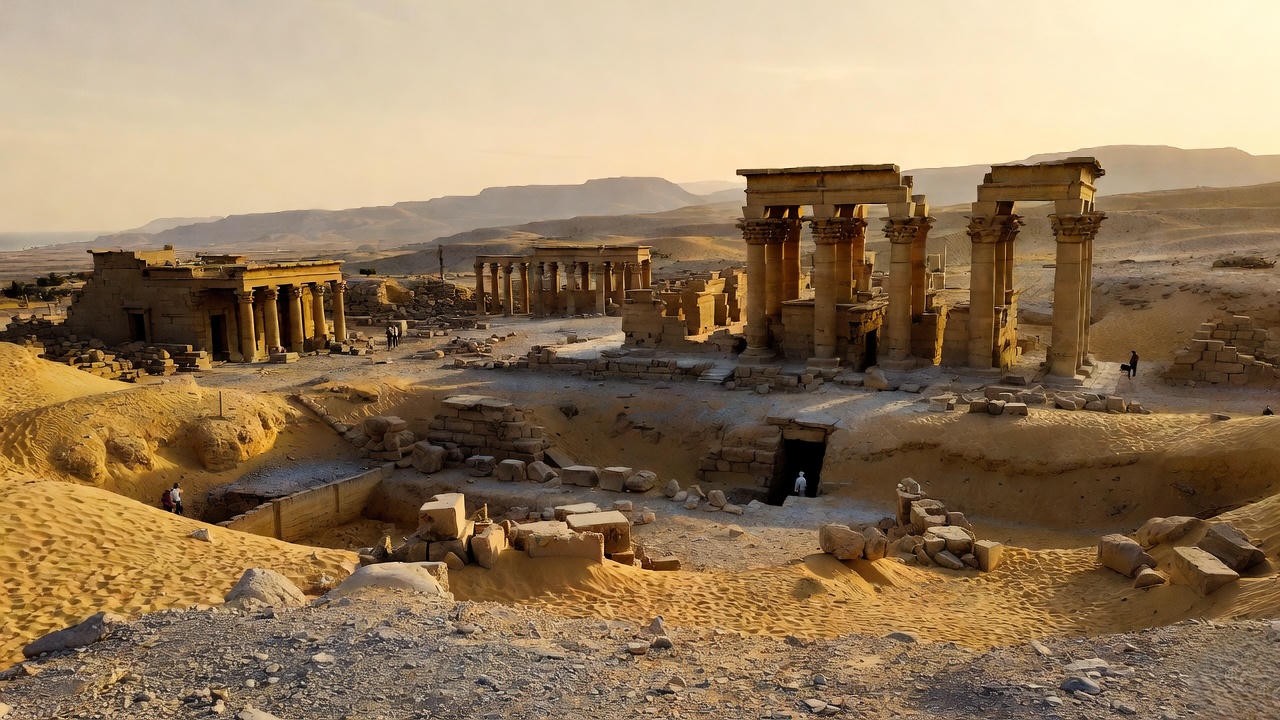
As of December 2025, Cleopatra’s enigma endures amid exciting archaeological developments. Kathleen Martínez’s team, in collaboration with underwater explorers, uncovered a massive submerged port off Taposiris Magna—complete with polished floors, columns, and artifacts from Cleopatra’s time. This discovery, following the 2022 tunnel find, bolsters the hypothesis that the site may connect to her lost tomb, potentially buried with Mark Antony as ancient sources describe.
While mainstream Egyptologists remain cautious (favoring an Alexandrian burial, possibly submerged by ancient earthquakes), these finds have reignited global interest. They remind us that Cleopatra’s legacy transcends beauty myths: she navigated a male-dominated world, preserved Hellenistic Egypt against Roman absorption, and left a model of female leadership rare in antiquity.
Shakespeare’s contribution cannot be overstated—he ensured her story as a timeless tragedy of love and ambition. Yet pairing his poetic vision with historical inquiry, including evolving reconstructions, offers the richest understanding. Modern tools like AI-assisted forensics continue to refine her image, shifting focus from seduction to sovereignty.
For readers of Antony and Cleopatra, this duality enhances the play: appreciating how Shakespeare elevated a real stateswoman into an archetype deepens both literary and historical insight.
FAQs
What did Cleopatra really look like based on reconstructions? Contemporary coins and busts show strong, distinctive features: a prominent nose, firm jaw, and hooked profile. Modern forensic and artistic reconstructions depict a woman of Mediterranean Greek appearance—olive skin, dark hair—with charisma outweighing conventional beauty.
How does Shakespeare’s Cleopatra differ from the historical figure? Shakespeare emphasizes romantic passion, volatility, and seductive power for dramatic effect. Historically, Cleopatra was a brilliant politician and diplomat whose influence stemmed from intellect and strategy.
Are modern Cleopatra recreations accurate? They are informed approximations based on artifacts, but interpretive—lacking a confirmed skull or mummy. Advances in AI and 3D modeling (as seen in 2025 projects) improve realism but remain educated guesses.
Why is Cleopatra often portrayed as extraordinarily beautiful? Roman propaganda exaggerated her allure to vilify her; Shakespeare amplified this for tragedy. Later cultural depictions perpetuated the glamorous myth, overshadowing accounts stressing her charm and wit.
What sources did Shakespeare use for Antony and Cleopatra? Primarily Plutarch’s Life of Antony (via North’s translation), with creative additions like heightened romance and domestic scenes absent from history.
Cleopatra remains one of history’s most compelling figures precisely because of the tension between Shakespeare’s enigmatic, transcendent queen and the grounded, intellectually formidable ruler revealed by evidence. Modern Cleopatra recreations—bridging ancient coins, busts, and cutting-edge forensics—help demystify her appearance, reminding us that her true power lay in mind and maneuver, not myth alone.
Whether revisiting Antony and Cleopatra or following ongoing excavations at Taposiris Magna, exploring this contrast enriches our view. Shakespeare’s genius lies in capturing her essence while transcending facts; history rewards us with the real woman’s extraordinary achievements.