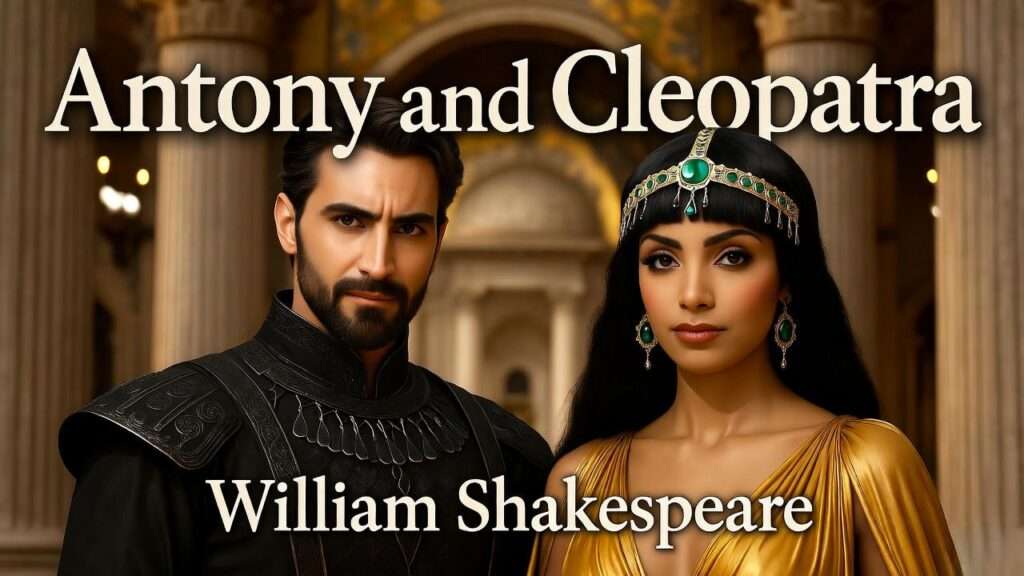
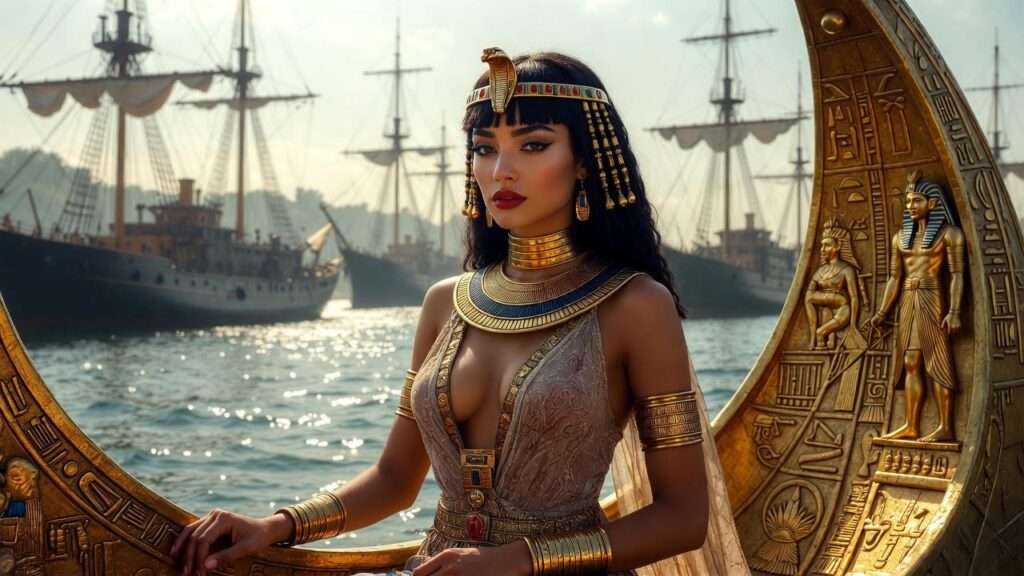
Imagine stepping onto the stage as Cleopatra, the Queen of the Nile, or as Julius Caesar, the conquering Roman dictator. The audience holds its breath as your costume captures the grandeur of ancient empires and the poetic intensity of Shakespeare’s words. Yet too often, productions settle for generic Hollywood glamour or off-the-rack togas that miss the mark. If you’re directing, acting in, or simply attending a Shakespearean event inspired by these iconic figures, you need Cleopatra and Julius Caesar costumes that are both historically informed and dramatically powerful.
This in-depth guide draws on primary historical sources, archaeological evidence, Plutarch’s Lives (Shakespeare’s direct inspiration), and insights from leading modern productions at the Royal Shakespeare Company (RSC), Shakespeare’s Globe, and the National Theatre. Whether you’re preparing for a full-scale production of Antony and Cleopatra, a themed educational event, or a community theater project, you’ll find practical, authentic designs that elevate your portrayal far beyond typical Halloween or film-inspired options.
Historical Context – Who Were the Real Cleopatra and Julius Caesar?
To create convincing costumes, we must first separate myth from reality. Shakespeare’s Antony and Cleopatra is not a historical documentary—it’s a tragic romance filtered through Roman propaganda and Elizabethan imagination. Understanding the real figures helps us honor both history and the play’s dramatic needs.
Cleopatra VII Philopator: Queen of Egypt (69–30 BC)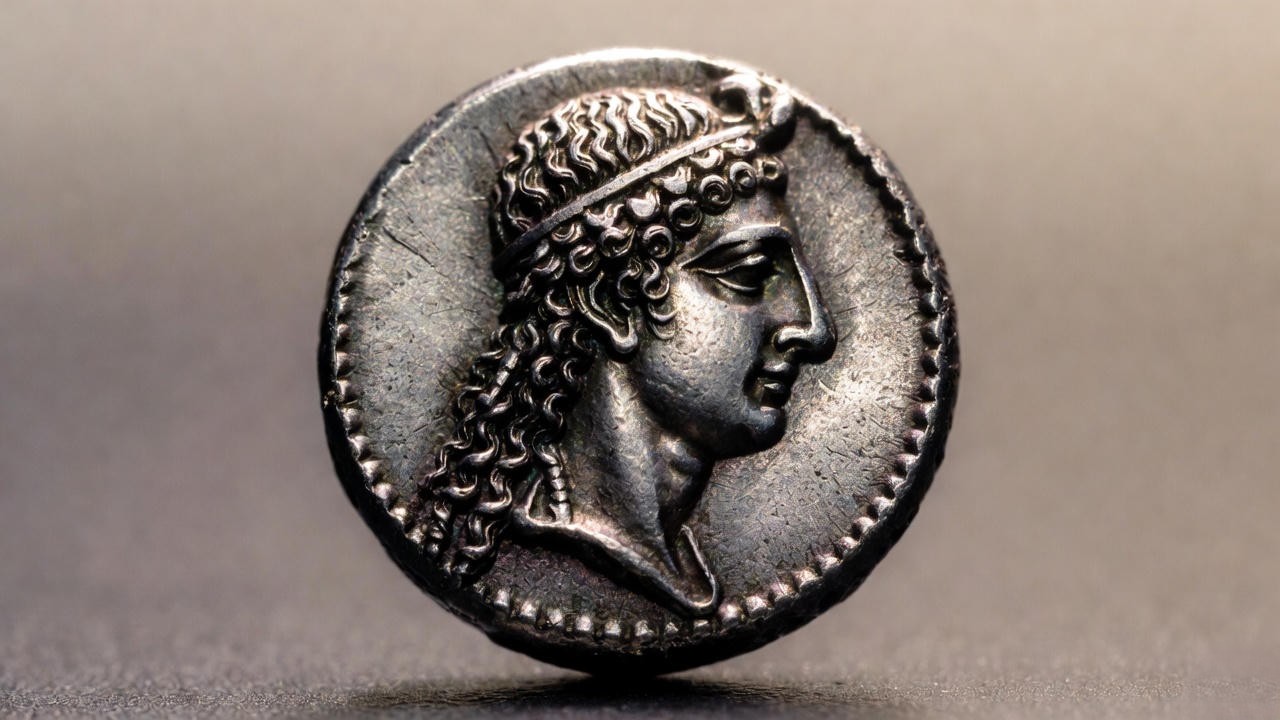
Cleopatra was the last active ruler of the Ptolemaic Kingdom of Egypt, a dynasty of Greek Macedonian origin founded by Ptolemy I after Alexander the Great’s conquests. She was not ethnically Egyptian but descended from Greek rulers, yet she strategically embraced Egyptian divine iconography to solidify her rule, presenting herself as the reincarnation of Isis.
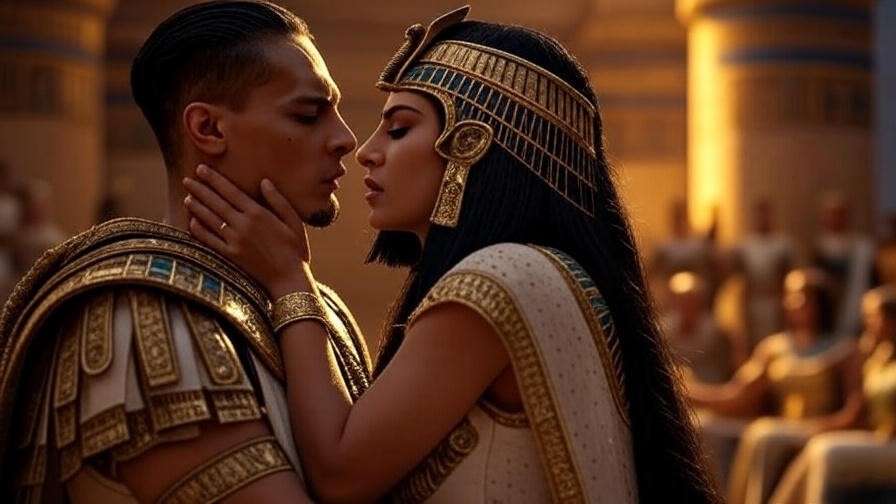
Contemporary depictions survive primarily on coins minted during her reign. These show a woman with strong, aquiline features: a prominent nose, sharp chin, and curled hair often tied with a royal diadem. Far from the sultry seductress of Hollywood legend, Cleopatra’s true power lay in her extraordinary intellect—she reportedly spoke nine languages—and unmatched political acumen. Her alliance with Julius Caesar began in 48 BC when she famously had herself smuggled into his presence wrapped in bedding (according to Plutarch).
Gaius Julius Caesar: Roman General and Dictator (100–44 BC)
Julius Caesar was a military genius and populist politician whose conquests dramatically expanded Rome’s empire. By the time he met Cleopatra, he had crossed the Rubicon, defeated Pompey in civil war, and been appointed dictator perpetuo (dictator in perpetuity).
Roman portraits and statues emphasize his authority: short-cropped hair (to conceal reported baldness, as noted by the historian Suetonius), laurel wreaths symbolizing victory, and a stern, commanding expression. Their relationship produced a son, Ptolemy XV Philopator Philometor Caesar (known as Caesarion), and cemented a crucial political and economic alliance between Rome and Egypt.
Shakespeare’s Interpretation in Antony and Cleopatra
Shakespeare based his play almost entirely on Sir Thomas North’s 1579 translation of Plutarch’s Parallel Lives. He amplifies the romance and tragedy, portraying Cleopatra as a figure of “infinite variety” and Caesar as a pivotal (though off-stage) influence whose legacy shapes the events. Note that Julius Caesar appears only indirectly in Antony and Cleopatra—his assassination precedes the play’s action—but his shadow looms large. Shakespeare had already explored Caesar’s death in detail in his earlier tragedy Julius Caesar.
Authenticity in costume design therefore requires balancing three layers: the Ptolemaic Greek-Egyptian fusion worn by Cleopatra, the late Roman Republican style appropriate for Caesar, and the exotic splendor that Shakespeare imagined for the Elizabethan stage, where lavish dress compensated for minimal scenery.
Key Elements of an Authentic Cleopatra Costume
Cleopatra’s wardrobe in the play must convey opulence and “infinite variety” while allowing complete freedom of movement for passionate speeches, barge entrances, and the final dramatic death scene.
Silhouette and Fabrics in Ptolemaic Egypt
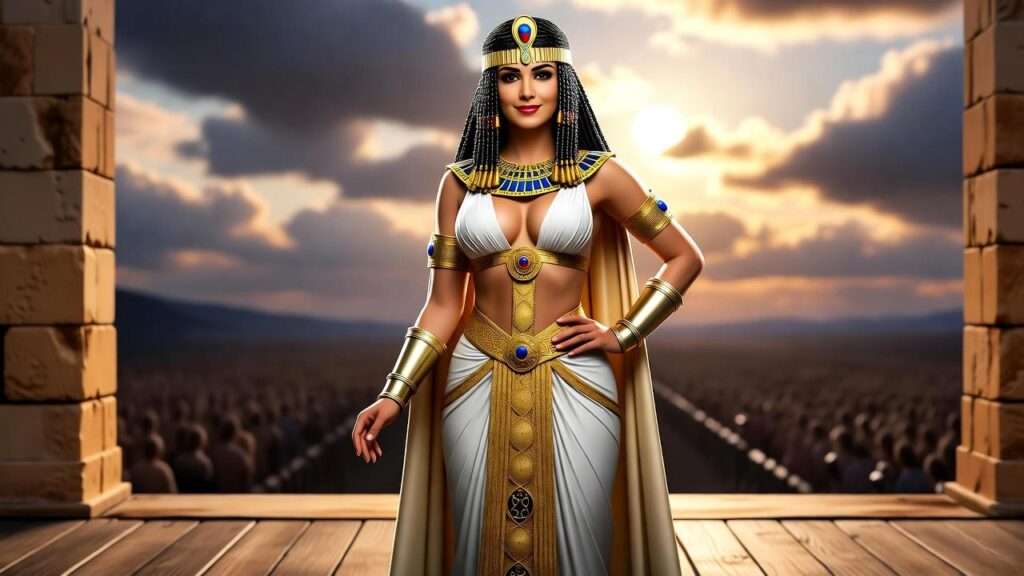
Ptolemaic royal women typically wore fine translucent linen or lightweight cotton, often finely pleated in the traditional Egyptian kalasiris style—a close-fitting sheath dress held by straps at the shoulders—or draped in Greek-inspired chitons and himations for a more flowing effect.
Preferred colors were rich and symbolic: royal purple (derived from rare Tyrian dye), deep crimson reds, brilliant white, and extensive gold accents. Fabrics were frequently embroidered or woven with gold thread, or decorated with intricate beadwork to catch the light.
Iconic Headdress and Jewelry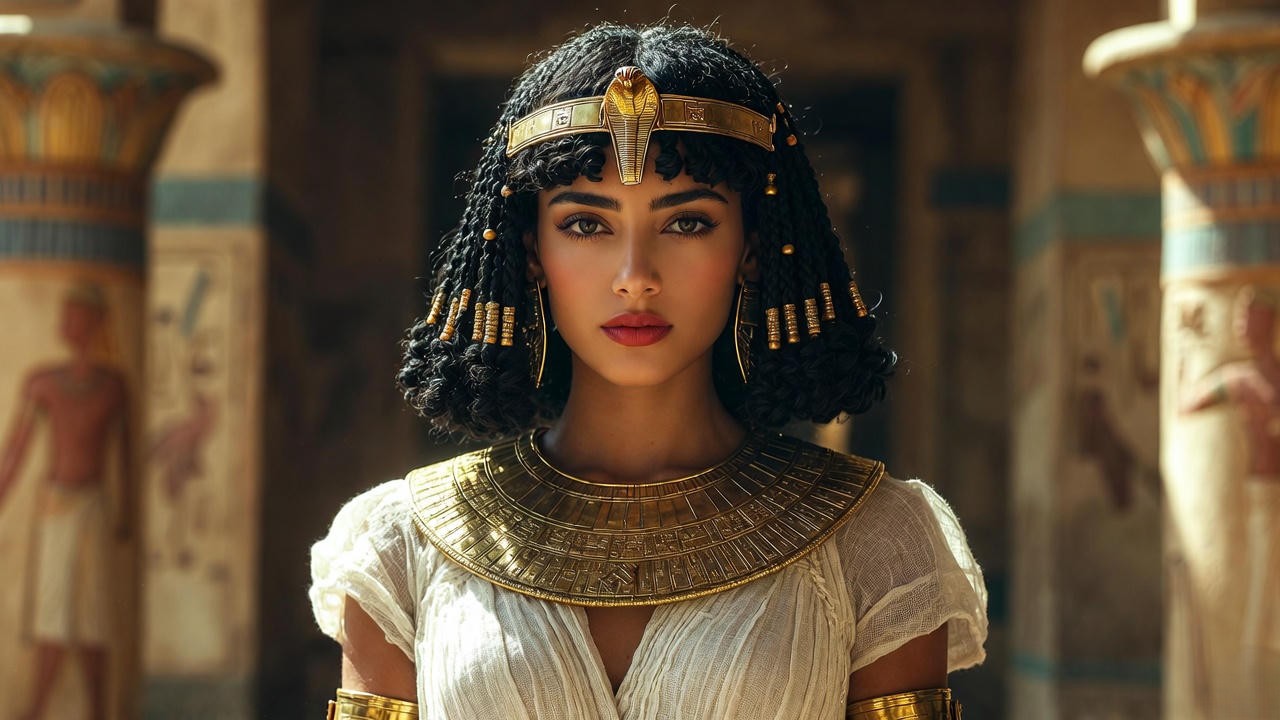
- Diadem and royal symbols: A broad royal band (diadem) across the forehead, sometimes incorporating the uraeus (rearing cobra) as a symbol of divine protection and sovereignty.
- Hair: Elaborate braided styles or beaded black wigs, occasionally incorporating vulture headdress motifs associated with Isis.
- Jewelry: Heavy gold broad collars (wesekh), multiple armbands and cuffs, anklets, large hoop or drop earrings, and rings. Pearls held particular significance—Plutarch recounts Cleopatra’s famous wager with Mark Antony in which she dissolved a priceless pearl in vinegar.
Avoid the common anachronism of a full striped Nemes headdress with cobra—that style belongs to Old and New Kingdom pharaohs, not the Hellenistic Ptolemaic period.
Makeup and Accessories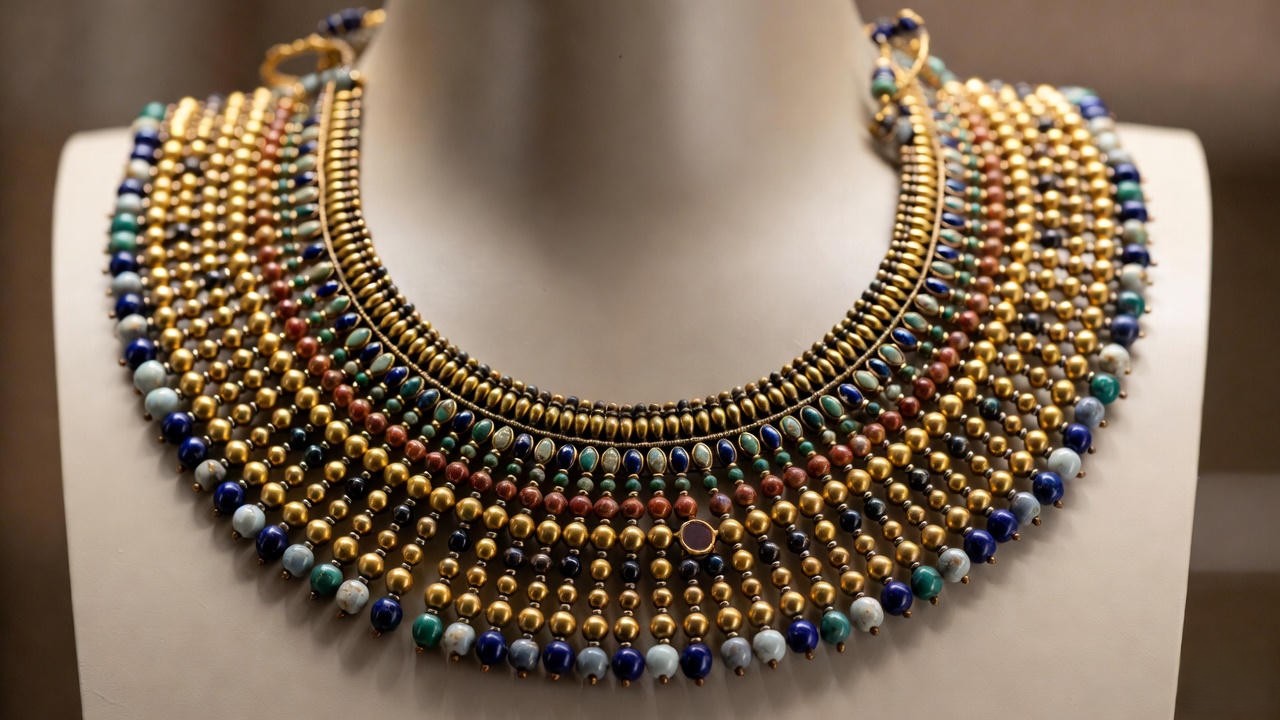
Extended kohl-lined eyes, red ochre on lips and cheeks, and henna patterns on hands and feet completed the look. Handheld props such as feather fans, lotus flowers, or alabaster unguent jars reinforced the Egyptian exoticism Shakespeare’s audience craved.
Expert Tip: Avoiding Common Mistakes The iconic 1963 Elizabeth Taylor film popularized a heavily bejeweled, glamorous look with elaborate winged eye makeup and flowing capes. While visually spectacular on screen, this style is largely 20th-century fantasy. For Shakespearean productions, prioritize lighter, more breathable draping that permits full physical expression and clear visibility under stage lighting.
Designing an Authentic Julius Caesar Costume
Caesar appears directly in Shakespeare’s Julius Caesar and in historical flashbacks in some modern adaptations of Antony and Cleopatra. His costume must project authority, military prowess, and republican dignity.
Roman Senatorial and Triumphal Attire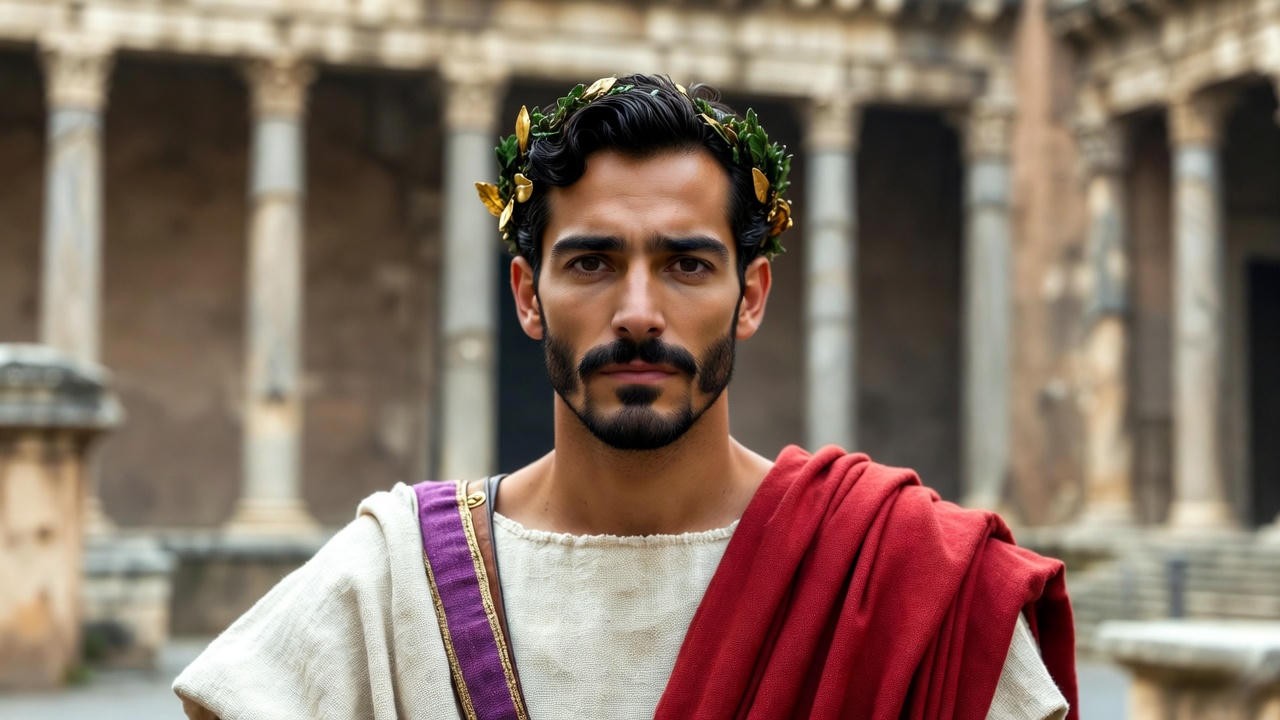
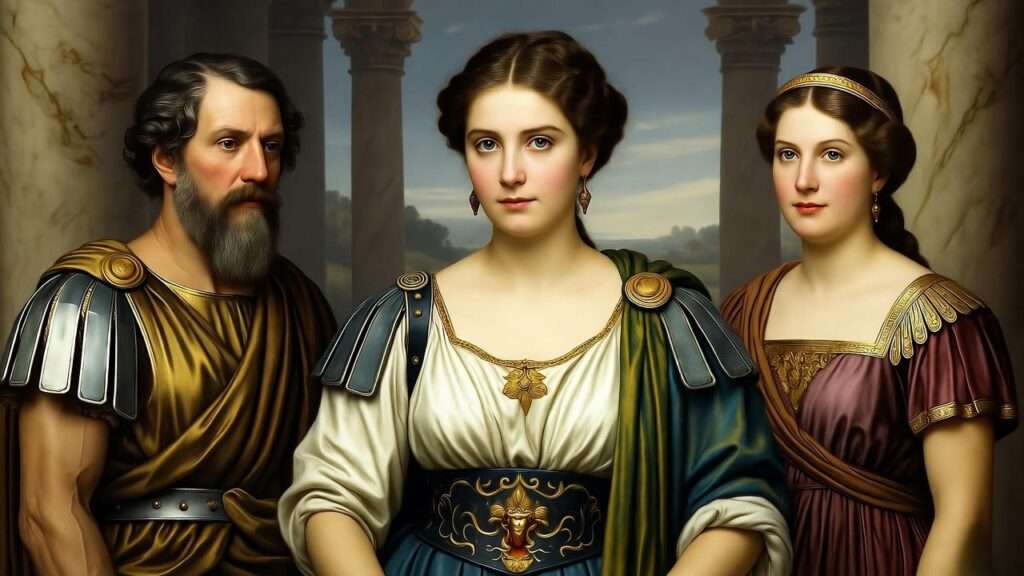
- Toga: Everyday senatorial dress was the toga praetexta—pure white wool with a purple border. For triumphs (which Caesar celebrated multiple times), the extremely rare toga picta was used: fully purple or heavily embroidered with gold thread.
- Tunica: Worn beneath the toga, a white tunica with broad purple vertical stripes (laticlavus) denoting senatorial rank.
Military Influences
- A scarlet paludamentum (general’s cloak) fastened at one shoulder for campaign references.
- Optional lorica musculata (molded cuirass imitating muscular torso) for dramatic battle scenes.
- Laurel wreath crown, which Caesar reportedly wore constantly in later years to disguise thinning hair.
Footwear and Accessories
- Closed red or brown senatorial calcei shoes with straps.
- Signet rings, rolled scrolls as symbols of statesmanship, or a ceremonial dagger (pugio).
Historical Note: Suetonius records that Caesar was particularly sensitive about his baldness and often combed remaining hair forward from the back—a subtle human detail that actors can incorporate for added depth.
Adapting Historical Designs for the Shakespearean Stage
Shakespeare’s original productions at the Globe relied heavily on sumptuous costumes to evoke foreign locales, since scenery was minimal or nonexistent.
Elizabethan Staging Constraints and Opportunities
In Shakespeare’s era, boy actors played female roles, so Cleopatra’s gowns needed to enhance youthful frames while projecting mature regal femininity. Modern directors must balance historical research with theatrical impact—ensuring costumes are instantly readable from the uppermost gallery under variable lighting.
Practical Considerations for Performers
- Mobility: Draped fabrics must allow dynamic movement, especially for Cleopatra’s barge entrance and suicide.
- Multiple looks: Cleopatra changes costume frequently to illustrate her “infinite variety”—plan for quick, quiet changes backstage.
- Modern requirements: Breathable fabrics for long performances, hidden microphone packs, and secure fastenings.
- Inclusivity: Designs adaptable for gender-blind, diverse, or non-traditional casting while retaining period flavor.
Notable Stage Interpretations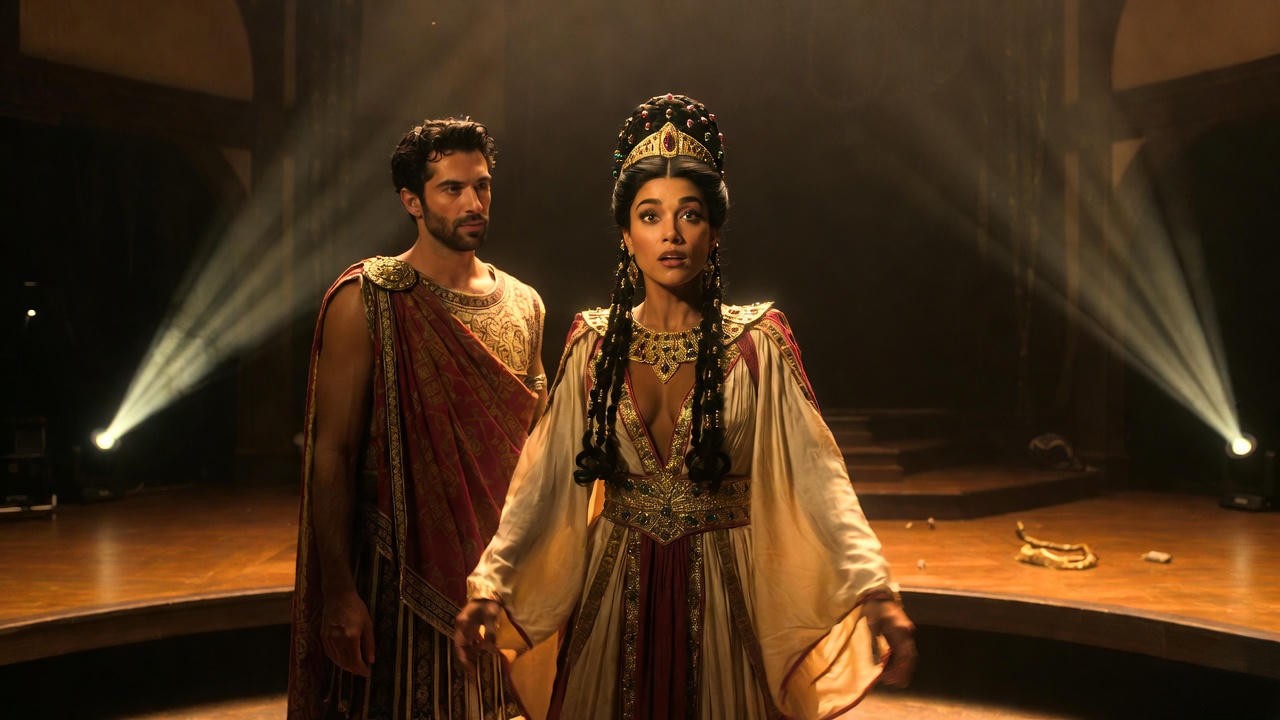
Professional productions provide invaluable lessons:
- RSC 2017 (directed by Iqbal Khan, starring Josette Simon as Cleopatra): Rich textured fabrics blending subtle Egyptian motifs with flowing drapery that supported intense emotional range.
- Shakespeare’s Globe productions: Often favor vibrant color palettes and lighter draping suited to the thrust stage and natural daylight performances.
- National Theatre and earlier RSC versions: Frequently emphasize gold and jewel tones to underscore imperial opulence described in Enobarbus’ speech.
These examples demonstrate how leading designers translate historical research into costumes that serve Shakespeare’s poetry rather than overwhelm it.
DIY vs. Professional Costume Options
Budget-Friendly DIY Ideas
- Cleopatra base dress: Start with a white linen or cotton bedsheet, pleat vertically, and drape as a kalasiris secured with gold cord or ribbon.
- Caesar toga: A large white cotton sheet draped over a tunic-length shirt; add purple fabric paint or ribbon for senatorial border.
- Accessories: Craft broad collars from cardboard covered in gold foil, bead necklaces from craft stores, and laurel wreaths from artificial leaves.
Step-by-step tips:
- Measure twice—draping requires generous fabric length.
- Use hidden safety pins or discreet stitching for security during performance.
- Add metallic fabric paint or trim for convincing “gold” accents on a budget.
Where to Buy or Rent Authentic Reproductions
- Theatrical suppliers: Companies specializing in historical costume rental (e.g., UK-based Cosprop or US-based Norcostco) offer period-accurate pieces.
- Museum replica jewelry: Shops associated with the British Museum or Metropolitan Museum of Art sell well-researched Ptolemaic and Roman accessories.
- Custom designers: Many freelance costume makers who collaborate with regional Shakespeare festivals can create bespoke items tailored to your production’s vision.
Frequently Asked Questions (FAQ)
What did Cleopatra really look like? Surviving coin portraits and marble busts depict Greek-Macedonian features with a strong profile, hooked nose, and determined expression—far removed from modern glamorous ideals.
Can I wear a full purple toga as Caesar if I’m not portraying his triumph? Historically, solid purple was reserved exclusively for triumphal occasions; a white toga with purple border is more accurate for everyday senatorial appearances.
How do I make a Cleopatra costume suitable for outdoor Shakespeare festivals? Choose lightweight, breathable natural fabrics and secure all draping against wind with hidden weights or discreet fastenings.
Are asp armbands appropriate for Cleopatra’s entrance scenes? Reserve the asp imagery for Act 5; earlier appearances should emphasize luxury and vitality rather than foreshadow death.
What colors are most historically accurate for Cleopatra’s wardrobe? White linen as base, accented with Tyrian purple, crimson red, royal blue, and extensive gold.
How to adapt these costumes for school or community theater on a budget? Focus investment on versatile draping and standout accessories—simple base fabrics can be transformed dramatically with trim, jewelry, and confident performance.
Creating Cleopatra and Julius Caesar costumes that blend historical authenticity with Shakespearean theatricality produces unforgettable stage moments. From Ptolemaic pleats and broad collars to Roman togas and laurel wreaths, thoughtful design choices allow actors to fully embody the passion, power, and tragedy Shakespeare envisioned.
Whether you are a professional director seeking scholarly depth, a community theater volunteer working with limited resources, or an educator bringing ancient history to life, prioritize fabrics that move with the performer and details that illuminate the text. Great costumes do not merely clothe characters—they become active partners in telling one of the greatest love stories in dramatic literature.