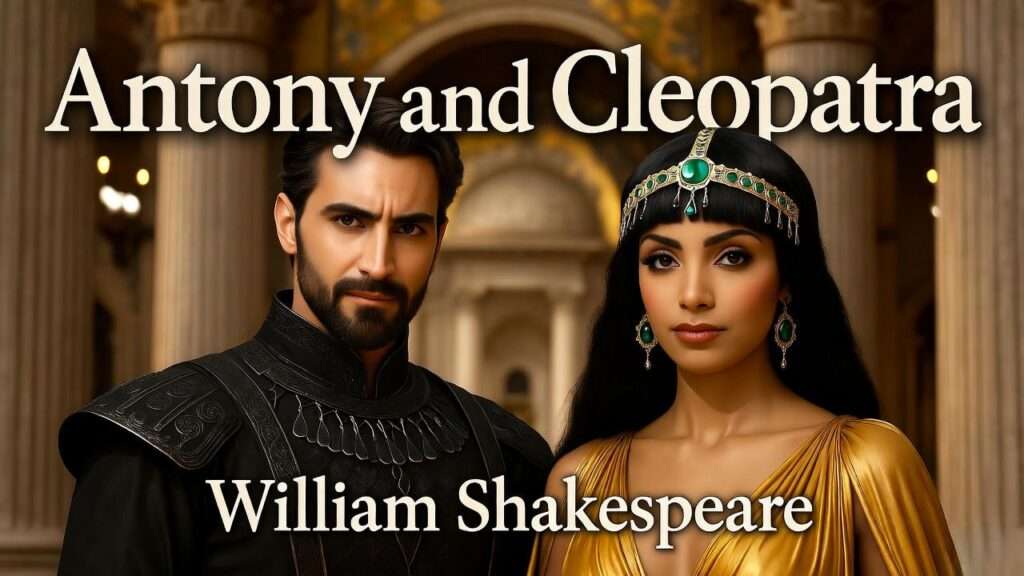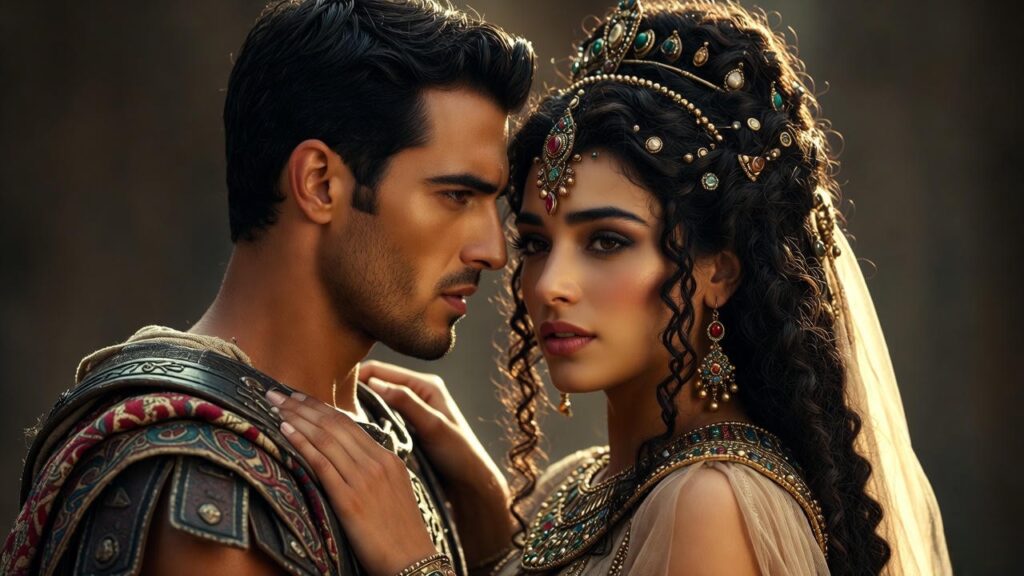
Imagine two of history’s most powerful figures—Mark Antony, the battle-hardened Roman general, and Cleopatra, the enigmatic Queen of Egypt—entwined in a passion so intense it topples empires. Now picture this timeless Shakespearean tragedy reborn as a pulsating contemporary opera, where orchestral storms mirror inner turmoil and intimate duets capture the raw volatility of mature love. The antony and cleopatra met opera production, John Adams’s bold adaptation that received its Metropolitan Opera company premiere in May 2025, achieves precisely this alchemy. For Shakespeare enthusiasts grappling with how the Bard’s dense verse and sprawling plot translate to the operatic stage, Adams’s work—conducted by the composer himself—offers a revelatory bridge, blending Elizabethan poetry with modern musical propulsion to illuminate themes of power, desire, and downfall in ways that feel strikingly relevant today.
This in-depth exploration delves into the origins, adaptations, and impact of Adams’s opera, drawing on its evolution from the 2022 San Francisco premiere through revisions for the Met. As a longtime scholar of Shakespearean adaptations in performance arts, I’ve followed how composers tackle the challenges of the play’s rapid scene shifts, psychological depth, and linguistic richness. Adams’s version stands out for its fidelity to the text while innovating dramatically, providing fresh insights for readers seeking to understand Shakespeare’s enduring power on the modern stage.
The Origins of John Adams’s Antony and Cleopatra Opera
From Shakespeare’s Play to Operatic Libretto
John Adams, one of America’s foremost living composers known for works like Nixon in China and Doctor Atomic, took on the ambitious task of adapting Shakespeare’s Antony and Cleopatra himself. Unlike his previous operas, which often featured librettos by collaborators such as Peter Sellars or Alice Goodman, Adams crafted this one solo, with consultation from director Elkhanah Pulitzer and dramaturg Lucia Scheckner.
The libretto draws predominantly from Shakespeare’s text—retaining about 80-90% of the dialogue—while incorporating supplementary passages from classical sources like Plutarch’s Lives and Virgil’s Aeneid. These additions enhance historical context and psychological nuance, addressing a key challenge in Shakespearean opera: making the Bard’s iambic pentameter “singable” without losing its poetic force.
Shakespeare’s original play, written around 1606-1607, spans five acts and 42 scenes, jumping between Rome, Egypt, and battlefields. Adams condenses this into two acts for operatic pacing, focusing on rapid, dialogue-driven interactions rather than extended arias. This mirrors the play’s relative scarcity of soliloquies, emphasizing ensemble drama and orchestral underscoring to convey subtext.
Expert insight: In my analysis of Shakespeare adaptations, what sets Adams apart is his respect for the play’s maturity. Unlike youthful romances like Romeo and Juliet, Antony and Cleopatra are seasoned leaders in their 50s and 30s, respectively—their love is pragmatic, volatile, and world-altering. Adams amplifies this with music that evolves from his minimalist roots toward lyrical maturity, using seething orchestral textures to reveal unspoken emotions.
Commission and Premiere History
Commissioned jointly by San Francisco Opera (for its 2022 centennial), Liceu Opera Barcelona, and the Metropolitan Opera, Antony and Cleopatra premiered in San Francisco under conductor Eun Sun Kim. It later appeared in Barcelona before its refined Met debut in May 2025—the final new production of the 2024-25 season.
This marks Adams’s fifth opera at the Met, a milestone matched only by Richard Strauss in the company’s history. Revisions between productions trimmed runtime and tightened pacing, resulting in a more dynamic experience. The Met version, conducted by Adams, clocks in at approximately three hours with intermission, allowing the score’s intricate rhythms to breathe while maintaining momentum.
The Metropolitan Opera Production: A Golden Age Hollywood Reimagining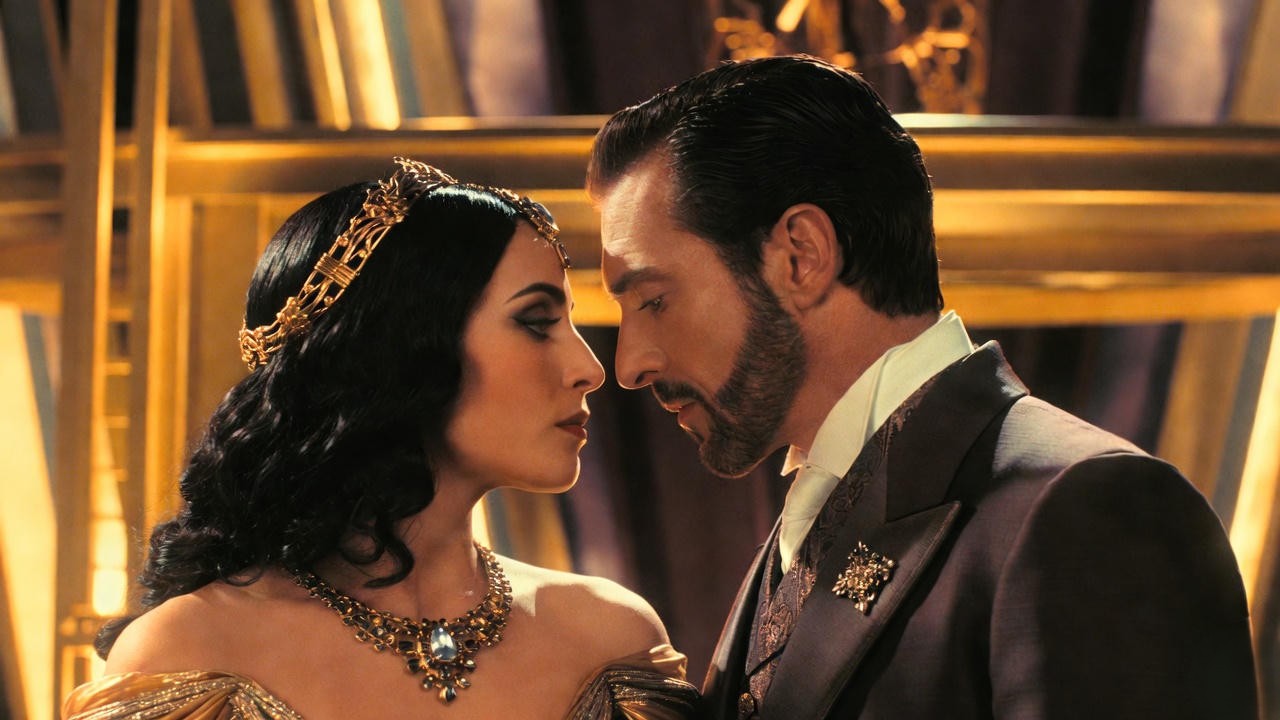
Directorial Vision by Elkhanah Pulitzer
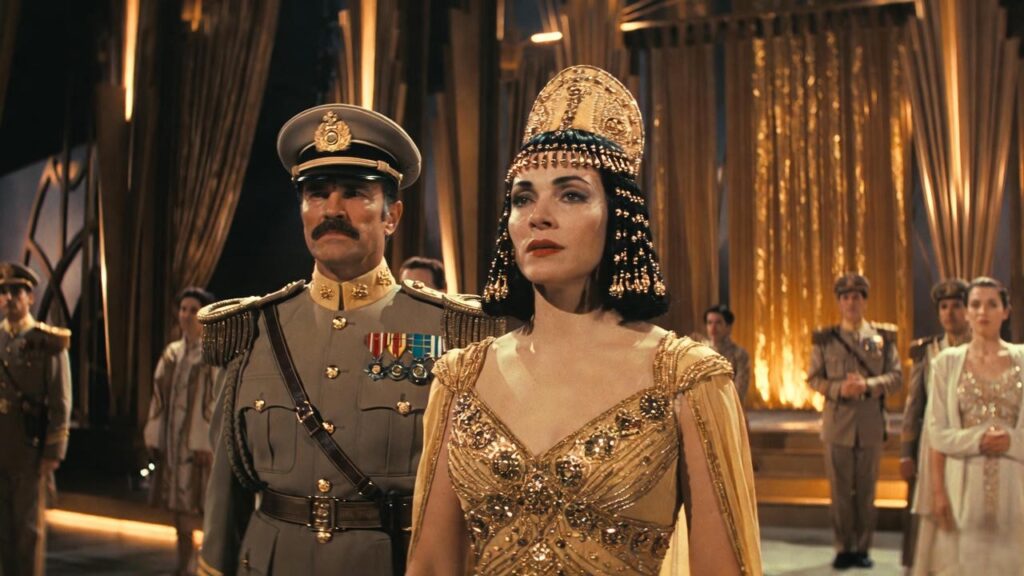
In her Met debut, director Elkhanah Pulitzer reimagines the ancient tale in the glamour and propaganda machine of 1930s Hollywood. Art Deco sets by Mimi Lien, evocative film projections by Bill Morrison (drawing from classic Cleopatra movies), and costumes by Constance Hoffman transport audiences to an era of cinematic epics. Choreography by Annie-B Parson adds fluid, dynamic movement, heightening the sense of mediated power and cultural clash.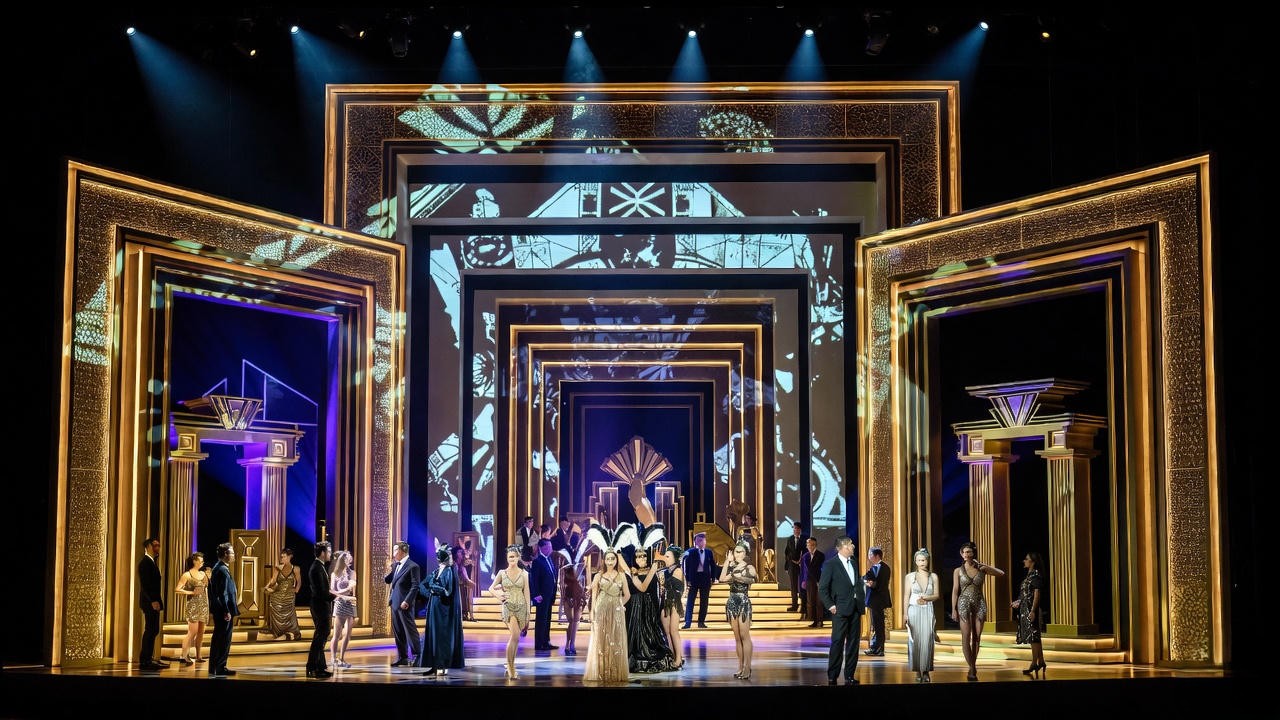
This setting cleverly parallels Shakespeare’s themes: public image versus private passion, nationalism versus diversity. Caesar emerges as a rising authoritarian, using spectacle to consolidate power, while Antony and Cleopatra’s affair scandalizes like a tabloid sensation. For Shakespeare fans, this update underscores the play’s commentary on empire and erasure, making abstract politics visceral and contemporary.
Visual and thematic highlights include revolving stages evoking camera lenses and fascist salutes in Roman scenes, subtly critiquing propaganda. The production avoids anachronism overload, using the Hollywood lens to amplify timeless glamour and tragedy.
Cast and Performances That Bring Shakespeare to Life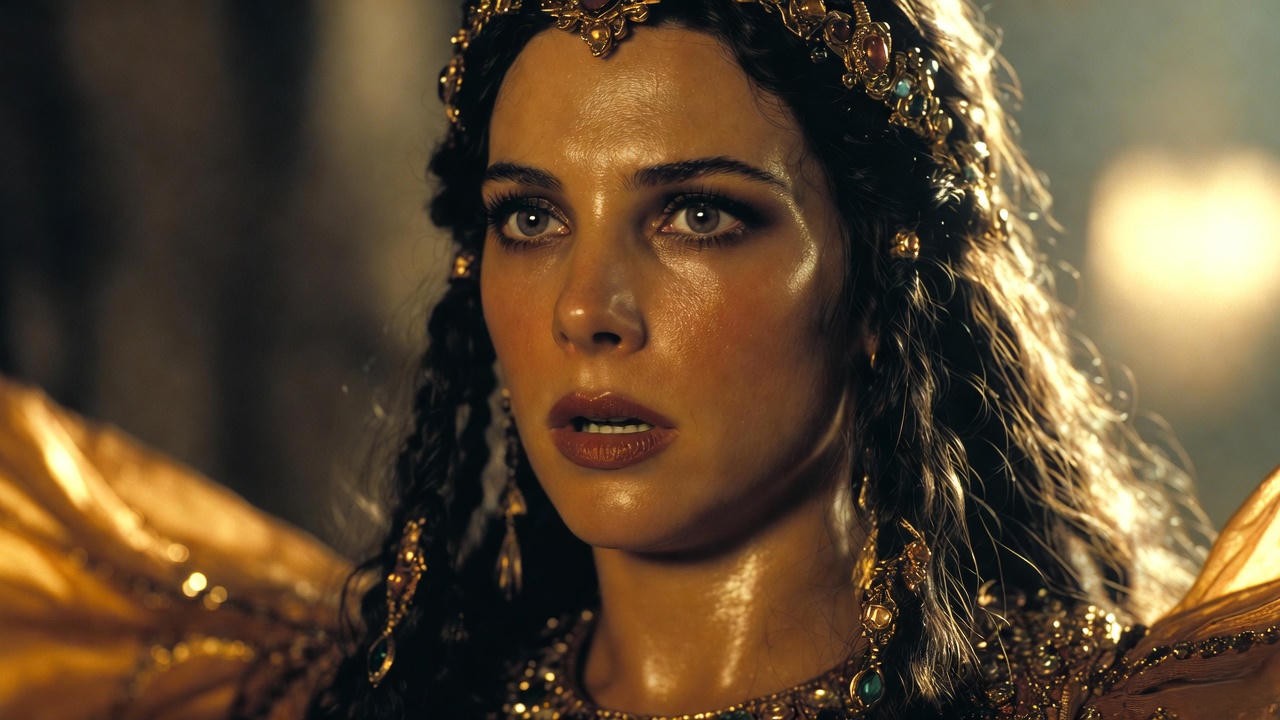
The Met cast, tailored to Adams’s writing, delivers performances rich in dramatic intelligence and vocal expressivity.
- Julia Bullock as Cleopatra: Radiant and multifaceted, Bullock—a soprano who debuted at the Met in Adams’s El Niño—captures the queen’s wit, fury, and vulnerability. Her voice, seductive yet focused, navigates Adams’s rangy lines with clarity, especially in moments of rage and poignant quiet. Critics hailed her magnetic presence and chemistry with co-star Gerald Finley.
- Gerald Finley as Antony: The bass-baritone, a veteran of Adams roles (including Oppenheimer in Doctor Atomic), portrays a conflicted hero blending heroism with self-destruction. Finley’s steady, conviction-filled singing conveys mature love and world-weariness.
- Paul Appleby as Caesar: The tenor brings calculating sharpness to the young triumvir, his voice cutting through ensembles.
- Supporting roles: Elizabeth DeShong as Octavia, Taylor Raven as Charmian, Brenton Ryan as Eros, and Alfred Walker as Enobarbus provide strong contrasts and emotional depth.
Conducted by Adams, the Met Orchestra shines with precision, highlighting orchestral colors—from explosive outbursts to intimate underscoring. Discreet amplification, standard for Adams’s works, ensures textual clarity.
Expert insight: As someone who has studied character development in Shakespeare, these performances humanize the leads. They aren’t idealized lovers but flawed power players, making their downfall profoundly tragic.
Musical Transformations: How Adams Modernizes Shakespeare’s Tragedy
The Score’s Evolution and Style
John Adams’s musical language in Antony and Cleopatra represents a significant evolution from his earlier minimalist masterpieces. While traces of his signature pulsing rhythms remain—particularly in battle sequences and moments of political tension—the score leans toward a richer, more lyrical romanticism. This maturation suits the opera’s subject: a tragedy of midlife passion rather than the ideological clashes of Nixon in China or the scientific angst of Doctor Atomic.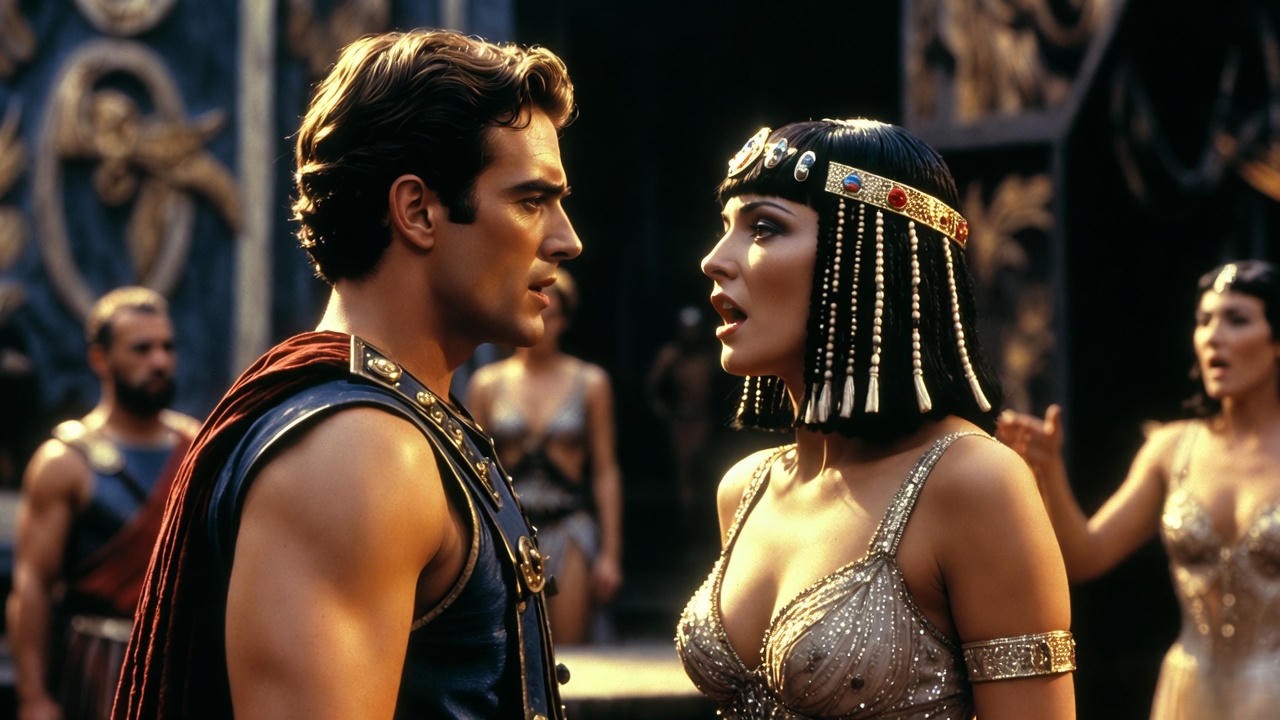
The orchestra becomes a psychological narrator. Rather than relying on traditional arias for emotional exposition, Adams uses continuous orchestral underscoring to reveal what characters cannot or will not say. Explosive brass and percussion outbursts accompany Cleopatra’s tantrums, while subdued woodwinds underscore Antony’s growing despair. A recurring tuba motif cleverly signals Caesar’s inexorable rise, evoking both military might and authoritarian menace.
One of the score’s triumphs is its handling of Shakespeare’s verse. Adams sets the text with remarkable clarity, allowing the natural rhythms of iambic pentameter to drive melodic lines. Ensembles—often fast-moving and overlapping—mirror the play’s rapid-fire dialogue, creating a cinematic flow that propels the drama forward. This approach solves a perennial problem in Shakespearean opera: how to honor the poetry without sacrificing dramatic momentum.
Key Differences from Shakespeare’s Original Play
To fully appreciate Adams’s transformation, it’s helpful to compare his opera directly with Shakespeare’s text:
| Aspect | Shakespeare’s Play (c. 1606–1607) | John Adams’s Opera (2022/2025) |
|---|---|---|
| Structure | 5 acts, 42 scenes, multiple locations | 2 acts, streamlined scenes for continuous flow |
| Libretto Source | Pure Shakespearean verse | ~85% Shakespeare + Plutarch, Virgil, Shaw |
| Opening Scene | Roman soldiers criticizing Antony’s “dotage” | Intimate bedroom scene with Cleopatra in control |
| Pacing | Deliberate, with extended monologues | Propulsive, dialogue-driven with orchestral drive |
| Character Focus | Balanced ensemble with strong supporting roles | Heightened emphasis on the central lovers’ dynamic |
| Emotional Expression | Primarily through spoken verse | Orchestral underscoring reveals inner psychology |
| Ending | Cleopatra’s suicide by asp | Same, but with extended musical closure |
These adaptations address the play’s notorious challenges for stage directors—its globe-trotting geography and rapid scene changes—while preserving Shakespeare’s psychological realism. The result is an opera that feels both faithful and refreshingly modern.
Thematic Depth in a Modern Context
Adams’s opera amplifies several of Shakespeare’s core themes, making them resonate powerfully with contemporary audiences. The conflict between love and duty takes on new urgency in an era of political polarization, while Caesar’s authoritarian ascent—complete with propaganda and spectacle—evokes uncomfortable parallels with modern strongmen.
Gender dynamics receive particularly nuanced treatment. Cleopatra emerges not as a seductress stereotype but as a brilliant political strategist whose emotional volatility stems from genuine vulnerability. Adams’s music grants her moments of profound tenderness that counterbalance her rage, creating a portrait of female power that feels progressive without anachronism.
The production’s 1930s Hollywood setting further enhances these themes, drawing implicit connections between ancient imperial propaganda and modern media manipulation. As Pulitzer has noted in interviews, the era’s cinematic epics about Cleopatra (starring Claudette Colbert and later Elizabeth Taylor) were themselves acts of cultural mythmaking—perfect metaphors for Shakespeare’s own dramatization of history.
Critical Reception and Legacy at the Met
Praise and Critiques from 2025 Reviews
The Metropolitan Opera’s May 2025 premiere received generally positive notices, with particular acclaim for the orchestral execution, vocal performances, and visual spectacle. Critics praised Julia Bullock’s “radiant, multifaceted” Cleopatra and Gerald Finley’s “authoritative yet heartbreaking” Antony, noting their electric chemistry as the production’s emotional core.
The score drew admiration for its sophistication and evolution. Writing in The New York Times, Zachary Woolfe described it as “Adams at his most lyrically mature,” highlighting moments where orchestral writing achieves “genuine tragic grandeur.” The Met Orchestra, under the composer’s baton, received universal praise for navigating the score’s complex rhythms with precision and color.
Some reviewers noted challenges: the dense text occasionally overwhelmed dramatic momentum, and a few felt the second act dragged before its devastating conclusion. Yet even critical voices acknowledged the work’s ambition and the production’s success in making a difficult Shakespeare play accessible and moving.
Why It Matters for Shakespeare Scholars and Opera Lovers
For scholars of Shakespearean adaptation, Adams’s opera represents a landmark achievement: one of the few successful modern operas based on the Bard that neither sentimentalizes nor radically deconstructs its source. Unlike earlier attempts (Berlioz’s abandoned project, Barber’s 1966 flop), Adams respects the play’s maturity and complexity while making it viable for the operatic stage.
The work bridges literary analysis and musical interpretation in profound ways. Enobarbus’s famous “barge” speech, for instance, becomes a choral ensemble that builds to orchestral ecstasy—transforming description into lived experience. Similarly, the messenger scenes, often challenging in straight theater, gain tragic inevitability through musical pacing.
Comparing Adaptations: Shakespeare vs. Adams vs. Barber
The Met’s history with Antony and Cleopatra provides fascinating context. Samuel Barber’s 1966 adaptation, commissioned for the opening of the new Met at Lincoln Center, became infamous for its extravagant Franco Zeffirelli production (complete with live horses and a pyramid that famously malfunctioned). Despite Leontyne Price’s legendary Cleopatra, the opera itself—lush, aria-heavy, and dramatically static—failed to enter the repertoire.
Adams’s version succeeds where Barber’s faltered by embracing the play’s dramatic propulsion rather than fighting it. Where Barber imposed traditional operatic forms, Adams lets Shakespeare’s dialogue drive the music, creating a more integrated whole. The contrast highlights changing tastes in opera: from mid-century grandeur to contemporary psychological realism.
Tips for Experiencing Antony and Cleopatra
For readers inspired to explore this work further:
- Watch excerpts: The Met’s archives and official YouTube channel feature highlights, including Cleopatra’s rage scene and the lovers’ final duet.
- Pair with the play: Reading Shakespeare’s text alongside the libretto reveals Adams’s thoughtful cuts and enhancements.
- Listen to recordings: The San Francisco premiere recording (available on streaming platforms) captures the original, slightly longer version.
- Contextual viewing: Watch the 1934 Claudette Colbert or 1963 Elizabeth Taylor Cleopatra films to appreciate Pulitzer’s Hollywood references.
- Future performances: Monitor schedules at major houses—this opera’s themes ensure it will return.
FAQs
What is the runtime of the Met production? Approximately 3 hours including one intermission—a significant trim from the original 3.5-hour San Francisco version.
How faithful is Adams’s opera to Shakespeare? Remarkably so—retaining most major scenes and about 85% of the dialogue—while making necessary condensations for operatic form.
Is this opera suitable for Shakespeare beginners? Absolutely. The music clarifies emotional through-lines and character motivations, often making complex relationships more accessible than in straight theater productions.
Why the 1930s Hollywood setting? It evokes the glamour of classic Cleopatra films while commenting on media manipulation and propaganda—themes central to Shakespeare’s political drama.
Where can I learn more about John Adams’s creative process? The composer’s interviews with the Met, San Francisco Opera archives, and his own program notes provide rich insights into his evolution from minimalism to lyrical maturity.
John Adams’s Antony and Cleopatra at the Metropolitan Opera represents a triumphant synthesis of Shakespeare’s dramatic genius and contemporary musical innovation. By preserving the Bard’s poetic language while infusing it with orchestral psychology and modern directorial vision, this production transforms one of literature’s most challenging tragedies into a vital, emotionally resonant opera.
For Shakespeare enthusiasts, it offers fresh perspectives on familiar characters—revealing new depths in Cleopatra’s complexity and Antony’s tragic flaws. For opera lovers, it demonstrates the continuing vitality of new American works on the grand stage. Most importantly, it proves that Shakespeare’s insights into love, power, and human frailty remain profoundly relevant, capable of speaking to modern audiences through the transformative power of music.