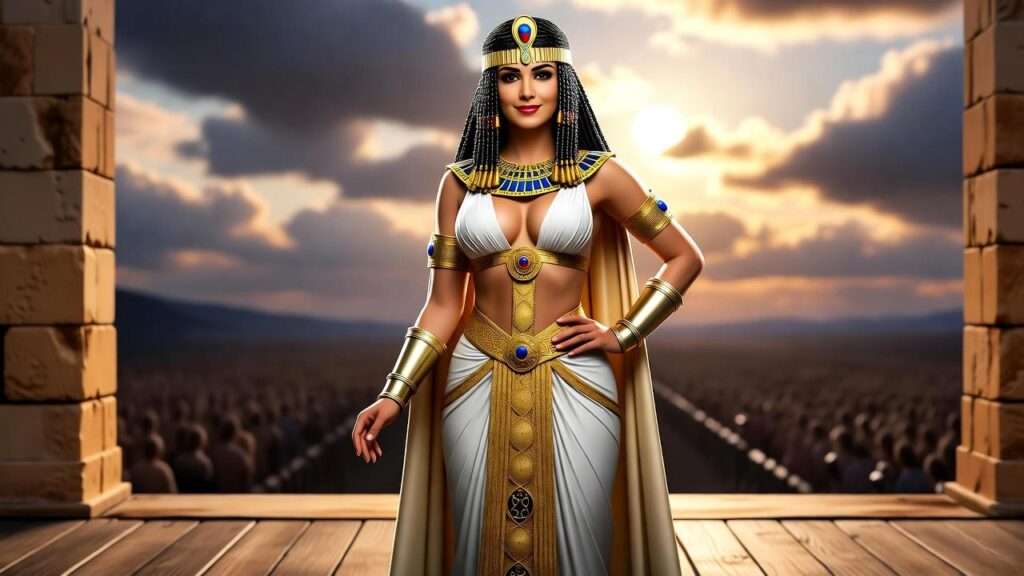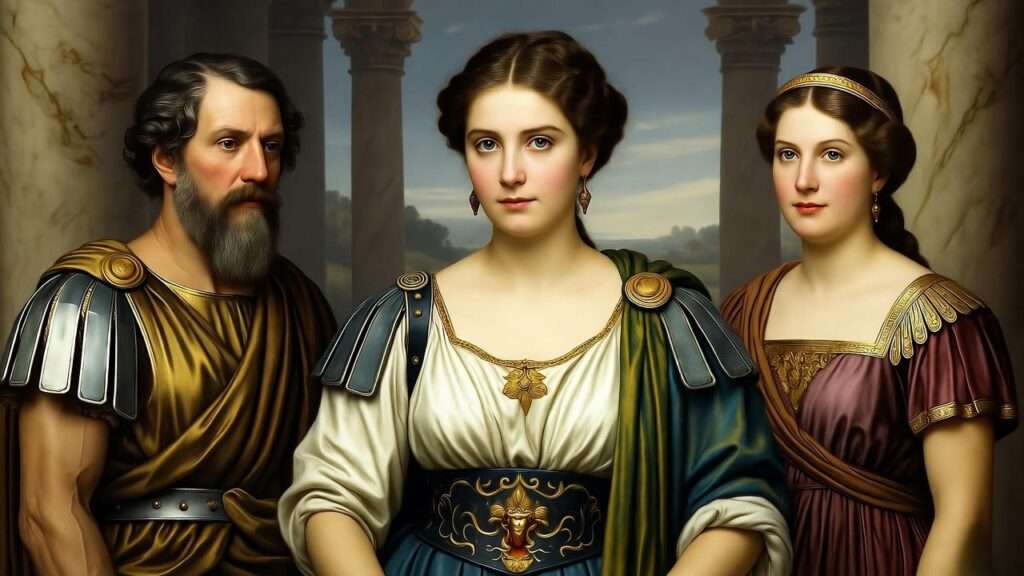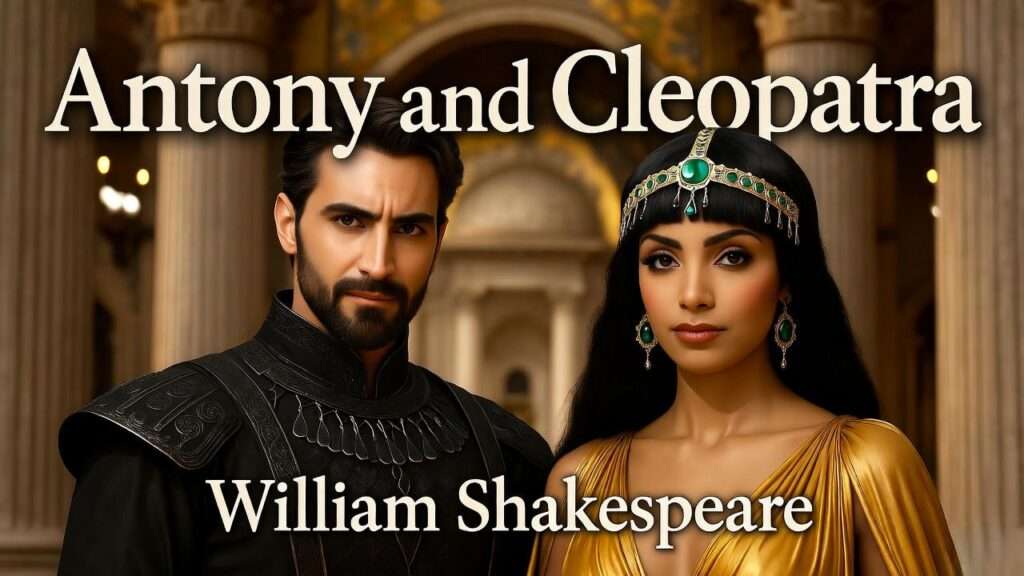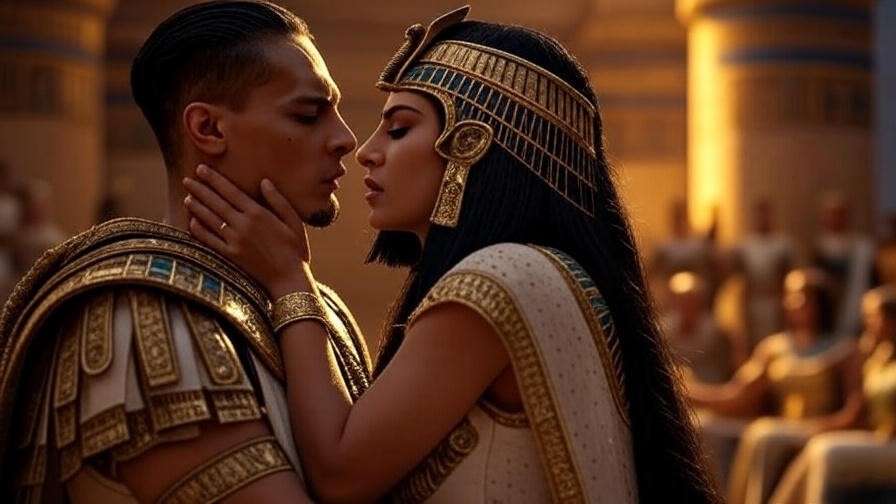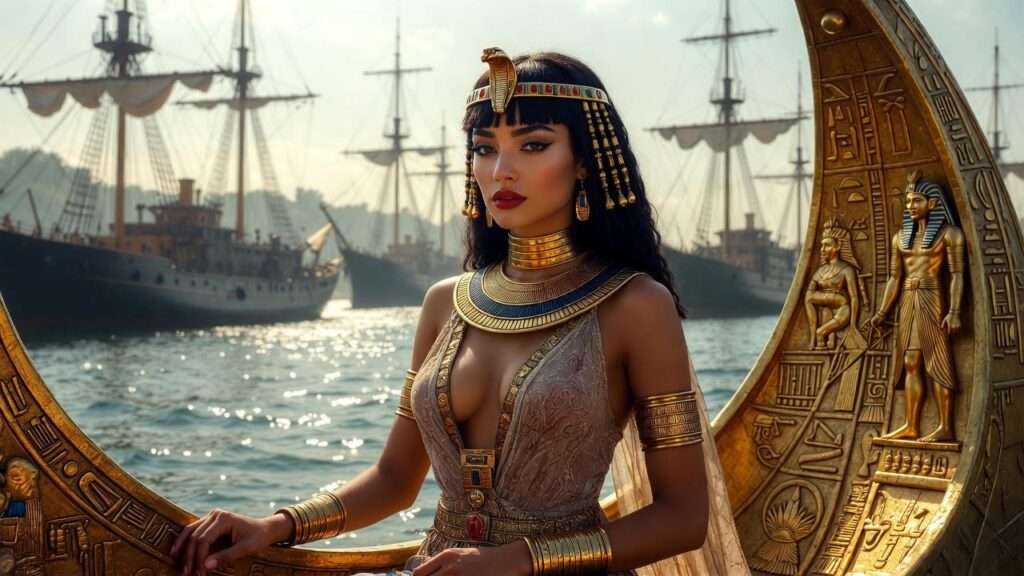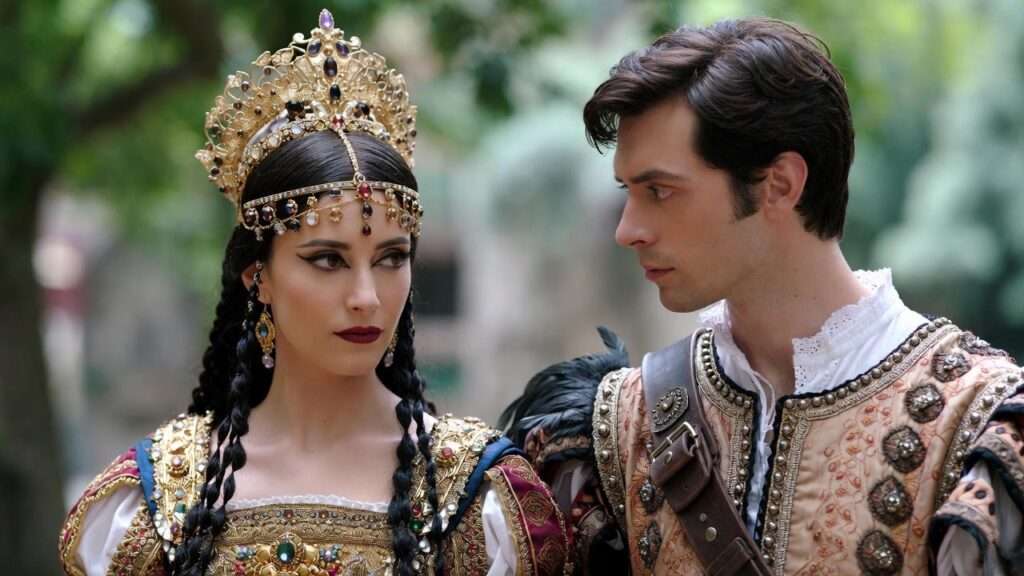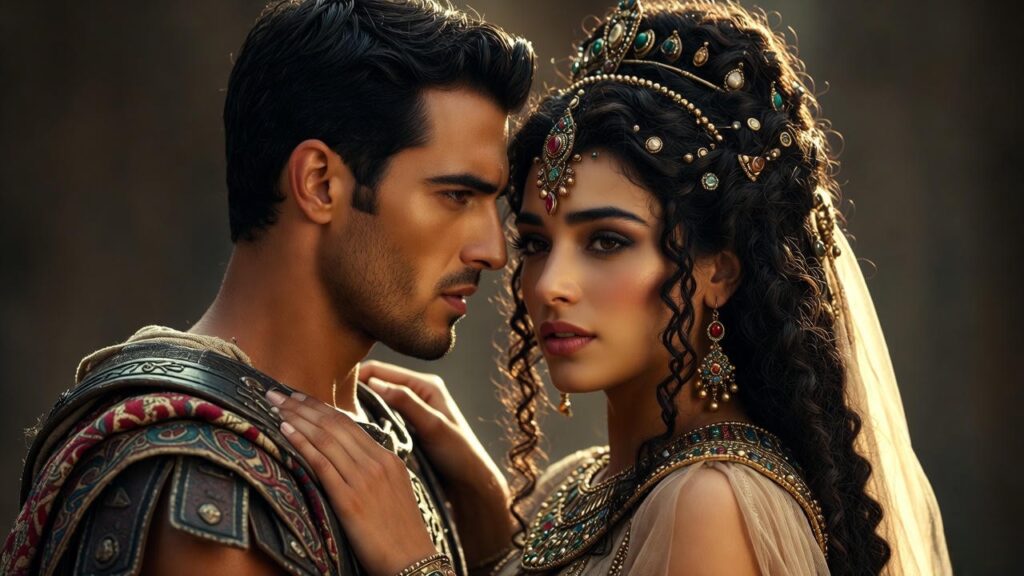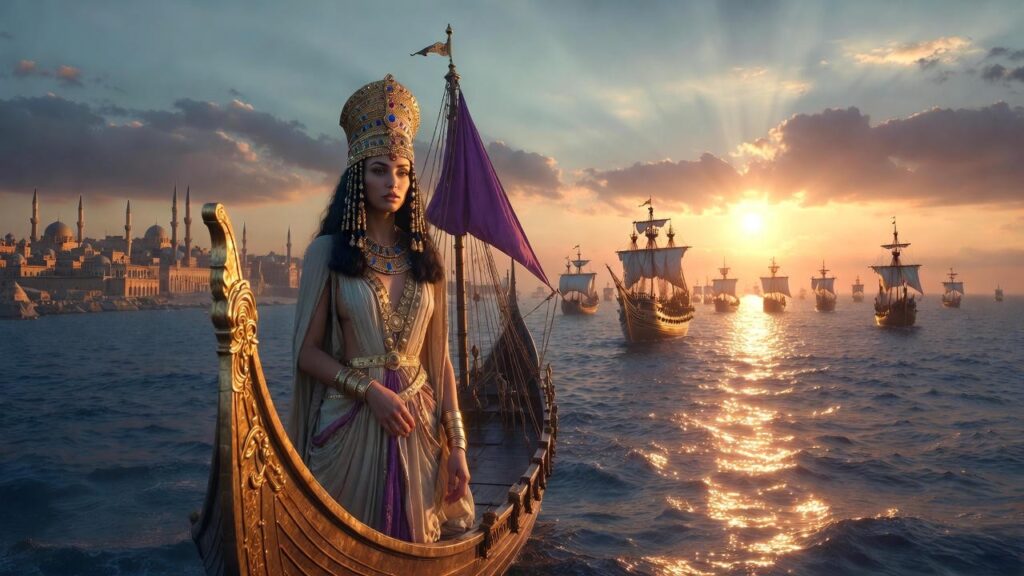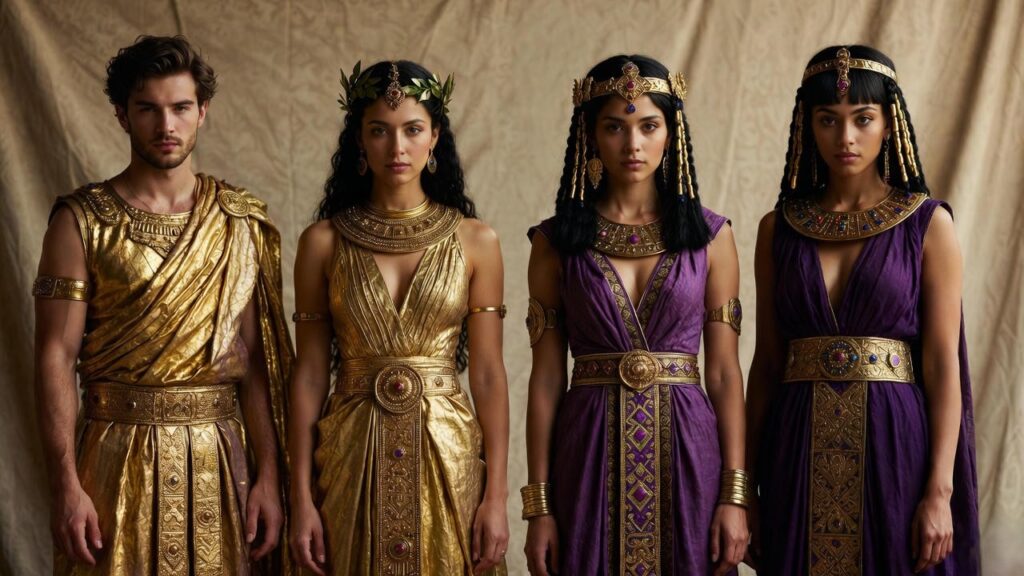
“The barge she sat in, like a burnish’d throne, / Burn’d on the water: the poop was beaten gold; / Purple the sails, and so perfumed that / The winds were love-sick with them…” (Act 2, Scene 2). Enobarbus’s poetic evocation of Cleopatra’s majestic arrival on the River Cydnus isn’t just vivid imagery—it’s a blueprint for the opulent, seductive Antony and Cleopatra costumes that have captivated audiences for centuries. If you’re a theater director mounting a production, a couple plotting a standout Halloween ensemble, a student tackling a Shakespearean cosplay project, or an enthusiast recreating the play’s tragic romance for a themed event, this guide delivers authentic, text-inspired ideas that transcend generic Roman togas or Hollywood glamour. Drawing from Shakespeare’s own words, Plutarch’s historical influences, and landmark productions like the Royal Shakespeare Company’s 1972 staging and the National Theatre’s 2018 revival, we’ll provide practical, budget-friendly options to embody the play’s explosive clash of worlds: Rome’s austere duty versus Egypt’s sensual excess.
This isn’t surface-level advice—it’s a skyscraper resource built on scholarly analysis (e.g., Gordon P. Jones on gender-fluid dress swaps), costume designer insights (from Ann Curtis to Evie Gurney), and real-world staging history. Whether prioritizing Elizabethan practicality, Ptolemaic Hellenistic accuracy, or modern interpretive flair, these Shakespeare costumes solve your core challenges: sourcing materials, ensuring stage mobility, coordinating couples’ looks, and infusing symbolism without veering into anachronistic clichés. By the end, you’ll have step-by-step DIY tutorials, supplier recommendations, and pro tips to make your Antony and Cleopatra outfits as “infinite in variety” as the queen herself.
Understanding the Symbolism of Costumes in Shakespeare’s Antony and Cleopatra
In Antony and Cleopatra, wardrobe isn’t mere decoration—it’s a narrative engine propelling themes of transformation, cultural collision, and erotic power. Shakespeare, influenced by Thomas North’s 1579 translation of Plutarch’s Lives, amplifies clothing to mirror the protagonists’ internal fractures: Antony’s slide from Roman triple pillar to “strumpet’s fool” (1.1.13), Cleopatra’s divine “infinite variety” (2.2.242). As scholar Phyllis Rackin notes in “Shakespeare’s Boy Cleopatra,” costumes underscore gender fluidity, evoking Elizabethan boy actors in female roles and foreshadowing the lovers’ boundary-blurring passion.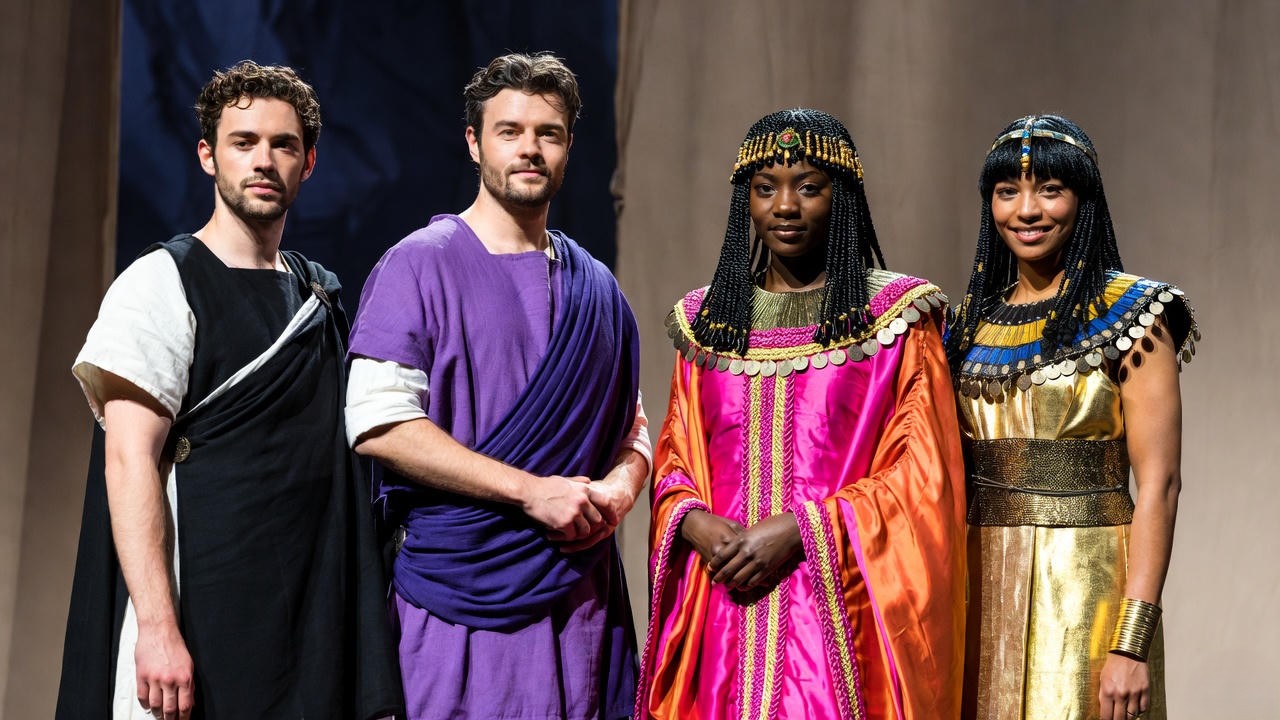
Rome vs. Egypt: Contrasting Worlds Through Clothing
Rome embodies restraint: stark togas in white wool (candidus, symbolizing purity), black (luctus for mourning duty), or imperial purple (reserved for triumphators like Antony). Philo’s opening rant—”The triple pillar of the world transform’d / Into a strumpet’s fool” (1.1.12-13)—visually manifests as Antony ditching his lorica segmentata armor for Egyptian silks, his “gypsy’s lust” (1.1.10) eclipsing valor. Productions exploit this: Romans in structured, cool-toned fabrics (blazers, loafers in NT 2018) versus Egypt’s warm, fluid vibrancy—gold, teal, pinks, oranges evoking Nile fertility.
Cleopatra’s “tires and mantles” (1.5.26) and Isis “habits” (3.6.17) signal goddess allure (Isis/Aphrodite), with dress-swap fantasies (2.5.21-24) hinting at original staging where actors exchanged garb for comic-tragic effect. Enobarbus’s barge speech layers sensory excess: perfumed sails translate to beaded, embroidered robes that “o’erpicture” nature. Symbolically, Antony’s “Egyptianization”—bracelets, robes—heralds doom, as Caesar mocks a “squeaking Cleopatra boy [in] th’ posture of a whore” (3.13.108-11), meta-theatrical nod to cross-dressing’s recklessness.
Color theory reigns: Romans’ monochrome enforces hierarchy; Egyptians’ jewel tones (emerald jealousy, gold rebirth) pulse with nature’s fury—Nile floods mirroring lovers’ tempests. Avoid binary pitfalls: blend for Antony’s duality, per Jones, preparing his Actium warrior shift (3.7).
Historical vs. Shakespearean Influences
Cleopatra VII, Ptolemaic Greek (not “ancient Egyptian”), favored chiton chitons, himation cloaks, broad usekh collars (faience/scarabs), and diadems—Hellenistic fusion sans nemes headdresses (pharaonic male). Antony: Republican toga virilis or military pteruges (leather straps). Shakespeare ignores this for poetry; Elizabethan stages used doublets, relying on cues like “buff shirt” (4.14) or “sandals, bracelets.”
Modern designs hybridize: Curtis (RSC 1972) drew Egyptian script motifs sans “slavish accuracy,” prioritizing thematic punch. This flexibility empowers you—prioritize Bard over Britannica for authentic Shakespearean costumes.
Iconic Costume Inspirations from Famous Stage and Screen Productions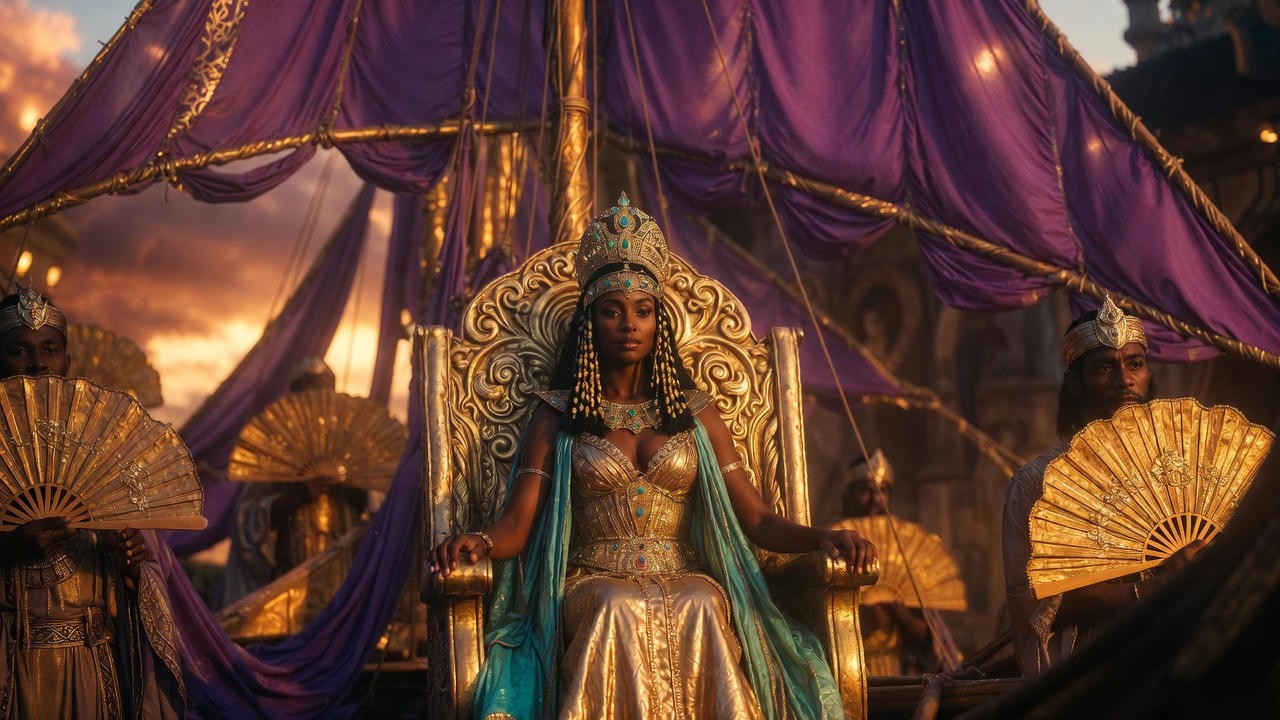
Landmark Antony and Cleopatra outfits from RSC, NT, and film offer blueprints, blending text, history, and director vision. These evolved from 1972’s color-drenched contrast to 2018’s high-fashion fusion, influencing 2024 Globe bilingual staging (BSL/English) with minimalist versatility.
Royal Shakespeare Company Productions (e.g., 1972 Trevor Nunn/Ann Curtis)
Trevor Nunn and Buzz Goodbody’s RSC 1972 (restaged Aldwych 1973, televised 1974 with Janet Suzman/Richard Johnson) set the gold standard. Ann Curtis’s designs pitted “men in grey suits” Romans—stark black/white/purple togas—for discipline against Egypt’s “allure of magic”: pinks, mauves, oranges in silk jersey gowns, hand-stitched gold braids evoking hieroglyphs. Cleopatra’s combat armor: metal discs on special thread for mobility (maker Jean Hinton recalled challenges). Antony: buff shirts, robes transitioning to “Egyptian” luxury. Critics praised visual dichotomy (Charles Lewsen, The Times); influences linger in 2017 Iqbal Khan (Josette Simon: vibrant minimalism).
National Theatre (2018 Ralph Fiennes/Sophie Okonedo, Designer Evie Gurney)
Simon Godwin’s Olivier spectacle (NT Live) modernized via Evie Gurney’s couture (ex-Alexander McQueen). Okonedo’s 20+ changes channeled “high fashion” icons—Beyoncé’s Lemonade yellow ruffles/billowing sleeves for empowerment; Grecian drapery, green velvet beetle-embroidered robes, teal silks, gold organza capes. Romans: Italianate blazers/loafers (no socks), tailored dresses/heels (Katy Stephens’ Agrippa). Fiennes’ Antony: swirled shirts/prayer beads, crepey white trousers (Cleopatra’s “unmanning”), muscular armor for vanity. Gurney: “Cleopatra’s the ultimate icon… create something that looked like high fashion.” Geometry/simplicity amplified power; quick-changes via modular layers.
Film Adaptations (1963 Elizabeth Taylor/Richard Burton)
Mankiewicz’s $44M epic (budget ballooned by Taylor-Burton scandal) boasts Oscar-winning excess (Irene Sharaff/Renié/Vittorio Nino Novarese). Sharaff’s 65 Taylor gowns (record): 24-karat gold phoenix cape (rebirth symbol), lotus/scarab embroidery, sheer vests, emerald/violet chiffon emphasizing cleavage/waist. Coral/lavender sheaths (tomb scenes), pink nightgowns. Burton’s Antony: clingy tunics/laurels to luxurious robes. 26,000 total costumes prioritized spectacle over accuracy (peplum flourishes), but iconic for Cleopatra gown inspiration—e.g., gold caftans appliquéd palmyra/lotus.
Other Notable Productions
Folger 2017 (Robert Richmond): Mariah Hale’s intimate leather-pirate Antony (Cody Nickell), flowing goddess Cleopatra (Shirine Babb)—sheet togas for DIY ease. Marin Shakespeare 2010 (Lesley Currier): Abra Berman’s minimalist legion motifs, peacock-feather skirts. Globe 2024 (Blanche McIntyre): Bilingual accessibility via versatile linens. RSC 2010 (often minimalist). These span lavish (NT) to practical (Folger), proving adaptability.
Authentic Costume Ideas for Cleopatra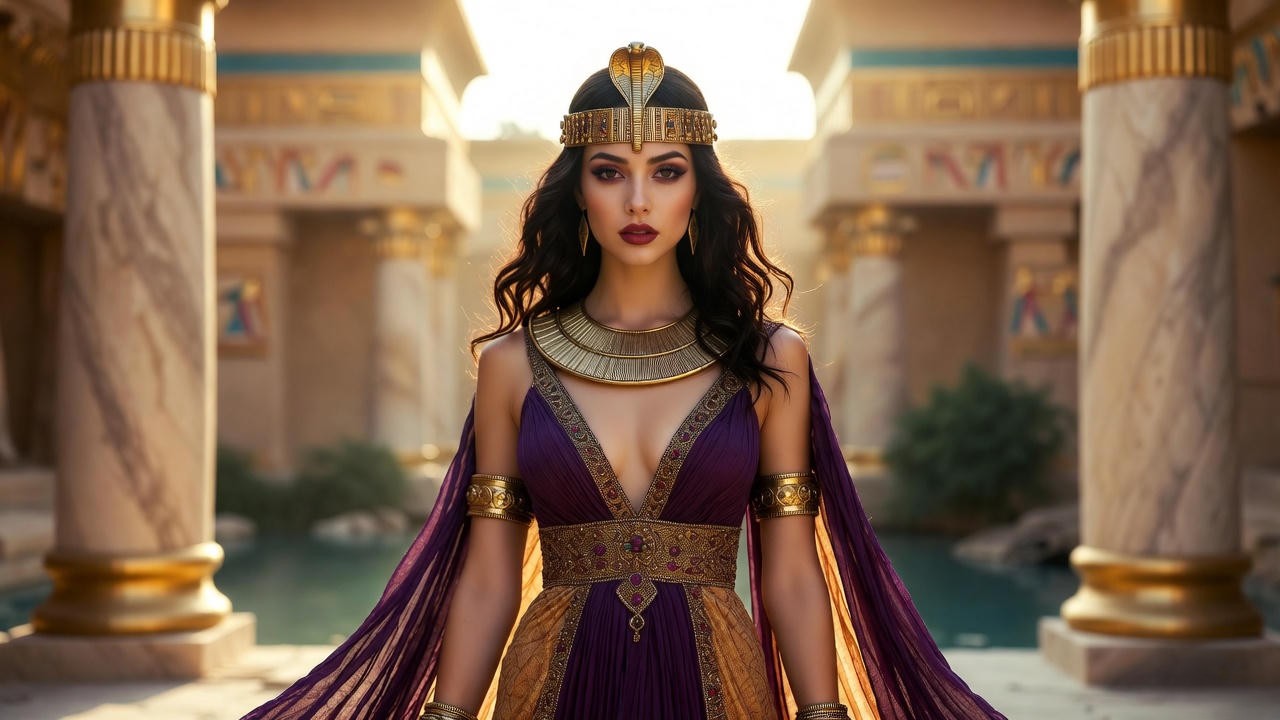
Cleopatra’s “infinite variety” demands wardrobe reflecting seduction, divinity, warrior-queen.
Key Elements from the Play
“Age cannot wither her, nor custom stale / Her infinite variety” (2.2.243-44). Goddess nods: Isis robes (3.6), barge opulence (purple/gold), asp-death mantle (5.2). Tires (headdresses), mantles for fluidity.
Stage-Authentic Options
Luxurious chiffon/silk jerseys (vibrant teal/purple/gold, Curtis-style braids). Beaded broad collars (usekh), cobra ureaus diadems. Flowing kalasiris (pleated linen) for movement; peacock feathers (Marin 2010) for excess.
Historical-Inspired Variations
Ptolemaic: Hellenistic chitons (white linen, himation drape), faience scarabs/ankhs, lotus crowns. Avoid pharaonic nemes—diadem with vulture uraeus. Gold pectorals (glass beads).
Modern/Accessible Interpretations
Thrift silk maxi with sequin motifs, Beyoncé ruffles (Gurney). Embroidered coats for events; modular capes (gold organza, Sharaff-lite).
Fabric/Color Guide:
- Base: Chiffon/silk (drape); linen (breathable stage).
- Accents: Gold braid/beads (hieroglyphs), teal (Nile), purple (royalty).
- Budget: $50-200 (thrift + craft store).
Authentic Costume Ideas for Mark Antony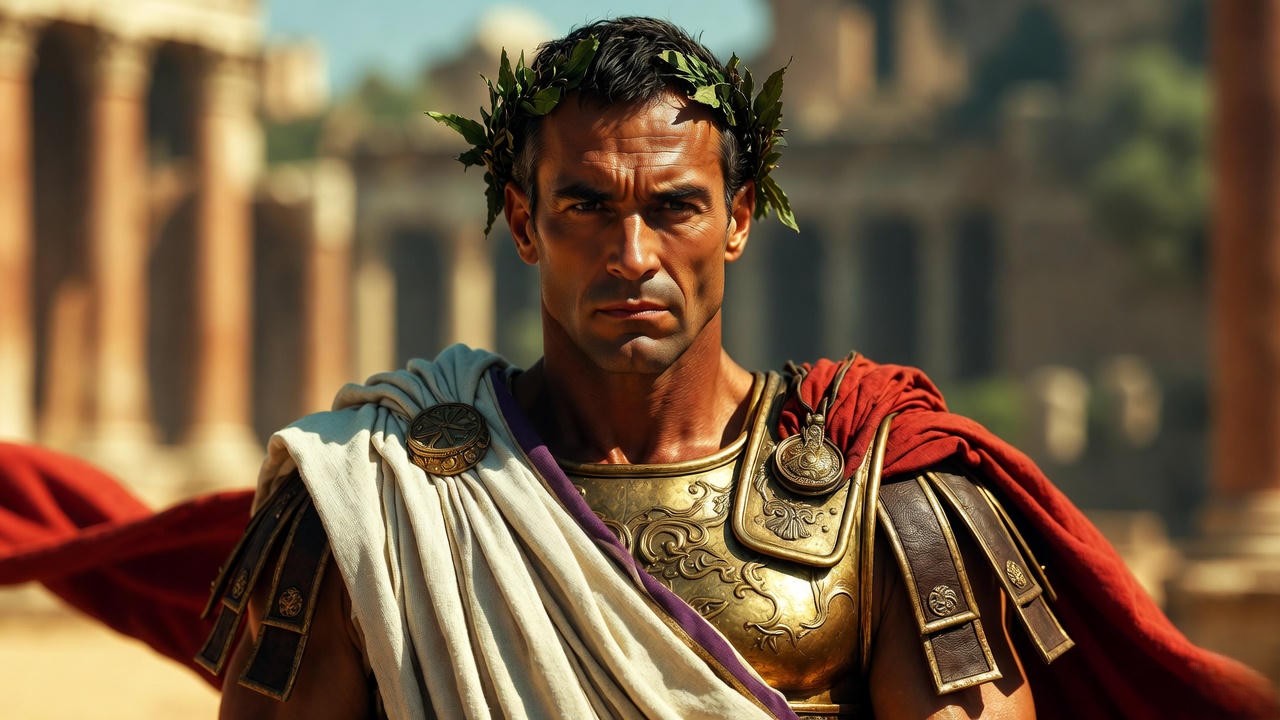
Antony’s arc—from “abstract of all faults” (1.4.10) soldier to dying “Egypt, dying” (4.15.18)—needs transitional duality.
The Roman Soldier and Lover
Toga virilis (wool sheet, purple hem for triumvir). Lorica (pteruges: faux leather straps), red sagum cloak.
Battle vs. Court Attire
Battle: Cuirass (cardboard/EVA foam), greaves, sandals, laurel wreath. Court: Buff shirt/robe (linen tunic), bracelets (cuffs signaling “decline”). Elizabethan: Doublet with hose.
Couples’ Synergy
Match golds: Antony’s Egyptian robes echo Cleo’s collars. “Plough’d” (2.2.229) fertility via shared scarab motifs; his armor “unmans” in her silks.
Quick Palette: White/black (Rome), gold/buff (Egypt transition).
DIY Costume Guides: Step-by-Step for Budget-Friendly Authenticity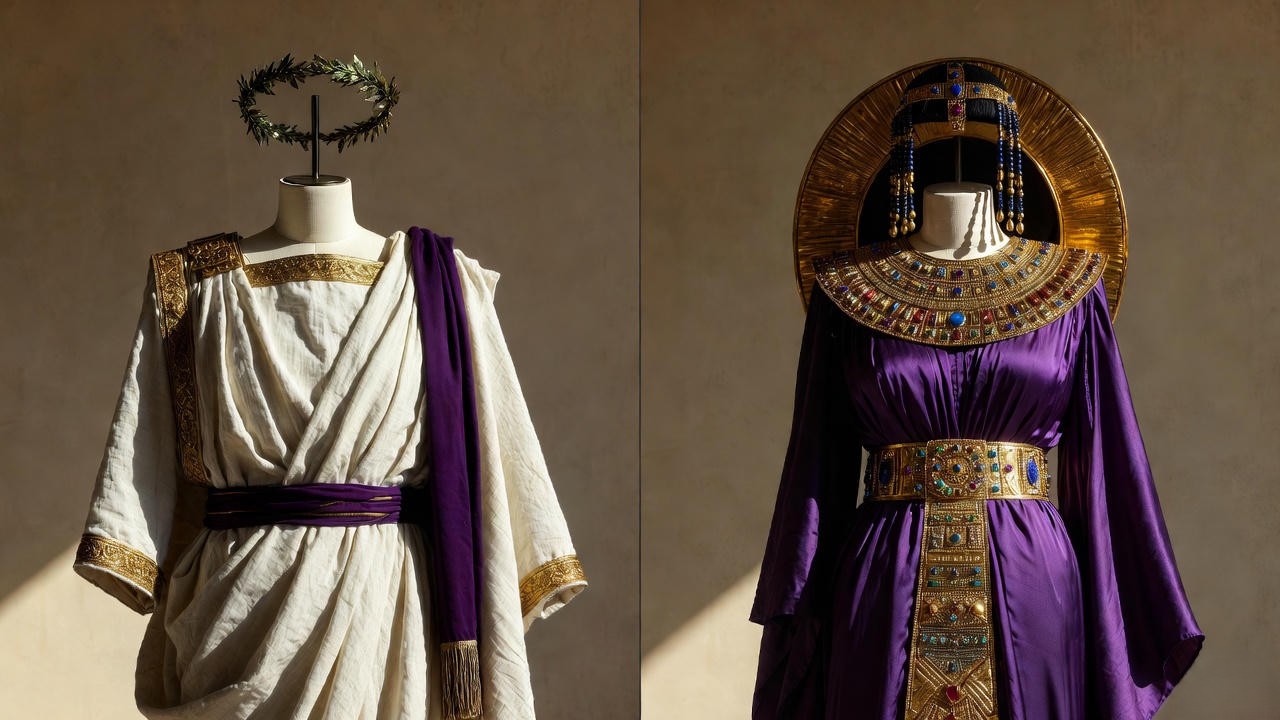
Transform thrift finds into pro-level Antony and Cleopatra Halloween costumes or stage gear (<$100 total). Prioritize mobility (no restrictive peplums), washability, symbolism.
Cleopatra DIY Essentials
Materials ($40-60): White/gold maxi dress/sheet ($10 thrift), gold craft foil/cardboard ($5), black wig ($15), gold spray paint/ribbon ($10), beads ($5), asp (green pipe cleaner + toy snake, $5).
- Base Gown: Drape sheet/chiton-style (pin shoulders, belt waist). Pleat front (ironing starch). Spray gold accents; sew fringe hem (teal chiffon scraps).
- Collar: Cut cardboard oval (12×8″), cover foil/paint gold. Glue faux lapis/scarabs (polymer clay). Velcro neck.
- Headdress: Wig + cobra (pipe cleaner wires, red beads eyes). Lotus crown: Foam ring, gold leaves (fabric scraps).
- Assembly (30 mins): Layer: gown + collar + cape (scarf). Kohl makeup (eyeliner wings). Pro Tip: Quick-change snaps for “variety”; test drape for barge poses.
Mark Antony DIY Essentials
Materials ($30-50): White sheet ($5), brown faux leather belt/strap ($10), cardboard/foil ($5), laurel wreath (fake leaves, $10), sandals ($5), red fabric ($5).
- Toga: Fold sheet (right arm under, over left shoulder; purple hem dye/stripe). Cinch leather belt (pteruges: cut straps, glue foil scales).
- Armor: Cardboard chest plate (bust size +2″), EVA foam shoulders. Foil cover; red cape (fabric scrap pinned).
- Accessories: Laurel (wire leaves), bracelets (toilet paper tubes + foil). Buff shirt: Crop old tee.
- Assembly (20 mins): Layer shirt-toga-armor; add sandals. Distress with sandpaper for battle.
Couples’ Costume Coordination
- Unity: Shared gold cuffs/scarabs; Antony’s purple stripe matches Cleo’s sails.
- Progression: Act 1 (pure Roman), Act 3 (hybrid robes), Act 5 (bloodied white).
- Scale: Group courts—Romans: plain sheets; Egyptians: add beads/fringe.
Common Mistakes to Avoid
- Hollywood excess (no gold lamé overload; text is poetic, not gaudy).
- Immobility: Test swordplay (e.g., Folger pirate-leather for Hale).
- Insensitivity: Ptolemaic Greek-Egyptian fusion, not cartoon pharaoh.
- Cultural: Respect scarab/ankh (fertility, not kitsch).
Total Time: 2-3 hours. Variations: Kid sizes (shrink proportions); vegan leather for ethics.
Accessories, Makeup, and Props to Elevate Your Look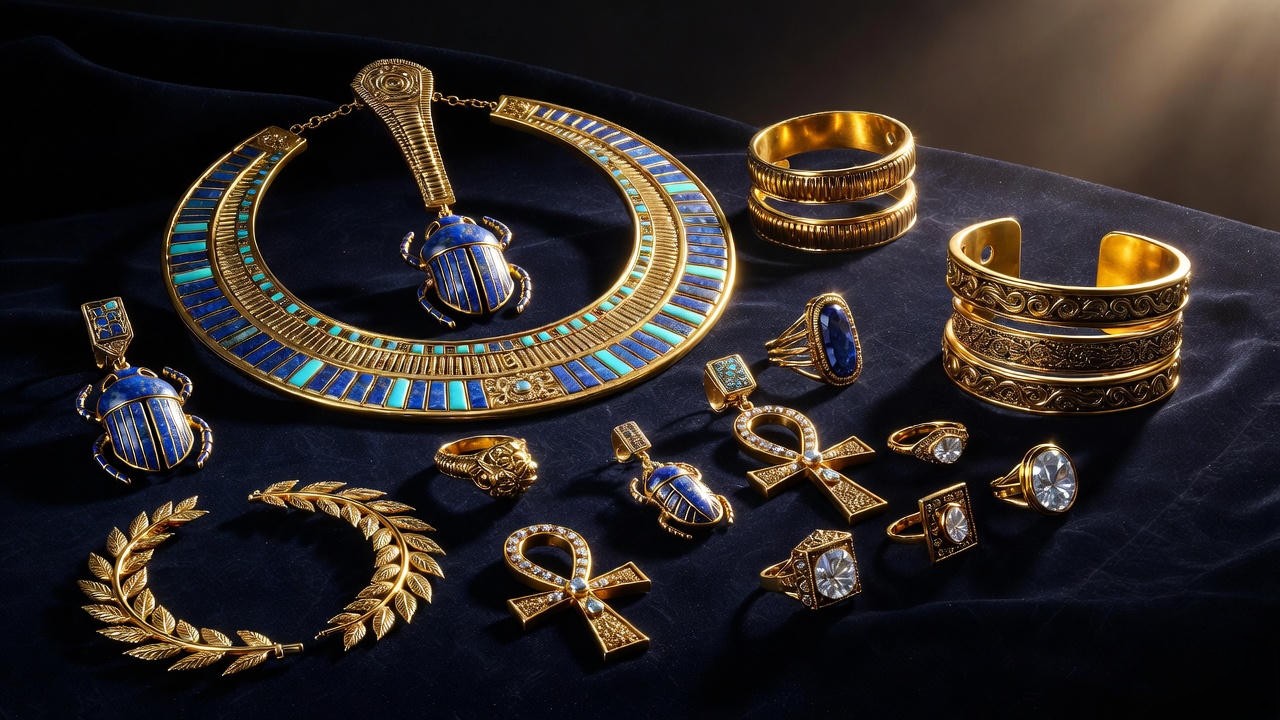
Jewelry (Essential): Scarabs/ankhs (clay pendants, $2), broad cuffs (foil bracelets), armillas (bangles stack). Cleopatra: Lotus earrings, nipple jewels (Sharaff nod—discreet sequins).
Headdresses/Fans: Nemes-lite (striped fabric band), ostrich feather fans (Nile breeze). Antony: Civic crown (laurel/oak leaves, 1.5.1 triumph hint).
Makeup ($10 kit): Kohl (black eyeliner winged), gold highlighter (cheekbones/goddess glow), bold lips (purple). Antony: Stubble shadow, scar (eyebrow pencil). Aging: White powder for deaths.
Props ($15): Asp basket (wicker + snake), sword (pool noodle + foil), barge fan (PVC hoop + purple fabric). Blood: Corn syrup mix (stage-safe).
Layer for symbolism: Asp = fate; sword = failed manhood.
Where to Buy or Rent Authentic Antony and Cleopatra Costumes
Rentals (Theater-Quality, $50-200/week):
- The Costumer (thecostumer.com): 390+ shows; RSC/NT-inspired Roman/Egyptian ($100+).
- Costume Annex (costumeannex.com): Greek/Roman, Cleopatra ($45-125); wigs/props.
- Exquisite Costumes (exquisitecostumes.com): Director-favorite; custom tweaks.
- Adeles Costumes (adelescostumes.com): Couples packages (3-4 day rental).
- Theatre Company (theatreco.com): Musicals/period; nationwide.
Buy Online ($30-150):
- Amazon/HalloweenCostumes.com: “Cleopatra costume” sets (gold dress/headdress); Marc Antony tunics.
- Etsy: Custom usekh collars ($20), laurels ($15). Search “Ptolemaic jewelry.”
- Historical Suppliers: Armstreet.com (linen chitons, $80); Medieval Collectibles (armor kits).
Budget vs. Premium: Thrift + craft ($50 DIY) vs. premium silk rentals ($300). Local: Search “theater costume rental [city]” (e.g., Las Vegas American Costumes for weddings). Verify 2025 sizing/availability.
Expert Tips for Theater Productions and Performances
From designers like Curtis (“not slavish[ly accurate]”), Gurney (“high fashion”), Hale (Folger: “sheet togas for intimacy”):
- Quick Changes: Snaps/velcro (NT’s 20+ Cleo looks); modular layers (armor over tunic).
- Movement-Friendly: Breathable linen/chiffon (outdoor Globe 2024); pteruges flex (EVA foam).
- Staging Adaptations: Minimalist (RSC 2017) for thrust stages; projections (SF Opera 2022: Art Deco-Hollywood) for modern. Bilingual Globe: Neutral palettes aid visibility.
- Lighting/Symbolism: Gold reflects spotlights (barge glow); purple gels for deaths.
- Durability: Metal discs/special thread (RSC 1972 combat); gore-proof underlayers.
- Equity: Gender-fluid swaps (Rackin); diverse casting (Okonedo/Babb).
Consult RSC/Folger archives for sketches; test runs prevent mishaps.
FAQs
What is the most iconic Cleopatra costume from the play? Enobarbus’s barge vision: gold/purple flowing gown, broad collar, cobra headdress—opulent yet mobile (Sharaff cape nods).
How to make costumes historically accurate yet Shakespearean? Ptolemaic chitons (linen) + Elizabethan cues (buff shirts); prioritize text symbols (Isis habits) over strict Plutarch (Curtis method).
Best couples’ Halloween ideas from Antony and Cleopatra? Hybrid: Antony toga-armor + Cleo gold chiton; asp/sword props. Thrift sheets + gold spray = $50 pair.
Differences between stage and screen versions? Stage: Practical (mobility, changes—RSC metal discs); Screen: Lavish (65 Taylor gowns). NT bridges with fashion.
Budget tips for group ensembles (e.g., courts of Rome/Egypt)? Rome: Bulk white sheets/togas ($5 ea.); Egypt: Dye + beads ($10). Coordinate via supplier rentals (Costume Annex).
Can I adapt for modern productions? Yes—NT 2018 blazers/Beyoncé; ensure thematic contrast (East-West).
Fabrics for hot stages/outdoor? Linen/cotton; avoid heavy velvet (Marin peacock feathers lightweight).
Props for authenticity? Asp (non-toxic), Nile fans; sword from foam (fight-safe).
Kids’ versions? Scale chitons (pillowcases), foam crowns; focus fun symbols (scarabs stickers).
From Enobarbus’s lovesick winds to Cleopatra’s unparalleled asp-death—”a lass unparallel’d” (5.2.315)—Antony and Cleopatra costumes immortalize the Bard’s tragedy of passion devouring empire. This guide arms you with authentic, actionable ideas—textual symbolism, production precedents, DIY mastery—to craft outfits that honor Shakespeare’s “infinite variety” while solving real needs: budget, mobility, impact. Whether strutting a barge for Halloween, commanding a thrust stage, or educating via cosplay, embrace the duality: Rome’s pillar crumbling into Egypt’s Nile.