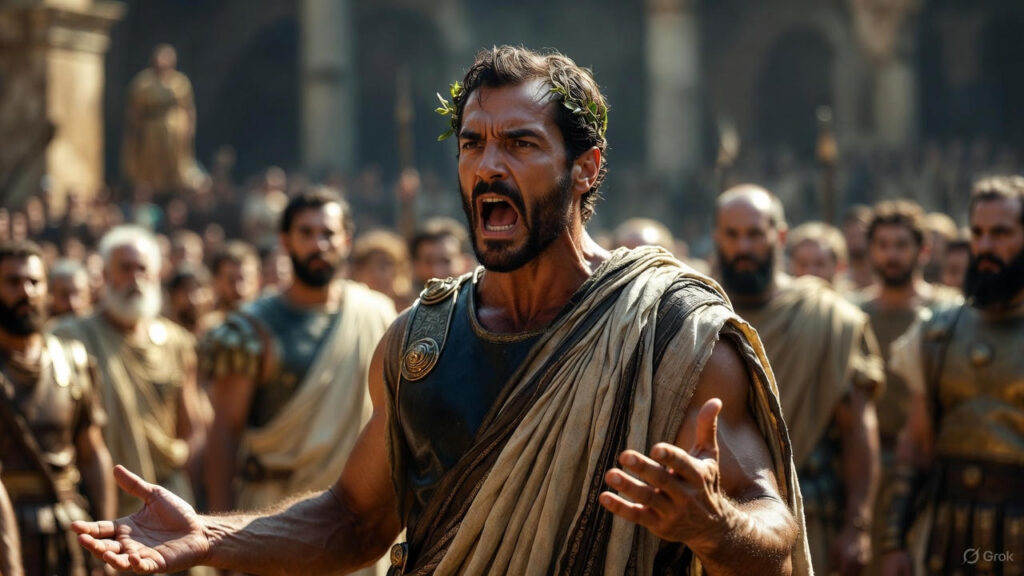
Imagine standing in a crowded mark antony quotes on a tense afternoon in 44 BC. The air is thick with grief and uncertainty after the assassination of Julius Caesar. A man steps forward, calm yet commanding, and utters one of the most unforgettable lines in literary history: “Friends, Romans, countrymen, lend me your ears.” In an instant, the tide turns. What follows is a masterclass in persuasion that shifts public opinion, ignites civil war, and seals the fate of an empire.
These words belong to Mark Antony, Shakespeare’s brilliant orator in Julius Caesar. For centuries, readers, students, actors, and leaders have turned to Mark Antony quotes—especially from his iconic funeral speech—for inspiration, insight into human nature, and lessons in rhetoric. Whether you’re studying the play for school, preparing a performance, teaching a class, or simply fascinated by Shakespeare’s exploration of power and manipulation, these lines remain profoundly relevant.
In this in-depth guide, we’ll explore the top 10 most powerful Mark Antony quotes from Julius Caesar, complete with full context, line-by-line analysis, rhetorical techniques, historical background, and modern applications. This is the definitive resource you’ve been searching for—far beyond simple lists—to truly understand why Antony’s words continue to resonate more than 400 years later.
Who Was Mark Antony? Historical and Shakespearean Context
To fully appreciate Mark Antony’s speeches, we must first distinguish the historical figure from Shakespeare’s dramatic portrayal.
The Real Mark Antony: Roman General and Triumvir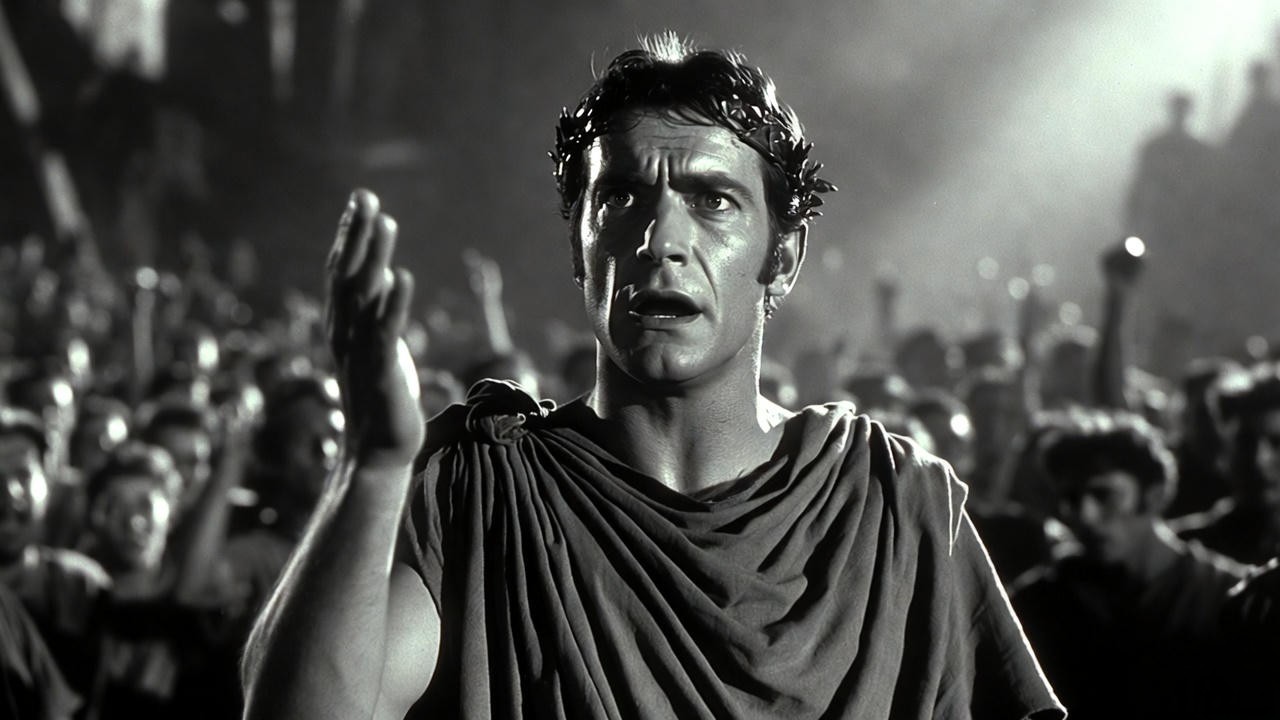
Marcus Antonius (83–30 BC) was a seasoned Roman general, loyal supporter of Julius Caesar, and one of the most charismatic leaders of his era. After Caesar’s assassination on the Ides of March (March 15, 44 BC), Antony formed the Second Triumvirate with Octavian (later Augustus) and Lepidus. He famously allied with Cleopatra VII of Egypt, leading to epic battles and his eventual defeat at Actium in 31 BC.
Historical sources like Plutarch’s Lives and Suetonius describe Antony as brave, impulsive, pleasure-loving, and an outstanding orator. Shakespeare drew heavily from Plutarch’s account when crafting the play.
Shakespeare’s Portrayal in Julius Caesar
Written around 1599, Julius Caesar is one of Shakespeare’s Roman tragedies. Mark Antony appears relatively late in the play but dominates the second half. Shakespeare presents him as deeply loyal to Caesar yet politically shrewd—perhaps even ruthless. Unlike the noble but naive Brutus, Antony is a pragmatist who understands the power of emotion over logic.
Why Antony’s Speech Marks a Turning Point in the Play
Brutus and the conspirators justify Caesar’s murder as tyrannicide—killing a potential dictator to save the Republic. Brutus speaks first at the funeral, appealing to reason and honor. He permits Antony to speak second, with the fatal condition that he not blame the conspirators.
Antony’s funeral oration (Act 3, Scene 2) is the dramatic pivot. Through carefully veiled irony and emotional appeals, he turns the Roman plebeians against the conspirators, sparking riots and civil war. It is widely regarded as one of the finest examples of persuasive speaking in all literature.
The Power of Rhetoric: Understanding Antony’s Persuasive Techniques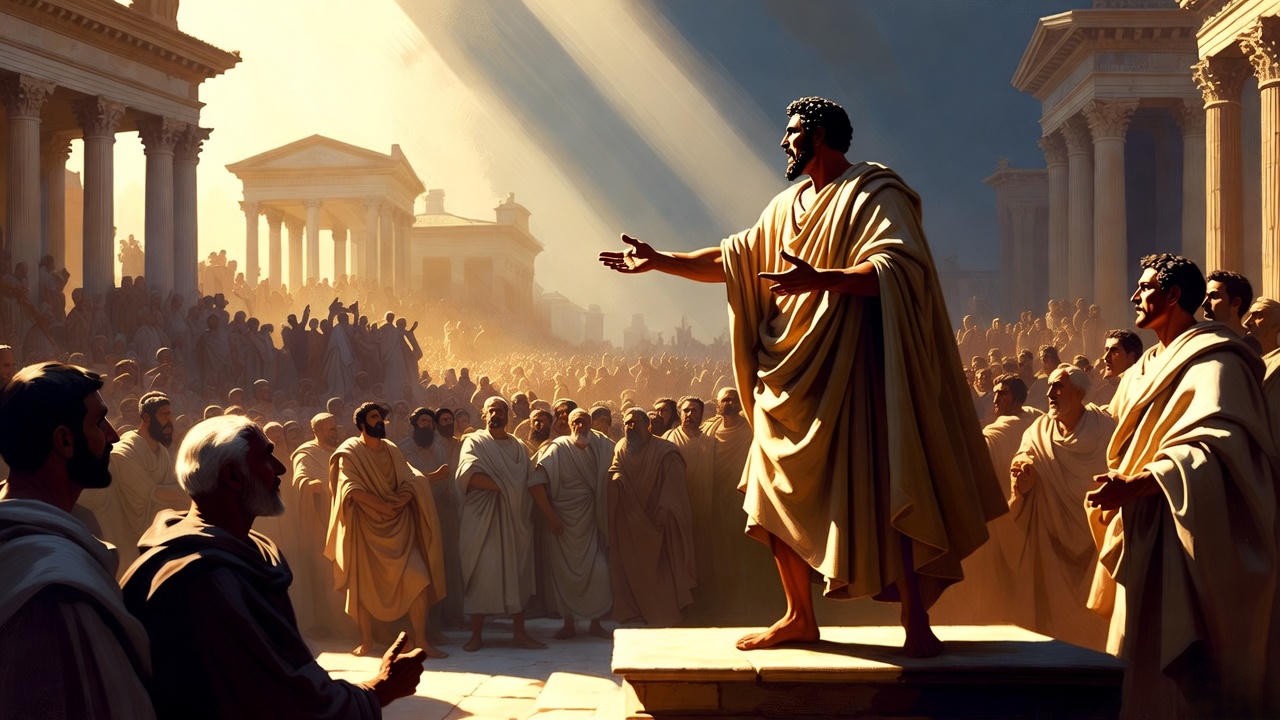
Antony’s success lies not in overt attack but in sophisticated rhetoric. He masterfully employs the classical triad identified by Aristotle:
- Ethos (credibility): He presents himself as humble and respectful.
- Pathos (emotion): He stirs grief, anger, and loyalty toward Caesar.
- Logos (logic): He subtly undermines Brutus’s arguments with “evidence” like Caesar’s will.
Key devices include:
- Dramatic irony: Saying one thing while meaning the opposite.
- Repetition (anaphora): The refrain “Brutus is an honourable man” gradually drips with sarcasm.
- Antithesis: Juxtaposing opposites for emphasis.
- Apostrophe and personification: Addressing absent or inanimate objects.
- Incremental revelation: Building emotion step by step.
Top 10 Most Powerful Mark Antony Quotes from Julius Caesar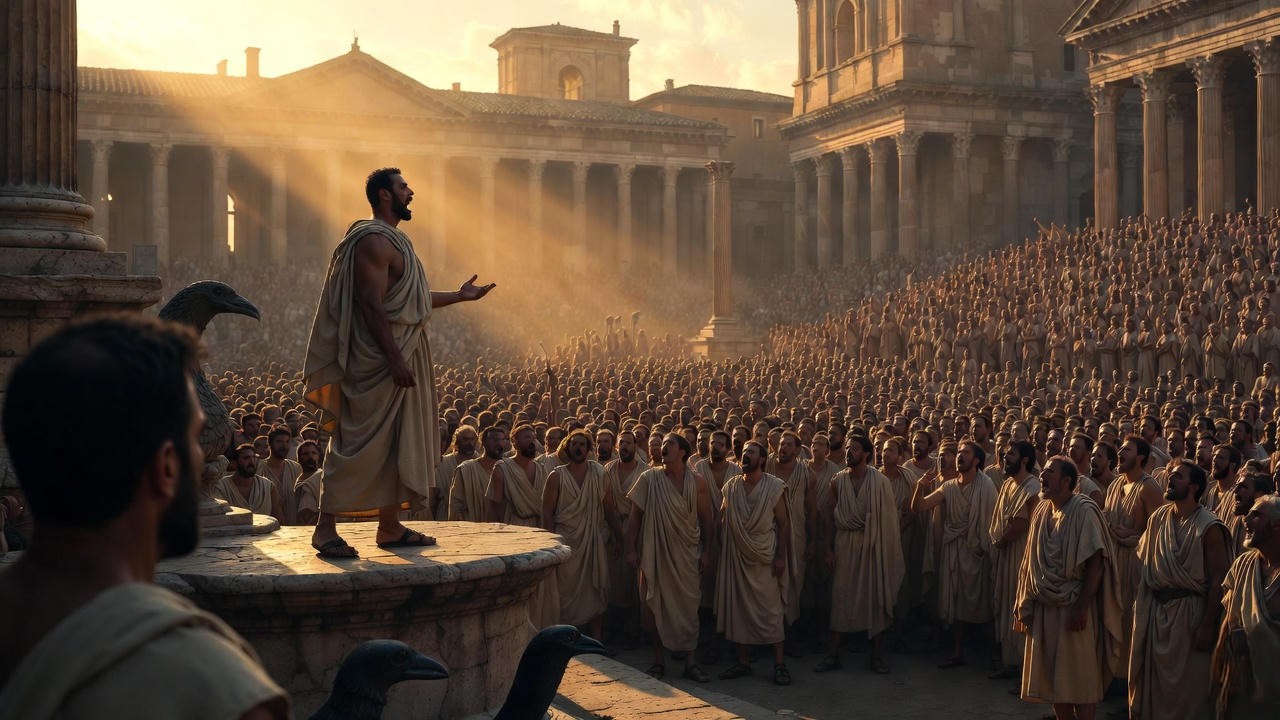
1. “Friends, Romans, countrymen, lend me your ears” (Act 3, Scene 2, Line 73)
Friends, Romans, countrymen, lend me your ears; I come to bury Caesar, not to praise him.
This opening is arguably the most famous line Shakespeare ever wrote. Antony begins with a direct, inclusive address that contrasts sharply with Brutus’s formal “Romans, countrymen, and lovers.” By placing “Friends” first, Antony establishes immediate intimacy and positions himself as one of the people.
Analysis: The metaphor “lend me your ears” (borrowed from classical rhetoric) asks for attention without demanding it. It signals humility while subtly asserting authority. In performance, actors often deliver this line with rising energy, drawing the audience in just as Antony draws the crowd.
Modern relevance: This opener is frequently parodied or referenced in political speeches, films, and even advertising when someone wants to command attention.
2. “I come to bury Caesar, not to praise him” (Act 3, Scene 2, Line 74)
Immediately following the famous opening, this line is a stroke of genius.
Analysis: Antony is technically obeying Brutus’s restriction—he claims only to bury, not praise. Yet the entire speech does precisely the opposite. This is textbook dramatic irony: the audience (both on stage and in the theater) knows Antony’s true intent. The disclaimer disarms suspicion and allows him to proceed.
The line also introduces a central theme: legacy. What lives on after death? Antony will argue that Caesar’s good deeds have been buried, while the “evil” of his ambition is exaggerated.
3. “The evil that men do lives after them; The good is oft interred with their bones” (Act 3, Scene 2, Lines 75–76)
The evil that men do lives after them; The good is oft interred with their bones; So let it be with Caesar.
These lines form a perfectly balanced antithesis, showcasing Shakespeare’s poetic mastery.
Analysis: Antony appears to accept the conspirators’ view—that Caesar was dangerous—while planting doubt. By suggesting that good deeds are usually forgotten, he prepares the ground to “remind” the crowd of Caesar’s virtues. The chiasmus structure (evil lives / good interred) creates memorable rhythm.
This couplet has entered common English usage to describe how negative actions often overshadow positive ones in historical memory.
4. “If you have tears, prepare to shed them now” (Act 3, Scene 2, Line 167)
After establishing credibility, Antony shifts decisively to pathos.
Analysis: This direct command signals an emotional escalation. Antony produces Caesar’s blood-stained mantle (the toga he wore when stabbed) and describes the assassination in vivid, personal detail. The line prepares the audience for grief and outrage.
In performance, this moment is pivotal—actors use pauses and physical props to heighten tension. It demonstrates how visual and emotional “evidence” can override logical arguments.
5. “This was the most unkindest cut of all” (Act 3, Scene 2, Line 181)
Describing Brutus’s stab:
For when the noble Caesar saw him stab, Ingratitude, more strong than traitors’ arms, Quite vanquish’d him: then burst his mighty heart…
Analysis: The deliberate double superlative “most unkindest” (grammatically incorrect by modern standards) reflects raw emotion and colloquial speech of the crowd. Antony personifies ingratitude as stronger than physical weapons. By emphasizing Brutus’s betrayal—Caesar’s trusted friend—the wound becomes emotional as well as physical.
6. “For Brutus is an honourable man” (Act 3, Scene 2, recurring refrain)
The noble Brutus Hath told you Caesar was ambitious: If it were so, it was a grievous fault, And grievously hath Caesar answer’d it. … But Brutus says he was ambitious; And Brutus is an honourable man.
This phrase, repeated four times with variations throughout the speech, is the cornerstone of Antony’s rhetorical strategy.
Analysis: What begins as apparent agreement gradually transforms into biting sarcasm through repetition and accumulating evidence to the contrary. The first iteration seems sincere; by the third and fourth, the crowd hears the irony loud and clear. Shakespeare uses anaphora (repeating words at the beginning of successive clauses) to hammer the point home.
This refrain is a masterclass in verbal irony and incremental persuasion. It teaches a timeless lesson: repetition can subtly shift meaning and emotion without ever stating the opposite outright. Politicians and advertisers still employ similar techniques today.
7. “O mighty Caesar! Dost thou lie so low?” (Act 3, Scene 2, Lines 187–190)
As Antony displays Caesar’s body:
O mighty Caesar! dost thou lie so low? Are all thy conquests, glories, triumphs, spoils, Shrunk to this little measure? Fare thee well.
Analysis: Here, Antony employs apostrophe—directly addressing the absent (dead) Caesar. This device heightens pathos by personifying the corpse and evoking pity. The rhetorical question underscores the tragedy: a great conqueror reduced to nothing. The catalog of “conquests, glories, triumphs, spoils” reminds the crowd of Caesar’s achievements, directly countering claims of dangerous ambition.
In stage productions, this moment often brings the house to silence before the emotional storm breaks.
8. “Here was a Caesar! When comes such another?” (Act 3, Scene 2, Line 249)
This provocative closing question comes just as Antony reveals Caesar’s generous will.
Analysis: After reading aloud the bequests to every Roman citizen, Antony poses this challenge. It flatters the crowd’s sense of loss while implying that the conspirators have robbed Rome of irreplaceable leadership. The line incites nationalistic pride and anger, pushing the plebeians toward riot.
It also foreshadows the power vacuum that will lead to the Triumvirate and eventual empire under Octavian. Rhetorically, the exclamatory structure and hyperbolic praise seal Antony’s victory over Brutus’s reason-based appeal.
9. “Cry ‘Havoc!’ and let slip the dogs of war” (Act 3, Scene 1, Lines 273–274)
Spoken earlier, immediately after the assassination, in a private meeting with the conspirators:
Woe to the hand that shed this costly blood! Over thy wounds now do I prophesy… Domestic fury and fierce civil strife Shall cumber all the parts of Italy… And Caesar’s spirit, ranging for revenge, With Ate by his side come hot from hell, Shall in these confines with a monarch’s voice Cry ‘Havoc!’ and let slip the dogs of war…
Analysis: Though not part of the funeral speech, this prophetic outburst reveals Antony’s strategic foresight and inner fury. “Cry ‘Havoc!’” was the historical military command signaling no quarter—no mercy, total destruction. The vivid metaphor of unleashing “dogs of war” evokes uncontrollable chaos.
Shakespeare draws from classical imagery (Ate, goddess of delusion and ruin) to elevate the prophecy. This quote has become synonymous with the unleashing of uncontrollable violence and is frequently cited in discussions of war’s consequences.
10. “O, pardon me, thou bleeding piece of earth” (Act 3, Scene 1, Lines 254–275)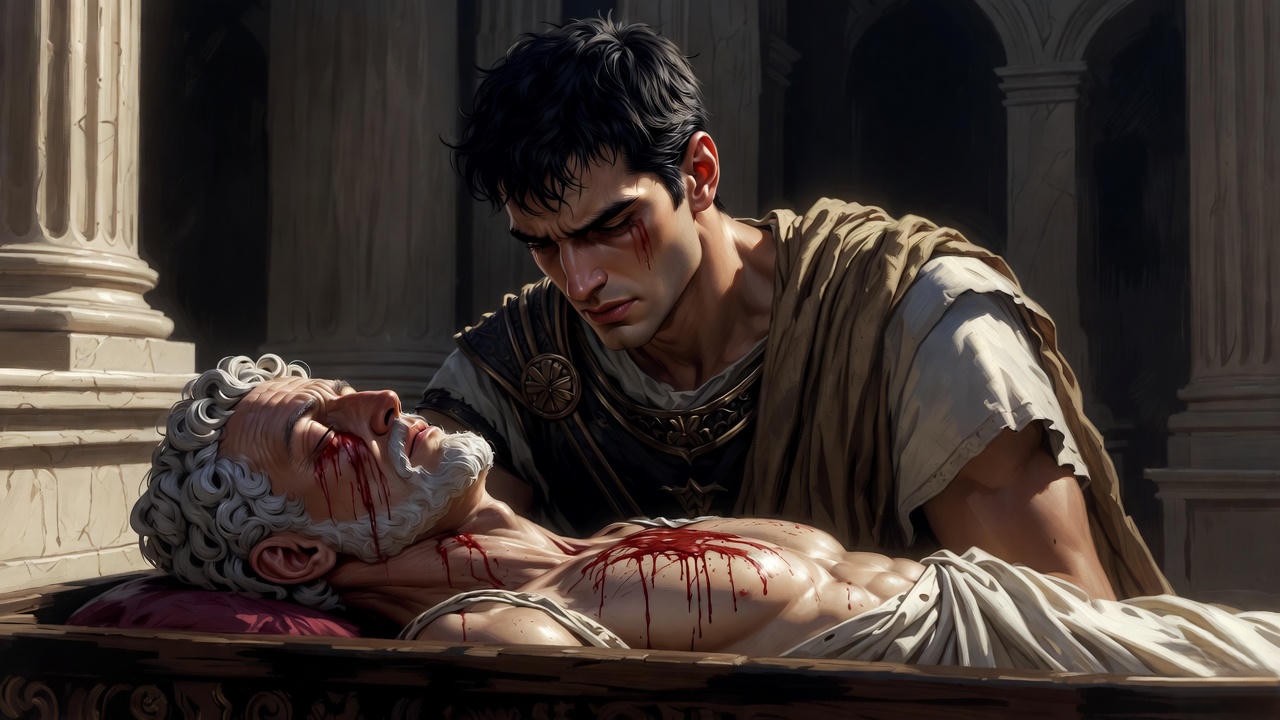
Antony’s powerful soliloquy alone with Caesar’s body:
O, pardon me, thou bleeding piece of earth, That I am meek and gentle with these butchers! Thou art the ruins of the noblest man That ever lived in the tide of times.
Analysis: This intimate moment exposes Antony’s true emotions and ambitions. The apostrophe to the corpse (“bleeding piece of earth”) humanizes Caesar while dehumanizing the conspirators as “butchers.” Antony vows revenge and predicts widespread suffering: “And Caesar’s spirit… Shall… cry ‘Havoc!’”
The soliloquy reveals Antony as both grieving friend and calculating politician. It foreshadows his ruthless proscription lists in the Triumvirate (historically documented by Plutarch). The elevated, almost ritualistic language marks a shift from public performance to private truth.
Why Mark Antony’s Speech Is a Masterclass in Persuasion
Comparing the two funeral orations highlights Shakespeare’s genius. Brutus speaks in prose, appealing to logic and republican ideals: “Not that I loved Caesar less, but that I loved Rome more.” His argument is noble but abstract.
Antony, by contrast, uses verse for emotional elevation, props (the mantle and body), and incremental emotional buildup. He never directly attacks the conspirators—instead, he lets the crowd reach that conclusion themselves. Modern communication experts, from political strategists to trial lawyers, still study this speech for its psychological insight.
As rhetoric scholar Brian Vickers notes, Antony “wins by appearing to lose,” conceding points only to overturn them with evidence and emotion.
Mark Antony Quotes in Popular Culture and Modern Usage
Antony’s lines have permeated culture far beyond the stage:
- Marlon Brando’s brooding 1953 film performance made “Friends, Romans, countrymen…” iconic for generations.
- Charlton Heston (1970 film) and modern adaptations (e.g., the 2018 Royal Shakespeare Company production) continue to reinterpret the speech.
- Political figures have echoed the structure—most famously, variations appear in eulogies and campaign rhetoric.
- Phrases like “lend me your ears,” “the dogs of war,” and “the most unkindest cut” are embedded in English idiom.
- In popular media, references appear in everything from The Godfather to television dramas exploring power and betrayal.
The speech’s themes—manipulation of public opinion, the fragility of truth, the power of emotion—remain strikingly relevant in our era of social media and political polarization.
Frequently Asked Questions
What is Mark Antony’s most famous quote?
Undoubtedly, “Friends, Romans, countrymen, lend me your ears” is the most recognized, often quoted out of context to command attention.
How does Antony manipulate the crowd?
He uses irony, repetition, emotional appeals (pathos), visual props, and incremental revelation—never openly attacking the conspirators but leading the crowd to condemn them.
Is Mark Antony the hero or villain of Julius Caesar?
Shakespeare leaves this ambiguous. He is loyal and charismatic yet manipulative and vengeful. Many view him as a pragmatic anti-hero whose actions pave the way for the Roman Empire.
Where can I read the full funeral speech?
The complete text is freely available at reputable sources such as the Folger Shakespeare Library or the MIT Shakespeare site. Act 3, Scene 2 contains the entire oration.
Are there great performances of Antony’s speech on video?
Yes—Marlon Brando (1953), James Mason (1953 MGM version), and numerous stage recordings on YouTube offer powerful interpretations.
Mark Antony’s words in Julius Caesar endure because they capture timeless truths about power, loyalty, grief, and the art of persuasion. From the electrifying opening that seizes attention to the prophetic warnings of chaos, these quotes reveal Shakespeare’s unparalleled understanding of human nature.
Whether you’re a student analyzing rhetoric, an actor preparing the role, a teacher seeking deeper insights, or simply a lover of great literature, returning to these lines always yields new discoveries. Revisit the play, watch a strong performance, and let Antony’s masterful oratory remind you why Shakespeare remains the pinnacle of dramatic art.