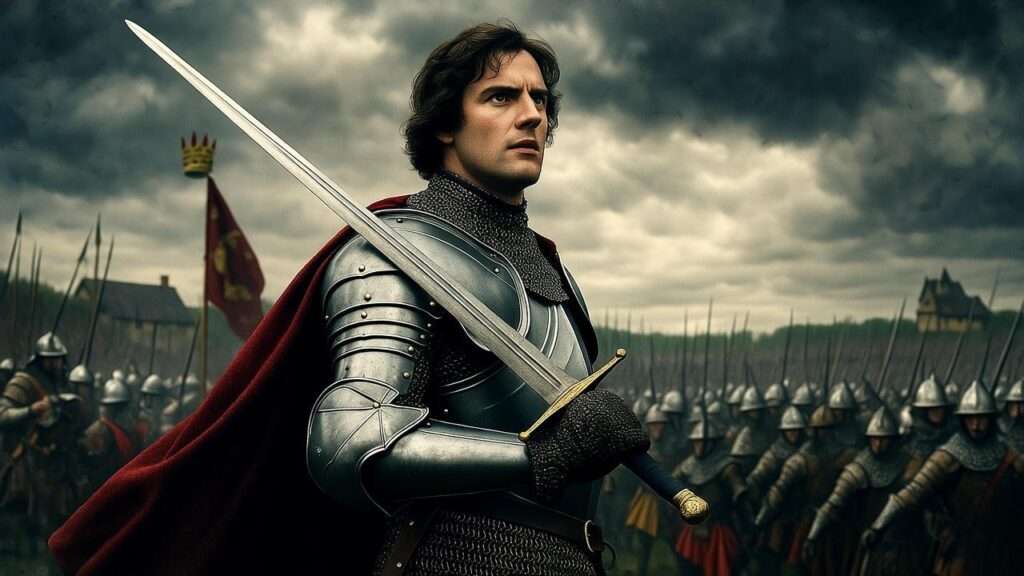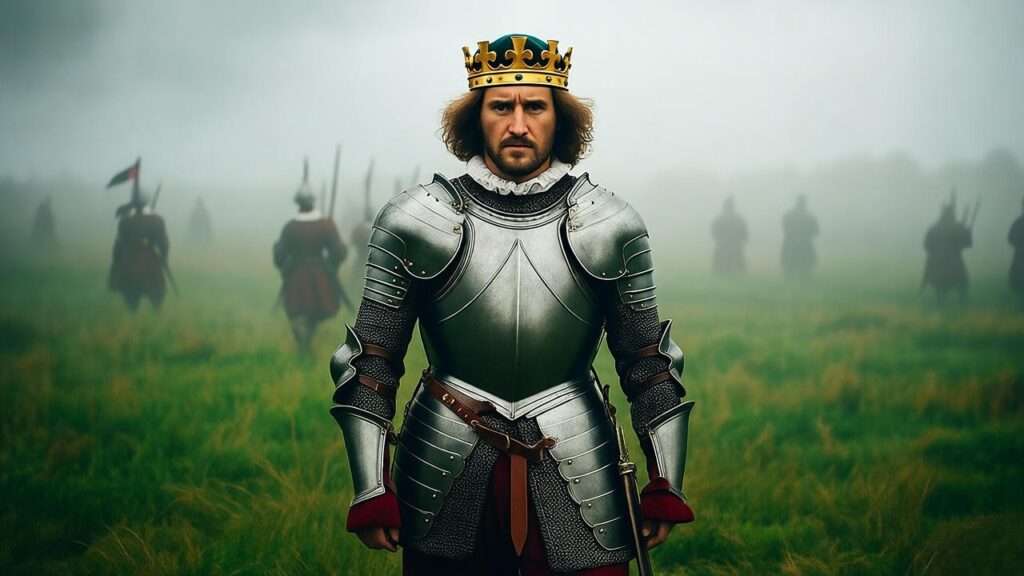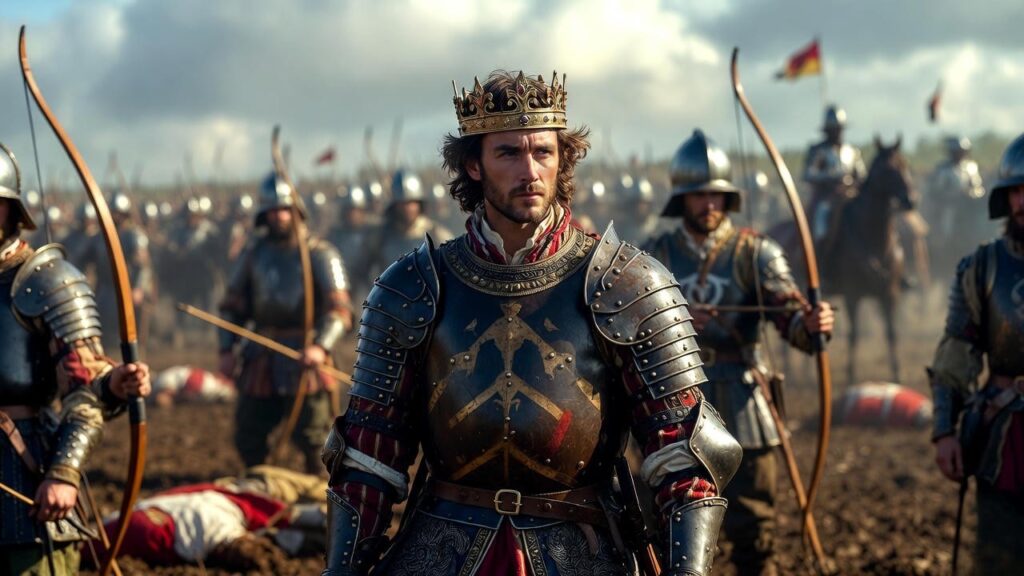
These immortal words, delivered on the muddy fields of Agincourt, have inspired generations—from soldiers in World War II trenches to modern leaders facing impossible odds. But how did the once-wayward Prince Hal, the carousing companion of Falstaff, transform into the heroic King Henry V who led England to one of its greatest military victories? If you’re searching for a Henry V synopsis that goes beyond a simple plot summary, you’ve come to the right place. This comprehensive guide explores Shakespeare’s masterpiece in depth, tracing Henry’s remarkable journey from youthful rebellion to triumphant kingship, while unpacking the play’s historical roots, profound themes, and enduring legacy.
Written around 1599, Henry V stands as the triumphant conclusion to Shakespeare’s Henriad—a tetralogy that includes Richard II, Henry IV Part 1, and Henry IV Part 2. Drawing from historical chronicles like Raphael Holinshed’s, Shakespeare crafts an epic that blends patriotism, moral ambiguity, and rhetorical brilliance. Whether you’re a student preparing for an exam, a theater enthusiast planning to see a production, or a reader delving into Shakespeare’s history plays, this detailed Henry V synopsis will illuminate the play’s complexities, helping you appreciate why it remains one of the Bard’s most performed and debated works.
Historical and Literary Context
The Historical King Henry V and Shakespeare’s Sources
To fully grasp Shakespeare’s Henry V, it’s essential to separate fact from dramatic fiction. The real Henry V (1386–1422) ascended the throne in 1413 at age 26, following his father Henry IV’s usurpation of Richard II. His reign was marked by the resumption of the Hundred Years’ War with France. Henry’s claim to the French throne stemmed from his great-grandfather Edward III, and in 1415, he launched an invasion that culminated in the stunning victory at Agincourt against overwhelming odds—often cited as 5-to-1 or greater in favor of the French.
Shakespeare drew primarily from Holinshed’s Chronicles (1577, revised 1587) and possibly Edward Hall’s The Union of the Two Noble and Illustre Families of Lancaster and York. He faithfully captures key events: the Dauphin’s insulting gift of tennis balls (though historically sent before Henry’s reign), the siege of Harfleur, the Agincourt battle on October 25, 1415 (St. Crispin’s Day), and the subsequent Treaty of Troyes (1420), which made Henry heir to the French crown and married him to Katherine of Valois.
Accuracy vs. Dramatic License
Shakespeare stays remarkably true to history in broad strokes but takes liberties for thematic impact:
- Faithful elements: The Salic Law debate justifying Henry’s claim, the harsh conditions at Agincourt (muddy terrain favoring English longbowmen), the execution of prisoners (though controversially portrayed), and Henry’s piety in attributing victory to God.
- Alterations: The church leaders’ motivation to support war (diverting a bill to tax church lands) is exaggerated for cynicism. The French are depicted as arrogant and disorganized, amplifying English heroism. Falstaff’s death is off-stage, tying up loose ends from the Henry IV plays.
Place in Shakespeare’s Works
Henry V uniquely employs a Chorus to narrate and apologize for the stage’s limitations in depicting epic battles: “O for a Muse of fire, that would ascend / The brightest heaven of invention.” This device bridges scenes, fires the audience’s imagination, and underscores the play’s meta-theatrical quality. As the capstone of the Henriad, it completes Prince Hal’s arc from reckless youth to responsible ruler, fulfilling his earlier promise: “I will redeem all this on Percy’s head.”
Detailed Plot Synopsis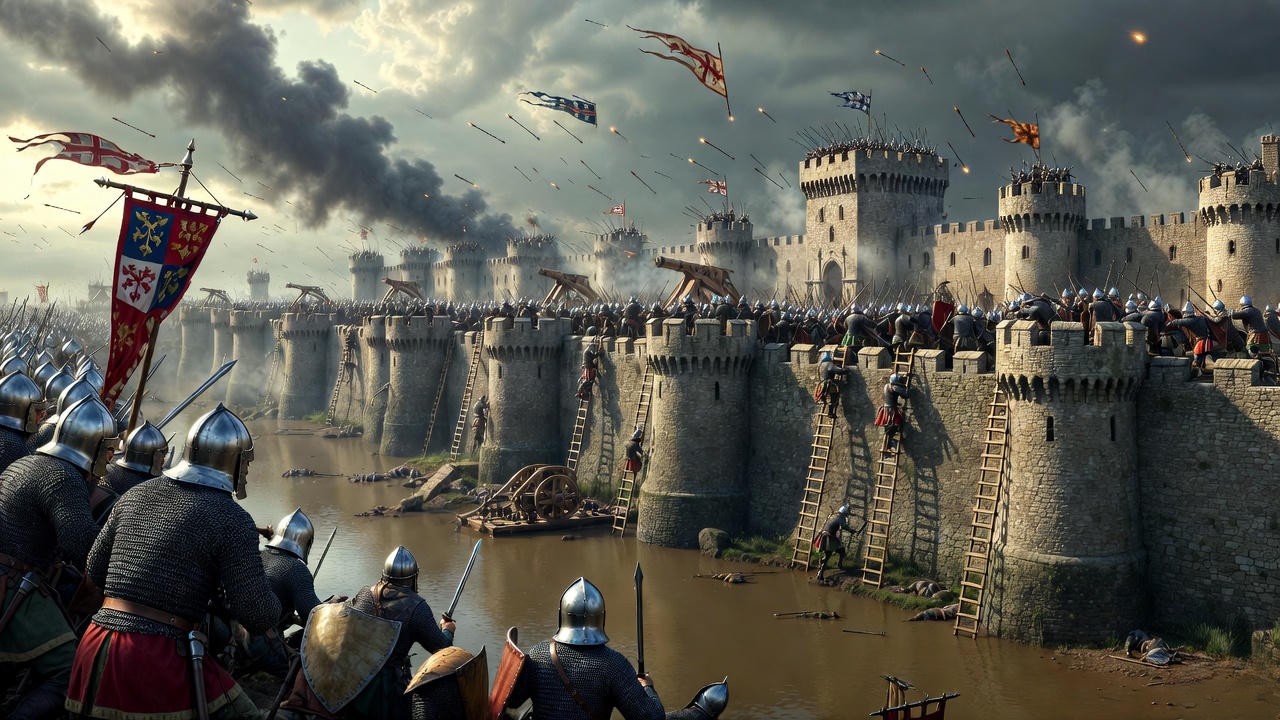
Act-by-Act Breakdown
Shakespeare structures Henry V in five acts, framed by the Chorus’s prologues and epilogue.
Prologue and Act 1: The Claim to France
The Chorus opens with a soaring invocation, lamenting the “unworthy scaffold” of the stage for such an epic story.
In Act 1, the Archbishop of Canterbury and Bishop of Ely convince the young King Henry that his claim to France is legitimate under Salic Law. Their ulterior motive: to prevent Parliament from seizing church lands. Henry, pious and cautious, seeks divine assurance before war.
The French Dauphin’s ambassadors deliver tennis balls—a mocking reference to Henry’s wild youth—enraging the king into declaring invasion: “We are glad the Dauphin is so pleasant with us; / His present and your pains we thank you for.”
Act 2: Preparations and Betrayal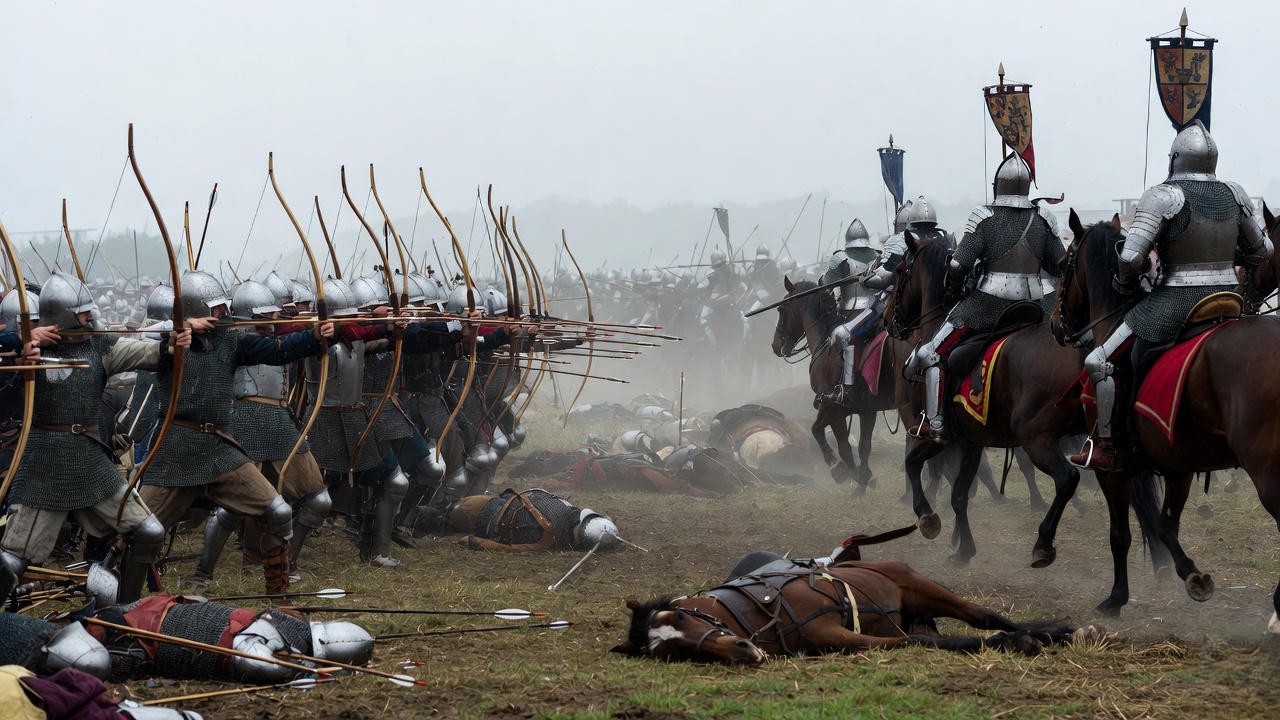
The Chorus describes England’s enthusiastic embarkation and France’s alarm.
We learn of Sir John Falstaff’s off-stage death, heartbroken after Henry’s rejection in Henry IV Part 2. His former tavern companions—Pistol, Bardolph, Nym, and the Boy—enlist, providing comic relief amid grim preparations.
Henry uncovers a treasonous plot by three nobles (Richard Earl of Cambridge, Henry Lord Scrope, and Sir Thomas Grey), funded by France. In a chilling scene, he exposes and condemns them, showcasing his ruthless justice.
Act 3: The Siege of Harfleur
The Chorus paints the fleet’s crossing and siege.
English forces assault Harfleur. Henry’s rallying cry—”Once more unto the breach, dear friends, once more”—inspires his exhausted troops to victory. The town surrenders, and Henry shows mercy, ordering no pillage.
Intercut are comic scenes: Pistol’s bungled marriage to Hostess Quickly (now widow of Falstaff) and Princess Katherine’s English lesson with her lady-in-waiting, foreshadowing conquest on personal and national levels.
The army, ravaged by dysentery, marches toward Calais.
Act 4: The Eve and Battle of Agincourt
The Chorus contrasts the confident French camp with the weary, outnumbered English.
Henry disguises himself to walk among his soldiers, hearing their doubts about the king’s responsibility for their souls. In a profound soliloquy, he meditates on the burdens of ceremony: “Upon the king! Let us our lives, our souls, / Our debts, our careful wives… lay on the king!”
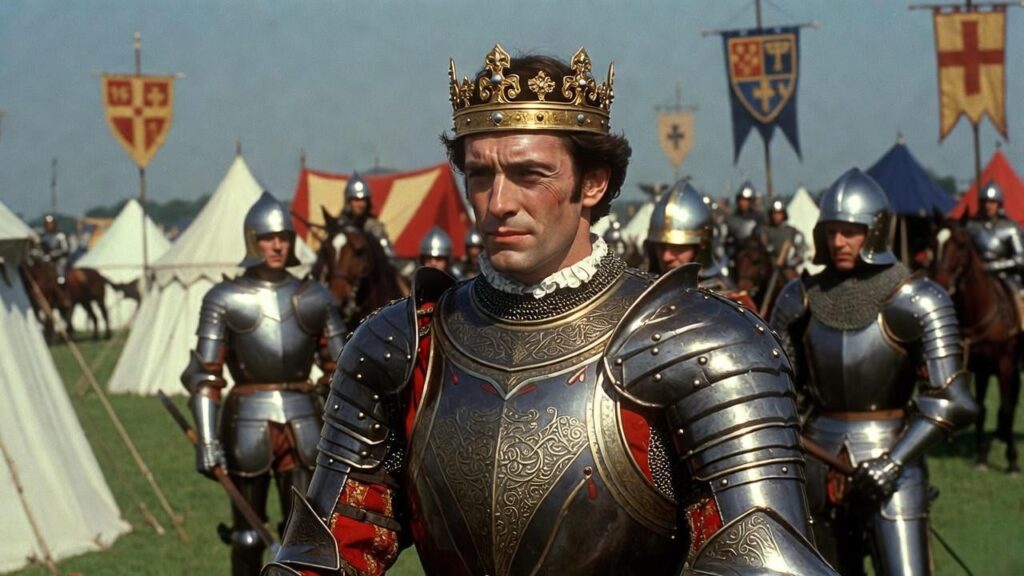
On St. Crispin’s Day morning, Henry delivers his most famous speech to rally his men against impossible odds:
“We few, we happy few, we band of brothers; For he to-day that sheds his blood with me Shall be my brother; be he ne’er so vile, This day shall gentle his condition…”
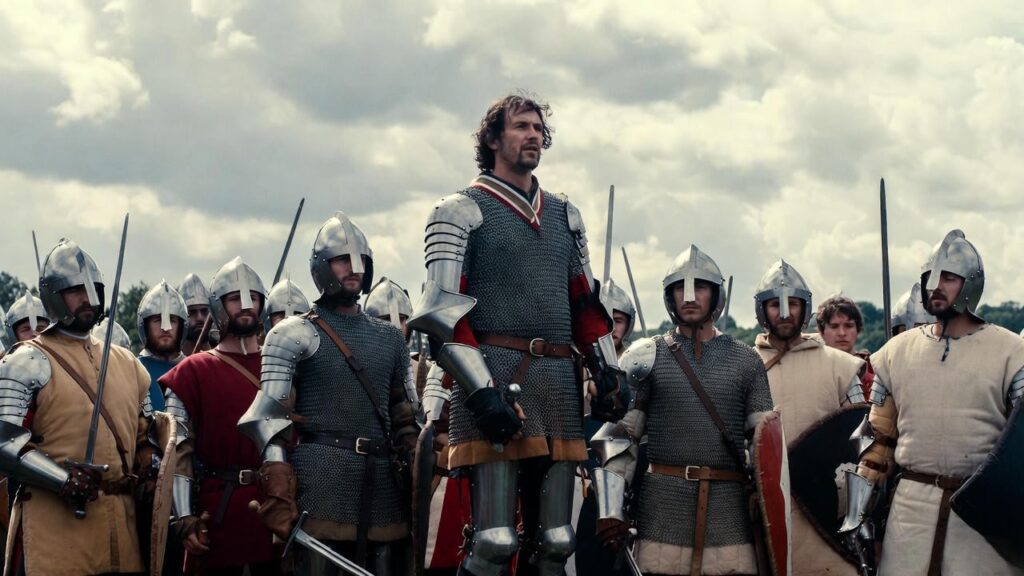
The battle is a rout: English longbowmen decimate French knights in the mud. Henry orders the execution of prisoners after the French kill the baggage boys—a pragmatic but brutal act.
Act 5: Peace and Wooing
The Chorus summarizes years of further campaigning.
Henry returns to France for negotiations. In a charming, awkward courtship scene, he woos Princess Katherine despite the language barrier, blending humor and sincerity: “If I could win a lady at leap-frog… I should quickly leap into a wife.”
The treaty is sealed: Henry becomes heir to the French throne. Yet the Epilogue somberly reminds us that Henry’s son, Henry VI, lost everything, leading to the Wars of the Roses—a poignant undercut to the triumph.
Key Characters and Development
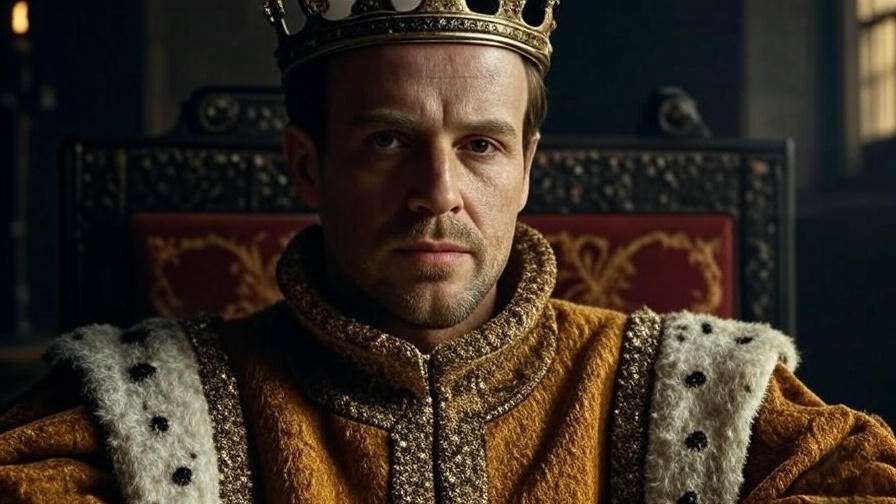
King Henry V: From Wild Youth to Ideal Leader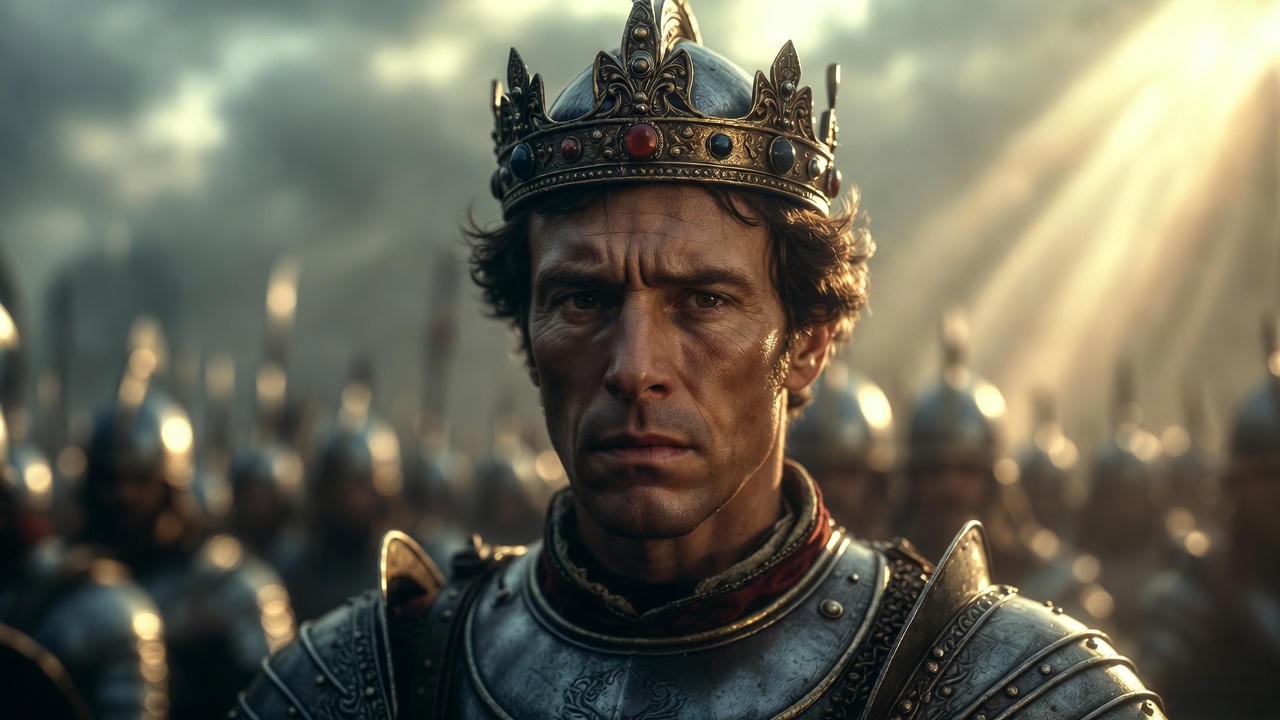
The play’s heart is Henry’s transformation. In the Henry IV plays, Prince Hal is a prodigal son, associating with lowlifes to learn about humanity. Upon becoming king, he rejects Falstaff coldly (“I know thee not, old man”) and emerges as a model monarch: pious, just, courageous, and rhetorically gifted.
Yet Shakespeare adds complexity. Henry is merciful (sparing Harfleur) yet ruthless (executing traitors and prisoners). His speeches inspire, but his soliloquies reveal doubt and loneliness. Critics debate whether he is Shakespeare’s ideal king or a masterful politician masking ambition with piety.
Supporting Characters
The Chorus
A single actor who frames the action, the Chorus serves as storyteller, commentator, and apologist for theatrical limitations. It heightens the epic feel and invites the audience to “piece out our imperfections with your thoughts.”
Tavern Crew (Pistol, Bardolph, Nym, Boy)
These comic figures from Eastcheap provide relief and contrast. Pistol’s bombast, Bardolph’s thievery (leading to his execution for looting a church), and the Boy’s clear-eyed cynicism reveal war’s ugly underside among common soldiers.
French Nobles and Katherine
The French are portrayed as overconfident and fractious, highlighting English unity. Princess Katherine’s language lesson and courtship scene humanize her, turning political marriage into genuine (if comedic) romance.
Captains (Fluellen, Gower, Macmorris, Jamy)
These officers from Wales, England, Ireland, and Scotland symbolize national unity under Henry’s banner, speaking in dialects for humor and harmony.
Themes and Analysis
Major Themes in Henry V
Leadership and Kingship
Henry embodies effective leadership: he motivates through rhetoric, shares hardships with soldiers, and makes tough decisions. His “Upon the king” soliloquy exposes the isolation of power—what modern leaders might call the burden of command.
Honor, Glory, and the Cost of War
The play celebrates martial glory but subtly questions it. Soldiers express fear and resentment; the Boy calls his companions “bawds” unfit for war. Henry’s order to kill prisoners and the slaughter of the luggage boys underscore war’s brutality, leading many modern critics to read the play as ambivalent or even anti-war.
National Identity and Unity
Shakespeare wrote during England’s emerging sense of nationhood. Henry’s army unites diverse Britons (“band of brothers” transcends class and region), while the French embody division and arrogance.
Language and Persuasion
Rhetoric is power. Henry’s speeches turn despair into determination. The wooing scene plays with language barriers, symbolizing cultural conquest.
Providence vs. Politics
Henry attributes victory to God, yet political machinations (church support, traitors) drive events. Is he divinely favored or a shrewd manipulator?
Famous Speeches and Quotes
Shakespeare’s rhetorical mastery shines brightest here.
- “Once more unto the breach” (Act 3, Scene 1): A call to renewed effort, emphasizing imitation of ancestors and closing wounds with valor.
- St. Crispin’s Day Speech (Act 4, Scene 3): Transforms numerical inferiority into eternal honor, democratizing glory.
- “Upon the king” soliloquy (Act 4, Scene 1): A rare vulnerable moment, contrasting ceremony’s pomp with its heavy responsibility.
Adaptations and Legacy
Laurence Olivier’s 1944 film, made during World War II, emphasizes heroism and patriotism, dedicating victory to Allied troops. Kenneth Branagh’s 1989 version offers a grittier, more ambiguous take—Henry’s speeches are raw and desperate, the battle muddy and violent. More recent adaptations include Tom Hiddleston’s nuanced performance in BBC’s The Hollow Crown (2012) and various stage productions that highlight contemporary parallels to leadership crises.
Expert Insights and Reading Tips
As a Shakespeare specialist, I often recommend approaching Henry V after reading the earlier Henriad plays to fully appreciate Henry’s growth. Pay attention to the Chorus’s role in shaping perception—it’s Shakespeare’s way of reminding us that history is storytelling.
For archaic language, modern editions like the Folger Shakespeare Library, Royal Shakespeare Company, or Arden Shakespeare provide helpful notes and glossaries. Reading aloud, especially the speeches, reveals their rhythmic power.
Frequently Asked Questions About Henry V
Is Henry V a hero or a war criminal? Shakespeare presents both sides. Henry’s piety and inspiration are heroic, but his threats to Harfleur and prisoner executions raise ethical questions—intentional ambiguity that invites debate.
How accurate is the Battle of Agincourt depiction? Broadly accurate: English longbows and terrain were decisive. Casualty figures (thousands of French vs. hundreds of English) align with chronicles, though exact numbers vary.
Why is Falstaff absent? He dies off-stage early in Act 2. Shakespeare ties up the comic subplot while showing the cost of Henry’s reformation—rejecting his former life.
What is the best film adaptation? It depends on preference: Olivier for inspirational classicism, Branagh for emotional depth and realism.
How does the play differ from real history? Major compressions and inventions (tennis balls timing, church motives), but core events and Henry’s character as pious warrior-king are rooted in contemporary accounts.
Shakespeare’s Henry V is more than a patriotic chronicle—it’s a profound exploration of leadership, war, identity, and the power of words. From the wild Prince Hal to the triumphant king who forges a “band of brothers” at Agincourt, Henry’s journey captivates because it mirrors our own struggles with responsibility and legacy.
Whether you’re studying the play, preparing to watch a production, or simply seeking a deeper understanding of one of Shakespeare’s greatest histories, this detailed synopsis reveals the layers beneath the glory. Read the text, watch an adaptation, and join the centuries-long conversation about what it truly means to be a king—or a nation—at war.