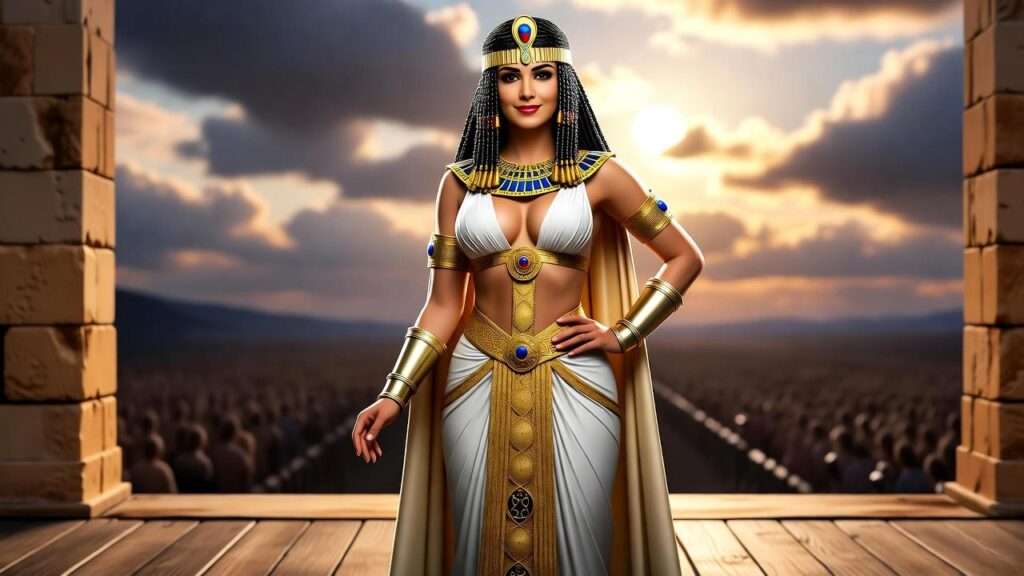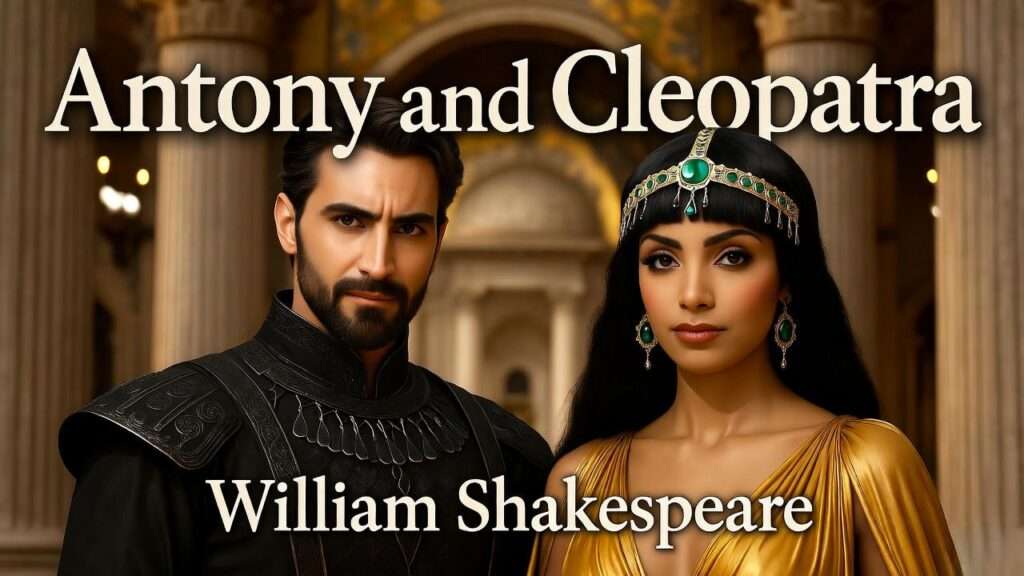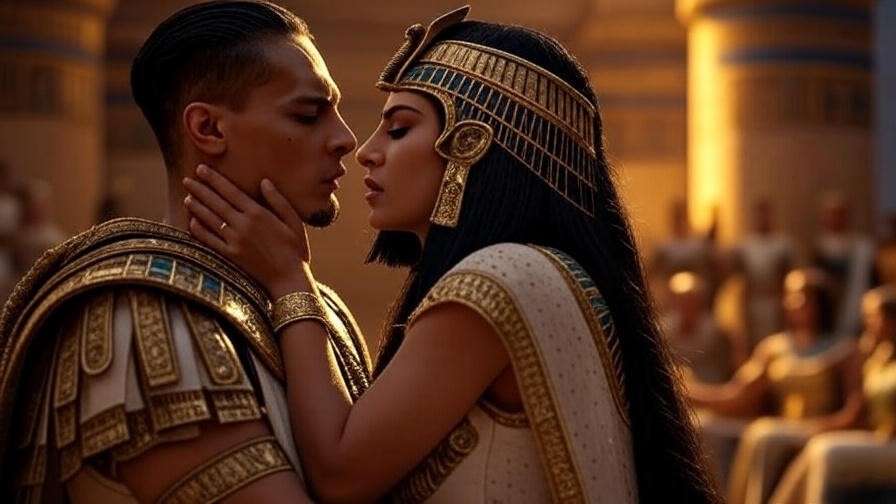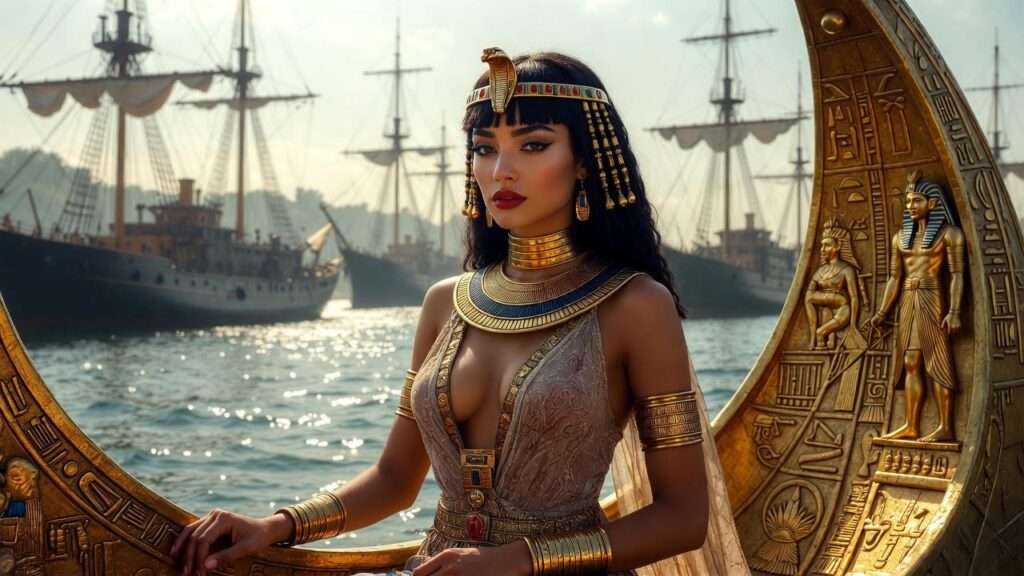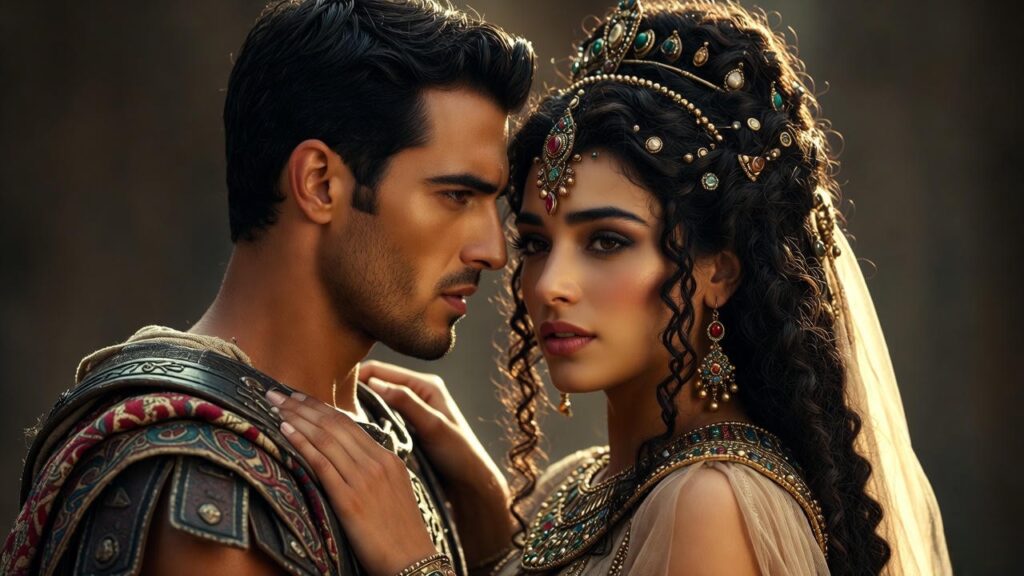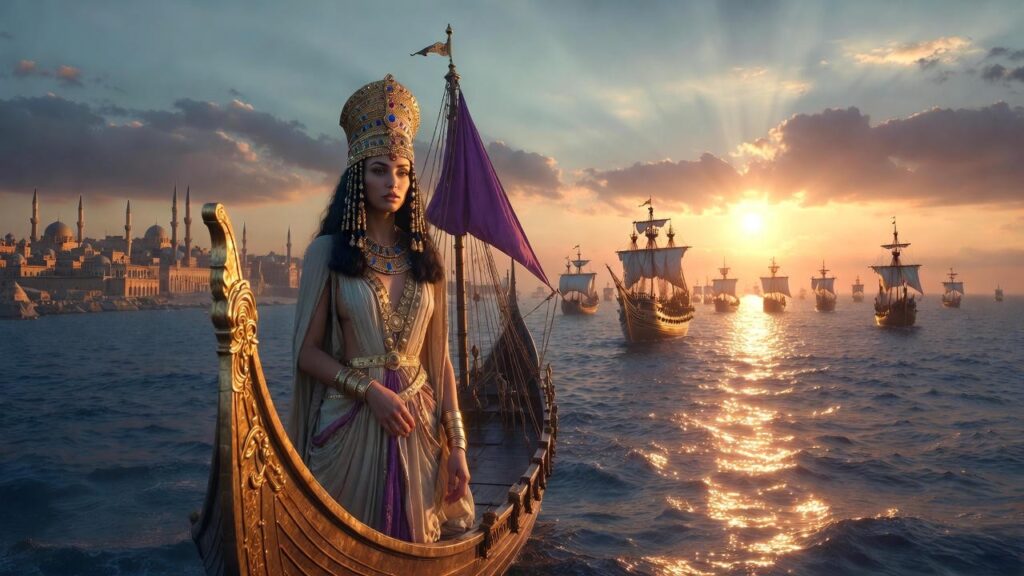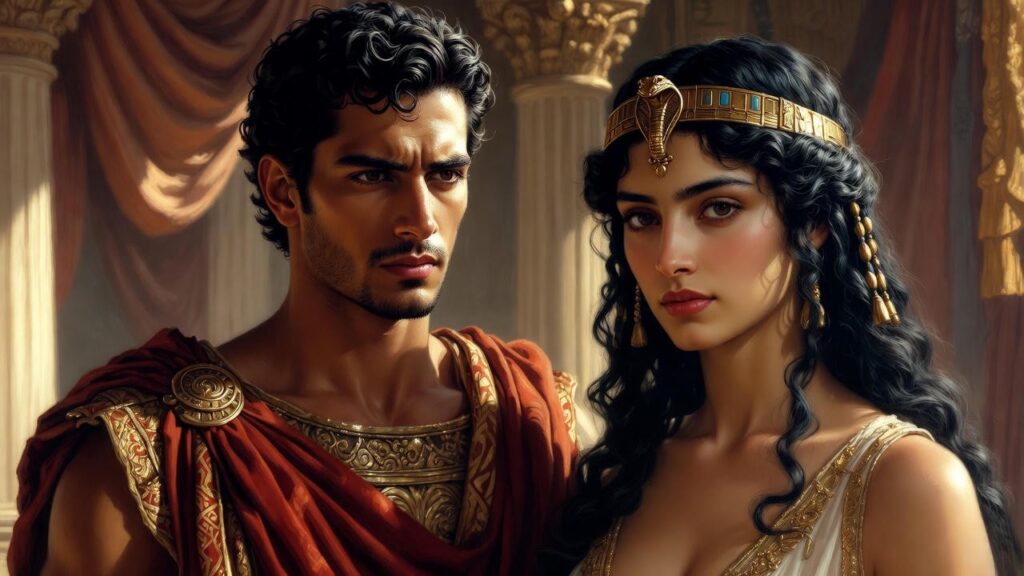
Imagine a love story so intense that it reshapes the map of the ancient world, where two larger-than-life figures—Mark Antony and Cleopatra—choose passion over power, only to watch their empires crumble in the flames of their own desires. William Shakespeare’s Antony and Cleopatra is that rare dramatic masterpiece that blends scorching romance, ruthless politics, and profound human frailty. At its heart, Antony and Cleopatra is an example of one of Shakespeare’s greatest tragedies, a work that explores the catastrophic consequences of divided loyalties and unchecked emotion. In this in-depth exploration, we’ll examine exactly why this play belongs among Shakespeare’s most celebrated tragic works, drawing on historical evidence, textual analysis, and scholarly consensus to clarify its genre and enduring power.
For students grappling with Shakespeare’s canon, literature enthusiasts debating genre classifications, or readers simply captivated by the doomed lovers, understanding Antony and Cleopatra as a tragedy unlocks deeper appreciation of its themes, structure, and emotional resonance. Far from a mere historical drama or romantic tale, it stands shoulder-to-shoulder with Hamlet, Othello, King Lear, and Macbeth as a profound meditation on human downfall.
Historical Classification: Why Antony and Cleopatra Is Officially a Tragedy
The most authoritative starting point for classifying any Shakespeare play is the 1623 First Folio, the first collected edition of his works compiled by his fellow actors John Heminges and Henry Condell. In this foundational text—considered the closest thing we have to Shakespeare’s own intentions—the play appears as “The Tragedie of Anthonie, and Cleopatra.” This explicit labeling by the King’s Men, the acting company Shakespeare co-owned, leaves little room for doubt: his contemporaries viewed it as a tragedy.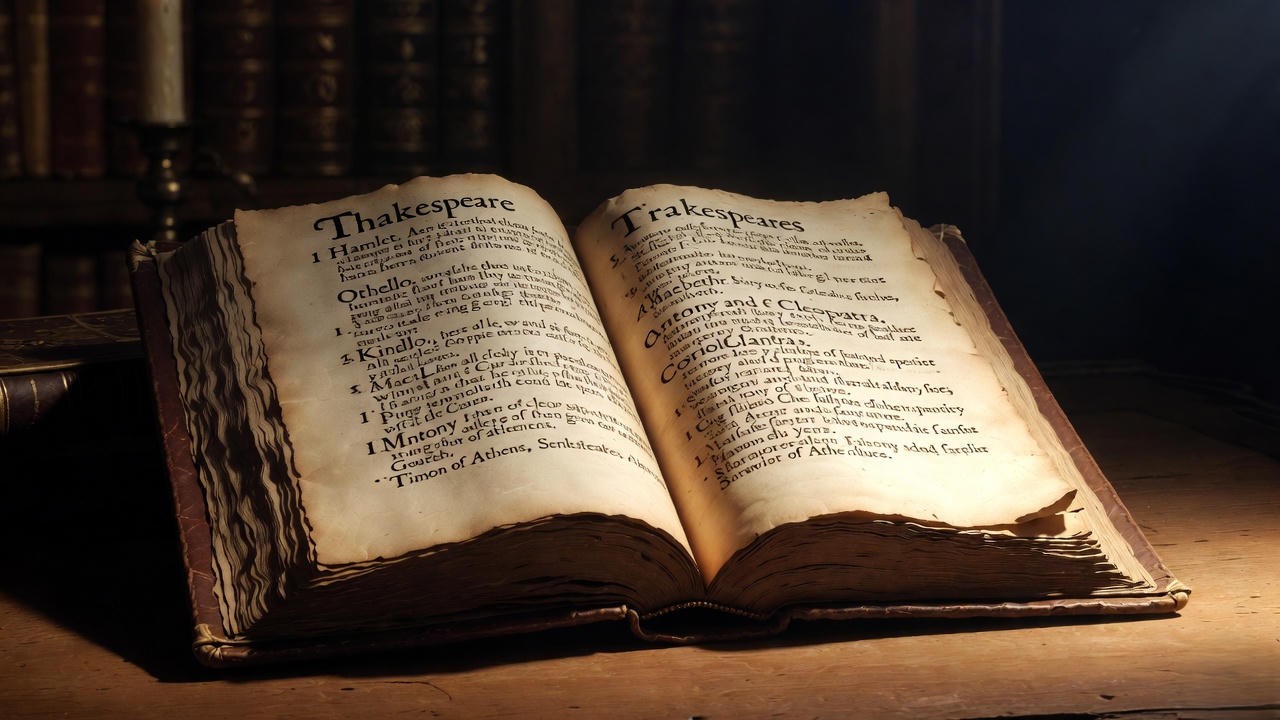
The First Folio Evidence
The First Folio organizes Shakespeare’s plays into three distinct categories: Comedies, Histories, and Tragedies. Antony and Cleopatra is placed firmly in the Tragedies section, between Coriolanus and Timon of Athens. This placement reflects not just editorial whim but performance history—the play was staged as a tragedy during Shakespeare’s lifetime, evoking the pity and fear that Aristotle identified as the hallmark of the genre.
Placement Among Shakespeare’s Tragedies
Unlike the Roman histories such as Julius Caesar or Antony’s predecessor in the Roman plays sequence, which focus on public events and political upheaval, Antony and Cleopatra centers on personal flaws leading to catastrophic ends. Its position alongside undisputed tragedies underscores its shared DNA: noble protagonists, internal conflicts, and an inexorable march toward death.
Scholarly Consensus on Genre
Modern authorities overwhelmingly affirm this classification. The Folger Shakespeare Library, Royal Shakespeare Company (RSC), and Britannica all list it as a tragedy. Leading scholars like A.C. Bradley in his seminal Shakespearean Tragedy (1904) include it among the four great tragedies alongside Hamlet, Othello, King Lear, and Macbeth. Even critics who note hybrid elements acknowledge that tragedy is the dominant mode.
Defining Shakespearean Tragedy: Key Characteristics
To fully appreciate why Antony and Cleopatra exemplifies Shakespearean tragedy, we must first understand the genre’s core elements. Shakespeare inherited the classical tragic form from Greek dramatists like Sophocles and Euripides, refined it through Seneca, and transformed it into something uniquely Elizabethan.
The Tragic Hero and Fatal Flaws
Central to Shakespearean tragedy is the tragic hero—a figure of noble stature possessing exceptional qualities but undermined by a fatal flaw (hamartia). This flaw isn’t mere villainy but a distortion of virtue: ambition in Macbeth, jealousy in Othello, pride in Coriolanus. In Antony and Cleopatra, we encounter not one but two such heroes, each undone by intertwined flaws.
Downfall from Power and Noble Deaths
Tragedies trace a clear arc from prosperity to misery. The protagonist falls from greatness, often through a series of reversals (peripeteia) and recognitions (anagnorisis). Death is rarely senseless; it frequently carries redemptive or transcendent qualities, allowing the hero to reclaim dignity in their final moments.
Themes of Fate, Free Will, and Catharsis
Shakespeare’s tragedies grapple with the tension between destiny and choice. Audiences experience catharsis—purgation of pity and fear—as they witness suffering that mirrors universal human vulnerabilities. Antony and Cleopatra delivers this emotional release through its grandeur and heartbreak.
Why Antony and Cleopatra Fits the Tragic Mold Perfectly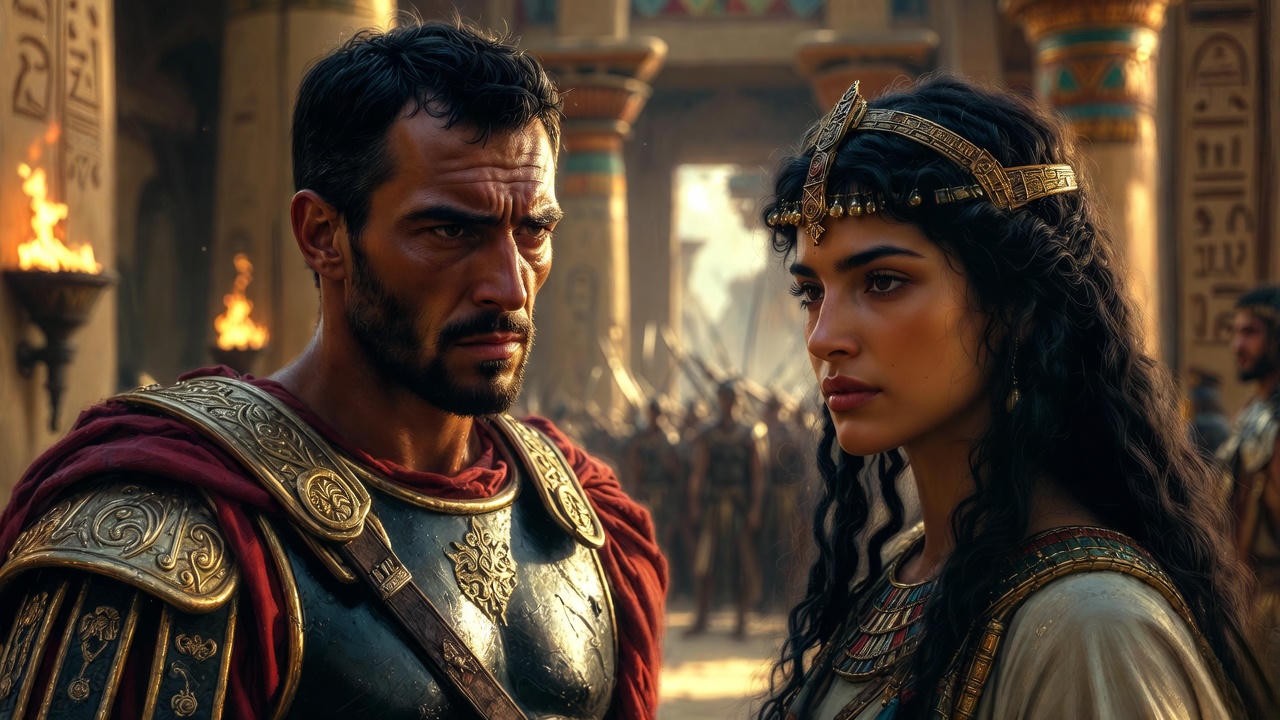
Written around 1606-1607, during Shakespeare’s mature tragic period, Antony and Cleopatra embodies these characteristics with extraordinary sophistication.
The Protagonists’ Tragic Flaws Exposed
Antony’s Indecisiveness and Passion: Once “the triple pillar of the world,” Antony is torn between Roman duty and Egyptian sensuality. His tragic flaw is his inability to reconcile these worlds—his “dotage” (as Philo calls it in the opening lines) leads him to abandon military discipline, most disastrously at the Battle of Actium.
Cleopatra’s Manipulation and Theatricality: Cleopatra is no passive victim. Her “infinite variety” captivates, but her dramatic manipulations—feigning death, testing Antony’s love—contribute to the chain of misunderstandings that doom them both. Yet Shakespeare elevates her beyond stereotype; her flaw is inseparable from her magnificence.
The Inevitable Downfall and Chain of Events
The play’s structure follows classic tragic progression: initial prosperity (Antony’s triumvirate power), rising complications (political marriages, battles lost through passion), climax (Actium’s defeat), and catastrophic resolution (suicides). Each choice compounds the tragedy, illustrating how personal failings have world-altering consequences.
Dual Tragic Heroes – A Shakespearean Innovation
Perhaps the play’s boldest tragic innovation is its dual protagonists. While Romeo and Juliet features young lovers, Antony and Cleopatra presents mature, world-shaping figures whose love is both destructive and sublime. This shared heroism expands the tragic scope, making their downfall feel cosmic.
Comparison to Other Shakespearean Tragedies
Compared to Romeo and Juliet, the earlier love tragedy, Antony and Cleopatra offers greater complexity: the lovers are experienced rulers, their passion entangled with empire. As a loose sequel to Julius Caesar, it shifts focus from public assassination to private devastation. Scholar Michael Neill observes that the play extends tragic focus beyond the hero’s death, allowing Cleopatra’s final act to achieve unparalleled transcendence.
Debates and Nuances: Is It Pure Tragedy or a Hybrid?
While the First Folio and scholarly tradition firmly classify Antony and Cleopatra as a tragedy, the play’s richness has sparked ongoing debate about its genre purity. Some critics argue it defies easy categorization, blending elements of history, romance, and even comedy. This hybridity doesn’t diminish its tragic status—it enhances it, making the play one of Shakespeare’s most innovative late works.
Elements of History and Romance
Shakespeare drew heavily from Plutarch’s Lives of the Noble Grecians and Romans (via Sir Thomas North’s 1579 translation), grounding the drama in real historical events: the Second Triumvirate, the Battle of Actium (31 BCE), and the deaths of Antony and Cleopatra. This historical foundation aligns it with Shakespeare’s Roman plays like Julius Caesar and Coriolanus, often grouped as “Roman tragedies” or histories. Yet unlike pure histories focused on statecraft and national identity (Henry IV, Henry V), here personal passion drives public catastrophe.
The romantic dimension is equally prominent. The central relationship—fiery, mature, and mutually obsessive—echoes the “romantic tragedies” like Romeo and Juliet. Enobarbus’s famous description of Cleopatra on her barge (Act 2, Scene 2) is one of the most lyrical passages in all Shakespeare, celebrating sensuality and wonder rather than condemning it outright.
Comedic and Problem Play Aspects
Moments of bawdy humor and ironic detachment punctuate the drama: the drunken revelry on Pompey’s barge, the clownish messenger scenes, or Cleopatra’s volatile temper yielding comic exasperation. Critics like Phyllis Rackin have noted how these lighter touches create tonal shifts uncommon in “pure” tragedies like King Lear.
Some 20th-century scholars, influenced by F.S. Boas’s concept of “problem plays” (All’s Well That Ends Well, Measure for Measure, Troilus and Cressida), have suggested Antony and Cleopatra belongs in this ambiguous category. Its moral complexity—neither protagonist is wholly admirable nor villainous—and its refusal of clear resolution challenge conventional tragic catharsis.
Why Tragedy Prevails Over Other Genres
Despite these hybrid elements, tragedy remains the dominant lens. The play ends with multiple deaths, the fall of great leaders, and a profound sense of waste—all hallmarks of Shakespearean tragedy. As Janet Adelman argues in The Common Liar (1973), the romantic and historical strands serve the tragic vision: love and politics are inextricably linked, and their collision produces inevitable ruin. The grandeur of the protagonists’ final self-fashioning—Antony aspiring to join Cleopatra in a heroic afterlife, Cleopatra staging her death as imperial spectacle—elevates personal loss to mythic proportions.
Major Themes That Elevate It as a Great Tragedy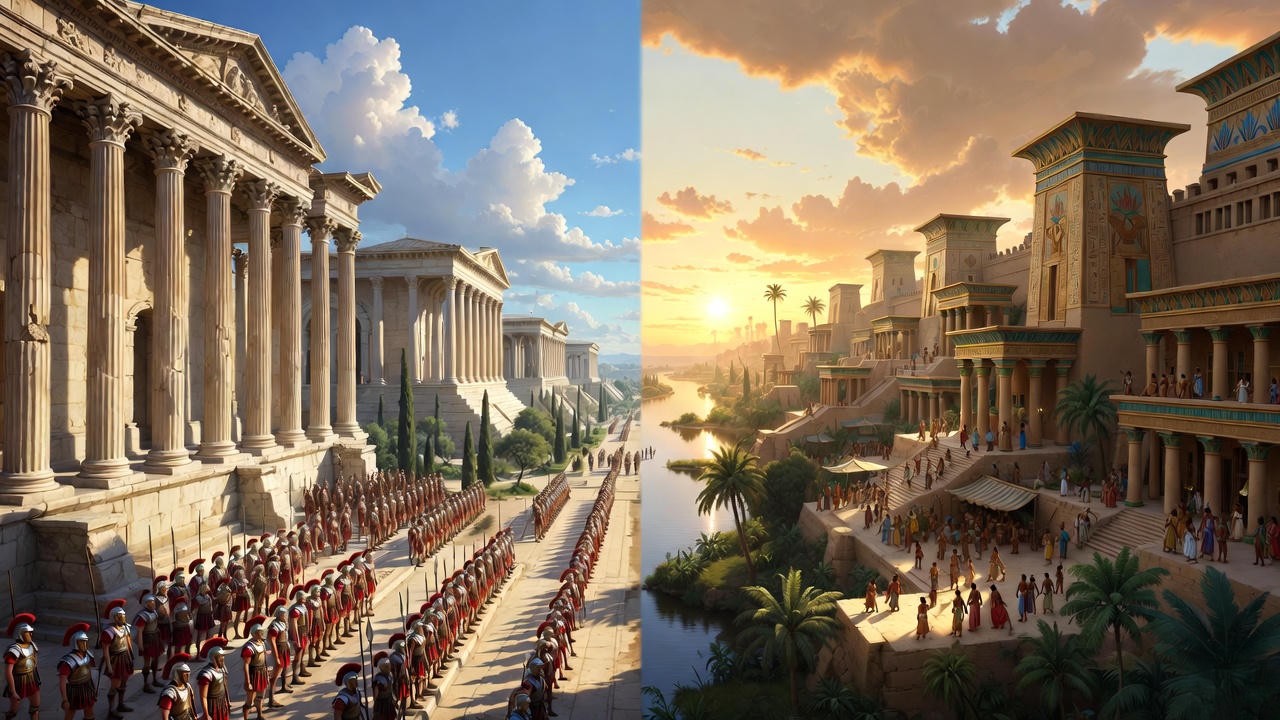
What sets Antony and Cleopatra apart from other Shakespearean tragedies is its expansive thematic canvas. Written at the height of Shakespeare’s powers, it weaves together love, power, identity, and mortality with unparalleled sophistication.
Love vs. Duty and Empire
The central conflict pits Rome (order, discipline, masculinity) against Egypt (pleasure, excess, femininity). Antony’s tragic error lies in failing to balance these worlds: “Let Rome in Tiber melt, and the wide arch / Of the ranged empire fall!” (Act 1, Scene 1). Yet Shakespeare refuses simplistic judgment—Cleopatra’s Egypt offers vitality that sterile Roman duty lacks.
Power, Betrayal, and Ambition
Octavius Caesar emerges as the play’s cold victor, embodying calculating ambition. His rise underscores the tragedy: personal loyalty and passion lose to political pragmatism. Betrayals—Antony’s marriage to Octavia, Enobarbus’s desertion—highlight the fragility of human bonds in power’s shadow.
Gender, Performance, and Identity
Cleopatra is one of Shakespeare’s most complex female characters. Her “infinite variety” (Act 2, Scene 2) defies fixation; she performs roles—queen, lover, mother—with theatrical mastery. This performativity extends to both protagonists: they actively shape their legacies through death. Modern feminist critics like Ania Loomba praise how Cleopatra subverts patriarchal narratives by controlling her final image.
Mortality and Legacy
The play’s final act is a masterclass in tragic transcendence. Cleopatra’s aspiration—”I am fire and air” (Act 5, Scene 2)—rejects earthly defeat. By choosing suicide with the asp, she transforms Roman conquest into eternal myth, ensuring “no grave upon the earth shall clip in it / A pair so famous.”
Key Scenes and Quotes That Define Its Tragic Essence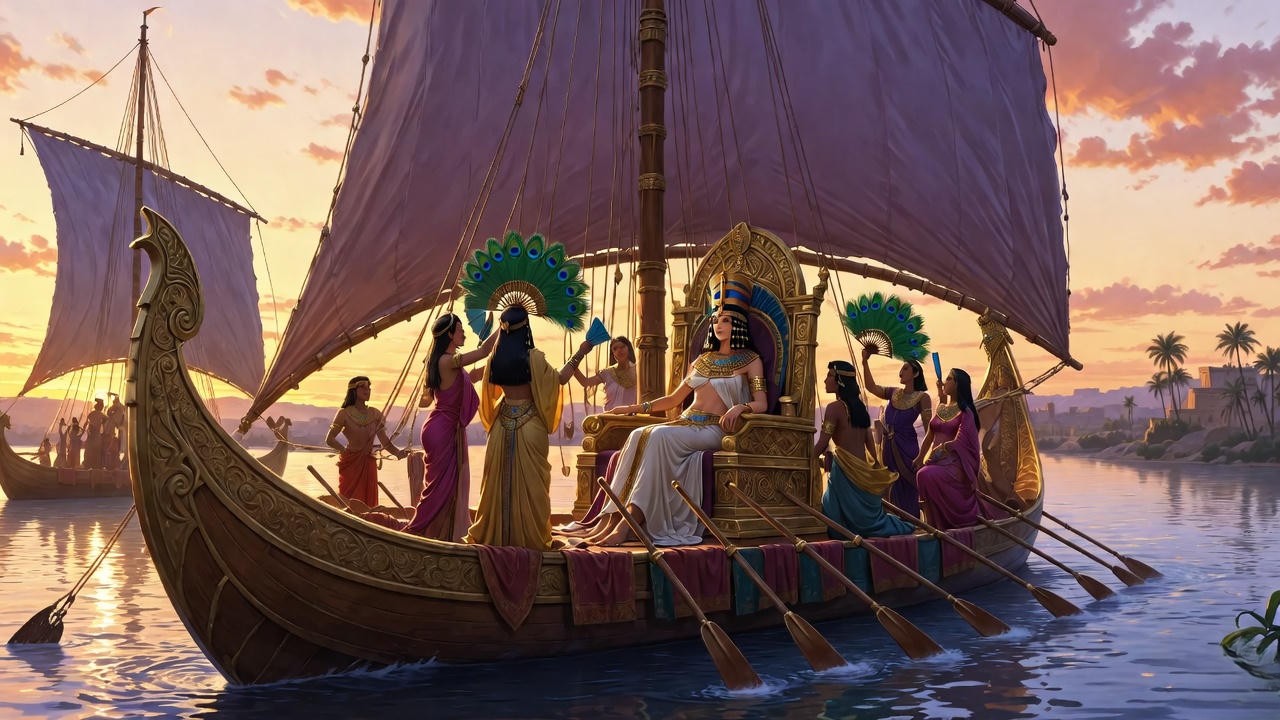
Shakespeare’s language in Antony and Cleopatra is among his most poetic and expansive, using imagery of dissolution, vastness, and transformation to underscore tragic themes.
Iconic Moments of Tragedy
- Enobarbus’s Barge Speech (Act 2, Scene 2): This set-piece description of Cleopatra’s first meeting with Antony is often cited as Shakespeare’s finest extended metaphor. It establishes her supernatural allure while foreshadowing Antony’s downfall.
- The Battle of Actium (Act 3, Scene 7–10): Offstage yet pivotal, Antony’s decision to fight by sea to accommodate Cleopatra leads to disaster—his fleet surrenders when she flees.
- Antony’s Botched Suicide (Act 4, Scene 14): In a moment of tragic irony, Antony’s attempt to fall on his sword fails, prolonging his suffering and highlighting fate’s cruelty.
- Cleopatra’s Death (Act 5, Scene 2): Robed as queen, surrounded by attendants, she dies with regal dignity: “As sweet as balm, as soft as air, as gentle— / O Antony!” Her final performance achieves the transcendence tragedy often promises.
Memorable Quotes with Analysis
- “If it be love indeed, tell me how much.” / “There’s beggary in the love that can be reckoned.” (Act 1, Scene 1) – Cleopatra rejects quantifiable love, establishing the boundless passion that will destroy them.
- “The triple pillar of the world transform’d / Into a strumpet’s fool” (Act 1, Scene 1) – Philo’s opening judgment sets up the tragic conflict between public reputation and private desire.
- “My man of men” (Act 1, Scene 5) – Cleopatra’s affectionate epithet reveals genuine devotion beneath theatricality.
Expert Tip: When analyzing tragedy in essays, focus on how Shakespeare uses hyperbole and cosmic imagery (“new heaven, new earth”) to elevate personal loss to universal significance.
Historical Context and Sources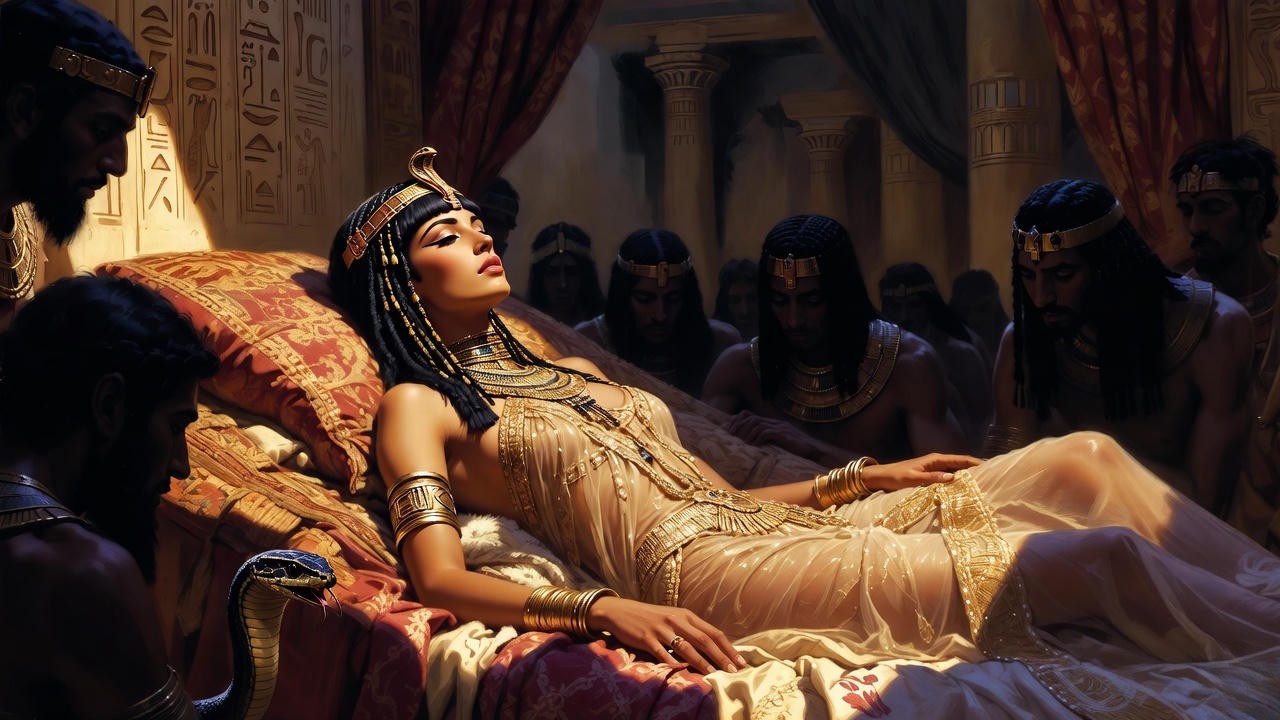
Understanding the play’s roots deepens appreciation of its tragic artistry.
Plutarch’s Influence
Shakespeare followed Plutarch closely but selectively heightened drama. Where Plutarch is measured, Shakespeare amplifies emotion—Cleopatra’s barge becomes a floating wonder, Antony’s flaws more passionately rendered.
Elizabethan Views on Rome and Egypt
For Shakespeare’s audience, Rome represented imperial order (paralleling James I’s ambitions), while Egypt evoked exotic danger and moral laxity. The play subtly critiques both: Roman “honor” appears hypocritical, Egyptian excess life-affirming.
Modern Interpretations and Adaptations
Antony and Cleopatra may be challenging to stage—its sprawling geography, large cast, and rapid scene shifts demand inventive direction—but its tragic power continues to captivate modern audiences. From grand Royal Shakespeare Company productions to intimate experimental takes, the play resonates in an era of political polarization, complex relationships, and questions of legacy.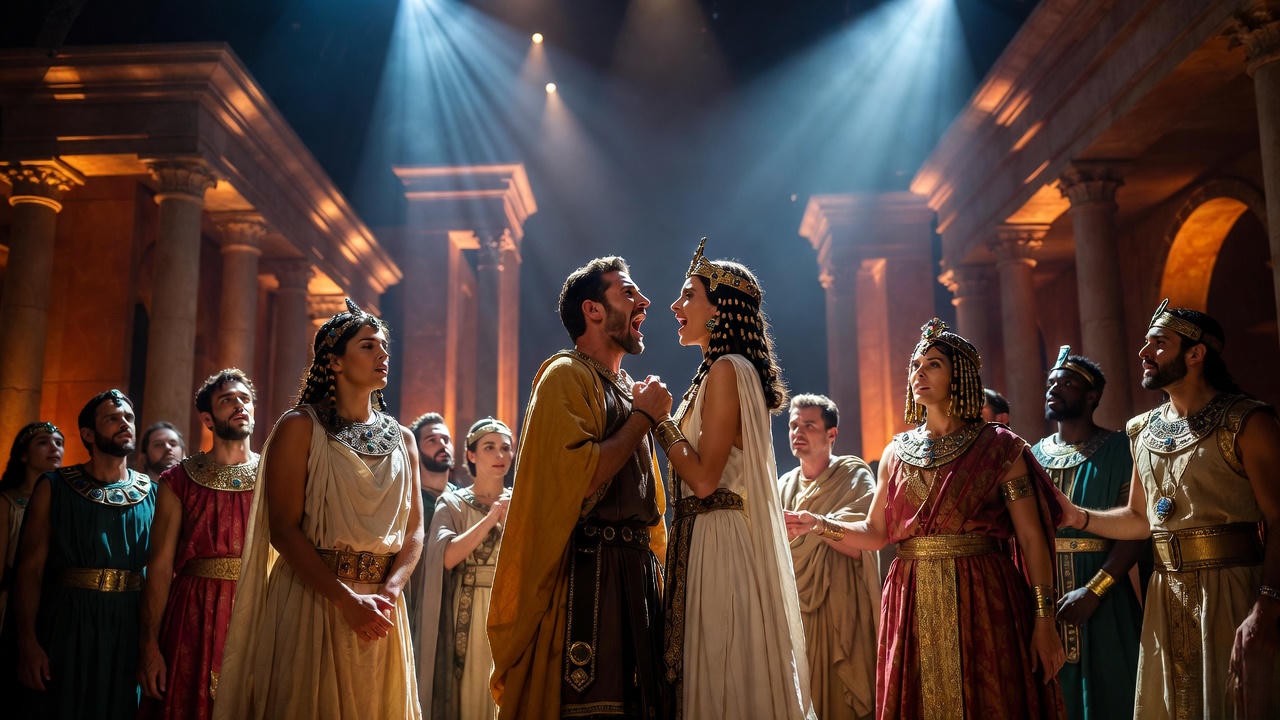
Stage and Screen Legacy
Notable stage interpretations include the 1953 Stratford production with Michael Redgrave and Peggy Ashcroft, which emphasized the lovers’ maturity and grandeur. More recently, the 2018 National Theatre production directed by Simon Godwin, starring Ralph Fiennes and Sophie Okonedo, brought a contemporary edge, highlighting gender dynamics and the intoxicating pull of power.
On screen, the 1972 film directed by Charlton Heston (who also starred as Antony) remains a faithful if somewhat stagy adaptation. The 1999 television version with Timothy Dalton and others captured the play’s sensuality effectively. Modern audiences often encounter excerpts in compilations or educational settings, but the play’s full tragic scope shines brightest in live performance, where the sweeping language and emotional intensity can overwhelm in the best way.
Why It Resonates Today
In our age of divisive politics and public scrutiny of leaders’ private lives, Antony and Cleopatra feels strikingly relevant. Antony’s struggle to balance personal desire with public duty mirrors modern scandals where passion derails careers. Cleopatra’s command of image and performance anticipates celebrity culture and social media self-presentation. Themes of empire, colonialism (Rome’s view of Egypt as “other”), and shifting global power dynamics invite postcolonial readings, as explored by scholars like Jyotsna Singh.
Tips for Students and Readers
Whether you’re writing a paper, preparing for an exam, or simply diving deeper into Shakespeare’s tragedies, here are practical strategies to enhance your understanding of Antony and Cleopatra.
How to Identify Tragedies in Shakespeare’s Canon
Look for these hallmarks: a protagonist of high status, a fatal flaw leading to downfall, a tone of inevitable doom, and deaths that evoke catharsis. Compare the First Folio categories—tragedies evoke pity and fear, histories chronicle national events, comedies resolve in marriage and harmony.
Reading Strategies for Complex Language
The play’s verse is dense and expansive. Read aloud to catch the rhythm, pay attention to imagery (dissolving worlds, boundless seas), and track the Rome/Egypt antithesis. Reliable modern editions like the Arden, Oxford, or Folger provide helpful notes and commentary.
Essay Prompts and Discussion Questions
- Is Antony and Cleopatra Shakespeare’s greatest tragedy? Argue using comparisons to King Lear or Othello.
- How does Shakespeare use gender and performance to complicate tragic heroism?
- To what extent is the lovers’ downfall self-inflicted versus fated?
FAQs
Is Antony and Cleopatra a tragedy or a history play? It is primarily a tragedy, as classified in the 1623 First Folio and supported by its focus on personal flaws leading to catastrophic downfall. While it draws on historical events from Plutarch, the emotional and psychological core aligns it with tragedies like Hamlet and Macbeth, rather than the more politically focused histories.
Why do some critics call it a ‘problem play’? The label arises from its genre blending—elements of romance, comedy, and moral ambiguity create tonal shifts not typical of “pure” tragedy. However, the overwhelming arc of loss, multiple deaths, and profound catharsis firmly establish its tragic identity.
How does it compare to Romeo and Juliet? Both are love tragedies, but Antony and Cleopatra features mature, powerful protagonists whose passion influences world events. Where Romeo and Juliet is youthful and impulsive, this play explores seasoned desire, political consequence, and deliberate self-fashioning in death.
Is Cleopatra a tragic hero or a supporting character? She is a co-tragic hero. Shakespeare innovates by giving her equal weight—her final act dominates the play, achieving a transcendence that rivals or surpasses Antony’s.
Why is the play less frequently performed than other Shakespeare tragedies? Its logistical demands (dozens of scenes, large cast, rapid location changes) make it expensive and complex to stage. Yet when produced well, it is considered one of the most rewarding.
Antony and Cleopatra stands as one of Shakespeare’s greatest tragedies precisely because it refuses simplicity. It marries the intimacy of personal passion with the sweep of imperial history, presenting two flawed yet magnificent heroes who choose love over empire—and pay the ultimate price. Far more than a historical footnote or doomed romance, it is a profound meditation on human frailty, the allure of transcendence, and the eternal conflict between duty and desire.
For anyone wondering where this extraordinary play fits in Shakespeare’s canon, the answer is clear: Antony and Cleopatra is an example of one of Shakespeare’s greatest tragedies—a towering achievement that continues to challenge, move, and illuminate readers and audiences centuries later.