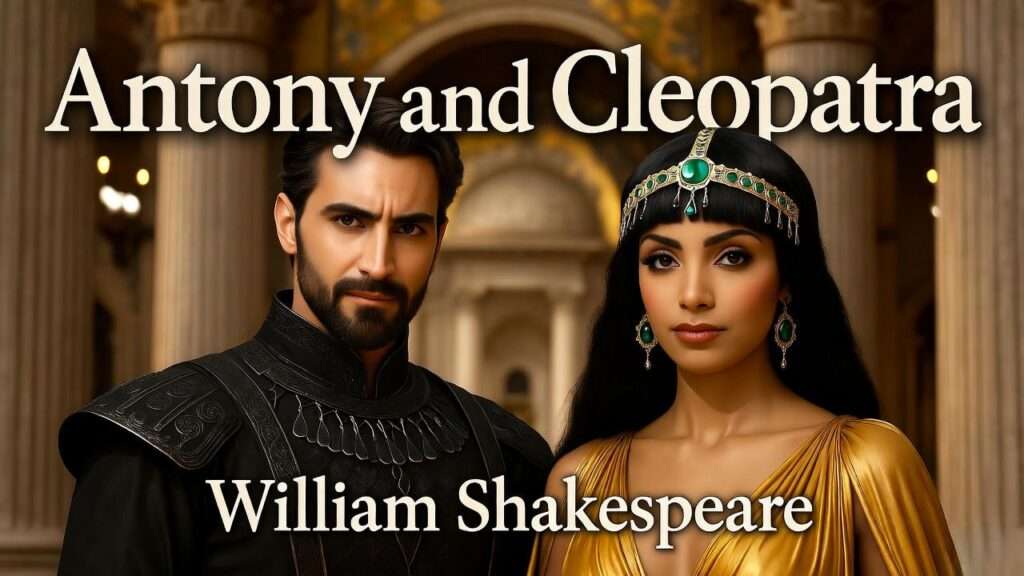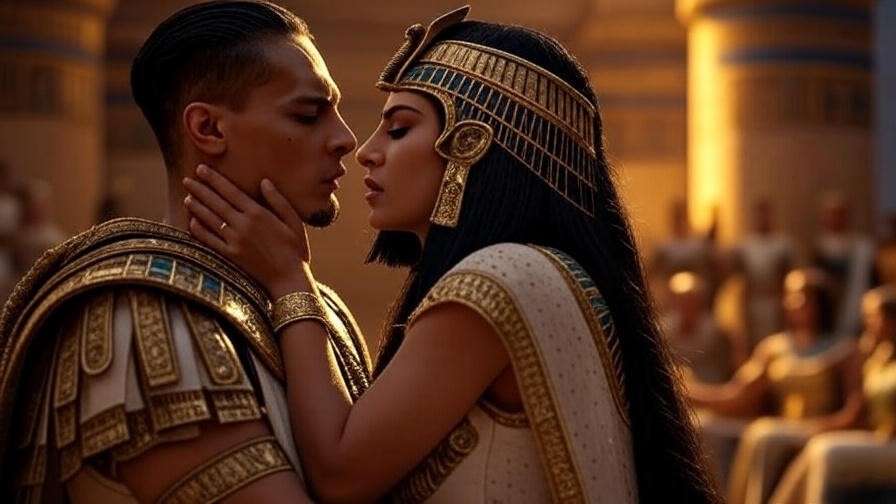
Imagine a love so consuming that it could topple empires. In the heart of ancient Alexandria, a Roman general and an Egyptian queen surrender to a passion that defies duty, reason, and the very foundations of the world they rule. This is the intoxicating world of William Shakespeare’s Antony and Cleopatra, one of his most ambitious tragedies. For those seeking an Antony and Cleopatra synopsis, this article offers a comprehensive guide: a detailed act-by-act breakdown, character insights, thematic analysis, historical context, and expert commentary to illuminate why this play remains a timeless exploration of love’s destructive power.
Written around 1606–1607 during Shakespeare’s mature tragic period—alongside masterpieces like King Lear and Macbeth—Antony and Cleopatra draws from real historical events but transforms them into a poetic drama of epic scope. Spanning the Mediterranean with over 40 scenes, it contrasts the disciplined austerity of Rome with the sensual abundance of Egypt. Whether you’re a student preparing for exams, a theater enthusiast, or a reader discovering Shakespeare anew, this in-depth synopsis and analysis will deepen your appreciation of the play’s grandeur and tragedy.
Historical and Literary Context
The Real History Behind the Play
Shakespeare’s primary source was Plutarch’s Lives of the Noble Grecians and Romans, translated into English by Sir Thomas North in 1579. Plutarch’s biography of Mark Antony provided not only the plot framework but also vivid details, such as Enobarbus’s famous description of Cleopatra on her barge, lifted almost verbatim from North’s prose.
The play is set in the turbulent years following Julius Caesar’s assassination in 44 BC. Mark Antony, Octavius Caesar (later Augustus), and Lepidus formed the Second Triumvirate to rule Rome. Antony, a seasoned general, became entangled with Cleopatra VII, the shrewd and charismatic Queen of Egypt. Their alliance—and romance—threatened Octavius’s ambitions. The pivotal Battle of Actium in 31 BC saw Antony and Cleopatra’s forces defeated at sea, leading to their suicides in 30 BC and Octavius’s rise as Rome’s first emperor.
Shakespeare compresses this decade-long timeline for dramatic effect, heightening the romance and personal conflicts. Historically, Octavia lived with Antony longer and bore him children; in the play, their marriage is brief and political. Antony’s final defeat came weeks after Actium, not immediately. These alterations emphasize tragedy over strict history, portraying Antony’s downfall as self-inflicted through passion rather than mere military miscalculation.
Shakespeare’s Antony and Cleopatra in His Oeuvre
Composed in Shakespeare’s late tragic phase, Antony and Cleopatra stands out for its global scale and linguistic richness. Unlike the confined settings of Othello or King Lear, it shifts rapidly between Rome, Egypt, and battlefields, demanding imaginative staging. It follows Julius Caesar chronologically but shifts focus from political intrigue to romantic catastrophe.
The play’s performance history reflects its challenges: rarely staged in Shakespeare’s lifetime (first printed in the 1623 Folio), it gained prominence in the 19th century with lavish productions. Modern revivals, such as the Royal Shakespeare Company’s versions with Helen Mirren (1982) or Harriet Walter (2006), highlight its themes of gender, empire, and aging. Notable film adaptations include Charlton Heston’s 1972 version, emphasizing spectacle.
Detailed Plot Synopsis
Act-by-Act Breakdown
Act 1 – Love in Alexandria and the Call of Duty
The play opens in Alexandria, where Roman soldiers Philo and Demetrius lament Antony’s transformation from heroic general to Cleopatra’s doting lover. Antony dismisses messengers from Rome, declaring, “Let Rome in Tiber melt… Here is my space.” Cleopatra teases and tests him, revealing her theatrical jealousy.
News arrives: Antony’s wife Fulvia has died after rebelling against Octavius, and pirate Sextus Pompey threatens the triumvirate. A soothsayer warns Antony’s fortunes pale beside Octavius’s. Compelled by duty, Antony resolves to return to Rome, parting from a manipulative Cleopatra who feigns indifference.
Act 2 – Political Alliances and Enobarbus’s Famous Description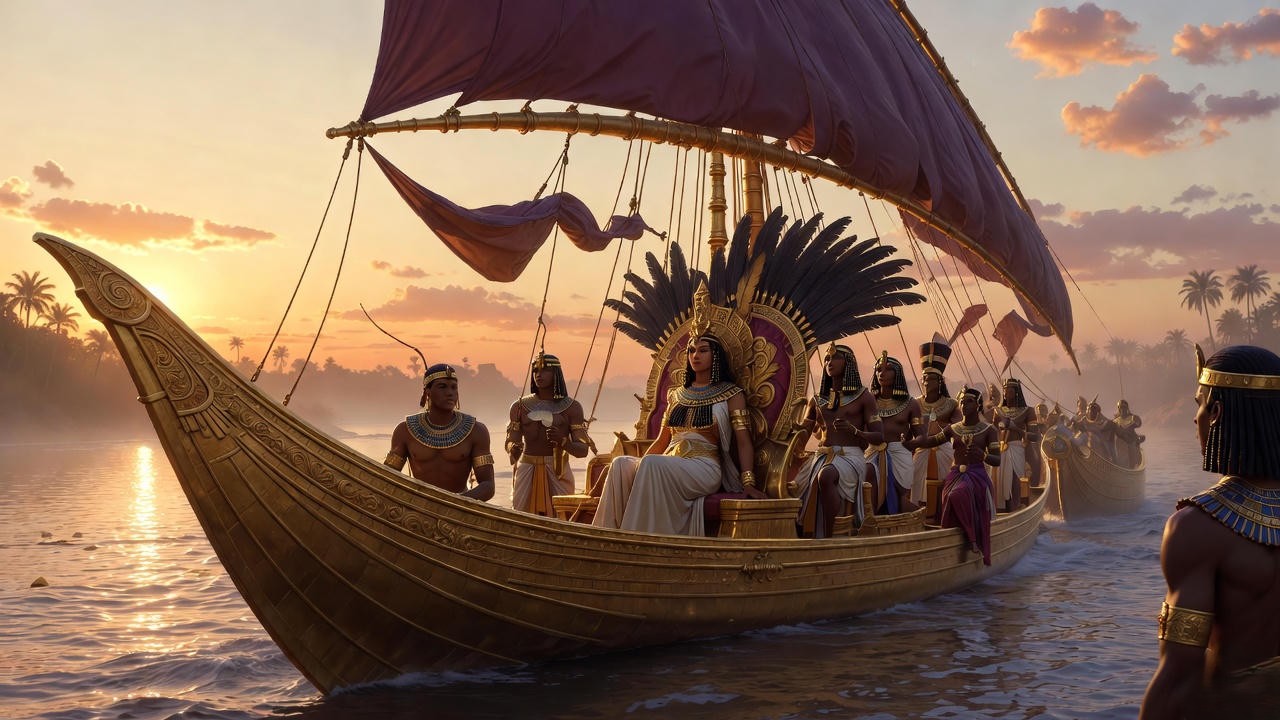
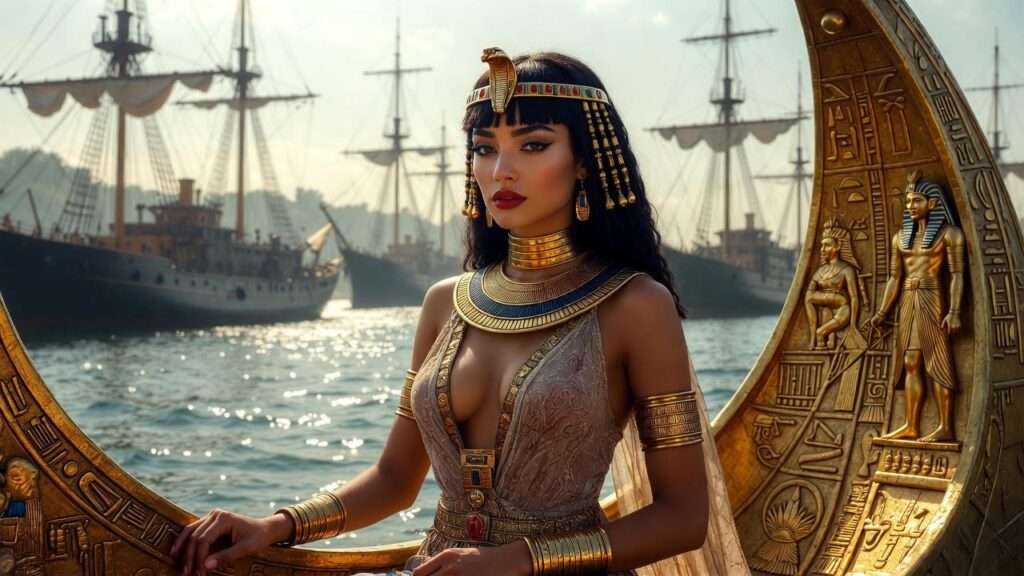
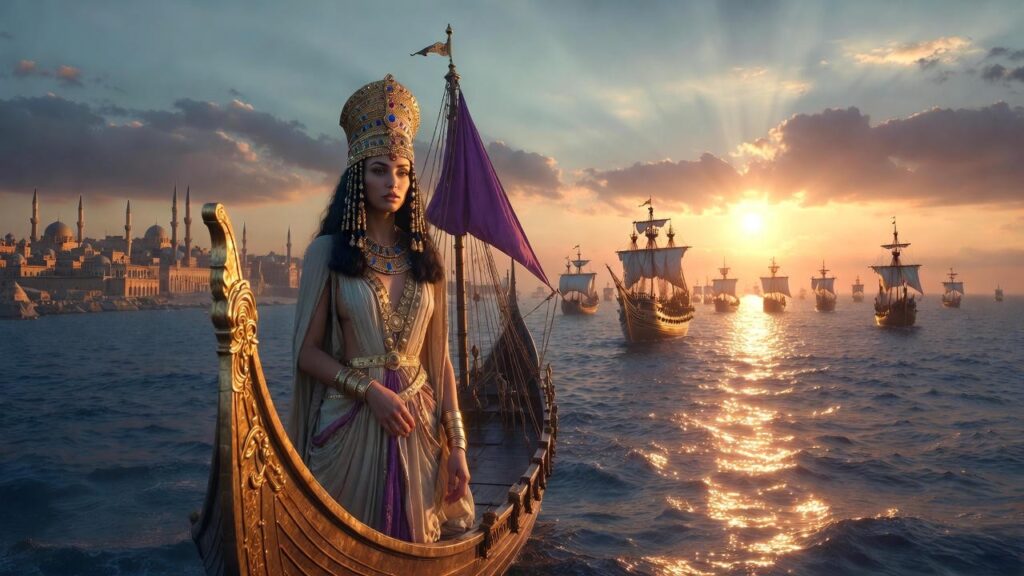
In Rome, the triumvirs negotiate with Pompey, averting war through a truce sealed by Antony’s marriage to Octavius’s sister Octavia. Enobarbus, Antony’s loyal lieutenant, vividly describes Cleopatra’s irresistible allure on her golden barge: “Age cannot wither her, nor custom stale / Her infinite variety.”
Back in Egypt, Cleopatra pines dramatically for Antony, beating a messenger for news of his marriage before learning Octavia is “dull” and unthreatening.
Act 3 – Fracturing Alliances and Return to Egypt
Antony and Octavia depart for Athens, but tensions rise. Octavius undermines Antony, arresting Lepidus. Antony returns to Cleopatra, crowning her and their children rulers of territories, provoking Octavius.
Cleopatra’s rage at Antony’s marriage subsides as war looms. Enobarbus advises against sea battle, but Antony insists, influenced by Cleopatra.
Act 4 – Defeat at Actium and Despair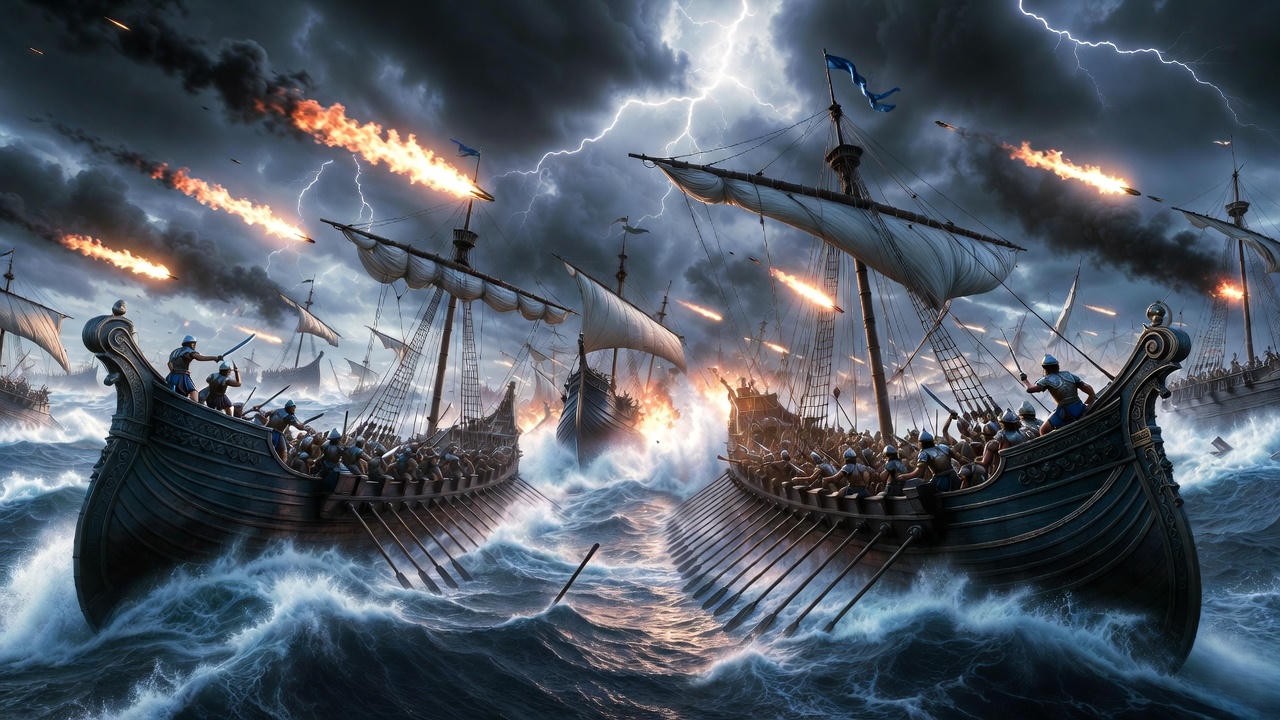
The Battle of Actium: Cleopatra’s fleet flees inexplicably, and Antony follows in shame, abandoning his army. He accuses her of betrayal; she feigns submission.
Enobarbus defects to Octavius out of disillusionment but dies of remorse. Antony wins a minor land victory but loses again at sea.
Act 5 – Tragic Ends and Transcendent Love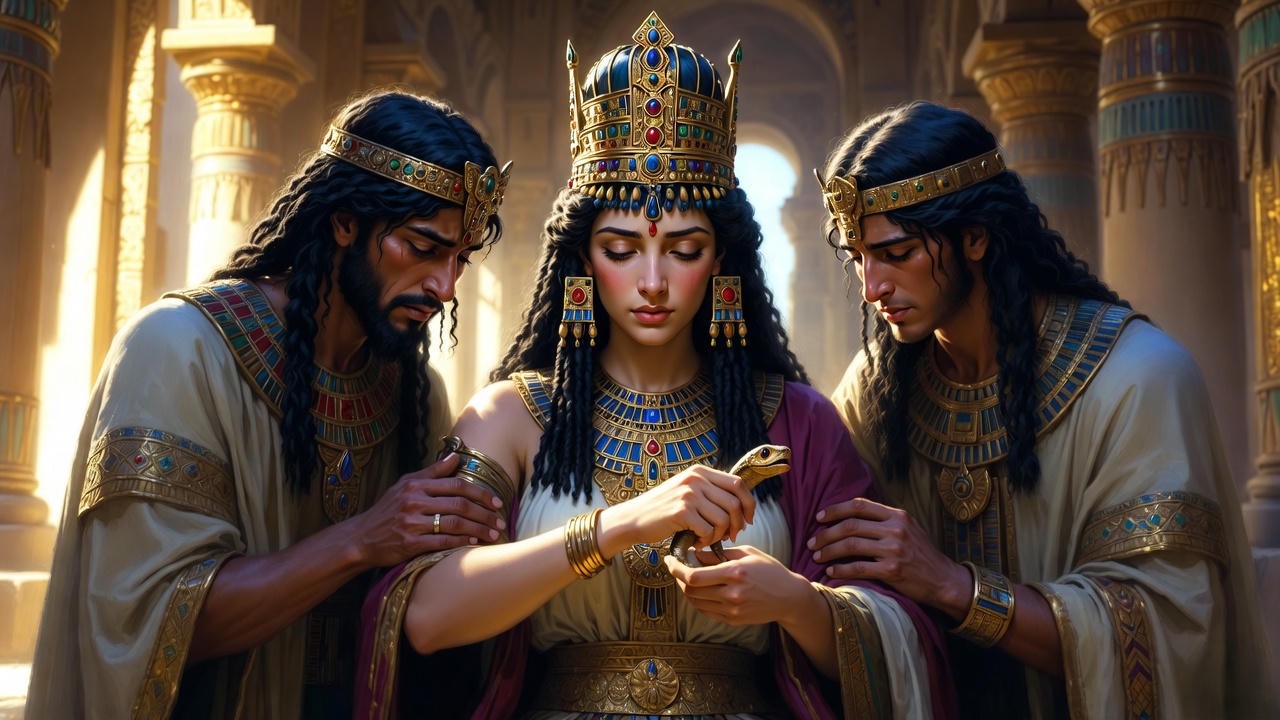
False news of Cleopatra’s death drives Antony to suicide: he falls on his sword but lingers. Hoisted to her monument, he dies in her arms.
Cleopatra, defiant against captivity and humiliation in Rome, stages a regal death. Applying asps, she declares, “I am fire and air,” achieving immortality through love. Octavius admires her but ensures burial with Antony.
Full Plot Summary (Concise Version for Quick Reference)
Mark Antony, triumvir of Rome, neglects duty for his affair with Egypt’s Queen Cleopatra. Political pressures force his return to Rome, where he marries Octavia to ally with Octavius Caesar. He soon abandons her for Cleopatra, provoking war. Defeated at Actium when Cleopatra flees and Antony follows, they face despair. Antony suicides on false report of her death; Cleopatra, refusing Roman triumph, kills herself with poisonous asps. Their transcendent love outshines political defeat.
Character Analysis
Major Characters
Mark Antony – The Tragic Hero Divided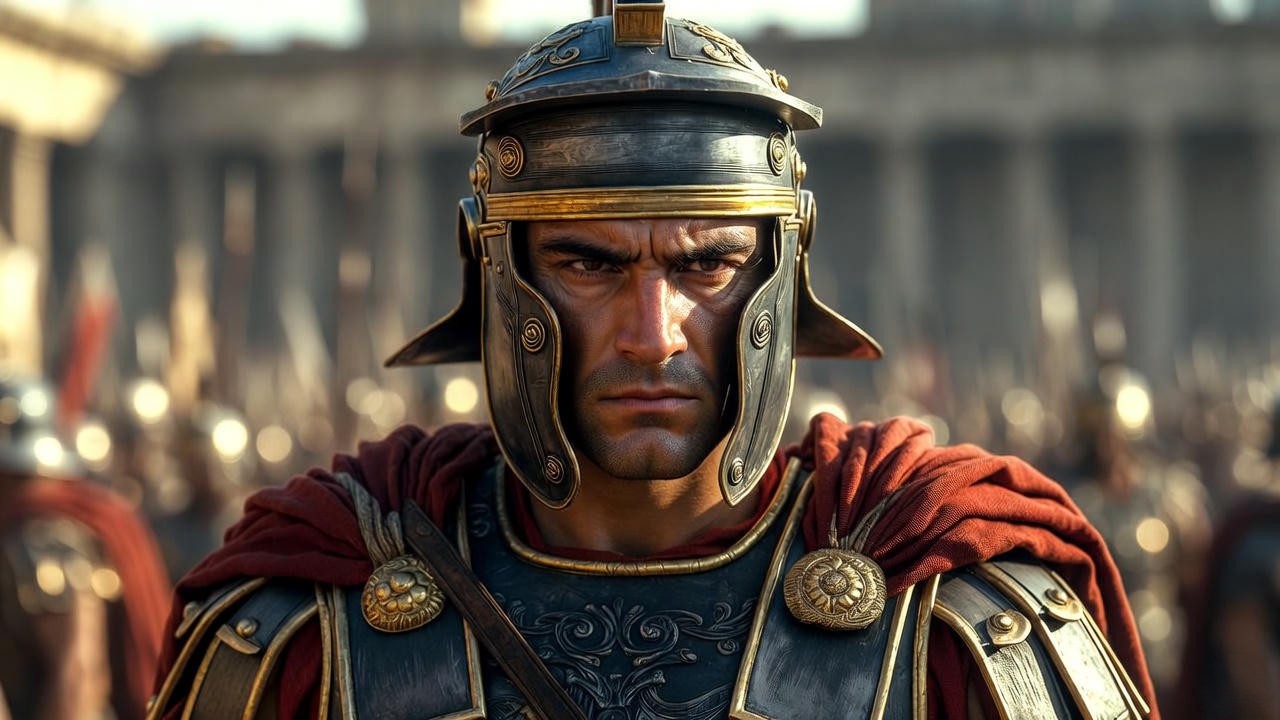
Mark Antony is one of Shakespeare’s most complex tragic heroes, a man torn between two worlds and two versions of himself. In the opening scenes, Roman soldiers describe him as having fallen from the “triple pillar of the world” into a “strumpet’s fool.” Yet Shakespeare refuses to reduce him to mere weakness. Antony possesses genuine grandeur: he is a proven warrior, generous leader, and lover capable of profound emotion.
His tragedy lies in his inability to reconcile Roman virtus—discipline, honor, public duty—with the boundless passion Cleopatra awakens in him. Lines like “Let Rome in Tiber melt and the wide arch / Of the ranged empire fall” reveal a deliberate choice to prioritize private desire over public responsibility. As the play progresses, his military judgment falters (insisting on a sea battle against advice), and his identity fragments. His final suicide attempt is botched, underscoring his diminished control, yet his lingering death in Cleopatra’s arms restores a measure of heroic dignity. Antony dies believing their love transcends defeat: “I am conqueror of myself.”
Critics often compare him to Othello (passionate general undone by emotion) and Coriolanus (proud warrior alienated from Rome), but Antony’s self-awareness sets him apart—he recognizes his flaws yet cannot escape them.
Cleopatra – Shakespeare’s Most Complex Female Role
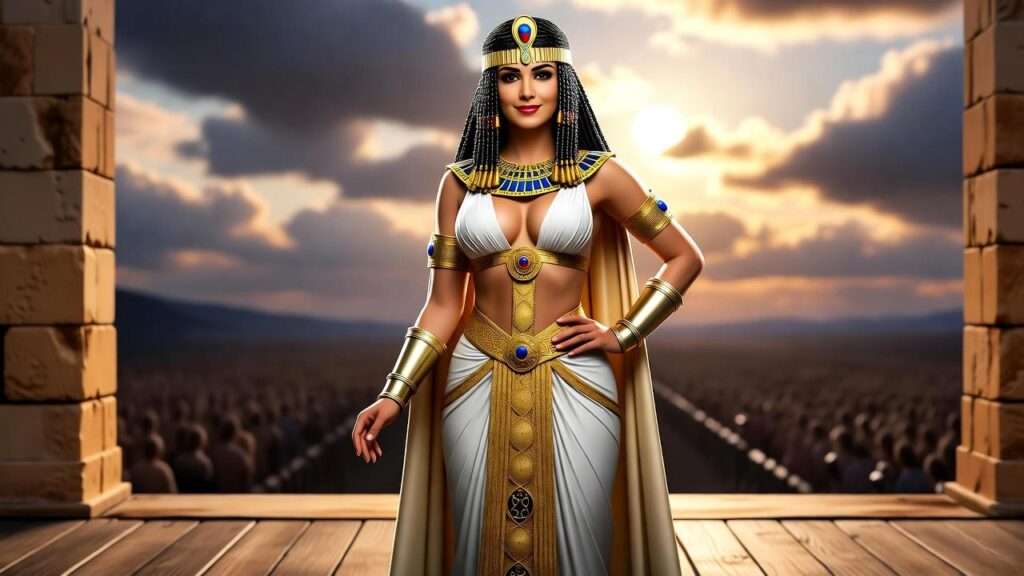
Cleopatra is frequently cited as Shakespeare’s richest and most multifaceted female character, a queen of “infinite variety” who defies easy categorization. She is seductive, manipulative, capricious, jealous, regal, vulnerable, maternal, and fiercely intelligent—all within the same play.
Her theatricality is central: she stages tantrums, faints, and grand gestures to command attention and power. Yet this performance is not mere vanity; in a world dominated by Roman men, it is her primary weapon. When she learns of Antony’s marriage to Octavia, she beats the messenger, then rewards him for lying that Octavia is unattractive—revealing both cruelty and strategic control.
In Act 5, Cleopatra achieves transcendence. Refusing to be paraded as Caesar’s trophy, she orchestrates her own death with royal splendor: dressing in crown and robes, applying the asp, and delivering some of Shakespeare’s most sublime poetry (“Give me my robe, put on my crown; I have / Immortal longings in me”). Her final lines—“I am fire and air; my other elements / I give to baser life”—elevate her to mythic status, suggesting that through love and imagination she escapes earthly limits.
Modern feminist and postcolonial readings celebrate her agency and resistance to Roman imperialism, while earlier critics sometimes condemned her as destructive. The truth lies in her complexity: she is both architect and victim of the tragedy.
Octavius Caesar – The Cold Architect of Empire
Octavius (later Augustus) serves as Antony’s foil: young, disciplined, politically astute, and emotionally restrained. Where Antony is expansive and impulsive, Octavius is calculating and future-oriented. He weeps strategically at news of Antony’s death but immediately plans how to manage public perception.
Shakespeare presents him without overt villainy—he is competent and necessary for Rome’s stability—yet his coldness makes him less human than his rival. His final tribute to the lovers (“She shall be buried by her Antony… No grave upon the earth shall clip in it / A pair so famous”) acknowledges their grandeur while confirming his victory. Octavius represents the new imperial order: efficient, centralized, and devoid of the heroic excess that defined the Republic.
Enobarbus – The Voice of Reason and Tragedy
Domitius Enobarbus, Antony’s blunt, loyal lieutenant, provides much of the play’s commentary and moral grounding. His famous barge speech (Act 2, Scene 2) not only glorifies Cleopatra but demonstrates his own poetic sensibility—he understands her allure even as he recognizes its danger.
His defection to Octavius in Act 4 marks a devastating moment: driven by rational despair at Antony’s self-destruction, he believes he is choosing survival and honor. Yet remorse kills him: “I am alone the villain of the earth… O Antony, / Nobler than my revolt is infamous.” His death underscores the play’s theme that loyalty and honor cannot always coexist with political pragmatism.
Supporting Characters and Their Roles
- Octavia: Octavius’s sister and Antony’s brief wife, she embodies Roman virtue—modesty, loyalty, obedience. Her quiet dignity highlights the impossibility of reconciling Rome and Egypt.
- Charmian and Iras: Cleopatra’s devoted attendants, they mirror her theatricality while providing intimate female perspective. Their deaths alongside her reinforce bonds of loyalty.
- Sextus Pompey: Represents a fleeting third force in Roman politics, quickly neutralized.
- Lepidus: The weakest triumvir, easily discarded, symbolizing the fragility of shared power.
Themes and Motifs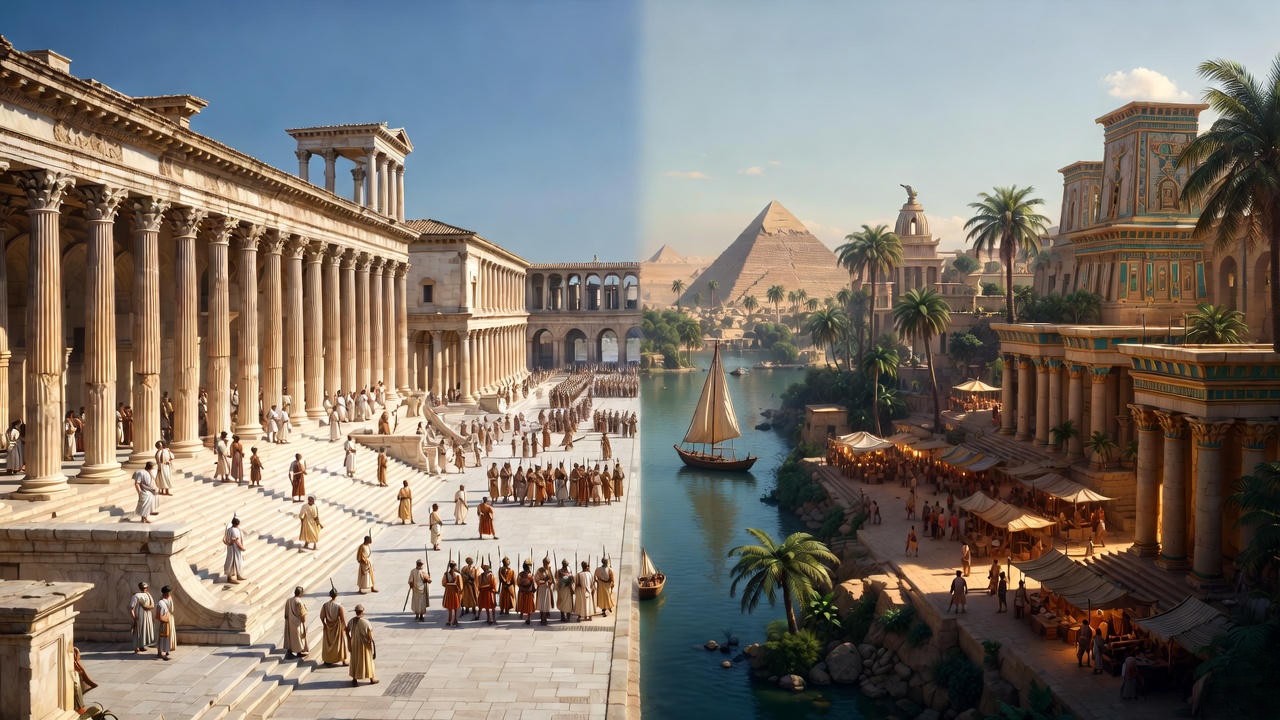
Love vs. Duty and Power
The central conflict pits personal passion against political responsibility. Antony repeatedly chooses love over empire, declaring kingdoms “clay” compared to Cleopatra. Yet Shakespeare complicates this: their love is not purely idealistic—it is laced with jealousy, manipulation, and power games. Cleopatra tests Antony constantly; he uses her wealth for war. Their relationship is as much a partnership of equals as a destructive addiction.
Rome vs. Egypt – Reason vs. Emotion
The play constructs a binary opposition: Rome = masculine, martial, austere, ordered; Egypt = feminine, sensual, extravagant, fluid. Roman characters repeatedly condemn Egyptian “gypsy” excess, while Egyptian scenes overflow with imagery of fertility, rivers, and dissolution. Yet Shakespeare undermines the binary—Romans revel on Pompey’s galley, and Cleopatra ultimately outmaneuvers Caesar through imagination.
This East-West divide carries imperial and racial implications that resonate in postcolonial criticism.
Honor, Loyalty, and Betrayal
Multiple characters grapple with conflicting loyalties. Enobarbus’s defection and remorse, soldiers who follow Antony despite defeat, Cleopatra’s apparent surrender (later revealed as ruse)—all explore whether honor is owed to person, cause, or self.
Fate, Prophecy, and Impermanence
A soothsayer repeatedly warns Antony that Octavius’s fortune overshadows his. Omens abound: strange music, serpents, eclipses. The lovers’ belief in transcendent love battles a sense of inevitable downfall, creating tragic irony.
Performance and Theatricality
Everyone performs: Cleopatra stages emotions, Antony plays the heroic lover, even Caesar manages public image. The play constantly reminds audiences they are watching a performance, blurring reality and art.
Key Quotes and Analysis
Shakespeare’s language in Antony and Cleopatra is among his most lush and sophisticated, blending soaring poetry with sharp political dialogue. Here are 12 of the play’s most iconic quotations, each accompanied by expert analysis tying them to character development and central themes.
- “Let Rome in Tiber melt and the wide arch / Of the ranged empire fall! Here is my space.” (Act 1, Scene 1) Antony’s defiant declaration captures the play’s core conflict: love versus duty. In rejecting Rome’s imperial claims, he momentarily embraces Egypt’s boundless sensuality, but the hyperbolic imagery (“melt”) foreshadows the dissolution of his own power.
- “The barge she sat in, like a burnish’d throne, / Burn’d on the water… Age cannot wither her, nor custom stale / Her infinite variety.” (Act 2, Scene 2) Enobarbus’s ecstatic description elevates Cleopatra to mythic status. Shakespeare lifts much of this passage directly from Plutarch, yet transforms prose into transcendent poetry. “Infinite variety” has become the defining critical phrase for Cleopatra’s endlessly shifting personality.
- “My salad days, / When I was green in judgment, cold in blood.” (Act 1, Scene 5) Cleopatra’s self-description reveals rare vulnerability. At around 38 years old during the play’s events, she reflects on her youthful affair with Julius Caesar, contrasting her current passionate maturity with Antony.
- “I have seen her die twenty times upon far poorer moment.” (Act 1, Scene 2) Enobarbus’s wry comment exposes Cleopatra’s theatricality—she performs emotion as strategy. This line prepares us for her genuine grief later, making her final death all the more powerful.
- “The breaking of so great a thing should make / A greater crack.” (Act 5, Scene 1) Octavius’s understated reaction to Antony’s death highlights his emotional restraint. Where Antony’s world shatters noisily, Caesar coolly calculates political advantage.
- “I am dying, Egypt, dying.” (Act 4, Scene 15) Antony’s repeated line as he bleeds out emphasizes his final identification with Cleopatra and Egypt over Rome. The repetition creates a poignant rhythm of fading life.
- “Give me my robe, put on my crown; I have / Immortal longings in me.” (Act 5, Scene 2) Cleopatra’s preparation for death transforms suicide into coronation. She reclaims agency, staging her exit as queen rather than captive.
- “I dreamt there was an Emperor Antony… His legs bestrid the ocean; his rear’d arm / Crested the world.” (Act 5, Scene 2) In her grief, Cleopatra mythologizes Antony into a colossus, echoing Roman heroic ideals while surpassing them. This vision immortalizes their love beyond historical defeat.
- “Finish, good lady; the bright day is done, / And we are for the dark.” (Act 5, Scene 2) Iras’s quiet line as she dies foreshadows the play’s movement toward darkness and transcendence. It also underscores the loyalty of Cleopatra’s female attendants.
- “I am fire and air; my other elements / I give to baser life.” (Act 5, Scene 2) Cleopatra’s final assertion claims spiritual purity. By associating herself with the lightest, noblest classical elements (fire and air), she rejects the earthly “baser” elements (earth and water) tied to Rome’s material empire.
- “O, wither’d is the garland of the war, / The soldier’s pole is fall’n!” (Act 4, Scene 15) Antony’s lament for his lost reputation uses imagery of faded victory wreaths, linking personal shame to the decline of republican heroism.
- “No grave upon the earth shall clip in it / A pair so famous.” (Act 5, Scene 2) Even the victorious Caesar acknowledges the lovers’ legendary status, ensuring their story—and Shakespeare’s play—will endure.
Expert Insights and Modern Interpretations
Critical Perspectives
Feminist critics such as Janet Adelman and Phyllis Rackin celebrate Cleopatra’s commanding presence in a canon dominated by male voices. They argue she subverts patriarchal control through performance and sexuality, ultimately authoring her own narrative in death.
Postcolonial readings (Ania Loomba, Jyotsna Singh) examine the Rome-Egypt binary as an early articulation of Western imperial attitudes toward the East—disciplined rationality versus exotic excess. Yet Shakespeare complicates this by making Egypt far more vibrant and attractive.
Psychoanalytic approaches focus on identity dissolution: Antony’s “melting” self mirrors late Shakespearean concerns with aging, mutability, and loss of masculine potency.
On Stage and Screen
Directors face the challenge of the play’s vast scope—42 scenes across multiple locations. Innovative productions often use minimalist sets and rapid cutting to maintain momentum. Notable stagings include:
- Peter Brook’s 1978 RSC production emphasizing ritual and universality.
- The 2014 Globe Theatre version with Eve Best as a playful, mature Cleopatra.
- The National Theatre’s 2018 broadcast starring Ralph Fiennes and Sophie Okonedo, which highlighted racial and imperial themes.
Film adaptations remain rare due to budgetary demands, but Charlton Heston’s 1972 version and the 1999 TV film with Timothy Dalton capture some of the spectacle.
FAQs
Is Antony and Cleopatra based on true events? Yes—almost entirely. Shakespeare closely followed Plutarch’s historical account, though he compressed time, heightened the romance, and invented some scenes for dramatic effect.
Why is Cleopatra considered Shakespeare’s most complex female character? Her emotional range, intelligence, political acumen, and theatrical self-fashioning far exceed any other Shakespearean woman. She shifts from jealous lover to regal monarch within moments.
What’s the best way for beginners to approach the play? Start with a modern production (many are streamed) to grasp the rapid scene changes, then read alongside a good edition such as the Folger Shakespeare Library or Arden Shakespeare, which provide helpful notes and commentary.
How does the play differ from actual history? The timeline is drastically shortened; Antony and Cleopatra lived separately for long periods, and Octavia’s marriage lasted years. The Battle of Actium’s aftermath unfolded over weeks, not days.
Is the play a tragedy or a romance? Primarily a tragedy—both protagonists die, and their flaws contribute to downfall—but its celebration of transcendent love gives it a uniquely bittersweet tone.
Antony and Cleopatra endures because it refuses simple judgments. Shakespeare presents a world where passion can be both magnificent and catastrophic, where empires rise on discipline yet are haunted by desire. The lovers’ defeat is military and political, but their love achieves a kind of victory that cold reason cannot touch.
Four centuries later, the play still challenges us to ask: What is worth more—personal fulfillment or public duty? Immortality through legend or stability through order?
If you’re inspired to dive deeper, I recommend the Arden Shakespeare Third Series edition (edited by John Wilders) or watching a recent RSC or National Theatre production. Return to the text often; like Cleopatra herself, it reveals new facets with every encounter.