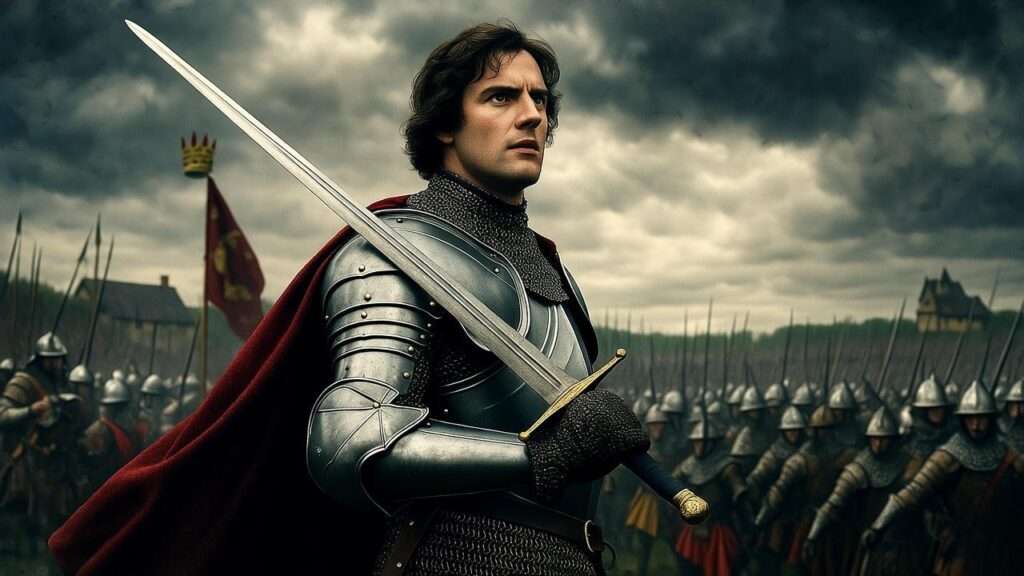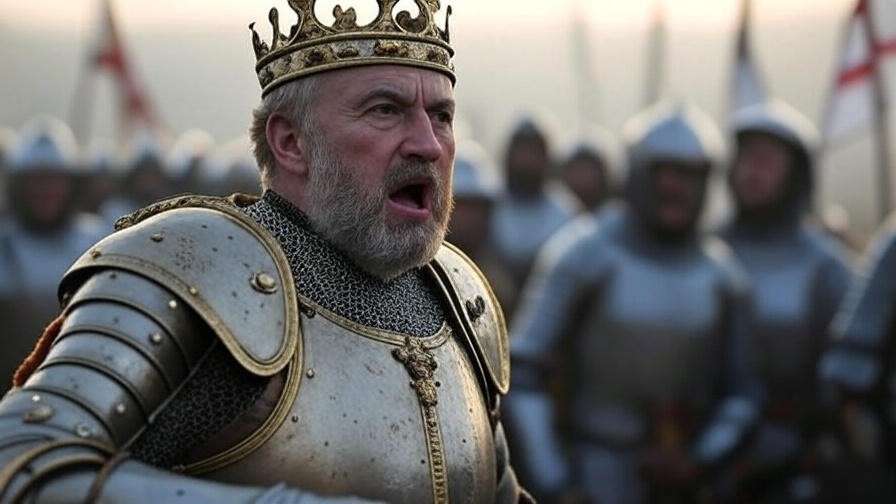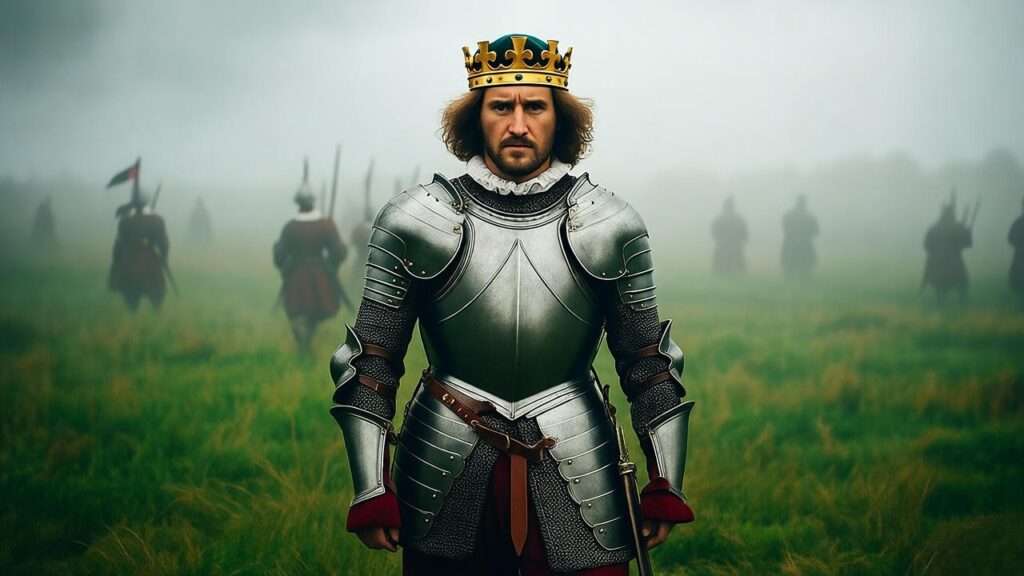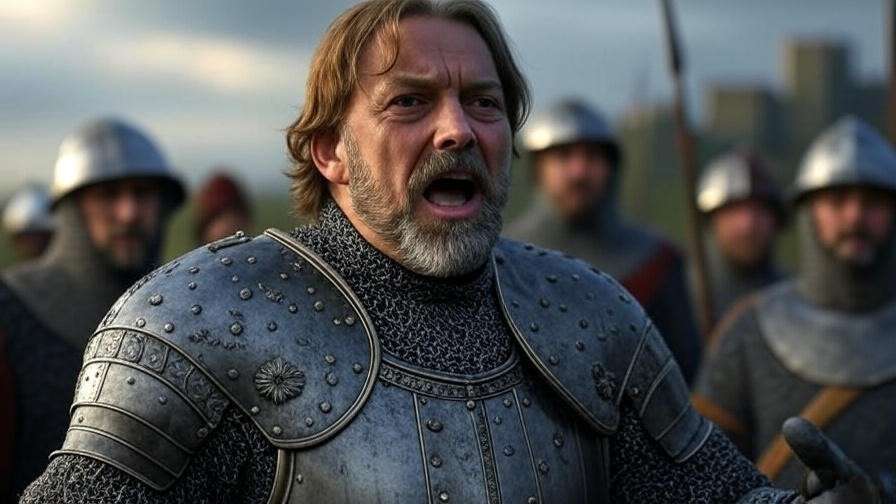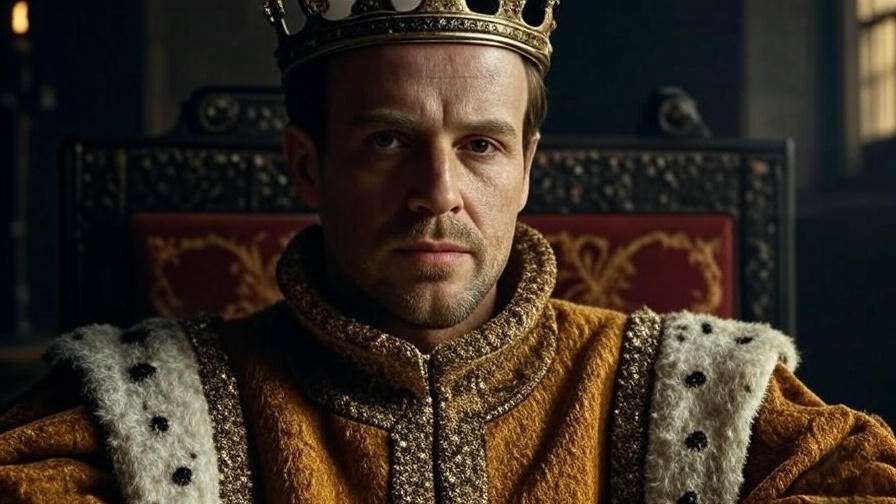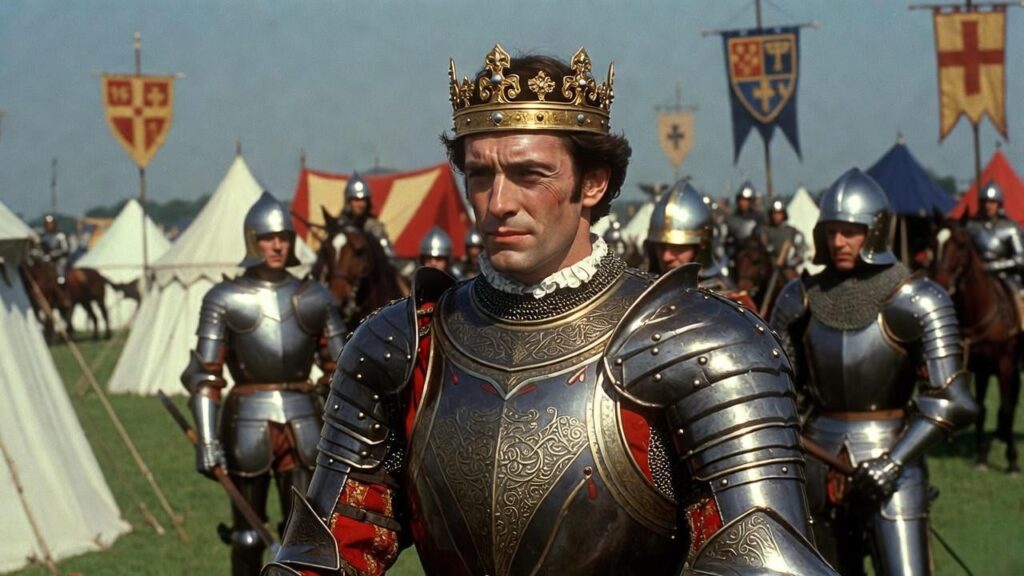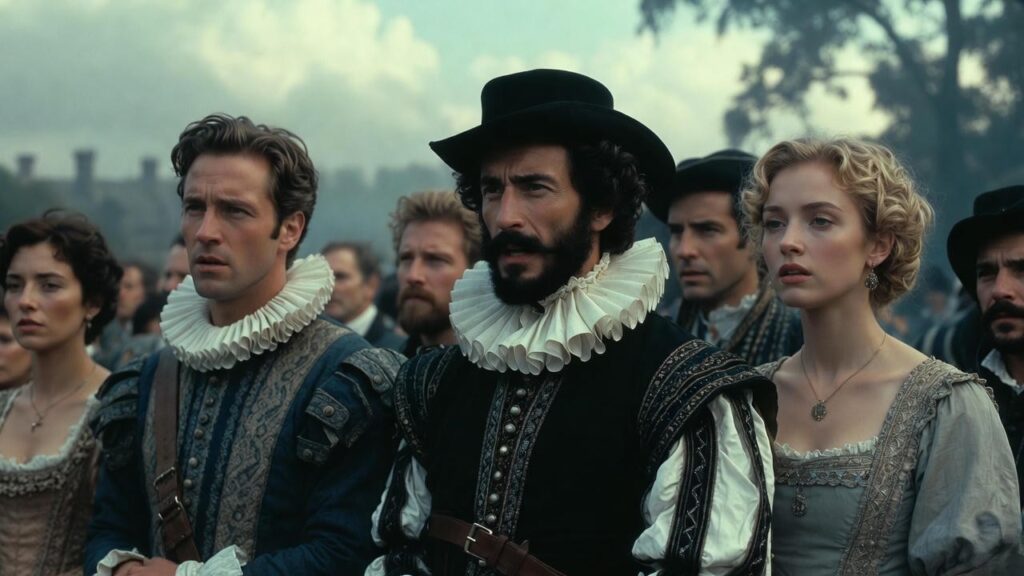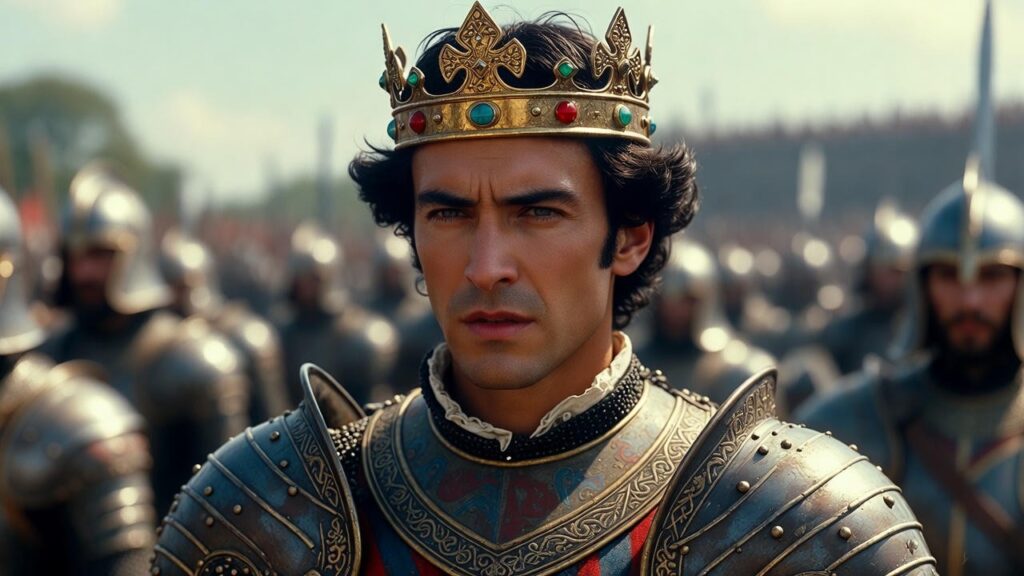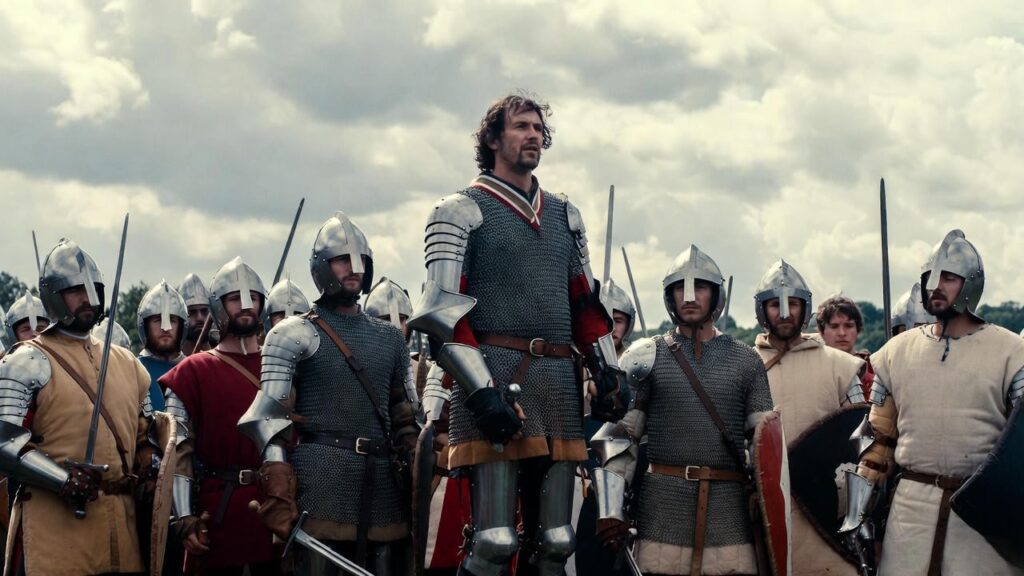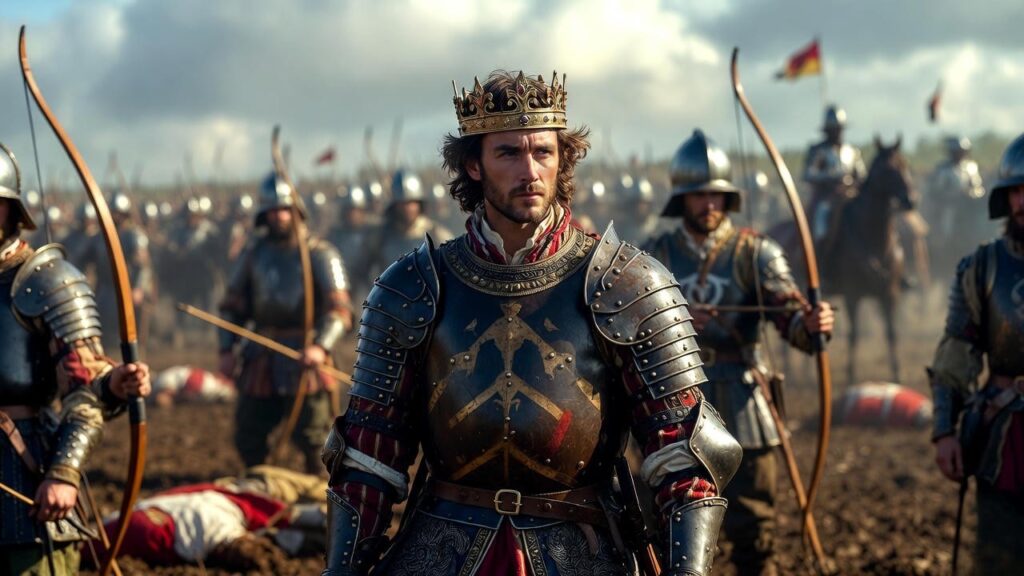
“Once more unto the breach, dear friends, once more; Or close the wall up with our English dead!”
These electrifying words, shouted by a young king to his exhausted troops outside the walls of Harfleur, have echoed through centuries. Few plays in the Shakespearean canon deliver such raw motivational power as Henry V. Whether you’re searching for the most memorable king henry v quotes to inspire a team, deepen your understanding of leadership, or simply appreciate Shakespeare’s unparalleled command of language, this masterpiece continues to resonate profoundly in our modern world.
Written around 1599, Henry V transforms the historical figure of King Henry V from a wild prince into a charismatic, flawed, yet heroic leader. The play’s speeches—especially the famous St. Crispin’s Day oration—remain among the most quoted passages in English literature. In this comprehensive guide, we’ve selected the 10 most inspiring King Henry V quotes, providing full context, historical background, line-by-line analysis, and practical modern applications. Far more than a simple list, this article explores why these lines endure and how they can transform your approach to leadership, resilience, and personal growth.
Historical and Literary Context of Henry V
To fully appreciate the power of these quotes, we must first understand the world Shakespeare crafted.
The Real King Henry V and Shakespeare’s Dramatic Transformation
The historical Henry V (1386–1422) was indeed a brilliant military commander who won the stunning victory at Agincourt in 1415 against overwhelming odds. However, Shakespeare drew heavily from earlier chronicles—particularly Raphael Holinshed’s Chronicles (1577)—and took significant artistic liberties. The king we meet in the play is a reformed “madcap prince” (familiar from Henry IV, Parts 1 and 2), now embodying ideal Renaissance kingship: pious, eloquent, courageous, and merciful.
Shakespeare flattens some of Henry’s more ruthless historical actions (such as the execution of prisoners at Agincourt) to create a near-mythic national hero at a time when England faced external threats and internal unrest.
Why Shakespeare Wrote Henry V (1599): Propaganda, Patriotism, and the Essex Rebellion
Performed at the newly built Globe Theatre, Henry V coincided with the Earl of Essex’s campaign in Ireland. Many scholars, including Stephen Greenblatt in Will in the World, argue the play served as subtle patriotic propaganda, rallying English spirits. The Chorus’s wistful pleas for a “kingdom for a stage” and a “muse of fire” reflect both the limitations of Elizabethan theatre and a yearning for heroic national unity.
Key Themes of the Play: Leadership, Unity, Honor, and the Cost of War
While celebrated for its inspirational rhetoric, Henry V is no jingoistic celebration. Shakespeare repeatedly undercuts Henry’s grandeur with scenes of common soldiers questioning the justice of war, the king’s personal doubts, and the human cost of glory. This tension—between ideal leadership and grim reality—gives the play its enduring depth.
The 10 Most Inspiring King Henry V Quotes – Deep Analysis and Modern Relevance
1. “Once more unto the breach, dear friends, once more…” (Act 3, Scene 1)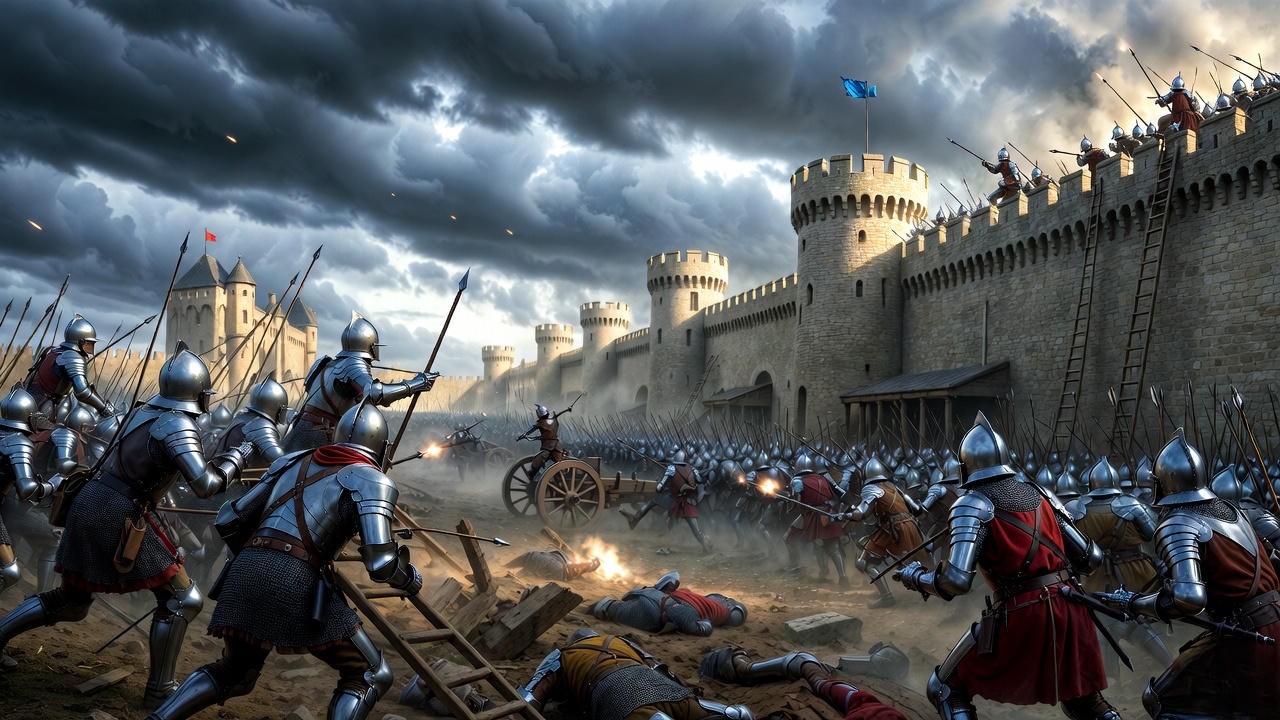
Full context and quote:
“Once more unto the breach, dear friends, once more; Or close the wall up with our English dead. In peace there’s nothing so becomes a man As modest stillness and humility: But when the blast of war blows in our ears, Then imitate the action of the tiger; Stiffen the sinews, summon up the blood…”
Delivered during the siege of Harfleur in 1415, Henry’s army has already made one costly assault on the city’s walls. Exhausted and battered, the soldiers hesitate before a second charge. Henry’s speech is a masterclass in motivational oratory.
Line-by-line insights:
- “Unto the breach”: The “breach” is the gap blown in the fortifications—both literal and metaphorical for overcoming obstacles.
- “Imitate the action of the tiger”: Henry calls for controlled ferocity, not blind rage.
- The contrast between peace (humility) and war (ferocious energy) reflects Renaissance ideals of balanced masculinity.
Modern relevance: This speech is frequently cited in military training, sports coaching, and corporate leadership seminars. Business leaders like former GE CEO Jack Welch referenced similar “rally the troops” moments. In 2025, when teams face burnout or seemingly insurmountable deadlines, Henry’s call to “summon up the blood” reminds us that leadership often means reigniting collective will at the point of greatest exhaustion.
2. “We few, we happy few, we band of brothers…” (St. Crispin’s Day Speech – Act 4, Scene 3)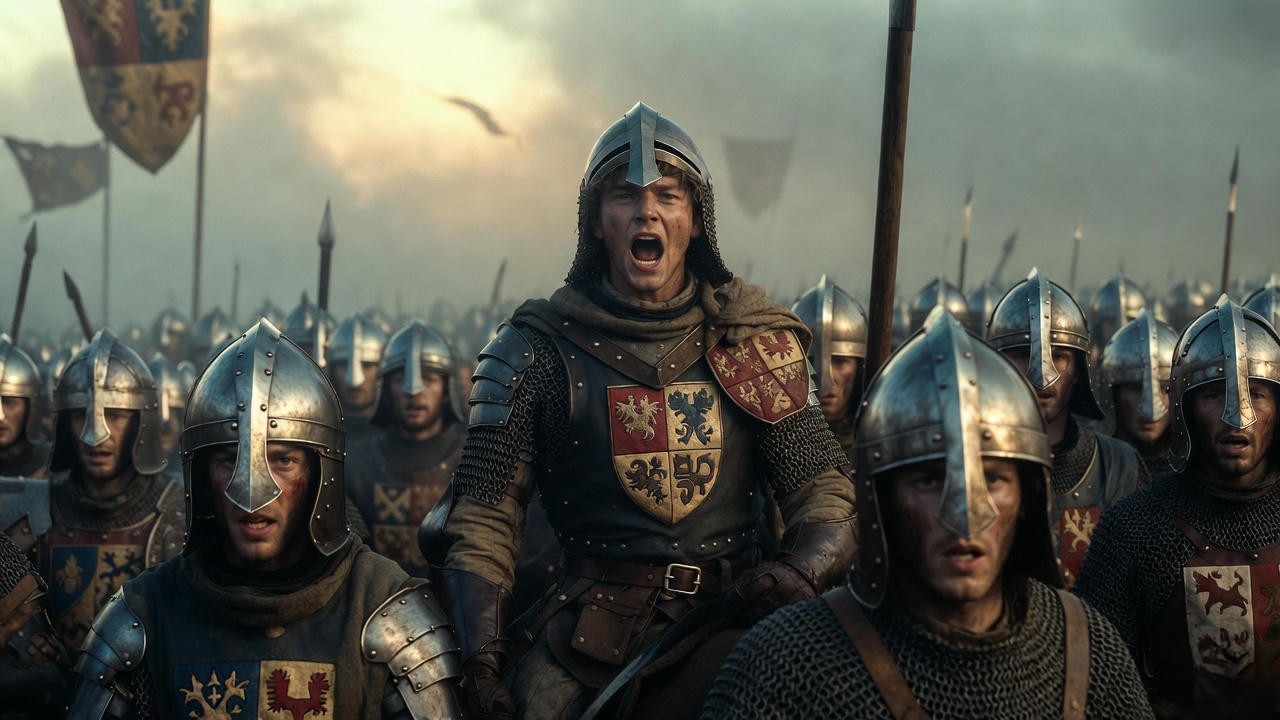
Full excerpt (abridged):
“This day is call’d the feast of Crispian. He that outlives this day, and comes safe home, Will stand a-tiptoe when this day is nam’d… We few, we happy few, we band of brothers; For he to-day that sheds his blood with me Shall be my brother; be he ne’er so vile, This day shall gentle his condition…”
On the morning of the Battle of Agincourt (October 25, 1415), the English army—sick, outnumbered roughly 5 to 1, and bogged down in mud—faces annihilation. The Earl of Westmorland wishes for more men; Henry responds with what is arguably the greatest motivational speech in English literature.
Why it endures:
- Democratization of honor: Henry promises that every soldier, regardless of birth, will be ennobled by shared sacrifice.
- Future-oriented vision: He shifts focus from present fear to future glory and annual remembrance.
- Rhetorical mastery: Anaphora (“This day…”), vivid imagery, and inclusive language (“my brother”).
Modern applications: The “band of brothers” phrase inspired the title of Stephen Ambrose’s book and the HBO miniseries about Easy Company in World War II. Startup founders often invoke it when building early teams; military units worldwide quote it before deployment. In remote-work 2025 culture, it reminds leaders to foster deep camaraderie even across digital distances.
3. “The king’s name is a tower of strength” (Act 3, Scene 1)
Spoken by Richard, Earl of Cambridge (ironically):
“The king’s name is a tower of strength, Which they upon the adverse party want.”
Said during the Harfleur siege, this line highlights the psychological power of Henry’s reputation. The French fear his very name.
Analysis: Shakespeare explores the concept of perceived authority versus actual power. Henry himself later questions whether ceremony and title truly elevate a man above others.
Modern relevance: In personal branding and leadership perception, a strong reputation precedes you. Politicians, CEOs, and influencers understand that their “name” can inspire confidence or fear long before they speak. Yet the play warns that such towers can crumble if not backed by substance.
4. “A little touch of Harry in the night” (Act 4, Prologue – Chorus)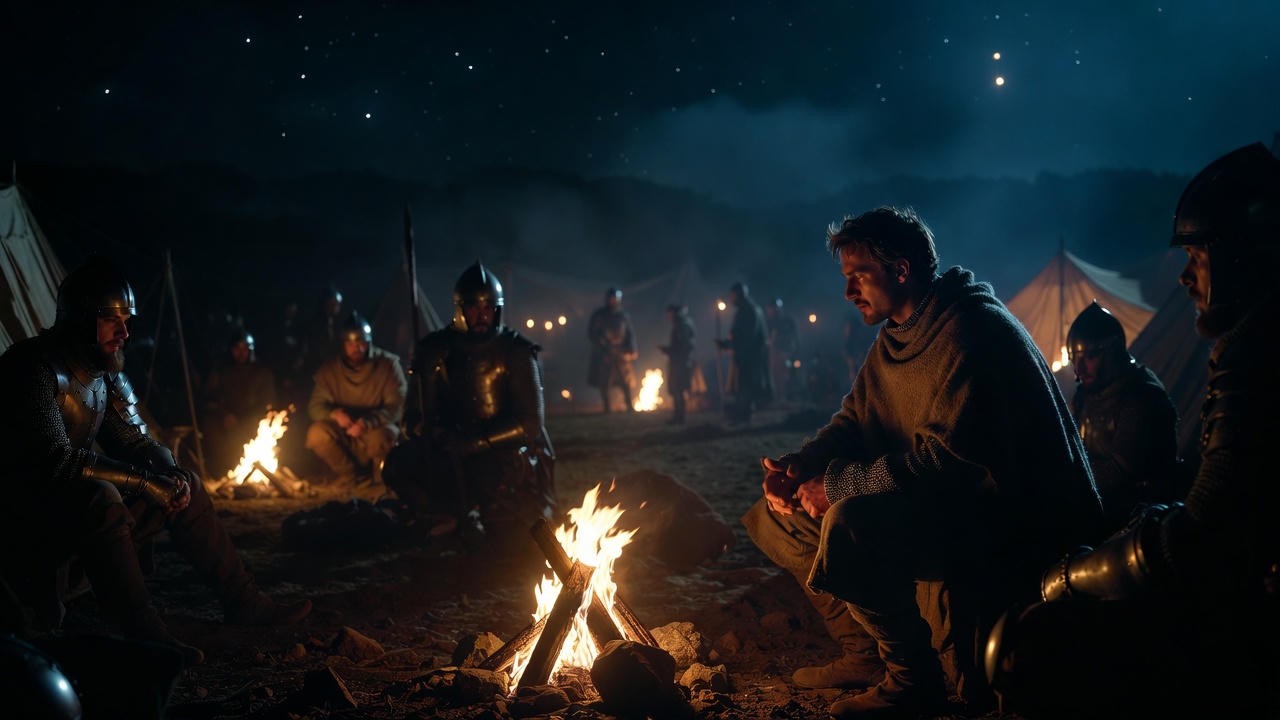
Chorus:
“A little touch of Harry in the night.”
On the eve of Agincourt, Henry disguises himself and walks among his soldiers to gauge morale.
Analysis: This beautiful phrase captures the humanizing effect of a leader’s presence. The Chorus idealizes Henry’s empathetic leadership—visiting campfires, listening to fears.
Modern parallel: Management theorists call this “management by walking around” (popularized by Hewlett-Packard). Authentic leaders in 2025—whether in tech offices or hybrid teams—know that informal, human connection builds trust far more than formal addresses.
5. “Every subject’s duty is the king’s; but every subject’s soul is his own” (Act 4, Scene 1)
Full context:
During Henry’s disguised walk among his soldiers on the eve of Agincourt, he debates with Michael Williams and John Bates. When challenged on the king’s responsibility for the souls of men who die unprepared, Henry replies:
“Every subject’s duty is the king’s; but every subject’s soul is his own.”
Analysis: This is one of Shakespeare’s most profound statements on personal moral responsibility. Henry argues that while soldiers owe obedience, each man must make peace with God individually. The line reveals Henry’s attempt to shift ethical weight away from himself—yet it also exposes the inescapable burden of command. Scholars like Norman Rabkin (Shakespeare and the Problem of Meaning) note the ambiguity: is this wise leadership or self-serving rationalization?
Modern relevance: In 2025, this quote speaks directly to debates around accountability in war, corporate ethics, and governance. Military leaders reference it when discussing rules of engagement and individual conscience. In business, it parallels whistle-blower dilemmas: employees must follow orders, but retain personal moral agency. It’s a reminder that true leadership never absolves followers of their own ethical choices.
6. “I think the king is but a man, as I am” (Act 4, Scene 1)
From Henry’s soliloquy after his debate with Williams:
“I think the king is but a man, as I am: the violet smells to him as it doth to me… Upon the king! Let us our lives, our souls, our debts, our careful wives, our children, and our sins lay on the king! We must bear all.”
Alone after returning to his tent, Henry delivers a raw, introspective monologue on the crushing weight of kingship.
Line-by-line insights:
- Human equality: Henry strips away ceremony to reveal shared humanity.
- The illusion of privilege: Kings suffer unique torments—constant vigilance, impossible decisions, isolation.
- Irony: The same man who inspired thousands now envies the “private men” who can sleep soundly.
Modern applications: This soliloquy is frequently cited in discussions of executive mental health and imposter syndrome. High-profile leaders—from tech CEOs to political figures—have referenced it when discussing the loneliness of power. In an era of increased awareness around burnout (2025 studies show 70%+ of C-suite executives report chronic stress), Henry’s vulnerability humanizes authority and encourages empathy toward those in command.
7. “If we are mark’d to die, we are enow / To do our country loss…” (Act 4, Scene 3)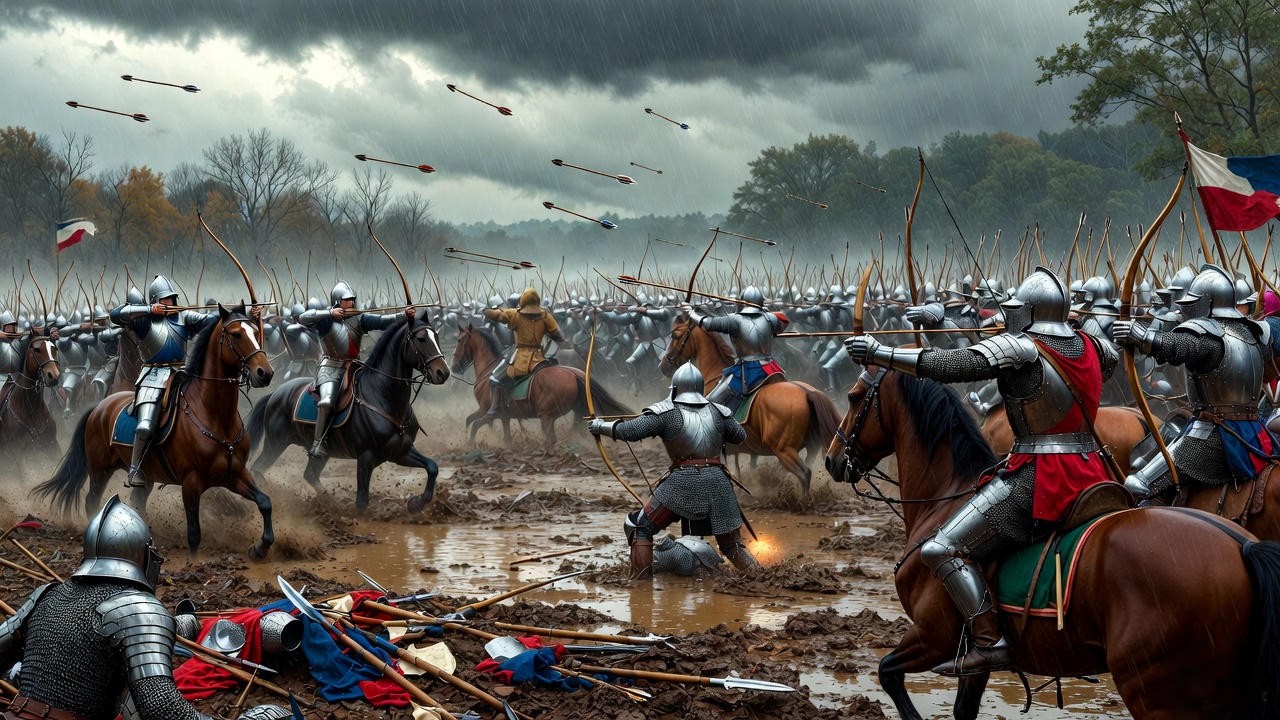
From the St. Crispin’s Day speech continuation:
“If we are mark’d to die, we are enow To do our country loss; and if to live, The fewer men, the greater share of honour.”
Henry reframes numerical disadvantage as a privilege.
Analysis: This stoic acceptance of fate echoes classical philosophy (Seneca, Epictetus) while infusing it with Christian resignation. By embracing possible death, Henry liberates his men from fear and redirects energy toward honor.
Modern relevance: Special forces units and high-risk professions often quote this mindset. Entrepreneurs facing long odds invoke it during funding droughts or market crashes. It prefigures Carol Dweck’s “growth mindset” research by centuries: reframing adversity as opportunity for greater achievement.
8. “All things are ready, if our minds be so” (Act 4, Scene 3)
Henry concluding the St. Crispin’s Day speech:
“All things are ready, if our minds be so.”
Analysis: Perhaps the play’s purest distillation of psychological readiness. Material conditions (numbers, weather, supplies) matter far less than collective belief and resolve.
Modern applications: Sports psychologists, negotiation trainers, and performance coaches regularly cite this line. In 2025’s fast-paced startup and remote-work environments, where resources are often limited, leaders use it to emphasize mindset training, visualization, and team alignment over mere logistics.
9. “The game’s afoot” (Act 3, Scene 1)
Henry at Harfleur:
“The game’s afoot: Follow your spirit, and upon this charge Cry ‘God for Harry, England, and Saint George!’”
Analysis: This energetic phrase—now a common English idiom—originated here. “Game” refers to the hunt or contest; Henry signals the decisive moment has arrived.
Modern relevance: Used everywhere from boardrooms (“The acquisition game is afoot”) to gaming culture and political campaigns. It captures that electric instant when planning ends and execution begins—perfect for project launches, product releases, or competitive scenarios.
10. “Men of few words are the best men” (Act 3, Scene 2)
Spoken ironically by the Boy observing Fluellen, Macmorris, and Jamy:
“Men of few words are the best men.”
Context and irony: The three captains have just engaged in a comically verbose argument about military theory. The Boy’s aside undercuts national stereotypes and empty rhetoric.
Analysis: Shakespeare contrasts Henry’s eloquent inspiration with the play’s warning against mere talk. True valor lies in action. The Boy—often seen as a voice of moral clarity—delivers quiet wisdom amid bombast.
Modern relevance: A powerful reminder in our hyper-verbal social media age. Leaders who act decisively rather than endlessly debate earn lasting respect. It’s a favorite quote among introverted executives and those advocating “quiet strength.”
Why These Quotes Continue to Inspire in 2025
Shakespeare’s Henry V has never been more culturally alive. Kenneth Branagh’s 1989 film brought the St. Crispin’s Day speech to millions; Tom Hiddleston’s portrayal in The Hollow Crown (2012) and Timothée Chalamet’s in The King (2019) introduced it to new generations. Politicians (from Churchill to modern campaign trails), coaches (Pep Guardiola has referenced “band of brothers”), and CEOs (Satya Nadella on empathetic leadership) continue to draw from its well.
Google Trends data consistently shows spikes in searches for “St. Crispin’s Day speech” around major sporting events and leadership conferences. The play’s exploration of authentic leadership, national identity, and the moral cost of power feels acutely relevant amid global uncertainty.
How to Apply Henry V’s Wisdom in Modern Life
In Leadership and Management
- Practice “a little touch of Harry”: Schedule informal check-ins, virtual coffee chats, or site visits.
- Use reframing language: When teams face setbacks, channel “The fewer men, the greater share of honour.”
- Balance inspiration with accountability: Rally with eloquence, but never dodge personal responsibility.
In Personal Development and Resilience
- Cultivate mental readiness: Daily visualization and mindset work (“All things are ready, if our minds be so”).
- Embrace shared struggle: Seek or build your own “band of brothers/sisters” for support during challenges.
- Accept burdens gracefully: Henry’s soliloquy teaches that growth often comes through carrying heavy responsibility.
In Public Speaking and Communication
- Study Henry’s rhetorical techniques: anaphora, vivid imagery, inclusive language.
- Know when silence speaks louder: Remember the Boy’s “Men of few words are the best men.”
Expert Insights and Further Reading
Harold Bloom called the St. Crispin’s Day speech “the ultimate expression of heroic vitalism in Shakespeare.” Stephen Greenblatt notes how Henry V embodies “the theatricality of power”—a leader consciously performing greatness while wrestling with its cost.
Recommended editions:
- Folger Shakespeare Library (accessible annotations)
- Arden Shakespeare Third Series (scholarly depth)
- Royal Shakespeare Company texts
Best adaptations:
- Kenneth Branagh (1989) – visceral, emotional
- Laurence Olivier (1944) – patriotic, stylized
- Tom Hiddleston in The Hollow Crown (2012) – introspective
Frequently Asked Questions
What is the most famous quote from Henry V? The “we few, we happy few, we band of brothers” passage from the St. Crispin’s Day speech is widely regarded as the most iconic.
Is Henry V based on a true story? Yes—largely on the historical Henry V’s 1415 Agincourt campaign—but Shakespeare dramatized and idealized events for Elizabethan audiences.
Why is the St. Crispin’s Day speech so powerful? It combines democratized honor, future-oriented vision, and masterful rhetoric to transform fear into exhilaration.
How can I memorize these quotes effectively? Read aloud repeatedly, connect lines to personal experiences, and practice delivering them as speeches—Henry’s own method.
Are there modern books that reference Henry V quotes? Yes—Ryan Holiday’s The Obstacle Is the Way, Simon Sinek’s Leaders Eat Last, and Doris Kearns Goodwin’s Leadership in Turbulent Times all draw on the play.
More than four centuries after its first performance, Henry V continues to offer profound wisdom on leadership, courage, and the human condition. These ten quotes—delivered in moments of crisis, doubt, and triumph—reveal a king who is both mythic hero and deeply flawed man.
Whether you lead a team, navigate personal challenges, or simply love great language, Shakespeare’s words remain a boundless resource. Revisit the play, watch a powerful adaptation, or choose one quote to carry with you this week. As Henry himself might say: the game’s afoot.