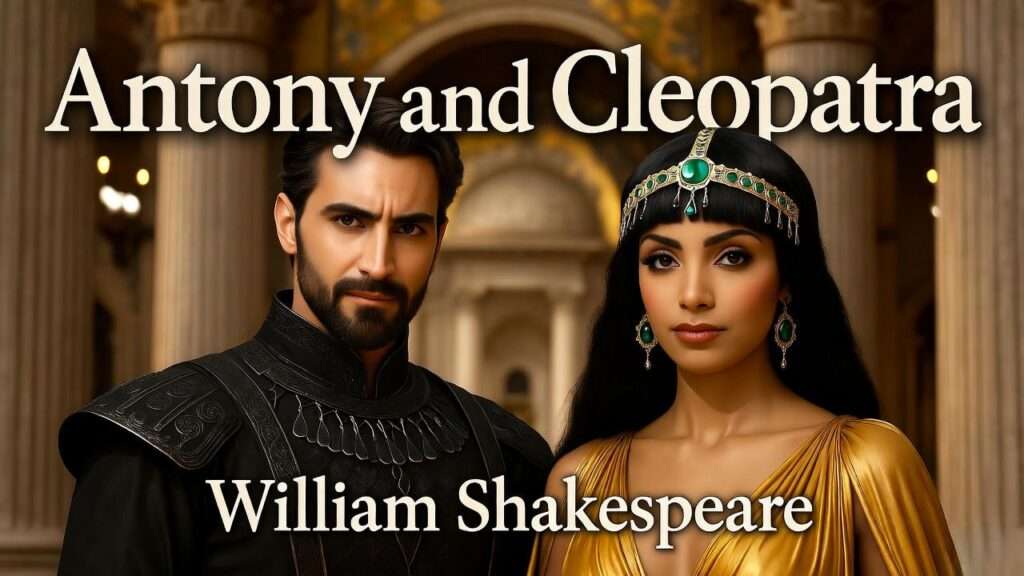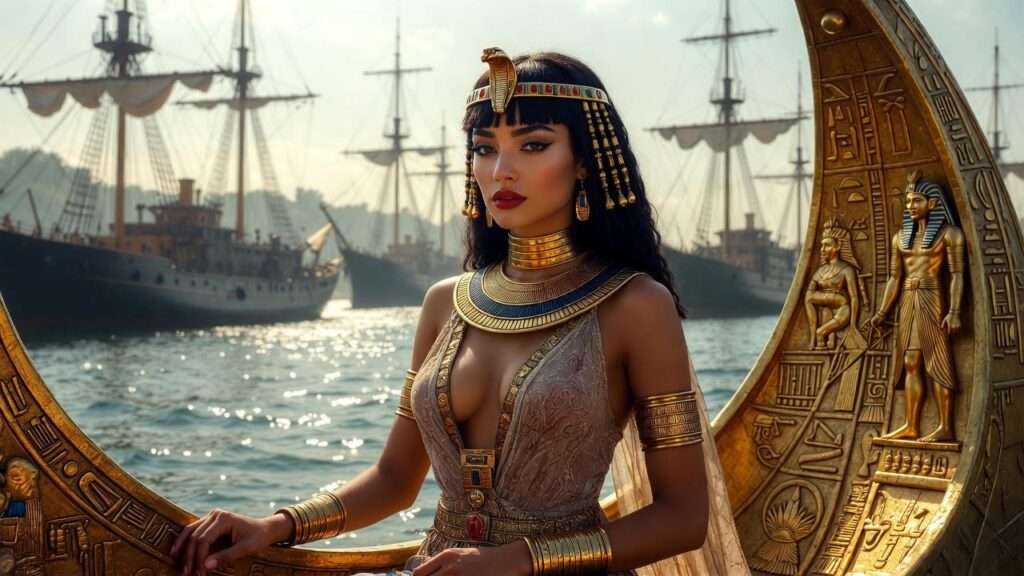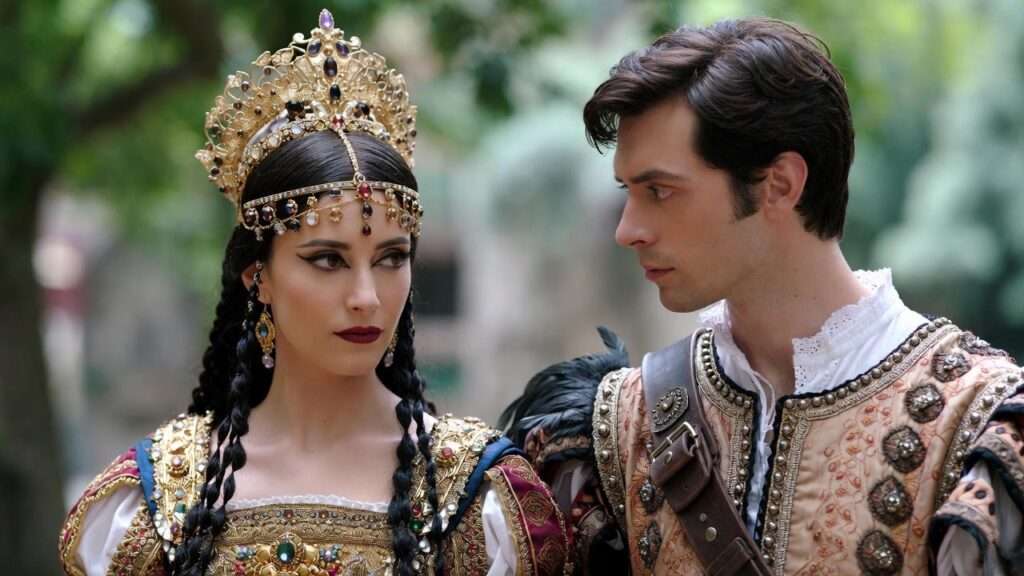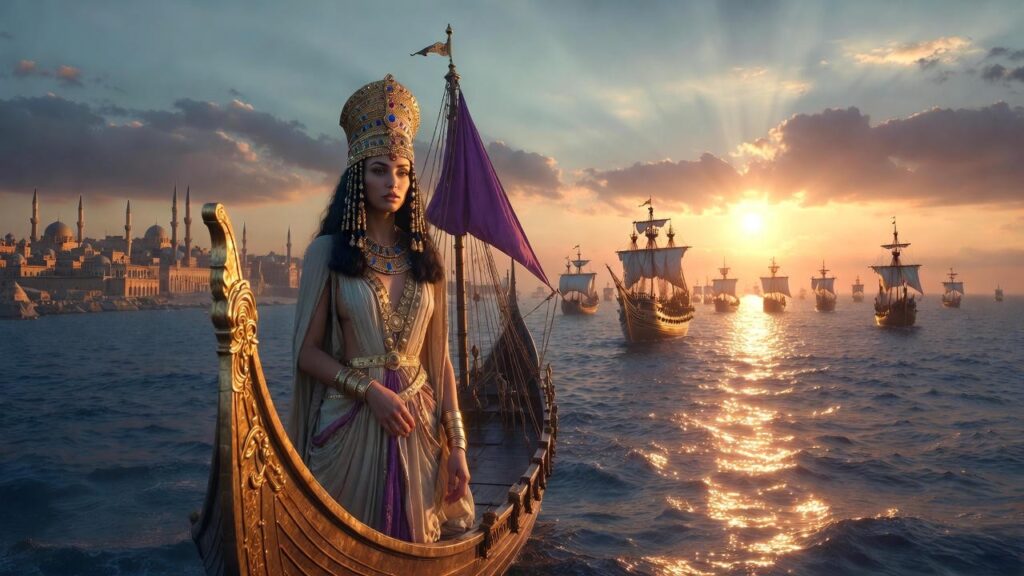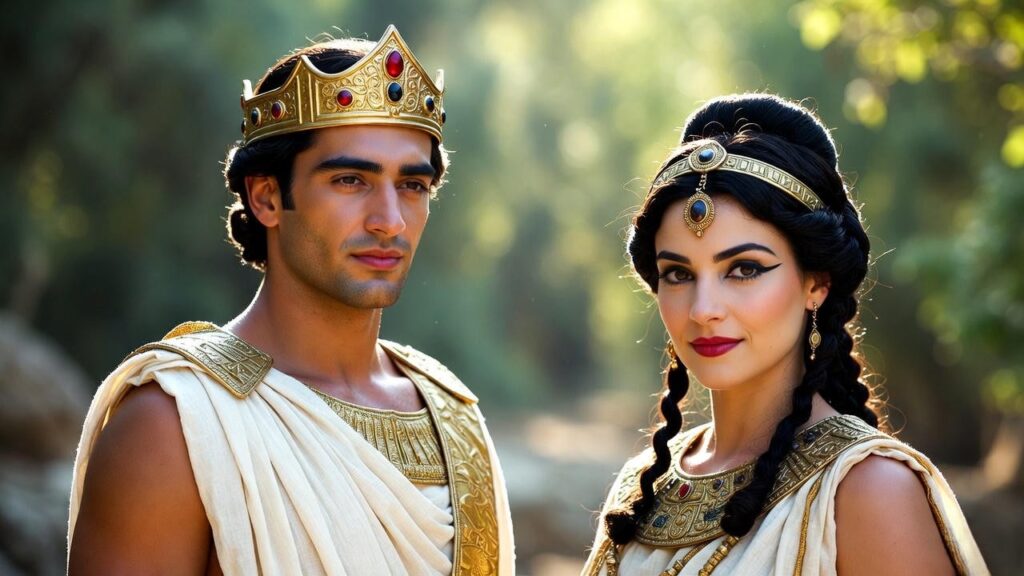
Few lines in the Shakespearean canon have captivated readers and audiences quite like Enobarbus’s ecstatic description of Cleopatra on her golden barge. In a single phrase, Shakespeare captures the essence of one of literature’s most magnetic and enigmatic figures—and, by extension, the heart of the entire tragedy. The characters of Antony and Cleopatra are not mere historical portraits; they are profound psychological studies of love, power, ambition, and self-destruction. Written around 1606–1607, Antony and Cleopatra stands apart from Shakespeare’s other Roman plays by presenting two larger-than-life protagonists whose flaws are as monumental as their passions.
This in-depth character analysis explores the major and supporting figures in the play, examining their motivations, contradictions, relationships, and symbolic significance. Whether you’re a student preparing for an exam, a teacher seeking fresh insights, a theater enthusiast tracing performance history, or a lifelong reader returning to Shakespeare, this comprehensive guide will deepen your understanding of why these characters continue to fascinate four centuries later.
Historical Context vs. Shakespeare’s Dramatic Vision
To fully appreciate Shakespeare’s characterisations, we must first distinguish between historical fact and dramatic invention. Shakespeare drew primarily from Sir Thomas North’s 1579 translation of Plutarch’s Lives of the Noble Grecians and Romans, particularly the parallel lives of Antony and Caesar. Plutarch provided rich anecdotal material, but Shakespeare transformed these accounts into a poetic tragedy of epic scope.
Who Were the Real Mark Antony and Cleopatra VII?
The historical Mark Antony (Marcus Antonius, c. 83–30 BC) was a seasoned Roman general and politician, loyal lieutenant to Julius Caesar, and later member of the Second Triumvirate with Octavian and Lepidus. Known for military brilliance, personal charisma, and lavish lifestyle, he became romantically and politically entangled with Cleopatra VII Philopator, the last Ptolemaic ruler of Egypt.
Cleopatra herself was a brilliant polyglot diplomat who spoke nine languages, maintained Egypt’s independence against Roman expansion, and bore children with both Julius Caesar and Antony. Far from the seductress of popular myth, ancient sources describe her as intellectually formidable and politically astute.
Key Liberties Shakespeare Took and Why They Matter
Shakespeare compresses a decade of history into a few months, heightens the lovers’ passion, and amplifies their tragic flaws. Most notably:
- He exaggerates Antony’s decline, portraying him as increasingly dissolute under Cleopatra’s influence.
- Cleopatra’s theatricality and emotional volatility are magnified for dramatic effect.
- Octavius Caesar emerges colder and more calculating than Plutarch’s balanced portrait.
These changes serve Shakespeare’s thematic purpose: to contrast Roman discipline with Egyptian sensuality, public duty with private desire, and political pragmatism with transcendent love.
The Role of Rome vs. Egypt as Character Foils
Rome and Egypt function almost as characters themselves. Rome represents order, martial virtue, and imperial destiny; Egypt embodies pleasure, fertility, and flux (symbolised by the Nile). The protagonists are torn between these worlds, and their inability to reconcile the two drives the tragedy.
Mark Antony – The Tragic Hero Divided
At the centre of the play stands Mark Antony, one of Shakespeare’s most contradictory tragic heroes. Unlike the introspective Hamlet or the ambitious Macbeth, Antony is defined by internal division—he is simultaneously heroic soldier and lovesick voluptuary, generous leader and impulsive fool.
Antony’s Triumvirate Role and Roman Identity
The play opens with Antony in Alexandria, neglecting his Roman duties. Yet throughout, characters remind us of his past glory: “In his officer’s wars, he shone like plated Mars” (1.1). His identity is rooted in martial prowess and camaraderie with soldiers—he shares their hardships and inspires fierce loyalty.
The Pull of Passion: Love as Both Elevation and Destruction
Antony’s love for Cleopatra is genuine and transformative. He declares, “Let Rome in Tiber melt, and the wide arch / Of the ranged empire fall!” (1.1). This hyperbolic language reveals how love expands his imagination even as it undermines his judgement. Critics such as A.C. Bradley have noted that Antony’s passion ennobles him; his suicide, though bungled, achieves a kind of grandeur.
Key Traits: Generosity, Impulsiveness, Military Prowess, and Fatal Indecision
- Generosity: Antony rewards followers lavishly and forgives enemies readily.
- Impulsiveness: His rash challenge to single combat with Caesar at Actium proves disastrous.
- Military Prowess: Even in decline, he wins a land victory after Actium.
- Indecision: He repeatedly vacillates between Rome and Egypt, duty and desire.
Pivotal Moments That Reveal Character Development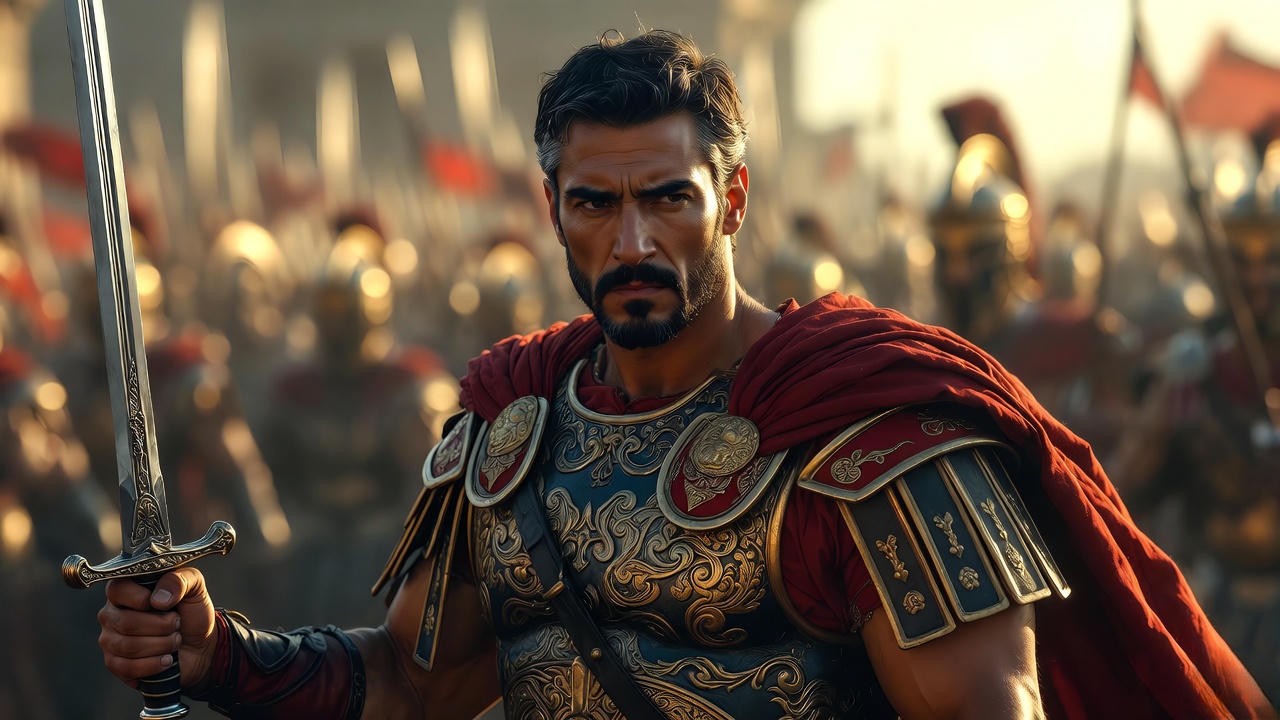
- The opening scene: Demetrius and Philo’s criticism establishes Antony’s “dotage.”
- His return to Rome and political marriage to Octavia—a brief attempt at responsibility.
- The Battle of Actium: Fleeing after Cleopatra’s ship reveals his fatal prioritisation of love.
- The false report of Cleopatra’s death: His botched suicide and dying speech (“I am Antony yet”) show lingering heroism.
Critical Interpretations: Hero, Fool, or Romantic Idealist?
Traditional criticism (e.g., 19th-century Romantic readings) celebrated Antony as a transcendent lover. Modern critics are more ambivalent: Janet Adelman sees him as emasculated by Egypt, while post-colonial scholars highlight how Shakespeare uses him to explore anxieties about Eastern “otherness.” The most balanced view recognises Antony as a flawed but magnificent figure whose tragedy lies in his inability to integrate opposing aspects of his nature.
Cleopatra – Shakespeare’s Most Enigmatic Queen
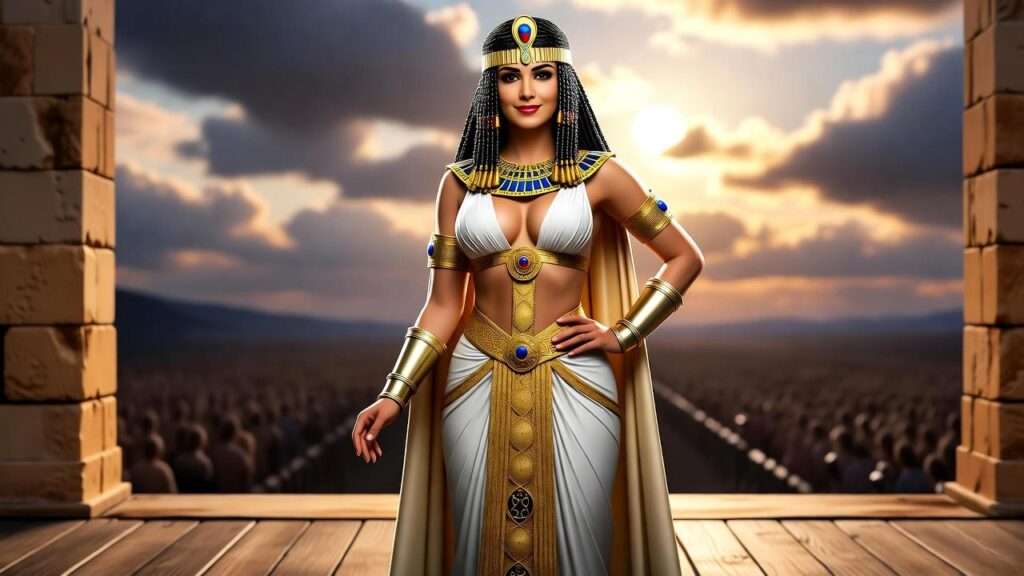
If Antony is divided, Cleopatra is protean—“infinite variety” incarnate. She is simultaneously queen, lover, actress, politician, mother, and mythic figure. Shakespeare’s Cleopatra defies easy categorisation, which is precisely why she remains endlessly fascinating.
“Infinite Variety”: Multifaceted Personality and Performance
Cleopatra constantly performs: she stages tantrums, feigns illness, and role-plays to manipulate those around her. Yet this theatricality is not mere deceit; it is her mode of being. As she says, “I’ll seem the fool I am not” (1.3).
Intelligence, Political Acumen, and Theatricality
Historical sources confirm Cleopatra’s diplomatic skill, and Shakespeare preserves this. She negotiates with Caesar astutely in Act 5 and orchestrates her own death as a final act of sovereignty.
Sexuality and Power: Empowerment or Stereotype?
Cleopatra wields sexuality as a political weapon, yet Shakespeare complicates Roman accusations of her as a “strumpet” or “gypsy.” Her erotic power is mutual—she and Antony elevate each other through desire. Modern feminist critics (e.g., Phyllis Rackin, L.T. Fitz) debate whether Shakespeare ultimately reinforces or subverts patriarchal stereotypes.
Evolution Through the Play: From Manipulator to Tragic Lover
Early scenes emphasise Cleopatra’s jealousy and caprice. After Actium, however, she matures: her decision to withhold treasure from Caesar demonstrates strategic clarity, and her final scenes reveal profound love and dignity.
Iconic Scenes That Define Her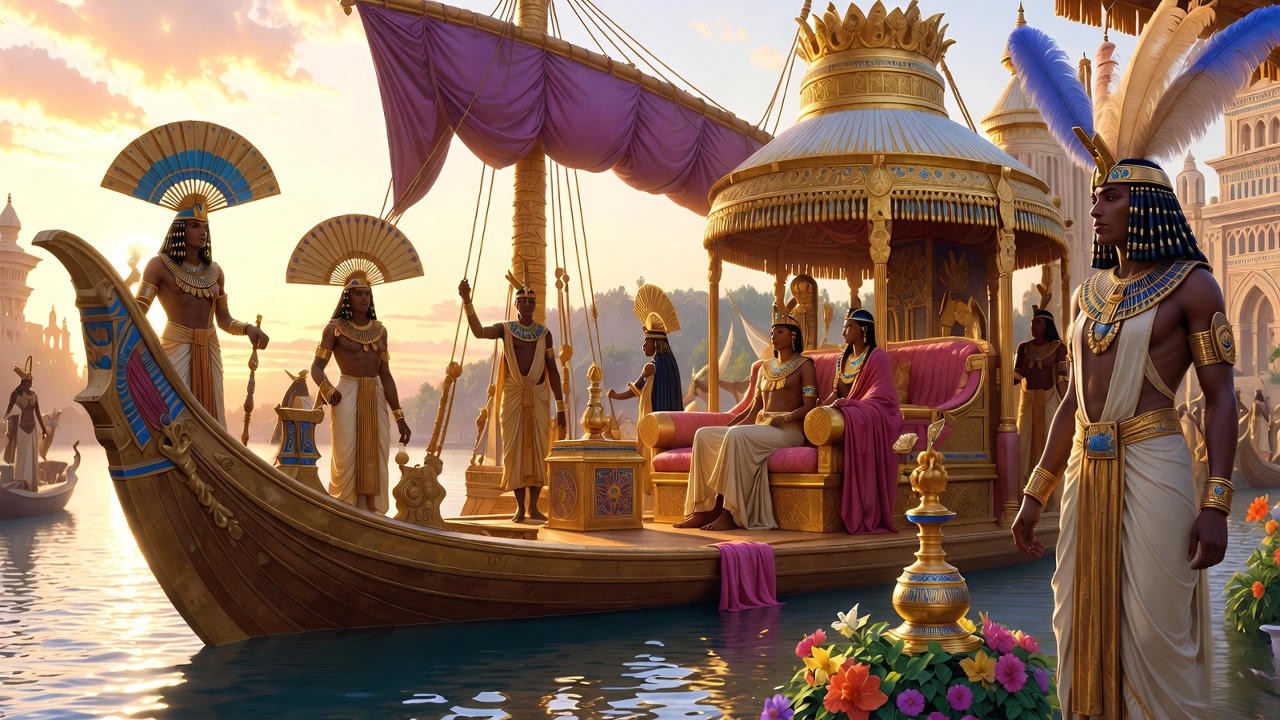
- Enobarbus’s barge description (2.2)—perhaps the most celebrated passage in the play.
- The monument scene (Act 5): Her haunting of Antony’s dying moments (“O withered is the garland of the war…”).
- Her death: Applying the asp with royal ceremony, dressed in crown and robes.
Feminist and Post-Colonial Readings in Modern Criticism
Contemporary scholarship increasingly views Cleopatra as a subversive figure who resists Roman imperialism and patriarchal control. Ania Loomba and Jyotsna Singh, among others, highlight how her Egyptian identity challenges Eurocentric narratives.
Octavius Caesar – The Antithesis of Antony
Octavius Caesar (later Augustus) serves as the play’s cool counterpoint to Antony’s heat. Shakespeare presents him as the embodiment of Roman discipline, political calculation, and inexorable destiny—the man who will forge the Roman Empire from the ashes of the Republic.
Cold Calculation vs. Passionate Excess
Where Antony is expansive and emotional, Octavius is restrained and strategic. He rarely speaks in poetry; his language is prose-like, direct, and pragmatic. As he tells Lepidus and Antony early in the play: “It is not Caesar’s natural vice to hate / Our great competitor” (1.4). Yet his actions reveal a master manipulator who exploits Antony’s weaknesses without ever losing control himself.
Political Genius and the Rise of Empire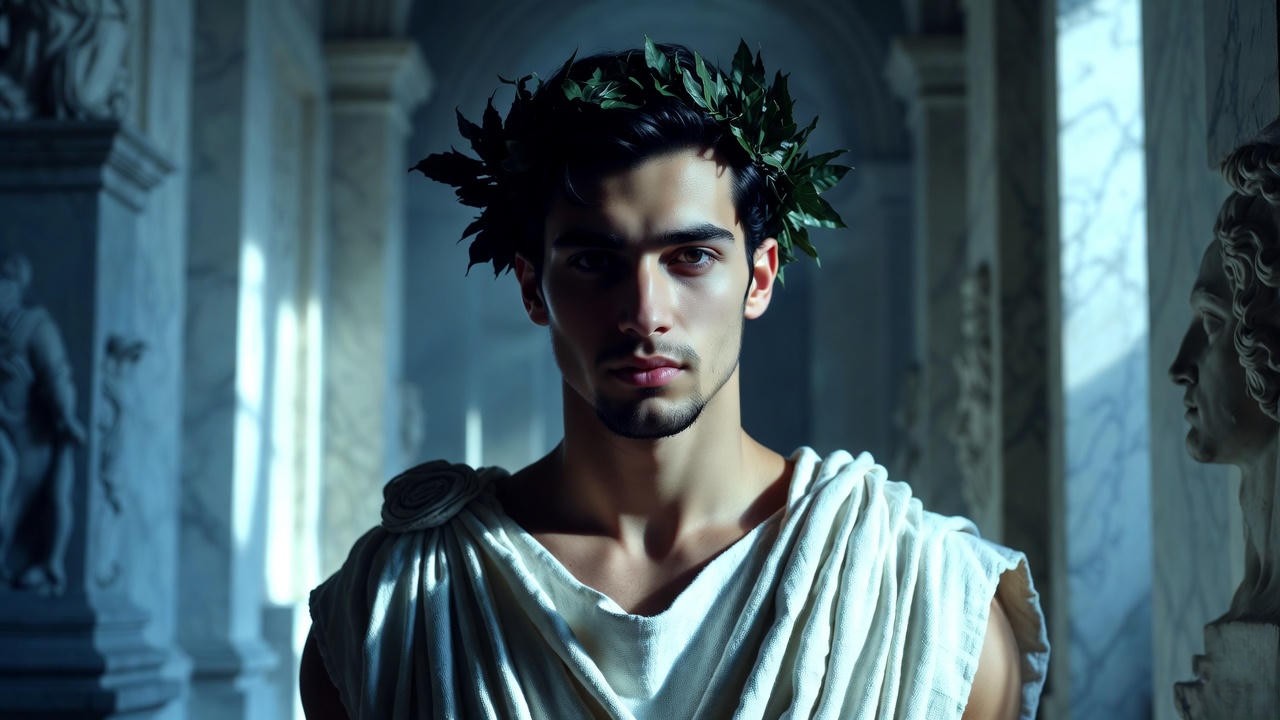
Octavius’s triumph is not merely military but ideological. He understands propaganda, timing, and the power of public perception. After Actium, he swiftly consolidates power, marginalising Lepidus and outmanoeuvring Antony politically before the final confrontation. Shakespeare foreshadows the Augustan age: Octavius represents the future—a unified, orderly Rome—while Antony and Cleopatra embody a vanishing world of heroic individualism.
Character Flaws: Ambition Without Humanity?
Though victorious, Octavius is not idealised. His grief over Antony’s death feels perfunctory (“The breaking of so great a thing should make / A greater crack” – 5.1), and his attempt to capture Cleopatra alive for his triumph reveals ruthless pragmatism. Critics such as Maurice Charney argue that Octavius’s emotional sterility makes him less fully human than the flawed lovers, rendering his victory bittersweet.
Symbolic Role as the Future Augustus
Octavius functions symbolically as the agent of historical inevitability. The play ends with his solemn promise to give Cleopatra “an honourable burial,” yet we sense the lovers have transcended his world through their transcendent deaths.
Supporting Characters and Their Dramatic Functions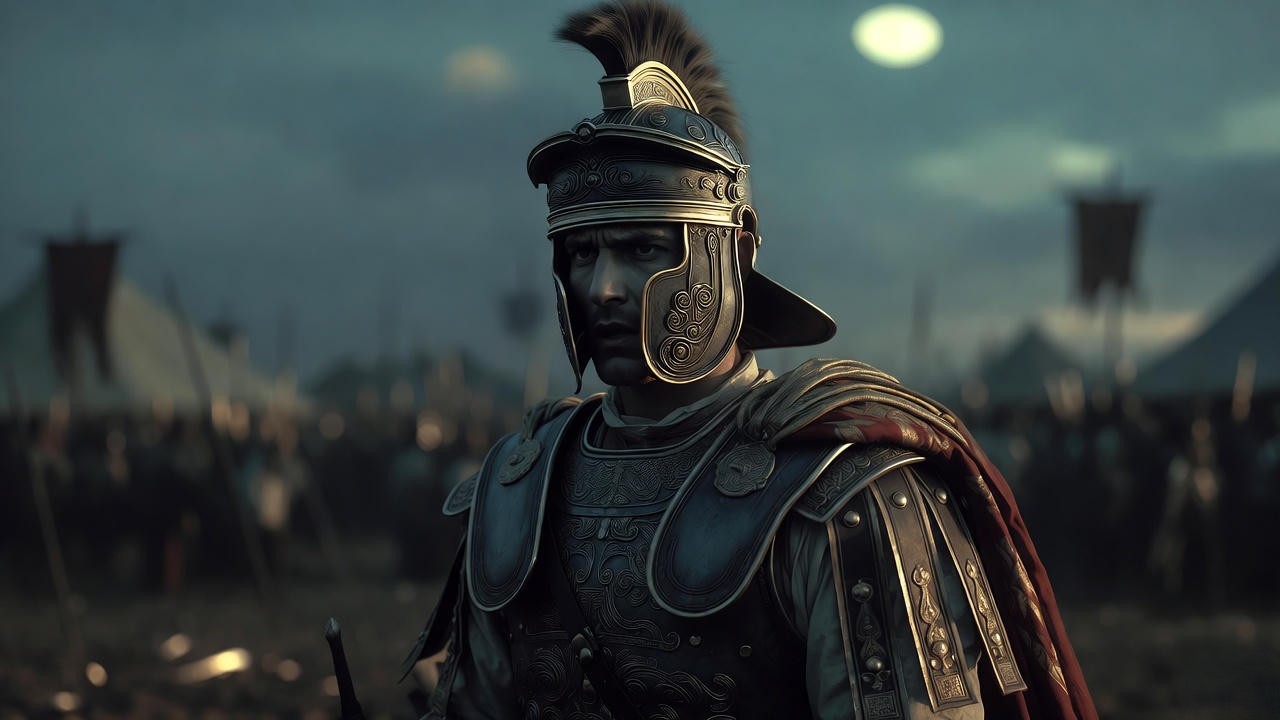
Shakespeare’s supporting cast is unusually rich, with even minor figures serving to illuminate the protagonists’ complexities.
Enobarbus – The Voice of Reason and Tragic Loyalty
Domitius Enobarbus is one of Shakespeare’s finest supporting creations: a plain-speaking Roman soldier whose loyalty to Antony is tested by his master’s folly. His vivid description of Cleopatra’s barge (2.2) is the play’s poetic high-water mark, revealing his own susceptibility to Egyptian enchantment even as he critiques it.
Enobarbus’s defection to Caesar—driven by despair at Antony’s decline—followed by his remorseful death from grief (“Throw my heart / Against the flint and hardness of my fault” – 4.9) creates a poignant subplot. He mirrors Antony’s better self: rational, loyal, and ultimately destroyed by the same passions he observes.
Charmian and Iras – Loyalty and Female Solidarity
Cleopatra’s attendants provide a female perspective often absent in Shakespeare’s Roman plays. Their banter humanises the queen, while their voluntary deaths alongside her in Act 5 underscore themes of unwavering devotion. Charmian’s final line—“Your crown’s awry; / I’ll mend it, and then play—” captures the blend of domestic intimacy and tragic dignity.
Pompey, Lepidus, and the Second Triumvirate
Sextus Pompeius (Pompey) represents a third path—rebellion against the triumvirs—yet his compromise at Misenum highlights the inevitability of Octavius’s rise. Lepidus, the weakest triumvir, functions largely as comic relief and cautionary figure: drunk, manipulated, and eventually discarded.
Minor Figures: Eros, Mardian, Seleucus – How They Illuminate Leads
- Eros: Antony’s freedman who kills himself rather than obey the order to kill his master—a supreme act of Roman honour.
- Mardian the eunuch: Adds ironic commentary on sexuality and power.
- Seleucus: Cleopatra’s treasurer whose betrayal (revealing she has withheld treasures) prompts her magnificent rage, proving her political acumen even in defeat.
Key Relationships and Character Dynamics
The play’s dramatic power derives from interlocking relationships that expose inner conflicts.
Antony and Cleopatra: Love, Power, and Mutual Destruction
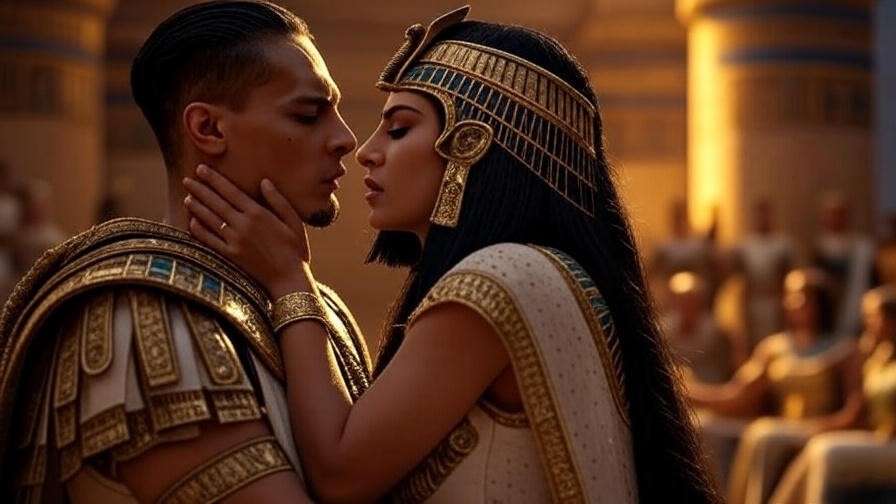
Their relationship is uniquely reciprocal—neither fully dominates the other. They quarrel violently, reconcile passionately, and ultimately choose death together (though apart). Lines like Cleopatra’s “Eternity was in our lips and eyes” (1.3) and Antony’s dying vision of reunion suggest a love that transcends earthly defeat.
Antony vs. Caesar: Personal Rivalry and Ideological Clash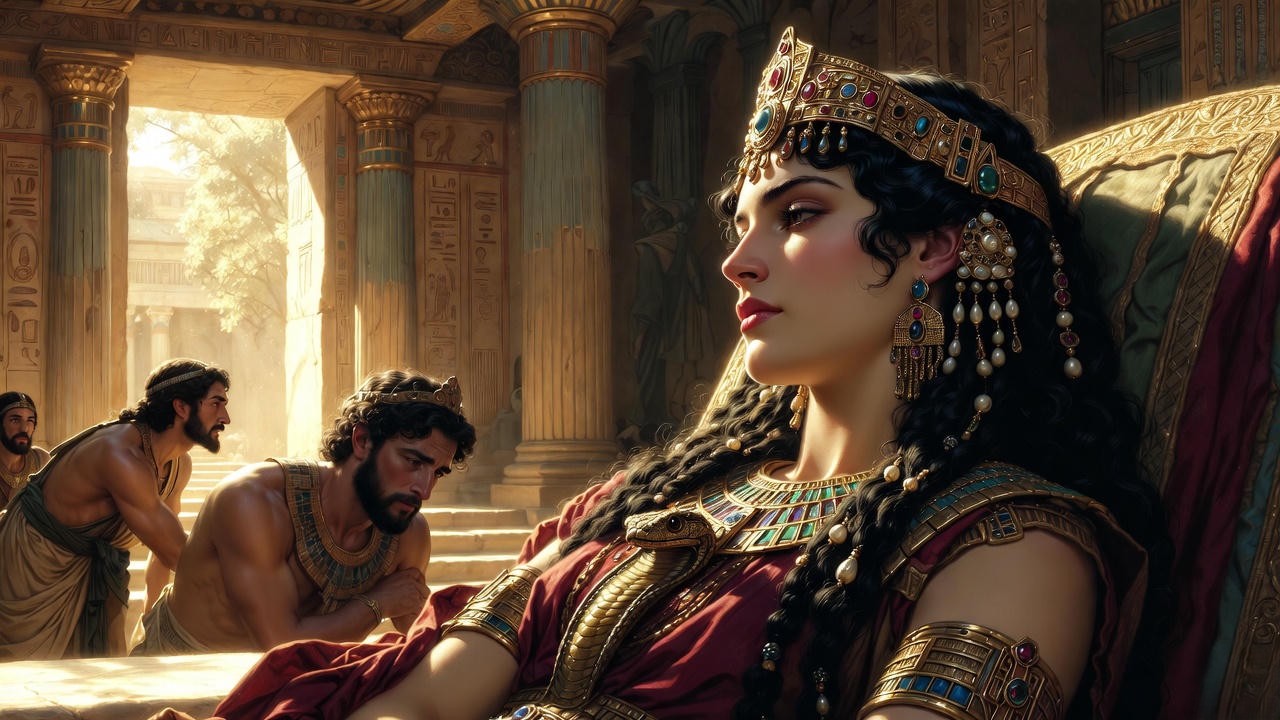
Beyond politics, their rivalry is fraternal: Octavius is the younger, more disciplined “brother” who inherits Antony’s legacy. Their single direct confrontation (Act 2, Scene 3) reveals mutual respect beneath hostility.
Cleopatra and Her Court: Manipulation or Genuine Bonds?
Cleopatra’s interactions with attendants blend affection and authority. Her grief-stricken command to Iras—“If thou hast any / Thing left of woman in thee, stay” (5.2)—reveals vulnerability beneath the regal facade.
Shakespeare masterfully uses dialogue and soliloquy to reveal inner turmoil: Antony’s frequent asides expose self-loathing, while Cleopatra’s rare moments alone (e.g., 5.2) strip away performance to reveal genuine despair.
Themes Revealed Through Characterisation
Characters in Antony and Cleopatra are inseparable from the play’s grand themes.
Love vs. Duty
The central conflict: Antony’s “I must from this enchanting queen break off” (1.2) recurs throughout, never resolved until death.
Public Image vs. Private Self
Both protagonists are consummate performers aware of their own myth-making. Cleopatra’s final staging of her death as “immortal” spectacle is the ultimate fusion of public and private.
Empire, Gender, and Race in Early Modern Context
The play reflects Jacobean anxieties about empire-building, female sovereignty (echoing Elizabeth I), and racial “otherness.” Cleopatra’s darkness is both eroticised and demonised by Roman characters.
Tragedy of Flawed Greatness
Unlike classical tragedy’s single hamartia, Antony and Cleopatra’s downfall stems from excess of virtue—too much passion, generosity, and imagination for a narrowing world.
Performance History and Character Interpretations on Stage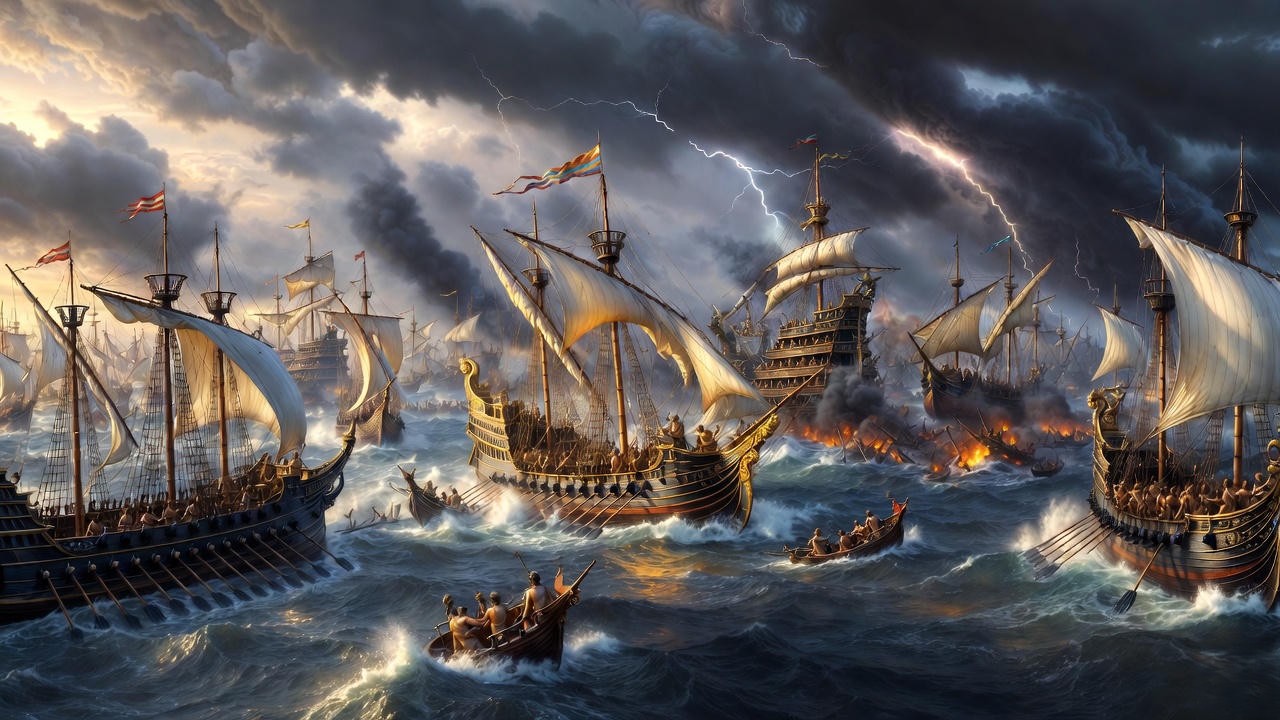
The play’s demanding roles have attracted legendary actors across centuries.
Notable Portrayals
- Peggy Ashcroft (1953) and Judi Dench (1987) brought intellectual depth to Cleopatra.
- Laurence Olivier (1951) and Kenneth Branagh (1999) emphasised Antony’s soldierly charisma.
- Patrick Stewart (1978) and Kim Cattrall (2010) explored gender-fluid aspects.
Modern and Diverse Casting Choices
Recent productions increasingly cast actors of colour as Cleopatra (e.g., Sophie Okonedo, 2018 National Theatre), reclaiming her historical Egyptian identity and challenging centuries of whitewashing.
Directorial Approaches to Character Complexity
Directors like Peter Brook (1978) emphasised ritual and myth, while Iqbal Khan (2017 RSC) highlighted post-colonial themes.
Expert Tips for Students and Readers
How to Write a Strong Character Analysis Essay
- Avoid plot summary—focus on how character drives theme.
- Use close textual analysis with integrated quotations.
- Consider historical context and critical viewpoints.
- Compare characters (e.g., Antony/Caesar, Cleopatra/Octavia).
Key Quotes for Each Major Character
Antony:
- “Let Rome in Tiber melt…” (1.1.35)
- “I am dying, Egypt, dying…” (4.15.43)
Cleopatra:
- “Give me my robe, put on my crown…” (5.2.279)
- “I dreamt there was an Emperor Antony…” (5.2.75)
Octavius:
- “The time of universal peace is near…” (4.6.5)
Enobarbus:
- “The barge she sat in, like a burnish’d throne…” (2.2.199)
Common Exam Questions and How to Approach Them
- “Is Antony and Cleopatra a double tragedy?” → Argue for shared protagonism.
- “Discuss Shakespeare’s presentation of Roman values.” → Contrast multiple perspectives (Philo, Enobarbus, Caesar).
Frequently Asked Questions
Who is the true protagonist of Antony and Cleopatra? The play is unusual in having dual protagonists. Cleopatra speaks the final lines and orchestrates the closing spectacle, suggesting she ultimately claims tragic primacy.
Is Cleopatra a manipulative villain or a tragic heroine? She is both and neither—Shakespeare deliberately resists moral binaries. Her manipulation is survival strategy; her final dignity elevates her to heroic status.
Why does Antony repeatedly make poor decisions? His choices stem from a coherent (if flawed) worldview prioritising personal honour and transcendent love over political expediency.
How does Shakespeare portray Roman values versus Egyptian ones through characters? Roman characters repeatedly articulate ideals of stoicism and duty, yet often fail to embody them fully. Egyptian sensuality is celebrated in poetry even as it is condemned.
What are the most important character foils in the play? Antony/Caesar, Cleopatra/Octavia, Enobarbus/Antony, Rome/Egypt.+
Shakespeare’s characters in Antony and Cleopatra remain unmatched in their psychological depth, moral ambiguity, and poetic grandeur. Antony’s heroic decline, Cleopatra’s infinite variety, Caesar’s cold triumph, and the rich supporting ensemble together create a tragedy that feels both intimately human and cosmically vast.
Return to the play—or watch a production—with these insights, and you will discover new layers of meaning in every line. The lovers’ final transcendence reminds us that, in Shakespeare’s vision, greatness lies not in worldly victory but in the capacity to feel, imagine, and love beyond measure.
What are your favourite interpretations of these unforgettable characters? Share in the comments below, and explore more Shakespeare insights on the site.